Rice terraces and temple time, with easy logistics.
This Ubud Cultural Tour is built for a full day of highlights without the stress of figuring out rides and timings. You’ll see classic Bali scenes, from the carved details of local villages to a rainforest full of monkeys, plus the views at Tegalalang and a big-name waterfall.
What I like most is the private car setup with an English-speaking driver, so the day feels smooth and personal rather than rushed in a crowd. I also like the small practical touches: mineral water, and free FAST Wi‑Fi during the tour—useful when you’re navigating, grabbing a quick message, or uploading photos.
One consideration: entrance fees and lunch aren’t included, and each stop is about 30 minutes, so you’ll want to be ready to move when it’s time to go.
In This Review
- Key highlights to notice before you go
- How the 8:30am start shapes your whole Ubud day
- Private car value: what you’re really paying for
- Stop 1: Puseh Batuan Temple and the village-layer of Bali
- Stop 2: Mas Carving Center and what wood craft really looks like
- Stop 3: Sacred Monkey Forest Sanctuary and the 700-monkey reality
- Stop 4: Ubud Traditional Art Market and how to shop without getting lost
- Stop 5: Tegalalang Rice Terrace and the subak irrigation system
- Stop 6: Tegenungan Waterfall and photo-friendly timing
- How the driver makes or breaks the day
- Wi‑Fi, mobile tickets, and other small tech wins
- Value check: is $59 worth it for a private day?
- Who this Ubud Cultural Tour suits best
- Should you book this Ubud Cultural Tour?
- FAQ
- What time does the tour start?
- How long is the Ubud Cultural Tour?
- Is pickup offered?
- Is this tour private?
- What’s included in the price?
- Are entrance tickets included?
- Is lunch included?
- Do I need to bring anything for personal expenses?
- Is there a mobile ticket?
- What’s the cancellation policy?
Key highlights to notice before you go
- Private car with an English-speaking driver for a flexible, easy day around Ubud
- FAST Wi‑Fi onboard + mineral water, rare perks for a tour day this affordable
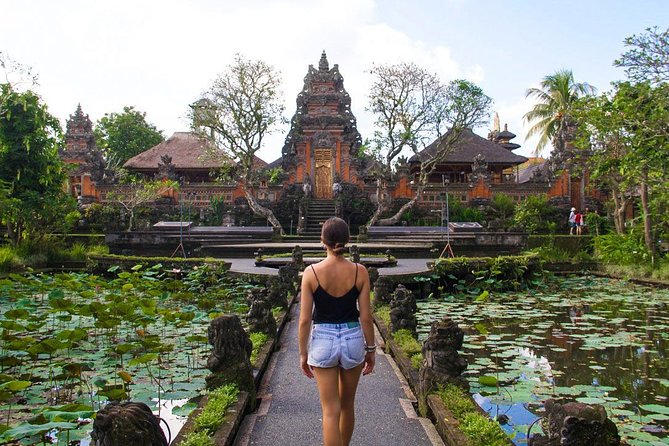
- Puseh Batuan Temple in the village of Batuan, tied to an old Isaka era date
- Sacred Monkey Forest Sanctuary with 3 temples and more than 700 monkeys
- Tegalalang rice terraces plus the Balinese irrigation system called subak
- Tegenungan Waterfall stops in the morning-to-midday flow, with plenty of photo time
How the 8:30am start shapes your whole Ubud day
This tour is scheduled to begin at 8:30am and runs about 10 hours. That timing matters more than you’d think, because Ubud’s main sights are outdoors and in the tropical heat. Getting an early start helps you enjoy the temples, market, and viewpoints without feeling like you’re doing everything under a frying pan.
You’ll also appreciate that this is a private tour, meaning only your group rides together. In real life, that changes the feel: you can pause for a quick photo, ask the driver questions, and avoid the constant stop-start of shared tours.
Price-wise, at $59, it lands in the budget-to-mid range for a private full-day experience. The value is strongest because the tour includes the private car, petrol and parking, and an English-speaking driver—so you’re not piecing together transport like a DIY day.
You can also read our reviews of more tours and experiences in Kuta.



Private car value: what you’re really paying for
On paper, the inclusions look simple: private car, English-speaking driver, petrol & parking, mineral water, and free FAST Wi‑Fi. In practice, that’s the stuff that saves your day.
A car with a driver means you spend your time on what matters: the stops themselves. No bargaining for rides between sights, no trying to interpret routes and schedules while you’re already hot and tired. You also get a driver who can help with pacing—important because this itinerary moves from place to place across Ubud and the surrounding area.
The Wi‑Fi is a quiet bonus. It’s not just for fun. When you’re juggling pickup points, map directions, or sharing photos, having a working connection helps you avoid that annoying “where are we exactly?” moment.
Stop 1: Puseh Batuan Temple and the village-layer of Bali
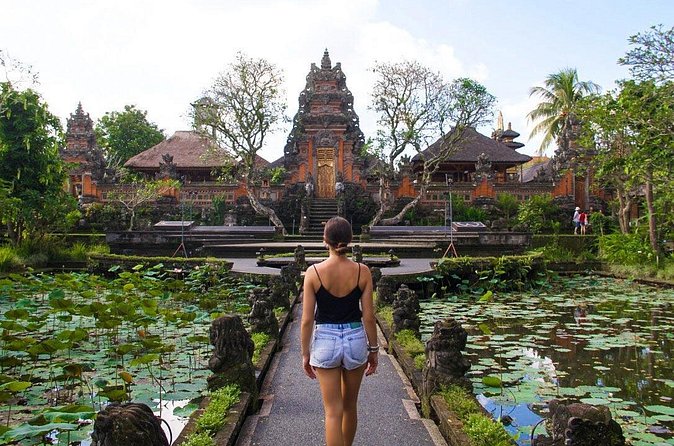
The first cultural stop is Puseh Batuan Temple in the village area of Batuan. This temple-and-village connection is interesting because the site is linked to an Isaka-era date—described as Isaka 944 or 1022 AD. Even if you don’t memorize numbers, it gives you a sense of how long these temple landscapes have been part of daily life.
You’ll typically get around 30 minutes here. That’s long enough to look closely and absorb the atmosphere, but short enough that you’re not stuck when you’re ready to keep moving. The key is to use the time for slower looking—watching how the space is arranged and noticing the temple setting in the village environment rather than treating it like a quick photo stop only.
A possible drawback at this early stage: because you’re just starting your day, it can feel like you’re already “working” in the heat. If you’re sensitive to sun, bring water habits and plan to keep your energy up.
Stop 2: Mas Carving Center and what wood craft really looks like
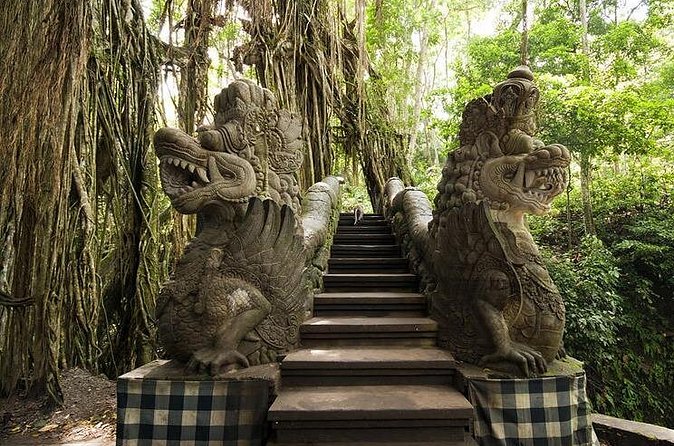
Next up is Mas Carving Center (the Mas Village carvers area). Bali wood carving isn’t new, and this part of the Ubud region is known by both foreign and domestic visitors since the 1930s. That detail matters because it suggests this is not a short-lived craft trend—it’s a long-running craft ecosystem.
You’ll have about 30 minutes here, which usually means a quick introduction to the carving style, what’s for sale, and how workshops operate. The main value of this stop is seeing craft as a living skill rather than just a souvenir line.
If you like small, meaningful shopping, this is a smart moment. When you see how a craft center works, you’re less likely to buy something random that doesn’t match the quality you thought you were getting.
One consideration: this is still a shopping environment. If you’re not interested in buying, just treat it like a cultural stop—look, ask questions, and move on when you’re done.
Stop 3: Sacred Monkey Forest Sanctuary and the 700-monkey reality
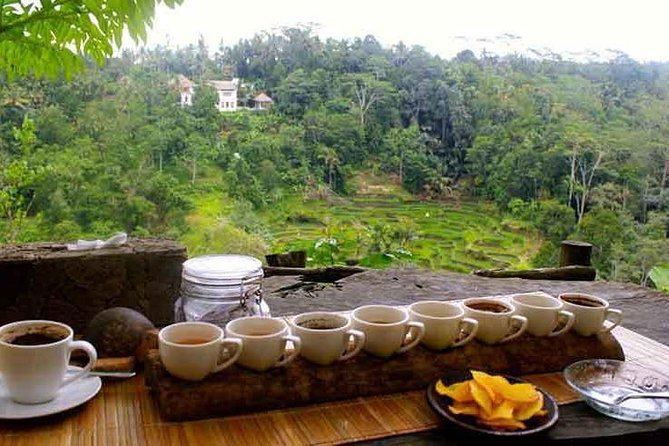
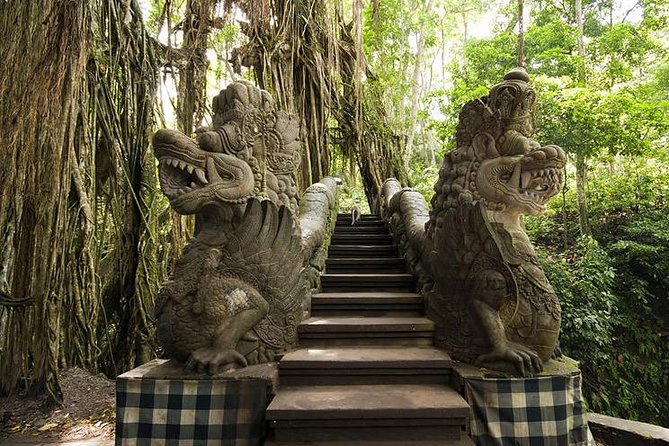
Then comes Sacred Monkey Forest Sanctuary, a tropical rainforest setting with big, shady trees and a lot going on. The facts that grab your attention: there are 3 temples inside, and more than 700 monkeys live in the sanctuary.
This is one of those places where time can feel different. A rainforest walk with wildlife is rarely “just a walk,” and 30 minutes can be either perfect or too short depending on your comfort level with animals and your interest in temple details. The best approach is to set your goal before you go in: do you want temple sights, monkey watching, or both?
Also, this is where practical behavior pays off. With lots of monkeys around, you’ll want to keep your hands and personal items controlled and avoid encouraging contact. Think: stay aware, don’t feed, and keep things secure.




Stop 4: Ubud Traditional Art Market and how to shop without getting lost
After the rainforest, you’ll stop at Ubud Traditional Art Market. The market is positioned right in the Ubud sightseeing zone, near places like the monkey forest and rice terraces. That means it serves both locals and visitors—and it moves fast.
You’ll get about 30 minutes, which is enough to do a focused souvenir pass without turning the market into your whole day. The trick is to go in with a plan: decide what you’re hunting (gift items, simple crafts, smaller keepsakes) and set a price comfort range in your head.
One potential drawback: markets can be distracting. If your priorities are temples and scenery, it’s easy for a market stop to feel like a detour. If that’s you, treat this as a quick cultural browse, not a shopping marathon.
Stop 5: Tegalalang Rice Terrace and the subak irrigation system

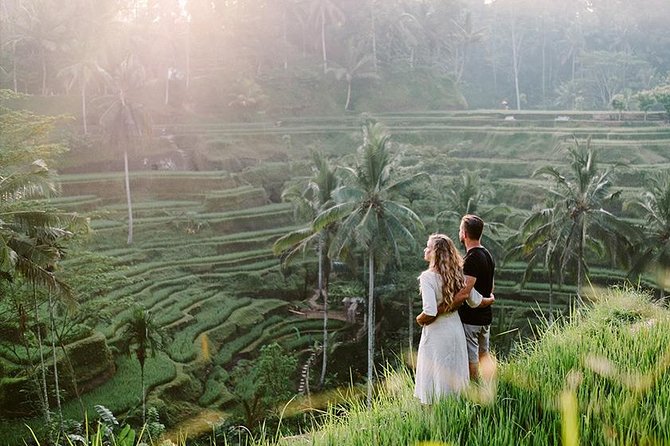
Now for the postcard views: Tegalalang Rice Terraces. This is where the Ubud scenery earns its fame. You’ll see famous rice fields and a smart local irrigation system called subak, a traditional Balinese cooperative approach to water management.
The 30-minute window here is ideal if you’re trying to get the “wow” views without losing your whole day to one viewpoint. I like this stop because it explains something functional, not just pretty. The terraces aren’t random—they’re maintained with local expertise and community coordination.
Practical tip for enjoying this stop: bring a mindset for light and timing. If the sun is harsh, you’ll want to find shaded angles or adjust when you take your photos. The best photos often come from walking a bit and finding a clean viewpoint rather than standing in the first spot.
If you’re doing a day like this in Bali, this terrace stop is also a good reset. You go from animals and shopping to open air, wide views, and calmer viewing.
Stop 6: Tegenungan Waterfall and photo-friendly timing
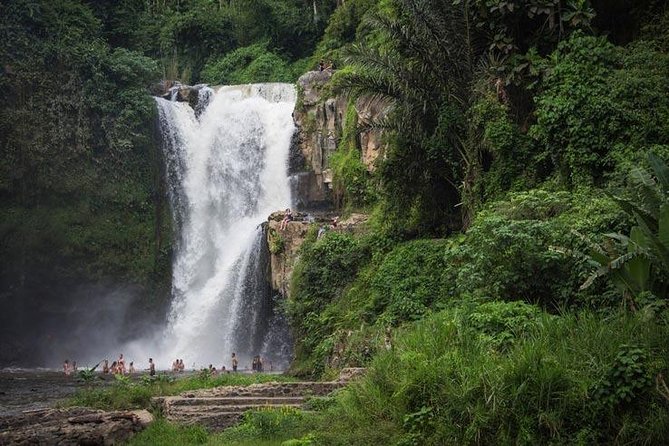
Your final major highlight is Tegenungan Waterfall (Air Terjun Tegenungan). It’s described as one of Bali’s most popular and visited waterfalls, located in the Kemenuh village area of Sukawati sub-district, Gianyar regency.
You’ll typically have about 30 minutes here, which works well for first viewing, a few photos, and a short walk around the viewpoint areas. Waterfalls can be busy, and the heat and humidity can build quickly. The upside is that Tegenungan is famous for a reason, so even a shorter visit still feels satisfying.
A consideration: popularity can mean more crowds and more noise than quieter waterfalls. If you’re expecting solitude, set your expectations accordingly and focus on the experience rather than the crowd-free fantasy.
How the driver makes or breaks the day
The biggest repeated theme in the experience is the friendly, helpful driver. People highlight service that feels communicative and attentive—meaning you’re not just transported, you’re guided.
That matters because Ubud sightseeing isn’t one-size-fits-all. Weather, energy levels, and your interests can shift during the day. The tour structure gives you a solid lineup, and then a good driver can help you adapt while keeping everything on track.
One note from a past booking: someone even said they’d plan again with their driver named Erwin. That’s a small detail, but it points to something important—this operator seems comfortable with hospitality, not just scheduling.
Wi‑Fi, mobile tickets, and other small tech wins
Two tech perks are listed: mobile ticket and free FAST Wi‑Fi during the tour. In plain terms, this reduces friction.
A mobile ticket means less time stuck at check-in confusion. And Wi‑Fi gives you breathing room for maps, message updates, or sharing photos with people back home. It also makes it easier to confirm what’s next when you’re moving quickly between stops.
Value check: is $59 worth it for a private day?
Let’s talk straight about $59. For a 10-hour private car day with an English-speaking driver, petrol and parking included, plus mineral water and on-board Wi‑Fi, this is good value compared to what you’d usually pay for transport plus a guide-like service.
Where the math shifts: entrance tickets and lunch are not included. That means your total day cost depends on what you pay at each stop. In a tour like this, it’s common for temple/forest areas to add up. So the smart move is to budget for entrance fees on top of the tour price.
If you’re traveling with just one or two people, the private setup can still feel cost-effective because you’re buying time and stress reduction, not just mileage. If you’re traveling as a larger group, you may compare whether the price structure still fits your plans—but with private rides, you typically get a more flexible day.
Who this Ubud Cultural Tour suits best
This tour is a strong fit if you want a high-coverage Ubud day: temples, craftsmanship, wildlife, markets, rice terraces, and a waterfall, all without building your own route from scratch.
It’s also a good match for:
- couples and small groups who want a private rhythm
- people who like guided context (why a place matters)
- anyone who’d rather spend energy on sightseeing than figuring out transport
If you want a slow, hour-by-hour experience with lots of unplanned wandering, this may feel a bit structured since each stop is about 30 minutes.
Should you book this Ubud Cultural Tour?
Book it if you want an organized, private day that hits the big Ubud hits and the surrounding classics—Puseh Batuan Temple, Mas carving area, Sacred Monkey Forest, Ubud Art Market, Tegalalang rice terraces, and Tegenungan Waterfall—with a friendly English-speaking driver and real practical perks like Wi‑Fi and water.
Skip it only if you dislike time-boxed stops, or you’re trying to control total costs tightly since entrance tickets and lunch aren’t included.
If you do book, come prepared for a full day outdoors, bring a plan for souvenirs, and lean on your driver to keep the pacing comfortable.
FAQ
What time does the tour start?
It starts at 8:30 am.
How long is the Ubud Cultural Tour?
It runs for about 10 hours.
Is pickup offered?
Pickup is offered.
Is this tour private?
Yes, it’s private, and only your group will participate.
What’s included in the price?
The tour includes a private car, an English-speaking driver, petrol and parking fees, mineral water, and free FAST Wi‑Fi during the tour.
Are entrance tickets included?
No. Entrance tickets are not included.
Is lunch included?
Lunch is not included.
Do I need to bring anything for personal expenses?
Yes, you’ll need personal items (and personal spending) since it’s not listed as included.
Is there a mobile ticket?
Yes, a mobile ticket is provided.
What’s the cancellation policy?
Free cancellation is available up to 24 hours in advance for a full refund. If you cancel less than 24 hours before the start time, the amount paid is not refunded.