Borobudur is the kind of sight you plan for twice. This full-day tour strings together two UNESCO World Heritage Sites with official climb-up access at Borobudur and a guided walk through Prambanan’s giant Hindu spires. Add in air-conditioned transfers and an English-speaking local guide, and you get a day that feels structured without killing the wonder.
Two things I really like: you’re not just looking from the ground at Borobudur, you get the scheduled, government-regulated climb-up experience. And at both temples, you have a licensed local guide who helps you connect what you’re seeing—reliefs, symbolism, and legends—to how people in Java understood the world long ago.
One consideration: the day has real walking and stairs, plus a strict entry setup. If you have back or heart issues, or you just hate steep steps, this tour may feel like more effort than payoff.
In This Review
- Key highlights at a glance
- One Day, Two UNESCO Giants: Why This Route Works
- Borobudur Timed Climb-Up: The Big Payoff and the Rules
- From Buddhist Symbolism to Prambanan Spires: A Temple Contrast Day
- The Transfer From Yogyakarta: Comfort, Timing, and Less Headache
- How the Guides Add Value: More Than Ticket Scanning
- Price and Value: What You’re Really Paying For
- Who This Tour Suits (and Who Should Rethink)
- Should You Book This Tour?
- FAQ
- Is Borobudur climb-up access included?
- Do I need tickets for Prambanan separately?
- Does the tour include food or drinks?
- Will I have an English-speaking guide?
- What kind of transport do I get from Yogyakarta?
- Is the Borobudur climb-up ticket timed?
- What should I wear to the temples?
- Is the tour still running in bad weather?
Key highlights at a glance
- Official Borobudur climb-up with timed entry, following daily quotas and rules
- UNESCO combo day: Buddhist landmark first, then Hindu grandeur at Prambanan
- Licensed local guiding at both sites, so you understand what you’re looking at
- Air-conditioned Yogyakarta hotel transfers, with smooth logistics for a long day
- Modest clothing required (shoulders and knees covered), with sandals possibly provided at Borobudur
- Rain or shine operation, so you should dress for wet weather too
One Day, Two UNESCO Giants: Why This Route Works
This is a classic Yogyakarta power day: you’ll start with Borobudur and end with Prambanan, two temples that anchor Indonesia’s Buddhist and Hindu heritage. The clever part is not the temples themselves—that part is obvious—but the way the day is managed. Borobudur especially is governed by timed access, so having a plan that accounts for quotas matters.
You also save stress. Instead of figuring out transport and entry timing on your own, you show up, get checked in, and move temple-to-temple with a guide handling the “what happens next” moments. A bunch of guides and drivers mentioned in feedback emphasize timing and pacing, and that shows up in how smoothly the day runs.
The route can’t hide the main reality: it’s a long day on your feet. But if you’re the type who likes to understand what you’re looking at—why reliefs exist, why spires rise the way they do—this style of tour helps you connect details to the bigger picture fast.
You can also read our reviews of more tours and experiences in Yogyakarta.

Borobudur Timed Climb-Up: The Big Payoff and the Rules
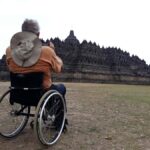
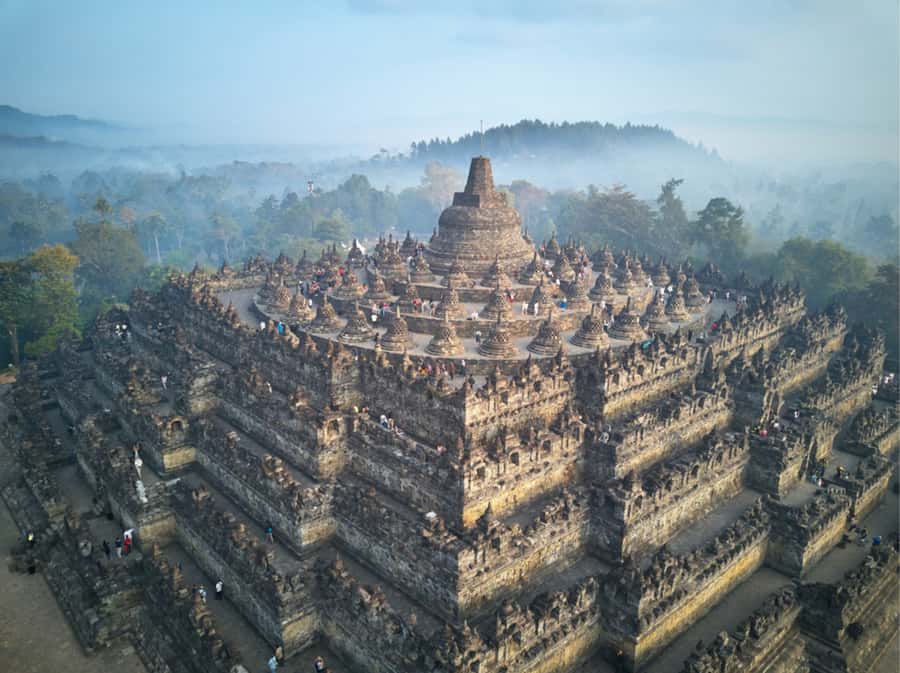
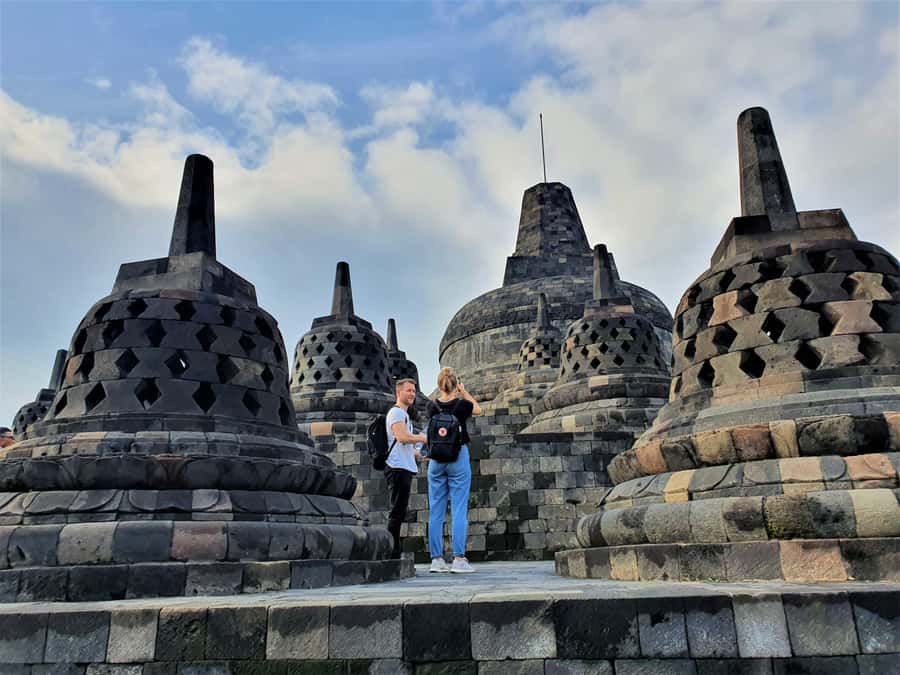
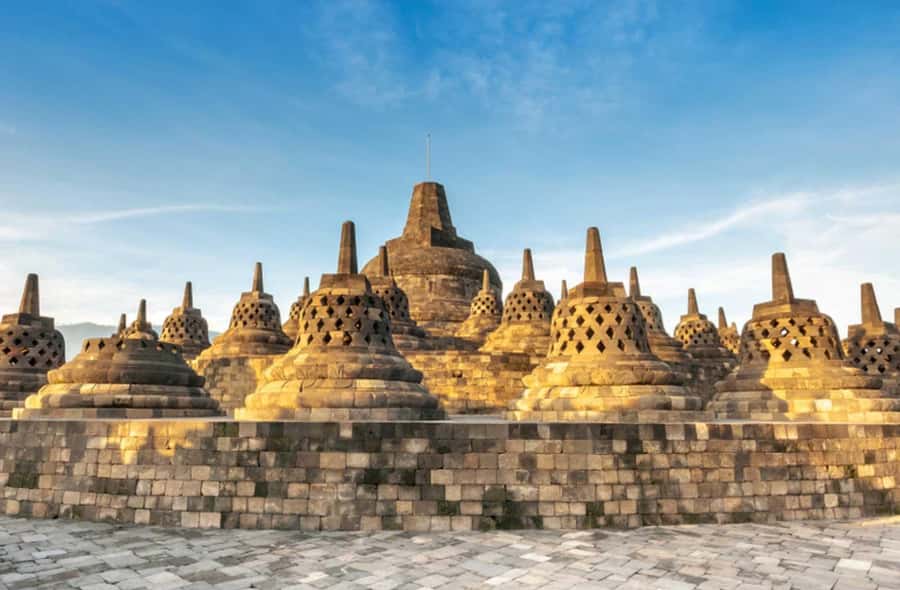
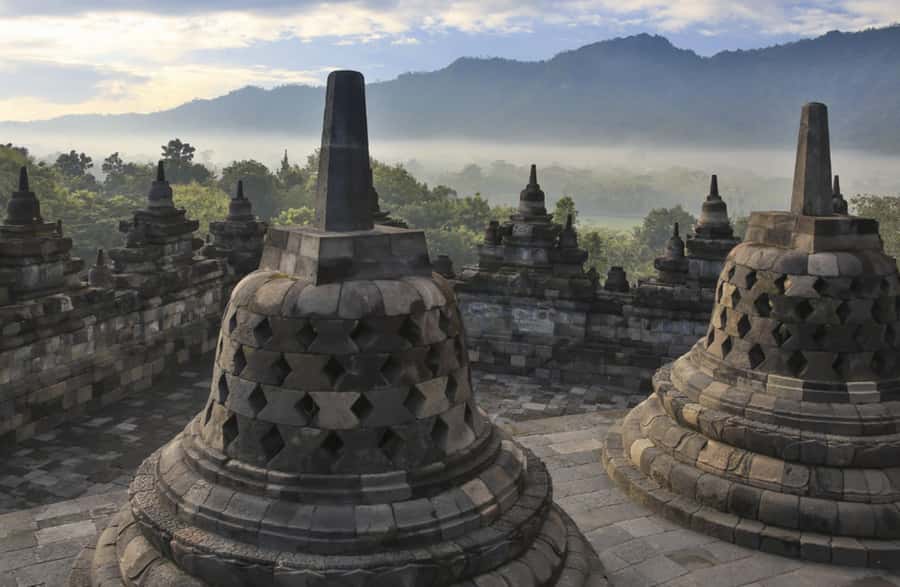
Borobudur is the main event, and climb-up access is the reason this tour feels different from a basic temple walk. You’ll use an official climb-up ticket with a scheduled time slot, which matters because the site follows government regulations and daily quotas. That means you’re not waiting around hoping your luck holds; you’re moving according to the temple’s flow.
Once you start, you’ll explore the structure with your guide explaining its history, symbolism, and ancient reliefs. This is where a good guide can transform the experience from sightseeing into real understanding. People highlighted in feedback for English and explanation include names like Atok, Haider, Ipung, and Fabrian. Even if your guide isn’t the same person, the value is the same: you should leave Borobudur with a mental map of what the parts represent, not just photos of stone.
A few practical things to plan for:
- Climb-up isn’t available on Mondays, based on tour inclusion details. If your date is Monday, you might visit instead under different access conditions (some feedback notes Buddhist-area alternatives when climb access is closed).
- Modest clothing is required: shoulders and knees must be covered.
- Stairs are part of the deal, and some access can be steep.
- Temple sandals may be provided on-site for Borobudur, which can help if you’re in the wrong footwear.
One review detail worth keeping in mind: some visitors mention climbing up to level 9 when climb access is open. You should still follow on-site instructions, since rules can change by day.
From Buddhist Symbolism to Prambanan Spires: A Temple Contrast Day
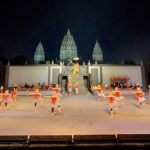
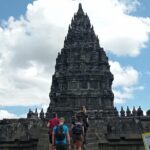
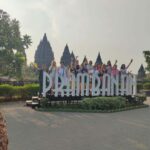
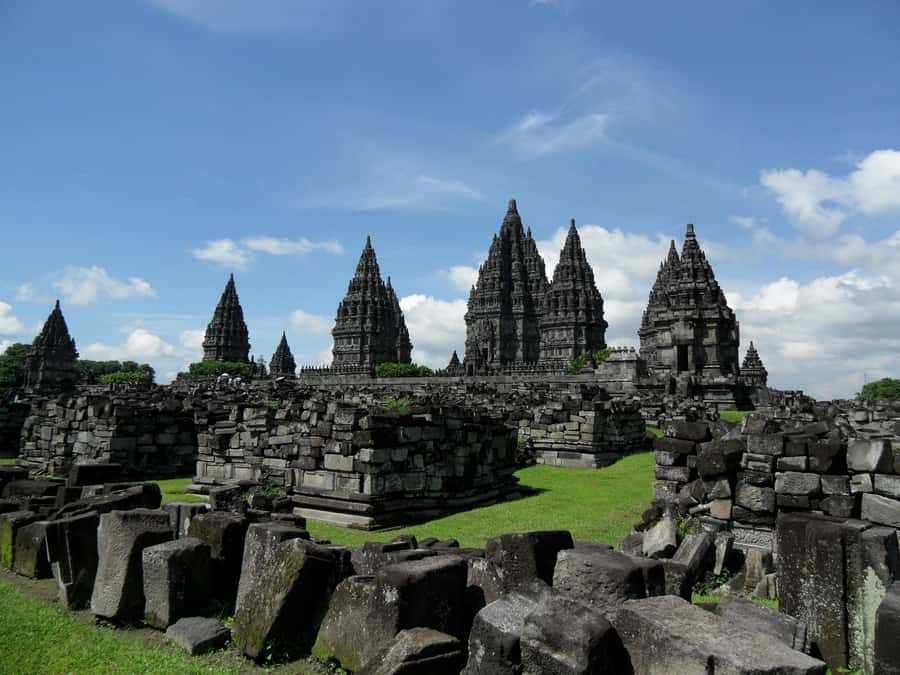
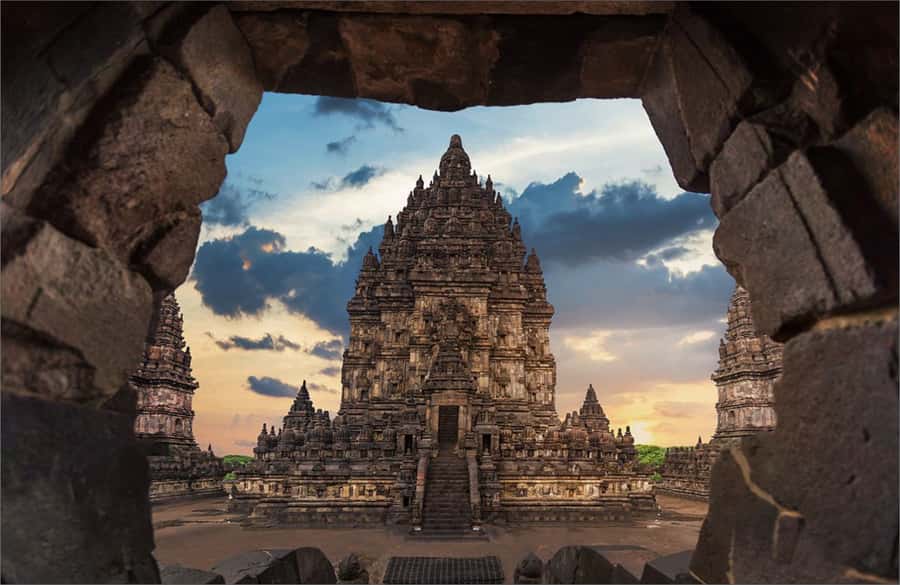
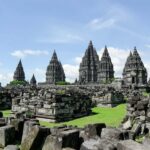
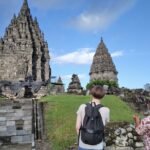
After Borobudur, Prambanan hits like a different religion’s architecture language—tall spires, dramatic Hindu temple layout, and lots of stories tied to the site. Prambanan is the largest Hindu temple complex in Indonesia, and a guided walk helps you notice things you’d miss if you only followed your feet.
What makes this stop work in one day is the contrast. Borobudur’s message is carved into levels and reliefs. Prambanan’s message is written in vertical form and temple geometry. With guidance from the on-site licensed team, you should understand the legends and cultural significance behind what you’re seeing.
In feedback, Prambanan guides often get singled out for clarity and “story bits” that make the architecture feel alive. Names that came up include Eddy and Eddy’s explanation at Prambanan in one detailed mention, plus other strong guide experiences led by people associated with the tour team. The theme is consistent: you walk away talking about the meaning, not just the size.
Prambanan is also a place where modest walking pace matters. You’ll be moving through the grounds, and your guide will try to keep the group moving without rushing your understanding. Still, plan for steps and time in daylight. And if you’re visiting during heavy rain, you’ll want grippy shoes—temple paths can get slick.
The Transfer From Yogyakarta: Comfort, Timing, and Less Headache
A big part of value on this tour is the transfer. You get hotel pickup and drop-off around Yogyakarta, plus air-conditioned transportation. For a day that includes major sites plus waiting time for timed entry, having a comfortable ride makes a measurable difference.
Feedback repeatedly notes clean cars and good driving. One mention credits a driver named Bima for making timing easy and keeping things calm rather than frantic. Another praises Yuni for on-time pickup and smooth pacing. Even if your driver isn’t the one named in those stories, the expectation you should carry is: the vehicle part should feel professional and comfortable, not like a random ride that derails the day.
There’s also a small logistics win: you’ll pass through Kota Magelang on the way. It’s not a stop you plan a photo for, but it shows you’re taking a real route rather than hopping around aimlessly.
Practical note: your pickup time is confirmed the day before, so keep your messaging notifications on. Also expect an early start vibe. Several comments reference a day that runs roughly from about morning through evening (around 10 hours).
How the Guides Add Value: More Than Ticket Scanning
The tour’s structure is built around a simple idea: you’re paying for more than entry. You’re paying for meaning.
At Borobudur and Prambanan, you’ll have licensed local guides who explain what you’re looking at. That’s the difference between a “been there, took photos” day and a “now I get it” day. Guides highlighted by name in feedback include Youss, Yuni, Koko, Brhee, and others. Many mentions stress English that’s clear enough to ask questions, plus explanations that connect the temple visuals to Javanese culture and belief systems.
Here’s what that should look like for you:
- At Borobudur, the guide helps you follow the structure and read the reliefs and symbols as you climb.
- At Prambanan, you get the legends and cultural context that make the spires and temple layout feel less random.
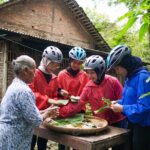
And yes, a few guides went beyond strict guiding in feedback: recommending lunch spots, sharing local fruit tastings, and even adding a Luwak coffee tasting stop at a traditional Javanese house on the way back. Those are not guaranteed by the basic tour description, but they illustrate the kind of extra care you might get from your individual driver-guide team.

Price and Value: What You’re Really Paying For
At $122 per person for a 10-hour day, this tour isn’t a budget hack. One review even calls it pricey, mainly because food isn’t included and the driver doesn’t stay inside the temples with you while the on-site licensed guides take over.
So what are you paying for, in a fair way?
- Timed, official Borobudur climb-up access (not just a general ticket)
- Entrance fees for Borobudur (and climb access, except Mondays) and Prambanan
- Licensed local guiding at both sites
- Air-conditioned transport plus hotel pickup/drop-off across Yogyakarta
If you tried to DIY this, you’d still pay entrance fees, and you’d likely spend time figuring out timed access, transport timing, and guide options. The tour’s value is that it removes the coordination load—especially the part that can make or break your day at Borobudur.
If you’re the type who only wants a casual walk and photos, you may feel the price more than the benefit. If you want context and a guided reading of stone and symbolism, the price starts to make sense fast.
Who This Tour Suits (and Who Should Rethink)
This tour fits best if you:
- Want two UNESCO sites in one day without dealing with logistics
- Like temple history explained in an easy, story-based way
- Can handle walking and stairs at both temples
- Prefer air-conditioned, comfortable transfers and a guided plan
It may not fit if you:
- Have back problems or heart problems (explicitly listed)
- Need wheelchair access (explicitly not suitable)
- Have concerns about altitude sickness (explicitly listed)
- Get overwhelmed by steep stairs and long indoor/outdoor transitions
Also, because it runs rain or shine, dress for weather. The day can go on even when the sky doesn’t cooperate.
Should You Book This Tour?
I’d book it if your goal is a meaningful UNESCO day and you’re happy to trade some comfort-for-time balance: you’ll walk, you’ll climb, and you’ll stick to scheduled access.
I’d hesitate if you’re price-sensitive, don’t care about guide context, or know you won’t enjoy stairs. In those cases, a simpler approach might feel better.
If you do book, go in with the right expectations: bring clothing that meets the modest dress rules, wear shoes you trust on steps, and keep your phone charged because you’ll want photos. The best part of this tour is not just seeing Borobudur and Prambanan—it’s getting enough explanation that the stonework starts making sense while you’re still there.
FAQ
Is Borobudur climb-up access included?
Yes. Borobudur entrance fee and climb-up access are included except on Mondays, when climb access is not included.
Do I need tickets for Prambanan separately?
No. The Prambanan entrance fee is included in the tour.
Does the tour include food or drinks?
No. Food and drinks are not included, so you’ll want to budget for lunch on your own.
Will I have an English-speaking guide?
Yes. The tour includes a live tour guide in English.
What kind of transport do I get from Yogyakarta?
You’ll get hotel pickup and drop-off and air-conditioned transportation for the day.
Is the Borobudur climb-up ticket timed?
Yes. Climb-up access follows government regulations and uses scheduled time slots, so the order of visits may change depending on ticket timing.
What should I wear to the temples?
You’ll need modest clothing: shoulders and knees must be covered. Temple sandals may be provided on-site at Borobudur.
Is the tour still running in bad weather?
Yes. The tour operates rain or shine.