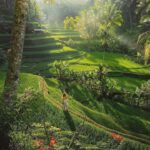
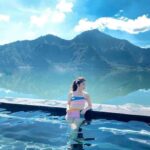
Downhill bikes. Volcano views. Real village stops. This Ubud tour strings together Kintamani’s Batur Volcano views and a mostly downhill ride into Ubud, with guided stops that feel like real daily life, not a checklist.
I love the human scale of the day: you’ll visit places like a local school and a family compound, then continue to spiritual sites such as a Balinese village temple. I also love the payoff at the end: lunch at a resort restaurant with a big swimming pool makes the ride feel complete.
One thing to know upfront: even if it’s easy on paper (80% downhill), this is still a bike day. It’s not suitable if you can’t ride, and there are weight limits noted by the operator.
Key highlights worth planning for
- Mostly downhill route that keeps energy for stops and photos
- Kintamani to Ubud biking with frequent cultural waypoints along the way
- Mount Batur area access plus big lookout views
- School, family home, and temple stops that explain how Balinese life works
- Balinese lunch + resort pool time right after cycling
In This Review
- The Mostly-Downhill Ride to Ubud (and Why It Matters)
- Kintamani and Batur Volcano: The View Part You Can’t Skip
- How the Cultural Stops Work: School, Family Compound, and Temple
- Rice Fields and Village Roads: Where the Scenery Feels Close
- Coffee Tasting and the Day’s Pace
- Lunch at the Resort Pool: Why the Ending Works
- Price and Value: What You’re Really Paying For
- What to Bring (and How to Get the Most Out of It)
- Who Should Book, and Who Should Skip
- Should You Book This Ubud Downhill Bike Tour?
- FAQ
- How long is the Ubud downhill bike tour?
- Is the ride difficult?
- What’s included in the price?
- Where do pickups and drop-offs happen?
- What happens at the end of the tour?
- What should I bring?
The Mostly-Downhill Ride to Ubud (and Why It Matters)
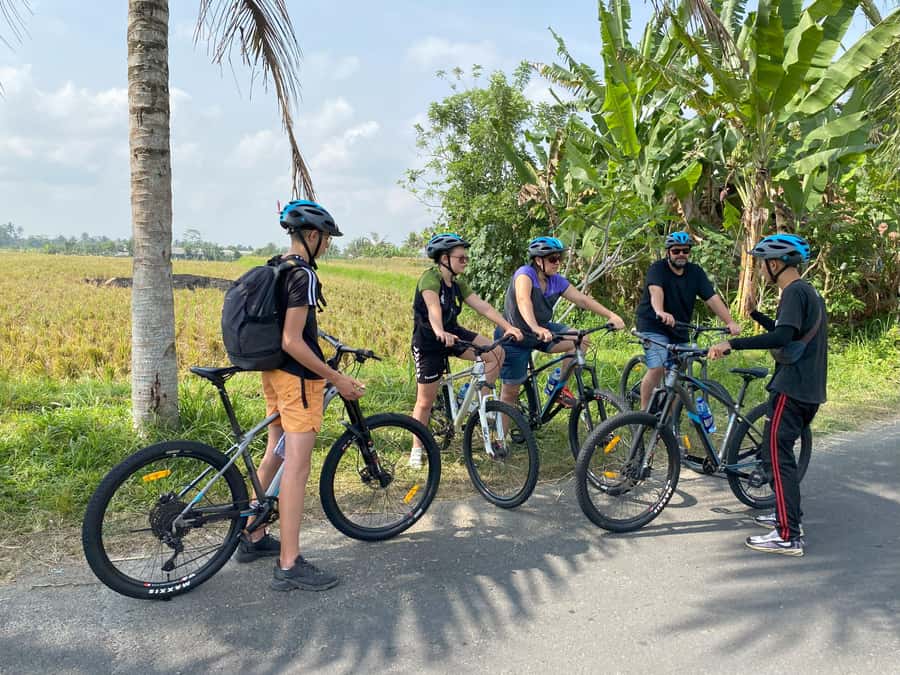
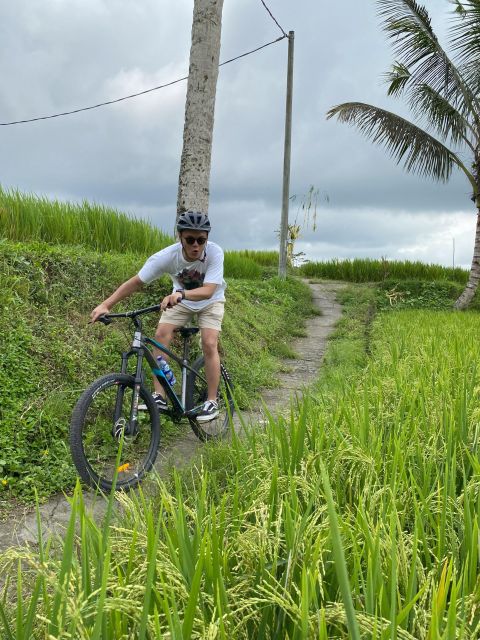
If your idea of a Bali bike tour is relaxed, scenic, and low-stress, this one fits. The route is described as 80% downhill, meaning the hard work is mostly done by gravity. Practically, that translates to a day where you can focus on what’s around you—rice fields, villages, and small roads—rather than white-knuckle steering or grinding uphill for hours.
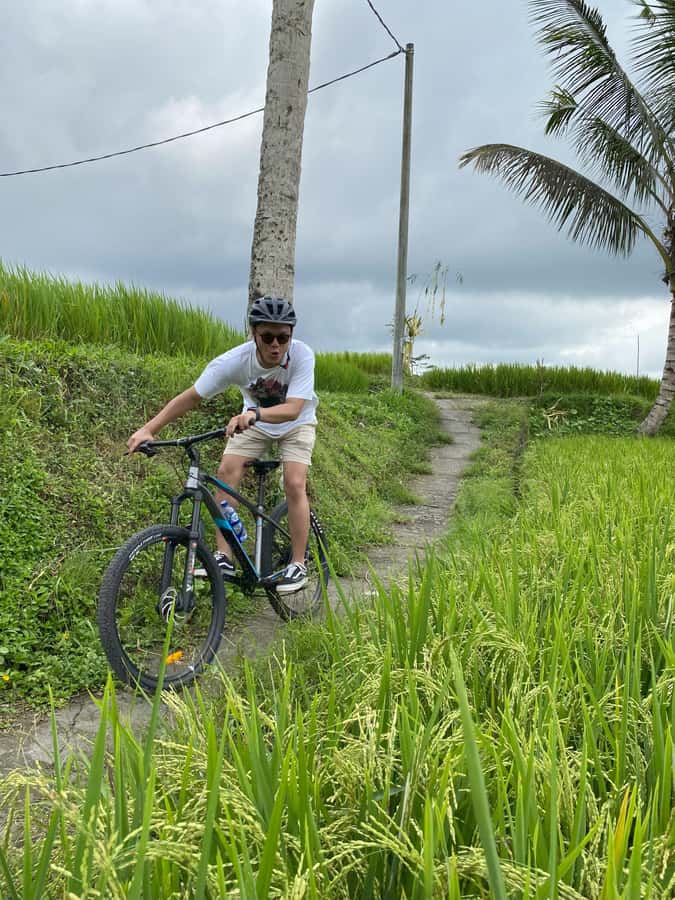
That said, “easy” doesn’t mean “effortless.” You still need basic bike control: balancing, braking, and riding on uneven surfaces that come with rural roads. The bikes are provided with helmets, and the quality shows up in the way people talk about the day—several reviews note that the bikes and gear were in great condition.
I also like that the ride isn’t just one long chute. People describe variety along the way, including sections where you might face busier road moments. The good news: there’s support in the background. Reviews mention a vehicle following the group and the option to swap to the car for any section that feels too tight.
Here’s a smart way to judge whether this is your kind of day: if you’re comfortable riding at a steady pace and stopping when asked, you’ll likely enjoy it. If you’re still learning or you hate turning your handlebars through villages, you’ll feel it fast.
Kintamani and Batur Volcano: The View Part You Can’t Skip
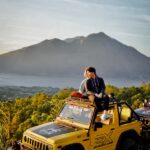
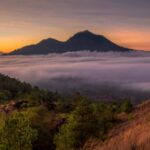
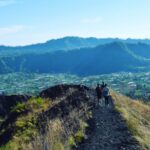
Most bike tours start with “then you ride.” This one starts with “then you see.” You’re picked up and then taken by car to the Kintamani area, where Mount Batur (Batur Volcano) is the big visual event.
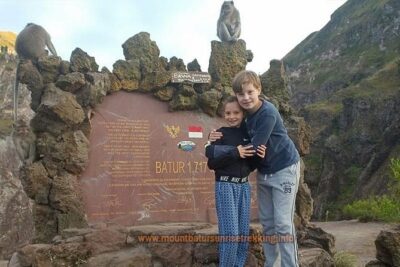
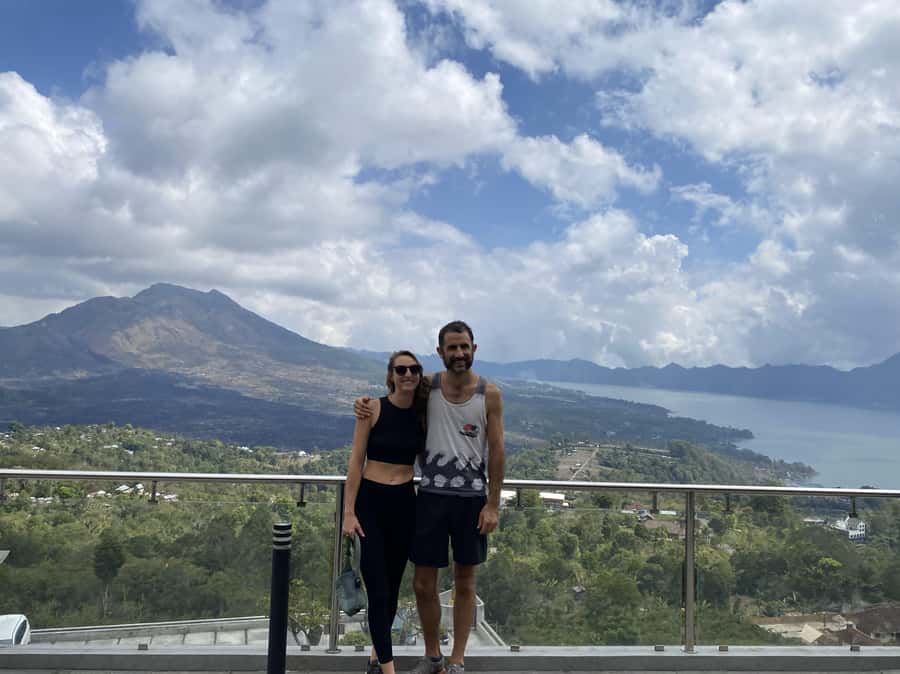
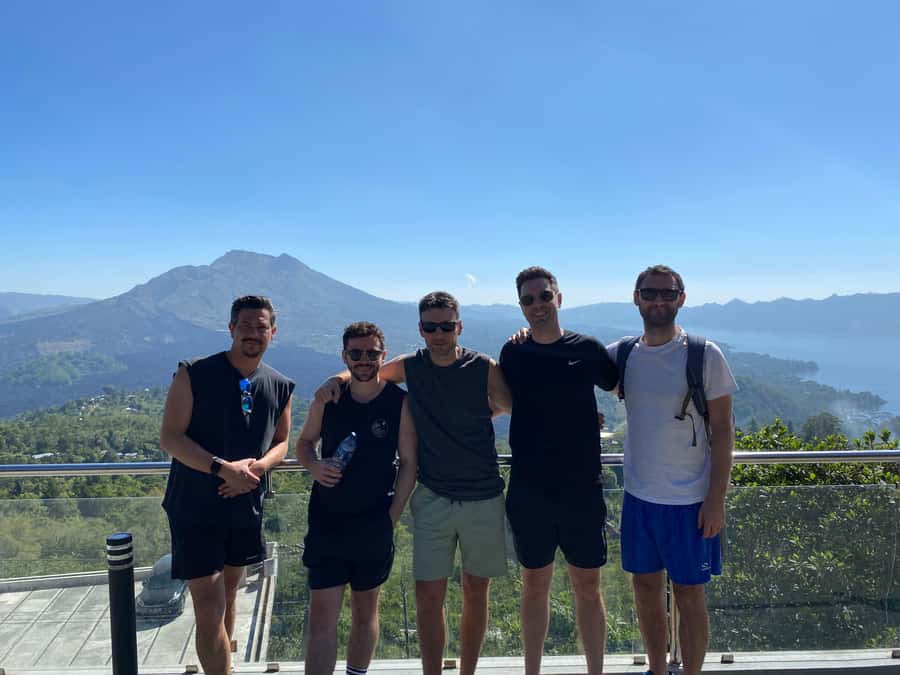
The operator includes entry/admission for Mount Batur, so you’re not just driving past from the highway. You should expect a viewpoint moment before the bikes go on. Even if you’ve seen volcano scenery before, Kintamani is the kind of place where you understand why Bali’s interior got built up in the first place: wide angles, changing light, and that sense of depth that photos struggle to match.
Timing matters here. The tour is about 6 hours total, and it’s paced so you get the volcano views, then a downhill ride, then cultural stops, then lunch and pool. That sequencing keeps the volcano from becoming a quick stop-and-run. You’re meant to look, then move.
You can also read our reviews of more tours and experiences in Kintamani.
How the Cultural Stops Work: School, Family Compound, and Temple
The biking is the hook, but the stops are the heart of the day. Instead of only viewing rice terraces from afar, you’re guided through parts of daily Balinese life—places where locals learn, worship, and host visitors in their own settings.
A common highlight is the visit to a local school. This is where the tour shifts from scenery to understanding. You’ll have time to look around and ask questions, and the guide’s job is to translate what you’re seeing into context—how education works there, what daily life looks like, and why certain customs matter.
Next is a family compound stop. In real terms, this means you’re not just getting a “cultural show.” You’re meeting people where they live, and you’ll typically get explanations about how a Balinese home is set up and how family life is organized. Several reviews mention interactions with residents and even moments that feel playful, like taking part in simple activities together. That’s a big reason the tour has such strong reviews for “personal” feel: it’s harder to fake that kind of warmth.
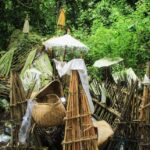
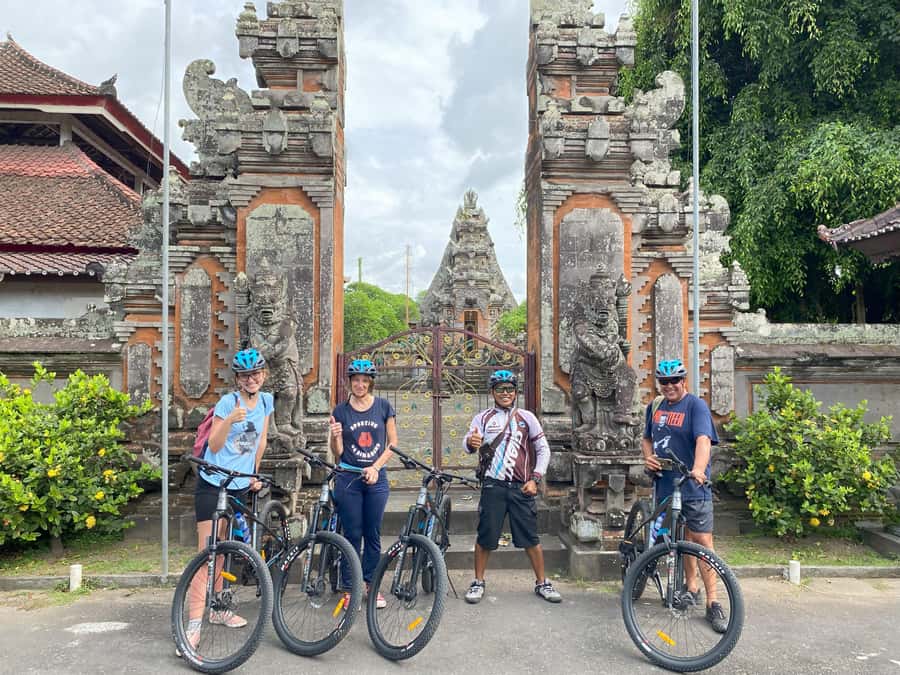
Then you move into spiritual space at a traditional Balinese village temple. This part isn’t just pretty architecture. The guide helps connect what you see—offerings, sacred areas, and local religious routines—to the way the culture runs. If you come in with even a little curiosity, this is the segment that can give the rest of the day meaning.
Practical tip: when you enter any temple area, expect guidance on what’s appropriate—head/shoulder coverage and respectful behavior. The tour is built around safety and etiquette, so listen closely at each stop.
Rice Fields and Village Roads: Where the Scenery Feels Close
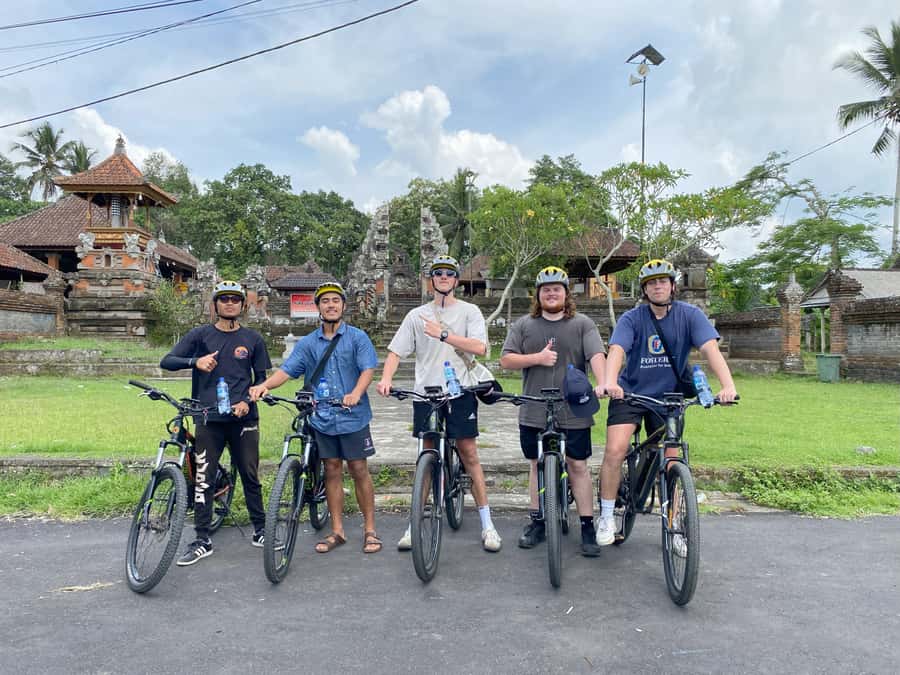
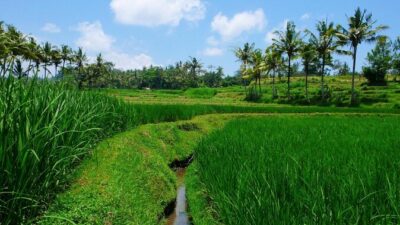
The ride down toward Ubud is where the tour earns its name. You’re cycling through green rice areas and small village roads, and you get what many visitors are craving: a break from the busy center of Ubud and a closer view of how agriculture shapes the region.
The tour doesn’t just point at fields from the shoulder. You’ll also make time at culturally meaningful points, so the rice terraces aren’t only a backdrop. Some reviews mention being near farmers actively working, plus moments that connect visitors to how rice cultivation works (even if you’re not doing heavy fieldwork).
A note on expectations: you won’t be in a private movie set. This is real countryside. You may pass people working, children walking, and homes along the route. That’s part of the charm, and it’s also why helmets and careful riding matter.
If you’re the type who loves photos, you’ll be happy here. The route offers postcard-like angles—especially when light hits terraces and when you can pause for a guided moment. Still, the best photos often come when you’re not rushing, so keep your schedule mental energy for the stops.
Coffee Tasting and the Day’s Pace
One pleasant surprise in the day’s flow is a coffee plantation stop. Reviews describe coffee tasting, including kopi luwak explanations, and the general vibe is that you get a fun, educational break before the ride gets going.
This isn’t just a detour to buy something. It adds variety to the day, and it gives you a local-food angle beyond rice terraces and Balinese meals. Since the tour includes refreshment and mineral water, it’s set up so you’re not scrambling for snacks between stops.
What I like about this pacing is the balance between “learn” and “move.” You’re not spending the whole day in the car, but you’re also not cycling nonstop without a breather. For most people, that makes the day feel manageable—especially because the downhill route keeps your legs from turning into jelly.
Lunch at the Resort Pool: Why the Ending Works
After the cycling and cultural stops, you end with lunch at a resort restaurant and time to swim in the pool. The lunch is described as Balinese food, and reviews consistently call out the meal as a solid payoff. It’s not just “something to eat.” It’s part of the experience design: you ride, you learn, and then you reset.
The pool matters more than you might think. A bike tour in the heat can leave you sweaty and dusty from village roads. Being able to cool down right after lunch makes it feel like you finished the day instead of just surviving it. Several people highlight that the pool is large and the resort restaurant is a nice way to wrap things up.
If you plan to swim, bring your own small towel if you like, but note the tour includes a cold fresh towel as part of the tour comforts. You may still want swimwear if you get the impulse once you’re there—because once you see the pool, it’s hard not to.




Price and Value: What You’re Really Paying For
At $35 per person (with availability for starting times), the value here comes from what’s bundled in rather than from the sticker price.
You’re getting:
- Hotel pickup and return in the Ubud area
- Bicycle and helmet
- English guide (and Indonesian too)
- Mineral water, refreshments, and a cold towel
- Lunch (Balinese food)
- Swimming pool access at the lunch location
- Entry/admission related to Mount Batur
- Insurance noted in the tour details
That’s a lot for one day, especially when many Bali tours charge extra for basic bike gear, guide time, and entrance fees. You’re also not stuck negotiating transport after the ride; the tour includes return transfers as part of the experience.
What’s not included is also clear, and it helps you budget honestly. Breakfast is extra (priced by rupiah cash or via the booking platform), and pickup/drop in places outside the Ubud area can mean extra car fees depending on where you’re starting from. If you’re staying in Ubud, it’s generally straightforward. If you’re staying farther out (like parts of Seminyak, Nusa Dua, Amed, or Candidasa), plan for that extra transport cost.
A simple value check for you: if you’d otherwise pay separately for a driver to Kintamani, a cultural guide for temples/school visits, and lunch with pool time, this price starts looking like good math.
What to Bring (and How to Get the Most Out of It)
For a downhill-heavy ride through villages and fields, you’ll want to pack like a practical cyclist, not a beach tourist.
Bring:
- Comfortable shoes (for walking around stops)
- Biodegradable sunscreen
- Comfortable clothes
- Goggles (handy if dust or sun hits your eyes)
A little gear thinking goes a long way. Goggles can make the ride more comfortable when you pass dusty village lanes or ride under bright sun. Sunscreen matters because volcano lookouts and rice terraces often mean strong light.
Also, wear clothing you can move in. You’ll stop at schools, family spaces, and temples—so you’ll be walking short distances and standing around. The tour guides do a good job managing the flow, but your outfit still affects how relaxed you feel.
Who Should Book, and Who Should Skip
This is a great fit if you:
- Want mostly downhill cycling without a hardcore fitness requirement
- Like a day that mixes views with real cultural stops (school, family compound, temple)
- Enjoy having a guide help translate what you’re seeing
- Want an easy finish with Balinese lunch and pool time
It’s not for you if:
- You can’t ride a bike
- You need wheelchair access
- You need support as a visually impaired traveler (the tour isn’t set up for that)
- You’re over the operator’s listed weight limits (noted in the tour rules)
Also, take the “downhill” description seriously. Even though it’s easy to ride downhill, you still must be able to handle the bike confidently. If you’ve never ridden before, this is probably not the best place to learn.
Should You Book This Ubud Downhill Bike Tour?
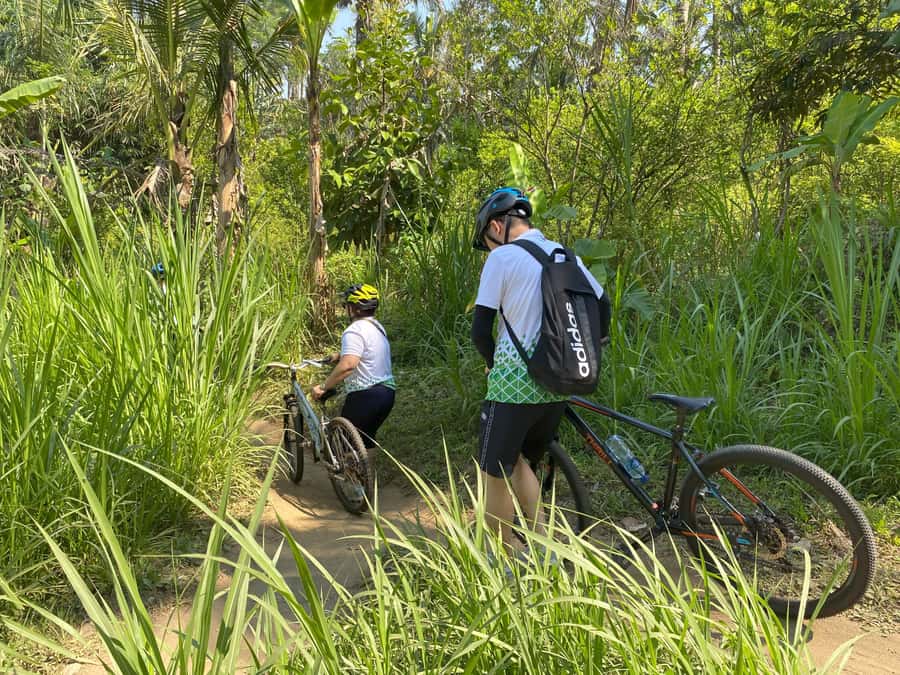
If you want Bali in one day—Batur Volcano views, rice fields, temples, and family-life stops—this tour is a strong match. The price feels fair because so much is included: bike gear, guide support, lunch, and even pool time.
If your main goal is pure cycling with minimal cultural interaction, you might prefer a simpler bike route. But if your goal is “see the scenery and understand the people,” the mix of school and family visits plus temple context is exactly what makes this day feel worthwhile.
FAQ
How long is the Ubud downhill bike tour?
The tour runs for about 6 hours.
Is the ride difficult?
It’s described as not difficult because it is 80% downhill. You still need to be able to ride a bike comfortably.
What’s included in the price?
Included items cover hotel pickup and return in the Ubud area, bicycle and helmet, an English guide, mineral water, refreshment, a cold fresh towel, swimming pool access at the restaurant, Balinese lunch, Mount Batur entry/admission, and insurance.
Where do pickups and drop-offs happen?
Pickup is included for the Ubud area. The tour also lists other pickup/drop options in different locations, with extra car fees for areas outside Ubud (paid as noted).
What happens at the end of the tour?
You finish with a Balinese lunch at a resort restaurant and you also get swimming pool time.
What should I bring?
Bring comfortable shoes, biodegradable sunscreen, comfortable clothes, and goggles.