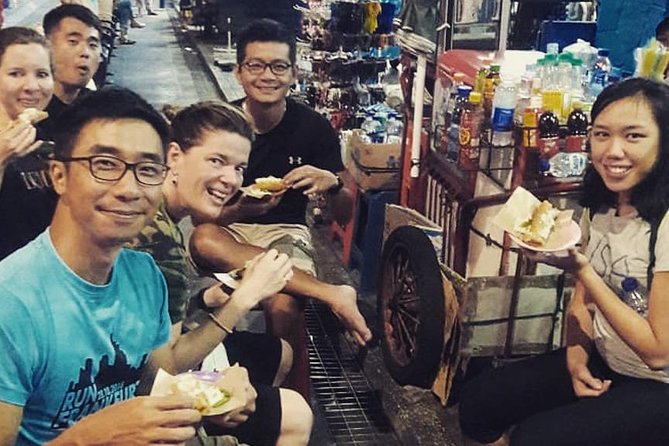
Night street eats in Jogja are a smart shortcut. This 3–4 hour small-group tour strings together classic places, fairground fun at Alun-Alun Kidul, and a becak ride so you’re not stuck haggling all evening. You’ll snack your way through Javanese favorites, sweets, and non-alcoholic drinks while your English-speaking guide keeps the pace friendly and focused.
I especially like the max 8 travelers setup. It makes it easy to ask what’s in each dish, how spicy it will be, and what to try next—plus you get hands-on help navigating the route and the local rhythm of the streets.
One drawback to plan for: you’re walking more than you might expect, and the tour is designed for you to show up hungry. If you want a light grazing-and-skip vibe, this one may feel like too much food too fast.
In This Review
- Key points at a glance
- From Tugu Jogja to Alun-Alun Kidul: A Practical Night Route
- Becak Rides Without the Haggle: Why the Transport Part Matters
- Meeting at Tugu Jogja (6:30 pm): The Easy Start
- Malioboro at Night: Coffee, Snacks, and Three Stops You’ll Remember
- First Malioboro taste: coffee and street food
- Second Malioboro taste: local snacks
- Third Malioboro segment: snacks plus a short becak hop
- Nirboyo Gate: Authentic Javanese Food Stops That Feel Like Real Life
- Jamu Jawa Tradisional Lugu Murni: The Herbal Drink Break
- Jalan Brigjen Katamso and the Final Tastes Before the Square
- Alun-Alun Kidul: Traditional Games and Fairground Rides Included
- Guides and Hygiene: What Makes This Tour Feel Safe and Comfortable
- Price vs. What You Actually Get: Is $36 Good Value?
- Who This Tour Fits Best (And Who Might Want a Different Plan)
- Should You Book This Night Food Tour in Yogyakarta?
- FAQ
- How long is the Small-Group Walking and Food Tour by Night in Yogyakarta?
- What time does the tour start, and where do I meet?
- When does the tour end?
- What’s included in the price?
- Is the becak rickshaw included?
- Is pick-up or drop-off provided?
- What if it rains?
- How many people are in the group?
- FAQ
- Is this tour okay for food allergies or dietary restrictions?
- Do I need a printed ticket?
- How much does it cost?
- What should I wear or bring?
Key points at a glance
- Small group cap of 8 means more guide attention and easier questions
- Becak transport included takes the guesswork out of local transit and pricing
- Food, sweets, and non-alcoholic drinks add up fast—this is a real eating tour
- Rain gear and covered becaks help you keep going if the sky turns
- Alun-Alun Kidul activities included (traditional games like masangin and paddle car)
- English-speaking guides such as Kalika, Jasmine, and Anisa help with culture plus food
From Tugu Jogja to Alun-Alun Kidul: A Practical Night Route
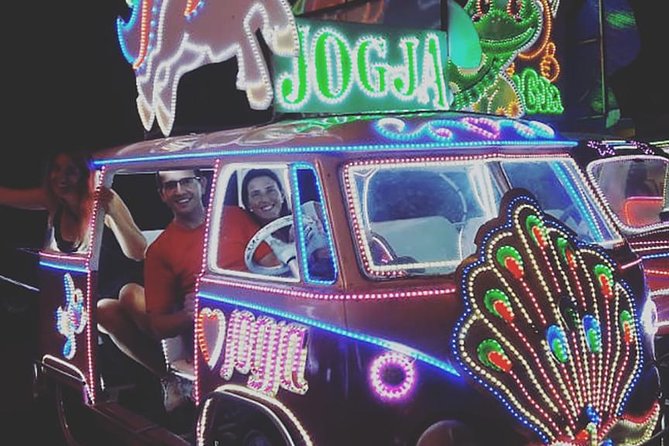
If you’ve only got one evening in Yogyakarta, this tour is built to do two things: feed you and orient you. You start at Tugu Jogja (the Yogyakarta Monument) at 6:30 pm, and you finish back down in the Alun-Alun Kidul / Alun-Alun Selatan area around 9:30–10:00 pm. That timing matters. You get the lively night energy without staying out so late that you lose your next day.
The flow is simple: a short guided walk, then quick becak rickshaw hops between areas, then more guided food stops, and finally games and rides at the square. It’s a smart format because Jogja’s best street food is spread out, and doing it on your own usually turns into either missed spots or too much time negotiating.
You’ll also feel the tour’s “made for real people” approach. The group size stays small, the pace is kept manageable, and the guide is actively involved—not just pointing at stalls and moving on.
You can also read our reviews of more tours and experiences in Yogyakarta.


Becak Rides Without the Haggle: Why the Transport Part Matters
The becak portion isn’t just a fun photo moment. It solves a real travel problem: figuring out where to go next and how to get there without wasting your night.
You’ll board becak rickshaws at the beginning and between several legs of the tour. The biggest win for you is that the guide helps take care of the logistics, so you’re not standing there doing back-and-forth price talk while everyone else is eating. In at least one case, guides have also helped negotiate a fair ride after the tour if guests wanted help getting back.
Also, night rain in Jogja is a possibility, and this tour is set up for that. You get a raincoat if it’s raining, and guides have carried extra umbrellas/rain gear. One review even noted that the becaks had canopies, which helps if you get wet mid-ride.
If you’re coming in solo or you’re new to the city, that transport support makes the whole thing feel smoother.
Meeting at Tugu Jogja (6:30 pm): The Easy Start
You meet at Tugu Yogyakarta Monument (Tugu Jogja) in the early evening, 6:30 pm. It’s a good meeting point because it’s a well-known landmark, and it’s near public transportation. You’re not dealing with a confusing “meet at a random alley” situation.
Once the group gathers, you get a guided orientation and then you head out right away. That matters because night food tours can wander if the start is slow. Here, the tour is already in motion, and you can settle into the evening rhythm quickly.
What I like: you’re not given a long lecture. The guide’s focus shifts to the route and the food—so you feel like you’re using your time instead of waiting for the first taste.
Malioboro at Night: Coffee, Snacks, and Three Stops You’ll Remember
After the initial orientation, your tour spends time on Jalan Malioboro, Jogja’s famous main street. But the best part is that it’s not treated like a single stop-and-stand location. You get multiple “moments” on Malioboro, each with its own purpose.
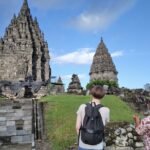
First Malioboro taste: coffee and street food
You walk toward Malioboro and start with coffee plus street food. You’ll get the idea of what to look for and how to order without feeling lost. If you’re a coffee person, this is also where you might run into heavier local styles—one guide has been noted for serving coffee brewed with charcoal, which is a great conversation starter when you’re learning what makes each drink different.


Second Malioboro taste: local snacks
You return to Malioboro for more guided eating and additional snacks. This is where you’ll feel how Javanese street food tends to balance sweetness, light savory notes, and layered textures. It’s not just one dish repeated—it’s a variety of bites that gradually build your appetite.
Third Malioboro segment: snacks plus a short becak hop
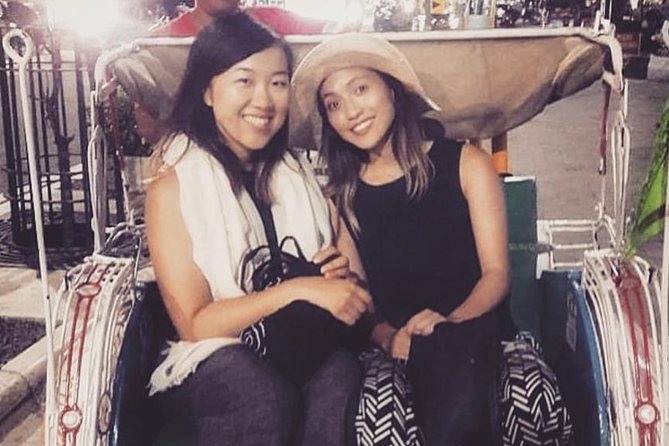
Then you do another guided Malioboro walk and snack stop, and you switch gears again by boarding a becak for the next legs. That walk-then-ride pattern keeps you from getting cramped or bored. It also helps you cover more ground than a pure walking tour.
Practical tip for you: bring your camera, but don’t let it slow you down. The best street-food photos are usually taken while you’re waiting for a dish, not while the guide is explaining what it is.
Nirboyo Gate: Authentic Javanese Food Stops That Feel Like Real Life
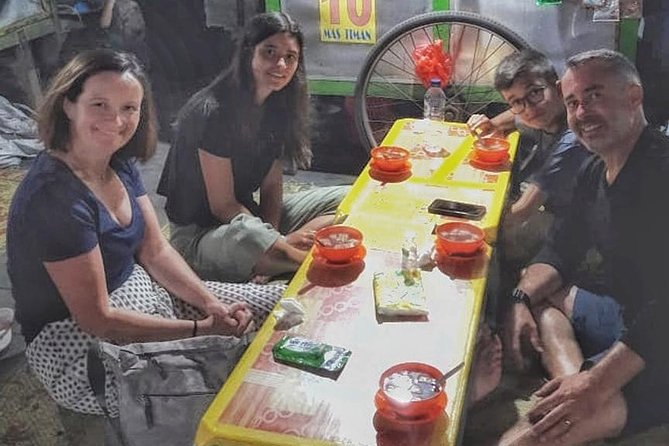
One of the tour’s standout stretches is the stop at Nirboyo Gate. This is where the food shifts more clearly into authentic Javanese-style tasting, not just “grab something you can find near the big street.”
You’ll have a real food tasting moment here, with a guide who explains what makes the dish local and why it fits the region’s flavor preferences. Even if you’re not a hardcore “food history” person, you’ll appreciate the context because it helps you predict what something will taste like—sweet, savory, herbal, or fried—and whether it matches your preferences.
The vibe at this stage of the tour is also more “night market energy” than “tourist checklist.” You’re still in a guided group, but you’re eating what locals would recognize.
Jamu Jawa Tradisional Lugu Murni: The Herbal Drink Break
Next up is Jamu Jawa Tradisional Lugu Murni, where you get an herbal drink stop. Jamu is one of those things that can sound mysterious until you try it, and this tour gives you a clean way to do that.
Why I like this stop for you: it’s a break from fried or heavy snacks. Herbal drinks can reset your palate, and it’s a chance to try something you probably won’t order on your own because you may not know what it is or how strong it will be.
If you’re worried about sweetness or intensity, this is exactly the moment to ask your guide what you’re tasting and how the drink typically feels—cooling, warming, strong, or mild.
Jalan Brigjen Katamso and the Final Tastes Before the Square
Before the tour ends, you hit Jalan Brigjen Katamso for what’s essentially the final stretch of eating. This stop is set up as last food tasting, plus one more guided push through the final part of the evening.
At this point, you’ll likely feel that “okay, I might be getting full” moment. That’s not a problem here—it’s expected. This is why the tour asks you to come hungry: the food volume adds up across all stops, and the guide keeps the tastings spaced out so you still enjoy them instead of rushing through.
Also, mineral water (600 ml) is included. That’s a small detail, but it helps a lot when you’re eating multiple bites and drinks in the humid evening.
Alun-Alun Kidul: Traditional Games and Fairground Rides Included
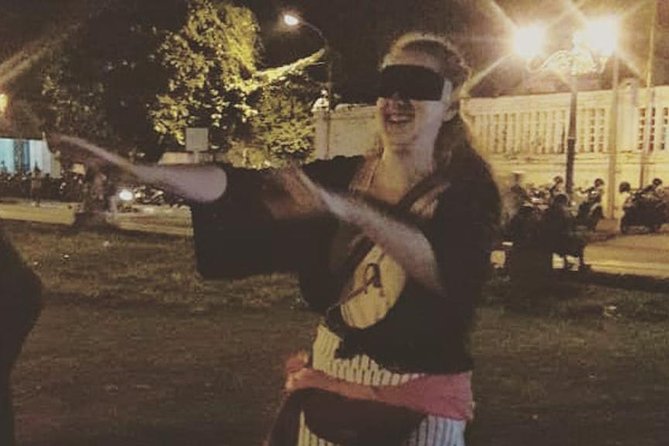
The tour ends at Alun-Alun Kidul, with traditional games plus activities fees included. The tour specifically mentions masangin and a paddle car option, and the timing puts you at the square for the most fun part of the night—when the area is active and you can unwind a bit after eating.
This final section is valuable even if you’re not a “ride person.” It gives you a taste of Jogja beyond food. You get to participate, not just watch. And because it’s included, you don’t have to spend your evening recalculating what’s worth paying extra for.
For you, it’s also a good decompression moment. You’ve been walking, tasting, and listening to guide explanations. Games at the square let you reset your energy before heading back to your hotel.
Guides and Hygiene: What Makes This Tour Feel Safe and Comfortable
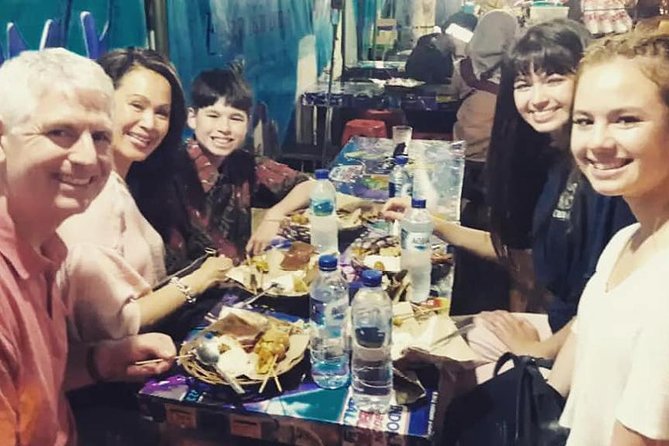
The reviews point to a consistent strength: guides who come prepared. You might notice extra items like hand sanitizer, napkins, tissues, and even clean utensils for tasting. In rain, guides may carry additional rain gear on top of what’s included.
Another detail I really value for street-food tours: spiciness control and allergy awareness. This tour states it’s suitable for dietary restrictions, and guides have been reported as careful about hygiene and conscious about guest preferences. That means you can feel more confident asking what something contains and how hot it is before you take a bite.
Guide names you may see are Kalika, Jasmine, Anisa, and Dhea. The important part isn’t the name—it’s the pattern: active guiding, clear English, and attention to comfort.
Price vs. What You Actually Get: Is $36 Good Value?
At $36 per person, the price is reasonable if you look at the package, not just the label “food tour.”
You’re getting:
- a local English-speaking guide
- becak rides during the evening
- many Javanese snack/food/drink tastings
- mineral water (600 ml)
- raincoat if it’s raining
- activity fees at Alun-Alun Kidul (so your games/ride costs are handled)
The main reason it feels like value is that the cost is bundled around what normally eats up your money and time in a new city: transport and multiple paid stops. Also, you’re not doing this as a long sit-down meal. You’re sampling widely across areas that you’d be unlikely to organize on your own your first night.
If you’re the type who enjoys learning a little about what you eat while still having fun, it’s a good deal for an evening that would otherwise be spendy and slower.
Who This Tour Fits Best (And Who Might Want a Different Plan)
This tour is a great fit if you want:
- a first-night intro to Yogyakarta food and street culture
- easy movement by becak, with less navigation pressure
- a guided route that avoids you guessing where to eat
- a mix of eating and doing (games at the square)
It may not be the right match if:
- you hate walking in the evening
- you want a very light snack-only experience
- you’re extremely picky and don’t want to try new foods (the tour is built around variety)
If you have dietary restrictions, this experience says it can work. Just make sure you’re clear about what you can’t eat before the tour starts, and ask your guide to steer you accordingly.
Should You Book This Night Food Tour in Yogyakarta?
If you’re wondering whether to do a night food tour at all, I’d lean yes for this one—especially for your first night in Jogja. The small group, the becak support, and the built-in Alun-Alun Kidul games make it more than just a list of stalls.
Book it if you want an evening that’s structured, fun, and filling, with guides like Kalika or Anisa keeping things organized and comfortable. Skip it only if you know you can’t handle a lot of tastings or you want a quiet night instead of an active one.
FAQ
How long is the Small-Group Walking and Food Tour by Night in Yogyakarta?
The tour runs about 3 to 4 hours.
What time does the tour start, and where do I meet?
You start at 6:30 pm at Tugu Jogja (Yogyakarta Monument).
When does the tour end?
The end time is around 9:30 to 10:00 pm at Alun Alun Kidul.
What’s included in the price?
Included are an English-speaking local guide, becak transport, many Javanese snack/food/drink tastings, mineral water (600 ml), a raincoat if it’s raining, and fees for activities at Alun-Alun Kidul.
Is the becak rickshaw included?
Yes. Becak is included, and you’ll use it during the tour to move between stops.
Is pick-up or drop-off provided?
No. Pick up and drop off services are not included.
What if it rains?
This experience provides a raincoat, and you’ll keep going. The experience requires good weather, so if it’s canceled due to poor weather, you’ll be offered a different date or a full refund.
How many people are in the group?
The tour caps at a maximum of 8 travelers.
FAQ
Is this tour okay for food allergies or dietary restrictions?
The tour states it is suitable for food allergies or dietary restrictions, but you should still clarify your needs so your guide can help you choose safely.
Do I need a printed ticket?
You get a mobile ticket.
How much does it cost?
It’s $36.00 per person.
What should I wear or bring?
Wear comfortable, relaxed clothing and bring your camera for photos. Also, the tour is designed so you should come hungry.