Monkeys, temples, and rice terraces in one day. This full-day Ubud route is built around the big-name highlights, but it’s delivered with the useful comfort of a private vehicle pickup and an English-speaking driver-guide who keeps things moving. I especially like the way the day mixes sacred places (Monkey Forest and Tirta Empul) with classic Ubud views (Tegalalang rice terraces and Tegenungan waterfall).
The only real drawback to plan for is timing and extra spend: entrance tickets aren’t included, and rain can change what Tegenungan Waterfall looks like.
In This Review
- Key highlights at a glance
- A full-day Ubud circuit that actually stays organized
- Private pickup, English driver-guide, and how that helps
- Stop 1: Sacred Monkey Forest Sanctuary and its three-temple layout
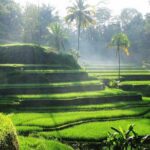
- Stop 2: Tegalalang Rice Terrace—Subak irrigation and Tri Hita Karana
- Swing Valley: the fun break that still fits Ubud’s rhythm
- Stop 3: Tirta Empul Temple and the spring-fed purification pools
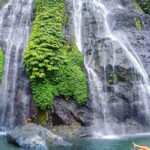
- Stop 4: Tegenungan Waterfall—stairs, swim options, and rainfall reality
- Stop 5: Celuk Village gold-and-silver crafts (and why it’s worth the stop)
- Price and value for $60 per group (up to 5)
- Tickets, lunch, and what to pack for this 8–10 hour day
- Who this tour fits best
- Should you book this Ubud Monkey Forest–Rice Terrace–Swing–Temple–Waterfall day?
- FAQ
- What places are included in this Ubud full-day tour?
- How long is the tour?
- Where does the tour start from?
- Is the tour private?
- What’s included in the price?
- Are entrance tickets and activities included?
- How much does it cost, and how many people can be in a group?
- Do you get an English-speaking guide?
- How do you receive tickets for this experience?
- What is the cancellation window?
Key highlights at a glance
- Sacred Monkey Forest Sanctuary: long-tailed macaques in a community-managed sanctuary with three temples
- Tegalalang Rice Terrace: rice farming tied to Subak irrigation and Tri Hita Karana philosophy
- Tirta Empul Temple: spring-fed pools with multiple shower areas used for purification
- Swing Valley + jungle viewpoints: a fun photo stop that still fits the cultural rhythm of Ubud
- Tegenungan Waterfall: a swim-friendly waterfall with stair access and a main viewing point
- Celuk Village: a dedicated gold-and-silver craft village where admission is free
A full-day Ubud circuit that actually stays organized
This is a long day by design—about 8 to 10 hours total. You’ll spend enough time at each stop to see the main sights, but you’re also moving between places, so it works best if you’re ready for steady pacing rather than wandering slowly on your own.
The upside is simple: you get a highlight sampler of Ubud’s most famous “wow” moments. The route blends nature, spirituality, and craft culture in a way that feels like Bali beyond the beach. It’s also private, so you’re not stuck in a loud group shuffle.
You can also read our reviews of more tours and experiences in Seminyak.



Private pickup, English driver-guide, and how that helps
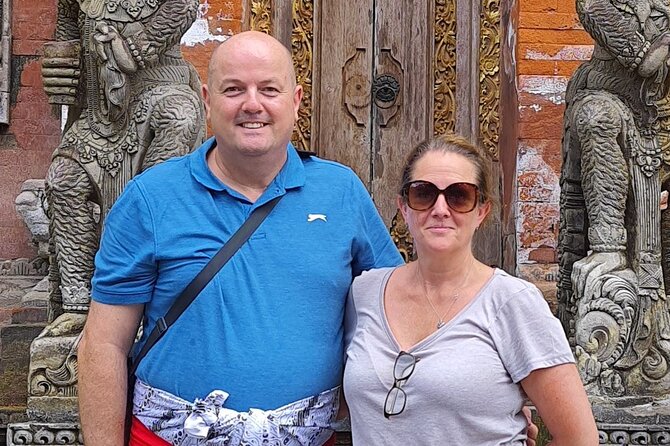
You start with pickup offered around Seminyak (the tour description says pickup is included). The transportation is a private vehicle in an air-conditioned minivan, plus bottled water during the day.
What you’re really buying here is logistics. In places like Ubud, traffic and parking can chew up time. With a driver-guide handling directions, you can focus on the fun parts: seeing the monkey forest, getting the right angles at Tegalalang, and not losing track of where you’re supposed to be next.
Names you may see associated with this company include Era and Nyoman, and the common thread is clear communication in English plus friendly guidance.
Stop 1: Sacred Monkey Forest Sanctuary and its three-temple layout
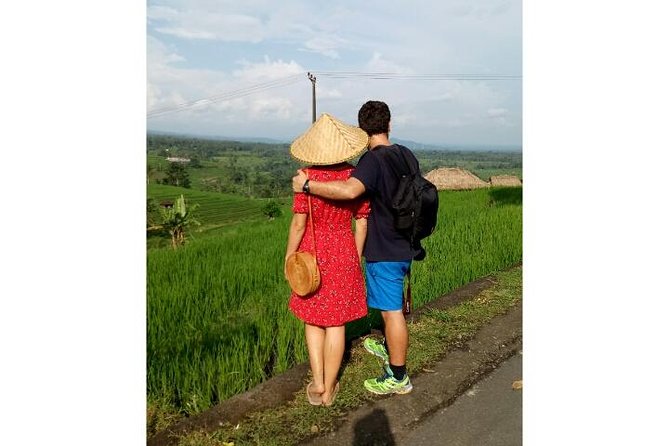
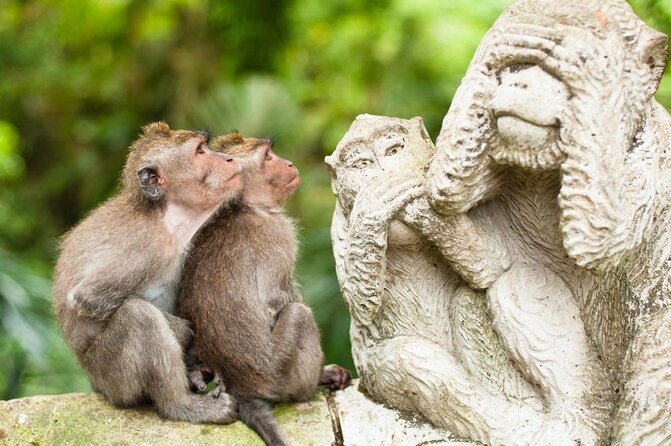
Sacred Monkey Forest Sanctuary (Mandala Suci Wenara Wana) is the kind of place that turns a photo stop into a real scene. It’s the natural habitat of Balinese long-tailed macaques, with about 1,049 monkeys living there in six groups.
What makes this stop more than a gimmick is the sanctuary-and-temples setup. The forest is owned by the Padangtegal community and managed by Mandala Suci Wenara Wana Management. You’re not just walking through trees—you’re moving through a living sacred space.
You’ll also see three temples inside the sanctuary:
- Dalem Agung Padangtegal Temple
- Holy Spring Temple
- Prajapati Temple
There’s a practical reason to respect the place: monkeys are part of the setting, and you’ll want to keep your belongings secure and avoid feeding or teasing. With a guide, you’ll usually get the quick rules that keep the experience fun instead of stressful.
Timing tip: You get about 1 hour here, so don’t plan on “slow strolling” the whole sanctuary. Prioritize the temple areas and viewpoints so your hour doesn’t evaporate.
Stop 2: Tegalalang Rice Terrace—Subak irrigation and Tri Hita Karana
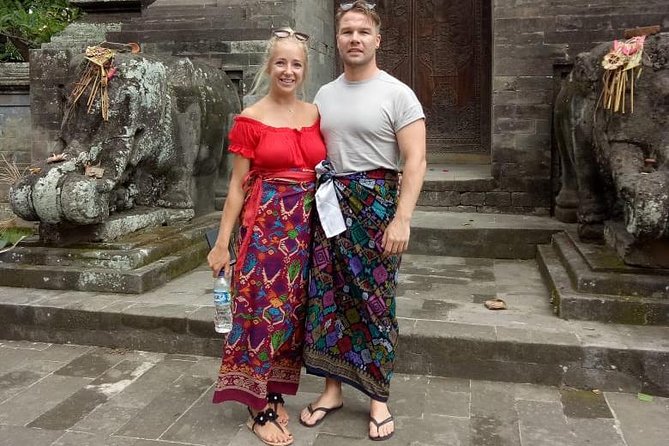
Tegalalang Rice Terrace is one of the most recognizable rice-field scenes in Bali. It sits in Tegalalang Village, north of Ubud, around 600 meters above sea level—so it’s often cooler than the beach areas.
The terrace views are the obvious reason to go. But the more interesting part is what the farming represents. Tegalalang rice fields are linked to a traditional Balinese irrigation system called Subak, dating back to the 9th century. Subak isn’t only engineering—it’s also connected to the philosophy Tri Hita Karana (the idea of balancing relationships between people, nature, and the spiritual world).
You’ll typically get around 1 hour at the terraces. That’s long enough to walk a loop, get a few angles, and understand why locals value this landscape. Also, because this is a popular stop, you’ll want to plan for crowds near the main viewpoints. Your guide can help you decide where to linger.
Footwear note: The terrace paths can be uneven. Wear shoes you don’t mind getting a little dusty.
Swing Valley: the fun break that still fits Ubud’s rhythm
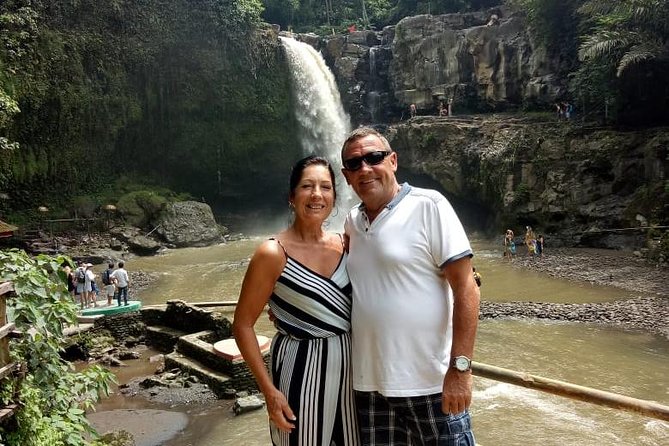
Your day includes Swing Valley (listed in the tour highlights). This is the kind of stop that’s partly about photos and partly about taking in the jungle backdrop from a different angle.
Because you’re doing multiple stops in one day, I like that Swing Valley is slotted into the schedule instead of replacing one of the cultural sites. You still get the nature views, but you don’t lose the spiritual anchors (Monkey Forest, Tirta Empul) that give the day its “Bali” feeling.
Real talk: swings and photo spots can feel a bit commercial in any destination. The best way to enjoy it is to treat it as a quick palate cleanser—do the photos, enjoy the view, then move on.


Stop 3: Tirta Empul Temple and the spring-fed purification pools
Tirta Empul is one of Bali’s most meaningful temple complexes because it’s built around water. It was founded around a large spring in 962 A.D., during the Warmadewa dynasty. The name comes from the groundwater source called Tirta Empul.
Here’s the part you’ll actually remember: the spring is connected to the source of the Pakerisan River, and the temple’s layout supports purification rituals. The complex is divided into three sections:
- Jaba Pura (front yard)
- Jaba Tengah (central yard)
- Jeroan (inner yard)
In Jaba Tengah, there are two pools with 30 showers. These showers have names tied to the purification concept, including areas referenced as Pengelukatan and Pebersihan, and other named points such as Sudamala and Pancuran Cetik (poison).
It’s dedicated to Vishnu, described here as another name for Narayana (supreme consciousness). If you like places where you can connect the dots between religion, water, and daily life, this stop does that better than most.
There’s also a modern historical detail you may notice: on a hill overlooking the temple, a modern villa was built for President Sukarno’s visit in 1954. That villa is currently a rest house for important guests.
What to do: Keep an eye on what you’re allowed to do and where you’re allowed to stand. Temples reward respectful behavior with a calmer, more focused visit.
Stop 4: Tegenungan Waterfall—stairs, swim options, and rainfall reality

Tegenungan Waterfall (at Tegenungan Kemenuh in Gianyar Regency) is close to Ubud’s artist areas, and it’s one of Bali’s waterfalls that isn’t tucked into the highlands. It’s often described as isolated but became a major attraction over time.
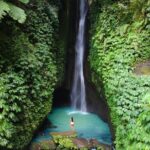
What you’ll likely notice right away is the green setting and the fact that the water can be clear depending on conditions. The tour info also notes that you can swim here. There are varying heights and you can climb to reach viewpoints after descending stairs.
There’s also a viewing setup at the entrance: a main viewing point gives you a jungle-and-water view before you commit to stairs and getting closer.
The one variable: the waterfall’s amount and clarity depend on rainfall. If it’s been wet, it can look powerful; if it’s dry, you may get a smaller waterfall. Either way, it’s still a good stop—just adjust your expectations based on the day’s weather.
Pack advice: bring a towel if you plan to swim, and expect wet feet if you go near the edge. Reef-safe sunscreen isn’t mentioned here, so just stick to basics you normally use.
Stop 5: Celuk Village gold-and-silver crafts (and why it’s worth the stop)
Celuk Village is a Balinese craft village known for gold and silver handicrafts. It’s located in Sukawati, Gianyar Regency, and it’s described as having shifted from a traditional village into a tourist attraction centered on jewelry and metalwork.
The hallmark here is production: almost all families involved are skilled in creating designs and a variety of products. You’ll see items made for souvenirs and for export, including jewelry such as rings and other wearable pieces (the description notes variations like jewelry categories and items).
Admission for this stop is listed as free, and you typically spend about 1 hour. I like this stop because it gives you a different side of Bali than temples and waterfalls. It’s hands-on culture: a craft that supports families and continues to evolve.
How to enjoy it: browse with curiosity, ask questions about materials and process if your guide has time, and avoid rushing. Jewelry can be tempting, but the real value is watching how serious the craft culture is.
Price and value for $60 per group (up to 5)
This tour costs $60.00 per group for up to 5 people. That matters because it turns a common “per person” problem into a shared-day deal. If you’re traveling as a pair, it still works out as a straightforward cost for transport and guidance; if you’ve got a small group, the value gets sharper fast.
What’s included: private vehicle transport, air-conditioned minivan, and bottled water. What’s not included: lunch and entrance/activity tickets. That means your “real total” will depend on the admission fees at each stop and whether you do any paid swing options or similar activities.
Is it a bargain? It can be, if you value convenience and you don’t want to manage separate rides or a DIY route. If you prefer to drive yourself and you already know how to time admissions, you might compare costs. But for many people, paying for organization is the whole point of a private day.
Tickets, lunch, and what to pack for this 8–10 hour day
Because entrance tickets aren’t included, you’ll want to plan for cashless or cash-ready payments at each site (the exact method isn’t stated, so bring a mix if you can).
Lunch is also not included, so you’ll either stop for food during the gaps or pick something simple near your route. With a full day, hunger can quietly ruin your mood. I recommend you plan for water plus a snack so you’re not stuck “waiting to eat” in the middle.
Pack the practical stuff:
- Light rain layer or umbrella for weather shifts (important for waterfall conditions)
- Comfortable shoes for stairs and uneven paths
- A small bag with secure storage for monkey areas
- Swimwear if you want to take a dip at Tegenungan
Who this tour fits best
This is a good match if you want the Ubud highlights in one day without planning every turn. It also suits families and first-time Bali visitors who benefit from an English-speaking guide and a driver who can keep you on schedule.
If you love temples, you’ll enjoy the jump from Monkey Forest’s community-managed sanctity to Tirta Empul’s spring purification pools. If you’re more nature-first, Tegalalang and Tegenungan deliver strong sights, and Swing Valley gives you a fun break between them.
If you hate long days, you might consider splitting things into two shorter outings. This is a lot of stops in one go, even with private transport.
Should you book this Ubud Monkey Forest–Rice Terrace–Swing–Temple–Waterfall day?
I’d book it if you want a single, efficient day that hits the classic Ubud hits: Monkey Forest, Tegalalang Rice Terrace, Tirta Empul, a waterfall swim-capable stop at Tegenungan, and Celuk crafts.
I wouldn’t book it if you strongly prefer slow travel, or if you’re trying to avoid extra spending for entrances and activities. The day can also feel weather-dependent at the waterfall, so keep your flexibility in mind.
If you do book it, go in with the right mindset: this tour is best when you let the guide handle the timing and routing, then you spend your energy on what actually matters—good photos, respectful temple visits, and enjoying Bali’s Ubud rhythm.
FAQ
What places are included in this Ubud full-day tour?
This day tour covers Sacred Monkey Forest Sanctuary, Tegalalang Rice Terrace, Tirta Empul Temple, Tegenungan Waterfall, and Celuk Village. Swing Valley is listed as part of the tour highlights.
How long is the tour?
The duration is listed as approximately 8 to 10 hours.
Where does the tour start from?
The tour location is Seminyak, Indonesia, and pickup is offered.
Is the tour private?
Yes. It’s described as a private tour/activity, with only your group participating.
What’s included in the price?
Included features are private vehicle transport, air-conditioned minivan, and bottled water.
Are entrance tickets and activities included?
No. Entrance tickets and activities tickets are not included. Lunch is also not included.
How much does it cost, and how many people can be in a group?
The price is $60.00 per group (up to 5).
Do you get an English-speaking guide?
Yes. The tour description says you’ll have an English-speaking tour guide as your driver.
How do you receive tickets for this experience?
The tour includes mobile tickets.
What is the cancellation window?
You can cancel for a full refund up to 24 hours before the experience’s start time. If you cancel less than 24 hours before, the amount paid won’t be refunded.