Ubud in one day is a smart way to taste Bali. You’ll hit Sacred Monkey Forest, the Goa Gajah temple complex, the big photo stop at Tegenungan Waterfall, and the classic Tegalalang rice terraces. Two things I really like: the entry tickets and sarong are handled for you, and the day is guided by people who can explain what you’re seeing as you go. One consideration: lunch is not included, and rain can affect the waterfall timing.
This is the kind of full-day tour that works well when you want variety without spending hours planning. The route is built around big, recognizable Ubud experiences, with an air-conditioned car, mineral water, and a local guide taking care of the flow. Expect a 6–8 hour day, and wear shoes you don’t mind getting dusty.
In This Review
- Key highlights
- Why this Ubud highlights loop works so well
- Getting around from Seminyak: car comfort and a realistic time block
- Stop 1: Sacred Monkey Forest Sanctuary and how to handle the chaos
- Stop 2: Goa Gajah (Elephant Cave) temple complex without rushing
- Stop 3: Tegenungan Waterfall, the big viewpoint moment (and what rain changes)
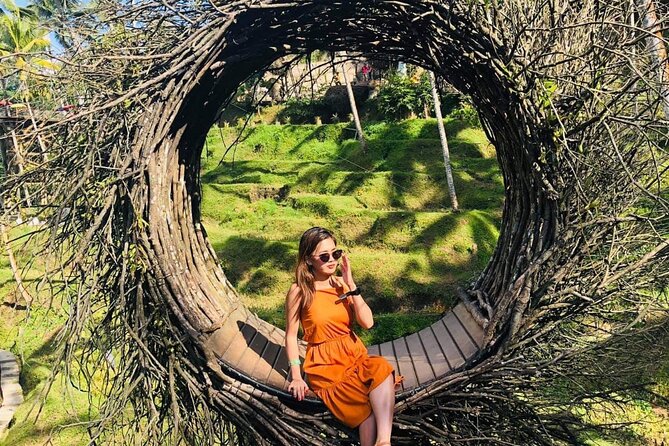
- Stop 4: Tegalalang Rice Terraces with a short walk and irrigation context
- Price and value check: what $35 covers and what you’ll still plan for
- Guides make a big difference on a day like this
- Who should book this Ubud day and who might want a different pace
- Should you book this Ubud full-day highlights tour?
- FAQ
- How much does this Ubud tour cost?
- How long is the tour?
- Which stops are included?
- Are the entrance tickets included?
- Does the tour provide a sarong for temple entry?
- Is lunch included?
- Is this a private tour?
- Do I get a mobile ticket?
- What happens if weather is bad or I need to cancel?
Key highlights
- Sacred Monkey Forest Sanctuary with a full 2 hours to slow down and watch how the monkeys and temple grounds actually work
- Goa Gajah (Elephant Cave) Hindu temple complex, including admission and a sarong for temple entry
- Tegenungan Waterfall with a dedicated photo window built into the schedule
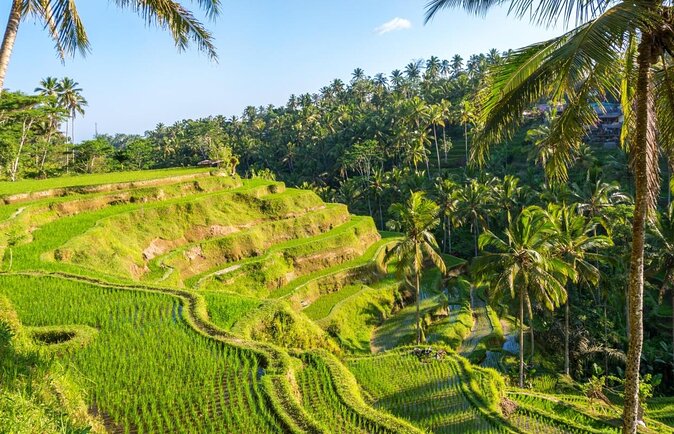
- Tegalalang Rice Terraces plus a small trekking walk and explanations about local irrigation
- Included tickets and bottled water, so you’re not constantly reaching for your wallet
- Private format: only your group, not a big mixed crowd
Why this Ubud highlights loop works so well
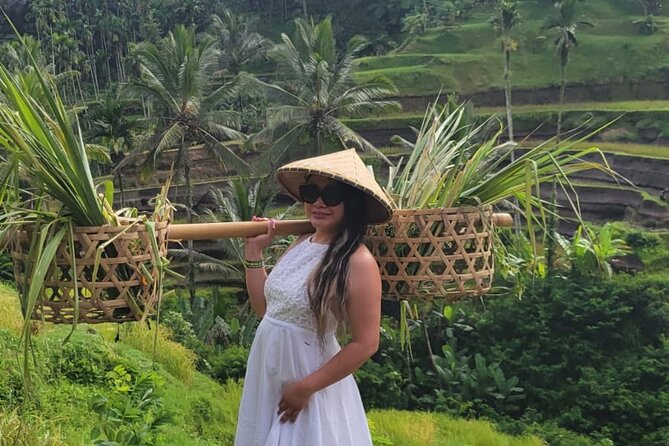
This Ubud tour is basically four “set pieces,” each one showing a different side of Bali: animals and sacred space, temple history and ritual life, nature and viewpoints, then agriculture and water management. That mix is exactly why the day feels satisfying even if you only have one full day.
I also like the pacing. You’re not trying to cram ten stops into twelve hours. Instead, you get real time at each highlight—two hours for Monkey Forest, two for the waterfall, then shorter but still meaningful blocks for temple and terraces.
The best part is how practical the experience feels. You’re not standing around wondering what comes next, and you’re not scrambling for entry details because tickets are included.
You can also read our reviews of more tours and experiences in Seminyak.



Getting around from Seminyak: car comfort and a realistic time block
The tour starts from Seminyak, with pickup offered and an air-conditioned car for the ride. That matters on Bali’s roads, because driving between Ubud-area sights can eat up energy fast if you’re not comfortable.
Plan on a total 6 to 8 hours (approx.). That time window keeps the day full, but it also means you’ll want to move efficiently at each stop—especially around Monkey Forest and the waterfall where there’s plenty going on.
One more small detail that helps: mineral water is included. On a hot day, that’s not glamorous, but it keeps you from burning energy just trying to stay hydrated.
Stop 1: Sacred Monkey Forest Sanctuary and how to handle the chaos
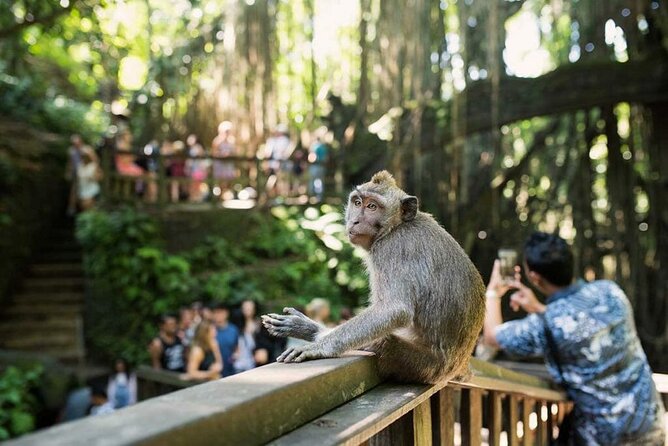
Your first big hit is the Sacred Monkey Forest Sanctuary in Ubud, with about 2 hours and admission ticket included. This is a protected habitat for long-tail macaques, and you’ll see how the monkeys share the space with visitors and sacred areas.
Here’s what to do so the visit feels fun, not stressful:
- Keep valuables secure and out of easy reach. Monkeys move fast, and they like shiny things.
- Go slow around pathways and watch before you step. Some areas can be crowded with monkeys at ground level.
- If you’re taking photos, plan for a little repositioning—there are moments where monkeys move right into the frame.
The sanctuary experience isn’t just wildlife watching. It’s also about being in a place where the monkeys and local spiritual life overlap. That mix is why this stop tends to be a “wow” moment for a first-time Bali trip.
A possible drawback: you’re entering an active animal environment, so not every minute feels quiet or museum-like. If you need a very calm, controlled setting, build in patience.
Stop 2: Goa Gajah (Elephant Cave) temple complex without rushing
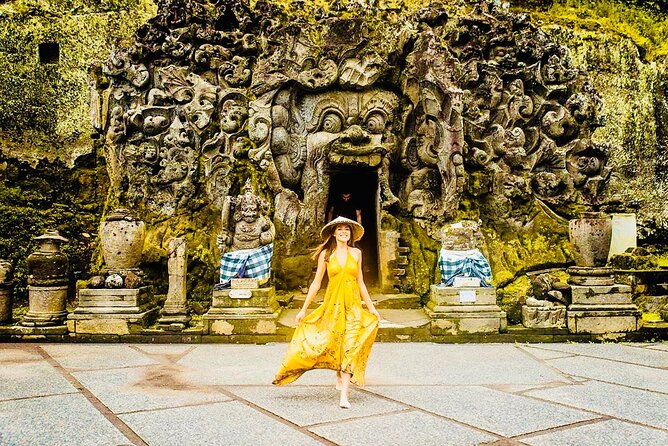
Next up is Goa Gajah, often called the Elephant Cave. You get about 1 hour, and admission is included. The site is predicted to be one of the oldest temples in Bali, and that age shows in how “lived-in” the area feels.
You’ll also be given a sarong to enter the temple. This is a helpful inclusion because it removes the guesswork of what you need to wear and keeps you moving rather than shopping at the last second.
What makes Goa Gajah worth the time is the way temples like this connect architecture to everyday belief. Even in an hour, the guide can point out details that help you understand what you’re looking at beyond the dramatic entrance.
One practical note: temples can have uneven ground. Comfortable sandals or shoes with grip are your best friend here.
Stop 3: Tegenungan Waterfall, the big viewpoint moment (and what rain changes)
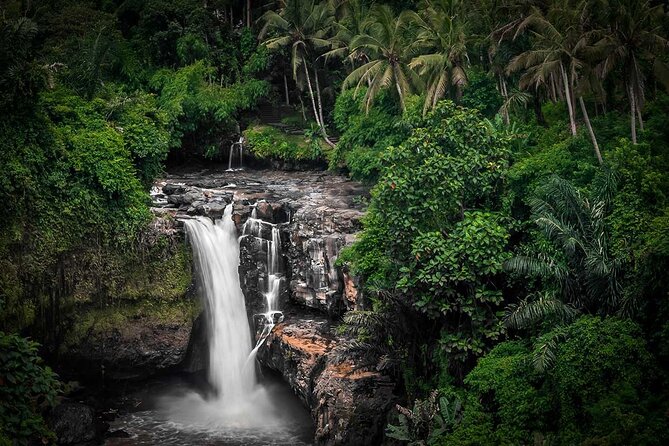
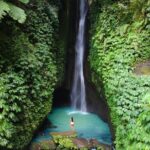
For your nature stop, you’ll go to Tegenungan Waterfall. You get around 2 hours, plus admission is included, and the site is well known for its photo opportunities.
This is the part of the day where the tour plan makes a difference. Two hours gives you time to:
- enjoy the view without sprinting,
- find a good angle for photos,
- and adjust if the crowd rhythm slows down or speeds up.
One consideration is weather. The experience requires good weather, and if conditions aren’t right, the tour can be changed to another date or you’ll get a full refund. So if your Bali dates are tight, keep an eye on the forecast and stay flexible.
Also, water stops mean wet stone can happen. Bring shoes that handle slippery spots, and don’t treat it like an easy stroll in flip-flops.


Stop 4: Tegalalang Rice Terraces with a short walk and irrigation context
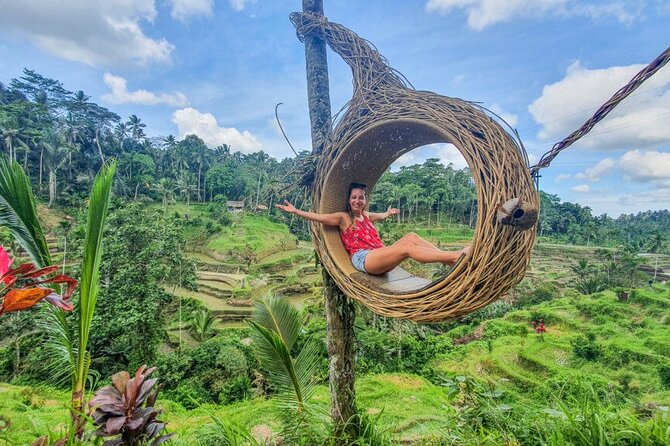
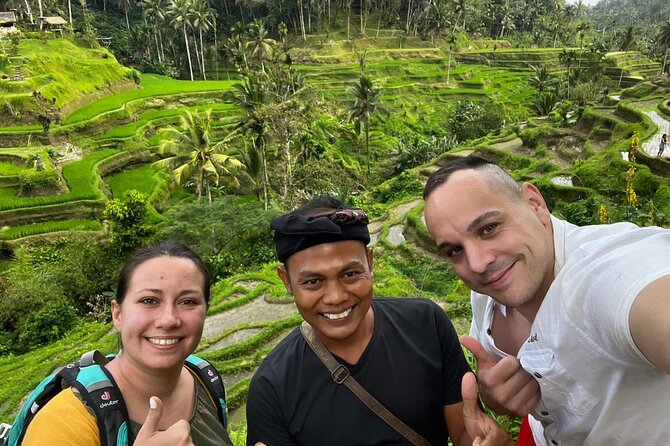
Your final highlight is the Tegalalang Rice Terraces. This stop runs about 1 hour, with admission included, and you’ll do a small trekking walk while learning about rice and the local irrigation system.
This is the moment where Bali’s farmland stops being a postcard and becomes a system. Rice terraces aren’t just pretty steps down a hill; they rely on water flow and timing. When a guide points out irrigation basics, the views feel more meaningful because you understand what you’re seeing.
In practical terms, the terrace walk is short, but it still counts as walking on uneven ground. Wear shoes you trust, and avoid rushing through the photo spots—some angles depend on where you’re standing.
If you only have one day and you want something that feels both scenic and educational, this is one of the best ways to end the trip.
Price and value check: what $35 covers and what you’ll still plan for
At $35 per person, the value is strong if you like structure and included costs. The tour covers:
- entrance tickets for the key stops,
- a local guide,
- sarong for temple entry,
- air-conditioned car transport,
- and mineral water.
That bundle removes a lot of friction. In Bali, it’s easy for a “cheap” tour to become expensive once you start paying for entries, transport, and random add-ons. Here, the core items are included, so you can budget for what’s missing.
What’s not included is lunch and personal expenses. So you’ll want a simple plan: either eat on your own near the final stops or bring a light snack if your guide gives you limited time between locations.
Also, you’re paying for time and logistics. With a private format and pickup offered, you’re not spending your day figuring out transport between Ubud-area sites. That’s a real savings, even if you’re not counting tickets.
Guides make a big difference on a day like this
A lot of the best energy on this tour comes down to who’s driving and guiding. The names that show up often include Ketut, Wira (WiRa), Gede, and Made. Across those guide styles, the common thread is clear communication and an ability to explain cultural and spiritual meaning while keeping the mood relaxed and fun.
If you care about context—not just sightseeing—this is where the tour earns its reputation. You’re not only looking at temples and terraces; you’re hearing how locals interpret the spaces you’re walking through.
Even the personal touch matters. Some guides have been described as responsive to special needs and able to adjust the day when conditions change. If your group has kids or you want a smoother pace, a good guide can turn a “standard” day into a comfortable one.
Who should book this Ubud day and who might want a different pace
This tour fits best if you:
- have only one full day and want the classic Ubud hits,
- prefer an organized route with included admissions,
- enjoy photo stops but also want explanations,
- like the idea of a private tour with only your group.
You might want a different plan if you:
- need lots of downtime or prefer slow, unstructured wandering,
- strongly dislike animals or chaotic crowds at wildlife sites,
- are traveling with very limited mobility and want less walking on uneven temple or terrace paths.
For most people, the balance works: big sights, manageable time, and less stress than DIY.
Should you book this Ubud full-day highlights tour?
I’d book it if you want a one-day Ubud experience that hits the essentials without turning into a ticket-hunting project. The included admissions, sarong, car comfort, and mineral water are what make the price feel fair, and the time blocks are long enough to enjoy each stop instead of just collecting checkmarks.
The only reason to pause is the day’s dependence on conditions—especially around the waterfall—and the fact that lunch isn’t included. If you’re flexible and you plan for food and footwear, you’ll get a smooth, well-paced day.
If you can match the schedule with good weather, this is a very solid way to see Monkey Forest, Goa Gajah, Tegenungan Waterfall, and Tegalalang Rice Terraces in one go.
FAQ
How much does this Ubud tour cost?
It’s listed at $35.00 per person.
How long is the tour?
The duration is approximately 6 to 8 hours.
Which stops are included?
The tour includes Sacred Monkey Forest Sanctuary, Goa Gajah (Elephant Cave), Tegenungan Waterfall, and Tegalalang Rice Terrace.
Are the entrance tickets included?
Yes. Entrance tickets are included for the stops, and admission tickets are listed as included for each location.
Does the tour provide a sarong for temple entry?
Yes. A sarong is included to enter the temple.
Is lunch included?
No. Lunch is not included, and you’ll need to cover personal expenses as well.
Is this a private tour?
Yes. It’s described as a private tour/activity where only your group participates.
Do I get a mobile ticket?
Yes. A mobile ticket is included.
What happens if weather is bad or I need to cancel?
The experience requires good weather. If it’s canceled due to poor weather, you’ll be offered a different date or a full refund. Cancellation is free up to 24 hours in advance for a full refund.