Textiles in Denpasar, guided like a backstage tour. In two hours, I got a focused look at how important Indonesian textiles are, from traditional patterns to everyday fabric finds, with Ayu and Ngurah leading the way. You start near Jalan Gajah Mada, meet a local collector named Pak Rayyis, then keep moving through old-street shops and markets.
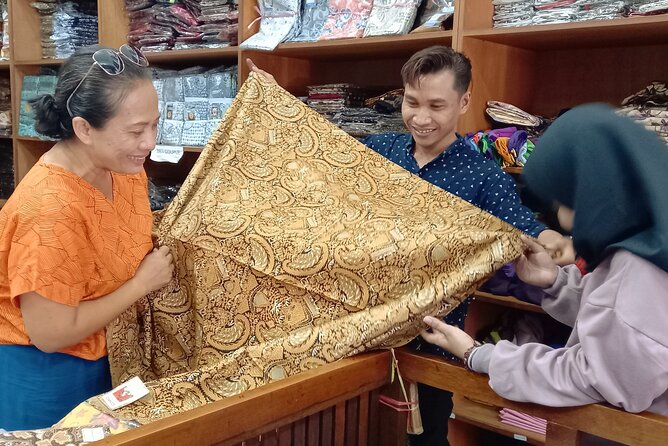
What I really liked was the direct shop-to-shop style. You see textiles up close, including Javanese hand-painted batik, modern batik, ikat, and endek weaving, not just framed samples behind glass. The other standout was the human touch: Ayu can flex the stops to your interests, and her English is strong enough that you can actually ask questions about techniques and materials.
One drawback to consider is simple: it’s a short walk. If you want a full-on buying marathon or need extra time comparing prices, two hours can feel tight, especially if weather is good but your shopping instincts get loud.
In This Review
- Key Highlights You’ll Feel Immediately
- Why this Denpasar textile tour feels local fast
- Starting at Jalan Gajah Mada with Pak Rayyis
- Kumbasari Market: batik, ikat, and weaving in plain view
- Jalan Sulawesi: everyday batik plus modern fabrics for real life
- What I learned about Indonesian textiles (and what you should look for)
- The walking route and timing: why 2 hours works
- Price and value: $25 for a focused textile education
- Who this tour suits best (and who might want another option)
- Practical tips so you get the most from the fabric stops
- Should you book this Denpasar textile tour?
- FAQ
- Where is the meeting point?
- Where does the tour end?
- What time does the tour start?
- How long is the tour?
- What will I see during the tour?
- How many people are in the group?
- Is the tour guided by English-speaking hosts?
- Do I need a printed ticket?
- What is the weather requirement?
- What is the cancellation policy?
Key Highlights You’ll Feel Immediately
- Meet Pak Rayyis in central Denpasar and learn what locals actually collect and value
- See multiple textile types in one route: batik (traditional and modern), ikat, and endek weaving
- Walk old streets with a small group (max 10), so questions don’t get lost
- Jalan Sulawesi for practical fabric shopping: everyday batik plus modern materials like linen and cotton
- Smart shopping guidance to help you find reasonable local prices without guessing
Why this Denpasar textile tour feels local fast
This tour is built around one idea: textiles aren’t just souvenirs in Bali and across Indonesia. They’re used, traded, gifted, worn, and respected. In a place where you can spend hours bouncing between boutiques, this is the opposite. You walk, you look, you ask, and you leave with a clearer sense of what you’re buying.
The best part is that you’re not stuck staring at one display. You move through different pockets of fabric culture across central Denpasar. That gives you context fast, which matters because the words batik, ikat, and weaving can sound similar until you see them side by side.
And because the group stays small, your guide can actually tailor the pace. Ayu and Ngurah run a well-guided format, but they also adjust for what you care about. If you want to focus on technique, ask. If you want shopping help, ask that too.
You can also read our reviews of more tours and experiences in Seminyak.



Starting at Jalan Gajah Mada with Pak Rayyis
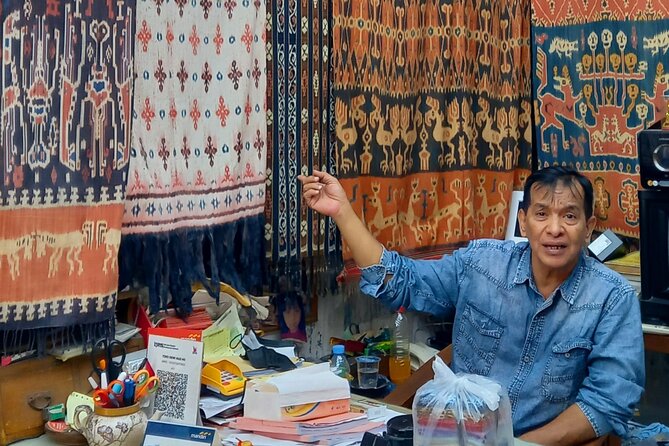
Your tour begins at Jl. Gajah Mada No.1 in Denpasar North, and you meet Pak Rayyis as the first key stop. This matters more than it sounds. Starting with a local collector gives you a baseline before you hit busier markets and fabric streets.
Pak Rayyis’ role is part storytelling, part education, and part “here’s what to look for.” Even if you’re not an expert, you can learn faster when someone points out differences in how textiles are made, how patterns are treated, and what kinds of fabrics locals reach for.
This early stage also sets the tone for the whole walk. You’re not just chasing pretty cloth. You’re learning the logic behind the variety—why one piece feels different, why another looks more suited to daily use, and why some materials get chosen for certain products like garments or interiors.
It’s also a practical advantage. In the first minutes, you get your bearings and stop guessing. That helps when you’re later deciding whether something is batik versus another woven or dyed style.
Kumbasari Market: batik, ikat, and weaving in plain view
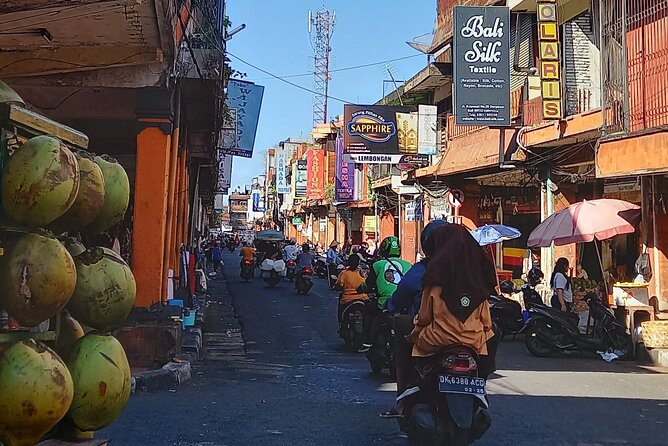
Next up is Kumbasari Market, where you visit two shops specializing in traditional batik, ikat, and weaving. This is where you get your “working view” of textiles. Instead of a single curated corner, you see how fabrics sit in real shop setups and how shopkeepers talk about their materials.
Kumbasari is especially valuable if you want to understand variety. Batik can cover a wide range of looks, and ikat can be surprisingly different once you notice how pattern and texture are formed. Weaving adds another layer, because the fabric can feel structured in a way that printed fabrics often don’t.
There’s a also a bigger reason to come here: you get access to supplies that locals use, not just pieces designed for tourist browsing. If you’ve ever felt like souvenir stores recycle the same patterns, you’ll appreciate the fact that this market focuses on what people actually buy and bring home.
A balanced approach helps here. It’s easy to fall in love with the first striking pattern you see. Use the guide’s direction to slow down for a moment: look at how the design repeats, check how the fabric drapes, and ask what the cloth is best used for.
Jalan Sulawesi: everyday batik plus modern fabrics for real life
After Kumbasari, the tour shifts toward Jalan Sulawesi, a well-known fabric haven area. This stop is the shopping sweet spot if you want both traditional and modern options in one walk.
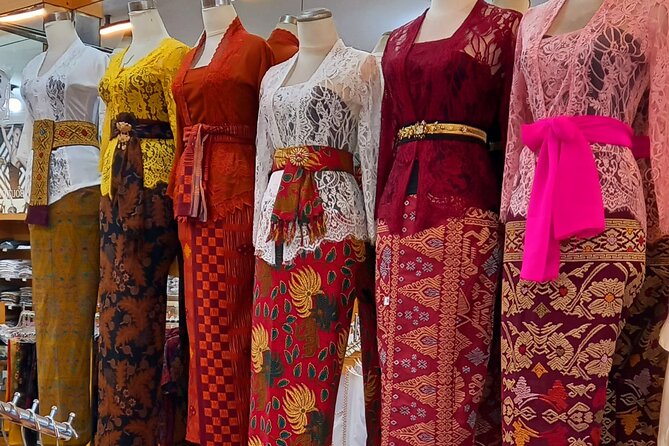
At Jalan Sulawesi, you’ll find print affordable everyday batik, plus modern fabrics like linen, brocade, cotton, lace, quilting materials, dressmaking supplies, interiors fabrics, silk, rayon, and more. That range is the whole point. If you’re the kind of traveler who wants one special cloth for a gift and another for a future project, this is where you can match your fabric to your plan.
This is also the place where you can compare styles quickly. When you see traditional batik alongside fabrics used for dressmaking or interiors, you start to understand what each market segment is optimized for. Traditional pieces often get discussed in terms of craft and design identity. Everyday prints get discussed in terms of usefulness and price.
One of the best parts is that the tour includes tips for smart shopping. I treat that guidance like a flashlight. You still look around, but you don’t wander in blind. You ask questions, compare prices across shops, and focus on fabrics that actually fit what you want to do with them.
What I learned about Indonesian textiles (and what you should look for)
This tour isn’t a lecture, but you leave with a sharper eye. I like that because Indonesian textiles can be confusing at first glance. The patterns are beautiful, but the categories can be fuzzy unless someone explains what differences matter.
Here’s what you’ll naturally start noticing as you move from place to place:
- Technique names become practical. Batik isn’t just a word; you start thinking about how design is created and how different batik styles can look.
- Ikat isn’t just visual texture. You learn to pay attention to the way pattern and color show up on the fabric.
- Weaving reads in the fabric itself. You can often feel differences in structure and drape once you compare pieces in person.
Also, you’ll learn how to frame your questions. Instead of asking only what something costs, you can ask what it’s best for. Is it more suitable as a garment fabric? For interiors? For something you’ll sew or style later? That turns shopping from impulse buying into a decision you’ll feel good about.
If you’re a first-time textile buyer, this guide approach is worth its weight in cloth. You don’t need to become an expert. You just need the right questions so you don’t waste money on something that doesn’t match your expectations.



The walking route and timing: why 2 hours works
The tour runs for about 2 hours and ends back at the meeting point. It’s a walking format, and it follows an efficient sequence: it starts with a local introduction, then moves to market-focused shopping, then ends in a fabric-street area built for variety.
This timing is why it feels doable. You get a real fabric experience without losing half a day. If you’re in Bali for beaches, temples, and general wandering, a compact textile walk is a good contrast. It also fits well if you want one shopping-focused outing without turning the rest of your day into recovery mode.
That said, plan your mindset. This is not an all-day textile safari. If you want to buy a lot, budget extra time after the tour to return to the pieces that really matched your taste. The tour helps you find direction and options, not necessarily to finish every purchase on the spot.
Weather is also part of the equation. Since the experience requires good weather, I’d avoid scheduling it as your only outdoor activity on a day when rain is likely. A weather-friendly day keeps the walk comfortable and keeps your shopping momentum from getting cut.
Price and value: $25 for a focused textile education
At $25 per person, this tour sits in the “more useful than a generic market stroll” category. You’re paying for three things that usually cost extra on your own: local guidance, structured stop selection, and the ability to ask questions while you’re looking.
The value gets stronger because the group size is capped at 10 travelers. Smaller groups usually mean more time for your questions instead of waiting your turn. And since the guide can modify stops around your interests, you’re more likely to spend your time where you’ll actually enjoy the fabric displays.
Also, the price makes it realistic to treat as research. Even if you don’t buy much, you’ll learn what types of textiles you connect with. That learning can save you money later, because you start recognizing what’s comparable across shops.
In short: for $25, you’re not just buying access. You’re buying a shortcut to understanding local fabric culture.
Who this tour suits best (and who might want another option)
This works best for you if you:
- Love fabrics and want to see several types in one outing
- Want a guided route that takes you beyond typical tourist browsing
- Like practical shopping help, not just window looking
- Prefer smaller groups and clear English explanations
It can also fit perfectly if you’re staying in areas like Seminyak and want an authentic Denpasar-focused outing without complicated planning. The tour is near public transportation, which makes it easier to reach, and it’s designed to be approachable for most participants.
If you’re the kind of buyer who needs hours and hours to compare every stitch and every price, you might feel the time limit. The tour is short on purpose. It’s meant to set you up for smart shopping, not replace extended market visits.
Practical tips so you get the most from the fabric stops
This is the kind of tour where your habits affect the outcome. Here are a few practical ways to get more value out of the walk.
First, go in with one or two goals. Maybe you want a fabric for a gift, or you want something for a future sewing project. When you have a target, you notice details faster, like fabric feel, drape, and how pattern choices match your purpose.
Second, bring curiosity. Textile categories can overlap visually, and the guide is there to help you sort them. Ask about what you’re seeing. If something looks similar to you, ask how it’s different.
Third, keep shopping realistic. The guide can help with reasonable local pricing and smart shopping tips, but you still need to decide what you truly want to carry home. If you buy at every stop, you’ll end up with regrets. If you buy after comparing across the route, you’ll end up with better matches.
Lastly, be ready for a small amount of walking. It’s a walk through old streets and market zones, so wear comfortable shoes. You’ll enjoy it more when your feet aren’t negotiating with your mood.
Should you book this Denpasar textile tour?
I’d book it if you want a real textile experience in Denpasar without turning your day into a long shopping grind. The biggest reasons are simple: you get a guided route that covers multiple textile types, and you get help from Ayu and Ngurah that’s clear enough to actually learn while you look. Starting with Pak Rayyis also gives you a grounded introduction that makes later shopping make more sense.
Skip it only if you need a half-day or full-day buying spree, or if you know your schedule only allows you on a day when weather might be rough. In a good weather window, this is one of the easiest ways to come home with both fabric and understanding.
If you’re a fabric lover, this one is hard to beat for value.
FAQ
Where is the meeting point?
The tour starts at Jl. Gajah Mada No.1, Dauh Puri Kangin, Kec. Denpasar Utara, Kota Denpasar, Bali 80232, Indonesia.
Where does the tour end?
The activity ends back at the meeting point.
What time does the tour start?
The start time is 2:00 pm.
How long is the tour?
It lasts about 2 hours.
What will I see during the tour?
You’ll visit local shops and textile areas where you can see traditional and modern textiles, including Javanese hand painted batik, modern batik, ikat, and endek weaving. You’ll also visit Kumbasari Market and Jalan Sulawesi, a fabric area with many types of everyday and modern fabrics.
How many people are in the group?
The tour has a maximum of 10 travelers.
Is the tour guided by English-speaking hosts?
Ayu is noted for having fabulous English, and the experience is provided by Ayu and Ngurah.
Do I need a printed ticket?
No. The tour uses a mobile ticket.
What is the weather requirement?
The experience requires good weather. If it’s canceled due to poor weather, you’ll be offered a different date or a full refund.
What is the cancellation policy?
Cancellation is free up to 24 hours in advance for a full refund. If you cancel less than 24 hours before the start time, the amount paid will not be refunded.