A waterfall day with a mountain twist. I love the combo of Kedung Kayang’s 40-meter drop and that sky-mountain-river view, and I love that the outing includes walking time through the area and terraced rice fields. The only drawback to weigh is the pace: it’s an 11-hour day, and meals aren’t included.
This is a private, English-guided outing that starts from Yogyakarta, Borobudur, or Wates and ends the same way. And because Kedung Kayang is known for steady water flow even in dry season, you’re not relying purely on luck for the main waterfall moment.
In This Review
- Key things that make this day trip work
- Price and what you actually get for about $19
- Where you’ll start: pick-up from Yogyakarta, Borobudur, or Wates
- The long-drive reality of an 11-hour day
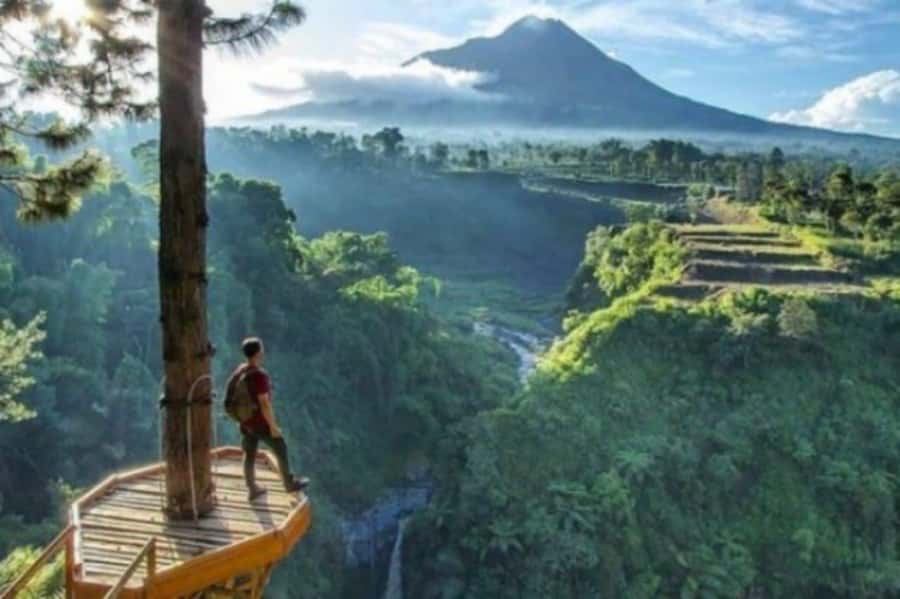
- Kedung Kayang: a 40m waterfall with the sky as part of the scene
- What the waterfall area feels like on the ground
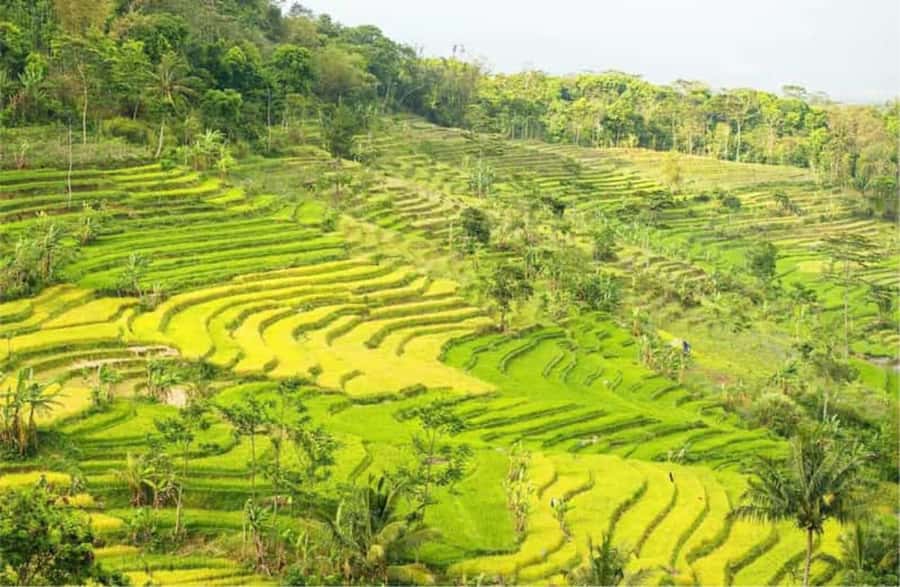
- The terraced rice fields after the falls
- Facilities and practical comfort at the site
- SeLOGriyo Temple: culture time after the nature focus
- How the guide shapes your experience (especially in English)
- Mountain views, not just waterfall photos: what to focus on
- Who should book this trip
- Tips to make your day easier (and more enjoyable)
- The Kedung Kayang myths you may hear, and why they matter
- Should you book this Kedung Kayang and SeLOGriyo Temple day trip?
- FAQ
- How long is the tour?
- What does the tour cost?
- Where are the pick-up locations?
- Where will I be dropped off?
- Is an English-speaking guide included?
- Are meals included in the price?
- Are entrance tickets included?
- Is the waterfall flow affected by the dry season?
Key things that make this day trip work
- Kedung Kayang’s unusual view: sky-mountain-river-waterfall in one scene
- A real hike element: you walk, so the waterfall doesn’t feel like a roadside stop
- Rice terrace context: you can watch farming activities instead of just snapping photos
- High-altitude waterfall: about 1,200 meters above sea level for cooler air up top
- A culture add-on: SeLOGriyo Temple gives you a calmer, story-led break from nature
Price and what you actually get for about $19
At around $19 per person, this trip is priced more like a smart group-ride than a big tour splurge. You’ll be paying for time, transport, and an English-speaking driver/guide, not a long list of extras.
Here’s what’s included:
- shuttle to your hotel or homestay
- car, fuel, and parking fees
- an English-speaking driver/guide
- a bottle of water
And here’s what costs extra:
- meal or snacks
- the entrance ticket(s)
For me, the value is in the mix: you get two different experiences (waterfall + temple) in one long day without needing to plan transport yourself. If you hate spending your vacation negotiating rides, this setup makes life easier.
You can also read our reviews of more tours and experiences in Candi Selogriyo.
Where you’ll start: pick-up from Yogyakarta, Borobudur, or Wates
Your day begins with a pick-up from one of three areas: Wates, Borobudur, or Yogyakarta. Then you’ll return to one of those three as well.
Why this matters: it saves you the headache of getting to a meeting point, especially if you’re staying outside the main center. It also helps you choose the most convenient start location for your schedule.
The long-drive reality of an 11-hour day
This tour runs about 11 hours, with starting times depending on availability. That’s plenty of time to do both sites, but it also means you should pack your energy accordingly.
A practical way to think about it:
- You’ll spend a chunk on driving to reach the waterfall area and return.
- You’ll spend another chunk walking around the waterfall and viewpoints.
- You’ll finish with the temple stop, which is more relaxed than the hiking parts.
If you want a short, low-effort outing, this probably isn’t it. If you like seeing more than one thing in a day, it fits.
Kedung Kayang: a 40m waterfall with the sky as part of the scene
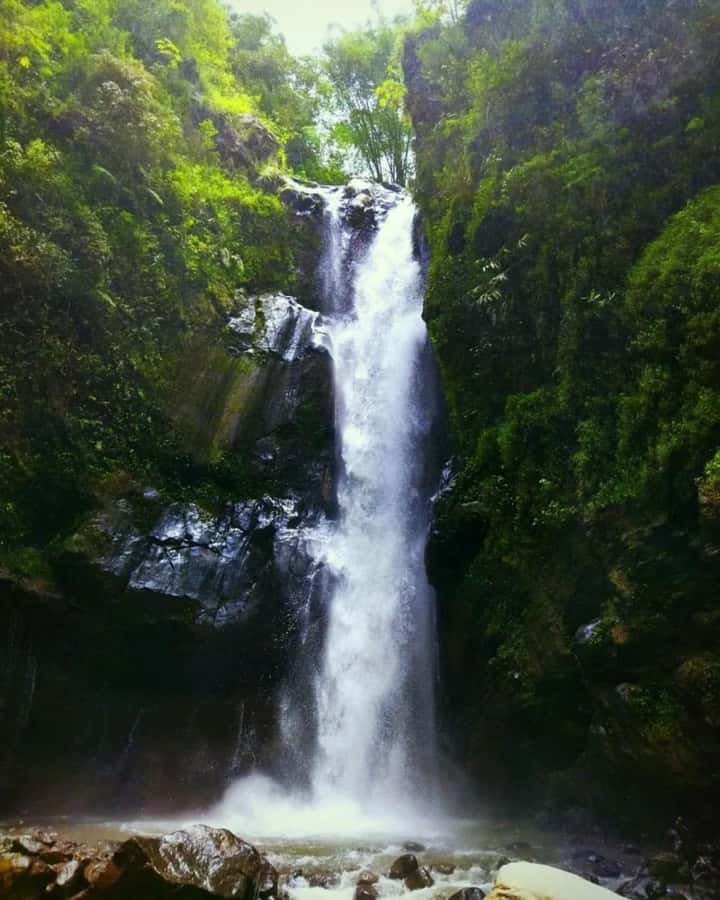
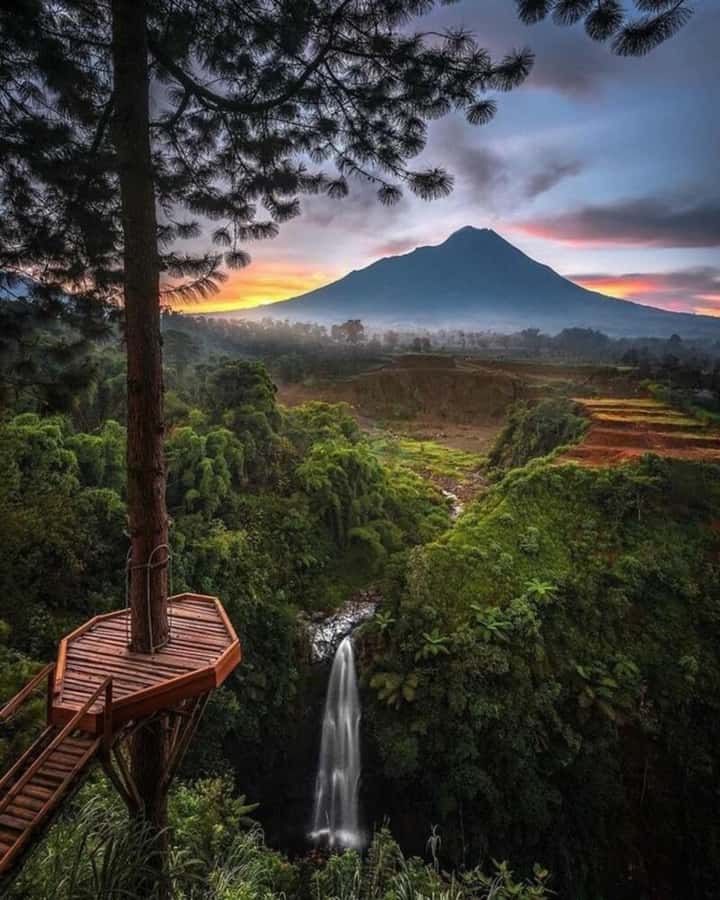
Kedung Kayang sits in Central Java’s nature belt north of Mount Merapi. Getting there is about 1 hour 20 minutes from Yogyakarta, though the exact feel of the drive depends on traffic and road conditions.
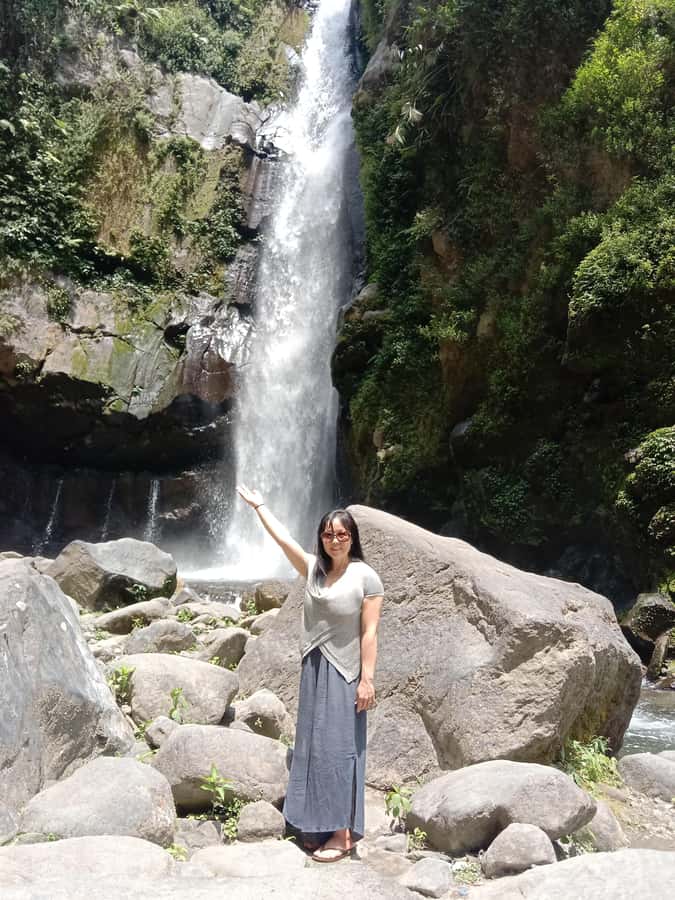
What you’re going for is not just height. Kedung Kayang is described as one of the higher waterfalls in the region, dropping about 40 meters from roughly 1,200 meters above sea level. In plain terms: you get the kind of waterfall that photographs well even when you’re just standing at the right spots.
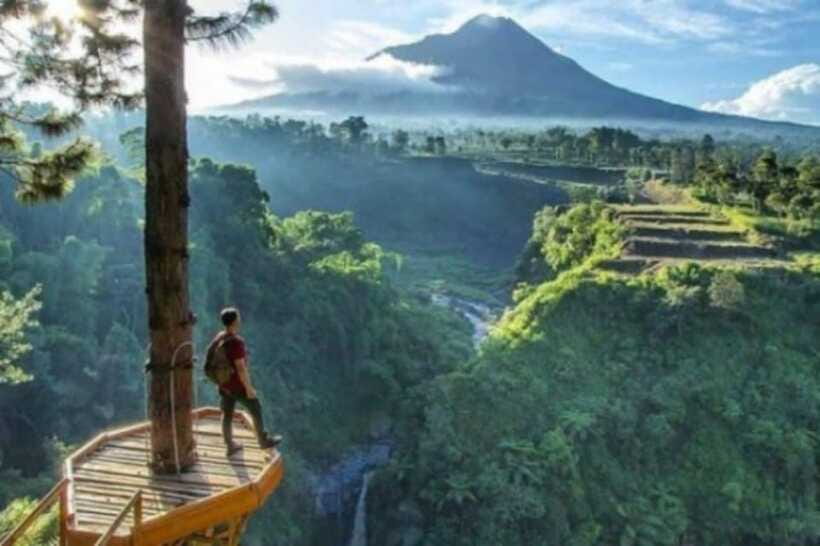
The name itself hints at the vibe. Kedung means waterfall, and Kayang means sky. Locals use that idea because the viewpoint often includes a broader scene: sky, mountains, a river, and the waterfall all lined up in one viewscape.
And yes, the water flow is said to stay strong even during peak dry season. That’s comforting. I’d rather book a place with a reputation for consistency than gamble on seasonal changes.
What the waterfall area feels like on the ground
Once you reach Kedung Kayang, the experience is built around movement. The natural setting encourages:
- tracking/walking around viewpoints
- selfie-photo stops
- water tourism at the waterfall area (where available/appropriate)
- even pre-wedding-style photo activities
You’ll also notice the mix of cliffs and springs. In addition to the river flow from above, springs are believed to emerge from cracks in the vertical cliffs year-round. Local belief assigns mystical qualities to these springs, so if you’re the type who likes cultural context, ask your guide what the locals say and why it matters to them.
For practical comfort: go in expecting uneven ground and humidity. You’ll feel it more because you’re at altitude and walking. Dress for motion, not just photos.
The terraced rice fields after the falls
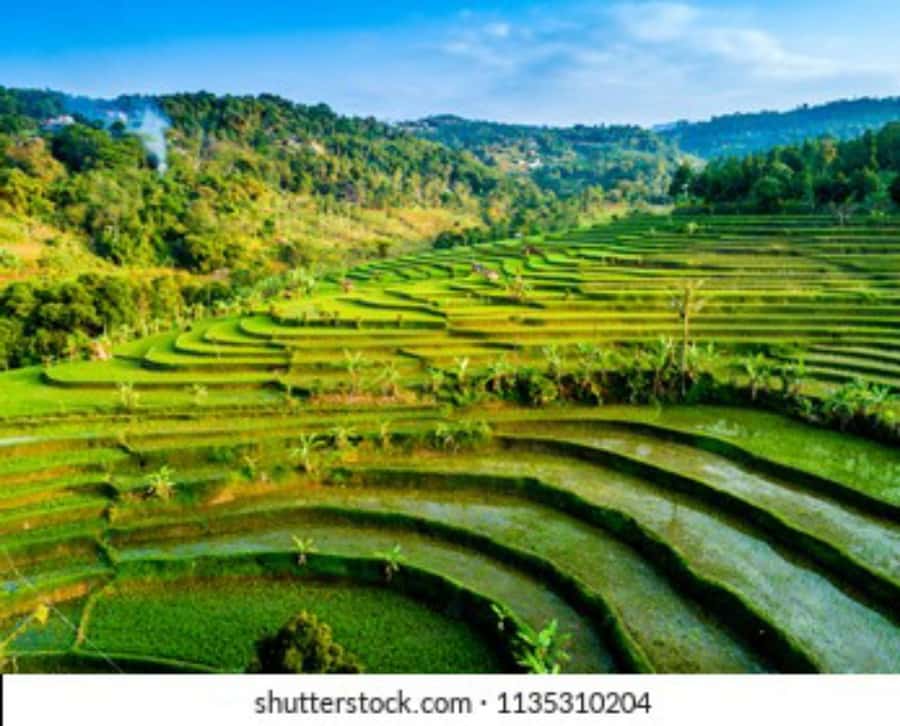
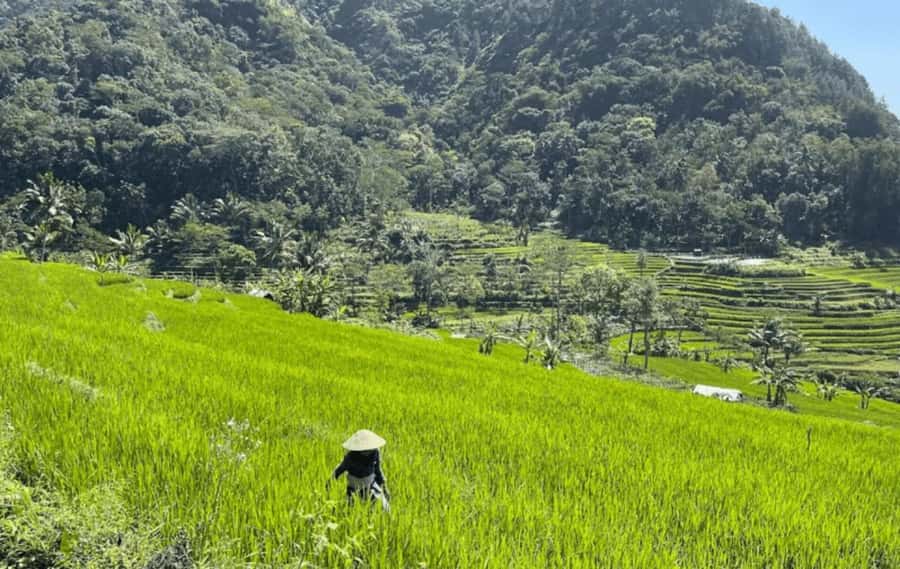
One of my favorite parts of this day plan is that it doesn’t stop at the waterfall picture. After Kedung Kayang, you’ll head toward terraced rice fields.
This matters because the walk can turn into something more meaningful than sightseeing. The highlights include:
- mountain views paired with the waterfall
- a healthier feeling because you’re walking
- a chance to see what farmers are doing in the rice fields
If you like travel that feels grounded, this is the advantage. You’re not only consuming a scenic spot. You’re also watching how people actually use the land around it.
Facilities and practical comfort at the site
Kedung Kayang is set up for visitors more than the average wild waterfall. The available facilities include:
- road access and parking
- toilets
- a food court
- viewing posts
- a campground and rest areas
That’s helpful when you’re spending most of a day out of town. You won’t feel trapped into buying everything from a car-side stall, and you’ll be able to reset between photo stops.
Do plan, though: since meals aren’t included in the tour price, you’ll want to bring or buy snacks and water as needed, even if the tour provides a bottle.
SeLOGriyo Temple: culture time after the nature focus
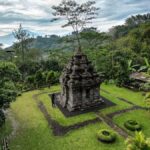
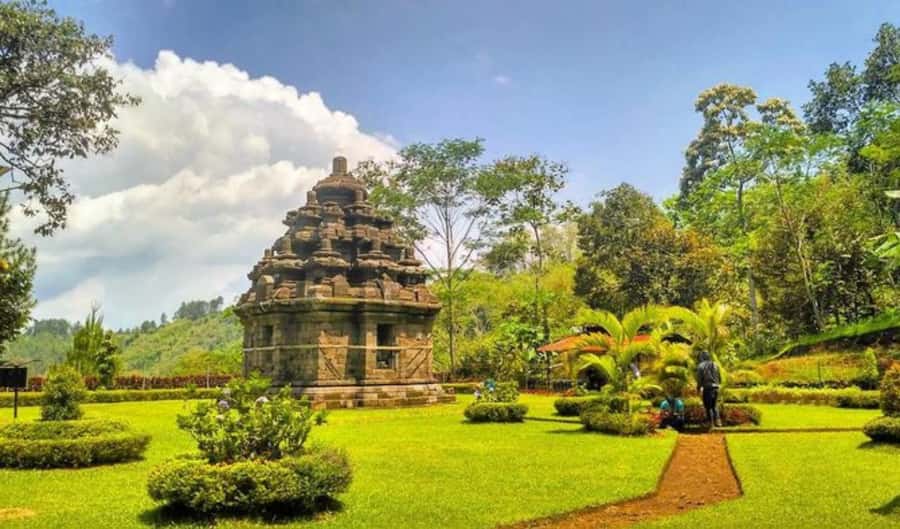
After the waterfall and rice field area, the itinerary shifts to SeLOGriyo Temple.
From the information provided, this temple stop is remembered for refreshment and good storytelling from the guide. The setting is the kind of break that helps your brain switch from waterfall motion to something quieter and more reflective.
The most concrete detail I can give you without guessing: the guide’s English and explanations matter here. In one of the experiences shared, the guide (Mr Tomo) was praised for sharing lots of information and stories, and for being friendly and humble with strong English understanding.
If you want a day that balances physical sights with human context, the temple stop is your payoff.
How the guide shapes your experience (especially in English)
You’re not just being transported. You’ll have an English-speaking driver and guide for the trip.
This changes the quality of the day at two key moments:
- At Kedung Kayang, where local meanings and myths surround the place.
- At SeLOGriyo Temple, where explanations can make the stop feel less like a photo stop and more like a story you can follow.
One specific guide name came up: Mr Tomo. He was described as friendly and humble, with many infos and stories to share, plus English that was easy to follow. If you care about understanding what you’re looking at, that’s a big plus.
Mountain views, not just waterfall photos: what to focus on
It’s easy to show up expecting one perfect shot. You’ll still get plenty of those, but the smarter way to enjoy Kedung Kayang is to watch how the layers connect:
- waterfall height and power
- the river running through the scene
- the mountains and sky framing the whole view
- the way terraces and paths guide you toward better angles
If you plan your time with that in mind, you’ll leave with photos that feel varied rather than repetitive.
Also, don’t ignore the quieter spots. Sometimes the best perspective comes from slightly off the main view line, where you catch how the cliffs and springs shape the area.
Who should book this trip
This day trip makes the most sense if you:
- like nature with a walk, not just a quick stop
- want waterfall views plus a chance to see terraced rice fields
- prefer an English guide so you can ask questions and understand what you’re seeing
- enjoy a mix of outdoor time and a temple visit in one day
It might be less ideal if you:
- want a short day with minimal walking
- need your meals fully covered (you’ll want snacks)
- get impatient with long road time
Tips to make your day easier (and more enjoyable)
Here’s how I’d plan your personal comfort without overcomplicating it.
- Bring snacks: meals aren’t included, but there’s a food court at the waterfall area. Still, having your own backups helps.
- Wear shoes you trust on uneven ground: you’ll walk around viewpoints and paths.
- Plan for photo time, not just arrival time: waterfall areas often require waiting for the best moment and angles.
- If you want water activity, confirm what’s practical on the day: the tour mentions water tourism, but conditions vary in real life.
- Be ready for culture talk: Kedung Kayang includes local lore about masters and guardians, plus seasonal sound myths. Let your guide set the tone and enjoy the stories as part of the place.
The Kedung Kayang myths you may hear, and why they matter
Kedung Kayang comes with a layer of local belief that’s worth listening to, even if you treat it as myth rather than literal fact.
Local stories connect the waterfall name to three masters: Empu Stage, Empu Putut, and Empu Khalik. They’re said to have met in the area, both above and in the waterfall basin below.
There are also guardian figures: Kyai Gadung Melati and Nyai Widari Welas Asih. And the springs emerging along the cliffs are believed to have mystical properties.
Seasonal and calendar-related stories are part of the local flavor too:
- In the month of Suro (Muhharom) on Friday nights Kliwon, you may hear the sounds of Javanese Gamelan.
- On Thursday Wage, monkeys are said to gather at the top of the waterfall.
Whether or not you buy into the mystical side, this kind of local storytelling is part of why the site feels alive. You’re not only looking at rocks and water. You’re stepping into how people interpret the land.
Should you book this Kedung Kayang and SeLOGriyo Temple day trip?
If you want a practical, value-focused day that mixes nature and culture, I’d say yes. The strong points are clear: Kedung Kayang’s 40-meter waterfall experience, the walking element that makes it feel like you’re actually there, and the bonus of rice fields. Add in SeLOGriyo Temple with an English-speaking guide, and you get a full day that doesn’t feel like a one-note outing.
Book it if:
- you like waterfalls and mountain scenery
- you’re okay with a full 11-hour schedule
- you want someone to explain what you’re seeing in English
Skip it (or adjust expectations) if:
- you’re looking for a short, low-effort tour
- you need meals included in the price
- you dislike long drives
Bottom line: this is a solid choice for anyone doing Yogyakarta and wanting one memorable nature-and-culture day without DIY stress.
FAQ
How long is the tour?
The tour runs about 11 hours.
What does the tour cost?
The price is $19 per person.
Where are the pick-up locations?
You can be picked up from Wates, Borobudur, or Yogyakarta.
Where will I be dropped off?
Drop-off is available in Yogyakarta, Borobudur, or Wates.
Is an English-speaking guide included?
Yes. The tour includes an English-speaking driver and guide.
Are meals included in the price?
No. Meal or snacks are not included.
Are entrance tickets included?
No. Location entrance tickets are not included.
Is the waterfall flow affected by the dry season?
Kedung Kayang is said to keep flowing year-round, with water that does not recede or decrease even at the peak of the dry season.