Rice terraces, working fields, and an old temple in one smooth loop makes this trip special. I like that you get real time watching farmers at work, and I also like the calm you feel when you reach Selogriyo Temple, far from the big-city rush. One thing to consider: part of the experience involves walking on uneven paths through rice fields and plantations, so bring shoes with grip.
The day starts with a long-ish transfer out of Yogyakarta, then shifts into slow travel mode. If you’re the kind of traveler who enjoys seeing how food actually gets grown and harvested, this tour is built for you. Just note that Nepalvan Java hill can feel cool or damp when clouds roll in, so a light layer helps.
In This Review
- Key points before you go
- From Yogyakarta to Nepalvan Java: the ride that sets the mood
- Nepalvan Java hill: vegetable plantations and village life by car
- Rice-field trek to Selogriyo: walking through green work, not just views
- Selogriyo Temple: a 9th-century Mataram site with space to breathe
- Small-group value: 10 hours, up to 4 people, English support
- Price and what’s included: why $52 can be fair here
- What to bring: shoes for rice paths and a light layer
- Who this tour fits best (and who might want a different plan)
- Should you book it?
- FAQ
- How long is the tour?
- What does the tour cost?
- Where does the tour pick up and drop off?
- How many people are in the group?
- Is there an English-speaking guide?
- Is the transportation air-conditioned?
- What activities are included in the day?
- Are the temple and hill tickets included?
- Is mineral water provided?
- Can I cancel and get a full refund?
Key points before you go
- Small group of up to 4 means you move at a human pace and get more attention.
- Nepalvan Java hill focuses on vegetables and hands-on farm life, not just photos.
- A rice-field trek brings you close to how farmers work in real time.
- Selogriyo Temple is a true 9th-century stop tied to the Mataram kingdom.
- English support with car transport keeps the day easy to manage without losing authenticity.
From Yogyakarta to Nepalvan Java: the ride that sets the mood
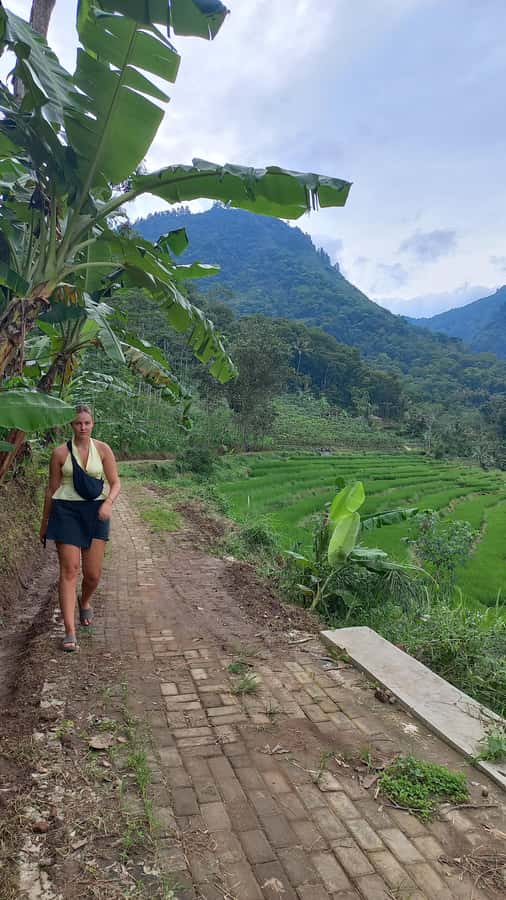
You’ll get pickup from within the Special Region of Yogyakarta, then settle in for roughly a two-hour drive to the vegetable plantation hill at Nepalvan Java. The vehicle is air-conditioned, and the overall transport quality scores very well, which matters on a full-day outing like this. When you start early and travel comfortably, the day feels less rushed and more like a journey.
This part also matters because it’s when the countryside “turns on.” As you move away from the city, you’ll start seeing the patchwork of farms that define this region—vegetables on slopes, rice plots below, and small village roads connecting everything. By the time you arrive, you’re ready to slow down and actually pay attention to what people are doing in the fields.
You can also read our reviews of more tours and experiences in Candi Selogriyo.
Nepalvan Java hill: vegetable plantations and village life by car
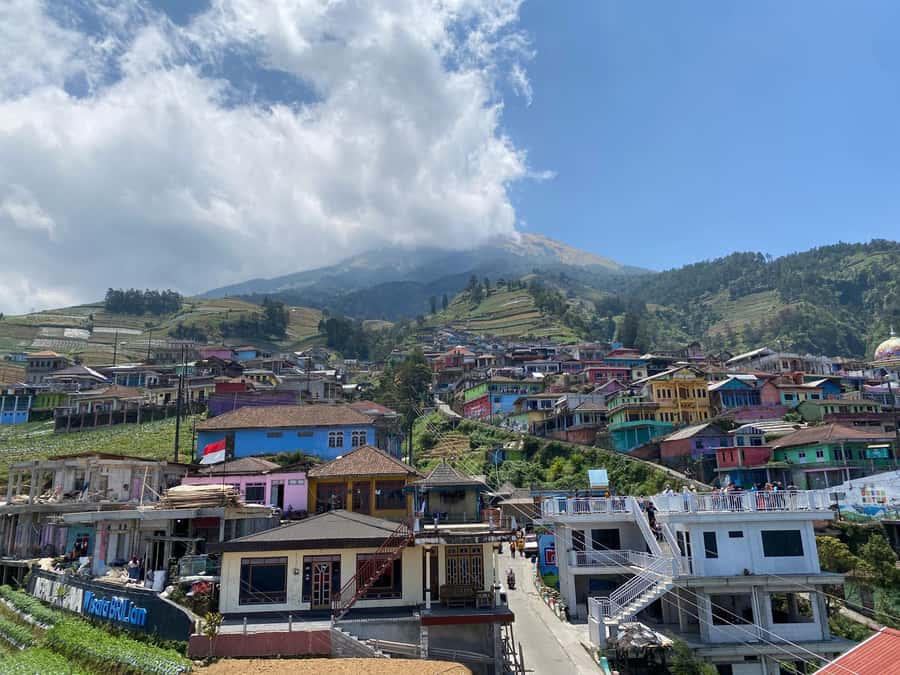
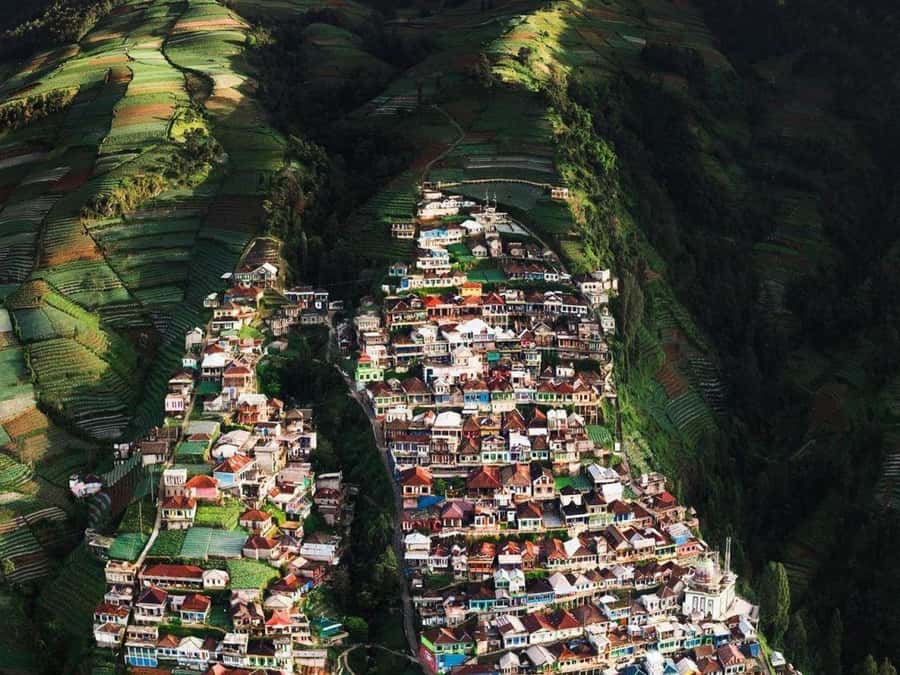
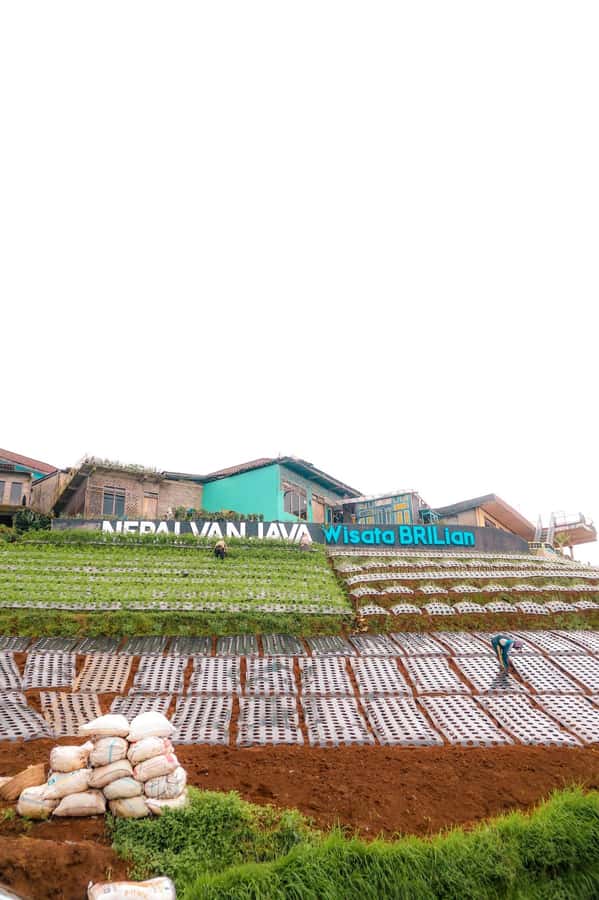
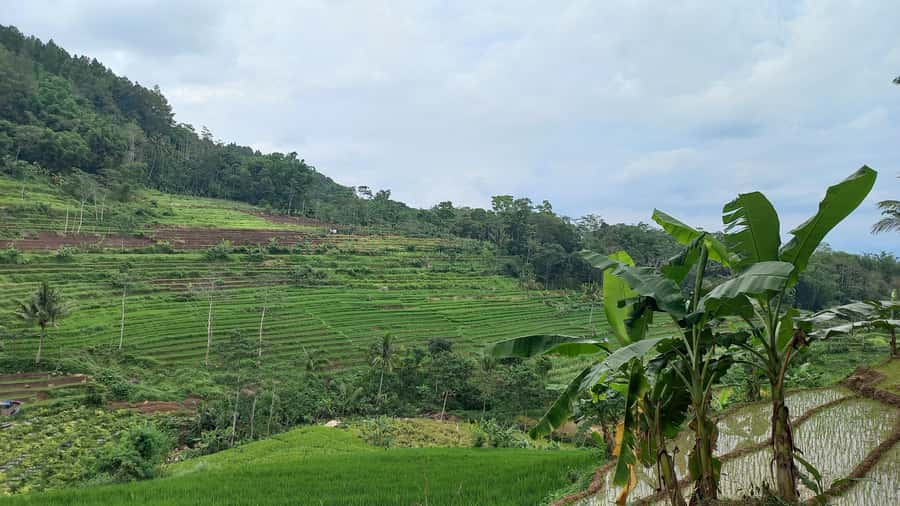
Nepalvan Java is where the tour goes beyond scenic views and focuses on farming life. From the vegetable plantation hill, you get a close look at how local farmers plant, harvest, and maintain vegetable fields. That’s the heart of the experience here: you’re not just looking at crops, you’re watching the work that keeps those crops going.
After that, you’ll explore local villages by car. This is a smart addition because it helps you understand the wider context: where the fields sit in relation to everyday life. You’ll see the kinds of routes and spaces that connect homes to work. It’s also a good way to keep the day moving without turning everything into trekking.
One small practical note: if weather is cloudy, the hill area can feel chilly. I’d pack a light pullover or jacket just in case you catch that damp air.
Rice-field trek to Selogriyo: walking through green work, not just views
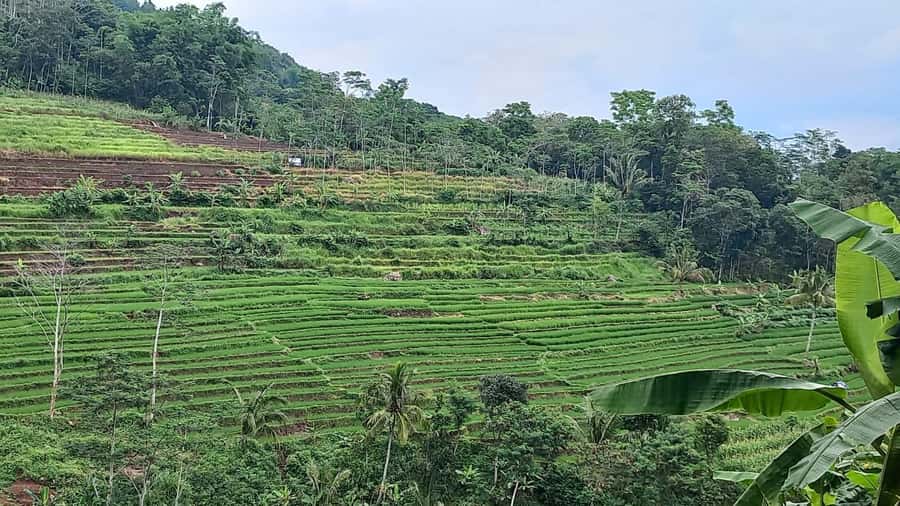
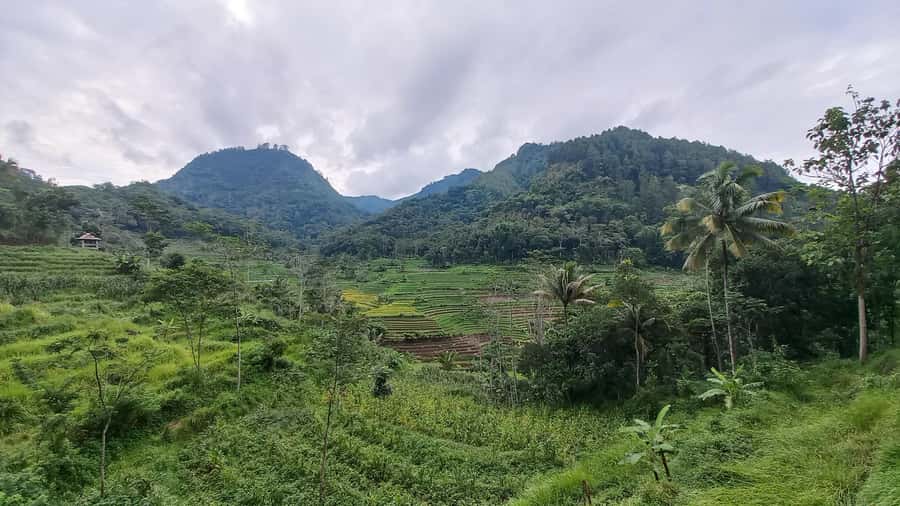
After Nepalvan Java, the route heads toward Selogriyo Temple, passing through rice fields along the way. This is where you’ll feel the shift from vegetables to rice—and the pacing shifts too. You’ll travel through the rice areas, then do a trek route through rice fields and surrounding plantations to reach the temple.
The rice-field portion is one of the most praised parts because it’s active without being overly complicated. You’ll see local farmers working in the rice fields, and that changes how you experience the scenery. Rice terraces look great in a photo, but watching hands at work gives the place meaning. It also helps you notice details you’d otherwise skip, like how the plots are shaped and how paths connect working areas.
There’s also a bonus: along the rice terraces, you may find a small coffee spot. Even if you only stop briefly, a warm drink can turn the walk into a real pause, not just movement.
Selogriyo Temple: a 9th-century Mataram site with space to breathe
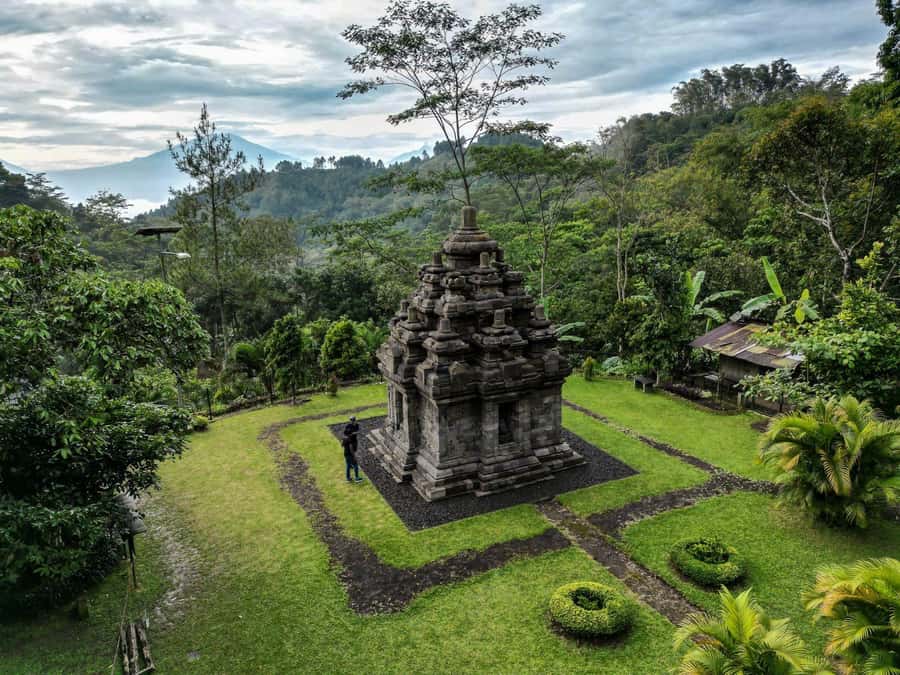
When you arrive at Selogriyo Temple, the whole day makes sense. This is an ancient temple built in the 9th century by the Mataram kingdom, and it has that quietly impressive feel that comes from age and isolation. What I like about this stop is that it doesn’t feel like a checklist. The setting gives you room to slow down and look carefully.
Selogriyo also works well after the fields. By the time you get there, you’ve spent hours seeing daily agricultural routines. Then you step into a sacred site that’s been sitting through centuries of change. That contrast adds weight to the visit: it’s not only about what’s beautiful now, but also about what endures.
Another advantage: this temple experience can feel peaceful because it’s not the loudest, most crowded name on everyone’s map. With a small group, you’re less likely to feel packed in, and you’ll get the time you need to enjoy the views from the temple area.
Small-group value: 10 hours, up to 4 people, English support
This tour runs about 10 hours, which is long enough to feel like a real day out, but not so long that you lose the agricultural focus. The group is limited to 4 participants, and that small size shows in how the day can feel. It’s easier to adjust pacing, and it’s easier for your guide to respond if someone wants slower walking, more time at a field, or simple questions about what you’re seeing.
English support comes from an English-speaking driver/guide, and the experiences have standout notes about friendly, helpful guidance from people like Purnomo, Andri, Andre, Tomo, and Ipung. That matters because the difference between sightseeing and understanding is often just translation and context. When you can ask questions in your language, the farm life stops being generic and becomes personal.
Transportation is also handled for you: hotel pickup and drop-off, air-conditioned vehicles, and parking fees plus entry-related costs are covered. In practice, that reduces stress and makes it easier to spend your energy on the walking and the views.
Price and what’s included: why $52 can be fair here
At $52 per person for a 10-hour, small-group day, you’re paying for two things: time and logistics. The itinerary includes transport from Yogyakarta, Selogriyo Temple tickets, the Nepalvan Java hill ticket, parking fees and donations, plus mineral water. Many tours of similar length charge separately for at least one of those items.
You’re also getting car time for the villages and a guided approach that ties the stops together: vegetable hill work, rice-field trekking, and a temple visit. If you tried to stitch this together on your own, you’d likely spend time figuring out routes and paying for multiple entrances anyway. Here, the structure saves you the hassle and keeps the day flowing.
Small-group pricing can be more than large-bus tours, but the trade-off is worth it if you care about calm pacing and direct interaction with your guide.
What to bring: shoes for rice paths and a light layer
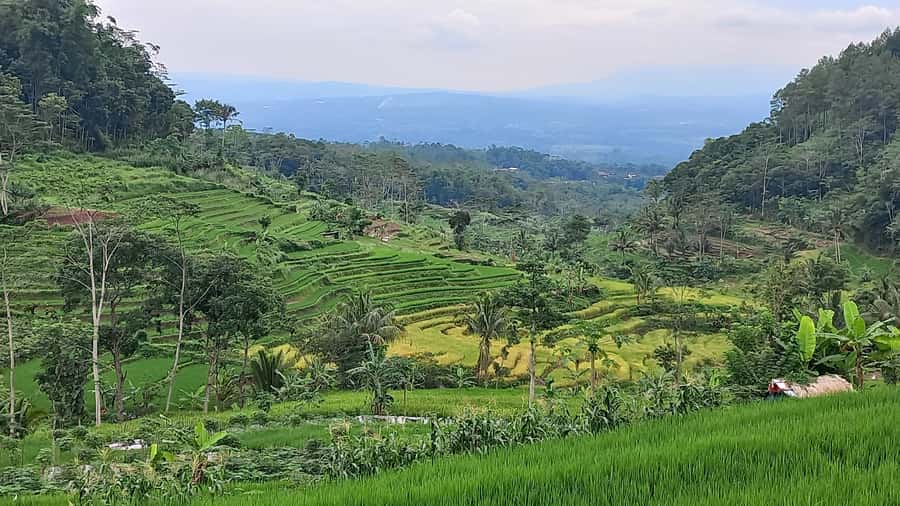
This tour involves walking through rice fields and plantations to reach the temple. Even if the trekking route is described as not overly demanding in feel, rice paths can still be uneven. Wear closed-toe shoes with grip.
Also pack a small layer. Nepalvan Java hill can get cool when clouds move in, and you don’t want to be stuck shivering halfway up. Bring water too if you’re sensitive to heat, even though mineral water is included.
Finally, keep your expectations realistic: this is a working-farm day. You’ll spend time close to agriculture, so the day is better suited to travelers who enjoy hands-on, everyday experiences, not only polished photo stops.
Who this tour fits best (and who might want a different plan)
You’ll likely love this tour if you:
- want to see how farmers actually work in vegetable and rice fields
- enjoy quieter cultural stops like a 9th-century temple
- prefer small groups and a guide who can explain what you’re seeing
- like a day that mixes gentle walking with meaningful context
You might choose something else if you:
- dislike walking on uneven surfaces, even short stretches
- want a tour that’s mostly indoors or mostly urban
- prefer high-energy city attractions over calm countryside routines
That said, the calm is a feature, not a flaw. If you’re traveling for perspective, this region delivers it.
Should you book it?
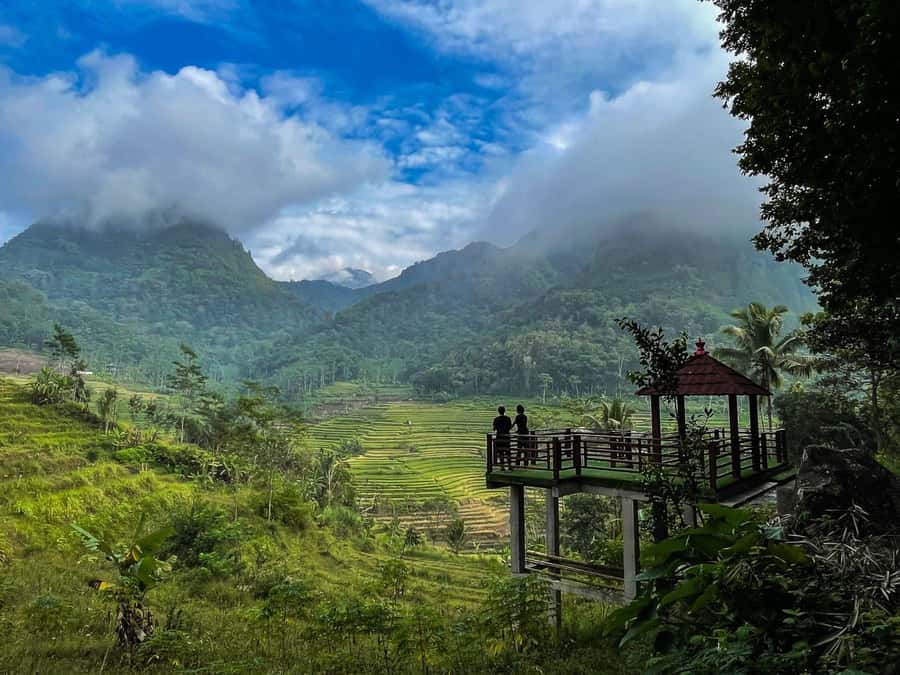
I’d book this tour if your ideal day includes real agriculture, a peaceful temple, and a guide who helps you connect the dots. The pricing feels fair because key costs are included, and the small-group size makes the experience more personal.
It’s also a great choice for anyone who’s tired of rushed temple stops without context. Here, you arrive at Selogriyo Temple after hours of farming life, so the visit feels earned—and it tends to leave you with a better understanding of what sustains the scenery you came for.
If you’re comfortable with some walking and you pack a light layer, this is exactly the kind of Java day that stays in your head long after the photos fade.
FAQ
How long is the tour?
The total duration is 10 hours.
What does the tour cost?
The price is $52 per person.
Where does the tour pick up and drop off?
Pickup and drop-off are in the Special Region of Yogyakarta.
How many people are in the group?
It’s a small group limited to 4 participants.
Is there an English-speaking guide?
Yes, there is an English-speaking driver/guide.
Is the transportation air-conditioned?
Yes, the tour uses air-conditioned vehicles.
What activities are included in the day?
You’ll visit Nepalvan Java hill to see vegetable farming, explore local villages by car, then go to Selogriyo Temple with passes through rice fields and a trek through rice fields and plantations.
Are the temple and hill tickets included?
Yes. Selogriyo Temple tickets and Nepalvan Java hill tickets are included.
Is mineral water provided?
Yes, mineral water is included.
Can I cancel and get a full refund?
You can cancel up to 24 hours in advance for a full refund.