The road to East Bali is long, hot, and worth it. This full-day trip links temple art, coastal life, and ancient villages into one smooth day from Ubud. You get hotel pickup, major sights with entry included, and a guide who helps you make sense of what you’re seeing.
I particularly like the pair of religious art stops: Kerta Gosa’s Hall of Justice murals and Tirta Gangga’s royal water gardens. I also like that lunch is included at a local restaurant, and some plans even come with a sea-view setting.
The main catch is the dress code: temples and palaces can refuse entry if shoulders aren’t covered and knees aren’t covered. If you plan to wear shorts, this tour will test your patience before you even get inside.
In This Review
- Key Things You’ll Appreciate on This East Bali Day
- East Bali in One Long Day From Ubud
- Kerta Gosa Park: Hall of Justice Murals and Moat Views
- Pura Goa Lawah and Kusamba: Black-Sand Coast With Bat Cave Drama
- Lunch at a Local Restaurant: Fuel for the Afternoon Temples
- Tirta Gangga Water Palace: Royal Pools and Still-Active Sacred Space
- Tenganan Aga Ancient Village: Kamben Gringsing Weaving Traditions
- Value and Transport: Why the Price Can Actually Make Sense
- Dress Code Rules: The One Thing You Must Get Right
- What to Pack for a 10-Hour East Bali Day
- Private Guide Upgrade: When Personal Commentary Is Worth It
- Who This East Bali Tour Fits Best
- Should You Book This East Bali Tour?
- FAQ
- What time does the tour start in the morning?
- How long is the East Bali day tour from Ubud?
- Is lunch included, and what does it cover?
- Are entrance fees included for the sights?
- Does the tour include hotel pickup and drop-off?
- What dress code do I need for temples and palaces?
- Is the tour operating on Nyepi Day?
Key Things You’ll Appreciate on This East Bali Day
- Hall of Justice murals at Kerta Gosa in a calm, well-kept setting in Klungkung Regency
- Pura Goa Lawah bat caves with bats and a dramatic coastline mood
- Tirta Gangga’s water palace pools and ornamental ponds that are still spiritually used
- Kusamba coastal culture along black sand shorelines and fishing village scenery
- Tenganan Aga and kamben gringsing weaving where traditions are more than a show
- English-speaking guide plus hotel pickup/drop-off for a low-stress start-to-finish day
East Bali in One Long Day From Ubud
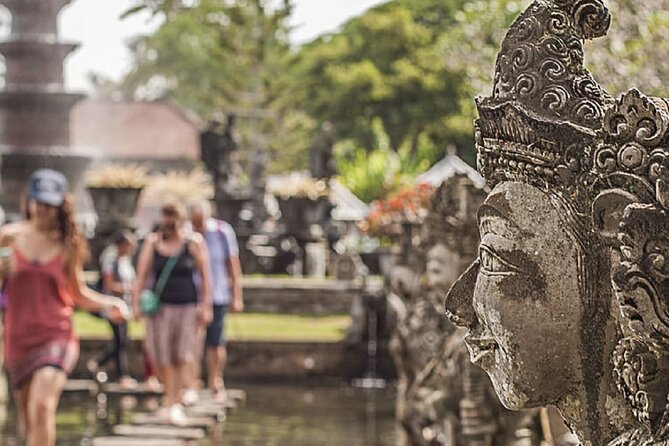
This tour is built for people who want a real East Bali sampler without the headache of arranging separate rides. You start at 8:00am and the day runs about 10 hours, which matters because East Bali attractions are spread out and traffic can add time. The payoff is that you get a connected route: courthouse art, bat cave coastline, water palace gardens, then a village where older customs are still visibly practiced.
Your base is Ubud (and the tour also offers pickup from parts of South Bali plus Ubud). That matters because a day like this gets better when you’re not spending energy negotiating transport at each stop. The vehicle is air-conditioned, which is a big deal in the morning-to-afternoon heat.
If you like tours that include real context, you’re in the right place. Guides are English-speaking, and at least one guide named Santi has been praised for cultural and historical knowledge, plus language skills that can go beyond basic explanations. That sort of coaching helps you see more than just pretty buildings.
You can also read our reviews of more tours and experiences in Ubud.



Kerta Gosa Park: Hall of Justice Murals and Moat Views

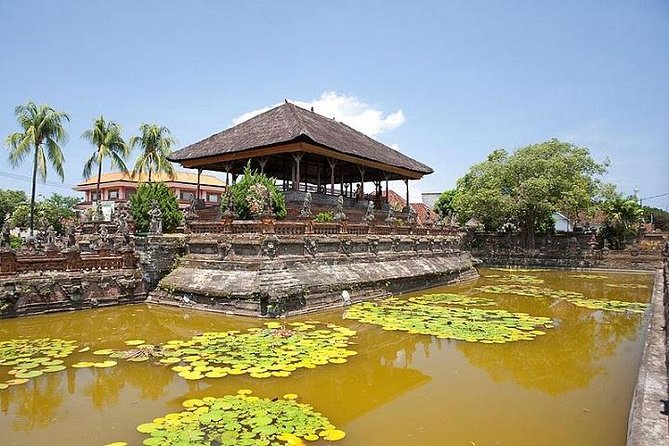
Kerta Gosa (often called the Hall of Justice) is the kind of stop where you slow down without being told to. This 18th-century site sits in Klungkung Regency, and the big draw is the ornate ceiling murals and detailed interiors. You’re not just walking through a temple-like space; you’re inside a place designed for ceremonial authority, with a sense of order and calm.
What I love about this stop for your planning is how it sets the tone for East Bali. After you’ve been in Ubud’s green calm, the style shifts: you get palace-style structure, religious symbolism, and art that’s easier to appreciate when you’re not rushing. It’s also a contained visit (about an hour), which makes it a good early anchor before the day gets travel-heavy.
A practical detail: the site has moats and maintained grounds, so you can expect a cleaner, more photo-friendly experience than some open-air attractions. If you’re the type who enjoys ceiling work and decorative details, this is a strong match.
One caution: bring sun protection anyway. Even though the stop is more shaded than some coast points, you’ll still be exposed waiting, walking, and moving between areas.
Pura Goa Lawah and Kusamba: Black-Sand Coast With Bat Cave Drama
After the morning inland art, the day shifts to the coastline. You’ll pass through the fishing village of Kusamba, with black sand and lines of colorful outriggers that make the shoreline feel instantly “Bali coastal” in the way postcards never manage. It’s one of those segments where you get a real sense of how locals work with the sea—fishing here is part craft, part livelihood.
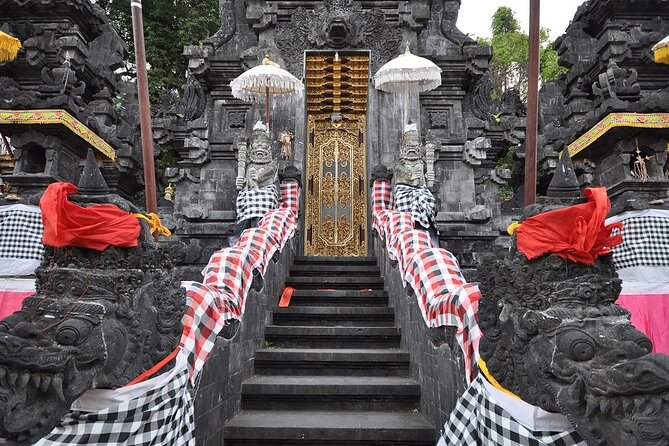
Then comes Pura Goa Lawah, the bat cave temple. This is the stop people remember because the bat colony turns the cave area into a living scene. It’s not just a dramatic photo moment; it’s also a reminder that religious sites can be deeply tied to local ecology and daily life.
You’ll get about 90 minutes here, which is enough to see the cave area, absorb the atmosphere, and take photos without feeling hunted by time. Entrance is included, so you’re not doing payment math at the gate.
Two practical notes for your visit:
- Wear shoes you can trust on uneven ground. Cave-temple areas can get slick or rocky depending on conditions.
- Keep your expectations realistic: this is a temple with animals and foot traffic. You’ll want to look up, but also keep your footing.
If your phone or camera matters to you, protect it. The tour info is clear that natural elements can damage electronic gear, so wrap devices and keep them guarded when you’re near the cave environment and beach air.
Lunch at a Local Restaurant: Fuel for the Afternoon Temples
Lunch is included and it’s food-only, which is the key detail. That means you should budget separately for drinks or anything extra you might want. It also means your experience at this part of the day depends on the restaurant’s pacing and menu style—great for people who don’t need a specific cuisine.
In the brighter side of this, some versions of the day have lunch in a setting with sea views. Even if you don’t get that exact view, you can still plan on having a sit-down break that makes the second half more enjoyable. After Kerta Gosa and the bat caves, a proper meal is what keeps you from getting grumpy by mid-afternoon.
Dietary needs are something to take seriously. The tour team will try to accommodate requests, but they can’t always confirm in advance because local restaurants control the final options. If you have a strong requirement (allergy-level), it’s smart to communicate clearly when you book and bring a backup plan for the meal.
Tirta Gangga Water Palace: Royal Pools and Still-Active Sacred Space
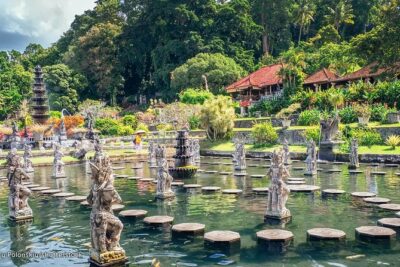
The afternoon highlight for many people is Tirta Gangga, a water palace also known as the Water Palace. This is where Bali’s water-as-power feeling becomes physical: you’ll see palace pools and ornamental ponds inside the sacred grounds. It’s a visual feast, but the more interesting part is that it still functions as a meaningful pilgrimage site.
You’ll have about 90 minutes here, which gives you time to walk the grounds slowly and enjoy the water features. The place is linked to old Balinese rajah days, so even if you don’t catch every story, the layout helps you grasp the intention: this was built for royal life and sacred importance, not just decoration.
Practical tip: plan for heat. Even in temple areas, the sun hits hard and long walks add up. A hat, sunglasses, and sunscreen are worth it even when the sky looks cloudy. Bali sun can be sneaky.
Also remember the dress code here and at other sacred stops. Shoulders need coverage and clothes should fall below the knees. If you show up in a shirt that reveals too much, you might be turned away at entry points.






Tenganan Aga Ancient Village: Kamben Gringsing Weaving Traditions
Your last stop gives the day a cultural finish. Tenganan Aga is an original Balinese village known for strong traditions. It’s not about big monuments; it’s about how people live and keep practices going.
One of the most specific things you can watch for is the weaving of kamben gringsing, sometimes described as flaming cloth. Local women weave this fabric, and the tradition is linked to protection against evil, according to local belief. Whether you interpret that spiritually or just appreciate the cultural meaning, it’s a strong way to end the day after temples and coastal scenes.
You’ll have about an hour here, and it’s enough time to look around without turning it into a checklist. This stop tends to reward curious pacing: look at materials, ask questions through your guide, and pay attention to what’s actively happening rather than what’s staged.
Admission here is free, which helps the value side of the day. You’re not paying extra just to access the setting, and the experience still feels distinct from the other major sites.
Value and Transport: Why the Price Can Actually Make Sense
At $93.60 per person for roughly 10 hours, this tour can be good value if you’re the type who wants “less logistics, more seeing.” You’re not just paying for transportation. Entrance fees for the visits are included, and you also get lunch at a local restaurant (food only).
If you tried to piece this together yourself, you’d likely pay for separate car hires, multiple entry fees, and the time cost of moving between far-flung areas. Here, the transport and entry structure reduces friction. That matters in Bali, where driver time and road delays can mess up a DIY schedule fast.
Pickup and drop-off are included for customers staying in South Bali areas like Sanur, Kuta, Nusa Dua, Jimbaran, Legian, and Seminyak, plus Ubud. If you’re outside those zones, you should expect supplements, and the airport transfer itself is excluded. So if you’re coming from elsewhere on the island, double-check where your hotel sits before assuming pickup is automatic.
Group discounts and mobile tickets are also included features, which can help if you’re traveling with others. Still, this is described as operated on a private basis for your group, with an English-speaking guide. If you’re sensitive to crowds or you want conversation time, that structure is a plus.
Dress Code Rules: The One Thing You Must Get Right
This is the part people forget until it’s too late. Royal temples and palaces can be strict: shoulders must be covered and clothing must fall below the knees. Shirts with obscene or disrespectful prints and pictures can get you refused entry. Brightly-coloured clothing can also cause issues.
So what should you do? Pack a light, breathable shirt that covers your shoulders, and plan pants or a long skirt that reaches below the knee. This isn’t about comfort only; it’s about access. You’ll waste time if you have to turn around to rent something last-minute.
Also remember that this day includes multiple sacred sites, so you’ll be wearing your “proper outfit” more than once. If you want to keep things simple, choose one outfit that works for all stops.
What to Pack for a 10-Hour East Bali Day
Heat and sun are your main enemies, not the attractions themselves. Even on cloudy days, sunrays can still hit hard, so come ready.
Bring:
- Sunglasses and a hat or cap
- Sunscreen with high SPF
- A camera/phone protected from natural elements
- Comfortable shoes that handle cave-temple terrain
If you choose a deluxe-style option that adds extra stops like a spice farm or a pool area (the day can vary by option), pack swimwear just in case. One guide-and-day combo people have described includes a moment where you wished you had swimming clothes, so it’s not a crazy precaution.
Finally, if you care about your electronics, wrap and protect them. The tour explicitly warns that natural elements can damage devices, and that responsibility is on you.
Private Guide Upgrade: When Personal Commentary Is Worth It
There’s an upgrade option to go private with commentary from your own personal guide. That’s most worth it if you:
- Want deeper explanations at each stop
- Prefer a more flexible pace
- Have specific interests (art, ritual, village life, or coastal culture)
For a day that mixes architecture, cave scenery, and daily-life villages, having a guide who can tailor the story makes the difference between seeing and understanding. And because this is an English-speaking guided experience, it’s easier to ask questions and get context without language guessing.
Even if you don’t upgrade, the value still comes from having a guide. At least one guide named Santi has been praised for being well-informed about East Bali culture and history and communicating well in French too, which signals the depth you can hope for.
Who This East Bali Tour Fits Best
This tour is a great match if you want:
- A one-day overview of East Bali’s major cultural and spiritual landmarks
- A structured route that keeps travel stress low
- A day plan built around included entrance fees and pickup/drop-off
It’s less ideal if you hate driving time or you want total freedom to wander on your own. This is a guided day with set stop windows, so you trade off spontaneity for a smoother schedule.
It’s also a solid choice for most people—there’s a note that most travelers can participate. Just remember that sacred sites and cave areas can require walking on uneven surfaces. Wear shoes you trust.
If you’re short on time in Bali and you’ve already done the common Ubud circuit, this is a refreshing shift. You swap the forest-green look for coastline black sand, royal water gardens, and village weaving traditions.
Should You Book This East Bali Tour?
Book it if you want an organized, high-value day with entrance fees covered, hotel pickup handled, and a guide who helps you connect the dots. The combination of Kerta Gosa murals, Pura Goa Lawah bat cave drama, Tirta Gangga’s water palace vibe, and Tenganan Aga weaving traditions is a strong mix that doesn’t feel repetitive.
Skip it or at least rethink it if you’re not willing to follow the dress code. For sacred stops, that rule is non-negotiable. Also consider whether you’re okay with heat and a long day that’s roughly 10 hours from the 8:00am start.
If you do book, keep it simple: bring the right clothing, sunscreen, and comfortable shoes, and give your guide permission to turn “sightseeing” into context. That’s when this kind of East Bali day really clicks.
FAQ
What time does the tour start in the morning?
The tour start time is 8:00am.
How long is the East Bali day tour from Ubud?
It runs for about 10 hours (approx.).
Is lunch included, and what does it cover?
Lunch is included at a local restaurant, and it covers food only.
Are entrance fees included for the sights?
Yes. Entrance fees for visits included in the tour description are included.
Does the tour include hotel pickup and drop-off?
Return transfers are included only for customers staying along South Bali (Sanur, Kuta, Nusa Dua, Jimbaran, Legian and Seminyak) and Ubud. Transfers outside these areas, including Bali’s International Airport, are excluded.
What dress code do I need for temples and palaces?
You should dress appropriately with clothes that cover shoulders and fall below the knees. Brightly-coloured clothing and shirts with obscene and disrespectful prints and pictures may be refused entry.
Is the tour operating on Nyepi Day?
No. The tour is not operational during Nyepi Day, Bali’s Day of Silence.