Cooking in Bali tastes like real life. The big win here is that you start with a morning market tour where you learn what to buy, what to skip, and how local bargaining works. Then you cook on your own station, in English, making favorites like satay, nasi goreng, and black rice pudding.
This is also built as a small-group class (up to 10 people), so you’re not just watching while someone else chops. You get guidance as you shop, grind, cook, and eat what you make. One possible consideration: timing can matter, and I’d plan a little buffer around the earliest pickup slots in case of last-minute changes or slower-than-expected starts.
In This Review
- Key Things to Know Before You Go
- Where This Bakas Klungkung Class Actually Comes Alive
- Price and Logistics: Why $65 Can Be a Good Deal (or Not)
- Picking Your Start Time: Morning Through Afternoon Changes the Feel
- The Market Tour in Bakas: Bargaining and Ingredient Judgment
- Hands-On Cooking: Your Station, Your Knife, Your Food
- The Cooking Dishes: What Each One Teaches You
- Satay: Getting Flavor Into Small Bites
- Nasi goreng: Balinese Comfort Food With Structure
- Black Rice Pudding: Dessert That Shows Off Local Ingredients
- The Views, the Atmosphere, and the Pace
- Transfers and Small-Group Comfort: Keeping the Day Easy
- What I’d Watch Out For Before Booking
- Value Check: What You’re Really Paying For
- Who This Balinese Cooking Class Suits Best
- Should You Book Bakas Cooking Class?
- FAQ
- What’s included in the cooking class?
- How long is the experience?
- Where does the class take place?
- Does the tour include pickup?
- Is the class taught in English?
- How many people are in the group?
- Do I get to choose the start time?
- What time does the class run?
- How much does it cost?
- Can I cancel and get a full refund?
- Is there a mobile ticket?
Key Things to Know Before You Go
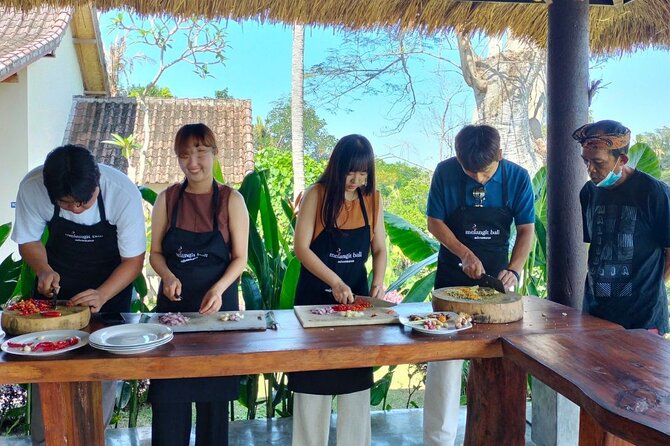
- Market-first learning: You shop like locals, then bring those ingredients straight into the cooking class.
- Bargaining practice: You’ll get real tips on choosing produce and negotiating at a traditional market.
- Hands-on stations: You cook each dish yourself with utensils provided, not just stand and observe.
- Pick your start time: The class runs daily between 7:00 AM and 3:00 PM, so you can match it to your day.
- Small group limits: Maximum 10 travelers, which usually means more direct help from the chef.
Where This Bakas Klungkung Class Actually Comes Alive
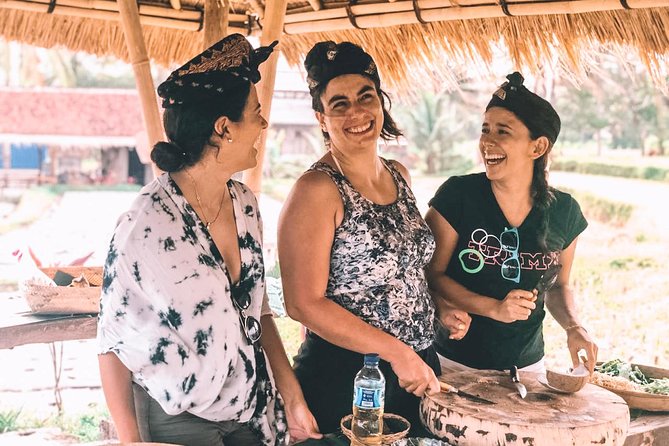
The setting is part of the appeal. The class is based in Bakas, Klungkung, Bali, and at least one guest described it with the kind of atmosphere that makes you slow down: rainforest views while you cook. Even if the view angle varies by day, you’re clearly leaving the busy coast behind and stepping into a more rural Bali rhythm.
I like that the experience doesn’t treat food like a museum piece. You’re learning what to buy and why, then putting that into practice fast. That’s the difference between a demo and a class that actually teaches you how Balinese food comes together. You’ll also hear about Balinese taste preferences and food customs as you move from the market to the kitchen.
One detail worth noting: you’re not just “making meals.” You’re learning a system—how to pick ingredients, how to handle them, and how flavors build dish by dish.
You can also read our reviews of more tours and experiences in Jimbaran.


Price and Logistics: Why $65 Can Be a Good Deal (or Not)
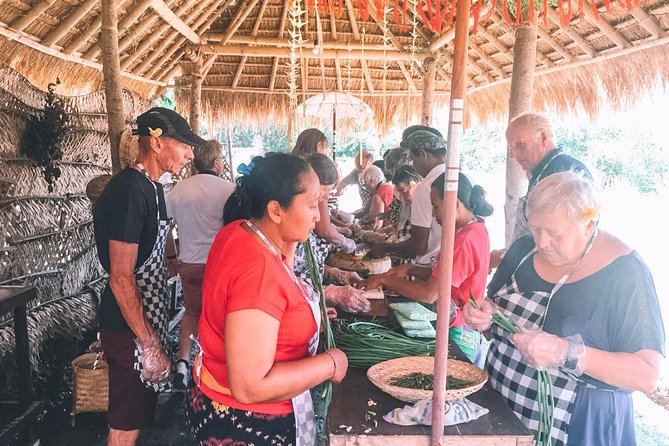
At $65 for about 6 hours, the value comes from three things you’re getting at once: pickup, market shopping, and hands-on cooking. Many Bali cooking experiences either focus on cooking only or treat the market as a quick photo stop. Here, the market tour is part of the main lesson, and it’s where you learn produce selection and bargaining skills.
Transfers are also a major selling point. You get 2-way transfers from a long list of areas in south Bali and even up toward Ubud, including places like Ubud, Denpasar, Sanur, Jimbaran, Kuta/Legian/Seminyak, Nusa Dua, Benoa Harbor, and Benoa. That makes the class much easier if you don’t want to handle your own driver for half a day.
The only reason I’d hesitate is if you’re very timing-sensitive. One guest reported a late pickup (the day before they expected 7:00 AM, but pickup happened later), and then the market stop seemed less like the promised ingredient-buying experience. That’s not the typical promise you want to bank on, so if you’re trying to protect a morning schedule tightly, I’d choose a later start time and keep your plan flexible.
Picking Your Start Time: Morning Through Afternoon Changes the Feel
You can choose a start time that fits your day, and classes run daily between 7:00 AM and 3:00 PM. That matters more than it sounds. When you start in the morning, the market portion is more likely to feel energetic and fresh, and you’ll be working with ingredients at their best.
Starting later can still work well—you’ll still learn the same core techniques—but the “market culture” part may feel different, and the day can be warmer during chopping and cooking. Either way, the total time is around 6 hours, and it typically includes both shopping and cooking.
Practical takeaway: if you want the fullest market vibe, lean toward a morning slot. If you’d rather prioritize a slower start on vacation, pick an afternoon time and treat it like a cooking workshop with a market context, not a full early-morning scramble.
The Market Tour in Bakas: Bargaining and Ingredient Judgment
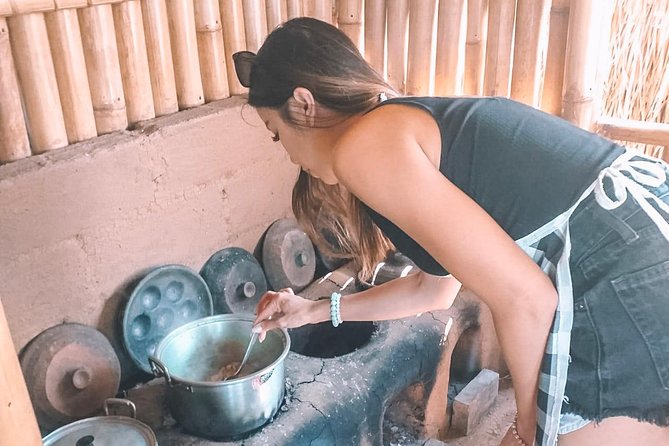
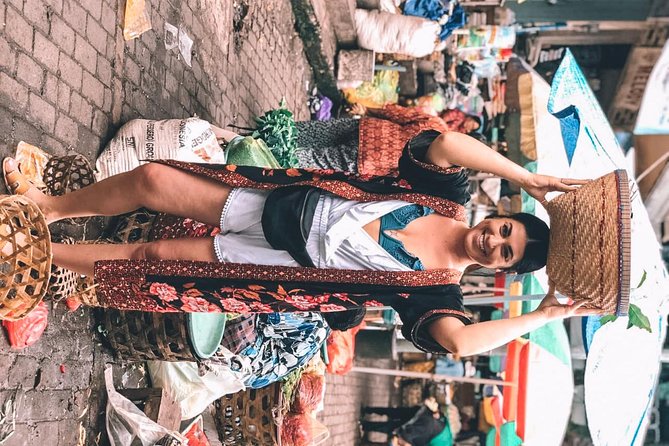
This is the part I think you’ll remember most, because it changes how you cook after Bali. The class begins with a trip to a local market, and the chef explains Balinese tastes and customs along the way—especially around what ingredients are used and why they matter.
In the market, you’re not just looking. You’re actively learning:
- How to select ingredients (what’s fresh vs. not worth it)
- What to reject
- How local bargaining works at the stalls
- What kinds of meats, fish, and produce are common for Balinese cooking
That bargaining practice is more than a fun story. It teaches you how locals evaluate value. You’ll learn that prices and quality aren’t always separate topics. A higher price might still be worth it if the ingredient quality is better, and a cheap option might be too dry, too old, or just not right for the dish.
One more reason I like this market-first format: it gives context. When you later make satay or nasi goreng, you’re not guessing. You understand why you bought that ingredient, how it behaves in cooking, and what flavor role it plays.
Hands-On Cooking: Your Station, Your Knife, Your Food
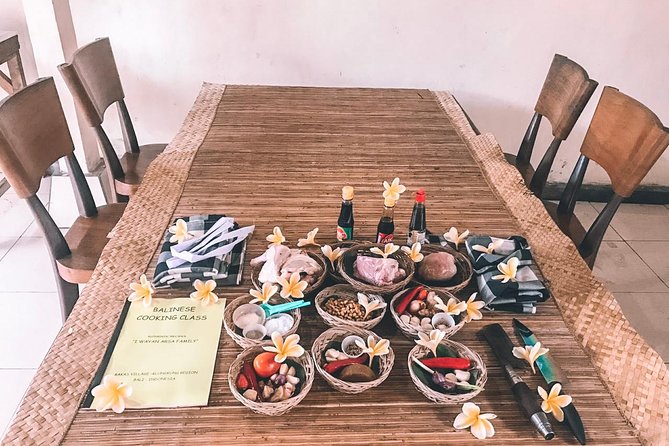
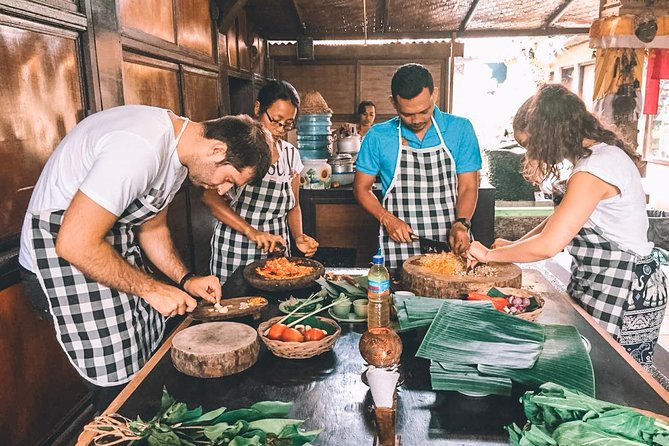
Once you’re back from the market, the class shifts into full participation. This is described as an English-led, hands-on cooking class, and you’re provided your own cooking station and utensils so you prepare and cook all dishes yourself.
The small-group limit (up to 10 participants) matters here. When everyone is cooking, you need space and attention. A smaller group usually means:
- easier guidance when you’re chopping or grinding
- more chances to ask questions
- less waiting around for turns
The cooking atmosphere is also described as fun, guided by skilled and friendly teachers. One guest specifically named Gede, and described him and his wife picking them up and guiding the day. That kind of personal touch is usually what makes a class feel like a real cultural exchange instead of a scripted tourist routine.
What you’ll cook (from the class overview):
- Satay
- Nasi goreng
- Black rice pudding
The menu also matters because it covers a range: savory (satay, nasi goreng) plus dessert (black rice pudding). That gives you a “complete meal” set of skills to recreate back home, rather than learning one dish only.




The Cooking Dishes: What Each One Teaches You
Satay: Getting Flavor Into Small Bites
Satay isn’t just about skewers and sauce. The dish teaches you how Balinese-style seasonings work in a concentrated form—so flavors hit clearly even in small portions. You’ll practice building flavor through preparation steps and cooking method, and you’ll get a feel for how satay fits into the wider Balinese taste profile.
Nasi goreng: Balinese Comfort Food With Structure
Nasi goreng is one of those dishes where technique matters. Even if you’ve had it before, making it yourself helps you understand the balance of elements—how ingredients come together and how the dish stays flavorful rather than bland or oily.
If you’ve ever struggled to recreate nasi goreng at home, this class format helps because you’re learning with the ingredient logic from the market. You’re not just following steps—you’re matching ingredients to flavor outcomes.
Black Rice Pudding: Dessert That Shows Off Local Ingredients
Black rice pudding adds a nice twist to the day. You’re learning a local sweet style using an ingredient that’s strongly tied to the region’s food culture. It also rounds out your skills, because dessert technique usually differs from savory cooking.
And since you’re cooking it yourself, you’ll be able to explain the dish later to friends back home, not just show them photos.
The Views, the Atmosphere, and the Pace
Food classes can feel rushed, especially when everyone is waiting for ingredients or equipment. Here, your station setup helps you move at a steady pace. You shop, then cook, then eat, all as one continuous workflow.
Some guests described the day as genuinely special because of the environment—like rainforest views while cooking. That matters because your brain remembers experiences that mix food with place. You’re learning techniques, yes, but you’re also building a sensory memory: smells from the market, the sound of chopping, the moment you eat what you made.
The day also includes a “culture + customs” layer. As you shop, the chef explains local tastes and customs, and you’ll practice bargaining. That gives the food context, so it’s easier to recreate later because you understand the why, not only the how.
Transfers and Small-Group Comfort: Keeping the Day Easy
This is a practical class for people who don’t want to wrestle with transport. You get round-trip transfers from a wide coverage area, which is especially useful if you’re staying in Ubud or south Bali and don’t want the hassle of arranging a separate ride.
In one described experience, pickup and travel took around 1.5 hours from a hotel area, with the day including a scenic feel along the way (like rice fields near the location). Your actual drive time will depend on where you’re picked up, but the point is: you’re not planning logistics while also learning to cook.
Small-group setup (max 10) also tends to mean less crowd noise and more real conversation with the chef. If you enjoy asking questions and watching technique up close, this size helps.
What I’d Watch Out For Before Booking
The class is advertised with market shopping included, and that’s the heart of the experience. Still, one mismatch was reported: a guest expected a 7:00 AM start and a market tour where ingredients are bought, but pickup ran late and the market stop didn’t seem fully aligned with expectations.
That tells me the main risk isn’t the cooking itself—it’s timing and the market window. Markets can open early and some stalls might not be in the same condition later. So if market quality is your top priority, choose a morning start time when possible and keep your schedule loose.
My best advice: message or confirm your pickup timing after booking, and don’t stack another critical appointment immediately before the class.
Value Check: What You’re Really Paying For
Let’s do the honest math in travel terms. You pay $65 for:
- round-trip transfers from many Bali locations
- a market tour that teaches selection and bargaining
- an English-led, hands-on class with your own station
- cooking multiple dishes: satay, nasi goreng, black rice pudding
If you’ve taken cooking classes before, you know the cost usually covers teaching time and ingredients. Here, ingredients are tied directly to the market education, and the transport is bundled. That turns the price into something closer to a full half-day activity package rather than a kitchen-only lesson.
So for most visitors—especially if you’re staying in Ubud or south Bali and want pickup—the value is strong. If you’re already in the immediate area and you hate transfers, you might feel the cost more. But for convenience plus the market component, $65 can be a fair deal.
Who This Balinese Cooking Class Suits Best
I’d book this if you:
- want to learn how to cook Balinese food, not just eat it
- like practical travel skills like market selection and bargaining
- want a small-group class (max 10 travelers)
- prefer an English guided format
- want a day that ends with dishes you can recreate, not just photos
It may be less ideal if you:
- have strict morning timing and can’t absorb delays
- want a purely hands-off experience with minimal interaction (this one is designed to be participatory)
- dislike markets or early shopping environments
Should You Book Bakas Cooking Class?
Yes, I’d book it—especially if you care about the market lesson and want a hands-on cooking day with dishes like satay, nasi goreng, and black rice pudding. The best part is how the day connects ingredients to technique, so you leave with both recipes and a clearer sense of what makes the flavors work.
Just go in with one practical mindset: market timing can be sensitive, so choose a morning slot if possible and keep your plans flexible around pickup. If you do that, you’re set up for a genuinely satisfying Bali food experience.
FAQ
What’s included in the cooking class?
You’ll do a hands-on Balinese cooking class that includes a market tour (for morning bookings) and cooking dishes such as satay, nasi goreng, and black rice pudding. The experience also includes round-trip transfers and you’ll receive cooking stations and utensils.
How long is the experience?
The duration is about 6 hours.
Where does the class take place?
The class is based in Bakas, Klungkung, Bali.
Does the tour include pickup?
Yes. Round-trip transfers are included from many areas in Bali, including Ubud and parts of south Bali.
Is the class taught in English?
Yes, the cooking class is conducted in English.
How many people are in the group?
The class has a maximum of 10 travelers.
Do I get to choose the start time?
Yes. You pick the start time that works for you, from morning through afternoon.
What time does the class run?
The listed hours are Monday to Sunday from 7:00 AM to 3:00 PM.
How much does it cost?
The price is $65.
Can I cancel and get a full refund?
Yes. You can cancel up to 24 hours in advance for a full refund. If you cancel less than 24 hours before the start time, the amount paid will not be refunded.
Is there a mobile ticket?
Yes, mobile tickets are part of the experience features.