Balancing temples, waterfalls, and rice paddies sounds like a lot. The payoff is a full-day Ubud best-of route with a private guide and convenient hotel transfers.
I like that your day is built for “see it all” logistics: round-trip pickup from select hotels, an air-conditioned ride, and admission tickets included at most stops. My other big win is the guide aspect—people highlight guides like Putu and Rika for clear explanations and even helpful photo time. One thing to consider: it’s a long 8 to 10 hours, and food isn’t included, so you’ll need to plan for meals during breaks.
In This Review
- Key Points Worth Knowing
- Why This Ubud Day Tour Works: Pickup, Timing, and a Real Guide
- Price and Value: What $50.67 Buys You in Real Costs
- Stop 1: Pura Puseh Desa Batuan and the Temple Details That Matter
- Stop 2: Tegenungan Waterfall in About an Hour
- Stop 3: Tegalalang Rice Terraces and the Subak Connection
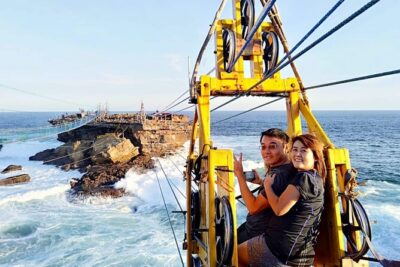
- Stop 4: D’Alas Natural Terrace Swing (Bali Swing) for the Fun Break
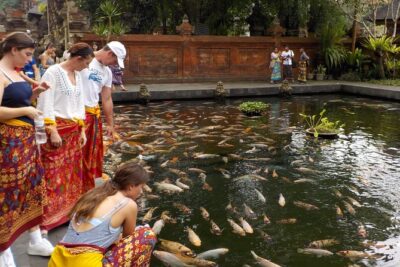
- Stop 5: Sacred Monkey Forest Sanctuary (Padangtegal’s Role)
- Stop 6: Ubud Traditional Art Market for Souvenirs and Everyday Life
- Stop 7: Ubud Palace (Puri Saren) for Royal Architecture Without a Ticket
- What the Private Format Feels Like in a Busy Day
- How Long Is the Day, and What to Plan for
- Weather and the Simple Reality of Outdoor Stops
- Should You Book This Ubud Highlights Tour?
- FAQ
- How long is the Ubud highlights tour?
- Is this tour private?
- What stops are included?
- What’s included in the price?
- What isn’t included?
- What happens if weather is poor?
Key Points Worth Knowing
- Private, not packed-in: Only your group goes with your English-speaking driver-guide.
- Flexible start time: Tour timing is adjustable for your convenience.
- Most entries are covered: Fees and taxes are included, with tickets at several main stops.
- A classic Ubud route: Batuan Temple, Tegenungan Waterfall, Tegalalang rice terraces, Monkey Forest, and the art market and palace.
- Guide-driven pacing: Feedback points to guides like Putu and Rika who keep you moving while explaining what you’re seeing.
Why This Ubud Day Tour Works: Pickup, Timing, and a Real Guide
This is the kind of Ubud day trip that’s designed around comfort and flow. You get round-trip transfers from select area hotels, which matters in Bali because travel time can eat your day. You’re also in an air-conditioned vehicle with bottled water included, so you’re not rationing comfort between stops.
The private format is the other big reason to book. This isn’t a “stand at the back and shuffle” tour. It’s private transportation, and your English-speaking driver also acts as the guide. That matters when you want context—what a temple is for, why a rice irrigation system looks the way it does, and what you should notice at a palace or market.
Timing is flexible too. That’s useful when you’re trying to dodge the hottest hours, or when you just want a later start so you’re not rushing breakfast. If you like a plan but hate being locked into rigid hours, this setup is a good fit.
You can also read our reviews of more tours and experiences in Jimbaran.

Price and Value: What $50.67 Buys You in Real Costs
At $50.67 per person, the headline price looks simple. The better question is what’s inside that price.
Here’s what’s included: all fees and taxes, bottled water, an air-conditioned vehicle, private transportation, and an English-speaking driver as a guide. Most of the main sights also have admission included on the schedule, which is where many day tours quietly add costs.
What’s not included is food and personal expenses. That’s normal, but it affects your budgeting. If you’re thinking you can buy snacks at every stop, keep in mind the day includes several timed visits (and the schedule doesn’t mention lunch being part of the package). You’ll likely want to either bring spending money for meals and snacks or eat before/after the tour.
The good news: several stops are free-entry on the schedule, including the Ubud Art Market and Ubud Palace. So you’re not paying again and again just to keep moving through the best-known areas.
Also note the booking rhythm: it’s commonly booked about 45 days in advance on average. If your dates are fixed, planning ahead is smart—especially if you want the guide experience people consistently praise.
Stop 1: Pura Puseh Desa Batuan and the Temple Details That Matter
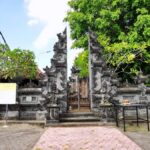
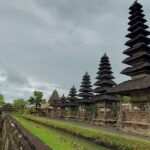
Your day begins at Pura Puseh Desa Batuan (Bali Batuan Temple), a local Balinese Hindu temple in the Batuan countryside area. The temple is looked after by local residents, and that local care shows in the way the place is decorated and maintained.
You get about 40 minutes here, which is enough time to slow down without feeling like you’re rushing through a “quick photo stop.” The temple is described as having Balinese ornaments and a roof temple building with a lot of visual detail. That’s the kind of stop where having an English-speaking guide helps you notice what you might otherwise ignore.
A practical consideration: temple visits are best approached with respect and a calm pace. If you arrive dressed appropriately and ready to observe, you’ll get more from this than just snapshots of gates and carvings.
Stop 2: Tegenungan Waterfall in About an Hour
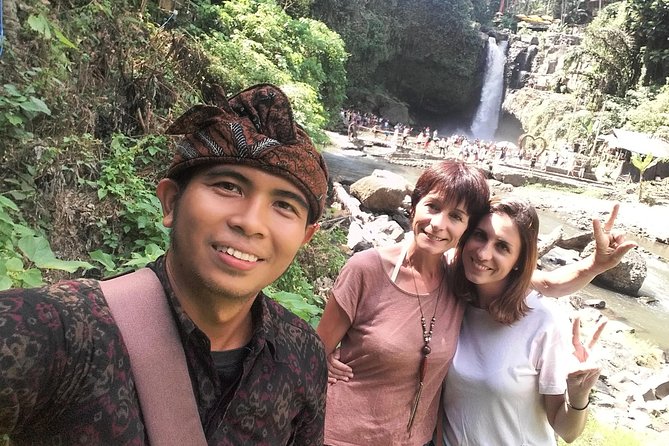
Next up is Tegenungan Waterfall. It’s positioned in the Tegenungan Kemenuh area (Sukawati district, Gianyar). The schedule gives you around 1 hour, and that’s a good length for a waterfall stop: enough time to see the falls, find a good angle, and still keep the day from running behind.
If you’re chasing photos, this is one of the most camera-friendly moments of the trip. A guide also helps here because you’re not just standing around—you’re likely to know where to position yourself for the best views and what to focus on visually.
One thing to remember: waterfalls can mean uneven surfaces and slick footing. Bring the mindset of good walking shoes, even if you’re not doing a long hike.
Stop 3: Tegalalang Rice Terraces and the Subak Connection
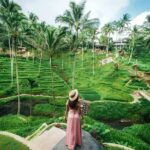
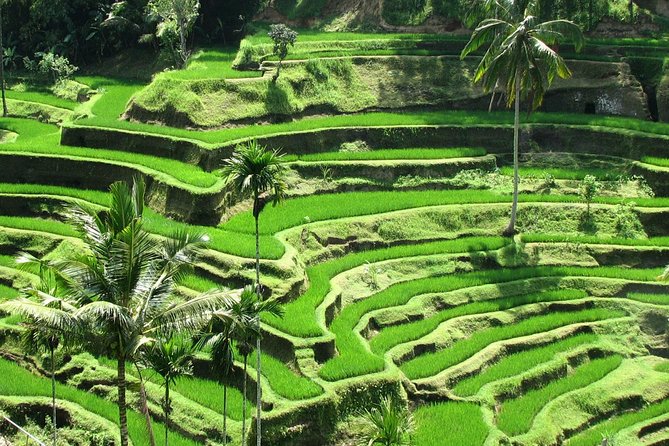
The Tegalalang Rice Terrace stop is about 40 minutes. This is one of the classic views of Bali for a reason: rice paddies arranged in layered, dramatic patterns.
What’s especially interesting here is the mention of subak, the traditional Balinese cooperative irrigation system. That detail turns the terraces from “pretty scenery” into something with human structure behind it. You’re seeing not only the shapes of rice fields, but also a way of organizing water that generations have used.
In practice, you’ll want to take your time with this stop. It’s not just one viewpoint. The terraces spread across the landscape, and you’ll get more out of 40 minutes if you walk a little and look from different angles rather than treating it like a single photo platform.


Stop 4: D’Alas Natural Terrace Swing (Bali Swing) for the Fun Break
Then you shift to the activity side of Bali at D’Alas, where the Natural Terrace Swing is located. This stop is about 1 hour, and it’s specifically framed as a Bali Swing spot with forest and rice field views.
This is the “legs stretch” part of the day—often a welcome break after temples and structured sightseeing. Since admission for this stop is included on the schedule, it’s one of the moments where the tour feels like it’s giving you an experience rather than just a viewpoint.
A consideration if you’re not into heights: Bali Swing is exactly what it sounds like. If you have any hesitation about being suspended or feeling exposed, think about how you’ll handle it ahead of time. Even if you don’t do the swing option, the location and views are still part of why people come here.
Stop 5: Sacred Monkey Forest Sanctuary (Padangtegal’s Role)
Your next major stop is Sacred Monkey Forest Sanctuary, part of the Ubud Monkey Forest area. The forest lies within the village of Padangtegal, and that’s a key point: it’s not only a tourist attraction. The village considers it a spiritual, economic, educational, and conservation center for the local community.
You get about 40 minutes. That timing works well because Monkey Forest experiences can either be short and focused or turn into longer wandering sessions. Here, you’re given enough time to see what’s going on and soak up the atmosphere without losing the rest of your day.
For your comfort, keep your belongings secured and treat the space as an active wildlife and temple-related environment—not a zoo visit. If you’re respectful and keep your routine calm, you’ll have a smoother experience.
Stop 6: Ubud Traditional Art Market for Souvenirs and Everyday Life
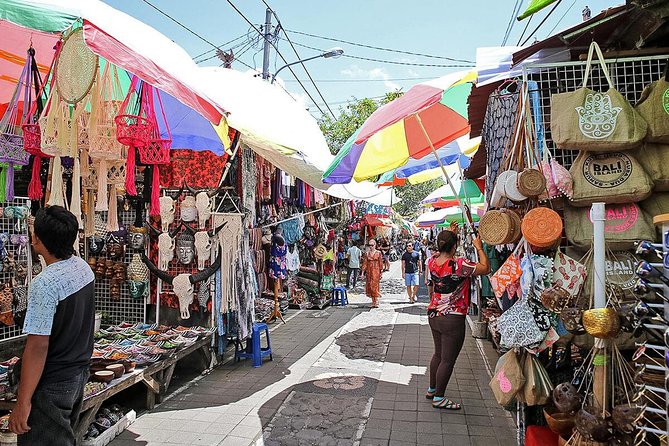
After the Monkey Forest, you head to the Ubud Traditional Art Market (also known as Pasar Seni Ubud). This is scheduled for about 1 hour and it’s free on the tour.
The market is described as being in the heart of Ubud, opposite Puri Saren Royal Ubud. It’s a place to browse attractive souvenirs made by local Bali artisans and sellers. This is the stop that tends to feel the most “real life,” because you’re stepping into daily commerce rather than only curated viewpoints.
If you like bringing home small, handmade items, this is the place to do it. If you hate crowds and shopping chaos, treat it like a short mission: set a budget, look for a couple of items you truly want, then move on.
Stop 7: Ubud Palace (Puri Saren) for Royal Architecture Without a Ticket
Your final structured sightseeing stop is Ubud Palace, specifically Puri Saren. It’s scheduled for about 30 minutes and is also free-entry on the tour.
Puri Saren is described as an Ubud king palace, used as a governance center in the empire era. The building style is Balinese traditional, and there are wood carvings and carved details you can look for during your short visit.
This stop is a nice closing note because it ties the day back to culture and place. After waterfalls, terraces, and forest life, the palace gives you a human timeline and architecture you can actually interpret with your guide’s help.
What the Private Format Feels Like in a Busy Day
A good sightseeing day is less about checkboxes and more about how you move between them. This tour’s private setup does a few things well.
First, your guide can adjust the pace to your group. If you want extra time for a viewpoint, you’re not stuck in a rigid lineup. Second, the guide helps you connect the dots between stops. A temple is not just “another building.” A rice terrace is not just “a photo.” A market is not only “souvenirs.” Put together, the stops make more sense as a single cultural route.
In the feedback, guides like Putu and Rika stand out for being informative and taking time with guests, including helping with pictures. That’s a practical kind of value: it reduces your guesswork and helps you walk away with usable photos, not blurry ones.
How Long Is the Day, and What to Plan for
This experience runs about 8 to 10 hours. That’s a lot, but it’s also why the itinerary is packed with major Ubud sights. You’re spending most of your day on the move, so it helps to keep your expectations realistic.
Food isn’t included. You’ll need to handle meals on your own during the day. If you want a smoother experience, plan your food timing so you’re not starving at your last stops. Also budget for personal expenses—shopping at the art market is a likely place to spend.
Bring comfortable shoes for uneven ground at temples, terraces, and the waterfall zone. Also consider a hat or sun protection since you’ll be outside for several parts of the route.
Weather and the Simple Reality of Outdoor Stops
This tour requires good weather. That’s not a fine print annoyance—it’s directly relevant because waterfalls, terraces, and outdoor forest areas are weather-sensitive.
If conditions aren’t good and the tour can’t run, you’ll be offered a different date or a full refund. If you’re traveling in rainy season or have a tight schedule, it helps to build in flexibility so the tour has a chance to happen when conditions improve.
Should You Book This Ubud Highlights Tour?
I’d book it if you want a single-day hits package with real guidance, not just transport. The price works best when you factor in what’s covered: admissions on most stops, bottled water, AC vehicle, and an English-speaking driver-guide. The private format also fits if you’d rather move at your own pace and spend less time solving logistics.
I might skip it if you dislike long day tours or you hate the idea of handling your own meals. Also, if heights aren’t your thing, think carefully about whether the Natural Terrace Swing stop is your kind of activity.
If you want Ubud in one organized day—temples, waterfall, rice terraces, Monkey Forest, and the art market and palace—this is a straightforward way to do it with minimal friction.
FAQ
How long is the Ubud highlights tour?
The tour runs about 8 to 10 hours.
Is this tour private?
Yes. It’s a private tour, and only your group will participate.
What stops are included?
The schedule includes Pura Puseh Desa Batuan, Tegenungan Waterfall, Tegalalang Rice Terrace, the Natural Terrace Swing at D’Alas, Sacred Monkey Forest Sanctuary, Ubud Traditional Art Market, and Ubud Palace (Puri Saren).
What’s included in the price?
Included items are all fees and taxes, bottled water, an air-conditioned vehicle, private transportation, and an English speaking driver as a guide.
What isn’t included?
Food and personal expenses aren’t included.
What happens if weather is poor?
This experience requires good weather. If it’s canceled due to poor weather, you’ll be offered a different date or a full refund.