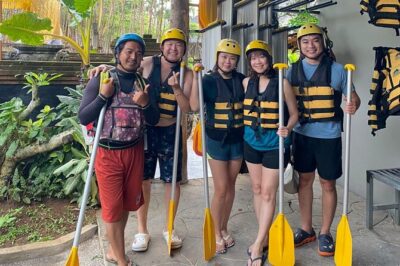
Rapids, jungle, and chef-made lunch. That combo is the real magic of Ayung River rafting in Bali, especially with gourmet Balinese lunch built into the 3–5 hour experience. I also like the straightforward approach: you get safety gear (helmet, life vest, etc.), a briefing, and a local licensed English-speaking guide to keep things organized. The main drawback to keep in mind is the activity is rated moderate, and the whole setup involves some stairs and walking to reach the river.
You’ll paddle past lush jungle and old ruins, then dry off and eat. One detail I really appreciated is that there’s practical on-site help like lockers with keys and even shower/WC access with a towel provided. Still, if you’re going solo, you may wait a bit until other paddlers are ready.
In This Review
- Key Highlights Worth Your Time
- Ayung River Rafting: The vibe, the rapids, and how hard it feels
- Safety Gear and the English-Speaking Guide in Your Boat
- Jungle and Old Ruins: What You’ll See Between Rapids
- Getting to the River: Logistics That Affect Your Comfort
- What Happens on the Raft: A Practical Sense of the Pacing
- The Gourmet Balinese Lunch: Why It Changes the Value
- Price and Value: Does This Feel Like Good Money?
- Who Should Book This Ayung River Rafting Trip
- Should You Book This Tour?
- FAQ
- How long is the Ayung River rafting with lunch?
- What’s included in the price?
- Are different rapids available?
- Do I need to bring anything?
- Is the lunch included, and is it cooked by a chef?
- Does the tour provide safety instructions?
- Who is this rafting trip suitable for?
- What should I avoid during the tour?
Key Highlights Worth Your Time
- Class 2–4 rapids: enough splash for fun, not white-knuckle nonstop
- Chef-prepared Balinese lunch: you don’t leave hungry or scrambling for food
- Licensed English-speaking guide: safety tips and local know-how in one boat
- Jungle + river ruins scenery: a good mix of nature and culture
- On-site lockers, shower/WC, and towel: small comfort wins after you get wet
- Moderate effort + walking/stairs: plan for it so the day stays stress-free
Ayung River Rafting: The vibe, the rapids, and how hard it feels
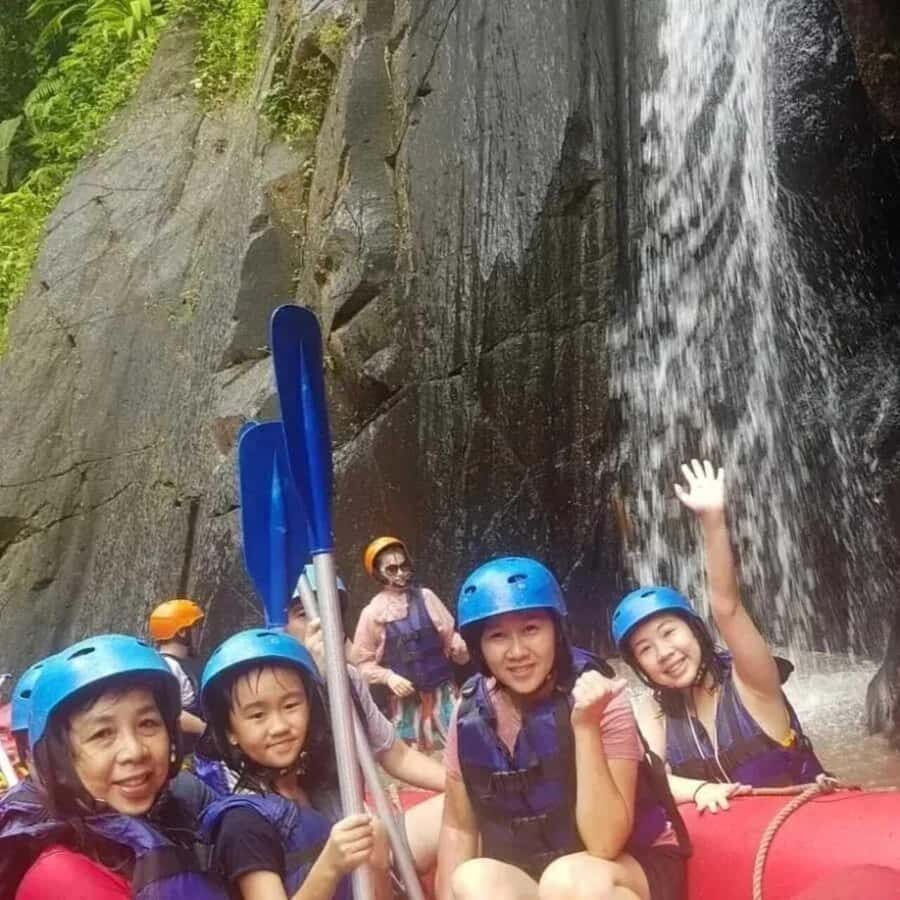
The Ayung River ride is built for a wide range of people. The trip is family-friendly in spirit, with a recommended age range of 6–55 and a moderate difficulty rating. You’re not expected to be an athlete, but you do need to be ready for a real outdoor adventure—wet, bumpy, and occasionally splashy in the face.
The rapids run Class 2–4, so the energy changes along the way. Expect stretches with calmer water where you catch your breath, then sections where your guide lines you up and you commit to the moment. If you’re new to rafting, this is a solid entry point because the experience doesn’t feel like it’s trying to scare you off.
You can also read our reviews of more tours and experiences in Ayung River.
Safety Gear and the English-Speaking Guide in Your Boat
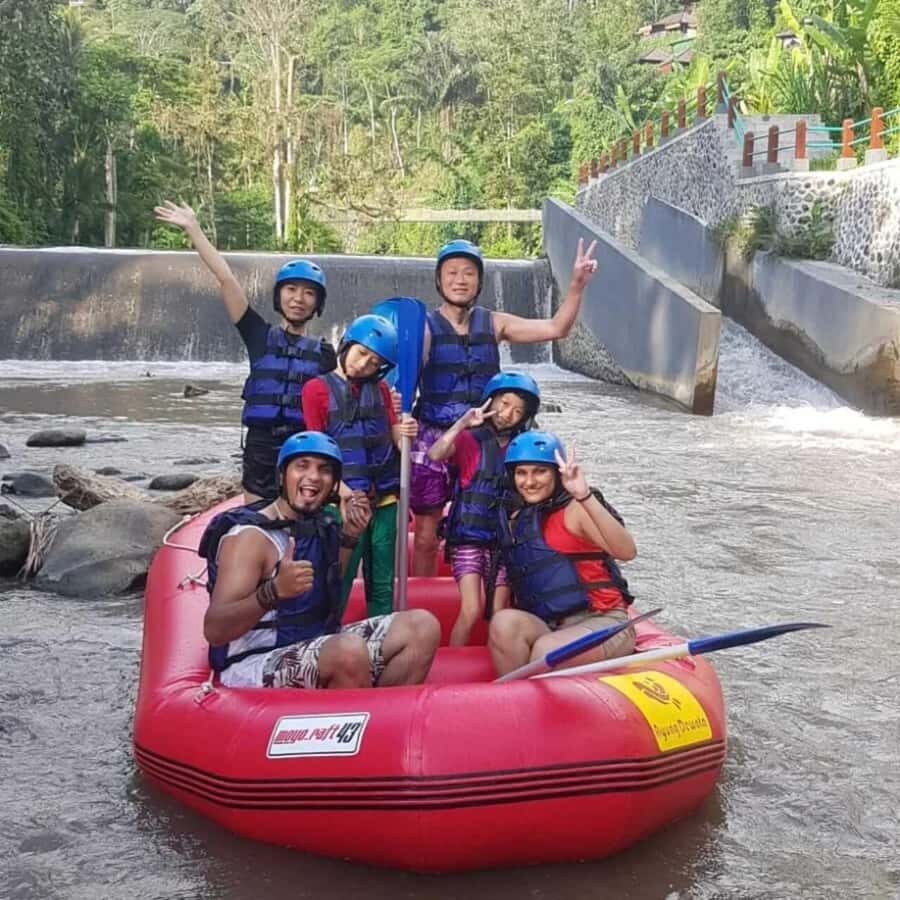
Before you hit the water, you’ll get fitted with safety gear like a helmet and life vest. You’ll also receive a safety briefing and a few tips to help you handle the ride. This matters more than people think: when you know what to do with your body, you enjoy the rapids instead of worrying about them.
A big value point here is the guide setup. You’ll travel with a local licensed English-speaking guide, which means instructions actually land. You’ll also have liability insurance included, and the trip covers coffee, tea, and water so you’re not starting the day dehydrated or ending it starving.
Quick note: smoking isn’t allowed, which is a normal rule for water activities—and it keeps the environment pleasant when you’re in a group.
Jungle and Old Ruins: What You’ll See Between Rapids
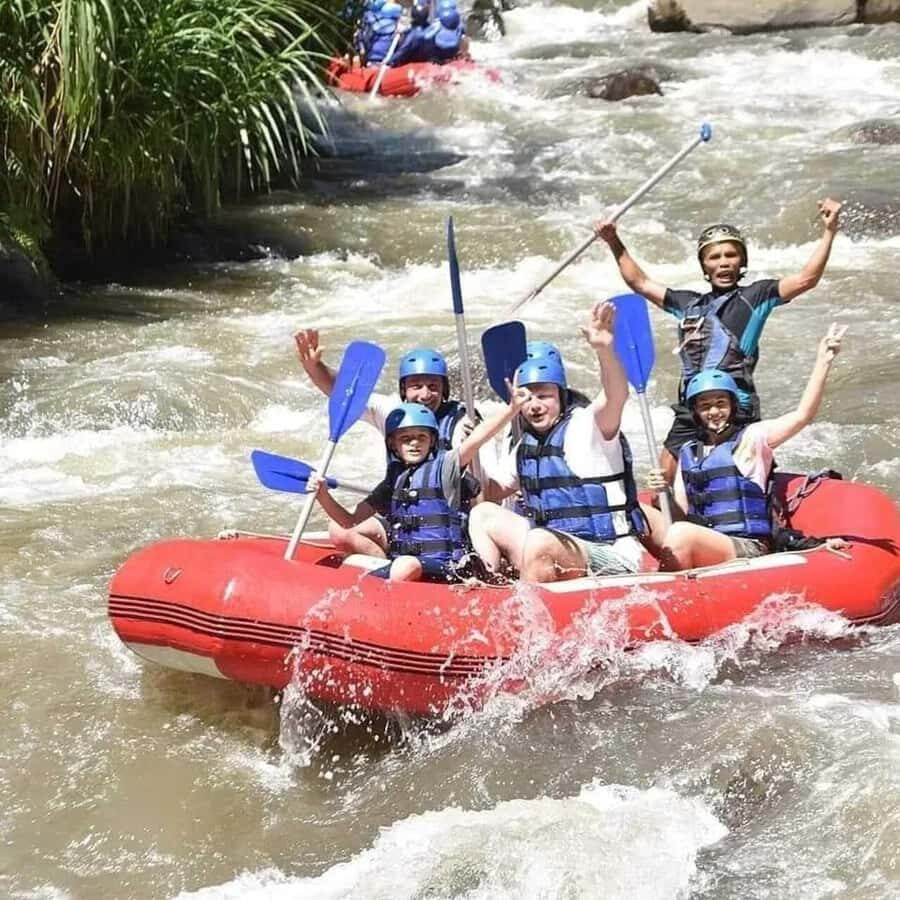
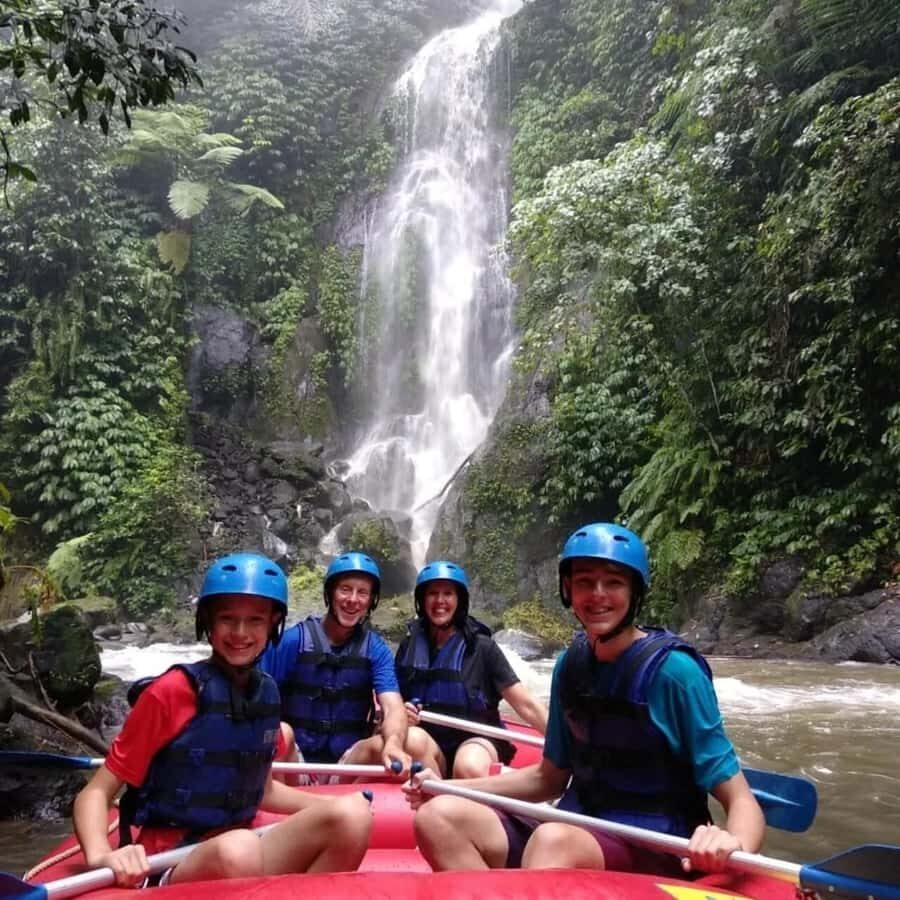
One of the best parts of this trip is the setting. You paddle through lush jungle scenery and pass by old ruins along the river. That mix keeps the day from feeling like just one long workout. You get moments to look around, spot what’s by the banks, and enjoy how green Bali can feel even when you’re busy gripping an oar.
The exact route experience can depend on the river option and the class of rapids you choose. But the overall pattern is the same: you ride through water sections with plenty of chances for splashes and movement, then continue onward with the scenery doing its job—making the effort feel worth it.
Getting to the River: Logistics That Affect Your Comfort
Timing is short enough to feel easy, but the “how you get there” piece is worth paying attention to. If you select it, you can get hotel pickup and drop-off. Otherwise, you meet your guide at the starting point and head from there.
Once you’re at the river, there’s real-world movement. I recommend planning for a walk that includes stairs down and back up to reach the water. The good part: you’ll have lockers with a key (super helpful for keeping phones and wallets safe), plus shower/WC facilities and a towel. The tricky part: this isn’t ideal for anyone who struggles with stairs or mobility limits.
If you’re going alone, you might wait briefly until other people arrive. It’s not a deal-breaker, but it’s one reason to keep your schedule loose and avoid stacking back-to-back tight plans right before or after.
What Happens on the Raft: A Practical Sense of the Pacing
The day runs about 3–5 hours, which is a sweet spot for doing something exciting without blowing your whole vacation. The pacing is simple: gear up, briefing, then you’re on the river with your guide and team.
On the water, you’ll be dealing with changing conditions. That’s where the Class 2–4 range makes sense. You’ll have moments where you can relax your grip and watch the banks, then you’ll get into sections where timing and teamwork matter. When you do it right, the rapids turn into a fun rhythm instead of a constant scramble.
Then, when you reach your destination, the river guides help gather your gear while you dry off. That handoff is one of those quiet quality details that makes the end of the trip feel organized.
The Gourmet Balinese Lunch: Why It Changes the Value
This is not just a snack stop. After rafting, you’ll have a traditional Balinese lunch prepared by a professional chef. You’ll eat with full bellies after you’ve dried off, which helps a lot if you’re doing this midday or early afternoon when the sun is already doing its thing.
I like that lunch is part of the package, because Bali day trips can turn into “pay twice” situations fast—activity cost, then another bill for food and drinks. Here, you also get coffee, tea, and water included, so you’re not hunting for a cafe right after you’ve gotten wet.
One practical tip: bring a change of clothes and use your towel. It’s the difference between feeling refreshed at lunch versus feeling like you’re eating in wet clothes. Also pack sunscreen. You’ll be outdoors long enough for sunburn to sneak up.
Price and Value: Does This Feel Like Good Money?
At $18 per person, this trip is priced like a true half-day activity, not a luxury add-on. What pushes it into good value territory is what’s already included: the gear, the guide, the lunch by a professional chef, and basic drinks.
A lot of Bali activities look cheaper at first glance, then you realize you’re paying separately for meal costs, transport, and safety guidance. Here, the total package is more complete. If you’re also selecting hotel pickup/drop-off, that’s another convenience win built in (but only if you choose that option).
So the value equation is pretty clear: you’re paying for a guided rafting experience plus a proper meal, not just a ride. For many people, that’s the difference between enjoying the day and feeling like they rushed it.
Who Should Book This Ayung River Rafting Trip
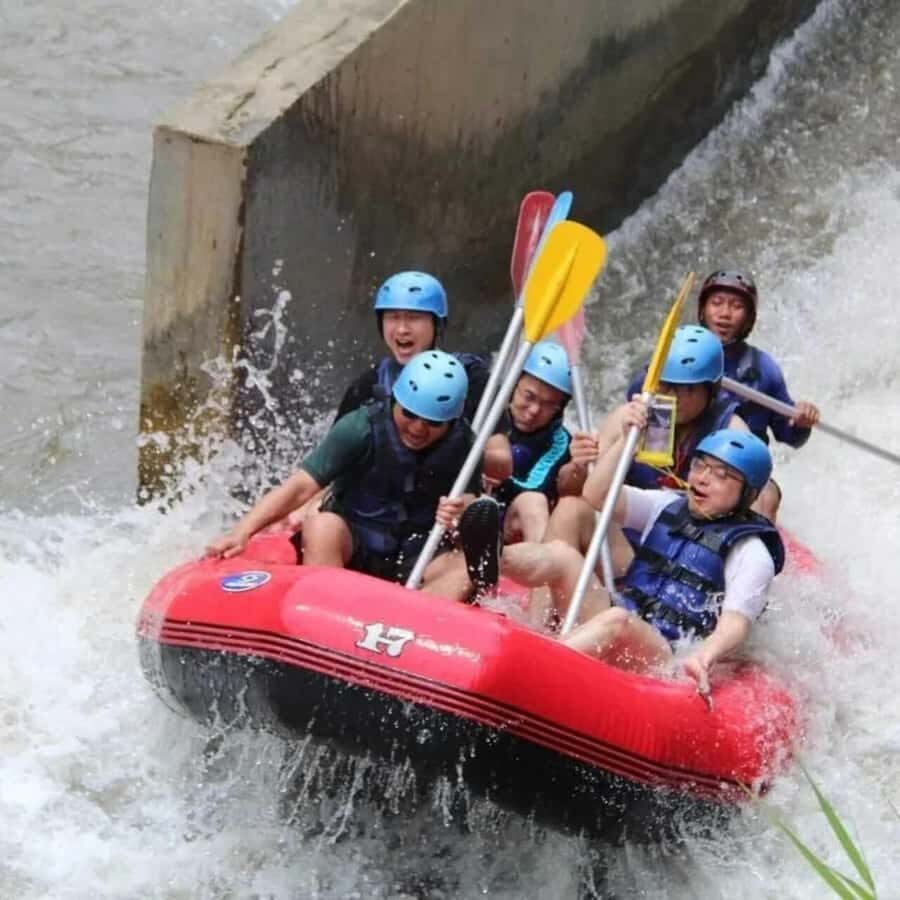
This one fits best if you want a memorable Bali day that stays active but still manageable. Based on the info provided, this is recommended for ages 6–55 and rated moderate. It’s also described as accessible for children and beginners, which matches the Class 2–4 range—fun, but not only for experts.
It’s not suitable for:
- children under 6
- pregnant women
- people over 55
It’s also worth thinking about comfort if you have mobility limits. The stairs and walking to access the river can be a genuine challenge, even with lockers and showers available.
If you’re traveling with family, this is a good option because the structure is clear and the guide support is included. If you’re a solo traveler, it can still work, just accept that you might wait briefly for the right group size.
Should You Book This Tour?
Yes, I’d book it if you want Ayung River rafting with real safety support and you care about the food part of the day. The chef-prepared Balinese lunch is the kind of included detail that often costs extra on other tours, and it makes the total experience feel complete.
Skip or reconsider if you don’t handle stairs well, you fall into the not-suitable categories (especially pregnancy or age limits), or you’re looking for a calm, beginner-only paddle with zero effort. This is moderate rafting. You’ll get wet, you’ll walk, and you’ll be outside for a few hours.
If you want your Bali afternoon to include jungle views, splashy rapids, and a proper meal without extra planning, this is a strong match.
FAQ
How long is the Ayung River rafting with lunch?
The activity lasts about 3 to 5 hours.
What’s included in the price?
You get rafting safety gear, a gourmet Balinese lunch, coffee/tea/water, a local licensed English-speaking guide, hotel pickup and drop-off if that option is selected, and liability insurance.
Are different rapids available?
Yes. You can choose among rapids rated Class 2 to 4.
Do I need to bring anything?
Bring a hat, change of clothes, a towel, sunscreen, water, and comfortable clothes.
Is the lunch included, and is it cooked by a chef?
Yes. A traditional Balinese lunch is prepared by a professional chef.
Does the tour provide safety instructions?
Yes. You’ll be fitted with safety gear and given a safety briefing with tips.
Who is this rafting trip suitable for?
The recommended age range is 6 to 55. It is not suitable for children under 6, pregnant women, or people over 55.
What should I avoid during the tour?
Smoking is not allowed.