Street food plus temples in one walk.
This Bali Indonesian Food Tour is built around a smart loop in Denpasar, starting at Kantor Pos Indonesia and ending with coffee, so you’re not just eating—you’re making sense of what you’re tasting. I like the focus on small-group attention (max 12), which makes it easier to ask questions and keep the pace comfortable.
What I love most is the food mix: you’ll sample classic Balinese and Indonesian dishes like Babi Guling and Jaje Bali, plus cozy soups and sweet snacks. You also get a heritage stroll that connects the market to everyday life, finishing at an antique coffee shop with Indonesian Arabica (hot or cold). The main drawback to consider is that the tour can’t cater for vegans or gluten allergies, and it also isn’t set up for kids under 6.
In This Review
- Key highlights you’ll actually feel on the tour
- Kantor Pos Indonesia to Denpasar streets: the tour’s smart layout
- Kreneng Market: your tasting ground for real Indonesian comfort food
- Babi Guling and the guide’s bread-and-butter explanation
- Soto Ayam, Bakso, Jasuke, Martabak Telur: mixing savory and sweet on purpose
- Heritage walk on Jalan Surapati and Jalan Gadjah Mada: food meets place
- Finish at an antique coffee shop: Indonesian Arabica, hot or cold
- Small group value (max 12): why guides can make or break the night
- Price and value: is $45 fair for Denpasar tastings and sights?
- Who should book, and who should think twice
- Make it fit your Bali schedule: what to do before and after
- Should you book this Bali Indonesian Food Tour?
- FAQ
- How long is the Bali Indonesian Food Tour?
- How much does the tour cost?
- Where does the tour start?
- Where does the tour end?
- What food and drinks are included?
- Is the tour suitable for vegans or gluten allergies?
- Are children allowed on this tour?
- Is it a small group or can it be private?
- Does it include transportation or hotel pickup?
Key highlights you’ll actually feel on the tour
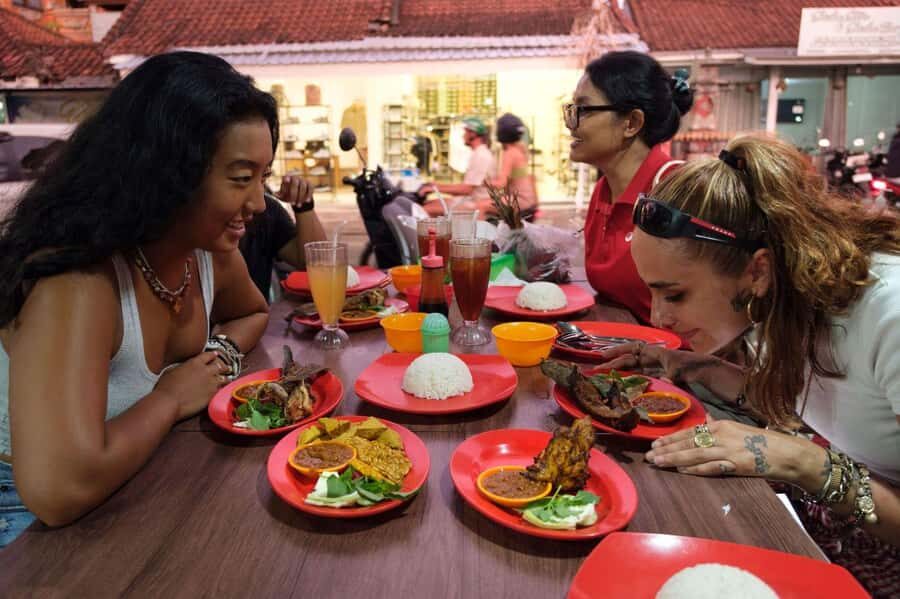
- Kreneng Market tastings that aren’t tiny snacks so you’ll want to plan your day around this
- Babi Guling and Jaje Bali to cover savory and sweet Balinese favorites in one sitting
- Indonesian Arabica coffee hot or cold served at the end of your walk
- A heritage route on foot along Jalan Surapati and Jalan Gadjah Mada with temple and colonial-era sights
- Small groups (up to 12) and guide-led explanations that turn eating into context
- English-speaking guide, with lots of room to ask what you’re tasting and seeing
Kantor Pos Indonesia to Denpasar streets: the tour’s smart layout
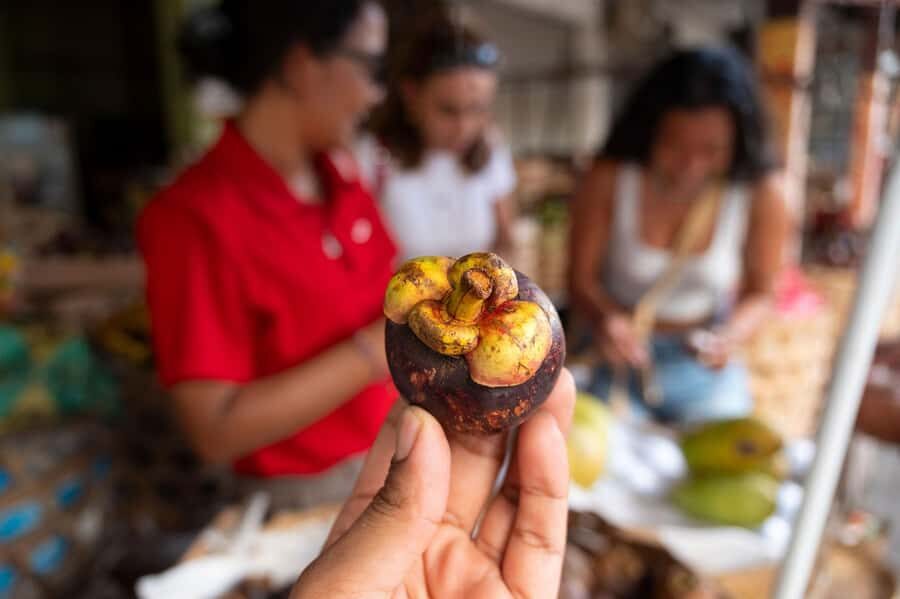
This tour starts at Kantor Pos Indonesia, the Indonesia Post Office, in the Sumerta Kauh area. From there, you’ll head into Denpasar on foot with a local English-speaking guide, keeping things close enough that you spend your time eating and walking—not commuting.
The best part of the layout is that the food and culture are tied together. You’re not bouncing between random stops; you’re moving through a real neighborhood rhythm: market energy, street stories, then a final coffee reset. That structure is great if you want a “one evening, lots of meaning” plan.
Timing-wise, expect about 3 hours total. The exact start time depends on availability, so pick the slot that works best with your hunger level and dinner plans.
You can also read our reviews of more tours and experiences in Denpasar.



Kreneng Market: your tasting ground for real Indonesian comfort food
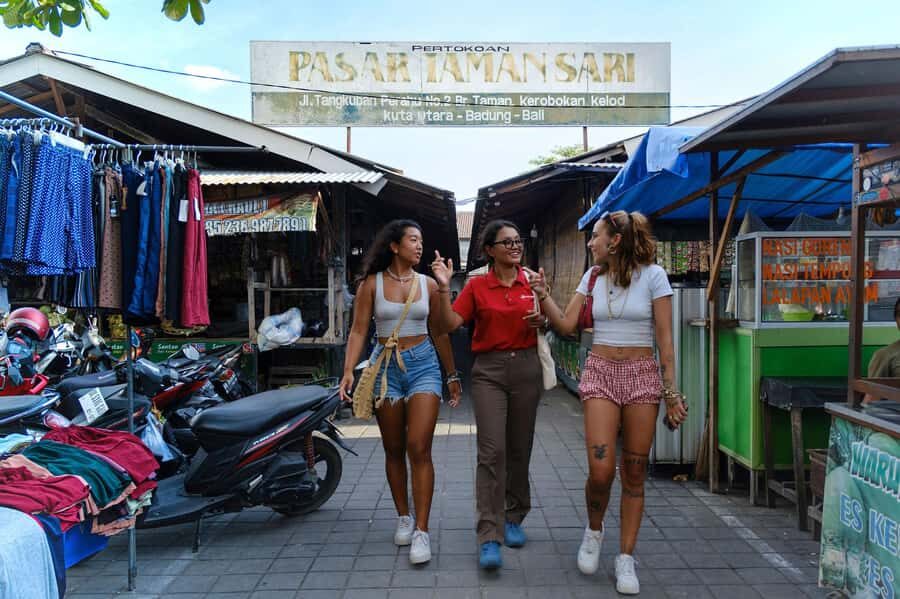
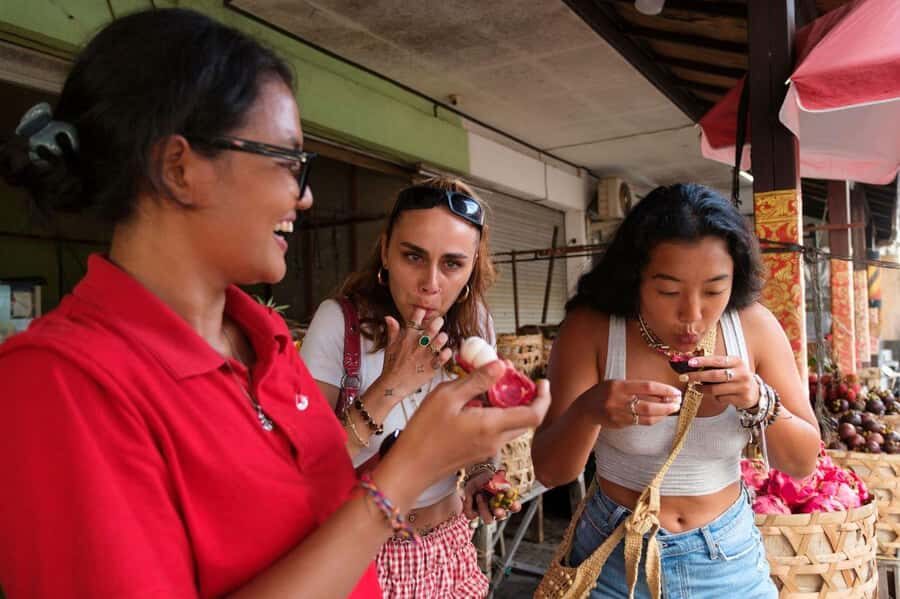
Kreneng Market is where the tour becomes practical. You’ll spend about 1.5 hours here, moving through narrow market alleys with your guide guiding you to what locals eat, not just what’s easy for tourists to photograph.
This is also where the tastings stop being “try one bite.” The food flow is built to let you taste a range of styles: savory soups, filling mains, fried snacks, and Balinese sweets. One big takeaway from past guests: come hungry and treat it like a real meal.
Food highlights you can expect at the market include:
- Soto Ayam (Indonesian chicken soup) or Bakso (Indonesian meatball soup)
- Babi Guling, Balinese roast suckling pig served as part of the shared dish
- Jaje Bali, a traditional Balinese dessert
- Jasuke, sweet steamed corn with condensed milk and shredded cheese
- Martabak Telur, a traditional fried pancake
One practical point: since tastings are part of the tour experience, you’ll get the most out of it if you’re ready to eat multiple items across different textures. Wear comfortable shoes and keep some water in mind, since you’ll be walking and sampling.
Babi Guling and the guide’s bread-and-butter explanation
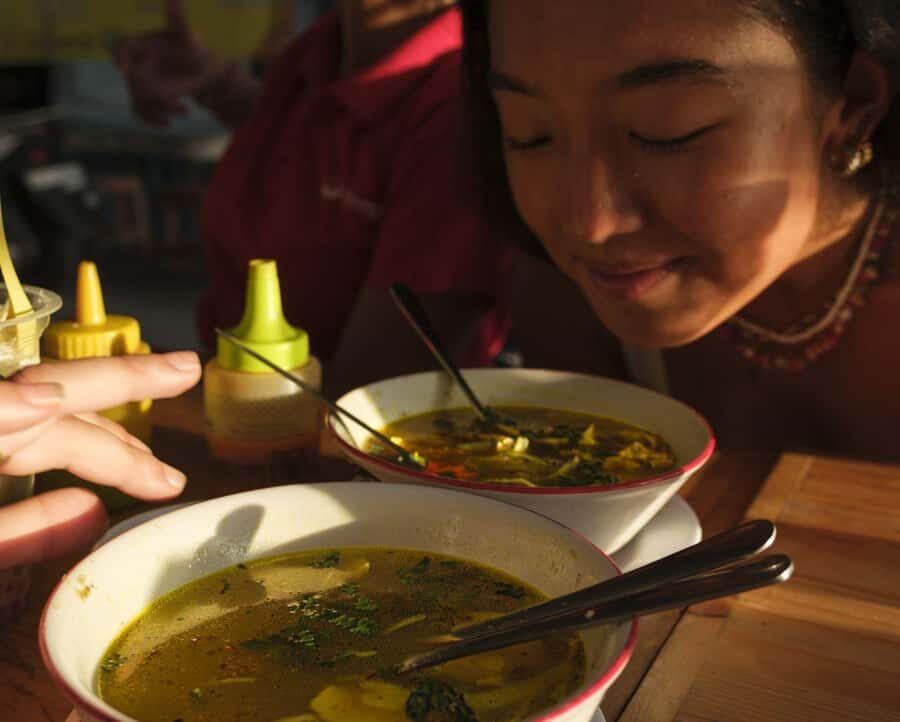
Babi Guling is the headline item on this tour, and it’s not just about the name. Your guide talks through the shared dish and helps you notice the different parts—especially the pork crackling—so you can understand why it’s so satisfying.
What this means for you: instead of tasting something you can’t identify, you get the “what it is and why it works” version. That’s a huge value boost on any food tour, because it turns a random bite into a memorable one you can repeat at a restaurant later.
If you don’t eat pork, you should think carefully. The tour description includes Babi Guling as a featured tasting, and the tour also can’t cater for vegans. If your diet is flexible, ask your guide what substitutions might be possible ahead of time—but don’t assume a swap will be available.
Soto Ayam, Bakso, Jasuke, Martabak Telur: mixing savory and sweet on purpose
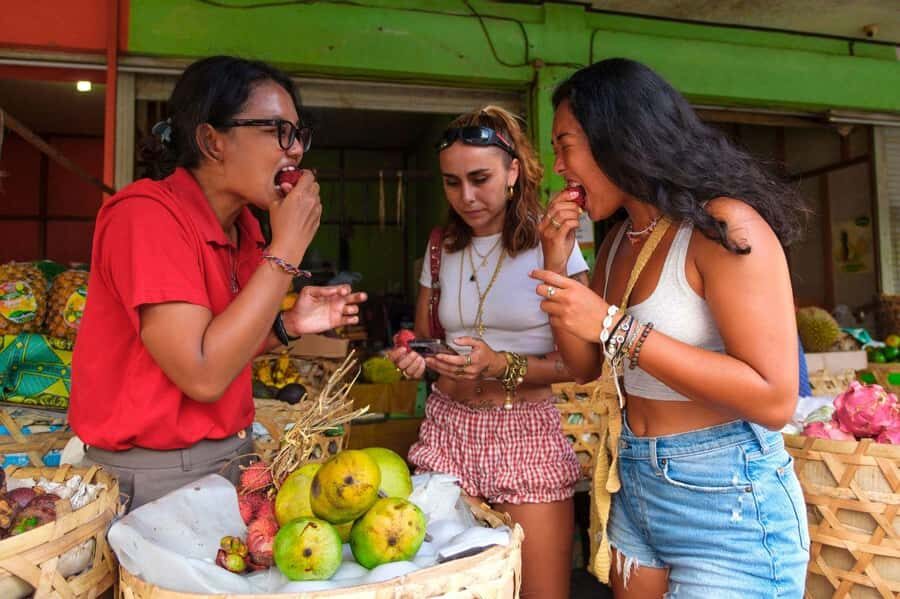
Most food tours get stuck on one track: snacks only, or sweets only. This one mixes categories so you can compare how Indonesian comfort food changes in the same neighborhood.
On the savory side, expect bowls like Soto Ayam or Bakso. These matter because they show you a more everyday side of the cuisine: warm, filling, and built for stomach comfort after market walking.
Then you swing toward sweet and fried:
- Jasuke brings a dessert-meets-snack feel, with sweet corn plus condensed milk and shredded cheese.
- Martabak Telur gives you something crisp and rich, a fried pancake-style bite that’s great when you want salt and texture, not just sugar.
This pattern is a smart way to keep your energy up. You’re not stuck chasing only spicy or only heavy food. You’re tasting balance—soups, meats, and sweets—so you walk away feeling like you learned how the meal “works” in real life.
Heritage walk on Jalan Surapati and Jalan Gadjah Mada: food meets place
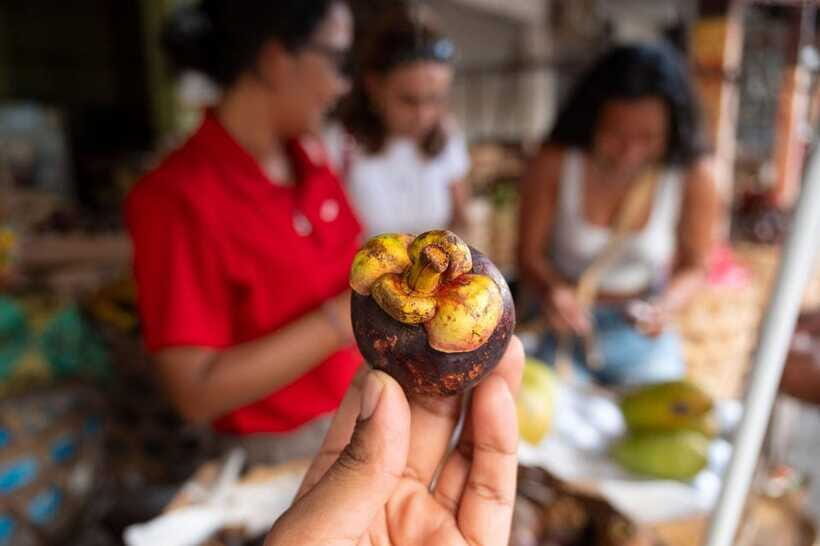
After you’ve eaten, the tour shifts gear from market intensity to slower cultural walking. You’ll explore Jalan Surapati and Jalan Gadjah Mada, where the streets themselves start telling a story.
Along the way, you’ll see:
- a church with traditional Balinese architecture
- Pura Agung Jagatnatha, a Hindu temple
- the Nederlandsch-Indië Sokkelklok, a colonial-era clock monument
- Catur Muka, a four-faced god monument at an intersection
The value here isn’t “check the sights.” It’s the connection between the market and the city around it. When you understand the mix of religious space, colonial-era landmarks, and daily street life, the food choices make more sense too.
Also, walking between stops gives you a breather. Market time can be intense for the senses, so this change in pace helps you enjoy what’s next: coffee at the end.






Finish at an antique coffee shop: Indonesian Arabica, hot or cold
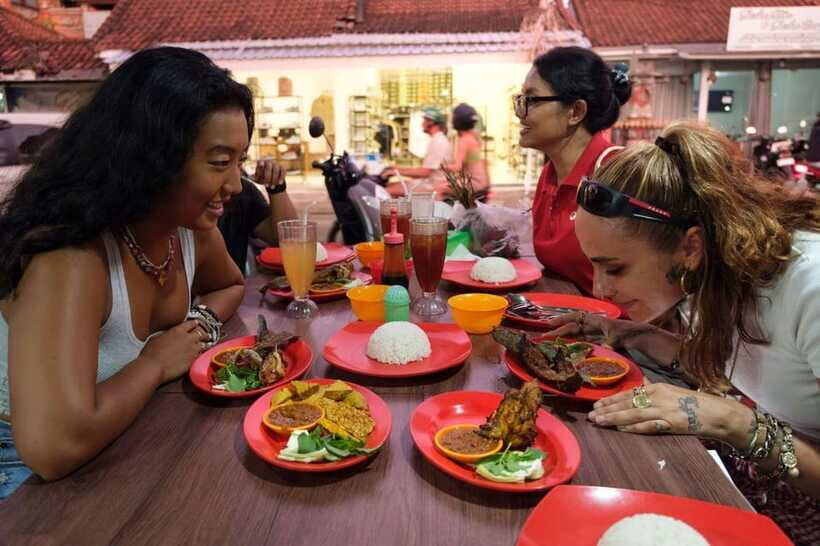
The last stop brings you to an antique coffee shop where you’ll get Indonesian Arabica coffee served hot or cold. It’s a strong closer because it resets your palate after savory pork, soups, and sweets.
This is more than a drink at the end. It’s also a chance to slow down and make sense of the flavors you tried across the morning or afternoon. If you want a simple souvenir from the experience, coffee is easy: you can remember the taste and look for similar coffee back home or in Bali later.
If you’re sensitive to caffeine, choose the cold option if it’s less intense for you, or sip slowly. The tour pace is active, so pacing matters.
Small group value (max 12): why guides can make or break the night
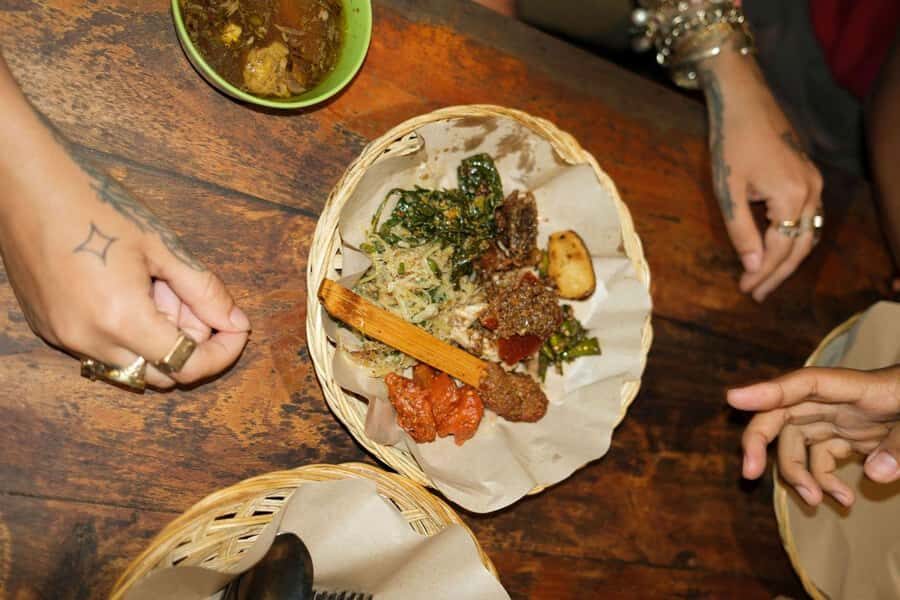
This is a small-group tour (up to 12 people), and there’s a private option too. For a food-and-walking format, the group size matters because it affects how smoothly you move through busy market areas and how much your guide can tailor the experience.
The strongest praise this type of tour gets tends to come from the guide’s energy and individual attention—people enjoy being asked what they want to try next, and getting cultural context instead of a rushed “eat this, move on” plan.
In particular, guides tied to this tour have included names like Putra, Sri, Song, Lena, and Wira. Across those guide styles, the common thread is clear explanations and lively conversation around Balinese culture and the food you’re tasting.
If you love asking questions, you’ll feel comfortable here. If you prefer a calmer pace, the small group size also helps your guide manage the timing without leaving anyone behind.
Price and value: is $45 fair for Denpasar tastings and sights?
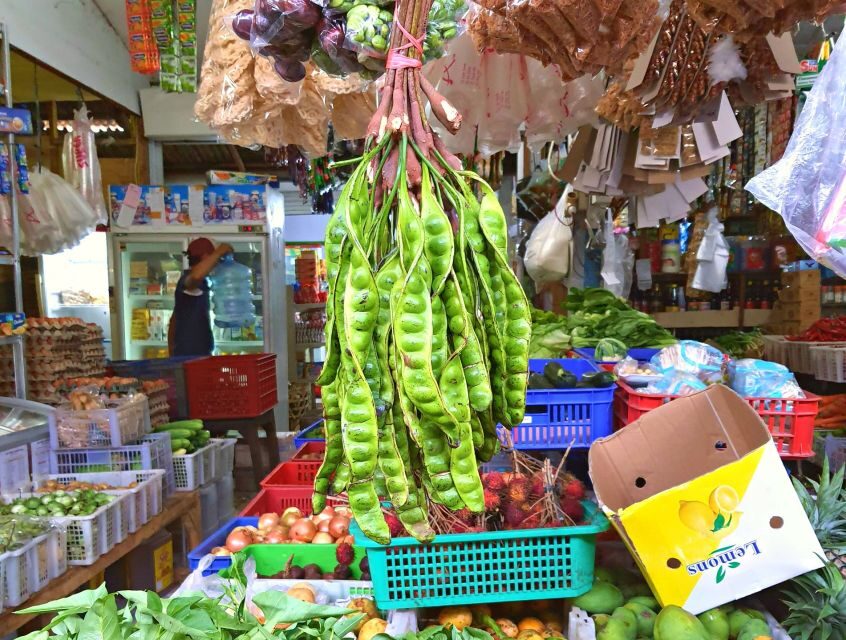
At $45 per person for about 3 hours, you’re paying for three things: guided walking, multiple tastings, and the cultural stops that turn those tastings into context.
Most budget food tours can end up feeling like “a few bites and a photo.” This one is set up as a fuller meal experience with several distinct tastings, plus coffee. One key practical tip from past guests: don’t plan a big lunch right beforehand. The tour is designed so you’ll keep eating throughout, and you’ll likely want room in your stomach.
What’s included matters too:
- local English-speaking guide
- bottle of water on arrival
- food tastings as listed (including Jaje Bali, Babi Guling, soup options, Jasuke, and Martabak Telur)
- Indonesian Arabica coffee (hot or cold)
What’s not included is also worth noting: additional food and drinks, and transfer to or from the meeting point. So the real “value” includes being ready to handle your own getting-there logistics.
Who should book, and who should think twice
This tour is a great fit for you if:
- you want a guided Bali food tour that includes both savory and sweet
- you like learning what you’re eating while walking real streets
- you prefer a small group over big bus tours
- you’re comfortable with pork being part of the main tasting (Babi Guling)
You should think twice or message ahead if:
- you need vegan food or have gluten allergies (the tour cannot cater for vegans and gluten allergies)
- you want a strict dietary change but haven’t given at least 24 hours notice
- you’re traveling with a child under 6 (children under 6 aren’t permitted)
- you want hotel pickup or a transfer included (transfers aren’t included)
One more practical note: because it’s a walking and eating plan, it’s not a “snack while sightseeing” add-on. It’s meant to be a central activity for the day.
Make it fit your Bali schedule: what to do before and after
The easiest way to enjoy this tour is to schedule it when you can skip a big meal before you go. The tastings are plentiful, and you’ll be much happier if you arrive ready to eat rather than trying to “save room” by eating less earlier.
After the tour, plan something relaxed. Your feet will have worked and your palate will be full of soup, fried items, and sweets. If you’re also planning temple visits on the same day, give yourself enough time to cool off and reset between activities.
Since the route includes walking along streets and visiting temple and heritage sights, wear comfortable shoes and plan for normal market walking conditions. The tour is active, even if it’s not described as a long hike.
Should you book this Bali Indonesian Food Tour?
Book it if you want one evening in Denpasar that gives you both food and place: Kreneng Market tastings, a heritage street walk, and Indonesian Arabica coffee to finish. At $45 for 3 hours with a small-group cap of 12 and multiple tastings included, it’s strong value for people who like real flavors and real local context.
Skip or rethink it if your dietary needs are outside what the tour can handle (no vegan food, no gluten allergy catering) or if you’re traveling with a child under 6. And if you don’t eat pork, know that Babi Guling is part of the core experience, so you’ll need to plan carefully.
If you’re the type who enjoys asking questions and tasting broadly, this tour is the kind you’ll remember for more than one dish.
FAQ
How long is the Bali Indonesian Food Tour?
The tour lasts about 3 hours.
How much does the tour cost?
The price is $45 per person.
Where does the tour start?
It starts at Kantor Pos Indonesia (Indonesia Post Office), located at Jl. Kamboja No. 6, Sumerta Kauh, Kec. Denpasar Tim., Kota Denpasar, Bali 80233.
Where does the tour end?
The activity ends back at the meeting point. The finish point listed includes Jl. Gajah Mada No.122, Pemecutan, Kec. Denpasar Bar., Kota Denpasar, Bali 80231, Indonesia.
What food and drinks are included?
You’ll get food tastings such as Jaje Bali, Babi Guling, Soto Ayam or Bakso, Jasuke, and Martabak Telur. Indonesian Arabica coffee is included at the end, plus a bottle of water on arrival.
Is the tour suitable for vegans or gluten allergies?
No. The tour cannot cater for vegans or gluten allergies. For other specific dietary requests, you need to notify the provider at least 24 hours before the tour starts.
Are children allowed on this tour?
Children under 6 are not permitted. The tour also notes there are no kid’s meals.
Is it a small group or can it be private?
It’s a small-group tour with a maximum of 12 people, and a private group option is available.
Does it include transportation or hotel pickup?
No. Transfer to or from the meeting point is not included. The guide and tour itself are provided in the meeting area and walking format.