Blue fire at 2:00 AM is not something you plan casually. This private, all-inclusive Mount Ijen trek pairs the eerie blue flame show with a full day of north Bali sights—then a comfortable return with food and a place to rest. You also get door-to-door transfers from several Bali areas, so you’re not spending the days juggling transport.
What I like most is the focus on getting you to Ijen in a practical way: you start hiking at 2:00 am with a local trekking guide, plus you have a respirator gas safety mask included for the sulfur air. The other big plus is the built-in pre-trek decompression—dinner, a place to rest, and breakfast—so you’re not trying to scramble logistics while you’re running on caffeine and adrenaline.
One consideration: this is physically demanding, and the early start means you’ll feel it. Even with good planning, the sulfur environment and steep night hiking are the real deal, so moderate fitness really matters, and you should be ready for crowds on the trail.
In This Review
- Key things to know before you go
- Mount Ijen Blue Fire: why this trek feels like another planet
- Price and what $155 covers (and why it’s more than a bargain)
- Day 1: Ulun Danu Bratan Temple to Lovina Beach to the Gilimanuk ferry
- Ulun Danu Bratan Temple (1 hour, admission included)
- Tamblingan Lake (30 minutes, admission included)
- Lovina Beach (1 hour, admission free)
- Gilimanuk ferry port (45 minutes, admission free)
- Day 2: the 2:00 AM start and what the Ijen hike actually delivers
- Ijen Crater hike (about 5 hours, admission included)
- What you’ll see beyond the flame
- Safety at Ijen: sulfur air, respirator masks, and real comfort
- Transfers, rest, and where you sleep in Java
- The people behind the trip: guides and drivers that keep things calm
- Who this tour suits best (and who should think twice)
- Should you book this Mount Ijen blue fire trek from Bali?
- FAQ
- FAQ
- How long is the Mount Ijen blue fire trek tour?
- What time do you start hiking to the Ijen Crater?
- Is hotel pickup and drop-off included?
- What meals are included?
- Do you provide respirator gas safety masks for the sulfur area?
- Is there accommodation during the overnight part of the trip?
- What are the fitness level and age requirements?
- What if weather is poor for Ijen?
Key things to know before you go
- 2:00 AM hike start: you’ll be on the crater route before sunrise for the best odds at the blue flame.
- Gas safety mask included: the trek includes a respirator mask for sulfur exposure.
- Door-to-door transfers: pickup and drop-off are included from south Bali, Ubud, and northwest Bali.
- North Bali day built in: Ulun Danu Bratan Temple, Tamblingan Lake, Lovina Beach, plus Gilimanuk ferry time.
- Java overnight stay: you get accommodation in Java so you can rest before (and recover after) the climb.
- Private setup: it’s only your group, which usually makes timing and pacing easier.
Mount Ijen Blue Fire: why this trek feels like another planet
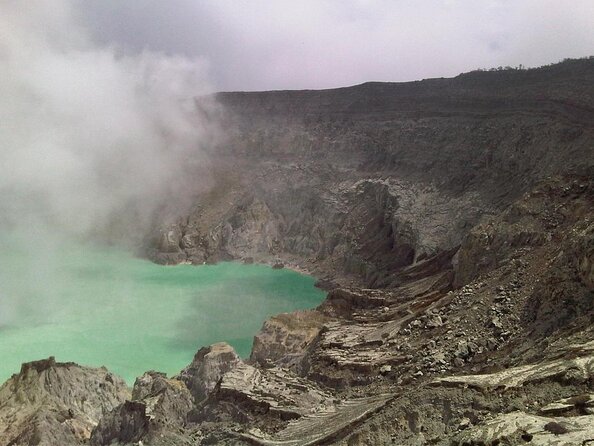
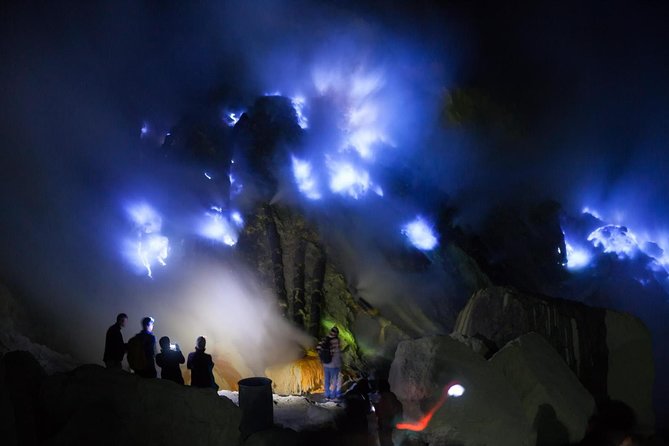
The Mount Ijen blue fire is one of those sights that sounds like a myth until you’re actually near the sulfur lake and watching the glow flicker against the night. The trekking route is about more than photos, too. You’re walking through an industrial, volcanic scene where sulfur mining is a visible part of local life, with lights, steam, and constant activity around you.
This tour keeps the experience grounded and doable. You’re traveling from Bali to East Java, then switching to night hiking at 2:00 am, with your guide leading the route. That structure matters because Ijen is not a place you want to figure out on your own at night.
You also get a meaningful second storyline: north Bali. Instead of spending the entire first day purely in transit, the plan threads in temple and lake stops, then finishes with ferry logistics toward Java. It turns a long trip into something you can remember in daylight, not just the crater at night.
You can also read our reviews of more tours and experiences in Ubud.

Price and what $155 covers (and why it’s more than a bargain)
At $155 per person for a private, all-inclusive 2-day package, the value comes from what’s bundled together. You’re not only paying for the blue-fire hike. You’re also paying for:
- Hotel pickup and drop-off with an air-conditioned vehicle
- A local trekking guide
- Breakfast and dinner
- A Java accommodation night
- A respirator gas safety mask
- Time and transport support moving between Bali and Java
For a trek like Ijen, the guide and the safety equipment are the big “hidden costs” people run into when planning solo. Having a mask included also helps you avoid the last-minute scavenger hunt for proper gear.
There’s also a comfort factor: the tour builds in a room to rest and refresh before the climb. That’s not just nice—it’s practical. When you start walking in the dark early morning hours, your body benefits from real downtime, not just a quick nap in a car.
If you drink alcohol, plan ahead: alcoholic drinks aren’t included (you can buy them). Most people bring water and keep meals simple, but the point is you’re not paying for drinks as part of the package.
Day 1: Ulun Danu Bratan Temple to Lovina Beach to the Gilimanuk ferry
Day 1 is your “north Bali with a purpose” day. You’ll be moving, but the stops are designed to give you variety: temple views over water, lake scenery, then a beach break before ferry time.
Ulun Danu Bratan Temple (1 hour, admission included)
Ulun Danu Bratan Temple sits on a lake, and the feeling is more dramatic than the words suggest. Even if you don’t know every temple detail, you’ll get the classic lakeside-temple postcard view with a sense of calm that contrasts sharply with the volcanic intensity coming next.
The tour gives you about an hour, which is enough to slow down, walk around, and not feel like you’re only posing and rushing to the next car-door.
Tamblingan Lake (30 minutes, admission included)
Tamblingan Lake is paired with Buyan in many north Bali routes, and here you get a short visit from a viewpoint area. The timing is tight, but it’s the kind of stop that works well before you cross into a long travel sequence.
If you like quiet scenery and easy photo angles, this is your “breathe for a minute” moment.

Lovina Beach (1 hour, admission free)
Lovina is known for its north-coast vibe. You get about an hour here, which is just right for a stretch: legs, snacks, a walk along the shoreline area, and a reset before the ferry.
This stop is also useful as a mental transition. You’re shifting from temple and lake time into transportation time, and Lovina helps break it up.
Gilimanuk ferry port (45 minutes, admission free)
Gilimanuk is where the ferry begins the move from Bali toward East Java. You’ll spend around 45 minutes at the port area and crossing logistics.
The ferry leg matters because it sets expectations: day 1 is not about exhausting sight-seeing, it’s about getting you in the right place with energy. The timing here helps you avoid the “all day in vehicles” trap.
Day 2: the 2:00 AM start and what the Ijen hike actually delivers
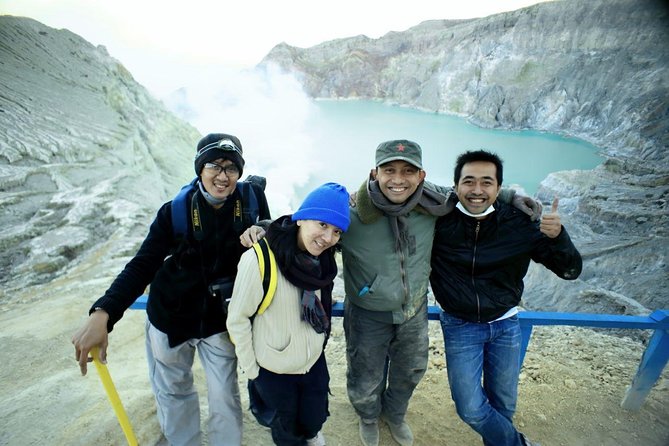
Day 2 starts with a quiet pre-hike moment: coffee or hot tea, then you set off. That small detail matters because the trek begins at 2:00 am, when everyone needs something warm and steady in their system.
Ijen Crater hike (about 5 hours, admission included)
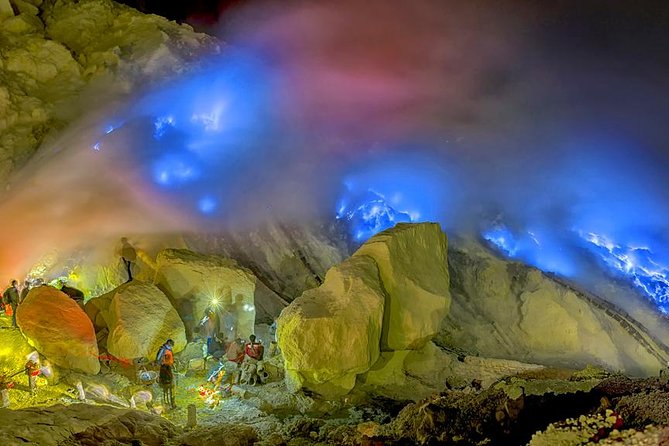
You hike to the Ijen Crater at night with a local trekking guide. The goal is the blue flame flickering above the sulfur lake—an eerie, otherworldly glow that looks like it belongs in a sci-fi movie.
The walk itself is where your preparation pays off. It’s night hiking, so you’ll want to feel comfortable on uneven ground while reading your guide’s cues. The tour schedule gives you a total hike block of around 5 hours, which is enough time to reach viewpoints, watch the blue fire, and move at a steady pace without making it a “run to the top” sprint.
One advantage of having a guide is timing. The blue flame is the highlight, but it’s also something you need to experience in the right window. A good guide helps you shift focus between the crater view and the practical demands of walking and breathing in sulfur conditions.
What you’ll see beyond the flame
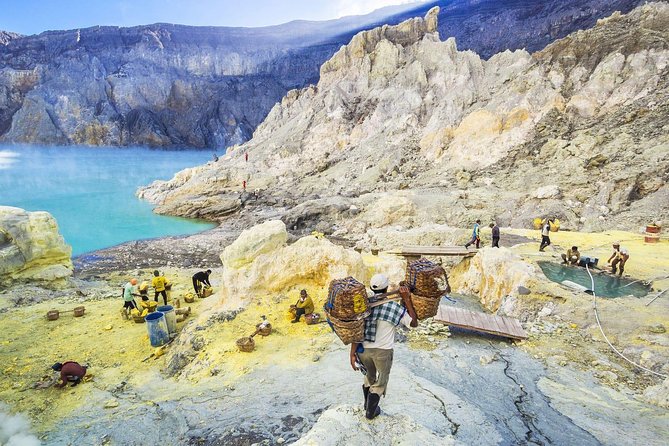
The sulfur lake and miners are part of the story. You may get chances to photograph sulfur miners, steam, and the working side of the crater environment. It’s not just scenery. It’s an active landscape, and that changes how the experience feels.
Also, expect other people on the trail. Even when the timing is not peak season, the Ijen route can still have a lot of activity. Your best move is to be patient, let your guide manage the flow, and focus on your own watch-and-walk rhythm.
Safety at Ijen: sulfur air, respirator masks, and real comfort
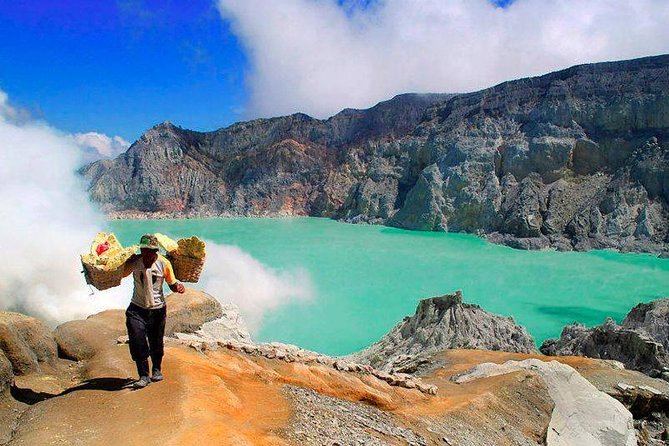
This tour includes a respirator gas safety mask, and that’s a serious inclusion. Ijen’s sulfur environment is not the kind of thing you want to “tough out” for the sake of authenticity. The mask doesn’t turn the air into fresh mountain air, but it gives you a tool to handle the conditions during the climb and crater viewing.
Practical mindset helps here:
- Don’t treat the mask as optional at night in the sulfur area.
- Slow your breathing when you feel wind or fumes increase.
- Stay aware and follow your guide’s directions on when to move and when to hold position.
You’ll also have dinner, then breakfast—both part of how you arrive at the crater with enough energy to deal with early hours. For many people, the early start is the hardest thing psychologically. Having food and rest built in keeps it manageable.
Transfers, rest, and where you sleep in Java
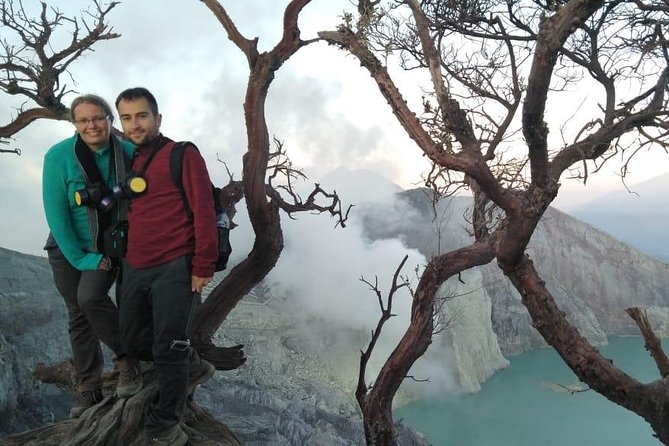
This is an overnight plan with accommodation in Java. That matters because it prevents the “sleep deprivation spiral” common in multi-day treks.
The tour is designed with door-to-door transportation from:
- South Bali
- Ubud
- Northwest Bali
That’s a practical advantage because you’re not limited to one meeting point. If you’re staying outside the most obvious tourist hubs, this kind of pickup structure saves time and stress.
After the Ijen hike, you’ll return for a shower and then continue toward Bali for traveler accommodation. The schedule shows a longer transport block (about 7 hours) after the crater day, so you should expect a travel-heavy end to day 2. The good news is the tour includes the rest step—shower time—so you’re not trying to “power through” feeling gross.
The people behind the trip: guides and drivers that keep things calm
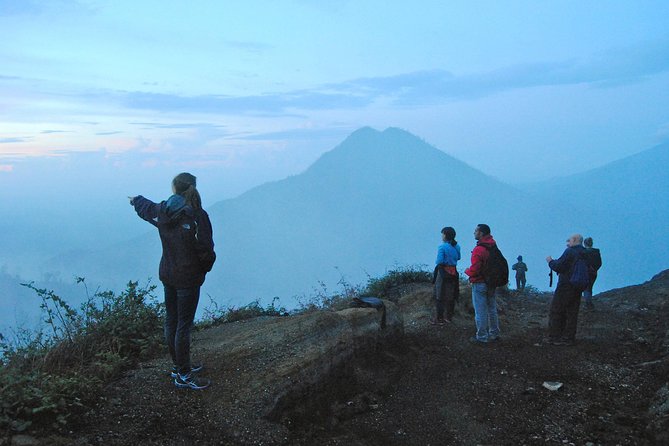
For a trek this early, your guide and driver matter as much as the itinerary. When you’re hiking in the dark, motivation and steady guidance make a difference.
You’ll see examples of the kind of help this company offers:
- A guide named Fatah is described as positive, helpful, and focused on keeping people motivated. He also helped take photos, which is a nice bonus when you want to preserve the blue flame moment without dropping your phone in the dark.
- Drivers like Anggik are noted for safe, confident driving across Bali and into the longer transfer day.
- The company’s Bali-side coordination can involve people like Agung Rio as a driver/guide contact, showing up as responsive and organized.
Even if you don’t get the same individuals, the pattern is clear: you’re not just buying transport. You’re buying support for a full schedule with a demanding early start.
Who this tour suits best (and who should think twice)
This package is best for travelers who want:
- A private experience
- A guided Ijen blue-fire trek with safety gear included
- A structured north Bali day to break up long travel
- Hotel pickup and drop-off so you don’t manage logistics
It may not be ideal for you if you:
- Prefer a low-effort vacation pace
- Have difficulty with early-morning starts and night hiking
- Want to fully control the schedule without transfers and set timing
The minimum age is 15, and the tour calls for moderate physical fitness. That usually means you can hike, but you shouldn’t expect a stroll. If you’re unsure, think honestly about how you handle steep paths and poor visibility at night.
If you’re a photographer, this route is appealing. You’re capturing the crater glow, sulfur activity, and miners, plus you also get temple-and-lake scenery in daylight. It’s a two-world trip: spiritual calm in north Bali, then industrial volcano energy at Ijen.
Should you book this Mount Ijen blue fire trek from Bali?
Book it if you want Ijen without the headache. The combination of door-to-door transfers, guide-led night hiking, included respirator masks, and a Java overnight stay adds up to real convenience—especially if you’re starting from south Bali, Ubud, or northwest Bali.
Skip it (or pick a different style) if you’re sensitive to early wake-ups or you don’t handle sulfur conditions well. Also, if you want lots of free time during the day, this schedule is more structured than casual.
One last decision tool: book about a month ahead when possible. This tour is often reserved with an average lead time of around 33 days, which usually means limited availability or tight planning around schedules.
If the blue fire is on your bucket list, this is one of the more straightforward ways to do it—without turning your trip into a logistics project.
FAQ
FAQ
How long is the Mount Ijen blue fire trek tour?
The tour runs for about 2 days (approx.).
What time do you start hiking to the Ijen Crater?
The hiking starts at around 2:00 am.
Is hotel pickup and drop-off included?
Yes. The tour includes hotel pickup and drop-off using an air-conditioned vehicle, with door-to-door transfers from south Bali, Ubud, and northwest Bali.
What meals are included?
Breakfast and dinner are included.
Do you provide respirator gas safety masks for the sulfur area?
Yes. Respirator gas safety masks are included.
Is there accommodation during the overnight part of the trip?
Yes. Accommodation in Java is included, along with a room to rest and refresh before the climb.
What are the fitness level and age requirements?
The tour has a minimum age of 15 and recommends moderate physical fitness.
What if weather is poor for Ijen?
The tour requires good weather. If it’s canceled due to poor weather, you’ll be offered a different date or a full refund.