Manta rays in clear water feel unreal fast. This full-day trip takes you from Bali to Nusa Penida for two snorkeling sessions, with a real shot at Manta Point and the big, gentle giants that cruise there. My one caution: Manta Point can get swell-prone, and manta sightings are never a sure thing when weather and water don’t cooperate.
What I like most is the way the day is built around real underwater time—plus the comfort extras like wetsuits, lifejackets, and a lunch box on the water. If you want a steady, guided day without the hassle of gear rental and figuring out boat logistics, this is set up for that. One more thing to weigh: the experience isn’t cheap, and if your priorities are purely “maximum fish per minute” on a budget, it may feel pricey.
In This Review
- Key Things to Notice Before You Go
- Why Nusa Penida’s Snorkeling Feels Different Than the Usual Bali Reef Stop
- Manta Point First: What You’re Really Chasing
- Second Snorkeling Session: Reef Color and the Chance for More Wildlife
- The Boat Ride and the Calm in Between Sessions
- Guides, Safety, and the Small-Group Feel
- Equipment and Comfort Details That Actually Matter
- Price and Value: Is $140 Fair for What You Get?
- Getting There: Pickup Zones and How to Confirm Your Time
- Who Should Book This Trip, and Who Should Skip
- A Realistic Day-by-Day Feel (Without the Guesswork)
- Should You Book This Nusa Penida Snorkeling Trip?
- FAQ
- How long is the Bali snorkeling trip?
- Where does the pickup drop-off cover in Bali?
- Is there an extra charge for Tanah Lot or Ubud?
- What is included in the price?
- What snorkeling gear is provided?
- Do I need to bring swimwear?
- Is manta ray snorkeling guaranteed?
- Is the tour suitable for everyone?
Key Things to Notice Before You Go
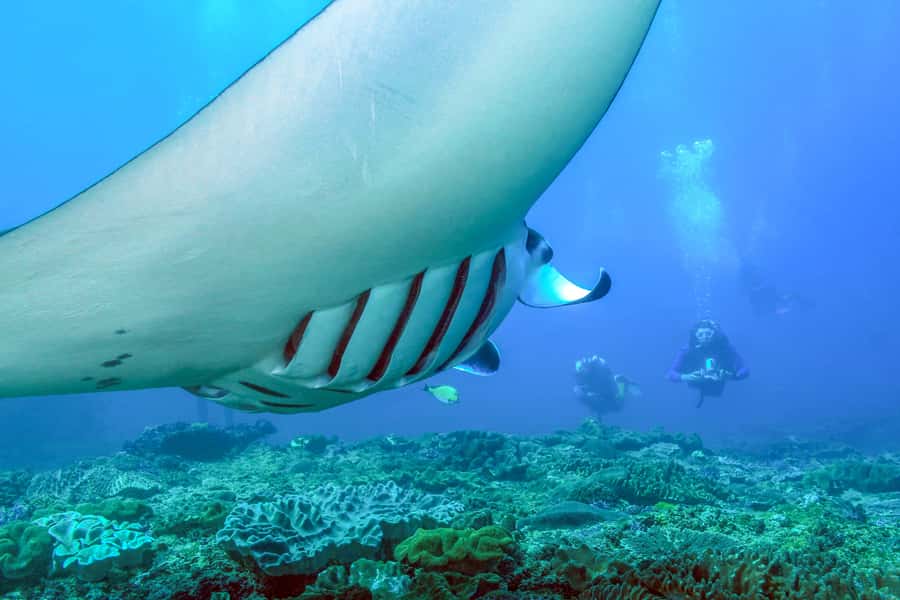
- Manta Point timing and sea conditions: the operator may adjust the plan if swell is strong.
- Two snorkeling sessions: your first pass is centered on manta country, then you get another swim window.
- Drift-style wildlife viewing: when conditions fit, you’ll be in the zone where rays and big pelagic fish show up.
- Small group energy: limited group size helps you get attention, not just a headcount.
- Gear is handled for you: wetsuit and lifejacket included, plus washing and storage after.
- Motion sickness is a real consideration: if you’re sensitive, plan for Manta Point’s potential roll.
Why Nusa Penida’s Snorkeling Feels Different Than the Usual Bali Reef Stop
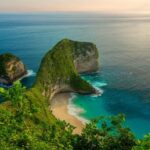
Nusa Penida isn’t “just another snorkeling island.” It’s known for open-water currents and the kind of conditions where you can encounter the bigger residents of the sea rather than only small, shoreline fish. That’s why this trip puts Manta Point right at the front of the day—when you’re fresh, the odds of a great encounter tend to matter more.
This is also a trip where guidance matters. A good guide helps you read what the water is doing, where to swim safely, and when to pause so you don’t rush past something important. And if your goal is seeing animals that don’t sit still, like manta rays, you need that calm, practical instruction.
You can also read our reviews of more tours and experiences in Nusa Penida.
- ️Nusa Penida by Private Boat – Snorkeling 4 spots, Swim with Mantas + Land Tour
★ 5.0 · 6,424 reviews

Manta Point First: What You’re Really Chasing
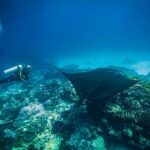
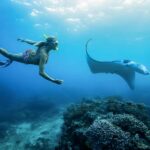
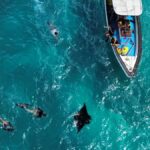
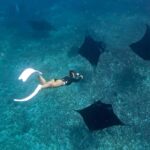
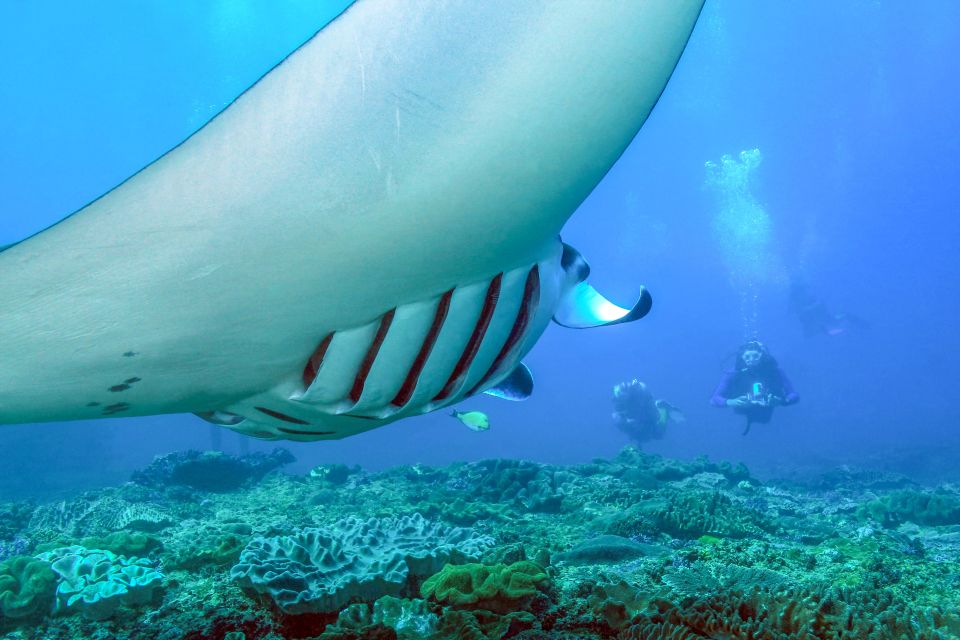
Manta Point is the headline, and for good reason. You’re not going for tiny coral photos here; you’re looking for manta rays, which can grow very large—up to around 6 meters—and often gather where they feed and clean. When the conditions align, the experience can feel like you’re watching a living routine, not just chasing wildlife.
Here’s the reality check: manta ray snorkeling is not guaranteed. The operator can adjust the itinerary to keep you safe if swell is strong, and the water conditions have to cooperate for the mantas to show up where snorkelers can enjoy them. If you’re booking expecting a guaranteed manta encounter, you’ll be happier if you treat it as a “best possible shot” day.
Also consider how this affects your body. Manta Point can bring more motion than calmer reef areas. If you’re someone who gets seasick easily, I’d take that seriously before you even get on the speedboat. A lifejacket helps with safety, but it won’t fix nausea if the boat ride or swell hits you hard.
Second Snorkeling Session: Reef Color and the Chance for More Wildlife
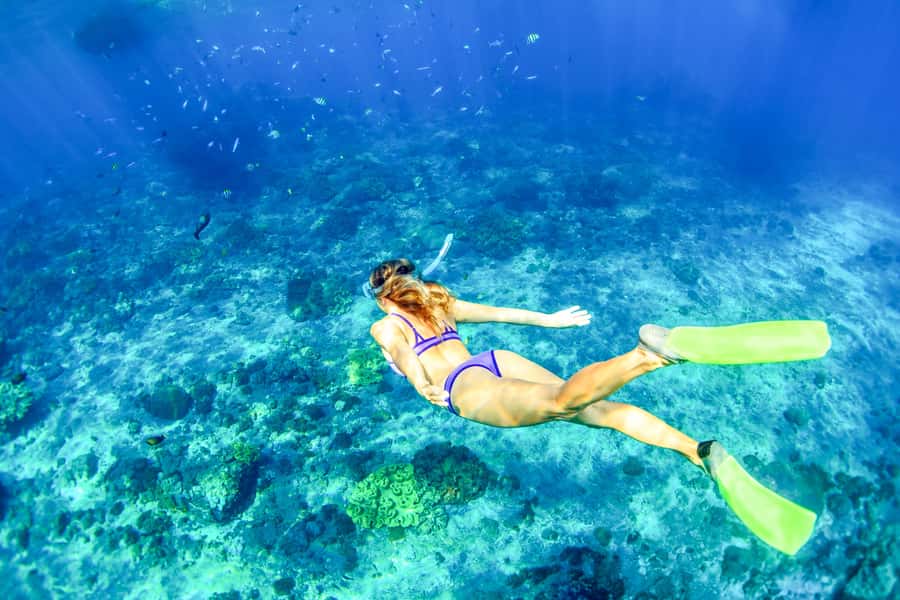
After the manta-focused session, you get time to reset—swim, relax on the boat, and catch your breath before the next water time. This part of the day is where you’ll likely shift from big-movement wildlife to a more colorful, reef-style experience.
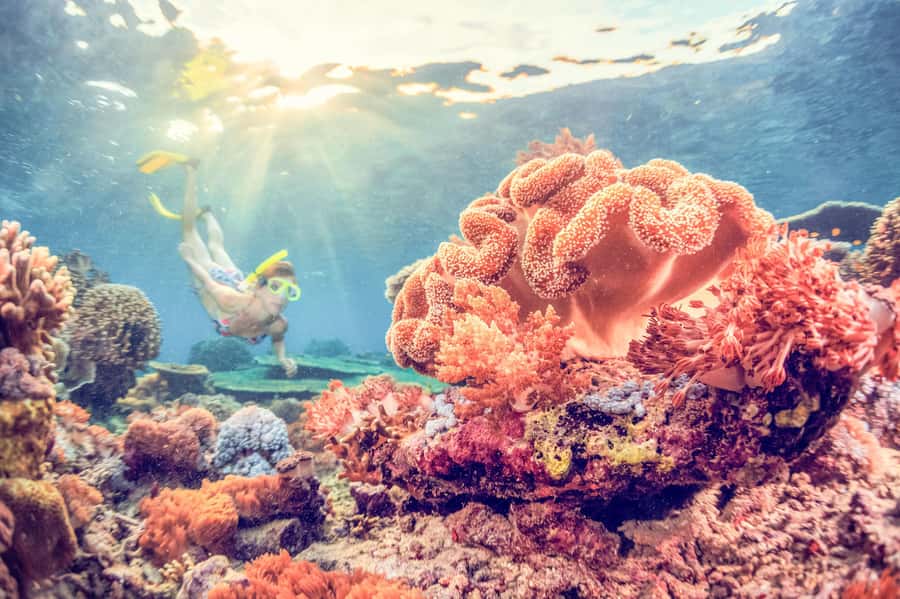
On days with good visibility and schedule, you can expect a second snorkeling stop that features plenty of marine life in a more “see it up close” way. Some guides work with sites such as Christel Bay and coral gardens, where the underwater scene tends to look like a patchwork of color rather than a single-species event. If you’re the type who loves variety—fish, coral, and the small stuff in between—this second stop is the one that often rewards slower, careful swimming.
You may also have chances for other animals during the day, like ocean sunfish (mola mola). The trip is designed with that possibility in mind, but it again depends on weather, water conditions, and where the team can safely position you.
The Boat Ride and the Calm in Between Sessions
This trip uses a speedboat, and the ride is shared with other snorkelers or divers. That usually means you’re not alone on the water, but you still benefit from a guided plan and a clear schedule—especially important when you’re crossing from Bali to Penida and timing snorkeling windows.
What I appreciate here is the “in-between” care. You’re not constantly on the move. There’s time to relax on the boat between snorkeling sessions, and that matters because it keeps the day enjoyable instead of exhausting. You also get a lunch box and bottled water, which sounds basic but is actually a quality-of-life upgrade when you’re spending hours on open water.
If you’re sensitive to sun, bring a towel change and anything you need to cool off. The day includes wet gear handling (washing and storage), but the comfort part is still on you—especially after you peel off a wetsuit.
Guides, Safety, and the Small-Group Feel
This tour runs with an experienced snorkeling guide, and the guide language is English and Indonesian. In practice, that means you get real instructions before you hit the water—how to gear up, what to watch for, and how to snorkel in a way that keeps you safe without killing the fun.
Small group size is a big deal on a trip like this. It’s easier for a guide to check on everyone, manage the pace, and shift you away from crowds if the site is busy. One of the most memorable moments for people on this kind of route is not just seeing mantas, but seeing them without swimming through a chaos-farm of other groups. When the guide can position you well, the whole mood changes.
One note from real-world experience: equipment quality can vary. Some snorkelers have found wetsuits a bit old and due for replacement. That doesn’t automatically ruin the day, but it’s worth knowing so you’re not shocked if your wetsuit doesn’t feel brand new. Still, the big win is that rental gear, including wetsuit and lifejacket, is included—so you’re not scrambling at the last minute.
Equipment and Comfort Details That Actually Matter
Included snorkeling equipment is a real value point here. You get the required gear rental, plus a wetsuit and lifejacket. There’s also washing and storage of equipment used, which makes the end of the day less messy and more comfortable.
You’ll also want to bring your own non-negotiables:
- Swimwear (so you can change fast)
- A change of clothes
- A towel
If you have issues with motion sickness, think ahead. The tour specifically warns that Manta Point conditions can make people feel unwell. You can’t control swell, but you can control preparation: sit where you’ll feel steadier on the speedboat, keep your eyes on the horizon, and don’t stuff yourself before the ride.
Price and Value: Is $140 Fair for What You Get?
$140 per person is not “budget Bali,” but it’s also not only paying for a reef ticket. You’re paying for transport by air-conditioned vehicle to the pickup point, speedboat time to Penida, marine park entry fees, boat and porter fees, and all the core snorkeling gear plus guide support.
You’re also buying a shot at high-value wildlife encounters. Manta Point is one of the better-known places in the region to see manta rays up close, and the trip is structured around that. If your day includes even one strong manta encounter plus a second reef session with lots of color and life, the value starts to make sense.
Where the value can feel shaky is when conditions limit the experience. Since manta sightings are not guaranteed and the itinerary may shift due to swell, you could end up with a great day that still feels different from what you hoped for. Add in the fact that swimwear and items like an underwater camera are not included, and you’ll want to budget a little for personal gear if you don’t already have it.
There’s also an extra cost for pickup from Tanah Lot and Ubud areas—listed as around US$27 return. If you’re staying outside the main pickup zones, factor that in.
Getting There: Pickup Zones and How to Confirm Your Time
Pickup is complimentary from hotels across several Bali areas: Sanur, Seminyak, Kuta, Legian, Nusa Dua, Jimbaran, Uluwatu, and Canggu. The day starts with transport by air-conditioned vehicle, so you won’t be sweating through the transfer.
One practical tip: add your WhatsApp number on the booking form. Your pickup time is confirmed via WhatsApp one day before the trip. That’s small, but it prevents the annoying uncertainty that can ruin the morning.
Check if you’re in the main zones. If you’re near Tanah Lot or Ubud, plan on the additional return cost mentioned above.
Who Should Book This Trip, and Who Should Skip
This is a great fit if you want a guided snorkeling day with structure, gear included, and a real chance at top-tier marine life like manta rays and possibly sunfish. If you like the idea of two separate snorkeling windows—one manta-focused and one reef-focused—you’ll probably enjoy how the day flows.
It’s not for everyone. The trip is not suitable for pregnant women and wheelchair users. And if you’re prone to seasickness, take the Manta Point swell warning seriously before you commit. The experience depends on water and safety conditions, and that kind of environment can be rough for sensitive stomachs.
A Realistic Day-by-Day Feel (Without the Guesswork)
Your day follows a clear rhythm:
- Morning pickup and transport to the boat departure point.
- Speedboat ride to Nusa Penida.
- First snorkeling session at Manta Point, with the best shot at manta rays when conditions are right.
- Boat time to relax, then a second snorkeling session at a different marine site.
- Lunch on the boat, then return travel.
That “two sessions plus lunch on the water” structure is why this works. It’s not a half-day hop. It’s enough time that you’re not constantly thinking about the next snack or how long until you’re back.
Should You Book This Nusa Penida Snorkeling Trip?
If your dream Bali snorkeling day includes mantas and you’re okay with conditions being a factor, I’d book this. You’re paying for logistics, gear, marine access fees, and experienced guiding—plus the chance to see manta rays and other big marine life rather than only a generic reef swim.
Don’t book it if you need guaranteed manta sightings, or if you know you’ll struggle with boat motion. For those people, it can turn into stress instead of wildlife. And if your budget is tight, $140 might feel steep compared with calmer, closer snorkeling options.
FAQ
How long is the Bali snorkeling trip?
The duration is 450 minutes.
Where does the pickup drop-off cover in Bali?
Complimentary pickup and drop-off are available from the Sanur, Seminyak, Kuta, Legian, Nusa Dua, Jimbaran, Uluwatu, and Canggu areas.
Is there an extra charge for Tanah Lot or Ubud?
Yes. There is an additional cost around US$27 return for Tanah Lot and Ubud area pickup.
What is included in the price?
It includes hotel pickup/drop-off (in the listed areas), marine park entry fees, boat and porter fees, lunch box and bottled water, free water/tea/coffee at the dive center, an experienced snorkeling guide, air-conditioned transportation, washing and storage of equipment, snorkeling equipment rental (including wetsuit and lifejacket), public liability insurance, and government tax.
What snorkeling gear is provided?
You’ll get rental snorkeling equipment, including a wetsuit and lifejacket.
Do I need to bring swimwear?
Yes. Swimwear is not included, and you should also bring a change of clothes and a towel.
Is manta ray snorkeling guaranteed?
No. The manta ray snorkeling is not always guaranteed and depends on weather and water conditions.
Is the tour suitable for everyone?
No. It is not suitable for pregnant women and wheelchair users.
You Might Also Enjoy


More Tour Reviews in Nusa Penida
- ️Nusa Penida by Private Boat – Snorkeling 4 spots, Swim with Mantas + Land Tour
★ 5.0 · 6,424 reviews