Manta rays show up early here. This Nusa Penida snorkeling and freediving trip has you meeting at Freedive Nusa at 10:00 am and aiming for Manta Point before most Bali boats, with freediving instructors focused on safe, calm wildlife rules.
I like two things a lot: you get proper gear from wetsuits to long fins if you need them, plus a clear briefing before you hit the water. I also love the three-stop route that balances big-moment wildlife with coral time at Toyapakeh Wall and a relaxed drift at SD Point.
One thing to weigh: the sea can be choppy, timing can shift with conditions, and mantas are never guaranteed. You should feel comfortable swimming in open ocean and follow the crew’s guidance closely.
In This Review
- Quick take: what’s special here
- What This Trip Feels Like in Real Life (Snorkeling + freediving, not scuba)
- Getting There and Staying Comfortable: Meet at Freedive Nusa and Prep for Choppy Water
- The Three Stops That Make This Tour Worth It
- Stop 1: Manta Point for mantas (arrival early is the play)
- Stop 2: Toyapakeh Wall for coral gardens and fish
- Stop 3: SD Point for a relaxed drift (and turtle chances)
- Gear, Briefings, and the Kind of Guidance You Want in the Water
- Price and Value: Why $60 Can Make Sense (and why some people question it)
- Weather, Tides, and the Reality Check on Mantas
- Who Should Book This (and who might choose differently)
- Should You Book This Nusa Penida Snorkeling and Freediving Trip?
- FAQ
- What time and where do I meet for the trip?
- How long is the experience?
- What snorkeling or freediving gear is included?
- Will I definitely see manta rays?
- What happens if the sea is rough or weather changes?
- Do I need to be able to swim open ocean?
- Does the $60 price include getting to Nusa Penida and transportation to the meeting point?
Quick take: what’s special here
- Early mantas timing with a goal to beat most Bali boats to the area
- In-water freediving instructors who brief you on manta behavior and safety
- Three distinct sites instead of one long, boring slog
- Gear + comfort extras like wetsuits, safety boxes, hot shower, and hot ginger tea
- A nature-first approach: no guarantees, and weather/tides can change plans
What This Trip Feels Like in Real Life (Snorkeling + freediving, not scuba)
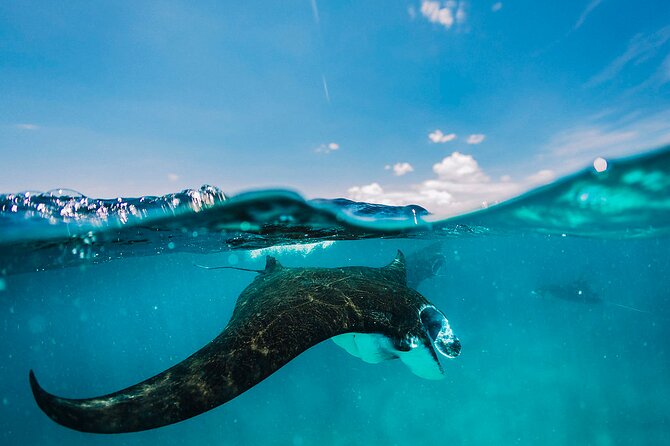
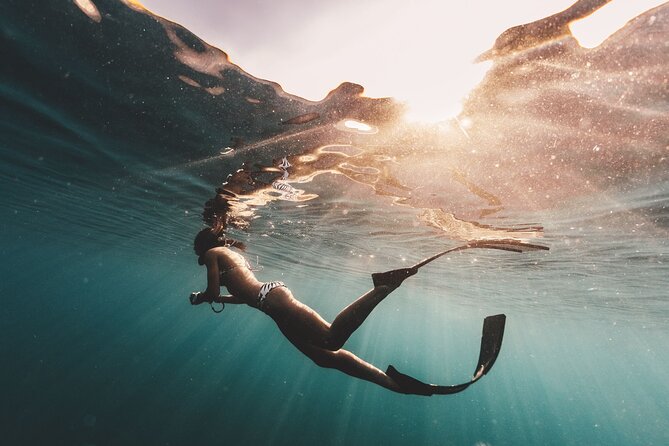
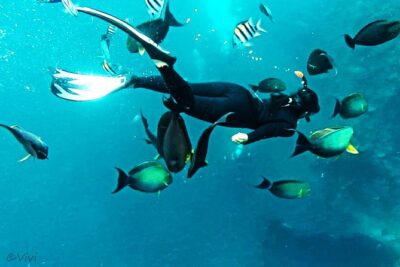
This is a snorkeling and freediving outing around Nusa Penida, built for people who want to see marine life up close and be guided in the water. You are not signing up for scuba. The emphasis is on surface snorkeling and free-diving style encounters, guided by professional freediving instructors who know where the better sightings tend to happen.
The small-group size matters here. You max out at 12 travelers, so you’re not fighting for attention when it’s time to gear up, listen to rules, or get help if the water is rough.
If you want a trip that feels organized but still outdoorsy and a little unpredictable, this fits. Nusa Penida’s underwater world can be stunning, but it is also wild nature. The crew handles what they can, and you handle what you can.
You can also read our reviews of more tours and experiences in Nusa Penida.
- ️Nusa Penida by Private Boat – Snorkeling 4 spots, Swim with Mantas + Land Tour
★ 5.0 · 6,424 reviews

Getting There and Staying Comfortable: Meet at Freedive Nusa and Prep for Choppy Water
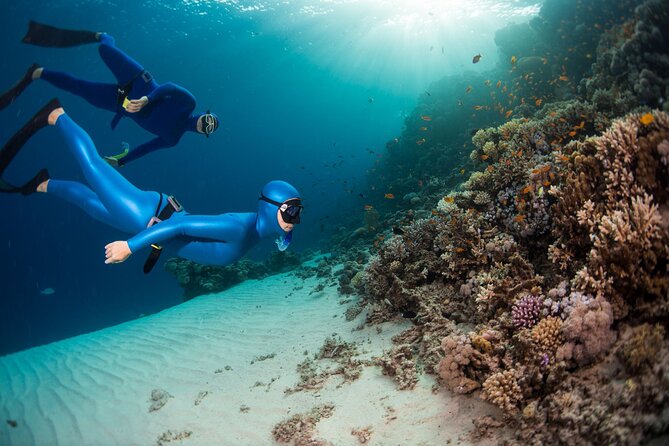
You meet at Freedive Nusa (Freediving School) on Nusa Penida at 10:00 am. The trip is about 4 hours total, and it’s designed so the speedboat is ready to pick you up right from the school area. That cuts down the usual waiting that can happen on island tours.
The smart move is how they set you up before you reach the water. You’ll get wetsuits and fins (long fins if needed), plus a detailed briefing that covers mantas, rules of interaction, and safety. That briefing is not window dressing. For manta encounters, how you move and where you position matters.
Bring a light breakfast. Seasickness pills are provided, and the notice is clear: the water might be very choppy. If your stomach is sensitive, take the meds in the morning as suggested. If you’ve been unsure on open water before, be honest with yourself. The activity requires confidence swimming in open ocean.
One logistics point to watch, based on real-world feedback: if you book through a third party, double-check where gear pickup happens. Some people ran into extra hassle getting equipment when their booking didn’t route them to the local pickup point smoothly.
The Three Stops That Make This Tour Worth It
This route is the whole idea. You’re not just “going to a spot.” You visit three different underwater scenes, each with its own vibe.
Stop 1: Manta Point for mantas (arrival early is the play)
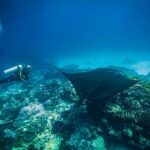
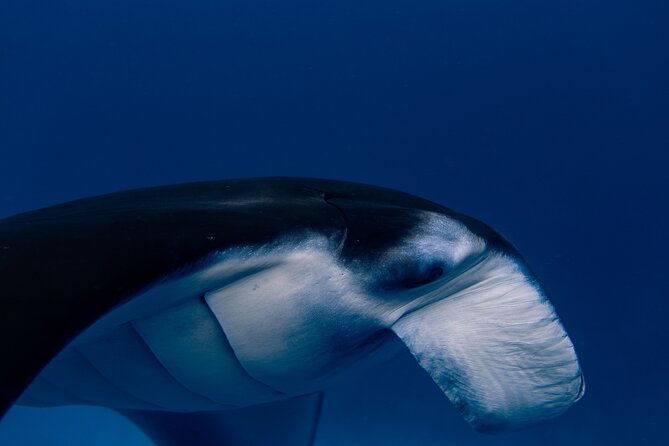
Manta Point is the headline. The crew’s plan is simple: get there at the best time to avoid the heaviest crowds, which gives you a better shot at swimming with manta rays.
If mantas aren’t showing in Manta Point, the crew does not just shrug. They try to find them in their other spots. That increases your odds, and it also keeps the experience from turning into a long snorkel with nothing at the end.
In some memorable outings, people have reported multiple mantas, even rare-looking ones. That doesn’t mean you should expect that every time. But it does show what this operator is aiming for when conditions cooperate.
What to consider: manta viewing is wildlife behavior, not a ticketed show. If the day is rough or visibility is limited, your experience can shift.
Stop 2: Toyapakeh Wall for coral gardens and fish
After mantas, you move to Toyapakeh Wall, described as a beautiful underwater wall full of colorful corals and tropical fish. This is the “steady payoff” stop. Even when manta sightings are slower, a wall scene like this often gives you plenty to look at.
This stop also helps you reset your energy. Manta encounters can feel intense and focused. Toyapakeh Wall is more about letting your eyes wander: coral texture, fish traffic, and that wall drop-off feel that makes you watch your fin placement and float control.
If you like snorkeling where there’s always something moving in the water column, this is where you tend to enjoy yourself most.
Stop 3: SD Point for a relaxed drift (and turtle chances)
The final stop is SD Point, a relaxed drifting along a shallow reef. The drift part matters because it changes the rhythm. Instead of constantly searching, you can let the current guide you and focus on what floats past.
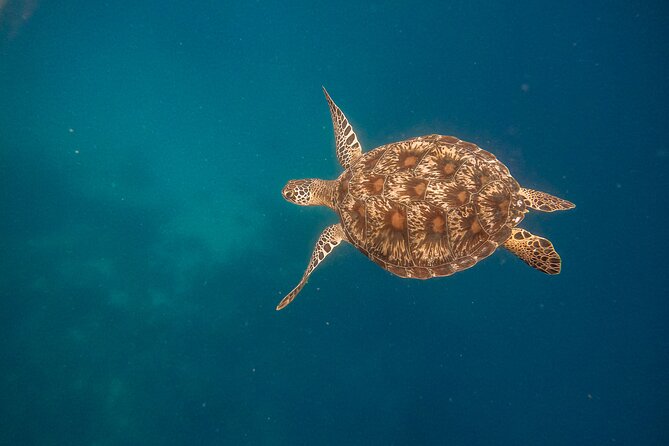
You also get a strong chance for turtles here. That’s not a promise, but it’s specifically called out as a likely sighting. For many people, turtles are the “nice bonus” that makes the end of the trip feel complete.
This last segment is often the one where you feel most relaxed. If earlier water conditions were tense, SD Point can feel like the crew easing you into a smoother finish.
Gear, Briefings, and the Kind of Guidance You Want in the Water
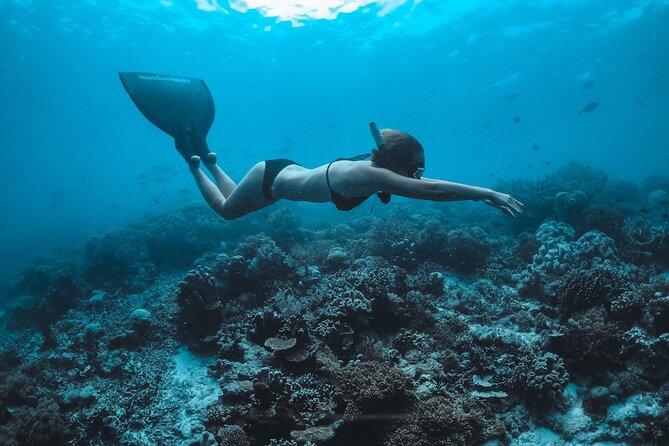
The equipment is included, including snorkeling gear and freediving equipment, plus the wetsuit and long fins if needed. On a trip like this, gear matters more than you’d think. A wetsuit helps with comfort, and the right fins can make swimming in currents easier.
You also get safety boxes and the freediving school facilities like a hot shower. That sounds like a small thing, but it’s a big quality-of-life upgrade once you’re done: you can wash up and feel human again before you head back.
The briefing is a major value point. You’ll get rules for manta interaction and safety guidance. This is exactly what helps reduce the chaos that can happen around wildlife. You learn how to behave so you don’t accidentally stress the animals or put yourself in a bad position.
One name that came up in feedback is Gaston, who was described as reassuring for first-timers. I can’t promise you’ll get him, but it hints at the kind of tone this operator works hard to create: calm, helpful, and focused on safety.
Price and Value: Why $60 Can Make Sense (and why some people question it)
At $60 per person, this isn’t the cheapest manta outing you can find in Bali. Some people have felt it’s on the expensive side compared to simpler options.
Here’s what you’re paying for, based on what’s included and how the trip runs:
- Professional freediving instructors in the water (not just a surface guide)
- Gear included (snorkeling gear, freediving equipment, wetsuit, fins as needed)
- Three separate underwater sites rather than one location
- Manta-focused timing aimed at reducing crowds
- Comfort extras like hot ginger tea, water refill, safety boxes, and a hot shower
If you care about manta etiquette, comfort, and having instruction as conditions change, this value can feel fair fast. If you only want the cheapest possible manta chance and you’d rather handle gear and logistics yourself, you may feel the price tag.
So my advice is simple: match the tour to your expectations. If you want a guided, gear-provided manta and coral combo, this fits the bill. If you want a bare-bones snorkel with no structure, shop carefully.
Weather, Tides, and the Reality Check on Mantas
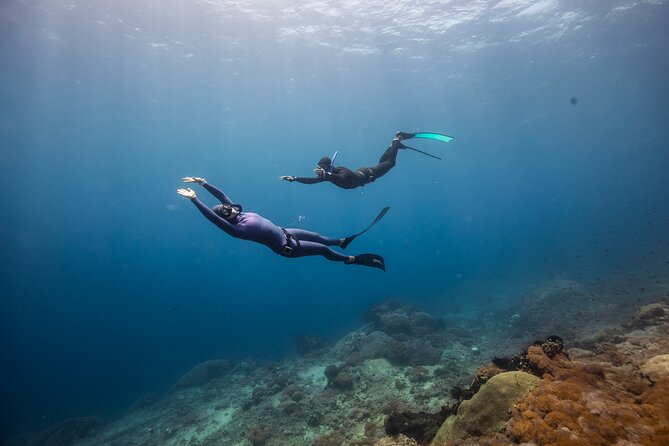
This trip specifically warns that weather can change routes and meeting times. That is not a marketing trick. It’s how island sea days work: wind, chop, and tide timing can make certain areas safer or less accessible.
You may see time adjustments due to conditions. If you are the type who hates surprises, this is the wrong day for that mindset. Build buffer time around the start. Keep your phone handy and be ready to follow last-minute guidance.
The other reality check is manta uncertainty. They do not guarantee mantas. The crew tries their best to find them, and they’ll search through their spots if manta activity doesn’t show at Manta Point.
If you go in expecting wildlife, you’ll have a better day. If you go in demanding a manta guarantee, you might feel frustrated.
Who Should Book This (and who might choose differently)
This is a strong match if you:
- Want to see mantas with an operator that focuses on rules and interaction
- Feel comfortable swimming in open ocean, even when conditions are choppy
- Enjoy snorkeling over multiple stops, including coral walls and drift snorkeling
- Like the idea of freediving instruction and in-water guidance
It might be a tougher fit if you:
- Are planning for scuba specifically (this is not scuba)
- Get seasick easily without prep
- Don’t feel ready for open-water swimming or possible wave action
Also, because the group stays small (up to 12), it tends to work better for people who like being guided directly and quickly when needed.
Should You Book This Nusa Penida Snorkeling and Freediving Trip?
I’d book it if you want a manta-focused trip with structured guidance and included gear, and you’re okay with the fact that sea conditions and wildlife behavior can change your day. The early timing approach, the three distinct snorkeling stops, and the comfort touches like hot ginger tea and a hot shower make the $60 feel more justified than a basic tour.
If you’re prone to seasickness, don’t feel confident in choppy open water, or you need a strict schedule with no changes, you should reconsider. This one is nature-first, not control-first.
FAQ
What time and where do I meet for the trip?
You meet at Freedive Nusa (Freediving School) at 10:00 am in Nusa Penida.
How long is the experience?
The tour runs for about 4 hours (approx.).
What snorkeling or freediving gear is included?
The price includes snorkeling equipment and freediving equipment, plus wetsuits and fins if needed. You’ll also have safety boxes.
Will I definitely see manta rays?
No. Manta encounters are not guaranteed. The crew tries at Manta Point, and if mantas aren’t there, they will try in their other spots.
What happens if the sea is rough or weather changes?
The route and meeting time might be adjusted due to weather conditions. The notice also says the water may be very choppy, so you should take seasickness pills (they are provided) and be prepared for changing conditions.
Do I need to be able to swim open ocean?
Yes. You must be confident enough to swim in the open ocean, and the activity notes a moderate physical fitness level.
Does the $60 price include getting to Nusa Penida and transportation to the meeting point?
No. The price does not include the transfer from Bali to Nusa Penida or transportation to and from the meeting point.
You Might Also Enjoy

More Tour Reviews in Nusa Penida
- ️Nusa Penida by Private Boat – Snorkeling 4 spots, Swim with Mantas + Land Tour
★ 5.0 · 6,424 reviews