Wax, dye, and calm creativity. This batik making course in Yogyakarta puts you shoulder to shoulder with an English-speaking batik guru in a small workshop, where you learn the steps and the meaning behind common motifs. It is hands-on, indoors, and built for first-timers who want a real cultural skill, not just a souvenir photo.
What I really like is the chance to create your own unique batik piece and actually bring it home. You work at your own pace with patient guidance, and if something goes off, the instructors help you fix it so your final result still looks sharp. The second thing I love is the small group setup (limited to 10 people), which keeps the attention focused on you at the moments that matter—wax lines, dye application, and drying time.
The main drawback to keep in mind is time. If you choose the longer route (the full process can run close to 6 hours), you’ll want patience, and you should plan on clothes that can handle a little mess. Also, this workshop is indoors, so it is not a pick for people who want outdoor sightseeing.
In This Review
- Key things to know before you go
- Batik Seno Gallery: the workshop location that feels local
- Wax lines and dye layers: what the batik process really looks like
- Choosing your time: from quick sessions to a near-full day of layering
- Motifs and meaning: why the patterns are not just decoration
- Your finished batik: how you take the work home
- Price at about $8: what kind of value this really is
- Practical tips: how to show up and have an easy time
- Who this batik course fits best in Yogyakarta
- Should you book this Yogyakarta batik making course?
- FAQ
- Where is the meeting point for the batik course?
- How long does the experience take?
- Do I need any prior experience to take the class?
- Is the instruction available in English?
- What should I wear to the workshop?
- What is included in the price?
Key things to know before you go
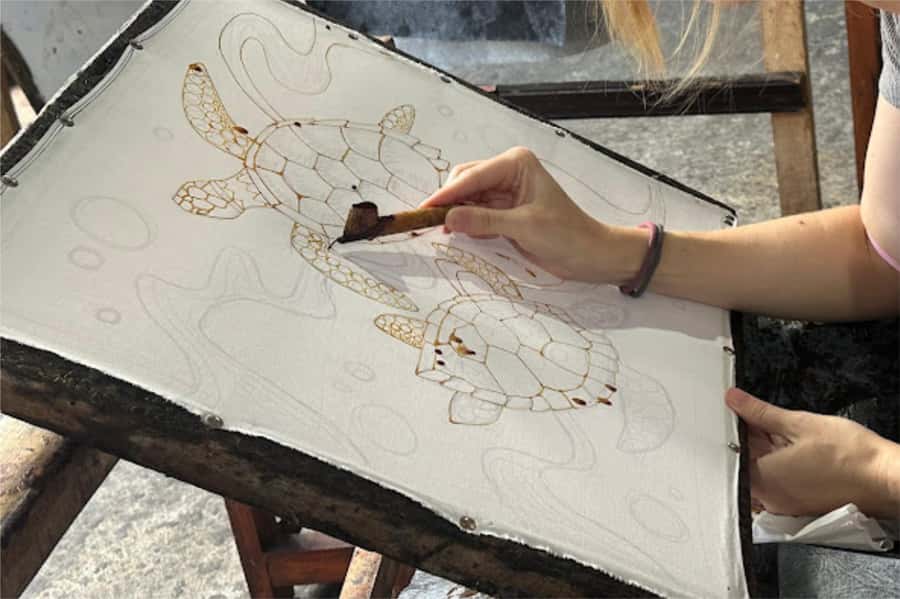
- Hands-on batik basics with step-by-step guidance from a batik guru
- Unique design to take home, shaped by templates or your own drawing
- Learn motif philosophy behind some common batik patterns
- Small groups (up to 10 participants) for more personal help
- Drinks provided while you wait for wax and fabric stages to set
- Short to full-day options, with the longer classes typically running longer than you’d expect
Batik Seno Gallery: the workshop location that feels local
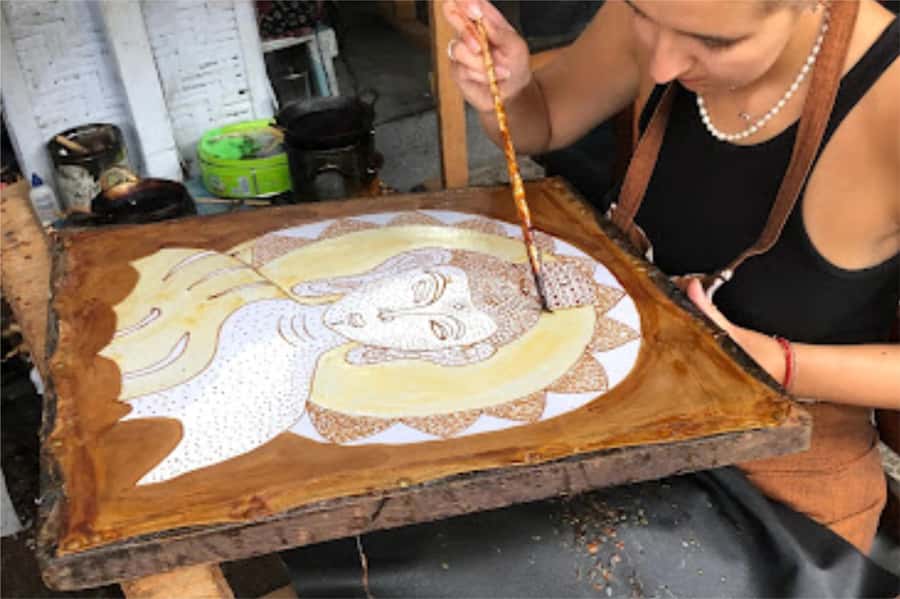
Your starting point is Batik Seno Gallery on JL. Mantrijeron, MJ. III/801, Kec. Mantrijeron, Kota Yogyakarta. It is the kind of place where craft and retail live side by side: you’re not only learning the technique, you’re also surrounded by the finished work.
A big part of why this location works is the calm workshop feel. The studio time is meant for making—quiet concentration, people working on their own pieces, and guidance that stays close. One detail I appreciate: the language is English, and the instructor support is hands-on, so you don’t have to “figure it out” with a translation app.
Also, because there’s a shop attached, you can browse authentic batik after you’ve finished your piece. That helps a lot if you want to compare your beginner work with how professionals handle composition, line quality, and color balance.
You can also read our reviews of more tours and experiences in Yogyakarta.



Wax lines and dye layers: what the batik process really looks like
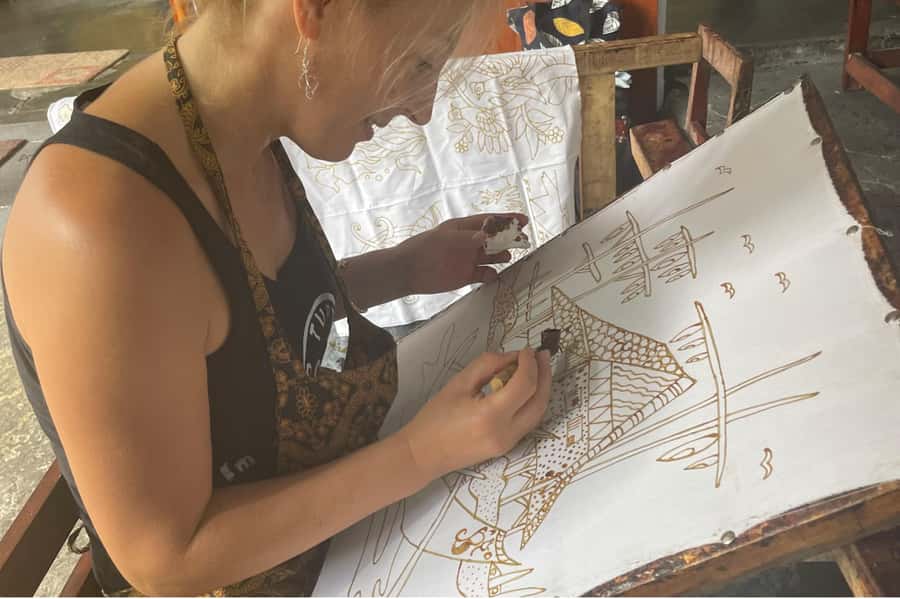
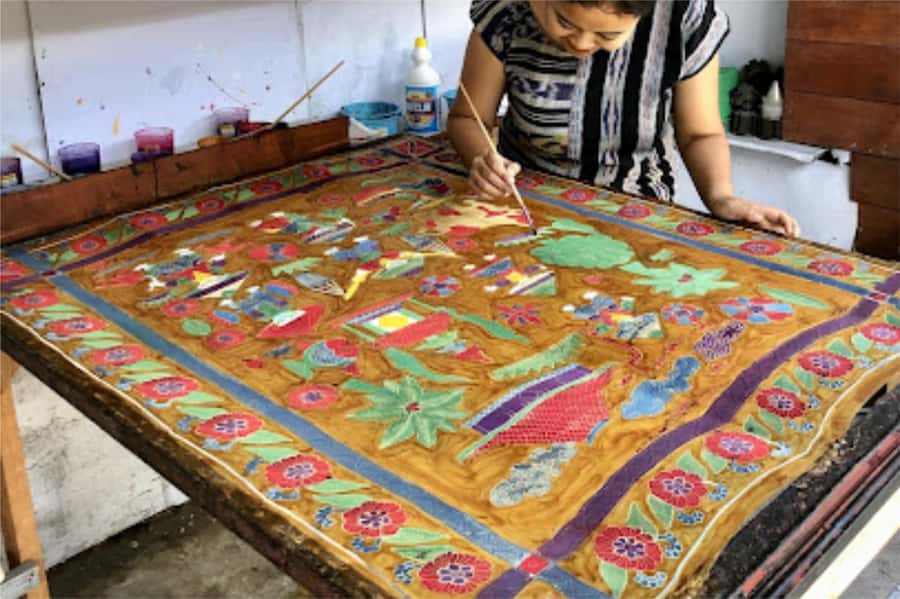
Batik is a resist-dye craft. In plain terms: wax blocks the dye from reaching parts of your fabric, so whatever you protect with wax stays lighter until you remove it later. In this workshop, they teach you the process in a way that’s easy to follow, even if you’ve never made art before.
Here’s what your hands-on work typically includes:
- You start by choosing a pattern approach. Many people use pre-drawn options or stencils, and you can also draw your own design depending on the session style.
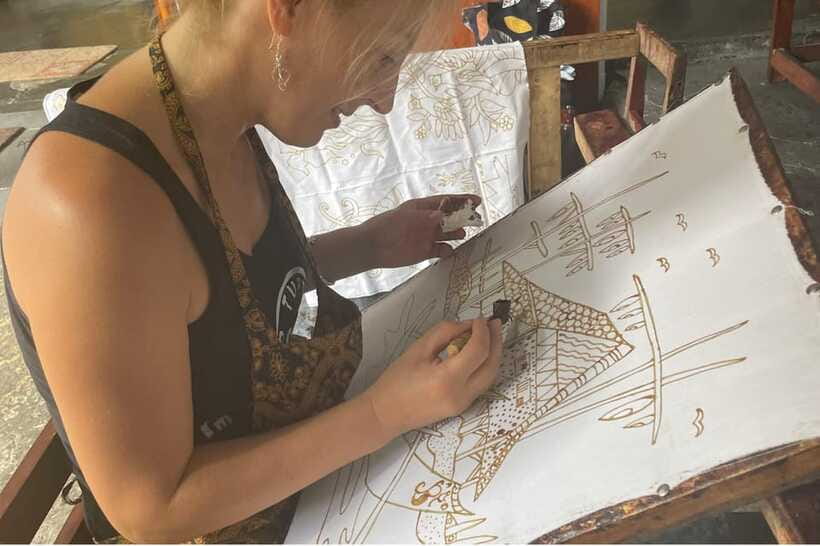
- You learn how to draw the linework using wax—often described as using a melted wax “pen.”
- You apply color in stages. Some sessions have you do the dye step yourself, while the staff helps you control the results.
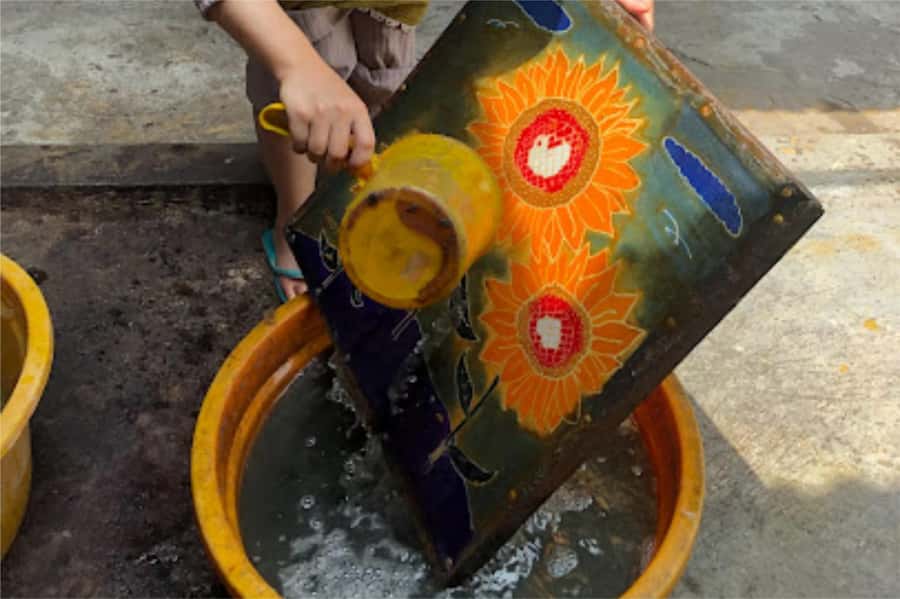
- You go through the later stages that turn the wax plan into a finished look, including drying and wax removal. Some sessions also mention acid washing, which is part of getting the final fabric result cleaned and stable.
What I like about how it is set up is that it doesn’t treat batik like a magic trick. The workshop breaks it into steps you can understand: wax placement matters, dye timing matters, and mistakes aren’t the end—they’re something the team can help correct, but only if you let them guide you.
And yes, batik is detailed work. Even when you’re doing a simpler design, you’ll feel how much care goes into clean edges and consistent coloring. That respect you gain is part of the value: you end up appreciating professional batik in a more specific way than just thinking it looks beautiful.
Choosing your time: from quick sessions to a near-full day of layering
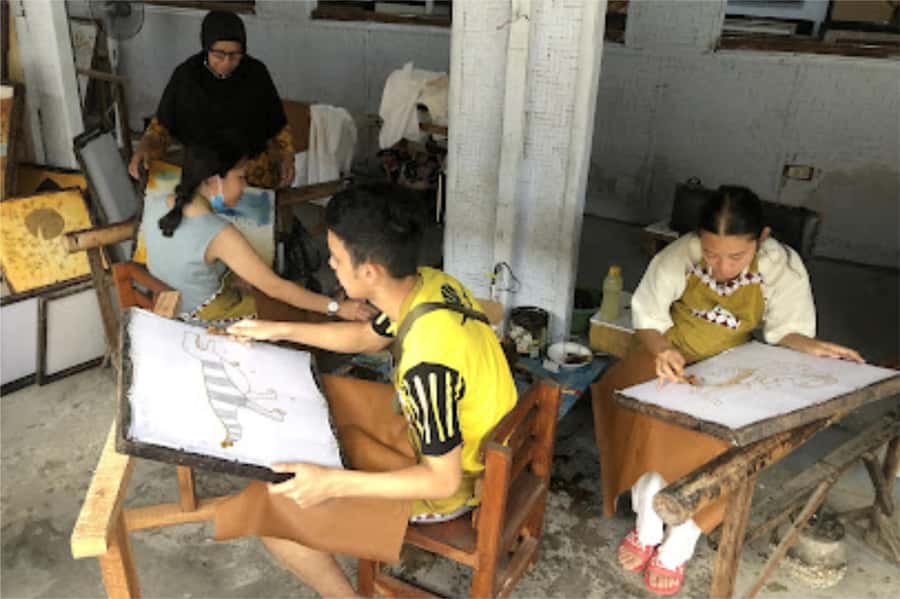
The course comes with different time options, ranging from short to longer sessions. The experience info says 2–5 hours, but it also clearly points to options as short as 1 hour and a full process that can take around 6 hours. In other words: you can pick “quick souvenir” or “real skill practice,” and the workshop adjusts accordingly.
If you’re doing the shorter course (often about 2 hours), you’ll still go through the key batik ideas, but you may get fewer steps and a smaller project. One person noted that the shortest option can be more like a simplified dye approach with less painting involved, while longer options let you do more detailed color work and line decisions.
If you choose the longer class—like a 5-hour or 4–5-hour style session—plan for it to run closer to 6 hours in practice. One reason is that batik timing depends on drying and the complexity of the design. If your linework or color choices become more detailed, the workshop pace stretches naturally. And if you hit a mistake, the team may pause to help you correct it properly, which takes extra time.
My practical tip: if you want the “I learned the process” feeling, I’d aim for 2–3 hours or longer. The 2-hour option can feel like a good start, but it can also leave you wanting more of the wax-and-dye layering story.
Motifs and meaning: why the patterns are not just decoration
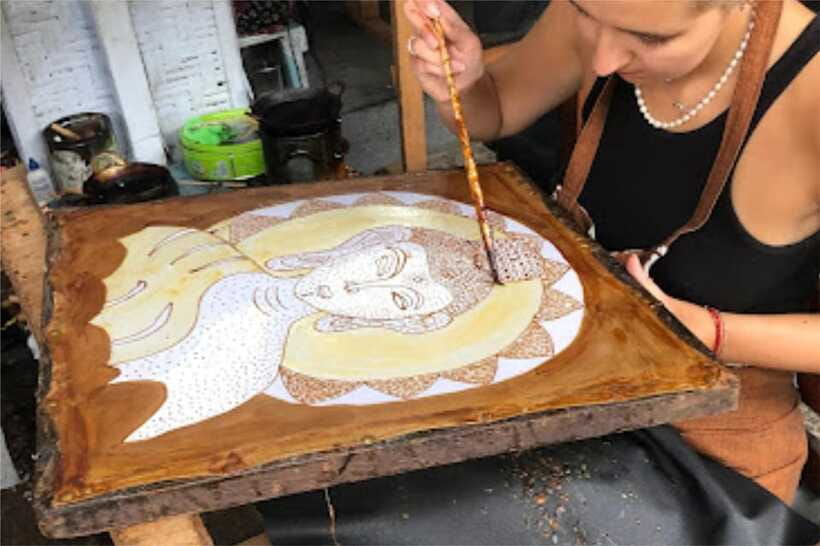
You’re not only painting. The workshop also includes the philosophy behind some common batik patterns. That matters, because batik motifs weren’t created just to fill fabric. Many patterns carry cultural meaning and traditional logic—what gets repeated, what gets placed, and how balance is built into a design.
In a short session, you’ll get a taste of that. In longer sessions, you have more time to connect the idea of a motif to what you’re actually doing with wax and dye. Even if you stick with templates, the pattern explanation helps you see why certain designs look the way they do.
Here’s how you can make this part count: pay attention during the pattern discussion and ask a simple question when guidance is offered. Even one or two clarifications can help you understand what you’re making, instead of treating it as a color craft only.
Your finished batik: how you take the work home
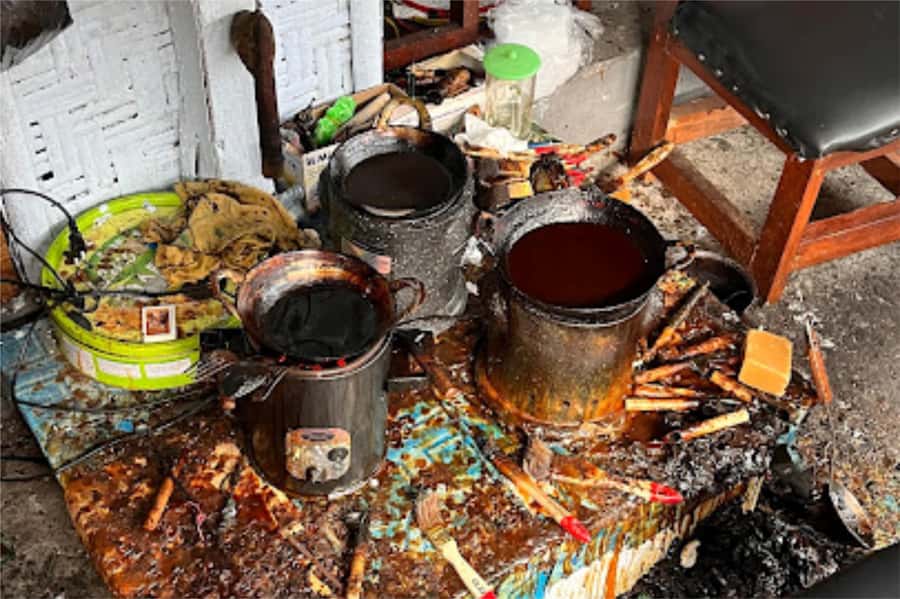
The workshop is built around one outcome: you leave with your own batik masterpiece. Materials and instruction are included, and the team guides you through the steps needed to get a wearable or display-ready result.
In practical terms, that means you’re not showing up with supplies. You’re working with what the studio provides, and you’re not stuck with unfinished fabric at the end of the class.
You’ll also likely be offered drinks during the session, with pauses that fit the chemistry of batik. When you’re waiting for wax or dye stages to set, staff time becomes drink time too. One detail that comes up in the experience is light snack support during waiting periods in longer sessions, so if you’re planning a half-day, it’s still smart to eat beforehand.
Finally, there is often a small souvenir angle. People mention a free souvenir at the end and note choices like small accessories from the shop. I’d treat that as a bonus, not the main reason to book. The main point is that you’re taking home the batik you made.




Price at about $8: what kind of value this really is
At $8 per person, this is one of the lower-cost ways to get meaningful hands-on cultural time in Yogyakarta—especially because it includes guidance, materials, drinks, and a take-home piece.
Value in craft workshops usually comes down to three things:
1) How much expert help you get while you’re actively working
2) Whether you can finish a real item, not just practice
3) Whether the materials and structure are covered
This workshop hits all three. You’re working with batik artists and a batik guru, you’re making a souvenir-worthy result, and your materials are provided. The small group limit (10 people) also matters: it reduces the chance you’ll be stuck waiting for attention when it counts.
The only caveat is session length. If you book the shortest option, the project may be simpler and smaller, and you may not cover as many layering steps. So if you care most about understanding batik’s full rhythm, pay attention to the longer options even if they cost more than the base short session.
Practical tips: how to show up and have an easy time
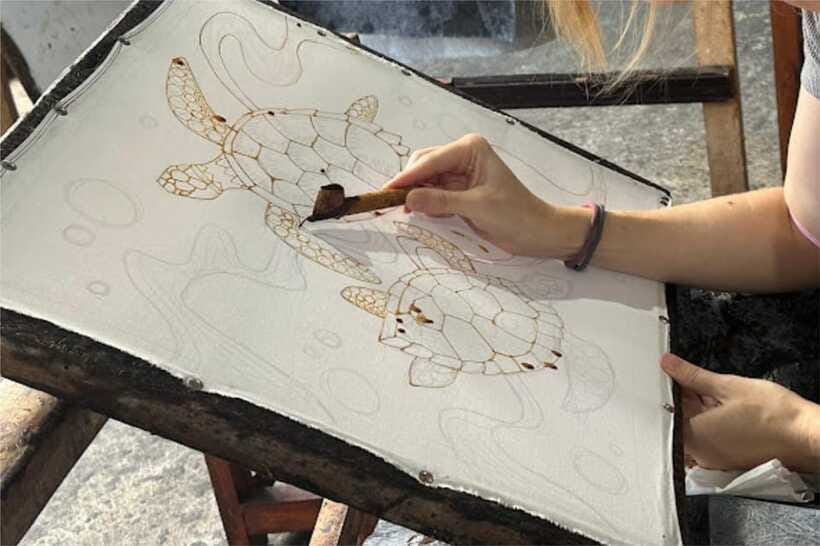
Batik dye work means there’s real risk of staining. The workshop is indoors, but you still need to treat it like a studio mess.
Do this:
- Wear clothes you don’t mind getting stained.
- Wear comfortable clothing you can sit in for a while.
- If you’re planning a longer session, eat beforehand. Even with drinks and possible light snacks, a proper meal keeps your energy steady through the drying waits.
Also, bring patience for the workflow. Wax-dye-resist crafts don’t move like a quick painting class. Drying stages and careful steps take time, and that’s part of the learning.
If you want the best result with the least stress, follow instructions closely during the wax line stage. Clean wax placement often makes everything after it easier.
Who this batik course fits best in Yogyakarta
This workshop is a strong fit if you want a creative activity that still feels culturally grounded. It works for:
- First-timers who are curious about how batik works
- Couples who want a shared “we made it” souvenir
- Families with kids who can sit through a craft session (it’s been enjoyed with children)
- People who want a calmer break from the city’s louder tourist circuit
- Anyone who likes crafts more than lectures
It may not fit as well if you’re on a tight schedule and only want something you can knock out in under an hour. But if you can give it a few hours, the workshop is designed to guide you step by step without needing experience.
Should you book this Yogyakarta batik making course?
I’d book it if you want an honest craft experience where you can actually make something and learn why it looks the way it does. The small group size, the English guidance, and the fact that materials and drinks are included make it a good value choice for Yogyakarta.
I’d think twice if you’re trying to do it as a rushed “tourist stop” or if mess and staining worries you a lot—because batik is a hands-on resist-dye process, not a hands-off demonstration.
If you’re choosing between durations, I’d base your decision on your goal:
- Choose the shorter session if you want a taste of batik and a simple take-home piece.
- Choose the longer session if you want more layering time and a fuller understanding of the process.
FAQ
Where is the meeting point for the batik course?
You meet at Batik Seno Gallery, JL. Mantrijeron, MJ. III/801, Kec. Mantrijeron, Kota Yogyakarta.
How long does the experience take?
The experience duration is listed as 2–5 hours, and it also offers options from shorter sessions up to a full process that takes about 6 hours.
Do I need any prior experience to take the class?
No experience is needed. The workshop is designed for first-timers.
Is the instruction available in English?
Yes. The instructor is listed as English.
What should I wear to the workshop?
Wear clothes you don’t mind getting stained. This is a craft process where dye and wax can be messy.
What is included in the price?
You get all materials, guidance from a batik guru, your own finished batik to take home, and drinks.