Kuta turns into a mini craft studio when you make your own silver jewelry. This hands-on class pairs Balinese silversmith know-how with an English-speaking guide, and you leave with something you personally made. You’re not just watching a demo.
I love how the workshop is built around real making steps, using 5–7 grams of pure Indonesian silver and including sanding and polishing. I also like that you get to choose what you’ll create, then take your finished piece home as a real holiday souvenir.
One possible drawback: the meeting point can vary by option, and the studio can be a little tricky to spot without help. If you want an easier start, consider hotel pickup only if you select it.
In This Review
- Key things I’d zero in on
- Why a silver-making class in Kuta is worth your time
- What you will make: earrings, rings, pendants, and more
- The studio process: from silver basics to a finished souvenir
- Guides, group size, and the human side of making jewelry
- Choosing optional tours and activities from the same base
- Timing in Kuta: how long to block and how to avoid stress
- Price and value in Bali: what $5 really means here
- What the finished jewelry is like (and what to ask before you start)
- Shopping vs making: why you’ll probably remember this more
- Who this is best for (and who should think twice)
- Should you book the Silver Class in Kuta?
Key things I’d zero in on
- 5–7 grams of pure Indonesian silver are included, so you’re not just paying for instruction
- Pick your jewelry: earrings, rings, or a pendant (with other creative options depending on the package)
- English live guide + English audio guide, which makes the process easier to follow
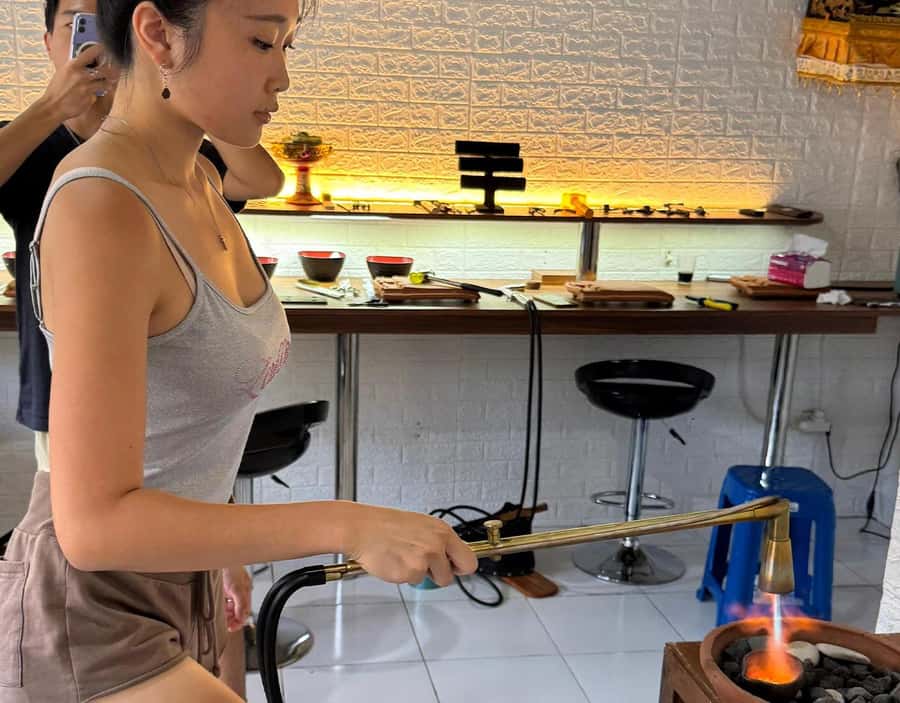
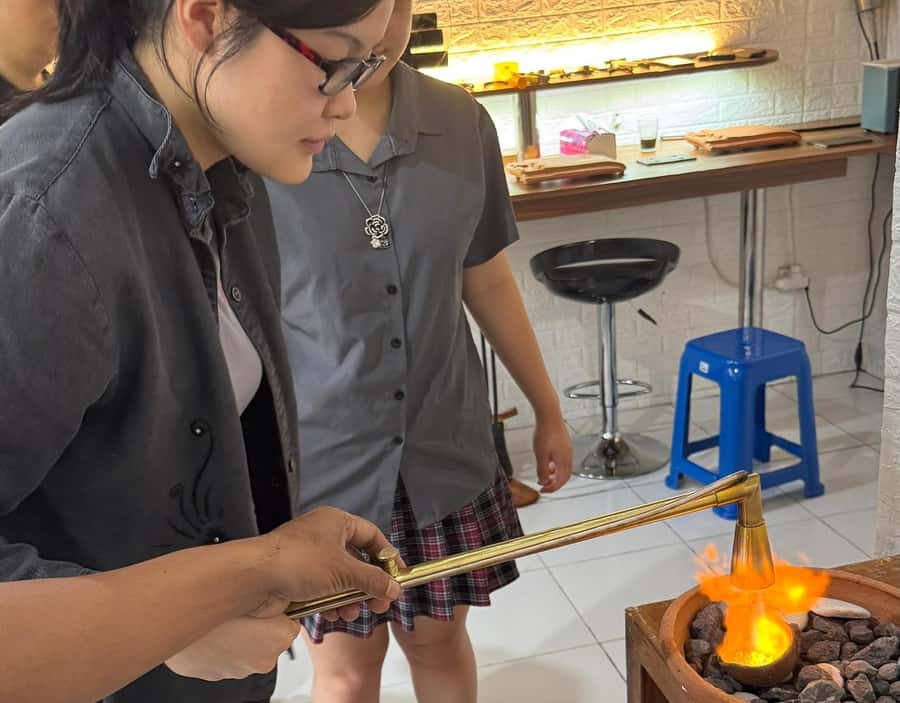
- You’ll do hands-on work, but the pros handle the trickier metal steps like smelting and shaping
- Take-home results you can wear, gift, or keep
Why a silver-making class in Kuta is worth your time
If Bali has taught me anything, it’s that the best souvenirs are the ones with a story attached. A silver jewelry workshop in Kuta delivers that fast. You show up, pick a design direction, and spend a focused stretch learning how silver becomes wearable art.
This class is especially attractive for people who want something creative but not intimidating. The structure is clear: there’s guidance from a local instructor, you work with a set amount of silver, and you leave with a finished piece. That means you’re not stuck with the vague feeling of paying for something you never really understood.
It’s also a nice change of pace from Bali’s usual routine of scooters, temples, and shopping streets. One review notes the location is just off the strip at Legian, and that it can be a helpful escape when rain hits. Even if the weather cooperates, the workshop gives you a calm, purposeful block of time to yourself or your group.
You can also read our reviews of more tours and experiences in Kuta.



What you will make: earrings, rings, pendants, and more
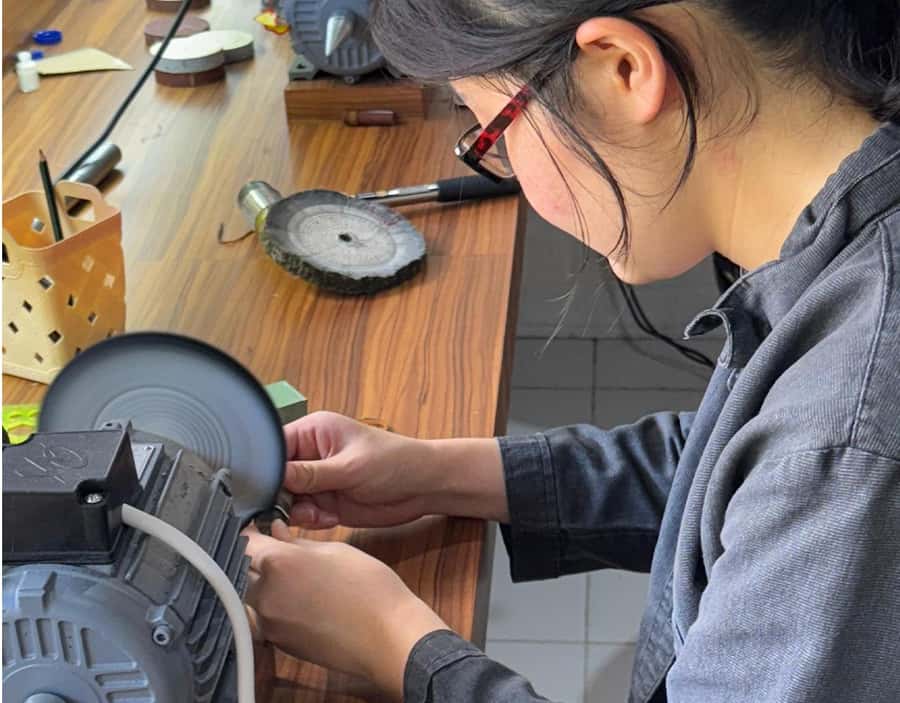
The core options are straightforward: you can create a pair of earrings, a ring, or a pendant. The idea is simple: you’ll work from fresh silver and shape it into your design, then polish it so it’s ready to wear.
Packages may offer other choices depending on what you book. Some descriptions mention imaginative creations beyond the standard trio, and there are examples of guests choosing items like bracelet-related pieces. If you’re going in with a specific plan, it’s smart to confirm your item before you arrive so you don’t end up redesigning on the fly.
The silver amount matters too. Many jewelry souvenirs are mostly labor, with the materials quietly marked up. Here, the included amount is explicit: 5–7 grams of pure Indonesian silver. That gives you something concrete to compare the price against, even if you’re not a jewelry person.
The studio process: from silver basics to a finished souvenir
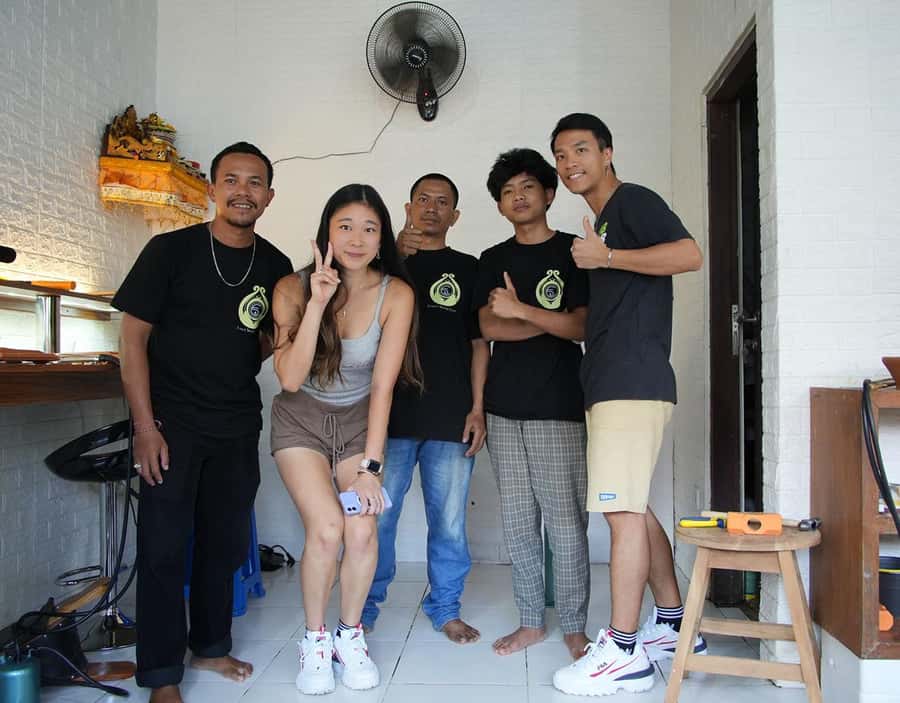
Here’s what the class is set up to teach, step by step. You start with raw silver (fresh metal), and the workshop focuses on turning that metal into something polished and wearable.
You can think of the process in three phases:
1) Learn the craft basics
The class includes a history and evolution of silver jewelry making in Kuta. This isn’t presented as a long academic lecture. It’s more like context so you understand what you’re doing and why certain steps matter.
2) Hands-on making time
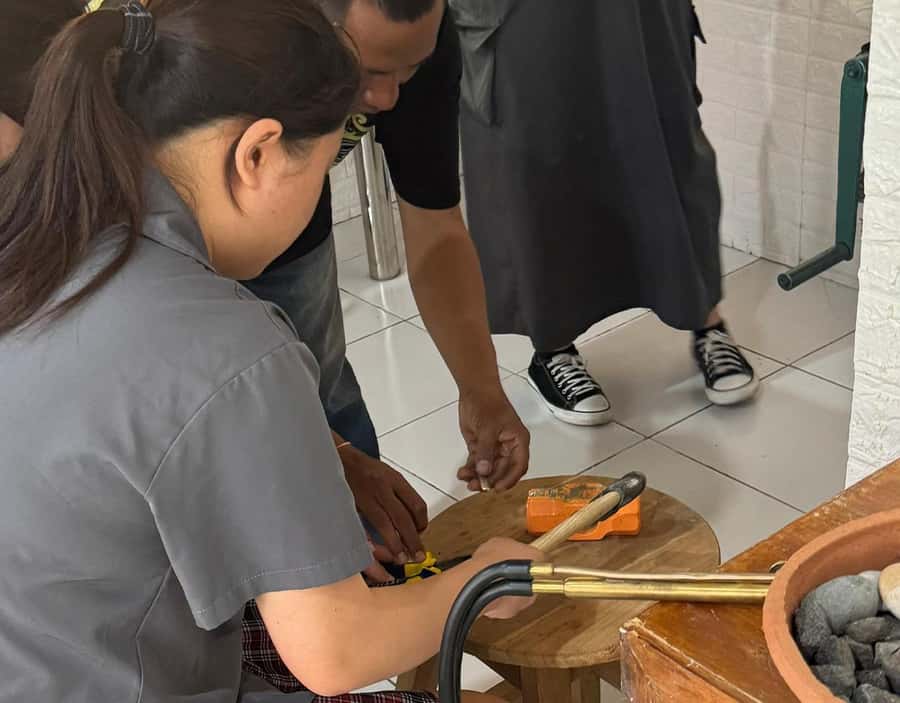
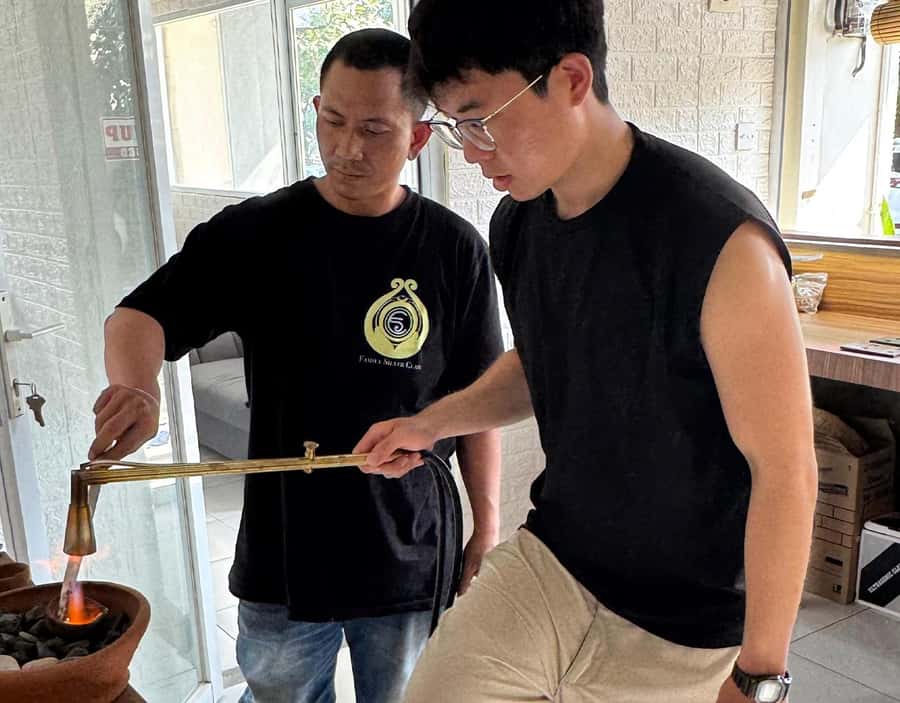
You’ll work on your design and go through shaping and finishing steps with support from the craftsmen. One helpful detail: in at least some experiences, guests found that the hardest parts like melting and shaping are handled mostly by the pros, while you still do meaningful steps. That strikes a good balance. You get the satisfaction of making it, without the fear that one mistake ruins everything.
3) Finish, polish, and take it home
Included sanding and polishing are part of what you’re paying for. That finishing step is where silver turns from raw metal into something that looks like jewelry, not a craft project.
A detail I appreciate from the descriptions is that the class includes the full arc from silver work through to the final fitting. It’s less about learning one technique and more about understanding a full creation workflow.
Guides, group size, and the human side of making jewelry
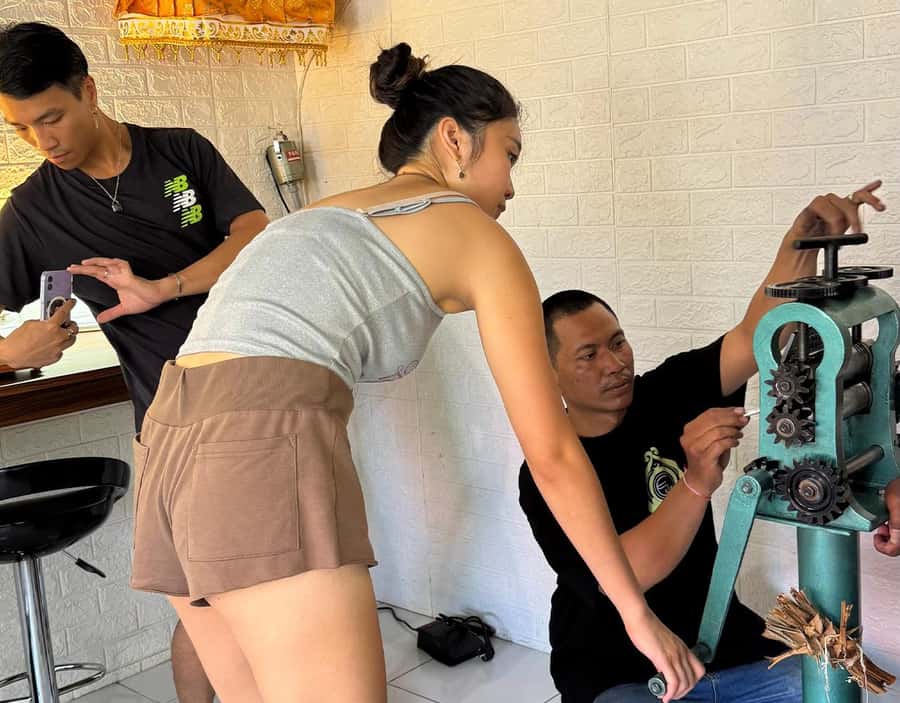
This is one of those activities where the guide quality really changes the experience. The class is offered with a live tour guide in English, plus an English audio guide. That’s a big deal when the work is hands-on and you need quick clarity.
The vibe in the workshop seems to be friendly and patient. Multiple experiences highlight how staff are welcoming, cheerful, and willing to guide you through every stage. One review specifically calls out a one-on-one feel where the guide involved them deeply in the process.
You’ll also notice names showing up in reviews. Some guests mentioned guides such as Kutut, Iluh, and Walan. Another wrote about being greeted by a young man named Carter. Those kinds of specific mentions usually mean staff aren’t just hovering in the background. They’re actively helping you get to a finished piece you like.
Group size can also matter. The offering includes private or small groups, which is excellent if you want personal attention. If you’re traveling solo, a small-group format can be a comfortable way to join an activity without feeling lost in a crowd.
Choosing optional tours and activities from the same base
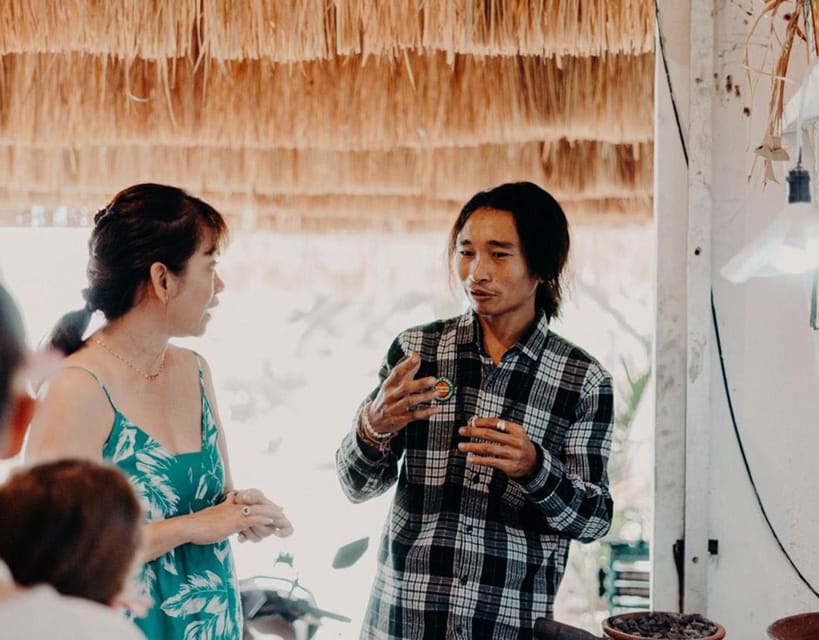
The workshop is described as having optional tour and activity add-ons. Depending on what you select, you might get hotel pickup and even an entrance ticket to attractions.
This matters for planning. If you’re building a half-day around Kuta/Legian, the jewelry class can work as either:
- a creative break between sightseeing days, or
- the main event, with optional extras filling in the rest of the time
Because the package choices can change what’s included, your best move is to double-check what your specific option covers—especially the attractions portion. The baseline class includes the jewelry materials and process steps, while entrance tickets depend on the option you choose.






Timing in Kuta: how long to block and how to avoid stress
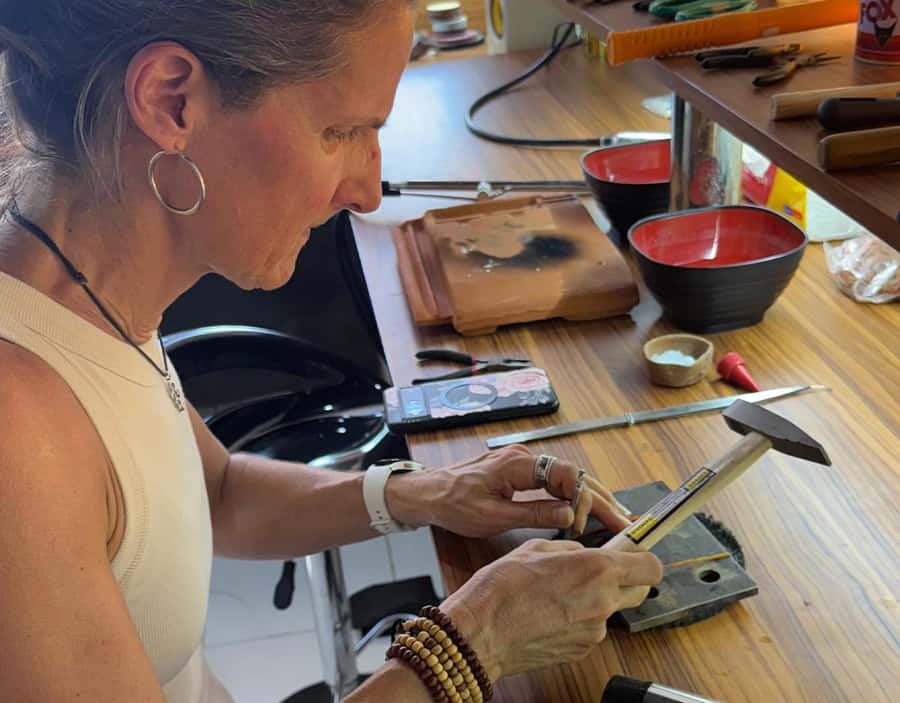
Duration is listed as 1–6 hours depending on what you book, but the class experience itself is described as typically a 2–3 hour workshop. That difference likely comes from optional pickup, combined activities, or add-ons.
If you want a low-stress plan, I’d block at least half a day. It’s not because the craft takes forever—it’s because Kuta traffic, meet-up timing, and picking up your bearings can take time.
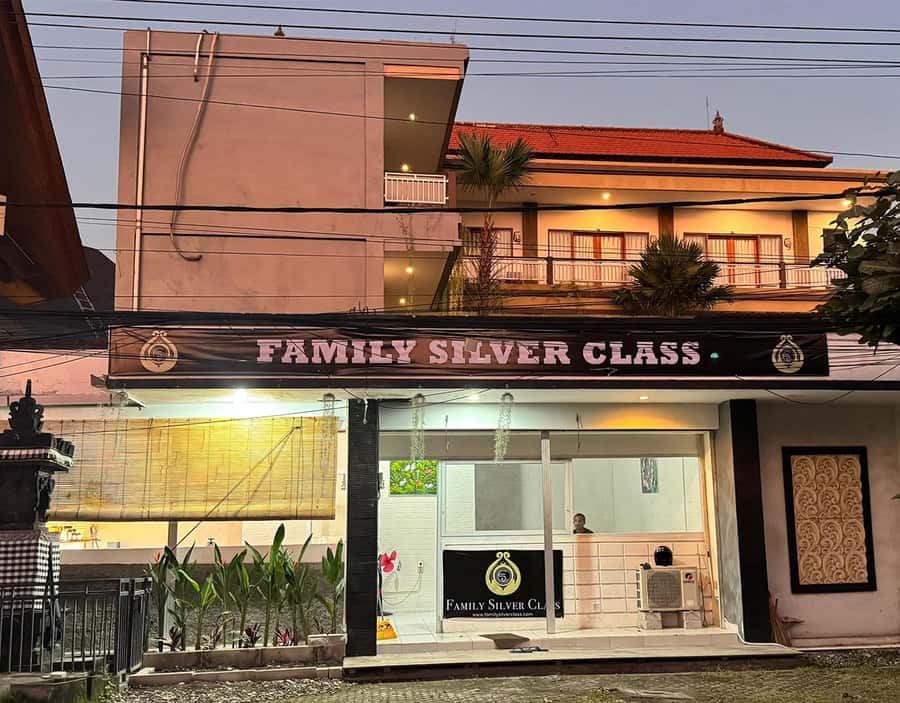
Also note the meeting point may vary based on the option you select, and the studio location can be a bit hard to find for first-timers. One review mentioned it was easy to spot with Google Maps and that it sits just off the strip at Legian, while another said it was harder to find and needed help. Translation: if you’re going without pickup, give yourself a little extra buffer to find the place.
Hotel pickup is optional, but if you’re staying farther from Kuta, or you just don’t want to navigate, selecting pickup can be worth it. You confirm your address or hotel by contacting them in advance.
Price and value in Bali: what $5 really means here
The price is listed as $5 per person in the summary. At that price point, the standout value is what’s explicitly included: an English-speaking guide, 5–7 grams of pure Indonesian silver, and finishing steps like sanding and polishing, plus you take your piece home.
Even if the final cost changes with optional add-ons, the pricing structure suggests you’re not just paying for a long marketing pitch. You’re paying for:
- a set quantity of silver material
- guided hands-on work
- and a finished souvenir outcome
One review mentions paying a little more for a bracelet due to the amount of silver, and feeling it was worth it. That lines up with how jewelry classes tend to price materials: more silver and more complex outcomes often cost more. If your goal is the maximum “value per gram,” you might ask what your chosen item uses in terms of silver quantity.
Bottom line: for a low-cost Bali activity that ends with something tangible, this workshop checks a lot of boxes.
What the finished jewelry is like (and what to ask before you start)
You’ll leave with jewelry you made yourself. That’s the emotional payoff. A ring or pendant you shape with your own hands tends to feel more meaningful than buying something off a rack.
The class also supports customization in at least some cases. One experience notes that guests added engraving, and another mentions gold plating being available. Those details may depend on what’s offered at your session, so your practical move is to ask what customization options are available for your item type before you finalize your design.
Also ask how the work is divided between you and the pros. In some experiences, staff handle the technical steps like smelting and shaping, while you contribute to the parts you can safely manage. That can actually be a plus: you get to participate without worrying about ruining the metal.
And if you care about comfort during the workshop, pay attention to small support details. One review mentioned water being supplied, which is a small thing but makes a studio session easier to enjoy.
Shopping vs making: why you’ll probably remember this more
Bali shopping is fun, but it can blur together fast. A jewelry workshop is different because it gives you a direct memory anchor: your ring design choice, the way silver behaves, the final polish, and the moment you see it finished.
This kind of activity also gives you something to do when you want a break from the heat. It’s indoors, focused, and structured around a single goal. For people who don’t want another day of driving around, it’s a calm option.
And because it’s hands-on, you’ll likely feel more connected to the result. Even if the pros do the trickiest metal steps, your involvement in choosing the piece and shaping the result is the part that makes it feel personal.
Who this is best for (and who should think twice)
This class is a great fit if you:
- want a creative, hands-on Bali activity with a clear outcome
- like the idea of making a wearable souvenir
- enjoy working with your hands but don’t want to handle complex metalwork without help
- want an English-friendly guided experience
It may be less ideal if you:
- want a long sightseeing day with lots of walking and big scenery stops
- aren’t interested in creating jewelry and would rather spend your time elsewhere
- need a highly specific meeting point or exact pickup time without variation, since the meeting point can change by option
If you’re traveling with friends or family, the small-group or private format can keep it from turning into a rushed assembly line. One review even mentioned a family including an eight-year-old daughter enjoying the experience, which suggests it can work across ages as long as you’re comfortable with a workshop environment and guided participation.
Should you book the Silver Class in Kuta?
I’d book it if you want a low-cost Bali activity that ends with a tangible souvenir and real skill-building. The included materials (5–7 grams of pure Indonesian silver), the guided English support, and the fact you take the jewelry home make the value feel solid.
Before you commit, decide what item you want—ring, earrings, or pendant—and check whether your option includes any add-ons you care about. If you’re worried about finding the place, select hotel pickup when it’s offered. If you want customization like engraving or gold plating, ask what’s available for your exact session and design.
If your goal is a memorable, hands-on craft moment in Kuta or Legian, this one fits the bill.