Uluwatu at sunset feels like a movie scene. This evening tour pairs skip-the-line access to the clifftop Uluwatu Temple with the Kecak Fire Dance show as the sky turns gold. I like how it’s built around two big moments—temple views from high above the sea, then a traditional performance in an open-air amphitheater.
One thing to plan for: the ride can be long, and the wait for the show can feel hot and crowded. Uluwatu is popular, and timing matters, so come ready to stand, watch, and be patient.
In This Review
- Key points to know before you go
- Why the Uluwatu cliff sunset feels special
- Uluwatu Temple: skip-the-line and what your guide will show
- Walking the temple grounds with monkeys in mind
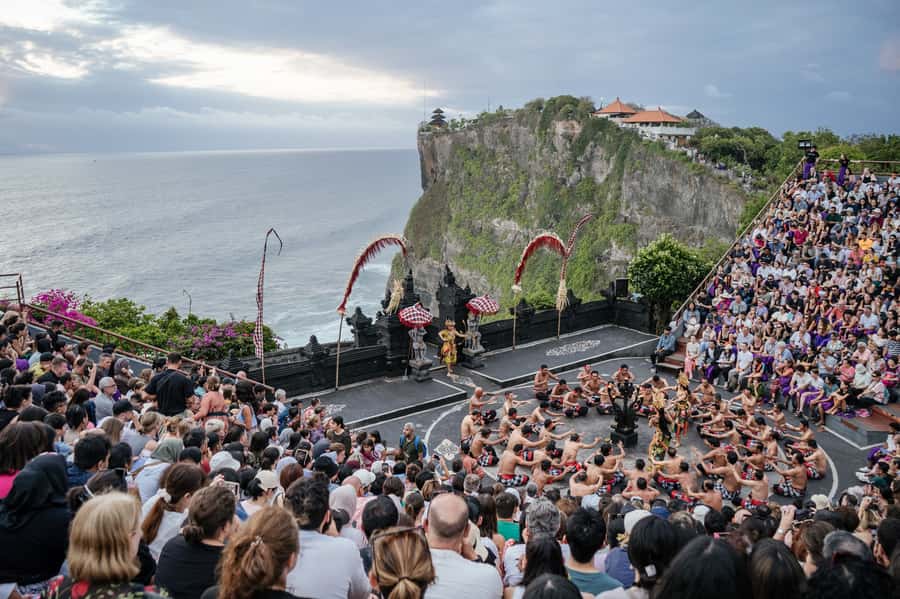
- Kecak and Fire Dance at the open-air amphitheater
- Timing, pickup drop-offs, and the small-group ride
- Dress code, what to bring, and practical safety
- Is this tour worth $27 for you?
- Should you book this Uluwatu and Kecak tour?
- FAQ
- How long is the Bali Uluwatu Temple and Kecak tour?
- Is hotel pickup included?
- What does the tour include?
- Does this tour help you avoid long lines at Uluwatu Temple?
- What dress code do I need to follow?
- Are monkeys a problem at Uluwatu Temple?
- How big is the group?
- What languages is the tour guide available in?
- Is this tour suitable for people with mobility impairments?
Key points to know before you go
- Skip-the-line temple entry helps you use your time for the sights and photos.
- Uluwatu Temple is 70 meters above sea level, with serious spiritual status on Bali.
- Kecak and Fire Dance is staged with chanting, storytelling, and a choir backing the drama.
- Small group (max 5) keeps things manageable, especially around ticket timing.
- Monkeys are a real factor—secure sunglasses, hats, phones, and anything loose.
- Strict dress code means bring a sarong/scarf/sleeved layer even if it’s hot out.
Why the Uluwatu cliff sunset feels special
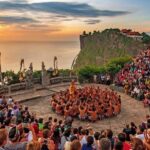
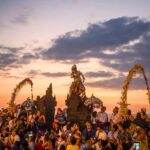
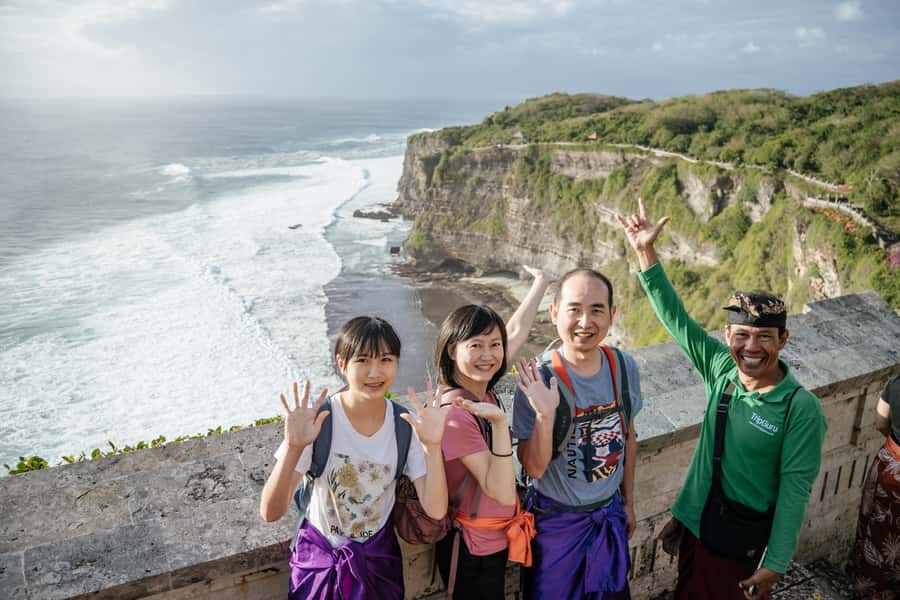
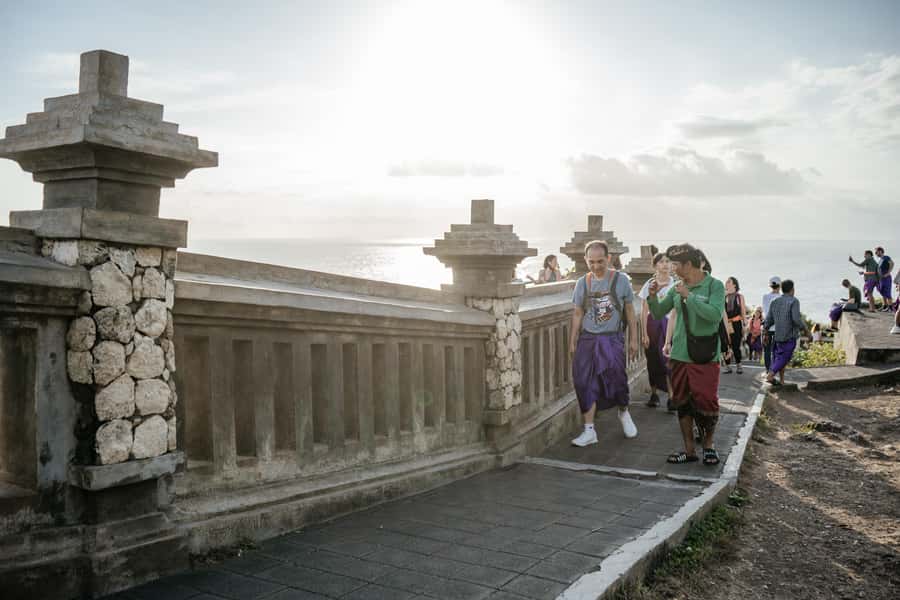
Uluwatu Temple sits high on a cliff—70 meters above sea level, so the ocean views aren’t just nice, they’re the whole point. This tour is scheduled for the late-afternoon to evening mood, which is when you get that dramatic Bali sunset light hitting the rock and water below.
You’ll also get a guided context before the show starts. That matters because Uluwatu isn’t only a photo spot. It’s an 11th-century temple and one of Bali’s six key temples, treated as a spiritual pillar. When someone explains that, the sunset feels less like a background and more like part of the setting.
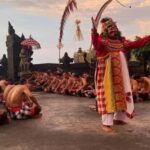
And yes, the Kecak performance adds real energy. The chanting rhythm, the storytelling format, and the costume work make the whole evening feel cohesive, not like two random stops stacked together.
You can also read our reviews of more tours and experiences in Uluwatu Temple.
Uluwatu Temple: skip-the-line and what your guide will show
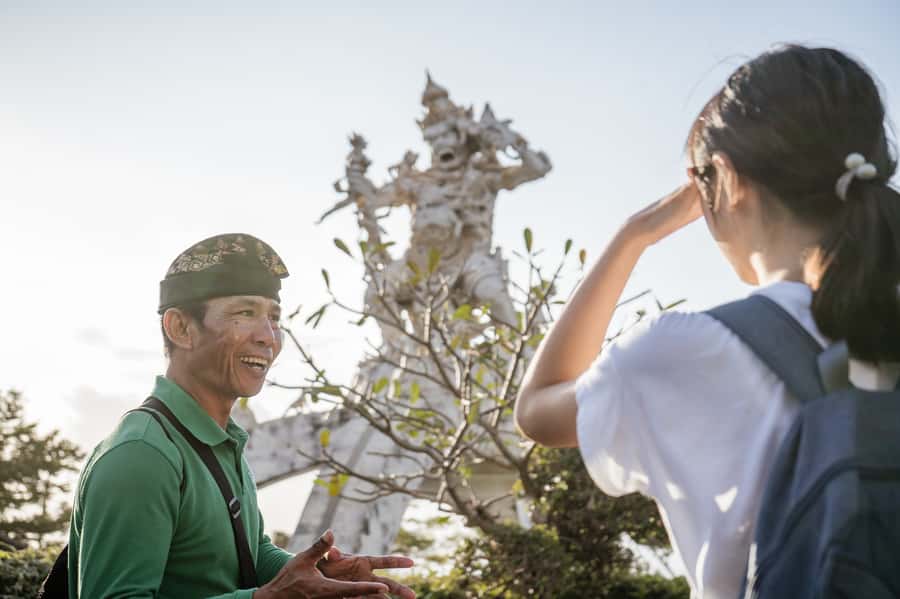
Your tour’s temple section is about quality time, not just wandering. You’ll visit Uluwatu Temple with a local guide who shares the site’s historical and religious significance—plus how it fits into the wider spiritual map of Bali.
The skip-the-line part is genuinely useful here. Uluwatu can draw big crowds, and anything that reduces waiting time helps you spend longer on the grounds and viewpoints. Even with a guided plan, you still get room to stroll and photograph the temple surroundings rather than being rushed from gate to gate.
A practical plus: your guide also helps with timing so you’re not scrambling. In real-world moments, guides often handle ticketing and grouping so you can keep your place and not lose time during busy transitions.
If you’re the type who likes understanding what you’re seeing (not just taking pictures), this is the right structure: temple first, then the performance.
Walking the temple grounds with monkeys in mind
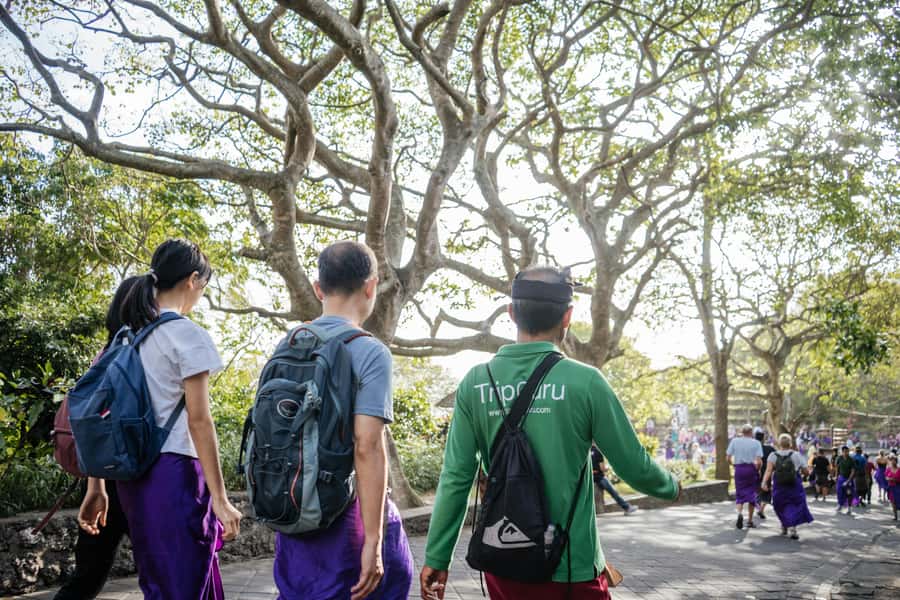
The temple grounds come with a very local wildlife reality: monkeys. The tour’s instructions are direct about it—keep a watchful eye, because monkeys are known to pick up and interact with items people carry.
From a practical standpoint, I’d treat monkeys like moving hazards. Keep your hands free. Don’t hang things off your bag. If you bring sunglasses, store them securely, not on top of your head. Hats are also risky, and phones are even worse if they’re loose or exposed.
Also pay attention to the dress code here, because clothing affects how smoothly you can move through the sacred areas. No shorts, no short skirts, and no sleeveless shirts. If your outfit is borderline, expect restrictions to be enforced.
One more tip: keep calm if a monkey gets curious. Quick, controlled reactions work better than sudden grabbing and shouting. Guides are used to dealing with the situation, and they can help you stay together and avoid turning a minor moment into a bigger one.
Kecak and Fire Dance at the open-air amphitheater
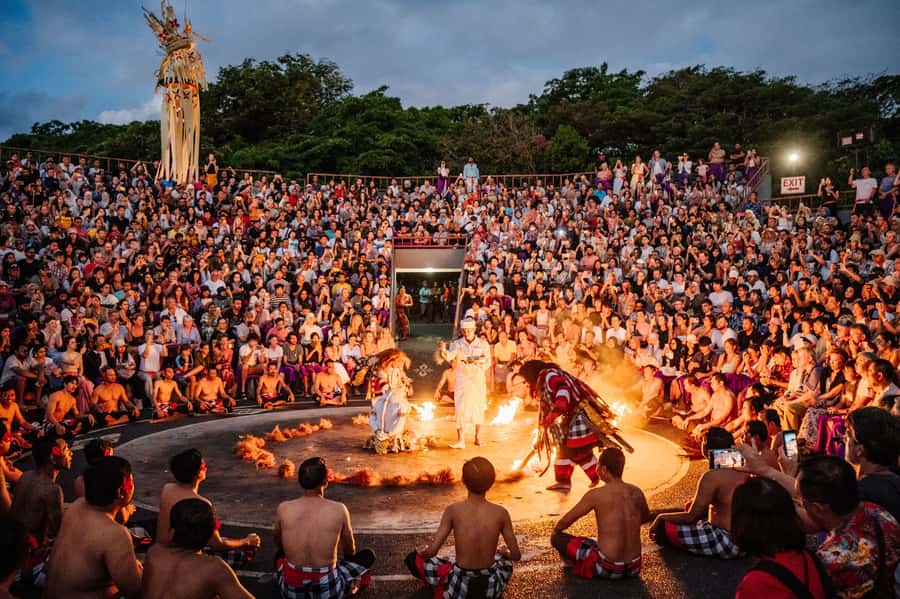
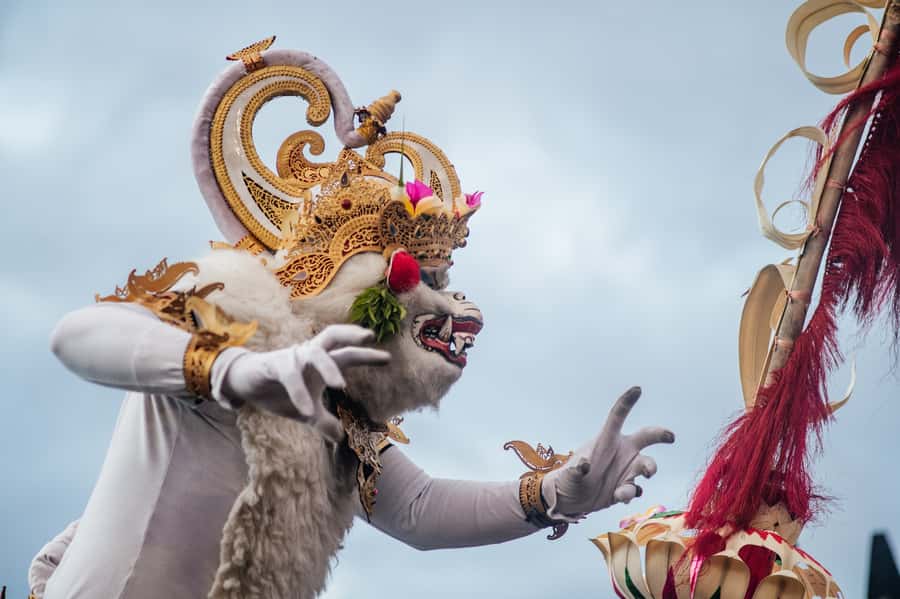
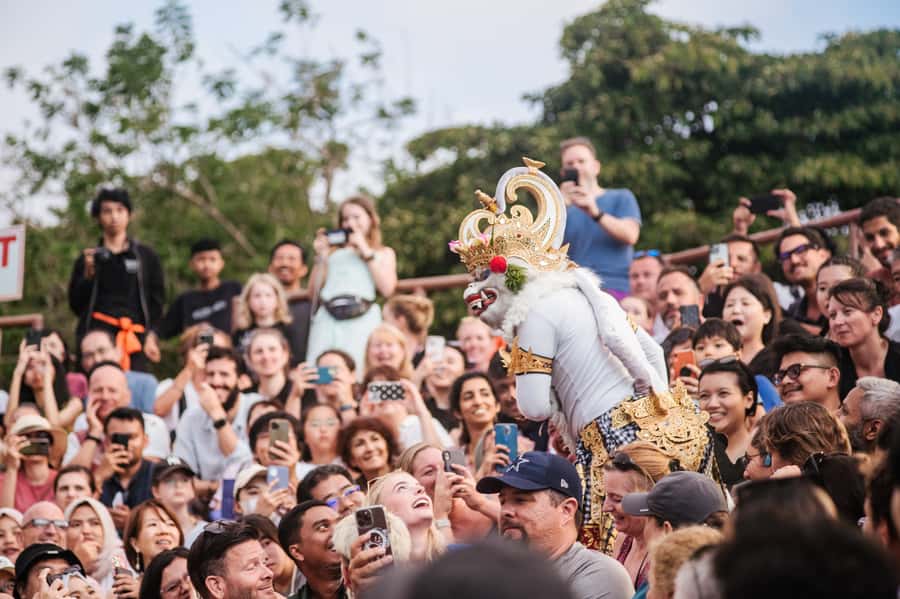
After the temple walk, you’ll head to the open-air amphitheater for the Kecak and Fire Dance. This isn’t a quiet museum stop. It’s a performance built on voice, rhythm, and staged storytelling—traditional Balinese song and dance with a choir-like backing.
The show is typically about an hour, and it’s designed so the chanting feels like it’s driving the drama forward. The sunset backdrop is a big deal: even if you arrive and think you’re just early, the light shift makes the performance feel more cinematic.
A fair warning based on real experience: the fire element may not feel as intense as the name suggests. Some people expect constant big flames, while the staging can feel more about choreography and atmosphere. If you’re expecting a full-on fire spectacle every minute, you might find it less dramatic than you pictured—but you can still enjoy it as a cultural performance with strong crowd energy.
What I like most is the humor and showmanship people describe. It’s not all serious ritual. It has personality, and that keeps the amphitheater from feeling stiff.
Timing, pickup drop-offs, and the small-group ride
This is an evening tour with a total duration of about 330 minutes (5.5 hours). That time includes pickup, travel, the temple visit (around two hours), the Kecak section (around one hour), plus transitions between stops.
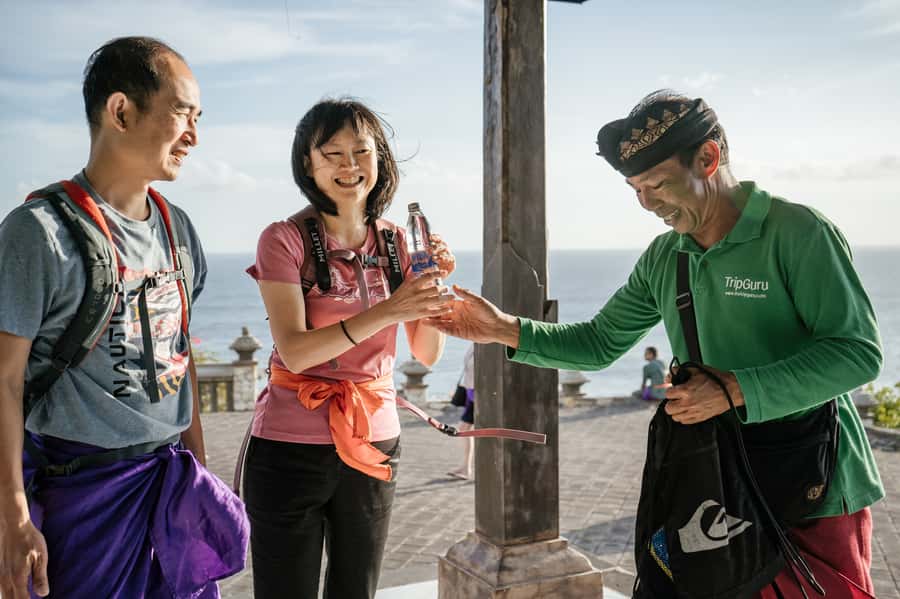
Pickup is optional, but if you’re staying in the eligible zones, it’s convenient: Kerobokan/Krobokan, Seminyak, Legian, Kuta, Jimbaran, and Nusa Dua. You meet your guide in the hotel lobby about 10 minutes before the pickup time, and the guide will be holding a TripGuru sign and/or wearing a TripGuru shirt. That detail matters in busy Bali lobbies.
The group size is limited to 5 participants, which helps with logistics. It’s easier for your guide to keep you together during ticket lines, and it’s less chaotic when everyone wants the same photo angles near viewpoints.
Drop-off is also thoughtfully spread out—Legian, Seminyak, NANDA Laundry, Uluwatu Temple, Kerobokan, Kuta, and Jimbaran—so you’re less likely to end up stranded across the island from where you started.

Dress code, what to bring, and practical safety
You’ll want to dress for a temple and a cliff evening. The tour is strict: no shorts, no short skirts, and no sleeveless shirts. Shoulders, underarms, back, and knees need to be covered, and enforcement is described as firm.
Since Bali evenings can still be warm, plan smart coverage instead of bulky clothing. A light sarong/scarf or a breathable layer you can carry works well. If you forget, the whole vibe shifts into frustration before the sunset even arrives.
What to bring is pretty clear, and I agree with it:
- Comfortable shoes for uneven temple paths
- Sunglasses and sunscreen for the outdoor parts
- Hat for sun and light protection
- Insect repellent because Uluwatu has wildlife energy
- Camera so you don’t regret it later
- Cash for personal purchases (meals aren’t included)
Also keep your belongings close. The tour warns that monkeys can reach for items, and people often learn this the hard way with glasses or small accessories. If something dangles, it’s fair game.
Is this tour worth $27 for you?
At about $27 per person, the value depends on what you’d otherwise pay and how much effort you want to save. This price includes the Uluwatu Temple entrance ticket (if your selected option includes it), the Kecak dance show, a local guide, water, and transport in an air-conditioned vehicle. Insurance is also included.
That’s the big reason this works for many people. If you tried to piece it together yourself, you’d pay for at least some combination of: temple entry, show entry, guide help (or your own navigation), and a private or semi-private ride to handle pickup and drop-off.
Where it’s especially good value is when you care about timing. Sunset tours live or die by schedule. The guide’s job isn’t just information—it’s making sure you don’t waste your best light waiting around for tickets or getting separated in the crowd.
The only “cost” you really pay is patience: travel time and a wait for the show. If you hate crowds or dislike standing in heat, choose a different plan. If you can handle that, it’s a strong deal for the two-hit combo: temple + performance.
Should you book this Uluwatu and Kecak tour?

I’d book it if you want an easy, structured evening in Uluwatu with less stress around logistics. The skip-the-line temple access, the small group size, and the guided context make it feel efficient without making it feel rushed.
I’d pause if you know you won’t enjoy standing around in a busy open-air amphitheater or if you’re sensitive to heat. I’d also skip it if you have mobility impairments, since it isn’t suitable per the tour’s information.
One last self-check: are you excited for the culture side, not only the sunset? If you want to understand why Uluwatu matters and then watch Kecak and Fire Dance as a living tradition, this is the right format.
If you’re on the fence, I’d lean yes—just pack for the temple rules and treat the monkeys like part of the evening plan.
FAQ
How long is the Bali Uluwatu Temple and Kecak tour?
The total duration is 330 minutes, which is about 5.5 hours.
Is hotel pickup included?
Pickup is optional and free only from certain areas: Kerobokan/Krobokan, Seminyak, Legian, Kuta, Jimbaran, and Nusa Dua. If you’re not in those zones, you may need to meet at the starting/pickup location shown for your option.
What does the tour include?
It includes the Uluwatu Temple entrance ticket if your selected option includes it, the Kecak dance show, a tour guide, water, air-conditioned vehicle transport, hotel pickup/drop-off if selected, and insurance.
Does this tour help you avoid long lines at Uluwatu Temple?
Yes. The tour is described as a skip-the-line experience so you can go straight into the temple (when the entrance-ticket option is selected).
What dress code do I need to follow?
The tour has a strict dress code: no shorts, no short skirts, and no sleeveless shirts. You should cover shoulders/underarms/back and keep knees covered. Bringing a sarong/scarf/sweater to cover up is recommended.
Are monkeys a problem at Uluwatu Temple?
Yes. The tour explicitly warns that monkeys are in the vicinity and may grab or interact with items. Keep a close watch on your possessions and avoid carrying anything loose that could be taken.
How big is the group?
The group is small, limited to 5 participants.
What languages is the tour guide available in?
The live tour guide speaks German, English, and French.
Is this tour suitable for people with mobility impairments?
No. It is listed as not suitable for people with mobility impairments.