One visit that makes Bali feel raw. You’ll see the Trunyan cemetery and the Bali Aga burial customs, then unwind at Batur Natural Hot Spring with a Lake Batur view; I especially like how the day pairs serious culture with a soak and a couple of well-preserved villages, even though the cemetery stop can feel intense if you’re sensitive to exposed remains.
This is a small-group tour (up to 6 people) that runs from hotel pickup at 08:00 and moves fast enough to fit Lake Batur, a boat crossing, two villages, and Tibumana Waterfall in one day. I like that you get an English-speaking driver/guide and real access to Trunyan via boat, with guides such as Darma and Putu praised for thoughtful explanations and careful driving, though you should note it isn’t set up for wheelchair users.
In This Review
- Key highlights worth paying attention to
- Trunyan Cemetery on Lake Batur: Bali Aga rituals you won’t see elsewhere
- The Songan-to-Trunyan boat crossing: a practical way to reach an isolated village
- Batur Natural Hot Spring: soak time with the lake view built in
- Penglipuran Village: community order you can actually see
- Tibumana Waterfall: romantic photos, and how to enjoy it without chasing crowds
- A realistic 1-day schedule starting at 08:00
- Price and value: what $92 includes and why it’s not just a “ticket”
- Guide quality: Darma, Putu, Wayan, and Mur make the day easier to understand
- Who should book this tour (and who should think twice)
- Should you book this tour?
- FAQ
- What time does the tour start?
- Where can the tour pick me up?
- What does the tour include?
- How long is the tour?
- Is the tour suitable for wheelchair users?
- Which languages are used during the tour?
- Can I cancel for a refund, and can I pay later?
Key highlights worth paying attention to

- Trunyan by boat: Songan Village crossing is part of why the cemetery visit works at all.
- Bali Aga burial tradition: Pre-Hindu animist customs, with bodies laid out in a ravine.
- Hot spring + Lake Batur views: You get your relaxation with scenery, not just a soak.
- Penglipuran’s layout and harmony: A traditional village known for cleanliness and community feel.
- Tibumana Waterfall’s photo reputation: Great for romantic shots, and a good final stop before heading back.
- Guides who explain: Named guides like Putu, Wayan, Mur, and Darma come up for clear, attentive guiding.
Trunyan Cemetery on Lake Batur: Bali Aga rituals you won’t see elsewhere
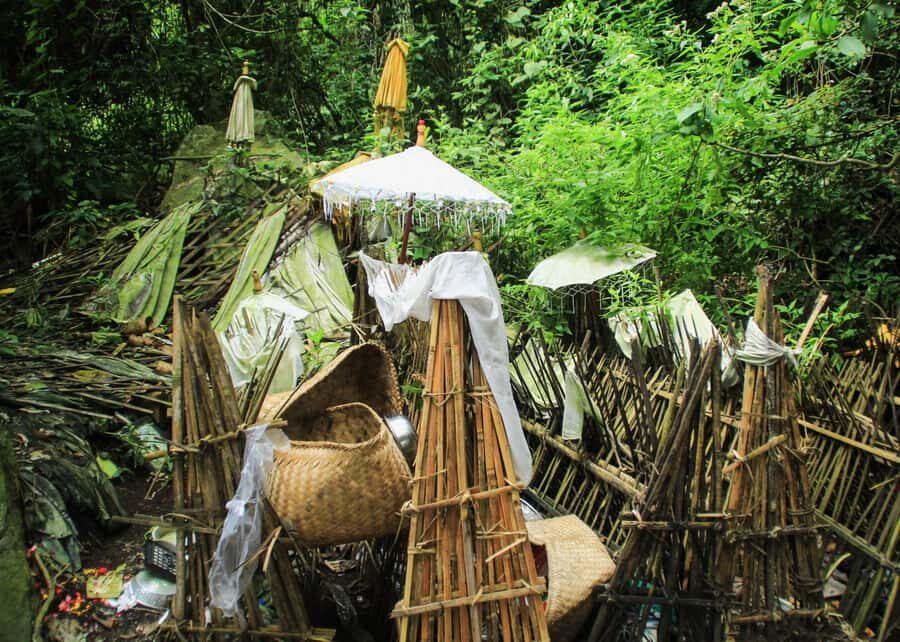
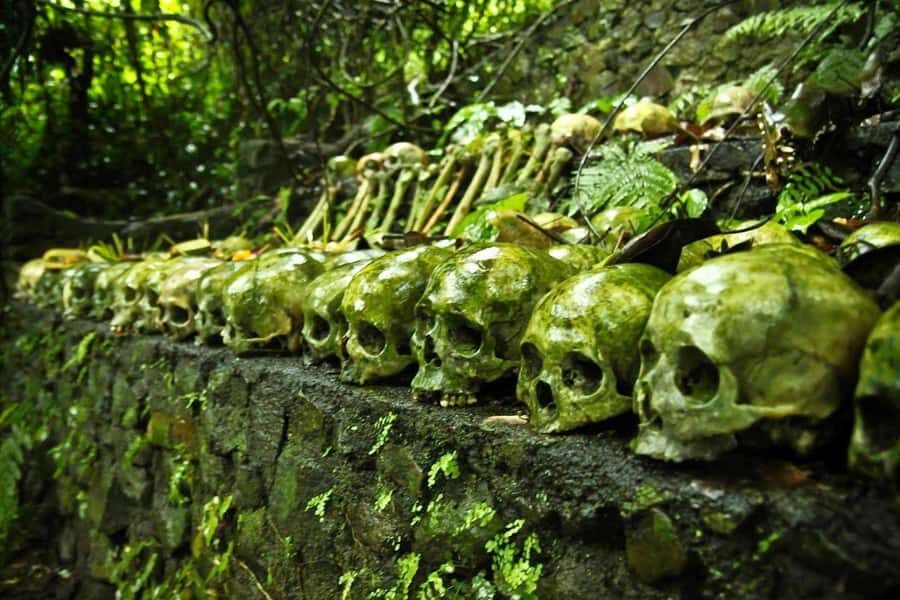
Trunyan is the kind of place that changes your idea of what Bali is. Instead of temples and fireworks, you’re looking at a living community tied to pre-Hindu animist beliefs. The people there identify as Bali Aga, often described as original Balinese, and their funeral tradition is famously different: the dead are not cremated. Bodies are laid out in a ravine not far from the village, left to nature and the elements.
Why this stop is so valuable is simple: it’s not a performance. You’re not just seeing objects; you’re witnessing how belief shapes daily life. The tour time at Trunyan is short (about 30 minutes), which matters. It’s long enough to understand the basics and walk the area, but it doesn’t drag, and you won’t feel like you’re being rushed through something sacred.
The trade-off is equally important. This is a cemetery, and exposed remains and offerings are part of what you’ll encounter. One guest described it as a bit shocking for a weak stomach, and another suggested it isn’t exactly a pretty sight. I think that’s the right way to frame it: go with respect, and also go with eyes open. If you’re looking for postcard beauty only, Trunyan will probably feel heavy.
You can also read our reviews of more tours and experiences in Kintamani.


The Songan-to-Trunyan boat crossing: a practical way to reach an isolated village
Most people on Bali end up seeing the island by road. Here, the tour leans into what makes Trunyan hard to reach: a boat crossing across Lake Batur. You start from Songan Village, take a boat to Trunyan, then return back to the boat dock before continuing by car.
This isn’t just transportation trivia. The ride is what turns an isolated cultural site into a realistic day trip. It also gives you a visual break between stops. Even if your focus is culture, there’s a calm quality to moving across the water before you step into something intense.
You’ll also spend about an hour at Lake Batur during the day (separate from the village walking). That time is helpful for two reasons. First, it breaks up the drive and keeps the day from feeling like a sprint. Second, it gives you a buffer if you get delayed during the boat crossing or if your guide takes a moment to explain things on the ground.
Batur Natural Hot Spring: soak time with the lake view built in
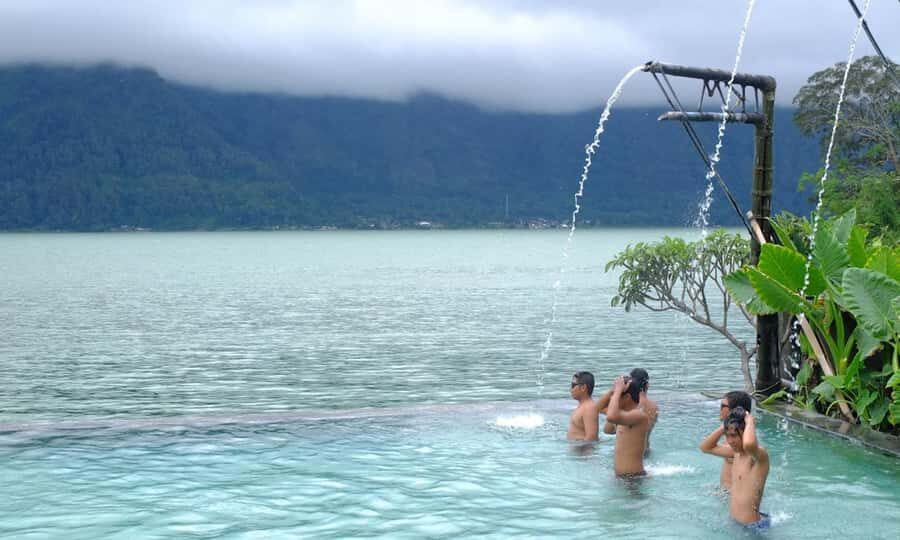
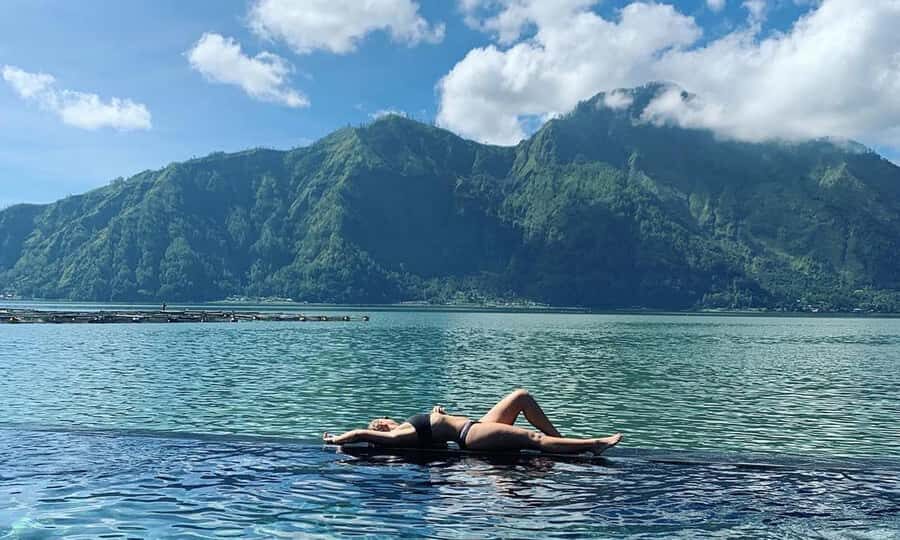
After Trunyan, the schedule gives you a reset: Batur Natural Hot Spring. The visit runs about 1.5 hours, and the selling point is not only the heat. It’s the panoramic view of Lake Batur from closer up than you’d normally get during a quick photo stop.
A hot spring stop works well here because it balances the emotional weight of Trunyan. Even if you don’t treat the soak like a “wellness moment,” it still gives you a way to slow down. You can sit, cool your head, and decide what you want to focus on for the next parts of the day.
One practical consideration: hot springs mean you’ll likely want to plan around changing and drying off. The tour includes entrance fees and handles the route, so you’re not solving logistics mid-trip. Still, bring basic common sense—something to protect your phone and a towel or wrap if you prefer one. Nothing fancy, just the usual “I want to be comfortable” kit.
Penglipuran Village: community order you can actually see
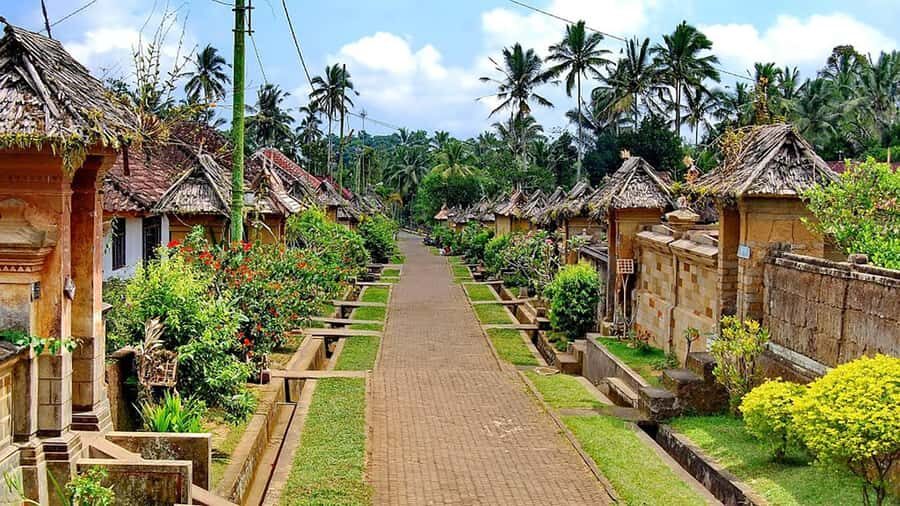
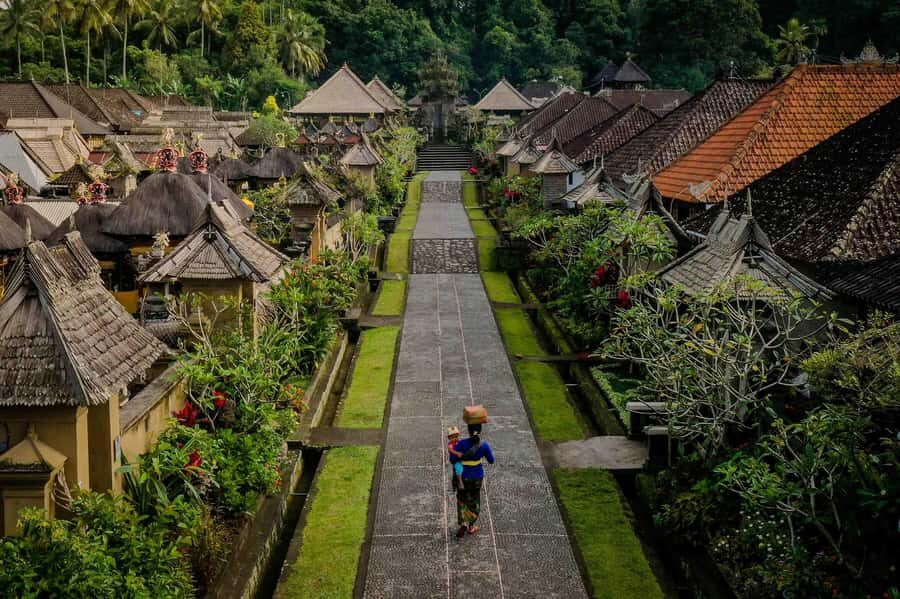
Penglipuran is the tour’s “breath” after the cemetery and the hot spring. You’ll spend about an hour here, and the big appeal is how intact the village feel is—traditional layout, a strong sense of harmony, and a reputation tied to cleanliness and togetherness.
What I like about Penglipuran as a stop is the contrast. Trunyan confronts belief and ritual. Penglipuran shows planning and daily structure. You get to see how culture can be practical, not just spiritual. When a village layout is preserved, it’s easier to understand how people organize space around family, community life, and shared responsibility.
Also, Penglipuran isn’t framed as an all-day wandering mission. An hour keeps it enjoyable and prevents the day from stretching too long, especially because Tibumana comes next.
Tibumana Waterfall: romantic photos, and how to enjoy it without chasing crowds
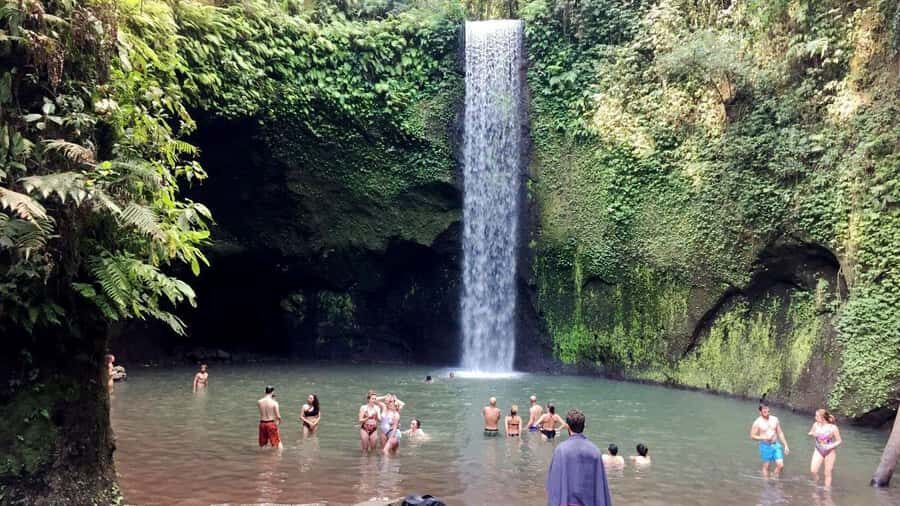
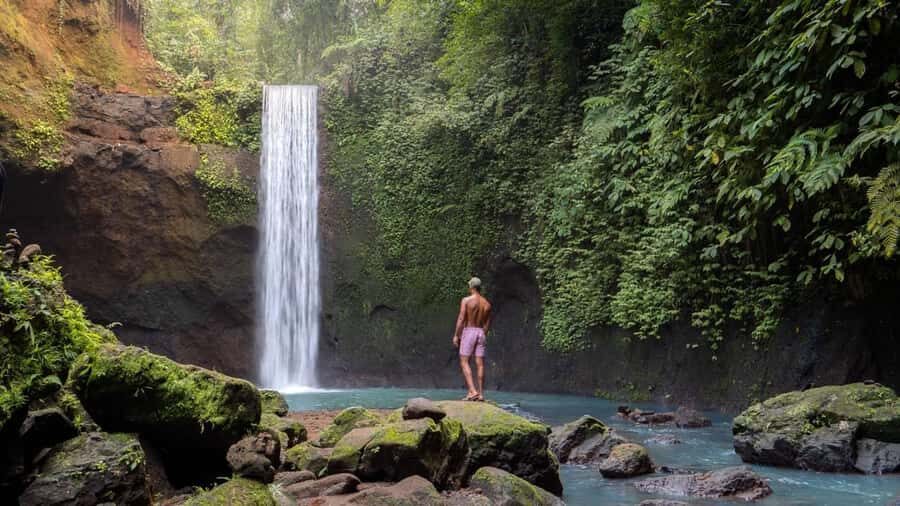
Tibumana Waterfall is the final sightseeing stop, around 1 hour. It’s known as a romantic waterfall, largely because people take photos here with that cinematic vibe.
Here’s how to enjoy it with a clearer mindset: treat it as a finish line for the day. You’ve already had the cultural intensity of Trunyan, the sensory reset of hot springs, and the cultural calm of Penglipuran. Tibumana is your visual payoff.
If your goal is photos, go ready to work for angles. Waterfalls always look better when you move a little, find a better vantage point, and let your eyes adjust. You don’t need to stand in the busiest spot to get a great shot. You can also spend the hour watching how people interact with the falls—some moments are more interesting than the exact picture.
Timing matters too. Since Tibumana is last, your guide will usually keep the group moving at a pace that still allows everyone to enjoy the view before you return to your hotel.






A realistic 1-day schedule starting at 08:00
This is a full day built for efficiency, but it doesn’t feel like chaos because the stops are spaced with real “reason breaks” between them.
- Pickup begins at 08:00 from multiple areas: Ubud, Kuta Selatan, Canggu, Seminyak, Kuta, Jimbaran, Legian, and Denpasar.
- You then work your way through Lake Batur (about 1 hour), Trunyan (about 30 minutes), Batur Natural Hot Spring (about 1.5 hours), Penglipuran (about 1 hour), and Tibumana Waterfall (about 1 hour).
- Drop-off is again handled by the operator to Kuta, Denpasar, Ubud, Canggu, Legian, Jimbaran, Seminyak, and Kuta Selatan.
Why that matters to you: if you’re tight on Bali time, one-day tours are the difference between seeing “one more thing” and cutting your losses. This one is structured so you get both north-east culture and a finishing nature moment, without requiring you to plan the boat crossing and intercity driving yourself.
One more note for your comfort: it’s not listed as wheelchair-friendly. If that’s relevant for you, you’ll want to pick a different kind of tour.
Price and value: what $92 includes and why it’s not just a “ticket”
At $92 per person, this tour is priced like a day of work—pickup, guiding, driving, entrance fees, and the boat charter included. That matters more than the number itself.
Here’s what you get without extra stress:
- Hotel pickup and drop-off
- All entrance fees
- Boat charter
- English-speaking driver/guide
- Small group capped at 6 people
That “all-in” design is where you feel the value. Boat access to Trunyan is not something you casually arrange at the last minute. When the tour handles the boat charter, you’re buying reliability.
Also, the small group size is a quiet quality upgrade. You can ask questions without feeling like you’re talking to a sea of strangers. That’s important for Trunyan, where understanding the meaning behind what you’re seeing makes the experience feel more respectful and less confusing.
If you’re comparing alternatives, a DIY route might look cheaper on paper, but the total time cost (and the stress of figuring out the right way to cross) often cancels out the savings. For many people, the cleanest value is paying for a plan that’s already stitched together.
Guide quality: Darma, Putu, Wayan, and Mur make the day easier to understand
A day tour like this lives or dies by explanations. The cemetery stop can feel blunt if you only see it as “a place with remains.” The villages can feel like “nice scenery” if you don’t connect them to how people live.
This is where the guidance earns its keep. Eco Bali Tours has guides who show up repeatedly by name in positive accounts, including Darma and Putu. Others you may run into include Wayan and Mur.
The common praise pattern is consistent:
- Clear English explanations of Balinese tradition
- Careful, attentive driving
- A human approach, not a robotic script
One guest even noted that the guide could adjust the tour to your mood and helped steer the day away from something overly Instagram-style. That’s the kind of flexibility you feel when a guide understands the culture and also understands people.
For you, the practical takeaway is simple: ask questions early. If you’re curious about why Trunyan is handled the way it is, or what makes Penglipuran’s layout work, your guide can usually connect the dots quickly when you give them permission to talk.
Who should book this tour (and who should think twice)
This tour fits best if you want Bali beyond the usual temple-photo loop. You’ll like it if you care about culture, you’re curious about the Bali Aga tradition, and you don’t mind that the cemetery stop is the emotional center of the day.
You’ll also enjoy the pacing if you like variety: ritual, hot spring relaxation, a well-preserved village, then a waterfall finish.
Think twice if:
- You’re uncomfortable with cemetery imagery and exposed remains. Even with respect, this stop can be intense for some stomachs.
- You need wheelchair access. The tour is not suitable for wheelchair users.
Should you book this tour?
I’d book it if you want one day that actually tells a story: belief shapes life at Trunyan, nature and water provide a release at Batur hot springs, and community order shows up clearly at Penglipuran. The $92 price makes sense mainly because it includes the boat charter plus all entrances, and the small-group limit helps the culture stops feel human.
I wouldn’t book it if you want an easy, pretty day with low emotional weight. Trunyan is meaningful, and that means it can be hard to look at.
If you do book, go in with a respectful mindset, plan for comfort during a full day, and consider sending your WhatsApp number for easier pickup coordination.
FAQ
What time does the tour start?
The tour starts with hotel pickup at 08:00.
Where can the tour pick me up?
Pickup is available from Ubud, Kuta Selatan, Canggu, Seminyak, Kuta, Jimbaran, Legian, and Denpasar.
What does the tour include?
It includes hotel pickup and drop-off, all entrance fees, a boat charter, and an English-speaking driver/guide.
How long is the tour?
The tour is valid for 1 day and visits Lake Batur, Trunyan Village, Batur Natural Hot Spring, Penglipuran Village, and Tibumana Waterfall.
Is the tour suitable for wheelchair users?
No, it is not suitable for wheelchair users.
Which languages are used during the tour?
The guide provides Indonesian and English.
Can I cancel for a refund, and can I pay later?
Free cancellation is available up to 24 hours in advance for a full refund, and you can reserve now and pay later to keep your plans flexible.