That water-temple feeling starts fast. This private 10-hour loop hits Bali’s biggest UNESCO names, with stops built for real photos and actual cultural context. I love the meru-tower drama at Taman Ayun and the cool-mist magic of Ulun Danu Beratan perched on the lake. One consideration: it’s a long day, and Bedugul weather (and traffic) can shape how smoothly the timing and photo moments work.
Even better, the tour is flexible in how you design the day, from simple photo focus to add-ons like coffee tasting or a traditional massage. You also get private van comfort plus a guide who helps keep the route logical when weather shifts. In past experiences with this style of tour, guides such as Tarka, Kadek, and Mangku have been praised for staying attentive and for capturing great smartphone photos when you want them.
The main downside isn’t the sites—it’s the practical stuff. You’ll walk a bit on temple grounds and at viewpoints, and Handara Gate can be busy. If you have mobility limits or you’re pregnant, this one isn’t a good match, and you should plan a different pace around Bali instead.
In This Review
- Key Highlights Worth Your Time
- How This 10-Hour UNESCO Loop Runs From Your Hotel
- Taman Ayun Temple: Meru Towers and the Uma Mandala Design
- Lake Beratan and Pura Ulun Danu Beratan’s Temple-on-Water Look
- Jatiluwih Rice Terraces and Subak: How Bali’s Irrigation Shaped the View
- Handara Gate: Classic Bali Photos With Real-World Crowds
- Price and Value: What $35 Buys in a Private Day
- Comfort, Clothing, and the Small Stuff That Makes the Day Easy
- Optional Add-Ons: How to Customize Without Overstuffing the Day
- Who This Private Tour Fits Best
- Should You Book This Bali UNESCO Day Tour?
- FAQ
- What’s the duration of the Bali UNESCO private tour?
- Is pickup included, and is it a private group?
- How much does it cost, and what’s included?
- Are entrance fees included?
- What languages is the live guide available in?
- What should I wear or bring for this tour?
Key Highlights Worth Your Time
- Taman Ayun’s meru towers and mandala layout give you a temple design you can actually see and understand in minutes
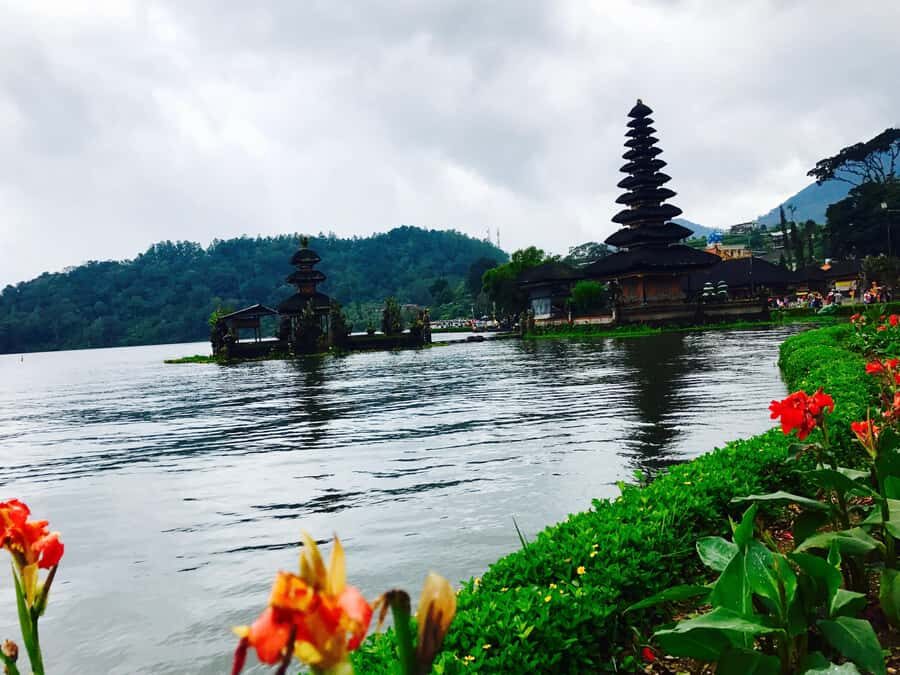
- Ulun Danu Beratan on Lake Beratan delivers that iconic temple-on-water look, especially when fog rolls in
- Jatiluwih rice terraces + subak system show how Bali’s irrigation tradition shapes what you see
- Handara Gate is built for photos, but go in knowing you may wait for a clean shot
- Private guide flexibility means you can slow down, ask questions, and add experiences like coffee tasting
How This 10-Hour UNESCO Loop Runs From Your Hotel
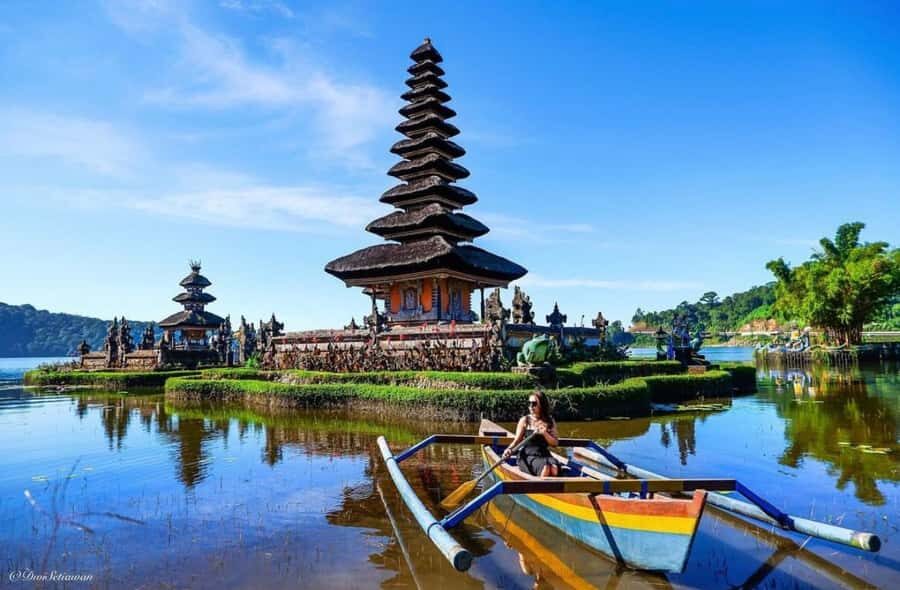
This is set up as a full-day private tour, meaning you’re not stuck in a crowded bus schedule. After pickup from your hotel lobby (or a pre-arranged meeting point), you ride in a private air-conditioned van. The value here is simple: the day’s heavy lifting—transport and logistics—is handled, so you can focus on seeing.
The pacing is built around order and geography. You start in the south/central temple zone with Taman Ayun, then you head north toward Bedugul for the lake and rice terrace country, and you finish at Handara Gate with the caldera views. Since traffic in Bali can be unpredictable, a good guide helps you adjust timing so you don’t waste the day.
One practical note: you’re in temples and viewpoints that expect modest dress and some walking. Bring comfortable shoes, and plan to cover up a bit when you’re near active worship areas. Also, Bedugul runs cooler than Bali’s south coast—think light jacket weather, not beach comfort.
You can also read our reviews of more tours and experiences in Bali.
Taman Ayun Temple: Meru Towers and the Uma Mandala Design
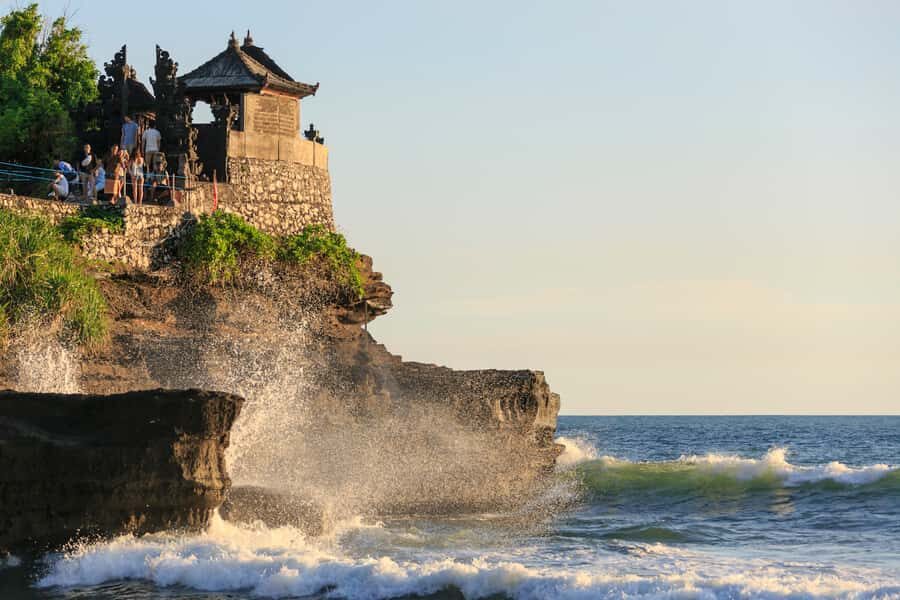
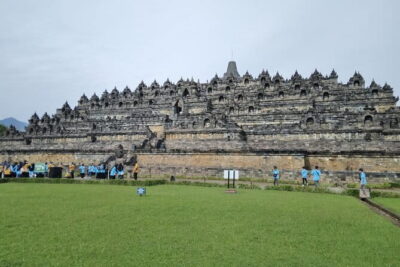
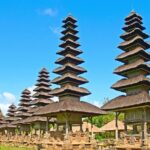
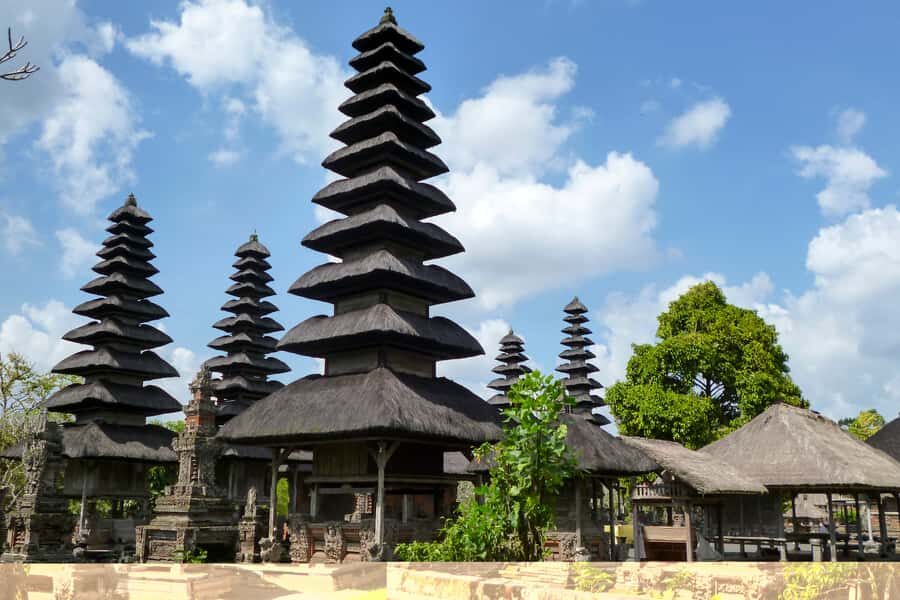
Taman Ayun Temple is one of those places where your brain clicks quickly: you see layered architecture, then you start noticing how the layout guides movement and attention. It’s a UNESCO World Heritage Site and is famous for pagoda-like shrines with multiple meru towers, plus a mandala-style design that helps explain the sacred space concept.
What I like about this stop is that it’s not only pretty—it’s structured. You get time to look from different angles, and the towers create strong visual depth even if the light is flat. Guides often describe Hindu temple symbolism and Balinese practice in a way that makes the place feel more than a photo backdrop. On tours like this, guides such as Kadek and Ardana have been highlighted for turning temple visits into an easy, human story.
Dress and etiquette matter here. Taman Ayun and Ulun Danu Beratan are active temples. So you’ll want modest clothing, and you’ll likely be guided on what to do at entry areas and worship zones. If you’re used to a relaxed sightseeing style, this is where you slow your pace a notch.
Possible drawback: you may notice other visitors, especially around photo angles. The fix is simple—arrive with patience, and let your guide steer you toward less chaotic viewpoints within the temple complex.
Lake Beratan and Pura Ulun Danu Beratan’s Temple-on-Water Look
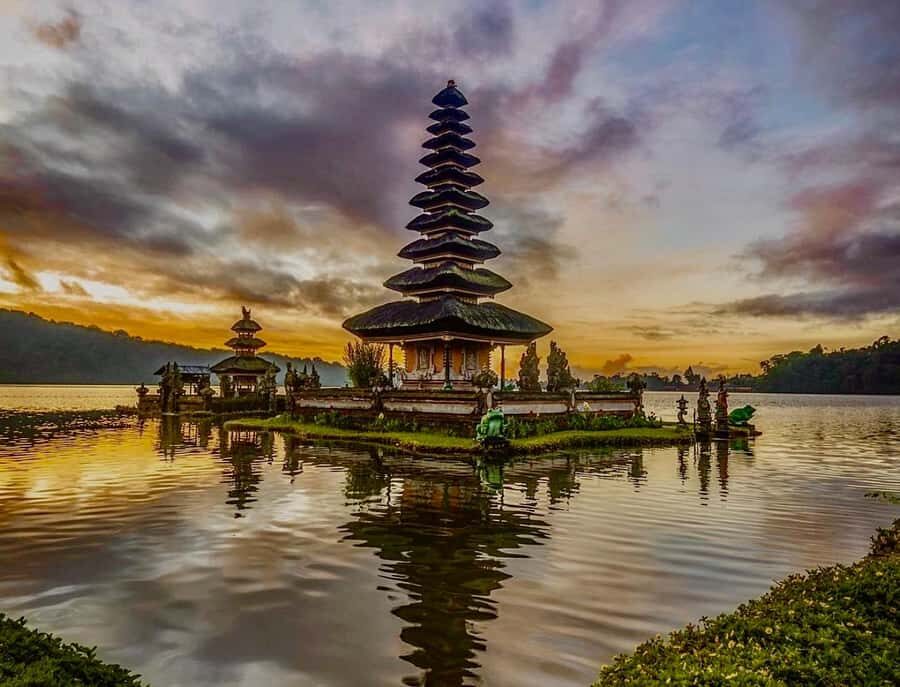
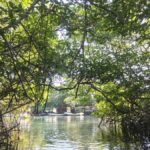
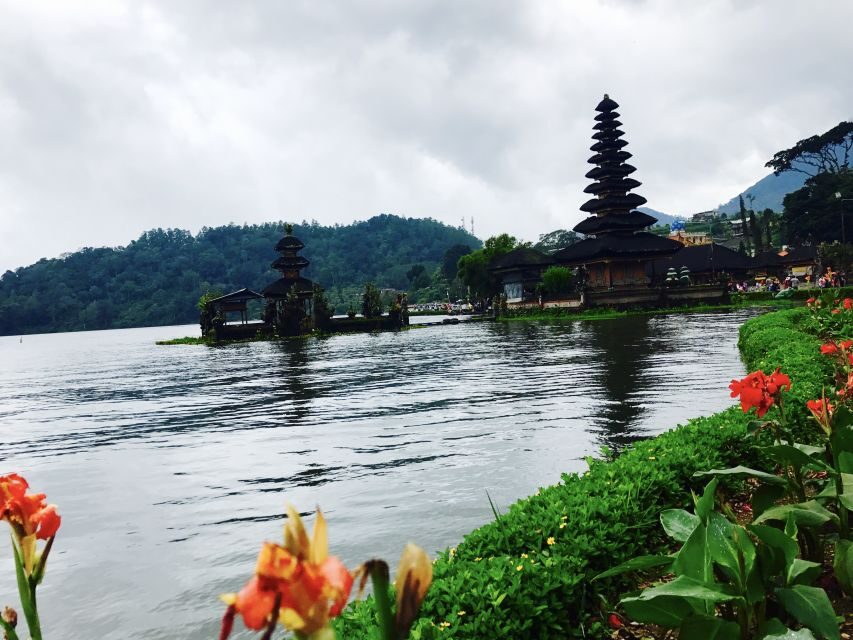
Then you go to the headline stop: Pura Ulun Danu Beratan, built on or near the water at Lake Beratan. This is the temple most people imagine when they think of Bali’s mystical lake imagery—temple roofs, reflections, and that sense of place that feels separate from the busy roads.
The big idea is devotion to Dewi Danu, the water goddess associated with prosperity. Even if you don’t memorize the theology, you can feel how the setting supports worship: water calms the scene, and the temple seems to belong to it rather than sit on top of it.
This is also where weather can quietly change everything. In Bedugul, clouds or mist can roll in. That can make your photos moodier and soften the background mountains. Your guide helps you plan timing so you’re not only there when the scene is gray.
A detail worth knowing from on-the-ground experiences: near Ulun Danu, you might find rental options for traditional clothing and photo sessions. If you’re interested, ask your guide what’s available nearby and whether it fits your timeline. Some guides have even stepped in to help if something doesn’t go to plan—because at lake temples, delays happen and you want someone thinking ahead.
Possible drawback: the water temple is a popular photo magnet, so expect crowding at the most iconic angles. If you care about having clean photos, go early when possible, or take your time and accept that waiting for the perfect shot might be part of the deal.
Jatiluwih Rice Terraces and Subak: How Bali’s Irrigation Shaped the View
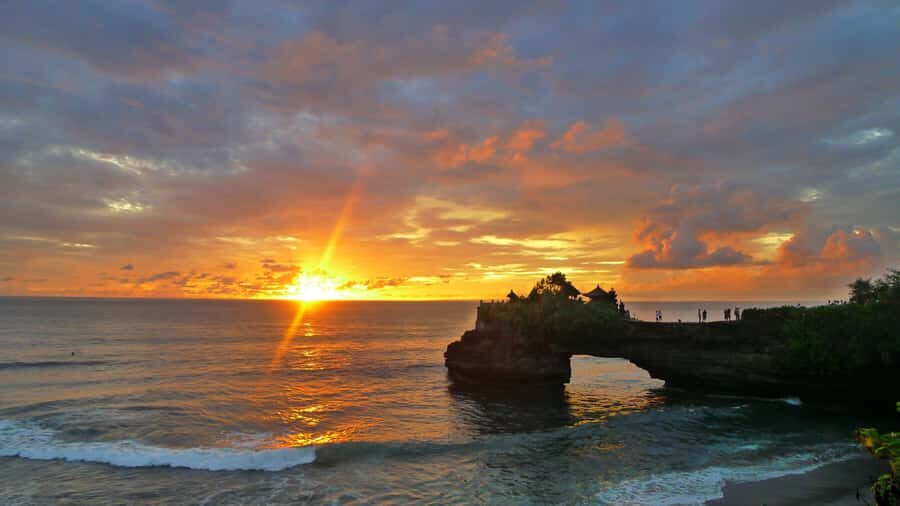
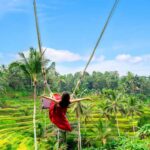
After the lake, you head to the highlands and the rice terrace region: Jatiluwih, tied to Bali’s subak irrigation system. This is UNESCO-recognized for a reason. It’s not only about the view. It’s about how the community organizes water so rice can grow year after year—an agricultural system that forms the scenery itself.
Lunch is typically at a popular restaurant in the area, positioned for views of Jatiluwih and close to the Mount Batukaru hillside. This stop works well because it breaks up temple time with food and breathing room. You get a chance to eat, warm up if it’s breezy, and reset your legs before more walking.
What I love about this part of the day is how the scenery turns from postcard to lesson. Once you understand that “those patterned fields” are the result of shared irrigation and timing decisions, the terraces look less like decoration and more like living infrastructure.
You might also get options for a stroll in the rice terrace area, depending on weather and pacing. If the conditions are right, it’s a good moment to walk slowly—watch water channels, study the texture of the terrace edges, and let your guide point out how the subak system shapes what you see.
Possible drawback: visibility can vary with cloud cover and rain. If it’s foggy, the terraces can turn softer and less defined. That can still look great, but it’s worth going in expecting a mood change, not guaranteed crisp views.
Handara Gate: Classic Bali Photos With Real-World Crowds
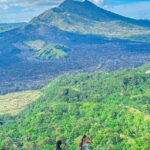
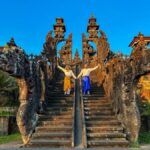
Finally, you finish at Handara Gate, one of the most recognizable traditional-style gates in Bali. It sits in a visually dramatic setting with views over the Bedugul caldera and surrounding green hills.
This is a photo stop, plain and simple. Your guide will help you time it and often improves the experience by managing how you wait. Handara Gate can be crowded, and you may need patience to get a clean shot without people constantly cutting through your frame.
If you care about photos, this is where your “private tour” advantage pays off. You can wait in the best spot, change angles, and get a few tries without feeling rushed. Guides have been known to help passengers handle timing smoothly—especially when they know the crowd patterns and can plan around them.
Possible drawback: if you’re sensitive to crowds, this stop may feel like the most touristy moment of the day. The good news is it’s short compared to temples and terraces, and the setting is still gorgeous enough to justify the wait.

Price and Value: What $35 Buys in a Private Day
At $35 per person for a full day, the value depends on what option you choose for entrances and on how many add-ons you add. You’re paying for four big things: private transport, the guide experience, and the structure that strings together distant sites in one day. On top of that, the tour includes parking fees and a bottle of mineral water.
The tour also may include snacks, beers, and soft drinks depending on your selected option. Entrance fees can be included depending on what you pick, so double-check what’s covered for your specific booking option before you arrive.
Where this price really earns its keep is in the private time. You’re not just buying access to temples—you’re buying a human who can help you understand what you’re looking at, handle etiquette basics, and keep the route working with weather and crowds. That matters a lot on a day that starts early, runs for 10 hours, and involves multiple walking segments.
Comfort, Clothing, and the Small Stuff That Makes the Day Easy
This tour is practical, but Bali still demands a few basics from you. Here’s what I’d pack with this itinerary in mind:
- Comfortable shoes (temple stone and viewpoint paths aren’t flat carpet)
- Sun hat and sunscreen (yes, even in cooler Bedugul mornings)
- Camera (or a phone with enough storage, because you’ll take lots of photos)
- Cash for incidental purchases and possible on-site add-ons
- A light jacket for Bedugul, since it’s cooler than the south
Also remember:
- You’re expected to dress modestly for active temples.
- You can’t bring pets, and alcohol and drugs aren’t allowed.
- The tour isn’t suitable for pregnant women or people with mobility impairments or wheelchair users.
Timing tip: if you want photos without stress, wear clothes you can adjust quickly for temple etiquette, and keep your phone/camera accessible. At places like Handara Gate and Ulun Danu, you’ll want to move fast when the light or crowd flow turns favorable.
Optional Add-Ons: How to Customize Without Overstuffing the Day
One strength of this tour is that you can tailor the day. Add-ons may include things like coffee tasting or a traditional massage. Some add-ons are only available with certain options, so it’s worth checking what fits your selected entrance/plan.
My rule for customizing: add only one “extra” if you’re already doing both temples and the rice terraces. The day moves between locations, and the best experiences are usually the ones you don’t rush. If your priority is photos, keep massage optional and choose the coffee stop if it adds a relaxed break rather than an extra hour of driving.
If you’re traveling with a partner or friends, this is also a chance to agree on one shared “must-do” beyond the UNESCO core—then you’re less likely to feel like you missed something.
Who This Private Tour Fits Best
This tour is especially good if:
- You want a single-day UNESCO hit without planning logistics across Bali
- You care about iconic visuals like the temple on Lake Beratan and Handara Gate
- You like cultural explanations tied to what you’re seeing, not just dates and names
- You want private timing flexibility, so you can go at a comfortable pace
It’s less ideal if:
- You want a slow, unstructured day with no early start and no driving time
- You have limited mobility or are pregnant (this one is listed as not suitable)
- You hate waiting for photos at crowded spots (Handara Gate can require patience)
Should You Book This Bali UNESCO Day Tour?
If you’re the type of traveler who wants your Bali time to count, I’d book it. You get the big UNESCO stops—Taman Ayun, Ulun Danu Beratan, and the Jatiluwih subak irrigation system—plus the photo-driven finish at Handara Gate, all in one private day with air-conditioned transport.
Book this tour especially if you’re short on time and you want the day to feel guided, not chaotic. And if you care about comfort, bring the right shoes and a light jacket; it makes Bedugul feel friendly instead of cold and scratchy.
Skip or look for an alternative if you’re not comfortable with walking at temples, if crowds at photo stops stress you out, or if you fall into the listed non-suitable categories.
FAQ
What’s the duration of the Bali UNESCO private tour?
The tour runs for about 10 hours.
Is pickup included, and is it a private group?
Yes. Pickup is included from your hotel lobby or a pre-arranged meeting point, and it’s a private group.
How much does it cost, and what’s included?
The price is $35 per person. It includes private air-conditioned van transportation, parking fees, bottle of mineral water, and entrance fees depending on the option selected. Snacks, beers, and soft drinks may also be included depending on your option.
Are entrance fees included?
Entrance fees are included only if your selected option includes them. Otherwise, they are not included.
What languages is the live guide available in?
The live tour guide is available in English, Japanese, and Korean.
What should I wear or bring for this tour?
Bring comfortable shoes, a sun hat, sunscreen, a camera, and cash. Dress modestly for active temples, and pack a light jacket since Bedugul is cooler.