Spices meet your hands fast in Seminyak. This Balinese cooking class at The Amala lets you prep and cook a full three-course meal with a local chef, either in the morning or afternoon, with hotel pickup and drop-off within Seminyak.
I especially liked how hands-on it felt, not like a demo where you just watch. The chef-led market option for the morning adds real food context, and the class stays small (max 10). One thing to consider: the menu is fixed for the whole group, and the fish market add-on can require a minimum of 2 people (solo travelers may pay an extra fee).
In This Review
- Key highlights you will care about
- A calm, scenic setting that makes the cooking feel like a break
- Your 3-hour rhythm: shopping (optional), prep, cook, then eat
- Morning option with the Jimbaran fish market
- Afternoon session without the market
- The menus: fixed choices that still cover the flavors of Bali
- Menu 1 (meat/fish leaning)
- Menu 2 (also very Balinese, with papaya and banana)
- Vegetarian menu option
- The market stop that turns ingredients into a story
- Chef-led cooking: what you actually do with your hands
- The meal afterward: plentiful, but watch timing
- Value for $66.67: what you’re really paying for
- Who should book this class (and who might not love it)
- Practical tips so you get more out of the class
- Should you book this Balinese cooking class in Seminyak?
- FAQ
- How long is the cooking class?
- Are hotel pickup and drop-off included?
- Is the Jimbaran fish market visit included?
- What dishes will I cook?
- Will I eat the food I cook?
- What can I take home?
Key highlights you will care about
- Hands-on cooking of a three-course Balinese menu, not just observation
- Optional Jimbaran fish market visit (morning only) to shop for fresh ingredients
- Small group size with up to 10 participants, so you get time to cook
- Two menu choices plus a vegetarian menu, and you still sit down to eat what you make
- Chef-led guidance with practical tips you can use at home
- Appron souvenir + chef certificate, so you leave with more than photos
A calm, scenic setting that makes the cooking feel like a break
The class takes place at The Amala in Seminyak, and it matters. Even before you pick up a knife, the setting feels designed for slowing down. Multiple reviews called out the venue as beautiful and peaceful, which you’ll feel when you move from arrival to prep stations.
This isn’t a crowded, warehouse-style workshop. You’re in a space where staff set up an organized cooking area and a proper place to eat afterward. That sounds minor, but it changes the whole vibe. You’re not rushing to grab a plate and run; you’re actually cooking, then sitting down to enjoy what you made.
Also, the group size stays capped at 10. That’s a sweet spot for a hands-on class because you’re not waiting forever for your turn, and the chef can keep an eye on what’s happening at each station.
You can also read our reviews of more tours and experiences in Seminyak.



Your 3-hour rhythm: shopping (optional), prep, cook, then eat
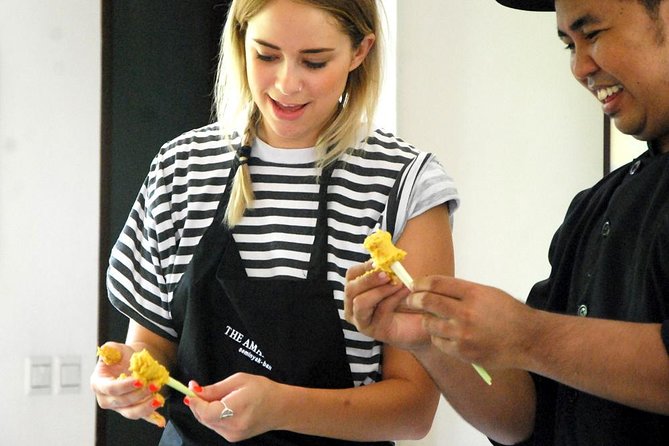
The experience runs about 3 hours, but the day’s flow changes depending on the session you choose.
Morning option with the Jimbaran fish market
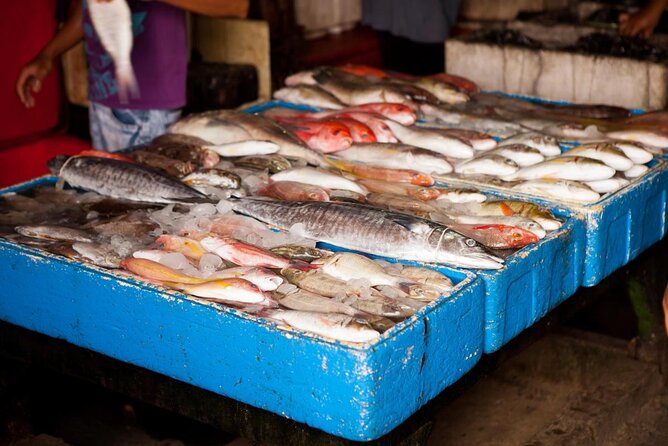
If you pick the morning session, there’s an optional trip to the Jimbaran fresh fish market, scheduled around 9:30 AM. You go with the chef, then you’ll buy ingredients and spices you’ll use later in class.
After that, you return to The Amala and meet the chef (around 11:00 AM). You start with a quick introduction to the ingredients and the equipment you’ll use. Then you move into prep under supervision, with one more cooking block before you finish and enjoy your meal.
The timing described is roughly:
- market visit starts at 9:30 AM (optional, morning only)
- class intro and setup around 11:00 AM
- cooking and final preparations run through 1:00 PM (then you eat)
Afternoon session without the market
Afternoon classes follow the same core idea, just without the early market stop. You meet the chef around 4:00 PM, prep and cook through the late portion of the class, and finish around 6:00 PM.
In both cases, you end by eating your three-course meal—lunch for the morning session and dinner for the afternoon session.
The menus: fixed choices that still cover the flavors of Bali
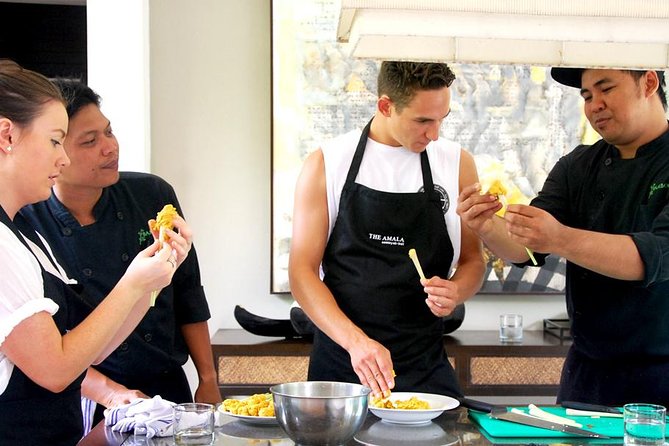
One practical thing: everyone in the group cooks the same menu. That means you’ll want to choose the menu you prefer before you book.
There are two main menus, plus a vegetarian menu option. Based on the class structure, each menu works as a three-course set.




Menu 1 (meat/fish leaning)
- Lawar Salad (green bean, fresh coconut, and chicken salad)
- Tum Ikan (steamed fish in banana leaf)
- Dadar Gulung (coconut pancake with palm sugar)
Menu 2 (also very Balinese, with papaya and banana)
- Jukut Gedang Mekuah (young papaya soup with seafood)
- Sate Lilit Ayam (chicken satay on lemongrass stick with steamed rice)
- Godeh Biu (Balinese fried banana)
Vegetarian menu option
The vegetarian set includes:
- Gado-gado (vegetable salad with peanut dressing)
- Pepes Tahu (steamed bean curd in banana leaf)
- Bubur Injin (Balinese black rice pudding)
What I like here is that the vegetarian option doesn’t feel like a checkbox. It still uses banana leaf steaming and the sweet-salty peanut profile that shows up across Balinese cooking.
The market stop that turns ingredients into a story
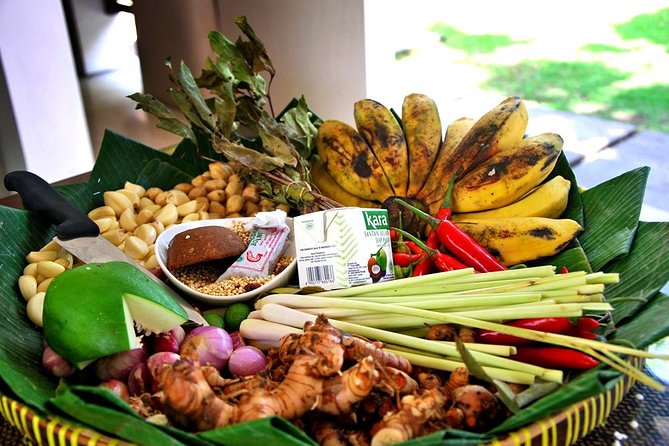
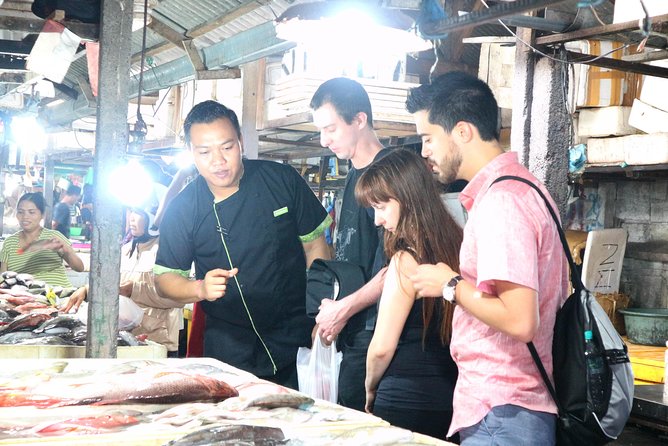
If you can swing the optional morning add-on, I think it’s the best way to understand why Balinese flavors taste the way they do. You’re not just learning recipes. You’re learning what ingredients look like when they’re fresh, and what spices get used often enough to matter.
In class descriptions and feedback, the market visit is specifically tied to shopping for fish and produce you’ll cook with. One review mentioned the chef walking the group through how to spot freshness (for example, the look of red snapper), and that kind of detail is exactly what makes the market time valuable.
Another practical benefit: you get a quick reality check on ingredients. If you’ve cooked at home before, you know “fresh” can mean a lot of things. Here, “fresh” is part of the method. And the chef can also suggest substitutions for ingredients that may be hard to find back home, which helps your recipes feel less theoretical.
Two cautions to keep it real:
- The market option is morning only (if you book afternoon, you won’t be doing it).
- There’s a minimum of 2 persons for the market tour. If you’re booking as a solo participant, there’s an extra charge listed (Rp100,000 net) for the market visit.
Chef-led cooking: what you actually do with your hands
A good cooking class is measured by how much time you spend doing the work. This one leans that way. Reviews repeatedly mention that the chef and staff keep the group involved and make the steps easy to follow.
Chef names show up in feedback:
- Chef Putu is mentioned as a teacher who explains ingredients and steps clearly.
- Manik is also mentioned as part of the teaching team.
- Evi is referenced as another teacher supporting the class.
You can expect to:
- prep ingredients for your selected menu
- practice key Balinese cooking techniques (like banana leaf steaming and balancing sweet and savory elements)
- get guidance when cutting, mixing, and seasoning
- learn what to look for while cooking, not just when to stop
One review also pointed out that the class can lean toward chopping and prep. If you love fast action and minimal standing, keep that in mind. But if you enjoy learning the “build the dish” part of cooking, that prep focus can be exactly what helps you recreate these dishes later.
The meal afterward: plentiful, but watch timing
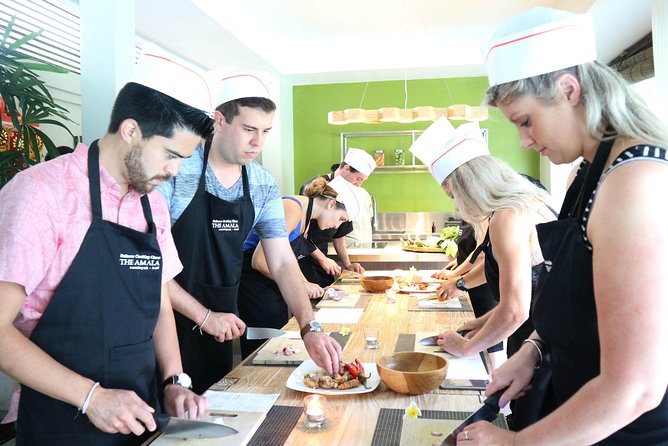
The payoff is eating what you cook. Multiple reviews called out that the food is delicious and there’s no shortage of it. You’ll also get the small but meaningful touches: a dining area set up for you to enjoy your work, plus the sense of finishing a real meal, not just sampling bites.
There is one minor possible drawback to consider: at least one review mentioned the food was cold when it was time to eat. That doesn’t mean it will happen to you, but it is a flag worth noting.
My practical advice: once everything is cooked, eat promptly. If it’s not served immediately, double-check with the staff when your portion is ready so you’re not waiting while your food cools.
Value for $66.67: what you’re really paying for
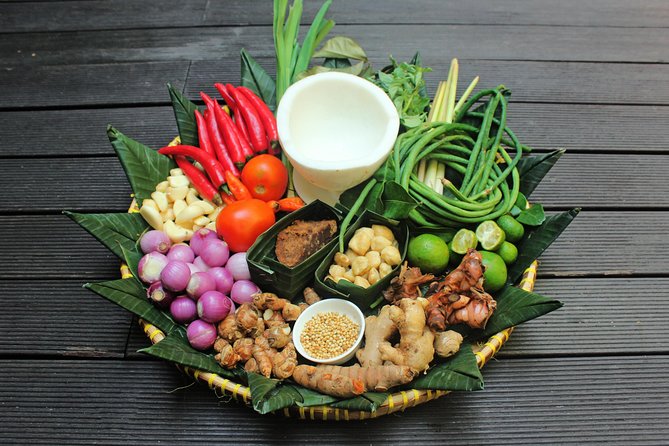
At $66.67 per person, this class isn’t trying to be the cheapest option in Seminyak. The value comes from what’s bundled into the price:
- chef instruction for a full three-course menu
- ingredients used to cook your dishes
- a meal at the end (lunch or dinner, depending on the session)
- hotel pickup and drop-off within the Seminyak area
- the class souvenir (apron) and a certificate
For cooking classes, the real cost is often the ingredients plus time plus staff. Here, you’re getting a structured meal experience, not just a short demo. The max 10 traveler size also supports the value because your hands actually get used, and the chef can correct mistakes.
If you add the fish market visit, remember the minimum group rule and solo extra fee. If you are traveling with a partner or friend, that market add-on can make the whole trip feel more connected and worth the extra cost.
Who should book this class (and who might not love it)
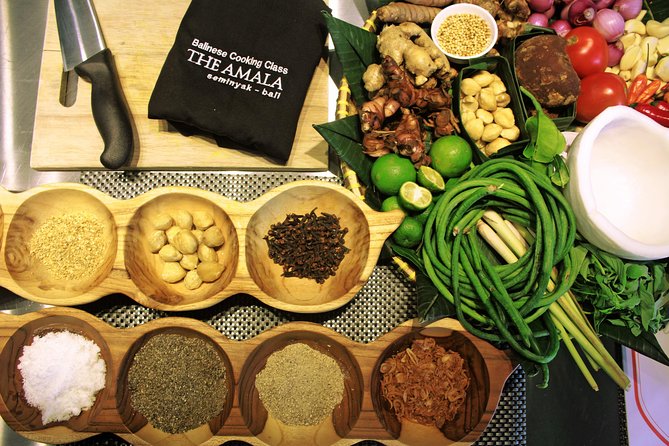
This is a great fit if:
- you want a hands-on Bali food experience you can repeat later
- you like learning how fresh ingredients and spices change flavor
- you’re cooking-minded rather than just photo-minded
- you want a structured class with pickup and a meal included
- you’re traveling in a duo (especially if you want the market visit)
It may be less perfect if:
- you need a fully custom menu (the menu stays the same for everyone)
- you’re not interested in chopping/prep work
- you’re booking solo but still want the market stop (the minimum rule and extra fee matter)
The minimum age is 12, so it’s likely fine for older teens and adults, depending on your group’s comfort with cooking and timing.
Practical tips so you get more out of the class
A few small things can help you enjoy it more and leave with better results at home:
- Pick your menu based on your taste preferences, not just on what sounds exotic. You’ll be cooking the whole set.
- If you choose the market option, come hungry and with an open mind. Market shopping isn’t just buying; it’s learning what fresh looks like.
- Use the apron and certificate moment. Staff give you the apron to keep as a souvenir and provide a certificate after you finish. Treat it like the finish line.
- Plan your next meal lightly. You eat what you cook, and portions are described as plentiful.
Also, don’t expect a cooking class to be a shopping spree. You’re learning recipes, not designing a personalized meal. If your goal is to take home recipes, the chef’s explanations and ingredient suggestions (including substitutions) are the part to pay close attention to during the prep.
Should you book this Balinese cooking class in Seminyak?
I’d book it if you want a real, chef-led cooking experience with a built-in meal and a chance to see ingredients firsthand. The combination of hands-on cooking, small group size, and the option to visit Jimbaran’s fish market gives you both skill and context.
Choose it especially if:
- you like the idea of cooking banana leaf dishes and Balinese sweets
- you’d benefit from a chef coaching you through the steps
- you want an easy plan with pickup and drop-off in Seminyak
Skip it or think twice if:
- you’re expecting fully individualized recipes
- you only want a quick taste and prefer not to do prep work
- you’re traveling solo and want the market stop, because of the minimum-person rule
If you land on the right menu for you, this is one of those Bali activities where you actually leave with something useful: a meal you can recreate.
FAQ
How long is the cooking class?
The class runs for about 3 hours.
Are hotel pickup and drop-off included?
Yes. You get round-trip private transfer within the Seminyak area.
Is the Jimbaran fish market visit included?
The market visit is optional and is tied to the morning session. It isn’t automatically included for every booking, and it requires a minimum of 2 persons per booking. If there is only 1 person, an extra charge of Rp100,000 net is listed for the market tour.
What dishes will I cook?
You choose one of the set menus (the menu is the same for all participants). Menu 1 includes Lawar Salad, Tum Ikan, and Dadar Gulung. Menu 2 includes Jukut Gedang Mekuah, Sate Lilit Ayam, and Godeh Biu. The vegetarian option includes Gado-gado, Pepes Tahu, and Bubur Injin.
Will I eat the food I cook?
Yes. After cooking, you enjoy your three-course meal for lunch or dinner (depending on the session).
What can I take home?
You receive a certificate from the chef after finishing the class, and you can keep your class apron as a souvenir.