Sunset at Uluwatu hits hard. This full-day south Bali route pairs Water Blow Nusa Dua ocean drama with the Kecak Fire Dance in a cliffside setting. I love how the day mixes nature, big Balinese landmarks, and a show that feels like a story you can hear and watch. One heads-up: it’s still a full day with moderate walking, plus coastal stops can get blown around by wind or rain.
What really makes this work is the live English guide. In the best versions of this tour, guides like Raka, Karba John, Carma, Agung, and Jolly didn’t just point things out. They explained the meaning behind what you were seeing, kept the schedule moving in traffic, and handled the tickets so you spend your energy on photos and questions, not lines.
For about $23 per person, you’re paying for a lot of entry fees and a comfortable air-conditioned ride, not just a driver and a “good luck” handshake. The only regular thing you’ll likely add is food, since meals aren’t included unless you choose an add-on.
In This Review
- Key points before you go
- Why this Uluwatu highlights route makes sense
- Water Blow Nusa Dua: the ocean-spray photo stop that can steal the show
- Garuda Wisnu Kencana (GWK): big monuments and a cultural park pace
- Melasti Beach on Bali’s south coast: the de-stress break
- Uluwatu Temple: steps, cliffs, sarongs, and monkeys
- The Kecak Fire Dance at sunset: why this show is the reason to come
- How the day really runs: private vs shared, and the traffic factor
- Guides and transport: where the real value shows up
- Price and value: what you’re getting for $23 per person
- Weather, comfort, and small rules that change your day
- Who this tour is best for (and who should skip it)
- Should you book the Bali Uluwatu Highlights Tour?
- FAQ
- How long is the Bali Uluwatu Highlights Tour?
- What stops are included on this tour?
- Is hotel pickup available?
- Do I need to bring a sarong for Uluwatu Temple?
- Are there monkeys at Uluwatu Temple?
- Is the tour guided in English?
- Can I cancel and get a refund?
Key points before you go
- Water Blow Nusa Dua gives you that sudden wall of ocean spray from the rocks
- Garuda Wisnu Kencana (GWK) is a culture park worth slowing down for, not just a quick photo stop
- Melasti Beach is the easy reset button before the Uluwatu crowds and sunset timing
- Uluwatu Temple + sarong rules are simple once you’re there, and it’s a great cliff walk
- Kecak Fire Dance is the classic reason to schedule this part of Bali on purpose
- The best guides handle tricky moments well, from packed temple areas to monkeys
Why this Uluwatu highlights route makes sense
South Bali has a way of tempting you into “one more stop” chaos. This tour keeps you in a tight geographic loop: Nusa Dua on the north edge of the area, then GWK, then down to Melasti Beach, and finally Uluwatu Temple for sunset.
That order matters. You start earlier with sea views when the light is often better for photos and the crowds tend to be easier. Then you work your way toward the big evening event. By the time you reach Uluwatu, you’re ready for the steps, the wind, and that amphitheater energy.
This is also one of those tours where a good guide can turn delays into a win. Some guides even adjust the plan when traffic or weather changes the timing, while still trying to hit every core stop.
You can also read our reviews of more tours and experiences in Bali.


Water Blow Nusa Dua: the ocean-spray photo stop that can steal the show
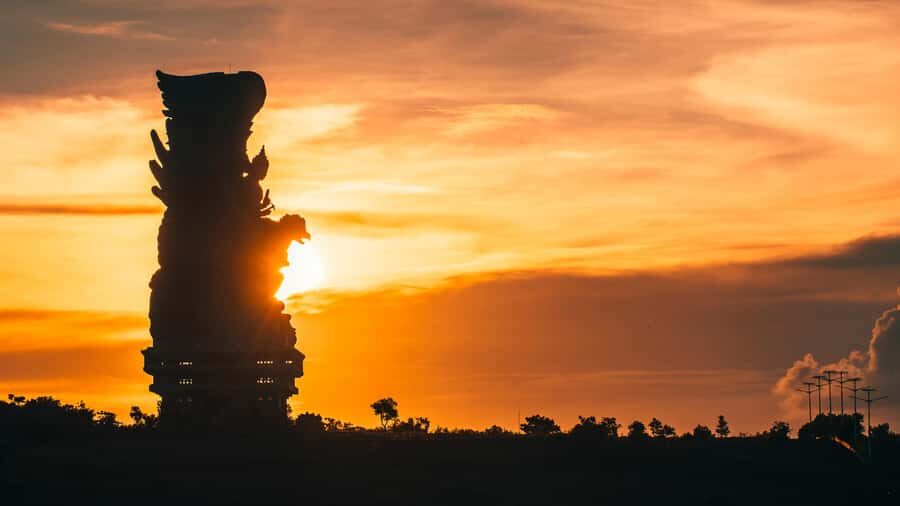
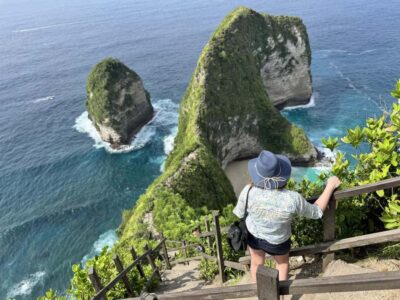
Water Blow Nusa Dua is all about drama. The ocean pushes into rocky edges and sends up spray that can look like a natural fountain when the swell is strong. You get a focused stop here, with time for photos and a short guided look at what you’re actually seeing.
A practical note: nature doesn’t run on schedules. If the sea is calmer (or weather is rough), the “blow” can be less dramatic than you hoped. That’s not a tour failure. It’s just the ocean doing ocean things.
If you want great pictures:
- Wear shoes you don’t mind getting dusty or wet.
- Keep your camera settings ready; the spray can happen fast.
- Aim for angles that include rocks and shoreline, not just water.
In the rain or wind, you may spend less time staring and more time moving. Still, it’s a memorable starting point.
Garuda Wisnu Kencana (GWK): big monuments and a cultural park pace
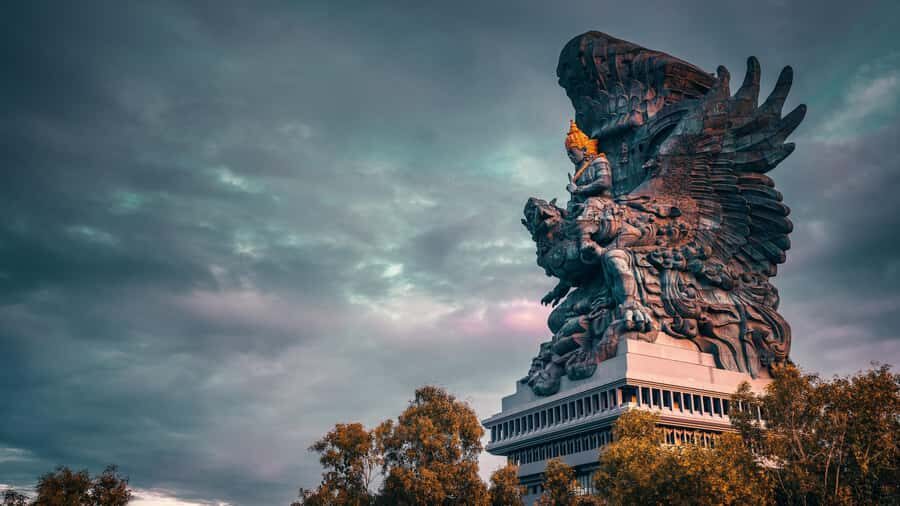
After the coast, you head to Garuda Wisnu Kencana Cultural Park, one of Bali’s most famous “big scale” landmarks. Think of it as an art-and-heritage setting where you can walk between major monuments and open spaces at a comfortable pace.
I like GWK because it’s not just monuments. It’s a place where the setting helps you understand Bali’s storytelling style—religion, symbolism, and art working together in public space. You’ll get time to explore, take photos, and move around at your own speed with your guide nearby.
Moderate walking is part of it. Paths can be uneven, so comfortable walking shoes make a real difference. And if it’s hot, you’ll feel it—so sunscreen and water for yourself (not in the vehicle, since drinks in the vehicle aren’t allowed) can help.
One more tip: if you care about photos, tell your guide your preferences early. Some guides are very good at spotting better angles as you walk, not just standing still and clicking.
Melasti Beach on Bali’s south coast: the de-stress break
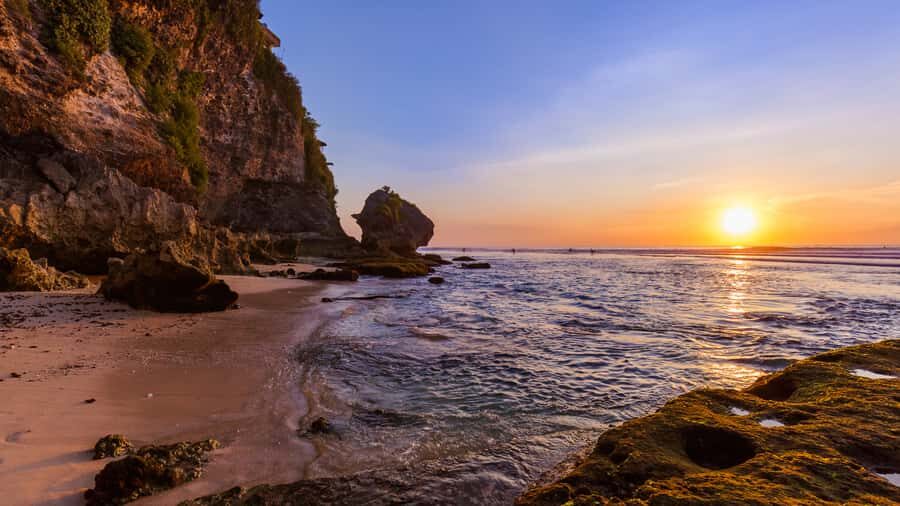
Melasti Beach gives you a softer landing after monuments and road time. The shoreline is limestone-framed, and you get a full hour of breathing room for sightseeing and photos, plus a chance to relax.
This stop works best if you treat it as a break, not a checklist. Put your phone away for a few minutes. Watch how the light changes on the rocks. If the wind is strong, you’ll still get atmosphere; you just won’t want to linger in the gustiest spots.
Because this is a coastal area, weather can affect the experience. In rain, you might be better off taking pictures quickly and finding protected spots when you can. In sun, it’s a great place to enjoy that classic Bali “walk-and-stare” feeling.
Uluwatu Temple: steps, cliffs, sarongs, and monkeys
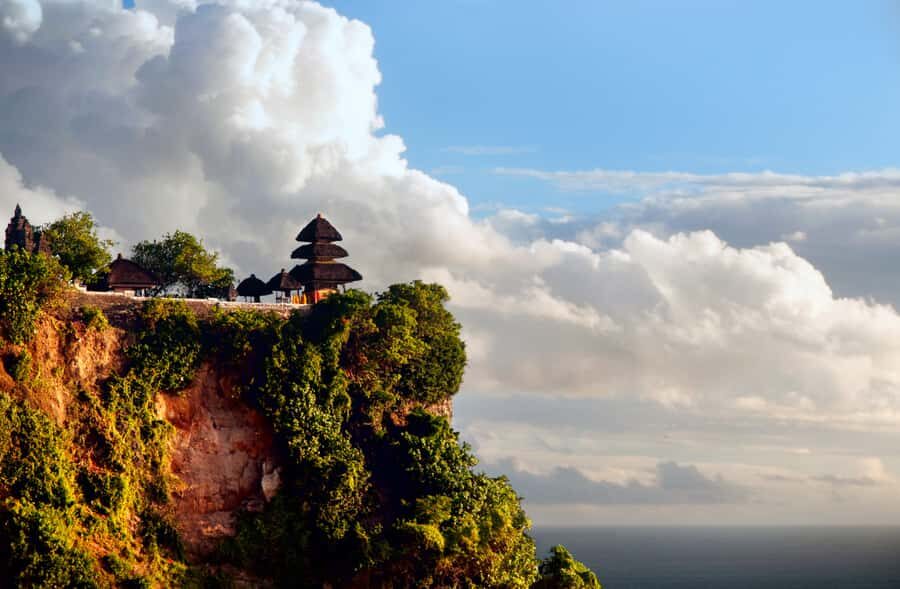
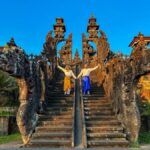
Uluwatu Temple sits dramatically on a cliff above the Indian Ocean. Even if you’ve seen Bali temples before, the ocean view gives it extra punch.
Here’s what you should plan for on the ground:
- Moderate walking plus steps and uneven paths
- A sarong and sash requirement at the temple (provided on-site)
- Monkeys in the area, so keep your belongings secure
The monkey part isn’t a scare tactic. It’s just smart travel. Keep bags closed, avoid carrying food in visible ways, and don’t let your phone hang loose where a curious creature can reach it.
One of the strongest pieces of advice I can give: go slow on the way in. The paths can be a little chaotic, and you’ll enjoy the sea more if you’re not rushing. Some guides, like Woody, have handled monkey moments with quick awareness so you can focus on the view and the walk rather than worrying.
Also, bring insect repellent. Coastal areas often attract bugs, and the last thing you want is to spend your temple time swatting.



The Kecak Fire Dance at sunset: why this show is the reason to come
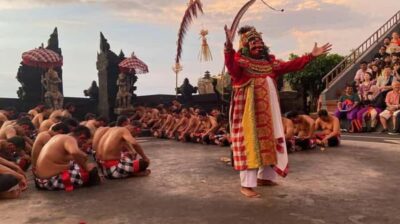
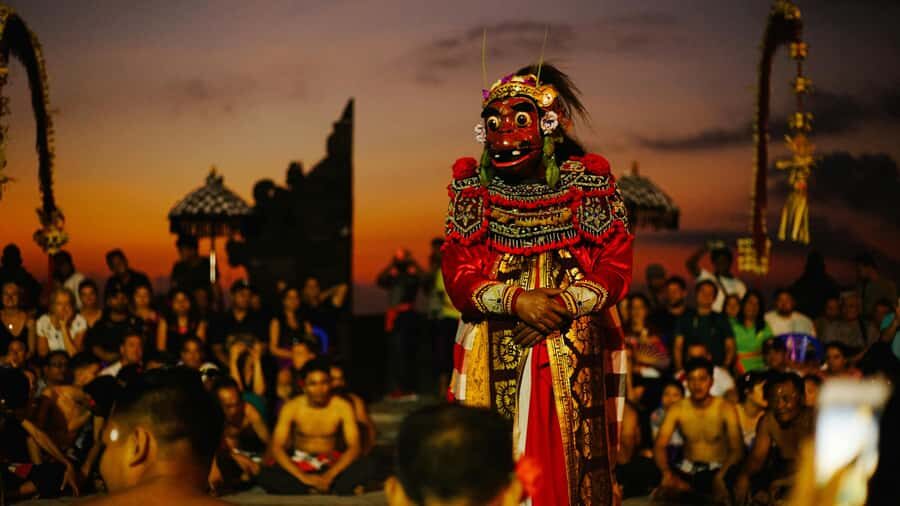
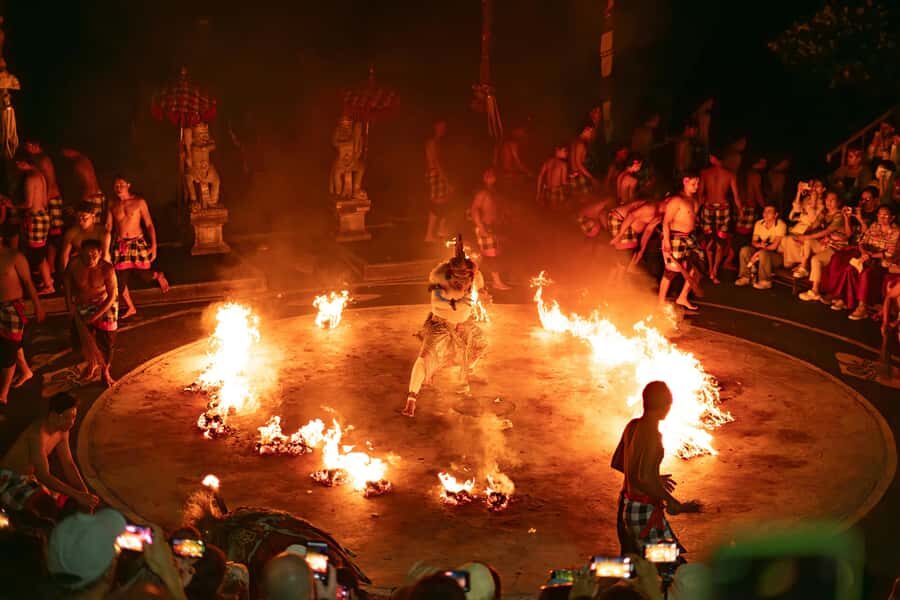
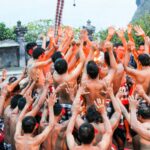
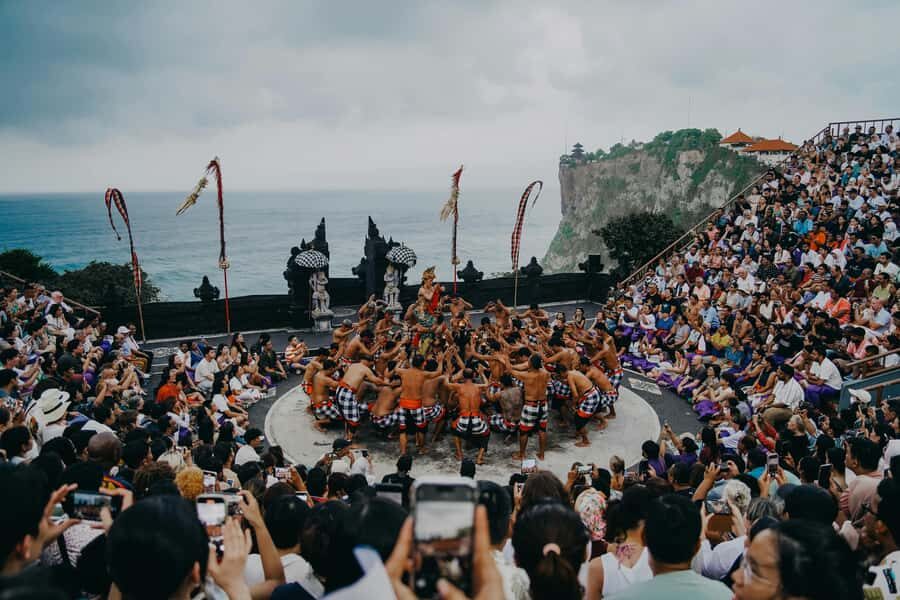
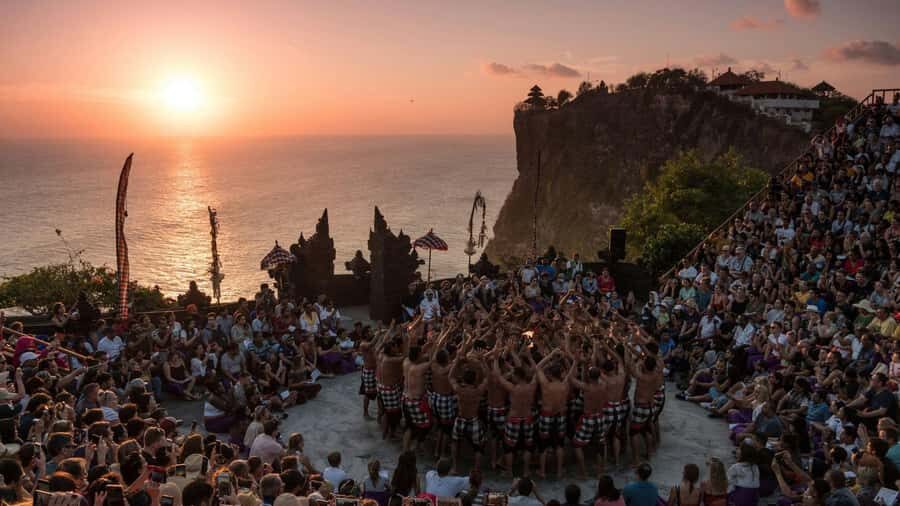
The Kecak Fire Dance at Uluwatu is the tour’s emotional payoff. This is an open-air performance timed for sunset, built around rhythmic chanting and fire elements inspired by the Ramayana story.
The show is about an hour long, and timing matters. You’ll want to settle in and be ready when the performance begins, especially if the venue is busy. The rhythm is the point: it’s not background music. It’s a collective sound that pulls you into the story.
I also appreciate that the best guides set expectations. Some guides give you a heads-up about monkey behavior so you don’t get surprised right when you’re trying to focus. In rain or crowds, guides who explain what you’re seeing can keep the experience from feeling rushed.
If you’re deciding whether to book: this is the must-see piece. The temple and views are great, but the Kecak performance is the thing that’s hard to replace elsewhere.
How the day really runs: private vs shared, and the traffic factor
This tour can run from about 2 to 9 hours depending on the option and timing, but it’s designed as a full-day outing—around 8–10 hours depending on traffic. In Bali, traffic isn’t a detail. It’s the schedule’s biggest wildcard.
That’s why the guides matter. Several guides adapted on the fly when roads or timing got tight. Carma, for example, changed the order to still cover the main itinerary. Other guides made sure the day stayed smooth even when the temple area got packed or the ocean spray wasn’t cooperating.
If you book private, you usually get more flexibility for:
- photo stops that take a few extra minutes
- pacing that fits your energy level
- questions that don’t get cut off
If you go shared, the tradeoff is that you’ll follow the group rhythm more closely. Either way, plan your day so you’re not trying to squeeze another major activity right after sunset.
Guides and transport: where the real value shows up
You’re in an air-conditioned vehicle with live guides, and entry fees for the main stops are included. That matters because it reduces “tour friction.” You aren’t managing tickets and negotiations while trying to enjoy Bali.
One thing I noticed in the best guide experiences is the attention to clarity. People praised guides like Raka and Jolly for communication and the way they explained Balinese culture and history. Others, including Agung and Kadek, kept the day feeling smooth even when weather disrupted the coast.
Guides also tend to be proactive about practical stuff:
- helping with ticket timing
- taking photos and finding good angles
- keeping you oriented when paths get busy
- warning you about monkeys where it matters
Your best move is to show up ready to walk and take in the sights. Wear shoes that grip well. Sunglasses help. Insect repellent helps. And if you care about photos, tell your guide what you like (wide cliff views, monument shots, or human-scale temple moments) early.
Price and value: what you’re getting for $23 per person
At around $23 per person, you’re paying for a curated “South Bali hits” combo:
- entry into Water Blow Nusa Dua
- entry into Garuda Wisnu Kencana (basic entry)
- access for Melasti Beach
- entry into Uluwatu Temple
- entry into the Kecak and Fire Dance
You also get an air-conditioned vehicle and an English live guide, plus hotel transfer if your option includes it.
Meals are the main missing piece, unless you pick an add-on. That doesn’t make the tour overpriced—it just means your total day cost depends on how you eat. If you want lunch or a coffee stop, budget extra.
Optional add-ons like lunch, photo sessions, or spa experiences can help you shape the day. The key value idea: you’re not just buying transportation. You’re buying guided timing through several major sites, plus the entry fees that can add up if you plan it yourself.
Weather, comfort, and small rules that change your day
This tour runs in all weather conditions, so you’ll want to dress for both sun and rain. Coastal stops can get windy or wet, and uneven paths appear when surfaces are slick.
Bring:
- sunglasses
- sunscreen
- beachwear (useful for Melasti Beach, but also for comfort)
- insect repellent
Comfort checklist:
- Bring comfortable walking shoes for uneven paths and steps.
- Assume the day will be longer than you think once traffic hits.
- Keep a light layer in mind for breezy cliff air near Uluwatu.
Also note the on-the-ground rules:
- sarong and sash are required at Uluwatu Temple, and you’ll get them on-site
- drinks in the vehicle aren’t allowed
- alcohol and drugs aren’t allowed
- bare feet and nudity aren’t allowed
If you’re traveling with kids or you hate heat and stairs, you’ll feel the walking part. If you’re generally mobile and comfortable on uneven ground, you’ll be fine.
Who this tour is best for (and who should skip it)
This is a great fit if you’re in Bali for the first time and you want the classic South Bali stack in one day: Water Blow Nusa Dua, GWK, Melasti Beach, Uluwatu Temple, and the Kecak Fire Dance.
It’s also a strong choice if you like learning. Many guides in this tour are praised for explaining what you’re seeing, not just reciting facts. If you want a story thread connecting the sights—religion, culture, and symbolism—this kind of guide-led pacing helps.
It’s not a great match if:
- you have mobility impairments
- you have low fitness for steps and uneven paths
- you’re over 70 (the tour is not suitable for that age group per the info provided)
For everyone else: come with realistic expectations about walking time and weather. You’ll get a smooth day if you go in with the right mindset—less “perfect postcard,” more “real Bali rhythm.”
Should you book the Bali Uluwatu Highlights Tour?
If you want the sunset Kecak Fire Dance plus the main South Bali landmarks in one guided day, this is a solid booking. The value is strong because entry fees and guided timing are handled for you, and the best guides clearly improve the experience with cultural context and practical problem-solving.
Book especially if you:
- don’t want to plan tickets and routing across multiple sites
- want a live English guide who explains meaning, not just locations
- are flexible about weather and traffic
Think twice if you:
- hate walking and steps
- need a fully accessible route
- want a short, low-effort day with minimal driving
If you do book, one smart move is to tell your guide what you care about most—views, photos, culture stories, or pacing. The day gets much better when the guide can tailor the emphasis.
FAQ
How long is the Bali Uluwatu Highlights Tour?
It can run from about 2 to 9 hours depending on the option and timing. The full-day experience is typically around 8–10 hours, depending on traffic conditions.
What stops are included on this tour?
You’ll visit Water Blow Nusa Dua, Garuda Wisnu Kencana Cultural Park, Melasti Beach, Uluwatu Temple, and then attend the Kecak and Fire Dance performance.
Is hotel pickup available?
Hotel transfer is optional. Pickup is available for accommodations in Ubud, Sanur, Seminyak, Kuta, Nusa Dua, Jimbaran, Uluwatu, and Canggu.
Do I need to bring a sarong for Uluwatu Temple?
No. A sarong and sash are required at Uluwatu Temple, and they are provided on-site.
Are there monkeys at Uluwatu Temple?
Yes, monkeys are present. Keep your personal belongings secured during your visit.
Is the tour guided in English?
Yes. The tour includes a live tour guide in English.
Can I cancel and get a refund?
Yes. Free cancellation is available up to 24 hours in advance for a full refund. You can also reserve now and pay later.