Bali artisans at work beat souvenir shopping. This private culture day is built around watching craft makers in action, then pairing it with real Ubud sights and time to shop. Celuk gold and silver and Mas wood carving are the two highlights I’d target first. The only downside: it’s a long, full-day route, so if you want a slow afternoon, this can feel like a sprint.
I also like that the experience leans practical and answer-first. Guides such as Alus and Turah Rai were praised for being sharp with questions and supportive with photos, while Sugara and Gusde were specifically noted for good English and a sense of humor.
If you’re shopping, go in with a plan. Workshop-quality pieces can cost more than what you’ll see at markets, but you’ll be buying with a clearer sense of what went into the making.
In This Review
- Key things to know before you go
- From Seminyak to Ubud: how the route actually feels
- Celuk Village for gold and silver: watch jewelry get made
- Mas Village wood carving: from block to artwork
- Ubud’s Traditional Art Market: shopping with context
- Saraswati Temple: the pond, the art, and the calm
- Ubud Palace: royal family home as a living site
- Guides make the difference: Alus, Turah Rai, Sugara, and Gusde
- Price and value at $114: what you’re paying for
- Timing and logistics: how to plan your day
- Is this tour worth it for you?
- Should you book this Balinese Local Experience Culture Tour?
- FAQ
- How long is the Balinese Local Experience Culture Tour?
- Is this a private tour?
- Do you offer hotel pickup and return?
- What are the main stops during the day?
- Are admission tickets included?
- Is lunch included?
- Do I receive a mobile ticket?
- What happens if weather is poor or I need to cancel?
Key things to know before you go
- Handcraft stops with real production: you see metalsmithing, carving, and batik-related creativity in the middle of the workday.
- A tight order, designed for one day: Seminyak pickup pushes you into Ubud early, then it’s market, temples, and palace by mid-afternoon.
- Private means your pace is protected: it’s only your group, so you can ask questions without feeling rushed.
- Entry tickets are included at the listed stops: you don’t have to add extra admission costs for each craft/market stop.
- Shopping is part of the point, so budget matters: workshop items tend to be pricier than market finds.
- Guides can make or break the day: names like Alus, Turah Rai, Sugara, and Gusde show up in strong feedback for a reason.
From Seminyak to Ubud: how the route actually feels
This is a full-day private culture route, starting with pickup around 8:30 AM and looping back near 5:00 PM. You’ll spend most of the day in Ubud and nearby craft areas, with a lunch break slotted right after the morning workshops.
The pacing is deliberate: the morning is for craft watching (Celuk and Mas), the early afternoon is for shopping (Ubud Market), and the later part of the day is for temple and palace sightseeing. If you like structured days—rather than wandering and guessing—this format tends to work well.
You can also read our reviews of more tours and experiences in Seminyak.



Celuk Village for gold and silver: watch jewelry get made
Celuk is Bali’s major center for goldsmith and silversmith work, and the whole vibe is production-focused. The main road runs with galleries and workshops, and many homes double as display spaces, showing pieces behind glass even when work is happening inside.
What I like about this stop is that it doesn’t feel like a generic shopping pit stop. You’re there to see the design and making process up close, which helps you judge craftsmanship when you start comparing pieces. Many items are available for purchase directly here, so you can decide what feels worth the money while the process is still fresh in your mind.
Practical tip: if you’re shopping, take photos of the style you like before you start pricing. Comparing shapes and details later at Ubud Market gets much easier when you’ve already seen how the metalwork is finished.
Mas Village wood carving: from block to artwork
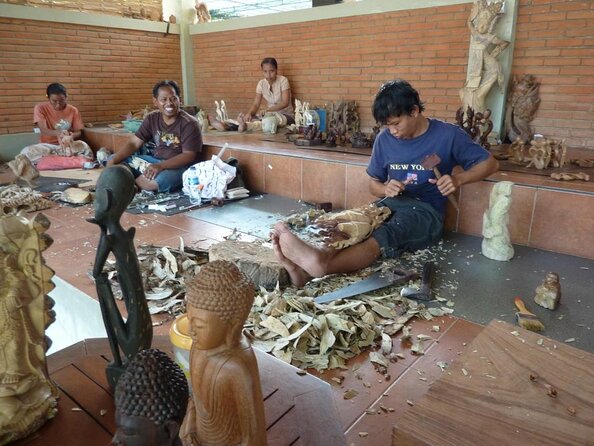
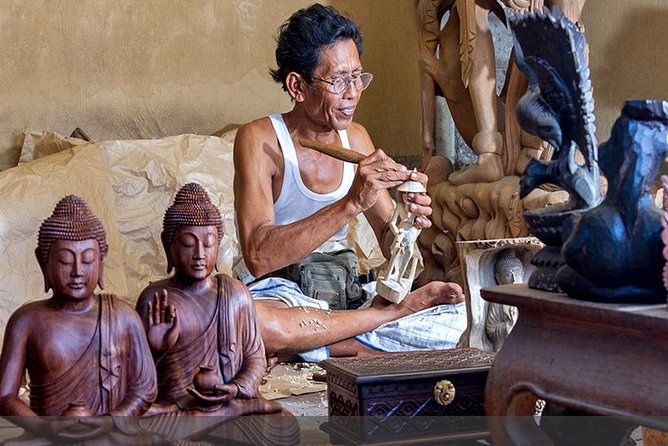
Mas Village is known for its tradition of wood carving, and the atmosphere shifts from metal workshop to artisan carving practice. This area is often described as artistic countryside, and the key point for you is that the carvings are made through a craft process, not just mass-produced displays.
The stop is built around watching master carvers work, which makes the difference between buying a carving and buying the carving’s story. Once you see how a figure takes shape, you’re more likely to spot better carving details—proportions, texture, and finish quality.
One consideration: wood carving is detailed work, and quality can show up in the price tag. It’s smart to set a shopping ceiling before you arrive, because it’s easy to get carried away when the maker is right there.
Ubud’s Traditional Art Market: shopping with context
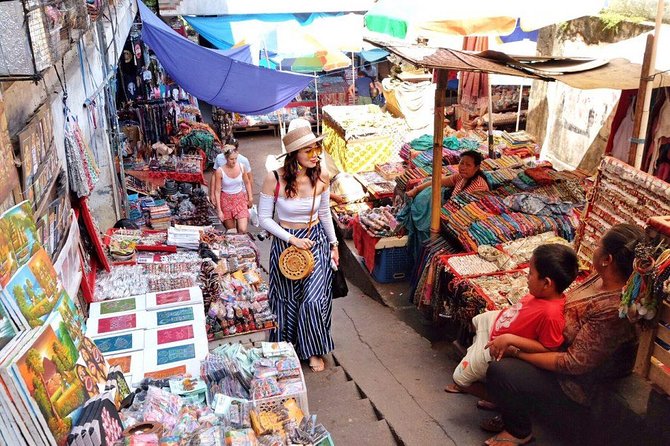
After the workshop hours, you land at Ubud Market for around two hours. This is where you’ll find a wider range of souvenirs: kitschy options, clothing, and gifts for back home, all in one place.
Here’s the useful mindset: market shopping gives you variety and price flexibility, while the villages give you process clarity and (often) higher-end quality. If you want a mix of both, this is the best pairing—see how it’s made, then compare it to what’s available for sale in the market.
Also, keep suitcase space in mind. With Bali items, even small purchases can add up fast, and you’ll be happier if you plan packing space before the afternoon shopping rush.
Saraswati Temple: the pond, the art, and the calm
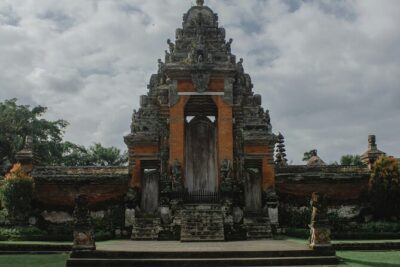
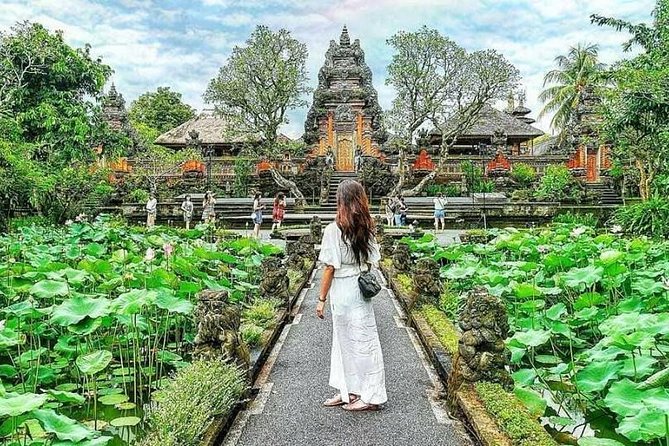
Saraswati Temple is a quieter cultural break from the shopping heat. It’s dedicated to the Hindu goddess of wisdom and art, and you’ll see carvings tied to the goddess across the buildings.
The temple’s pond is a big part of what you’ll notice. There’s a fountain in front and a limpid pond area, and it’s described as covered in lotus blossoms. In local practice, the water is treated with reverence, and the experience includes a sense of how visitors connect with the space.
This stop is also a reminder that Bali’s craft culture isn’t separate from spirituality. You’ll see how visual art shows up in carved stone and temple decoration, not just in wood and metal.




Ubud Palace: royal family home as a living site
The day finishes with a visit to Ubud Palace, described as the home of Bali’s Royal Family. The practical value of a palace visit on a day like this is perspective: after seeing artisans make pieces, you’re looking at cultural heritage as a place where people still connect to tradition.
Expect it to feel more like a site you visit and observe rather than something that’s set up purely for tourists. This makes the palace stop a good match for travelers who want meaning, not just photos.
Guides make the difference: Alus, Turah Rai, Sugara, and Gusde
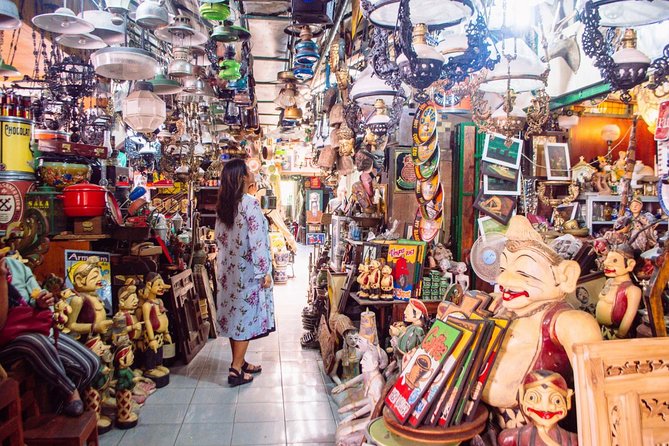
This tour leans hard on guide quality, and the names coming up in strong feedback aren’t random. Alus has been credited with making the day amazing through both driving and photography support. Turah Rai was described as a top guide for answering questions and pushing you to experience plenty of new things. Sugara was praised for being friendly, knowledgeable in terms of sharing info, and for speaking good English. Gusde earned points for humor and flexibility, plus clear explanations.
What you should do: treat your guide like your on-the-ground translator of culture. Ask what matters in the craft you’re watching—how people judge quality, what designs are meant to symbolize, and what’s reasonable to pay. With this kind of day, smart questions turn a nice outing into a memorable education.
Price and value at $114: what you’re paying for
At $114 per person, you’re buying a private structure for most of a workday: hotel pickup, a full routed experience, and admission tickets included at the listed craft and market stops. That matters because entrance costs and scheduling headaches can pile up fast on DIY days.
The strongest value angle is the combination. You get:
- Craft production stops (gold/silver in Celuk and wood carving in Mas)
- Market time in Ubud for browsing and comparison
- Temple and palace culture stops later in the day
What to budget for separately: shopping. The craft items you see being made can be priced higher than what you’ll find at markets, and that difference is often tied to quality and the maker’s time. If you want bargains, focus your comparison at the market. If you want a signature piece with visible craftsmanship, be ready to pay workshop pricing.
Timing and logistics: how to plan your day
The day runs on a clear arc. Pickup starts around 8:30 AM, and the route hits Celuk and Mas before lunch, then transitions to the market and sightseeing in the afternoon.
A tour like this works best if you’re okay with being on the move for hours. If you’re traveling with jet lag, or you prefer long slow mornings, you may want to buffer your schedule the day before (and keep dinner light after the tour so you don’t crash hard).
One more small tip: wear comfortable footwear. You’ll be in and around markets and craft areas, then walking temple/palace spaces later. This is not a flip-flop day.
Is this tour worth it for you?
This works best if you want:
- A private, guided culture day with a clear plan
- Hands-on craft watching (metalwork and wood carving are the core)
- Time to shop in Ubud with context, not just browsing
- A guide who helps you connect the dots between craft, art, and place
It’s less ideal if your main goal is relaxing beach time or if you dislike shopping. Also, if you’re very price-sensitive, go into the workshops knowing items may cost more than market options.
Should you book this Balinese Local Experience Culture Tour?
If your idea of a great Bali day is seeing artisans work and then translating that into better shopping choices, I’d book it. The included admission tickets at the craft and market stops, plus the guided private format and the structured route, makes it a strong value compared with piecing it together on your own.
I’d only hesitate if you want a slow day with minimal schedule pressure. This is a full-day experience, and it’s designed to pack meaningful stops into one run.
FAQ
How long is the Balinese Local Experience Culture Tour?
The tour runs about 8 to 10 hours.
Is this a private tour?
Yes. It’s a private tour/activity, so only your group participates.
Do you offer hotel pickup and return?
Yes. Pickup is offered, and the schedule includes returning to your hotel in the late afternoon (around 5:00 PM).
What are the main stops during the day?
You’ll visit Celuk Village, Mas Village (wood carving), Ubud Traditional Art Market, Saraswati Temple, and Ubud Palace.
Are admission tickets included?
Admission tickets are included for the listed stops: Celuk Village, Mas Village, Ubud Traditional Art Market, and Saraswati Temple.
Is lunch included?
Lunch is included in the day’s schedule (around 12:00 PM), with a lunch break built into the tour timing.
Do I receive a mobile ticket?
Yes. The experience includes a mobile ticket.
What happens if weather is poor or I need to cancel?
The tour requires good weather. If it’s canceled due to poor weather, you’ll be offered a different date or a full refund. You can cancel up to 24 hours in advance for a full refund.