Cleansing in Bali starts before the crowds. This Ubud day pairs a Mengening Temple water-purification ritual with a rare shaman meeting, usually translated for you. I love how it feels intimate—max eight guests—so the spiritual part doesn’t turn into a production. I also love that the healing reading is the real focus, not just a photo stop. One watch-out: it’s an early start, and the water-ritual portion isn’t available if you’re on your period.
You’ll be picked up around the Ubud area for a 7:00am meet-up, then spend the morning on cleansing, followed by breakfast and a shaman session around late morning. Your shaman typically doesn’t speak English, so your guide/translator helps with questions and understanding—often with guides such as Ena or Anna—making the experience easier to follow. Plan on returning to Ubud around 2pm, depending on how the group day runs.
In This Review
- Key things you’ll notice right away
- Getting to the right place: early pickup that actually helps
- Mengening Temple: the water temple where you let go
- What makes this stop special
- The practical rules you must follow
- Breakfast in Ubud: a real reset, not just a filler stop
- Meeting the shaman: palm, birth date, and guidance you can understand
- What the reading includes
- How to engage
- Group size and why it changes the vibe
- The guides and the translation layer (what to expect)
- Value check: why $99.27 can make sense here
- Who should book this, and who should skip it
- What to pack and how to prepare your head
- So, should you book Meditate with a Shaman?
- FAQ
- What happens at Mengening Temple?
- What time does the tour start?
- Is pickup from my Ubud hotel included?
- How many people are in the group?
- Does the shaman speak English?
- Can I participate if I’m on my period?
- What should I bring?
- Is breakfast included, and are there dietary options?
- How long is the tour and when do we return?
- What’s the cancellation policy?
Key things you’ll notice right away
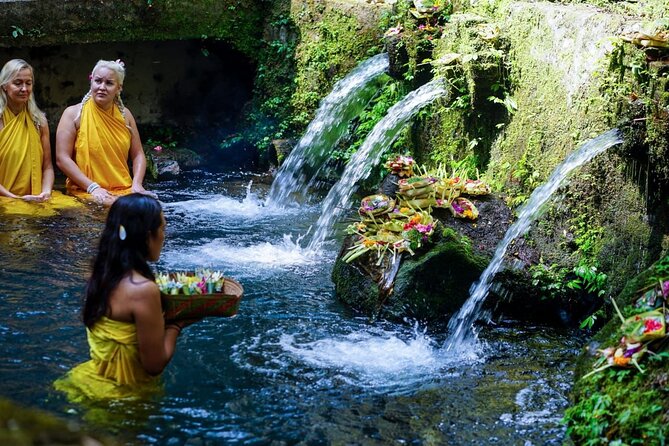
- Small group cap (eight max): more quiet time with the ritual and less waiting around
- Mengening Temple at “stillness”: a water purification focus before the day gets busy
- Translated shaman reading: palm + birth date guidance in a way you can actually understand
- Breakfast included: a proper food break after the ritual (often with vegan and gluten-free options)
- Time for offerings: you may be taught how to make a flower basket for the ceremony
Getting to the right place: early pickup that actually helps
This tour is built around timing. You’ll be picked up in the Ubud area and meet around 7:00am (pickup can start earlier, around 6–7am). That early departure matters because temples and spiritual spaces in Bali feel very different when you arrive before the day gets loud.
The benefit is practical: you spend more time in calm. The “purification Shrine” is specifically described as off-the-path and less visited, and the shaman meeting is normally not something geared to travelers. In other words, the day has a “local rhythm.” If you’re the type who likes to see Bali with fewer crowds and less performance, this schedule fits.
Logistics are also fairly simple. The tour includes two-way transfers from your Ubud hotel, which is a big deal in Bali traffic. Still, keep a small buffer in your mind: one write-up mentioned that redrop back at the hotel wasn’t direct due to traffic and they had to continue by Grab/Gojek for a short hop. That’s not the plan, but it’s the kind of realistic snag that can happen when the city is busy.
You can also read our reviews of more tours and experiences in Ubud.



Mengening Temple: the water temple where you let go
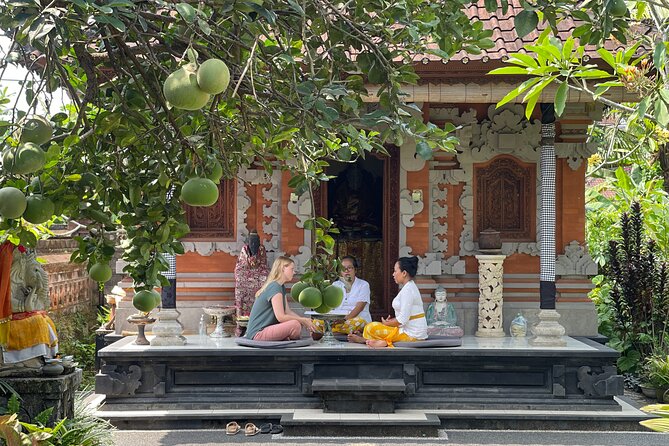
The morning centers on Mengening Temple, a water temple tied to the idea of stillness. Before you even think about what the ritual means, think about what the water part requires from you.
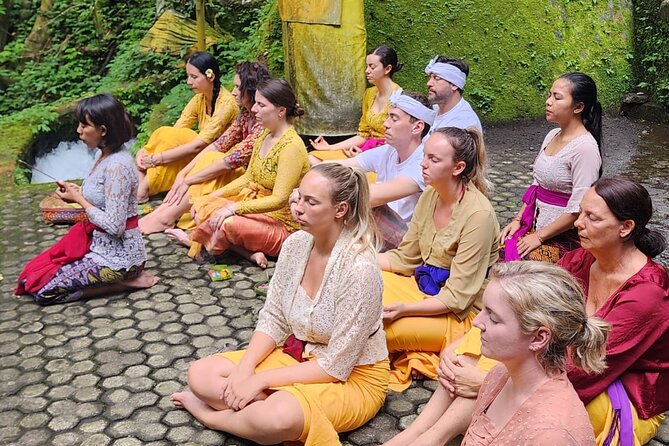
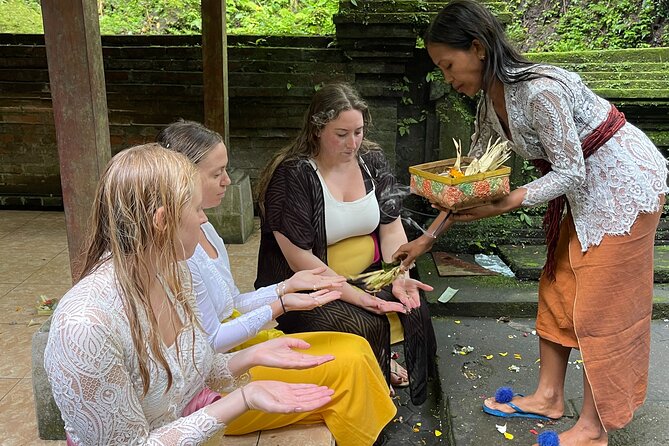
You’ll arrive and follow the cleansing flow with your guide. The core idea is pretty clear: you’re meant to release what no longer serves you and take in what helps you move forward. In Bali, purification rituals are not usually about “magic entertainment.” They’re about intention and physical participation—so you’ll want to treat the time as sacred, not casual.
What makes this stop special
A big value here is the temple choice. You’re not doing the most famous, most crowded circuit. The point is to experience a ritual in a quieter space, with fewer distractions. In past group days, people reported being among the first there, with very few others present, plus some locals participating in the bathing area. Even if your day isn’t that empty, the tone is usually calm and respectful because it’s an off-the-path location.
The practical rules you must follow
The most important limitation is simple: women who are on their period can’t come to the water temple. Also, bring your own towel and swimwear, since you’ll be in the water for the purification portion.
That means you should pack like you mean it:
- towel (small enough to carry)
- swimwear
- a change of clothes for after
If you’re sensitive to early mornings, this is where the day tests you—because you’ll be moving through the water ritual fairly soon after pickup. The reward is that you get the cleansing done while your mind is still fresh and before the rest of Ubud fills up.
Breakfast in Ubud: a real reset, not just a filler stop
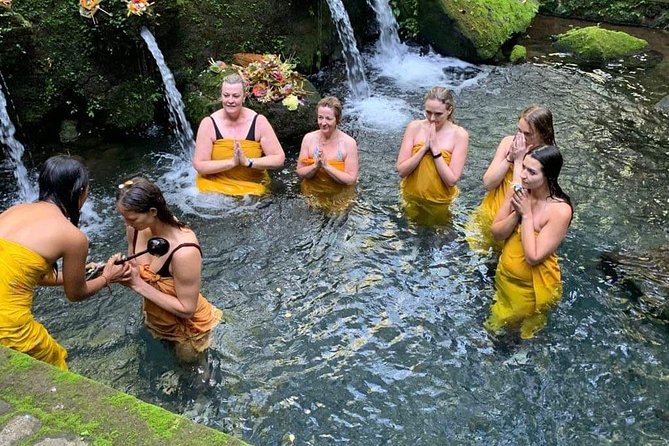
After the temple, you’ll head back toward Ubud for breakfast at a restaurant. It’s not positioned as a quick “grab and go.” It’s set up as a calm reset so your body can come out of the ritual mode and you can actually enjoy the rest of the day.
One of the nice details: the breakfast stop has vegan and gluten-free options. That’s the kind of practical thing that saves you stress. If dietary restrictions are part of your life back home, you’ll appreciate having choices without having to negotiate on the spot.
This meal also gives you a mental break. Think of it like switching gears: the water temple part is physical and focused; the shaman meeting is more reflective and conversation-based. You’ll feel the difference if you don’t eat.




Meeting the shaman: palm, birth date, and guidance you can understand
Around 11:00am, you’ll travel to the shaman’s house. The drive is described as about 30 minutes plus or minus, and the shaman reading itself takes time.
Here’s what makes this part genuinely valuable: the shaman you meet typically works mostly with Balinese people and doesn’t usually work with travelers. That’s why the translation support is so important. Your shaman generally doesn’t speak English, so your team provides translation and helps shape the interaction into something you can follow.
What the reading includes
The reading focuses on:
- your palm
- your birth date
- advice tied to what the shaman calls the energy of your soul and life path
Your guide acts as translator, so you’re not just sitting there while people “do something mystic.” You’re meant to get guidance—direction, interpretation, and advice on moving forward.
How to engage
Since you’re doing this with a living person (not a performance), come with a mindset of curiosity rather than skepticism-by-default. If you’re the type who wants to ask questions, you may find the translator support makes it easier to get clarity. If you’re more reserved, you can still take in the reading and just focus on listening.
One extra practical detail: people have noted that it’s possible to voice record the shaman’s reading, and there are opportunities for photos. If this is important to you, ask your guide what’s respectful in that space—temple and home settings can have different comfort levels.
Group size and why it changes the vibe
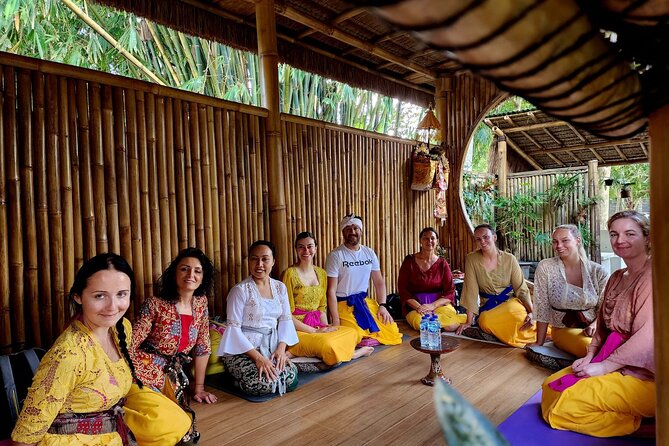
This is capped at a maximum of eight guests, and that affects the whole experience.
With small groups, you typically get:
- more time with your guide
- fewer long waits at each stop
- a calmer spiritual atmosphere at the temple
- a more personal feel during the shaman reading
The “no larger than eight” rule isn’t just a number. It’s a design choice meant to keep the day human. You’re not squeezed into a big bus rhythm. Even the early arrival feels more meaningful when you’re not competing with a crowd.
Also, with fewer people, the translator can focus more clearly on your understanding rather than bouncing between multiple languages and questions at once.
The guides and the translation layer (what to expect)
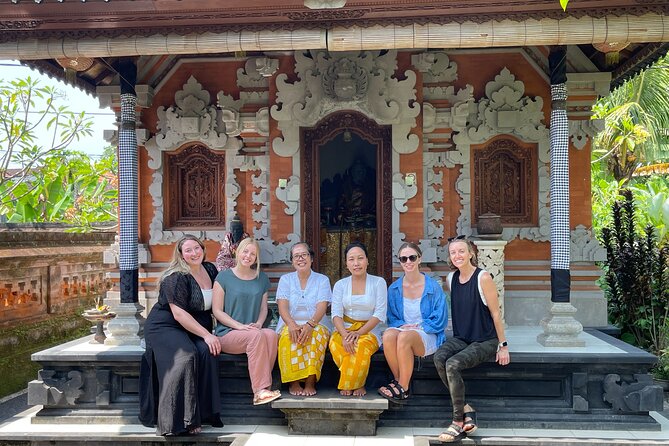
Your guide plays a key role. The shaman exchange is translated, which means you’ll be able to follow what’s being said and ask for clarification when needed.
Depending on the day, you might be guided by people such as Ena or Anna, and you may travel with drivers like Wahyu or Putu. I can’t promise which name you’ll see, but the consistent takeaway is that the team is meant to handle:
- cultural context (so you don’t feel lost)
- translation (so you don’t miss the heart of the reading)
- pacing (so the day stays organized)
If you’re language-dependent, this is one of the tour’s biggest strengths. A shaman session without translation can turn into a blur. Here, translation is part of the package.
Value check: why $99.27 can make sense here
At $99.27 per person, you’re paying for more than a “temple visit.” You’re paying for:
- round-trip transfers from Ubud hotels
- entry-time and guidance through a water purification ritual
- breakfast
- a translated shaman reading session
- a capped group size that limits rushing
If you’ve done Bali tours before, you know how quickly costs rise when you want something private or meaningful. This isn’t a silent DIY thing. You’re getting someone to bring you into a ritual setting and help translate spiritual guidance.
Is it a fit for everyone? Not exactly. This isn’t “just another sightseeing day.” It’s for people who want spirituality and cultural context, and who can respect the rules (especially around the water temple).
Who should book this, and who should skip it
This experience suits you if:
- you want a spiritual morning in Ubud beyond the typical attractions
- you like small-group days with calmer pacing
- you’re comfortable with early starts
- you value cultural guidance and translation
- you’re open to a palm + birth date reading that aims to give direction
You might want to skip it if:
- you’re currently on your period (water temple restriction)
- you don’t like early mornings
- you prefer strictly secular experiences with no spiritual component
What to pack and how to prepare your head
You don’t need special gear, but you do need the basics for the water part. Bring a towel and swimwear. Plan clothes for after the ritual. Also, arrive with a calm mindset. These rituals work best when you don’t treat them like a checklist.
A helpful prep question for you: what do you actually want guidance on? The shaman reading is structured around your palm and birth date, but your personal intention shapes how you interpret the advice.
Also, remember the day can run until around 2pm. Build your schedule around that. Don’t book dinner somewhere far across town right after—give yourself breathing room.
So, should you book Meditate with a Shaman?
If you want a Bali day that feels intimate, local, and spiritually focused, I think this is an easy yes. The pairing of Mengening Temple purification plus a translated shaman session is the core win. The small group cap keeps it from feeling rushed, and the translation support makes sure you’re not left guessing.
The only strong reason not to book is the timing and the rules. Early morning is non-negotiable, and the water temple isn’t available if you’re on your period.
If you’re ready for a respectful, calm, meaningful day in Ubud, this is the kind of experience that can genuinely change how you feel—because it gives you a ritual and guidance, not just pictures.
FAQ
What happens at Mengening Temple?
You’ll take part in a water purification ritual designed to cleanse and release what no longer serves you. It’s led with your guide, and it takes place at the water temple area.
What time does the tour start?
The meeting time is listed as 7:00am, with pickup generally happening around 6–7am in the Ubud area.
Is pickup from my Ubud hotel included?
Yes. Free pickup is offered around Ubud, and the tour includes direct two-way transfers from your Ubud hotel.
How many people are in the group?
The group is capped at a maximum of eight travelers.
Does the shaman speak English?
The shaman typically does not speak English, but your team provides translation support during the reading.
Can I participate if I’m on my period?
No. Women who are on their period can’t come to the water temple.
What should I bring?
Bring your own towel and swimwear for the water temple.
Is breakfast included, and are there dietary options?
Yes, breakfast is included. The restaurant stop has vegan and gluten-free options.
How long is the tour and when do we return?
The duration is about 8 hours. You’ll normally be back in Ubud around 2pm, depending on the group.
What’s the cancellation policy?
You can cancel for free up to 24 hours before the experience starts for a full refund. If it’s canceled due to poor weather, you’ll be offered another date or a full refund, and if the minimum traveler count isn’t met, you’ll also be offered a different option or a refund.