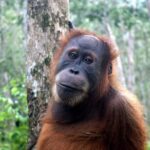
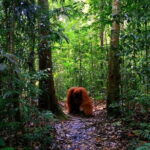
Orangutans in one day sounds wild. I love the max 9-person group and the way the guide-led search boosts your odds, plus you get lunch and the park entry handled. The one catch is simple: wildlife is wild, so orangutans are never a sure thing.
You start with pickup in Bukit Lawang at 9:00 am, which means you’re not doing the self-drive scramble. Expect about 5–6 hours of forest walking with stops for photo time, plant talk, and animal spotting—plus options for how you get back. One more consideration: the trek is rated medium, and the humidity can feel serious, so plan for a proper hike day, not an easy stroll.
In This Review
- Why This Trek Works for Real Jungle Sightings
- Small Group Size Means Better Orangutan Odds
- Your Day, Hour by Hour: Pickup at 9:00 and Back by Tubing
- Gunung Leuser National Park: What You’ll Actually Do Inside
- The Lunch Stop That Keeps You Happy (and Through-Hiking)
- Guides Who Make Jungle Walking Easier: Selamat, Joe, Ian, Eric
- Return Options: Walk Back vs River Tubing
- Fitness Level and Trail Reality: Medium Means You Should Be Prepared
- What to Pack for Rain, Bugs, and Sticky Humidity
- Price and Value: $72.48 for What You’re Really Getting
- Who Should Book This Jungle Trek (and Who Might Skip It)
- Should You Book the Bukit Lawang Full Day Jungle Trek?
- FAQ
- What time does the pickup happen?
- How long is the jungle trek?
- How big is the group?
- What’s included in the price?
- Do I need to self-drive to start the trek?
- Can I return by river tubing?
- What animals might I see?
- What should I wear and bring?
- What is the cancellation policy?
Why This Trek Works for Real Jungle Sightings
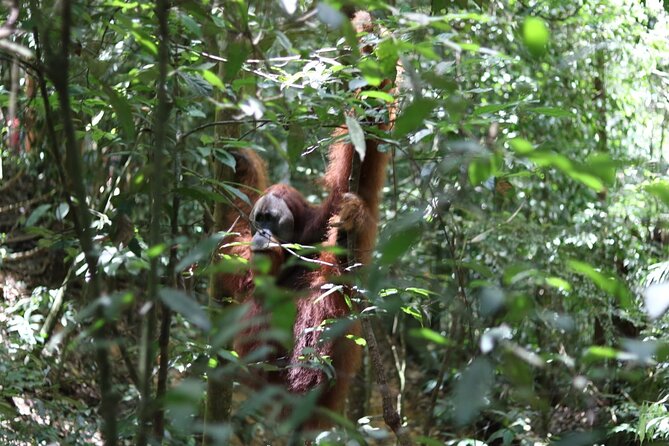
This is a small-group jungle walk built around one goal: seeing animals in their real habitat around Bukit Lawang. When a group is kept tight, the guide can slow down, point things out, and help you react quickly when something moves in the canopy.
I also like that the trek is guided by an English-speaking certified guide, and it includes the national park permit. That means you’re not piecing together access rules, and your guide can focus on the hunt: primates, birds, and anything else that shows up that day.
The best part is the mix of “moving through the jungle” and “staying present.” You’re hiking long enough to feel like you did the jungle, but you’re not constantly on the go with no breaks.
Small Group Size Means Better Orangutan Odds
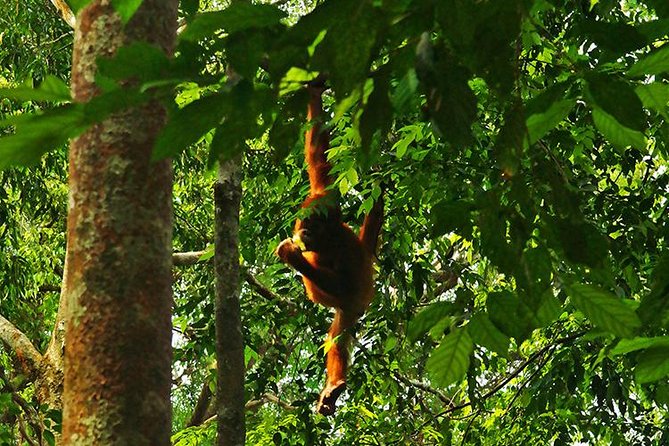
The tour caps the group at 9 travelers, which is a big deal in a thick rainforest. When you’re not elbow-to-elbow, you can actually track motion—up in the trees, along branches, and sometimes near the river.
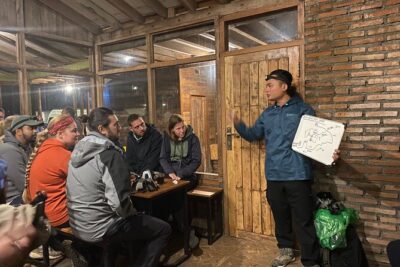
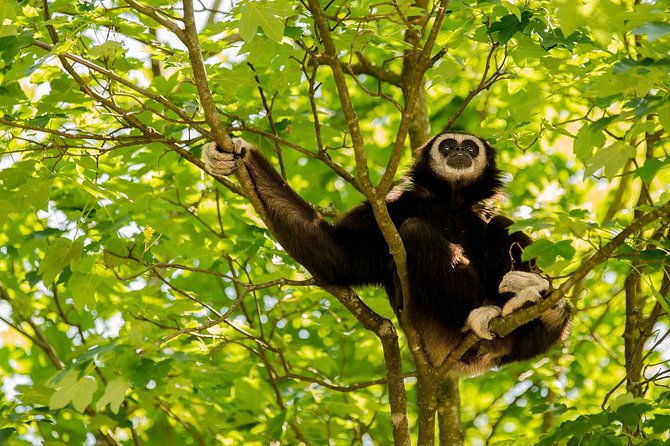
This is where guide skill really matters. You’ll likely spend time learning what to look for, like where gibbons travel and what macaques do when they’re feeding. Guides often include names like Selamat and Joe, and I’d expect a similar approach across guides: patient scanning, quick explanations, and help with the trickier bits of the path.
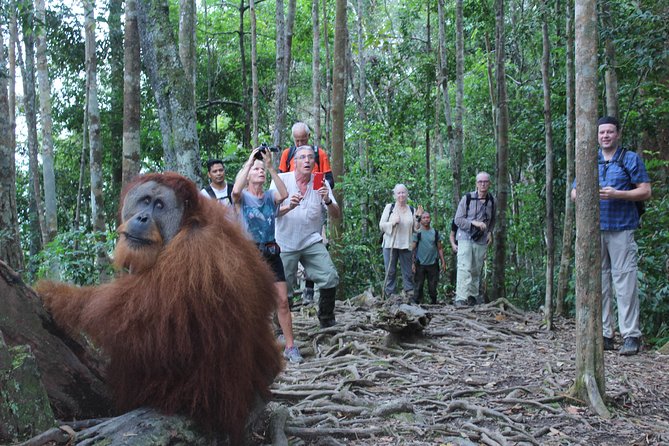
And when orangutans do appear, it’s rarely a giant parade. You may get a brief, close view before the animal disappears into the forest again. That’s why the small group setup is so valuable.
You can also read our reviews of more tours and experiences in Medan.


Your Day, Hour by Hour: Pickup at 9:00 and Back by Tubing
This is a full-day outing, starting with pickup at 9:00 am from your accommodation in Bukit Lawang. From there, you head toward the jungle edge where you meet your guide and get your bearings.
Once you’re walking, you can expect roughly 5–6 hours of hiking time. The pace is built for spotting wildlife, so it’s not a nonstop march. There are explanation breaks, and there’s time to stop for photos when your guide calls something out.
Lunch is included, and it’s scheduled as a proper fueling moment, not a snack you eat while still moving. Depending on the day and what you see, you can also have a more relaxed feeling during the later part of the trek.
On the way back, you have options: you can return by walking back through the jungle, or you can opt to return by tubing the river. If you’re choosing tubing, you’ll want to plan for wet gear and a little extra packing care.
Gunung Leuser National Park: What You’ll Actually Do Inside
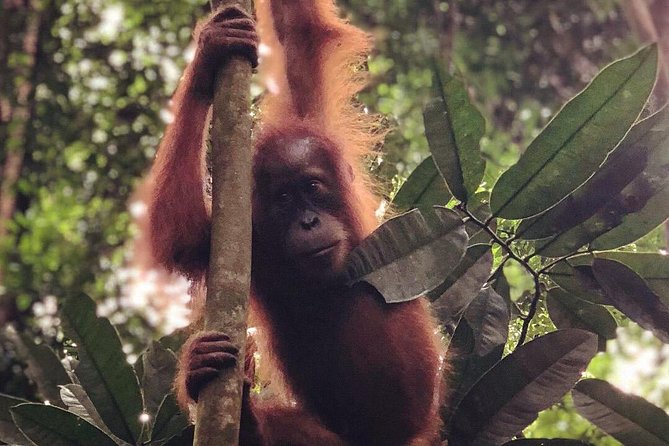
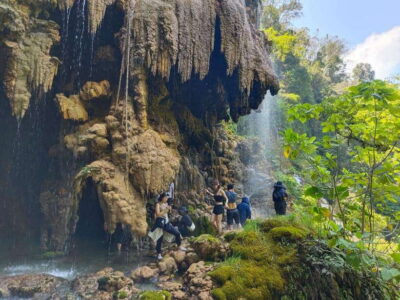
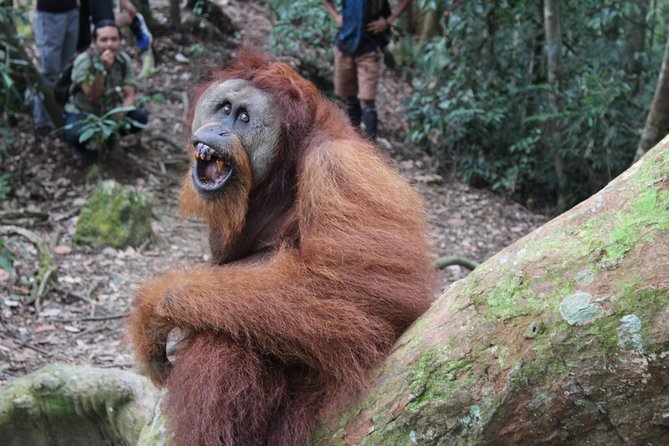
The trek happens in the jungle around Bukit Lawang, inside Gunung Leuser National Park with the entry permit included. Practically, that means you’re walking in the kind of habitat where you can see everything from primates to birds and smaller wildlife.
Your guide will talk about the plants and the animals you may encounter. In a place like this, that context changes the whole experience. Instead of just seeing trees, you start recognizing signs: feeding areas, movement sounds, and the spots where certain animals tend to appear.
You’ll likely look out for:
- Orangutans
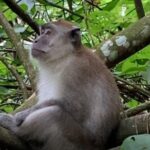
- Macaques
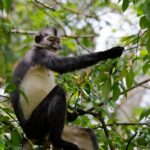
- Gibbons
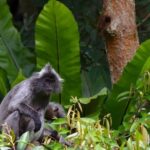
- Thomas leaf monkeys
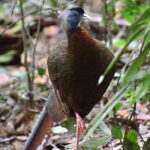
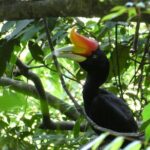
- Hornbills
And it’s not just about primates. Hornbills and other birds can give you those sharp, quick moments that keep your attention locked in.
Photo time is built in. You’ll get plenty of chances to take pictures, but it’s still smart to remember that wildlife can move fast and sometimes stays just out of view.
The Lunch Stop That Keeps You Happy (and Through-Hiking)
Lunch is included, and you’ll get a real break to refuel. One of the things people consistently like about this trek is that the food feels home-style rather than like an afterthought.
You might see dishes like nasi goreng as part of the lunch setup. The key point for your planning is that you won’t have to hunt for food halfway through the day or manage your energy the hard way.
This matters because the jungle day can get tiring: humidity slows you down, and even moderate hills feel steeper than you expect. A proper meal keeps you from turning the last hour into a survival walk.
Guides Who Make Jungle Walking Easier: Selamat, Joe, Ian, Eric
A great guide changes this from a walk into a story you can read. The guides linked to high scores often get described as kind, funny, and practical—people who also know how to keep the group safe and moving at the right speed.
For example, Selamat and Joe have been specifically praised for being knowledgeable and for helping with trickier parts of the hike. Nang Nang and Purim show up in strong feedback too, with mentions of many orangutan sightings and the feeling of being well looked after, especially for solo travelers.
Other names that have come up include Angar, Ian, and Eric. What these guides have in common is the same theme: they help you notice things. That might mean explaining what you’re seeing, making rest stops when you need them, or guiding you to better viewing spots.
If you’re sensitive to difficult footing, pay attention to how your guide handles the group. A good guide doesn’t rush; they manage the pace so you’re still alert for wildlife.
Return Options: Walk Back vs River Tubing
You get a choice for how to return, which is a nice way to tailor the experience to your energy level.
Option 1: Walk back through the jungle
This keeps you in the environment and can feel more like a continuous trek. It also means you stay in control of your timing. The tradeoff is that you’ll finish with another stretch of walking.
Option 2: Return by tubing the river
This can feel like a fun payoff, breaking up the hike with something different. It’s also a relief on tired legs. The practical consideration is wet gear: you’ll want a waterproof bag or dry storage plan, and you should be ready for dampness.
If you’re not sure, think like this: do you want a last jungle moment, or do you want a lighter landing after a long trek?
Fitness Level and Trail Reality: Medium Means You Should Be Prepared
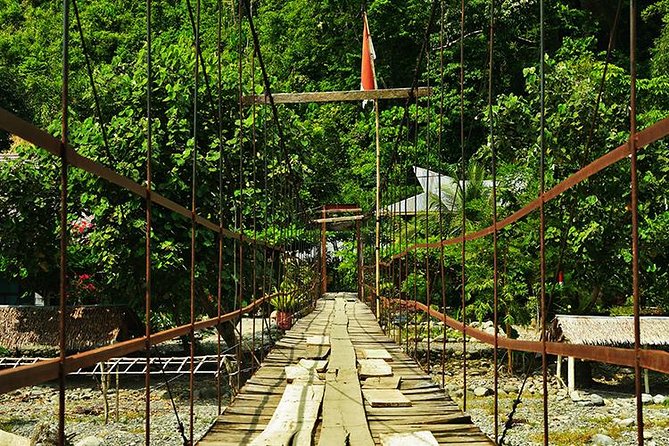
The trek is listed at a medium fitness level, and that’s accurate in real terms. You’re out for 5–6 hours, moving through uneven ground, in humid conditions.
One detail that stands out from feedback is that some people are cautioned that it can be a real hike day, with distances like around 9 km and noticeable elevation gain referenced for a tour. That’s a good reminder: if you only do casual flat walks, this will feel tougher than you expect.
Also, humidity can be strong. I recommend wearing long trousers and a long sleeve layer even if it’s hot. It helps with comfort on the trail and reduces skin exposure to bugs.
What to Pack for Rain, Bugs, and Sticky Humidity
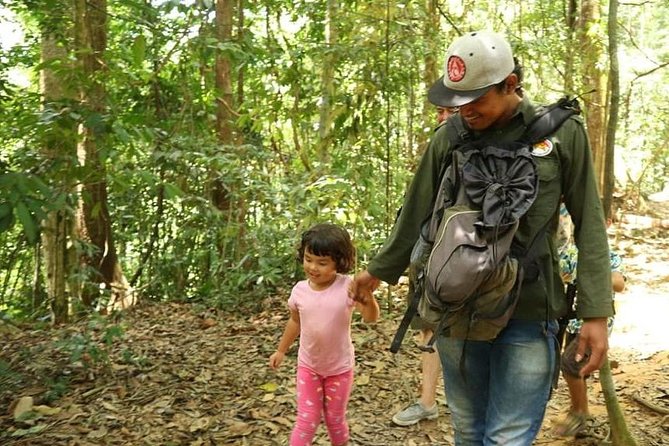
Here’s your packing list for the trek, and I’d treat it like the minimum viable kit:
- Sun cream
- Bottled water
- Mosquito repellent
- Raincoat or rain cover for your bag (and a waterproof bag if you have one)
- Hiking shoes or sport shoes
- Long trousers plus a t-shirt or long sleeve top
Two practical tips:
- Shoes matter. Wet jungle footing can be slippery, so bring something with real grip.
- Rain cover is not optional. Even when the day looks fine, tropical weather can change fast.
If you hate getting things wet, pack a waterproof bag for your phone and any items you need to keep dry.
Price and Value: $72.48 for What You’re Really Getting
At $72.48 per person, the value here comes from what’s handled for you. You’re not paying separately for:
- an English-speaking certified guide
- lunch
- national park entry
- transfers from Bukit Lawang area hotels
That last point is underrated. You’re in a place where finding and negotiating transport can eat up your time and energy. Pickup included means you can focus on the trek instead of logistics.
Is it a bargain? It’s priced like a proper guided day experience, not a DIY walk. If you want orangutan odds without juggling permits, guides, and transport, this looks like a fair deal.
Who Should Book This Jungle Trek (and Who Might Skip It)
Book this if you:
- want a small group jungle day rather than a big bus-style outing
- want guided help spotting wildlife like orangutans, gibbons, and hornbills
- appreciate included lunch and park permit so your day feels simple
- don’t mind humidity and uneven trail underfoot
Consider skipping or picking a gentler option if you:
- are not comfortable with a medium hike duration
- are dealing with injury or mobility limits
- can’t handle warm, damp conditions with long trousers and covered clothing
If you’re traveling solo, the guide support and group size are a strong fit. It’s also a great choice if you have only one day in Bukit Lawang and want a full jungle experience without waiting around for a multi-day trek.
Should You Book the Bukit Lawang Full Day Jungle Trek?
Yes—if you want the most efficient one-day way to experience the jungle around Bukit Lawang with a guide and a realistic chance of primate sightings. The small group size and guide-led search are the big reasons to choose this, especially if orangutans are the headline goal.
Just go in with the right expectations: wildlife sightings can be brief, and not every day delivers orangutans. Bring the kit, wear the right clothes, and let the guide do the scanning. If you do that, you’ll come back with stories you can’t get from a viewpoint.
FAQ
What time does the pickup happen?
Pickup is at 9:00 am from your accommodation in Bukit Lawang.
How long is the jungle trek?
You’ll be hiking for around 5–6 hours during the day.
How big is the group?
The group size is capped at a maximum of 9 travelers.
What’s included in the price?
The price includes an English speaking certified guide, lunch, and a national park permit.
Do I need to self-drive to start the trek?
No. Transfers are included from hotels in the Bukit Lawang area, so you don’t need to self-drive.
Can I return by river tubing?
Yes. There’s an option to return by tubing the river, and there’s also an option to return by walking through the jungle.
What animals might I see?
You may see orangutans, macaques, gibbons, Thomas leaf monkeys, and hornbills, depending on conditions during the hike.
What should I wear and bring?
Wear long trousers and a t-shirt or long sleeve top. Bring sun cream, bottled water, mosquito repellent, hiking or sport shoes, and rain protection such as a raincoat and a waterproof bag.
What is the cancellation policy?
You can cancel for a full refund up to 24 hours before the experience starts. If you cancel within 24 hours of the start time, the amount paid isn’t refunded.