Four hours, nine dishes, and you eat your work.
This Ubud cooking class is interesting because you combine a real market stop with a chef-led workshop where you make the food yourself, then taste it right away. I like the hands-on pace (you’re not just watching) and the way the guide helps you understand ingredients, not just recipes. One thing to consider: the hotel pickup and drop-off is limited to the Ubud area, so if you’re outside Ubud you’ll need to meet the shuttle at the Ubud Palace front or head straight to the class.
In the kitchen, the instruction feels friendly and efficient. You work step by step with a Balinese chef, and the group is capped at 14 people, which keeps the experience from turning into a factory line. Names like Putu and Wayan pop up in guidance roles, and the overall vibe is that the team wants you to succeed without stress.
The market and rice stops are the real hook if you choose the morning session. You’ll visit a traditional local market (plus fruit tasting) and, for morning bookings, you’ll also see local rice paddies. The possible drawback there is that traditional markets are rustic—expect tight spaces and a very local feel—so wear comfy shoes and don’t treat it like a polished shopping mall.
In This Review
- Key things I’d circle before you book
- Why this Ubud class feels worth the money
- Morning market tour: how locals shop and snack
- Rice paddies: why Balinese rice matters (morning only)
- Inside the family compound kitchen: making 9 dishes for real
- Canang offerings: the afternoon session’s cultural hands-on
- The meal: eating together, not just leaving fed
- Price and logistics: making the day easy in Ubud
- Who should book this class (and who might not)
- Should you book the Ubud Balinese Cooking Class and Market Tour?
- FAQ
- How long is the cooking class and market tour?
- How many dishes will I make?
- Is the market tour included?
- Do morning and afternoon sessions include different cultural stops?
- Does the tour include hotel pickup?
- What should I bring?
- Is it suitable for children or wheelchair users?
- Is there a cancellation deadline?
Key things I’d circle before you book
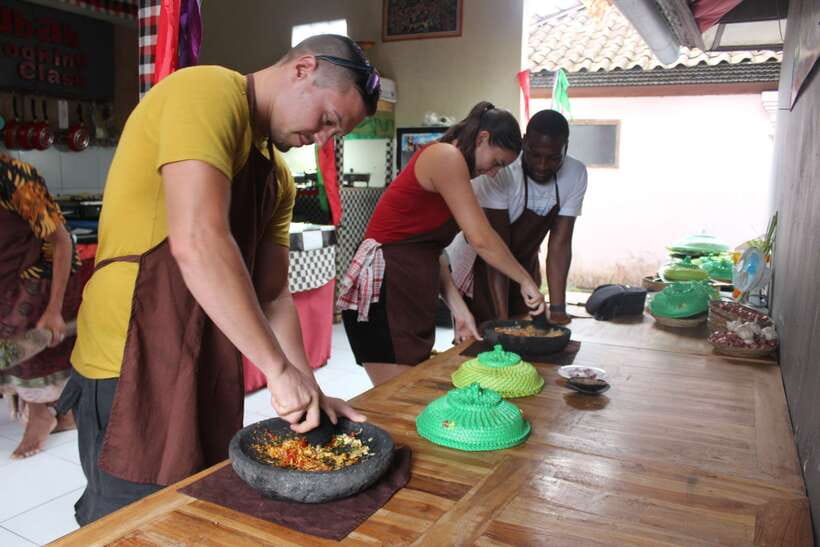
- Nine Balinese signature dishes you make yourself, not just one or two
- Morning market tour with fruit tastings led by an English-speaking guide
- Rice paddies visit in the morning session only, with local context
- Afternoon Canang offering setup, for a more ritual and daily-life angle
- Small group size (up to 14), so you get hands-on help as you cook
- A PDF recipe copy you can use for lunch or dinner back home
Why this Ubud class feels worth the money
At $23 per person for about four hours, you’re getting a lot more than a meal. The value is that you’re paying for a full sequence: market familiarization, real ingredient choices, then structured cooking where you actually produce the dishes. Add the fact that hotel pickup and drop-off within Ubud is included, plus a welcome drink, and it becomes a simple plan for a day that already has plenty to do.
The class is also designed to keep it practical. You aren’t handed a vague lesson. You’re guided through a list of at least 9 recipes, and the cooking is paced so you can keep up. You’ll also taste the food as you go and then share the final meal together. That matters because it turns cooking into something you can remember with your palate, not just your phone camera.
There’s one more value point people sometimes overlook: the experience includes a recipe PDF. Even if you don’t cook everything perfectly at home, you’ll have a reliable starting point for Balinese flavors, sauces, and method.
You can also read our reviews of more tours and experiences in Ubud.



Morning market tour: how locals shop and snack
If you book the morning class, the market stop is built in. Your guide takes you through a traditional market where you learn how people buy and sell ingredients for everyday cooking. It’s not about sightseeing for sightseeing’s sake. It’s about understanding what’s in season, what looks best, and how ingredients show up in Balinese food.
One of the best parts is the fruit tasting. You’ll try local fruits you may not see at home, and your guide will connect them to things you might already recognize. That small bit of translation helps a lot. It turns “exotic” produce into something you can actually imagine using back in your own kitchen.
Practical notes for the market portion:
- Bring a camera, but also keep your hands free. Cooking happens later.
- Wear shoes you don’t mind getting a little dusty. Traditional market floors can be uneven and rustic.
- If you’re sensitive to crowded spaces, be ready for close quarters.
You’ll also get a clearer sense of Hindu offerings in daily life, because markets here aren’t just produce aisles. They’re where the ingredients and ritual pieces overlap. That context makes the later cooking lessons feel less random.
Rice paddies: why Balinese rice matters (morning only)
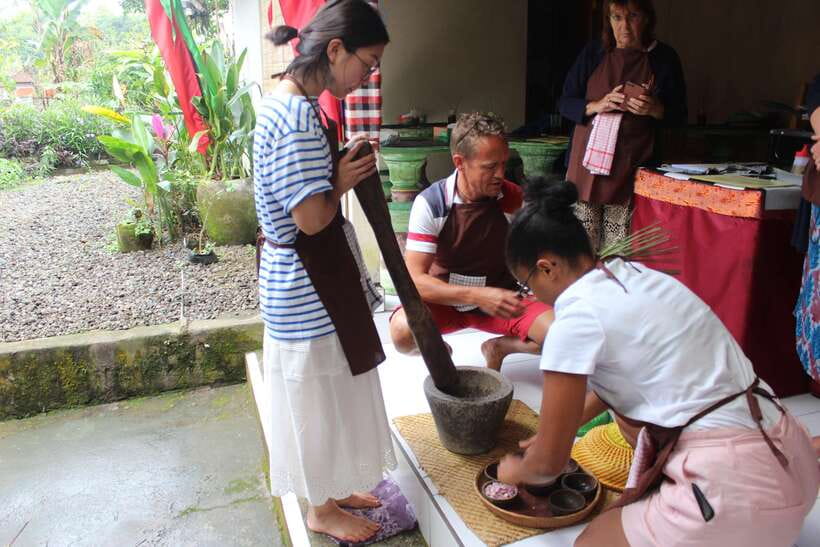
For morning sessions, there’s a stop at local rice paddies. This isn’t just a pretty photo opportunity. You’ll learn why rice is central to Balinese culture and daily routines, and how the landscape supports that role.
What I like about this add-on is the cause-and-effect feeling. When you understand that rice isn’t an afterthought, the cooking class makes more sense. You’re not just learning flavors. You’re learning why certain ingredients show up often and why people take time and care with them.
This part is also a good reset if you’re coming off a lot of scooters and temple stops. You get a slower moment outdoors and a human explanation of what you’re seeing.
If you want this rice context, book morning. The afternoon version skips the market and rice paddy components.
Inside the family compound kitchen: making 9 dishes for real
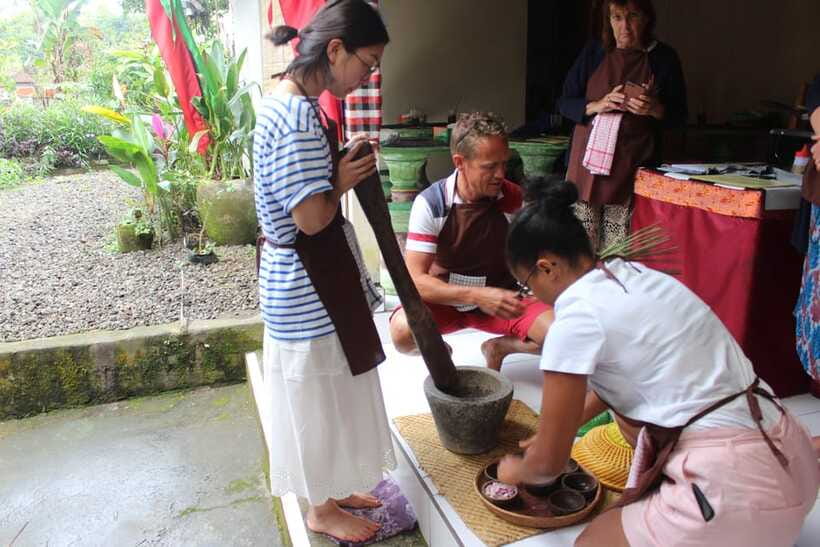
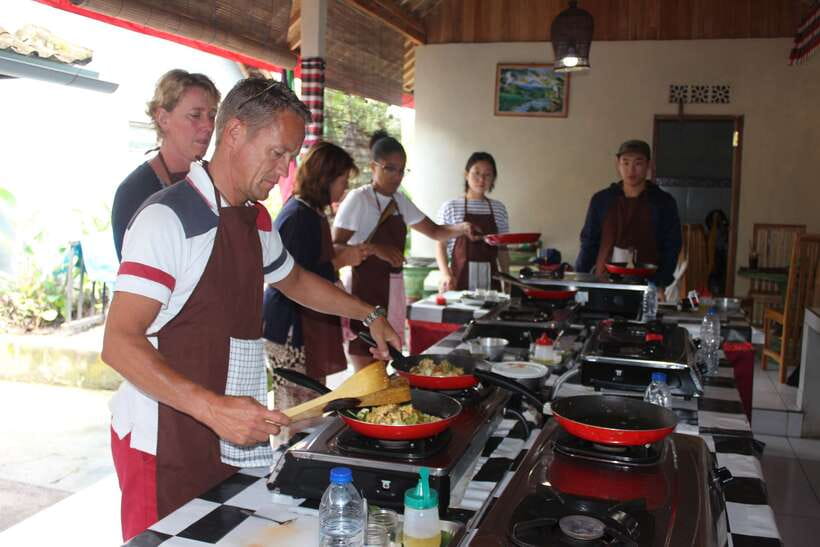
The cooking itself is the core event, and it’s set up to be hands-on from the start. You’re taught by a Balinese chef who guides you step by step as you prepare multiple dishes. The cooking happens in a family-style compound setting, not a staged studio kitchen. That difference is noticeable: you’re moving through a lived-in space where people know what they’re doing.
The class includes 9 Balinese signature dishes, and that lineup typically covers a mix of sauces, mains, and a dessert. In practice, that means you’ll get repeated chances to learn technique: chopping, mixing, seasoning, cooking, and then tasting to adjust.
A few details that help you succeed:
- The pace is guided. You won’t be thrown into one complex recipe and told to figure it out.
- You get both hands-on time and assistance, which matters if you don’t have knife skills or you’re worried about messing up.
- You taste what you’re making as you go, so you can connect flavor to method.
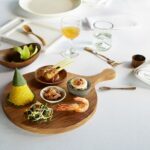
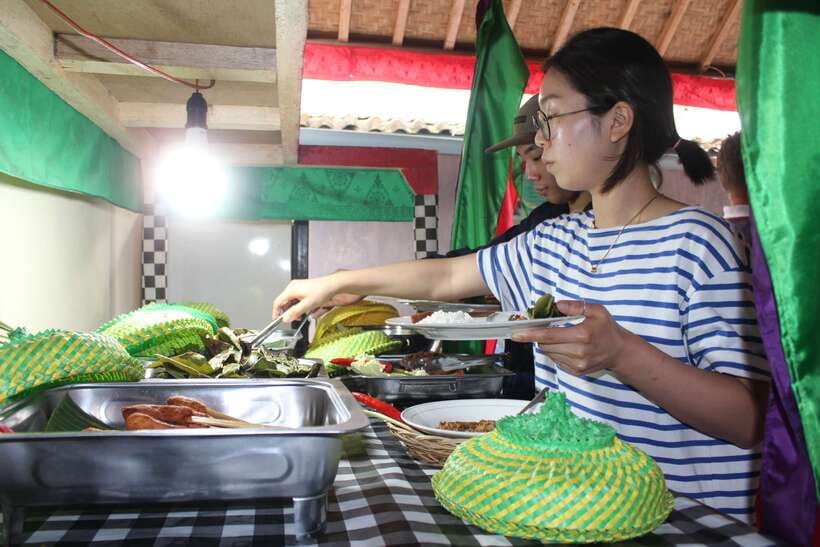
The best part is that your group eats what you cook. You make the food, then you share it together. That makes the whole thing feel like lunch you earned, not lunch you purchased.
Also, if you prefer simpler heat levels, the team can adjust spice levels on request (this has come up in the way the class is run). If you have dietary needs, it’s smart to mention them at the start so they can plan the menu with you.
Canang offerings: the afternoon session’s cultural hands-on
If you take the afternoon option, you’ll miss the market and rice paddies, but you get something else: learning how to make a Canang offering setup. That’s a small Hindu offering used in daily life, and making it connects the cooking to the rituals around food and devotion.
I like this trade-off because it broadens the experience beyond the plate. Morning is more about ingredients. Afternoon is more about culture and daily practice. If you’re the type who wants the food story plus the spiritual and everyday context, the afternoon class can be a strong fit.
Your meal is still part of the plan, because you’ll still cook and dine together. The difference is what preps you for the cooking lesson.




The meal: eating together, not just leaving fed
You don’t just cook and then wander off to find lunch elsewhere. The experience is structured so you taste the dishes during the workshop and then savor a final shared meal. That matters because Balinese cooking is layered—sauces, textures, and combinations are the point.
In a small group (up to 14), you get enough space to talk with your guide and other participants without the dinner table feeling like a rushed stop. This is also where the earlier ingredient lessons click. When you taste the dishes you’ve made, you remember the market fruit, the rice context, and the cooking method.
You’ll also receive a welcome drink at the start. It’s a small touch, but it helps you settle in before you start working.
Price and logistics: making the day easy in Ubud
The $23 per person price is one of the reasons this works as a serious value option. You’re not only paying for instruction; you’re paying for:
- pickup and drop-off within the Ubud area,
- a guide,
- the ingredients and setup for 9 recipes,
- a PDF recipe copy,
- market tour and rice paddies (morning) or Canang offering setup (afternoon),
- and the meal you cook.
Duration is about four hours. That’s a sweet spot. It’s long enough to learn real method and feel full, and short enough to still do an evening temple or dinner plan without scrambling.
Logistics to know before you go:
- English is the working language with a live guide.
- Pickup is included only in the Ubud area. If you stay outside Ubud, you’ll either meet the shuttle at the front of Ubud Palace or come directly to the class.
- Bring cash, and bring headphones if you like having personal audio comfort during rides and transitions.
Who should book this class (and who might not)
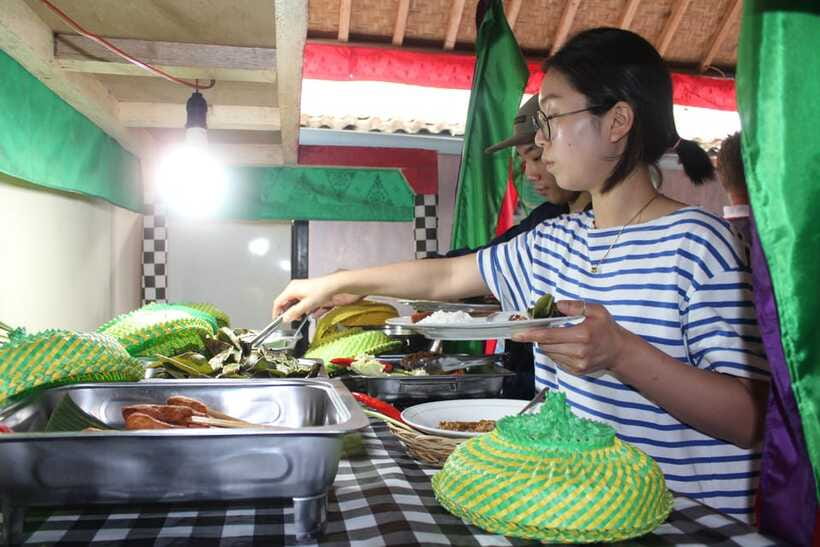
This is ideal if you want a genuine, food-first Ubud experience that isn’t just a temple circuit. You’ll enjoy it most if you like doing things with your hands, learning ingredients, and tasting what you cook.
It’s also a good option for couples and small groups. The small group size keeps the cooking instructor’s attention within reach.
Two groups might want to think twice:
- Families with young kids: it’s not suitable for children under 6 years.
- Wheelchair users: the activity isn’t suitable for wheelchair access.
If you want a laid-back, mostly sitting-and-watching experience, this may not be your best match. The point here is hands-on cooking.
Should you book the Ubud Balinese Cooking Class and Market Tour?
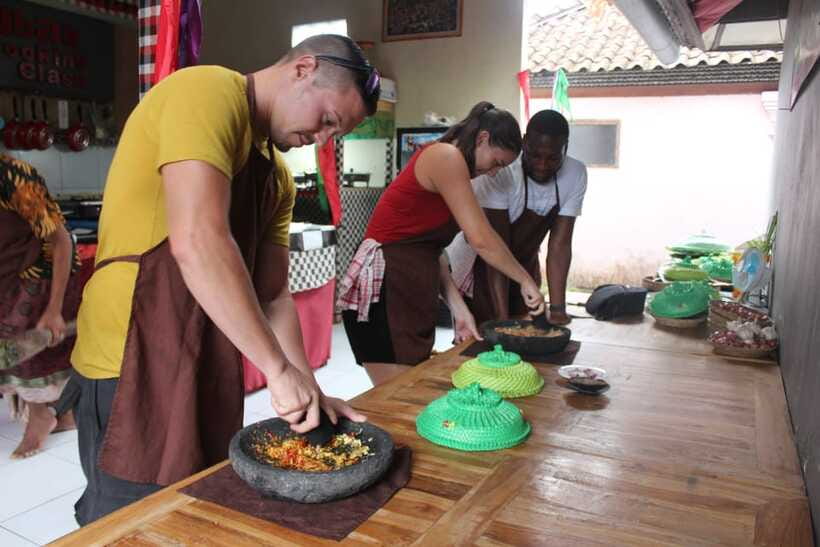
Book it if you want a practical taste of Bali where you learn the method, cook the dishes, and leave with something you can repeat at home using the PDF recipes. The value is strong because the class packs in market context, rice culture (morning), or Canang offerings (afternoon), plus a full hands-on cooking session with a shared meal.
Skip it or choose a different option if your priorities are more about scenery than food, or if you already have a cooking plan elsewhere and you’re looking for something less active. Also consider the market’s very local feel if you’re the type who needs everything clean and spacious.
If you’re in Ubud with a free half-day and you like real flavors, this is an easy yes.
FAQ
How long is the cooking class and market tour?
The experience lasts about 4 hours. Starting times vary, so check availability for the session you want.
How many dishes will I make?
You’ll make at least 9 Balinese signature dishes during the workshop.
Is the market tour included?
The local market tour is included only for the morning class option.
Do morning and afternoon sessions include different cultural stops?
Yes. Morning includes a local market tour and a visit to rice paddies. Afternoon includes making a Canang offering, and it does not include the market tour or rice paddies stop.
Does the tour include hotel pickup?
Hotel pickup and drop-off are included in the Ubud area only. If you’re outside Ubud, you can meet the shuttle at the front (Ubud Palace) or come directly to the class.
What should I bring?
Bring a camera, headphones, and cash.
Is it suitable for children or wheelchair users?
It is not suitable for children under 6 years. It is also not suitable for wheelchair users.
Is there a cancellation deadline?
You can cancel up to 24 hours in advance for a full refund.