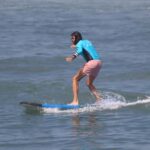
Two hours later, you might be standing. In Canggu, this 2-hour surf class turns shaky balance into wave-riding coaching, guided by instructors like Yanto. You get the real ocean feel fast, not just a talk on the sand.
What I love most is the hands-on coaching. You’ll get close attention in the water, plus a calm vibe when conditions change, so you can actually learn instead of just getting tossed around. The second big win for me is the way the lesson adapts to your level, from first-timers learning the basics to intermediate surfers sharpening form and timing.
One consideration: surfing is physical, and some people feel dizzy or tired halfway through. Also, if the waves aren’t right, you may wait for better conditions before you go for the bigger rides.
In This Review
- Key Things That Make This Surf Lesson Work
- Canggu’s Surf Reality: Why This Area Works for Learning
- The 2-Hour Game Plan From Beach to Board Return
- 1) Meet the instructor and get geared up
- 2) A level-tuned lesson starts before you’re out far
- 3) Paddle out and learn how to read the water
- 4) Catch waves, ride back, then get tips immediately
- 5) End with board return, dry up, shower, and change
- Coaches, English Instruction, and the Real Meaning of Small Groups
- Value for $23: What You’re Really Paying For
- Ocean Time Safety, Energy Limits, and Timing With the Tides
- What to Pack and What to Ask Before You Go
- After the Ride: Shower, Comfort, and the Photo Question
- Who Should Book This Surf Class in Canggu
- Should You Book It?
- FAQ
- How long is the surf class?
- What’s included in the price?
- What isn’t included?
- Is the instructor English-speaking?
- What should I bring with me?
- What if I don’t know how to swim?
Key Things That Make This Surf Lesson Work
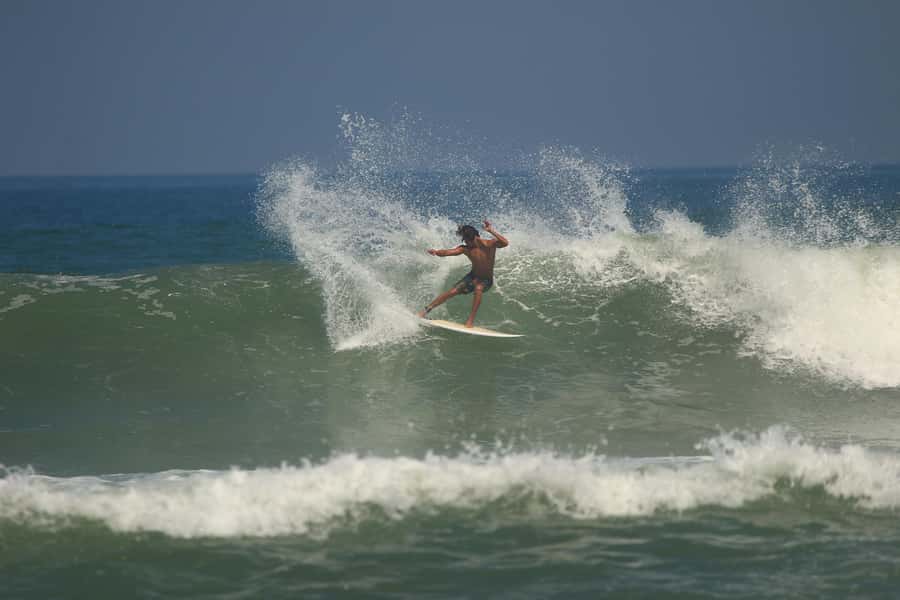
- Pro-level coaching in plain English: you practice what matters, then get corrections after each attempt
- Practice first, waves second: you build confidence on land before paddling out
- Tailored to beginners and intermediates: one lesson, adjusted goals for each person
- Ocean time with frequent tips: your instructor watches you and gives quick fixes wave by wave
- Shower included after you ride: no scrambling for a rinse at the end
- Optional photo/video add-on: available for extra cost if you want proof you really stood up
Canggu’s Surf Reality: Why This Area Works for Learning

Canggu is one of those Bali hubs where you’ll find surf culture everywhere, but what matters for your class is the practical side: you can get to your lesson spot easily, and the area offers enough wave variety that an instructor can match your session to the conditions.
This class is built around that reality. Instead of promising the same exact wave every day, you’re taught in a way that helps you respond. Expect the session to focus on fundamentals that hold up on calm days and choppier sets.
And yes, you may end up riding into some bigger wave energy at times. That doesn’t mean you’ll be thrown into the deep end; it means the coach is trying to give you fun, progressing rides when the ocean cooperates.
You can also read our reviews of more tours and experiences in Canggu.


The 2-Hour Game Plan From Beach to Board Return
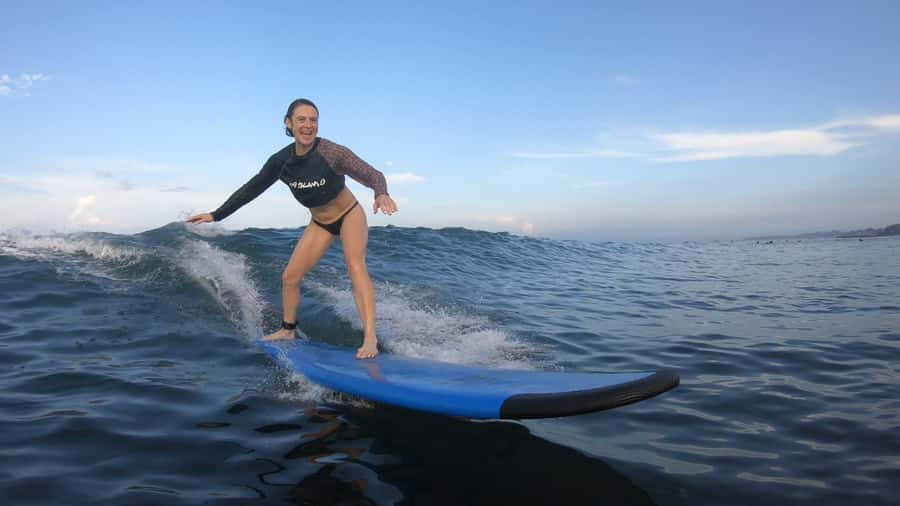
The lesson has a clean rhythm. It’s short enough to keep your momentum, but not so rushed that you’re just going through motions.
1) Meet the instructor and get geared up
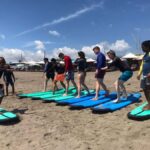
You show up at the beach and meet your instructor. Then you change into your swimming gear and pick a surfboard that fits you. If you’ve never surfed before, this part matters more than you think: the board size and feel can make the difference between quick progress and constant falls.
You also bring a towel and sunscreen. Ocean time is sweaty, and you’ll be in the sun long enough to need protection.
2) A level-tuned lesson starts before you’re out far
Right before you paddle out, you’ll get instruction geared to your ability. Beginners usually start with the basics and lots of practice. Some coaching includes land drills and repetition, so your body learns the movements before waves test you.
Intermediate surfers aren’t ignored either. You’ll typically get form and timing adjustments, so you’re not just “doing it again,” you’re doing it smarter.
3) Paddle out and learn how to read the water
Once you head out, you’ll work on paddling, positioning, and how to handle the ocean’s rhythm. This is where you’ll feel that first real splash of surf water on your face and arms, and where your balance either clicks or becomes a comedy routine.
Your instructor stays close and watches how you handle each phase: paddling, takeoff timing, and staying stable on the board.






4) Catch waves, ride back, then get tips immediately
When you catch a wave, your ride back isn’t just time off. You get feedback as you’re resetting. Expect your coach to call out what you did right, then what to tweak next time.
That wave-by-wave coaching is a major reason the lesson works well for first-timers. You’re not left wondering what went wrong. You get a correction while it still makes sense in your head.
5) End with board return, dry up, shower, and change
After you’ve had your run of waves, you give back the surfboard. Then you dry off, change, and use the shower included with the class.
For me, that shower detail is a sneaky value boost. Bali heat and saltwater cling to everything. A rinse keeps your plans after the lesson actually pleasant.
Coaches, English Instruction, and the Real Meaning of Small Groups
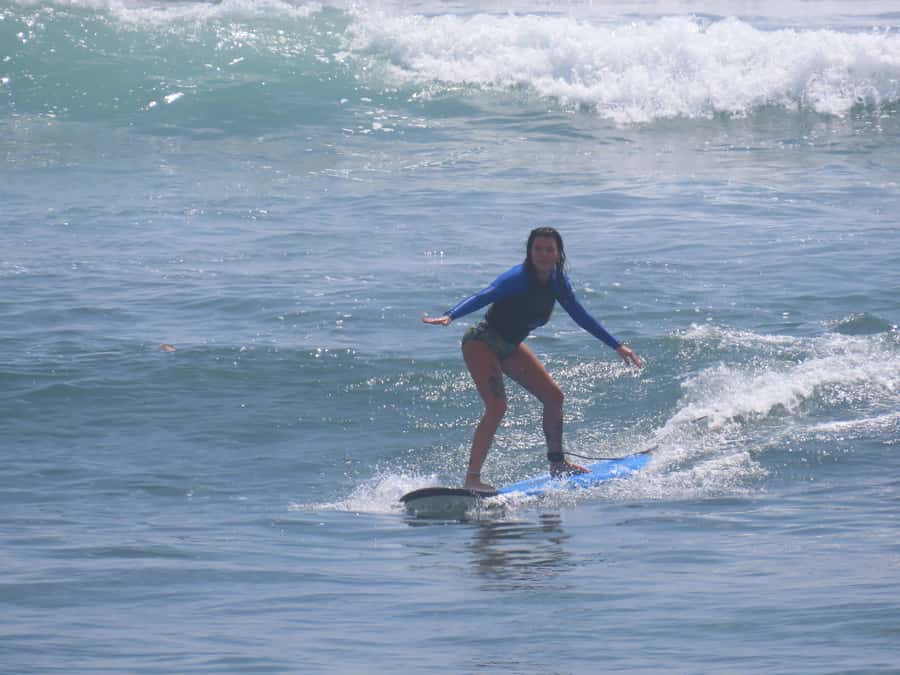
This class runs with an English-speaking instructor and can be private or small groups. The big benefit of small groups is simple: you get more attention. In surfing, one person’s mistake can look tiny to you but huge to an instructor. Small group setups make it easier for the coach to spot patterns and correct them quickly.
You may work with different instructors depending on the day and the coaching schedule. Names you might see include Yanto, Roy, Eko, Arti, and others in the coaching team like Sefta and Ecko. The consistent thread is the teaching style: clear instructions, patience, and frequent observation.
Several coaching moments stand out as particularly useful:
- You’ll get guidance on how to get on the board and stay stable
- You can ask questions while you’re out there, not just afterward
- If you’re nervous, the instructor helps you get comfortable before pushing you
That last part matters. Surfing can trigger fear fast, especially when you’re new and the water feels bigger than you expected.
Value for $23: What You’re Really Paying For
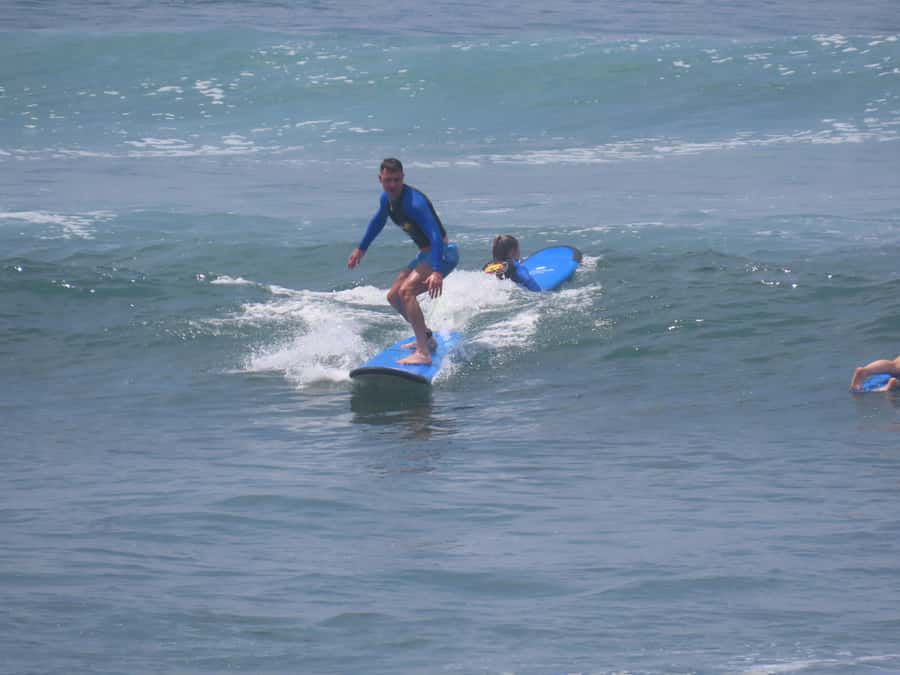
At $23 per person for a 2-hour lesson, the price is easier to judge than it looks. You’re paying for:
- A professional instructor with active coaching
- Surfboard rental
- A shower after you’re done
The hidden value is that the coach isn’t just teaching technique in theory. You’re practicing, getting corrections, and trying again within the same session. Short lessons can feel “light” until you realize they’re packed with usable feedback.
What’s not included is also part of the value picture:
- No hotel pickup/drop-off: you’ll need to get yourself there
- No food: plan around it
- Photos while surfing aren’t included in the base price
Optional photo/video add-ons are available. One reviewer noted an extra 250k cost for photos and videos, and multiple people said the camera work is a fun way to capture your first standing rides.
So the best “value strategy” is this: show up ready to work, and decide on media after you see how your session goes.
Ocean Time Safety, Energy Limits, and Timing With the Tides

Surfing isn’t just technique; it’s your body meeting the ocean’s rules. That’s why a good instructor pays attention to conditions and your ability level.
Two practical realities show up again and again:
1) You might wait for the right wave set or tide conditions. That’s not wasted time. It’s the coach choosing when it’s safest and most productive for learning.
2) You might feel wiped out. One person reported dizziness halfway through and asked the instructor to stop; the lesson was shortened, and that kind of respect for your limits is the right approach.
So how should you handle this? Be honest early. If you’re tired, shaky, or uncomfortable, say so. Surf lessons are built for progression, not stubbornness.
Also, the class has a straightforward rules set: no alcohol or drugs. You want your balance and judgment intact.
What to Pack and What to Ask Before You Go
You’ll want to bring:
- Towel
- Sunscreen
That’s it for the essentials listed. Still, I’d treat this as an outdoor fitness session in humid conditions. Water on your skin won’t replace the need for sun protection.
One important note: if you don’t know how to swim, message after booking so the instructor can suggest the right tide and waves conditions. That’s not a small detail. Surf lessons depend on matching you to the water setup, and swimming ability affects how the coach chooses the safest approach.
If you’re a nervous swimmer or not comfortable in open water, do not just show up and hope for the best. Ask for the right conditions.
After the Ride: Shower, Comfort, and the Photo Question
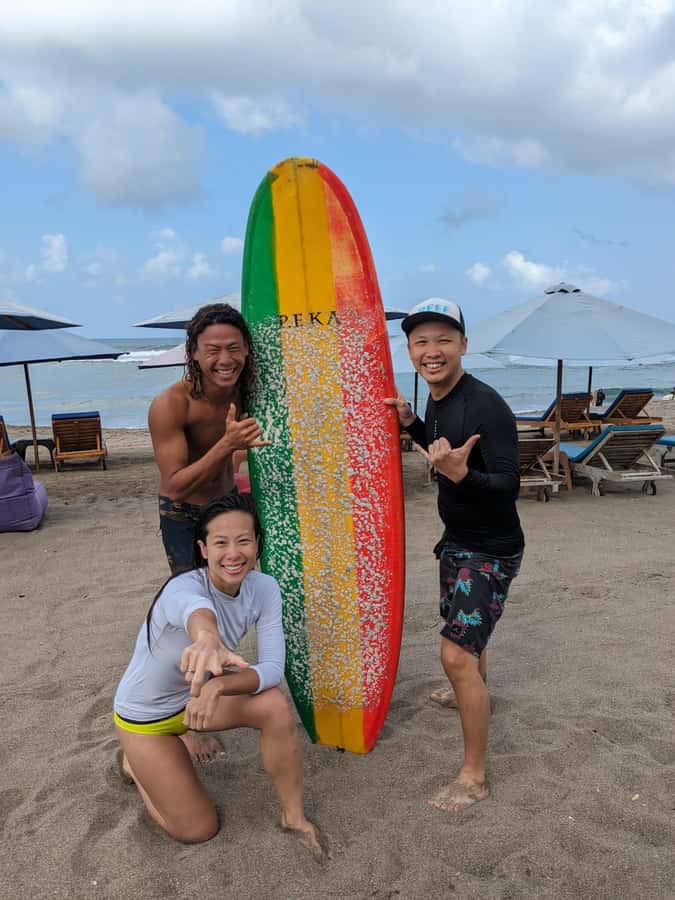
The lesson ends with a refreshing shower, which is a big relief after saltwater and sand.
As for photos, you should assume photos/videos are an optional extra. You can get camera support during your session, but you’ll likely pay for the content. If you’re the kind of person who wants proof you learned to stand, budget a little for that decision.
Who Should Book This Surf Class in Canggu
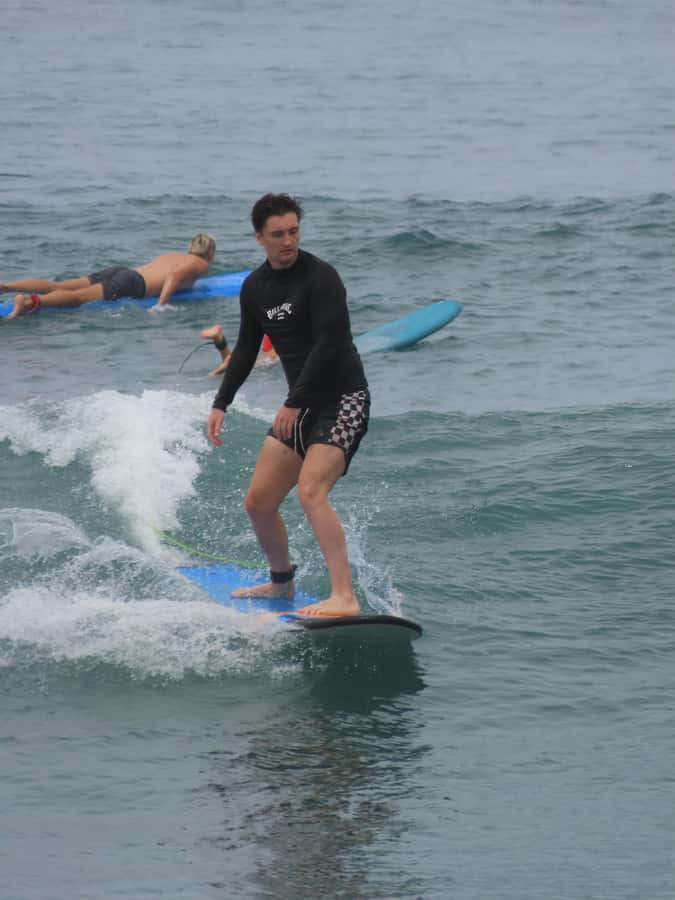
This class is a strong fit if you want:
- A guided first surf lesson with clear instruction
- A session that supports beginners and intermediate surfers in the same lesson format
- A short activity that doesn’t eat your entire day
It’s not suitable for children under 4 years.
If you’re traveling solo or as a couple, small groups can feel friendly and efficient. If you want more attention and customized pacing, the private or small group option is the smarter move.
And if your biggest goal is confidence, look for coaching that watches you and gives corrections on the spot. This class’s style is built around that.
Should You Book It?
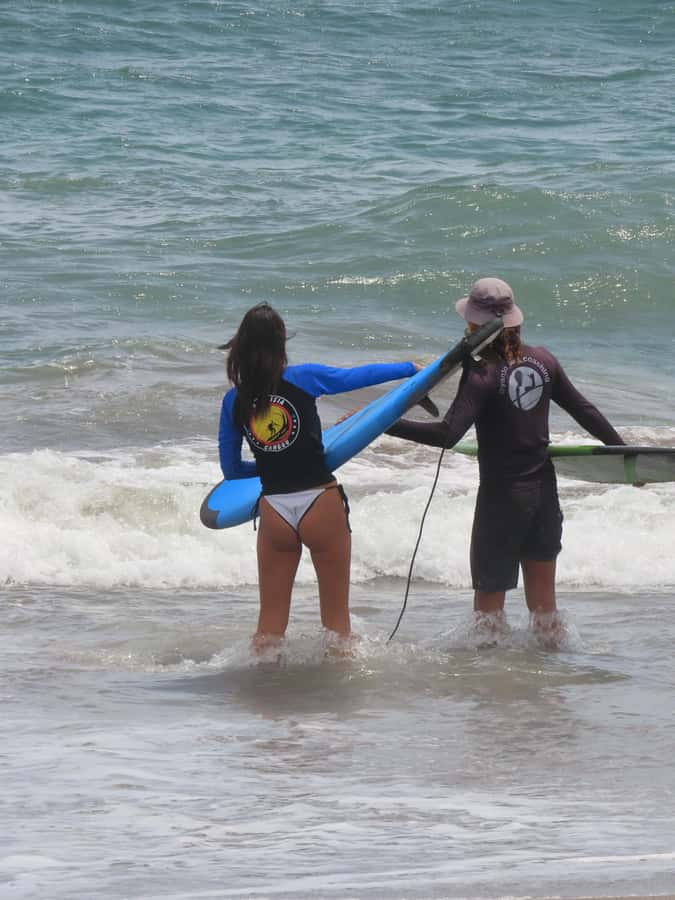
If you want a real chance to progress in only two hours, I’d book this. The combination of active instructor coaching, board rental, and a shower included makes the price easy to justify, especially in a surf-friendly place like Canggu.
I’d also book it if you’re the kind of person who learns by doing. You’ll practice, try again, and ask questions while you’re still in the session.
Skip or reconsider if you’re expecting a totally hands-off experience, or if you know you’ll be unsafe in open water without support. In that case, message about your swimming ability so your instructor can set you up with the right tide and wave conditions.
FAQ
How long is the surf class?
The class lasts 2 hours.
What’s included in the price?
It includes an instructor, the surf lesson, surfboard rental, and a shower after surfing.
What isn’t included?
Hotel pickup and drop-off, photos while surfing, and food aren’t included.
Is the instructor English-speaking?
Yes. The instructor provides instruction in English.
What should I bring with me?
Bring a towel and sunscreen.
What if I don’t know how to swim?
Message after you book so the instructor can suggest the right tide and wave conditions for your situation.