If you like Bali without the traffic circus, this is your day. The tour lines up Mt Batur views, rice-terrace photo stops, and a mostly-downhill ride through villages and paddies. You get real rural scenery, not just quick scenic pull-offs.
I especially like that it’s built for most comfort levels: the route is largely downhill, and the pacing includes breaks and time at key cultural stops. The day also feeds you well with breakfast at Kintamani, morning coffee, water, and an Indonesian lunch at the end.
One thing to think about first: pick-up can be early, and if you skip breakfast at your hotel, you may feel hungry before the first stop. Also, there are rougher dirt sections, so you should be comfortable riding carefully, even if it’s not a technical mountain-bike race.
In This Review
- Key things I’d plan around
- Why this Ubud bike tour feels like real Bali, not just scenery
- Price and value: what your $36.66 actually covers
- Getting there smoothly: pickup timing and what to expect
- Stop 1: Kintamani breakfast with Mt Batur and Lake Batur views
- Stop 2: Pakudui Village and the art museum pause
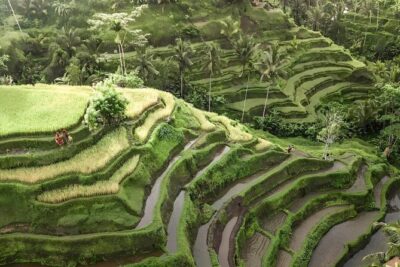
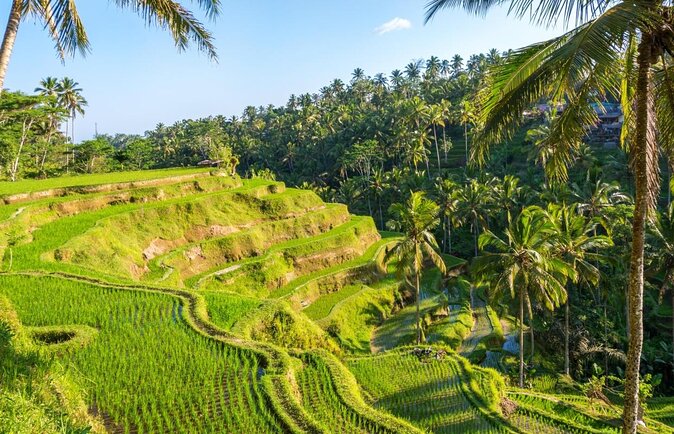
- Stop 3: Tegalalang Rice Terrace and how the farming works
- The ride itself: mellow downhill with real-world bumps
- Coffee plantation culture and the civet-coffee warning
- Lunch at the end: Indonesian comfort after the ride
- Transfers and pacing: the quiet advantage of a small group
- Who this tour suits best (and who should think twice)
- Real tips to make the day easier
- Should you book Bali Countryside Cycling Tours?
Key things I’d plan around
- Mostly-downhill riding means you’ll feel the countryside without turning it into a workout grind
- Kintamani breakfast comes with Mt Batur and Lake Batur views before you start cycling
- Tegalalang Rice Terrace photo stop includes a short look at traditional rice planting and farming
- Pakudui Village art museum adds a cultural pause beyond temples and viewpoints
- Guide quality matters here, with English-speaking guides like Kadek, I Nyoman, and Kartik mentioned for making the day flow
- Watch for rough dirt and road crossing (potholes, dogs, chickens) even when the ride feels easy
Why this Ubud bike tour feels like real Bali, not just scenery
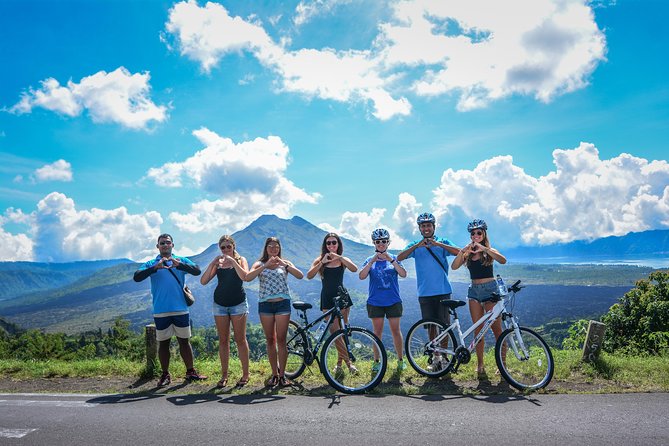
This tour is all about getting north of Ubud and trading car time for motion. You spend your day moving through small roads, dirt tracks, and farming areas, so the countryside feels close and lived-in. It’s not just a list of viewpoints.
The vibe is relaxed but meaningful. You roll downhill through rice fields and village lanes, then you stop for context: where food comes from, how locals work the land, and what rural Bali looks like beyond the Instagram stops. If you’re hoping for a day that mixes culture and photos with easy outdoor time, this fits.
Price is also a big part of the appeal. At $36.66 per person, you’re not paying for a fancy luxury experience—you’re paying for a full day with transportation, meals, and an organized route that keeps you safe and on track.
You can also read our reviews of more tours and experiences in Ubud.

Price and value: what your $36.66 actually covers
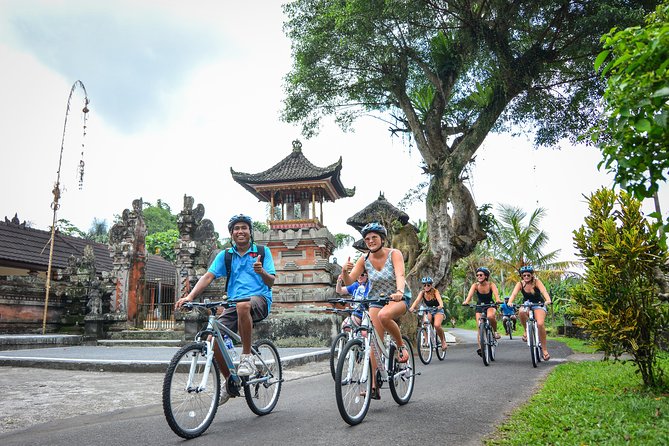
At first glance, $36.66 can sound too cheap for an 8-hour half-day-plus day out. The value comes from what’s included: round-trip transfers, bikes, a guide, and food and drinks built into the schedule.
Here’s the practical way to think about value:
- You get breakfast at Kintamani with views of Mt Batur and Lake Batur
- You get morning coffee and water during the ride
- You get an Indonesian lunch at the end
- Key stops include free admission as part of the experience plan
- You don’t have to coordinate transport on your own
In other words, the price isn’t just for cycling. It’s for a full, guided route that connects countryside driving, photo stops, and meals so you can spend your time outdoors instead of sorting logistics.
Getting there smoothly: pickup timing and what to expect
Pickup is offered from your Ubud area hotel, and the tour runs about 8 hours. In Bali, early mornings are normal for day trips, and this one can start around 7am based on how pick-ups have been described.
That early start leads to one practical tip: if your hotel routine is flexible, eat breakfast before you leave. One guest specifically called out that being collected at 7 and reaching breakfast later can leave you waiting. If you’re the type who likes a proper meal, plan it.
Also pack like you’re cycling in Bali:
- Bring sunscreen and a hat, because the sun can hit hard even when it’s a mellow day
- Wear shoes that handle dirt and possible puddles
- Bring a light layer in case mornings feel cool near the higher areas
The tour uses a mobile ticket, so you’ll want your phone charged. And because it’s a small group experience with a maximum of 20 travelers, you’ll typically feel less “herded” than in big van tours.
Stop 1: Kintamani breakfast with Mt Batur and Lake Batur views
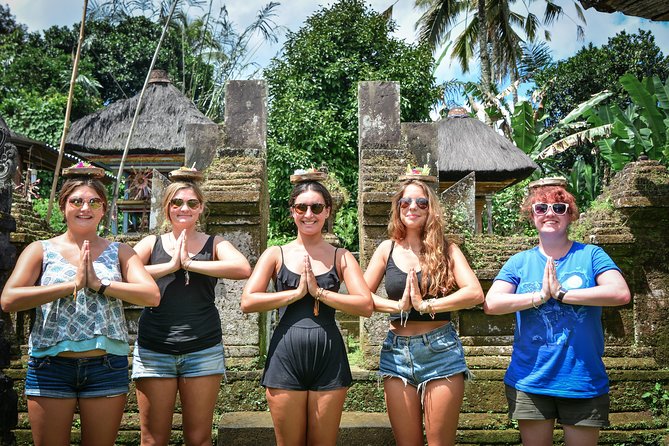
Kintamani is the morning anchor. You arrive for breakfast with a wide view of Mt Batur and Lake Batur, and you’ll have about 40 minutes at this stage. This is the moment the day slows down, even if you’re still in “day trip mode.”
What makes this stop work is timing. You’re not arriving to Kintamani after hours of cycling fatigue. You’re fresh, you eat, and then you roll downhill later. It’s a smart sequencing choice for anyone who wants a scenic moment before the work—or the fun—starts.
The ticket part is straightforward: the plan lists admission as free here. The real “admission” is the view, and you’re going for the volcano-and-lake perspective rather than just a meal.
Stop 2: Pakudui Village and the art museum pause
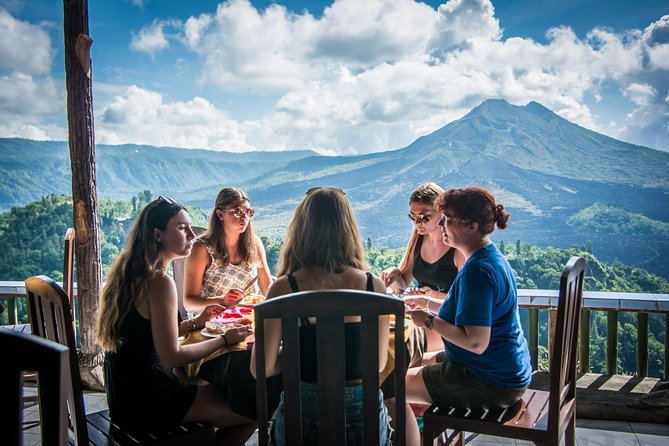
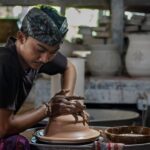
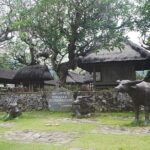
After Kintamani, the schedule moves to Pakudui Village for about 25 minutes. This isn’t another quick market photo. It’s a visit to an art museum connected to a famous artist in Bali, which adds variety to a day that could otherwise become only rice fields and viewpoints.
This stop also helps break up the energy level. Riding days can feel one-note if every stop is just scenic. A short museum visit gives your brain a different kind of input—how people express culture, not just where they farm.
Admission is listed as free for this stop as well, so you’re not paying extra to get context. It’s a brief add-on, but it can make the day feel more balanced.
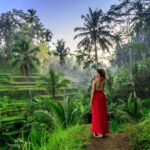
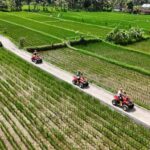
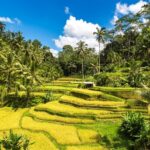


Stop 3: Tegalalang Rice Terrace and how the farming works
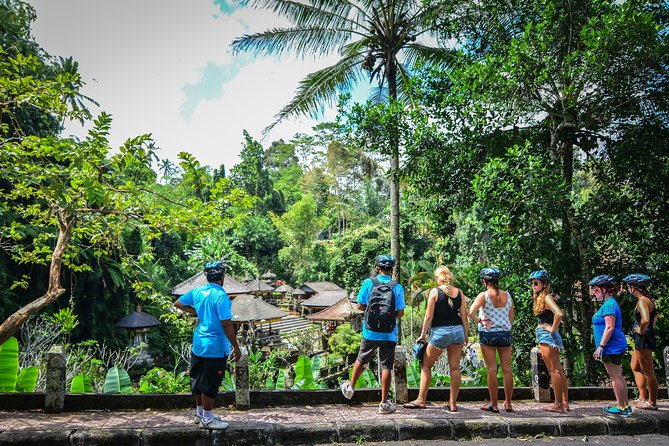
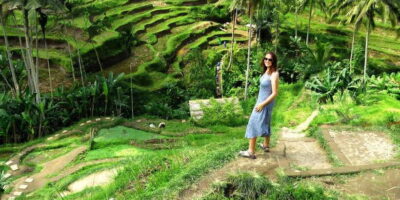
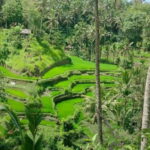
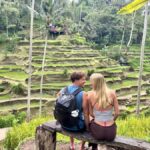
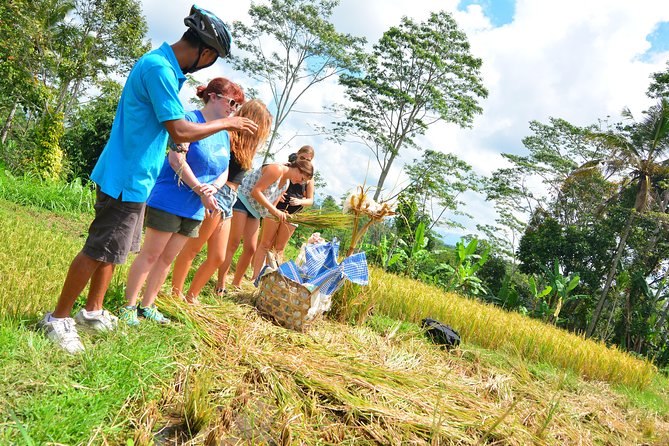
Next up is Tegalalang Rice Terrace, again with about 25 minutes. This is the photo moment most people come for, but it’s not only a “stand and shoot” stop. You’ll also be shown Balinese ways of planting rice and Balinese agriculture.
That matters because rice terraces can look like scenery until someone explains what’s happening. When you understand even the basics—how planting fits rural life—you tend to notice more on the ride afterward. The paddies stop being background and start becoming part of the story.
Admission is listed as free. In practice, what you’ll do is short: walk a bit, learn a bit, then keep moving. If you want longer time for photos, you can ask your guide, but the schedule is built for cycling flow.
The ride itself: mellow downhill with real-world bumps
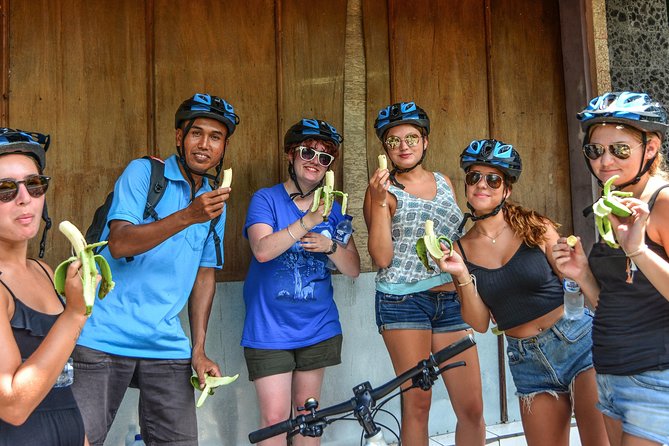
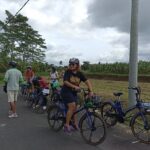
The headline promise is a guided downhill cycle ride. Most of the ride is set up to feel easy for non-riders, and multiple reviews mention that it’s very downhill and not difficult.
That said, there are real riding details you should know:
- There can be rougher single track sections
- The route includes dirt tracks and small road segments
- Watch for potholes and animals like dogs and chickens near roads
- One review notes there can be a steep climb, even if most of the day rolls downhill
So yes, it’s beginner-friendly in effort level, but you still have to pay attention like you would on any local countryside ride. If you’ve only ridden on flat bike paths, treat this as your first “real road” practice.
A few more practical notes that come from the way the guides run things:
- Your guide often builds in small pauses when needed
- You can expect a safe group rhythm, with guides helping manage the route and slow points
- Guides may take photos or videos during the ride (one guest called out Kadek doing this)
If it rains, you’re not necessarily out of luck. One guest reported that it was raining but the tour still worked well, and the guide gave break time to help a tired rider recover. That’s a good sign for how they handle uneven comfort during the ride.
Coffee plantation culture and the civet-coffee warning
The tour also includes a coffee plantation stop before or around the ride start area. This is where you learn about traditional and local coffee growing, plus you taste what’s produced.
There’s a specific tip worth noting from one review: skip civet coffee if you don’t want it. The guest essentially flagged it as something you can choose not to do during tastings. If you’re not curious about every local product, you’ll still get plenty of value from the rest of the plantation visit.
The key point: this isn’t a generic souvenir café stop. The day ties coffee culture into the rural farming theme, which matches what you see later at Tegalalang.
Lunch at the end: Indonesian comfort after the ride
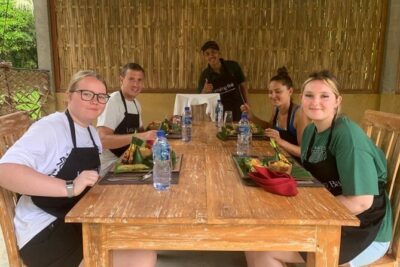
By the time you finish cycling, you’re ready for food. The itinerary includes an Indonesian lunch, and multiple reviews call it very good.
What I like about lunch on tours like this is timing and context. You’re not eating lunch in a random restaurant miles from anything you did. You’re eating after the bike day, so the meal feels like the reward and the ending fits the story of the day: countryside work, countryside movement, and then a shared table.
One review mentioned lunch at the operator’s family compound, which suggests an intimate feel rather than a mass-catering situation. Even when details vary slightly by day, the pattern is consistent: you end the ride with a satisfying meal.
Transfers and pacing: the quiet advantage of a small group
Even though you’re cycling, the tour still includes the comfort piece: 2-way transfers from your Ubud area hotel. That matters because rural Bali is not built for tourists to hop between spots easily. With transport handled, you can focus on what the tour actually does well: pairing scenery with guided stops.
Pacing is also a strength. The day doesn’t feel like a sprint through landmarks. You have time windows at each stop—about 25 minutes for village and rice terrace, and about 40 minutes for Kintamani breakfast—so you’re not constantly being moved along like baggage.
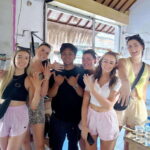
The group limit of 20 travelers also changes the feel. You’re more likely to get moments that feel personal rather than purely transactional. In the reviews, multiple guests praised guides for being attentive and friendly, not just “turnstile guides.”
Who this tour suits best (and who should think twice)
This is a great fit if you want a day away from crowds but still organized. You’re getting a mix of:
- Volcano-and-lake viewpoints
- Rice terraces and farming lessons
- A village art museum stop
- Guided downhill riding with real countryside roads
You’ll likely enjoy it most if you have moderate physical fitness and you’re comfortable riding at a careful pace. You do not need advanced mountain biking skills. One review even framed it as not too physically demanding, with 90% downhill for many people.
You might think twice if:
- You’re very sensitive to early mornings and don’t plan breakfast before pickup
- You want a high-adrenaline MTB route with lots of technical trails
- You hate dirt-road riding, even when it’s mostly downhill
But if you’re aiming for a genuine countryside day with photos, culture, and a fun bike rhythm, this is one of the better ways to do it around Ubud.
Real tips to make the day easier
These are the small things that can save you a rough morning.
Eat before pickup. If you’re collected early, you might not hit breakfast until later. Plan your morning so you’re not waiting hungry.
Be ready for dirt and small hazards. Even when the ride is easy, potholes and animal crossings can happen. Keep your eyes up and ride smoothly.
Bring a light rain plan. The tour is weather-dependent, and you might still cycle in light rain conditions. If it’s raining hard, the experience may be changed or refunded, but either way you’ll want dry clothes for later.
Ask your guide for photos. Some guides are known for taking pictures and videos during the ride, and it’s an easy way to capture the day without stopping too long.
Should you book Bali Countryside Cycling Tours?
I’d book it if you want a value-priced countryside day that mixes a little culture with a fun, mostly-downhill ride. The combination of Kintamani breakfast, Tegalalang farming context, a village art museum stop, and the included meals plus transfers is exactly the kind of “one-ticket solves the day” plan that’s worth your time in Bali.
I’d skip it if you’re expecting a wild technical mountain-bike adventure or if you’re not comfortable with early pickup and rural dirt-road riding. For everyone else—couples, solo travelers, families with children who can handle a careful bike day—it’s a smart way to see Bali beyond the resort loop.
If you book, do one thing for yourself: eat early, wear grippy shoes, and ride like it’s local roads—because it is.