Orangutans by houseboat, not a busy bus. This 3-day shared Sekonyer river trip pairs kelotok cruising with visits to rehab sites like Tanjung Harapan and Camp Leakey, and I love how the boat schedule keeps things simple while you spend more time watching animals than figuring logistics. One thing to weigh is the $500 price, especially if you’re comparing against what other travelers paid.
The staff and guide really shape the feel of the trip. With a maximum group size of 15 travelers, it stays personal, and guide Rosmin and the crew are known for being upbeat and genuinely helpful—exactly what you want when days run long.
In This Review
- Key things to know before you go
- Why the kelotok-style river trip feels worth it
- Day 1: From Kumai toward Tanjung Harapan
- Day 2: Tanggui feeding camp, then Camp Leakey research legacy
- Day 3: Kumai return and the Betang house photo stop
- Price and value: what $500 buys in the real world
- What the included meals mean for your day
- Group size, your comfort level, and why it matters
- When to book and how far ahead to plan
- Tips, timing, and practical considerations
- Who this tour is best for
- Should you book Orangutan Houseboat Kelotok Tanjung Puting for 3 days?
- FAQ
- How much does the tour cost?
- How long is the experience?
- Where does the tour take place?
- Is pickup included?
- How many people are in the group?
- What meals are included?
- Are admission tickets included?
- Is the guide and crew tip included?
- When do I get booking confirmation?
- What is the cancellation policy?
Key things to know before you go
- Shared kelotok costs spread boat time, guide time, park fees, and meals across the group
- Admission included for Tanjung Harapan, Pondok Tanggui, and Camp Leakey
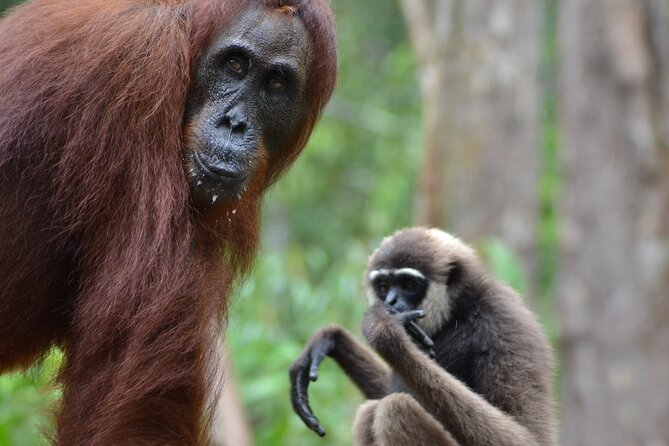
- Birding on the route includes hornbills, including Mandarin Horn Bill, during the Tanggui stop
- Onboard meals cover lunch, dinner, and breakfast (2 of each listed meal category)
- A small-group cap keeps your experience from turning into a herd
- A Dayak-area photo stop in Pangkalan Bun wraps up the trip after the river days
Why the kelotok-style river trip feels worth it
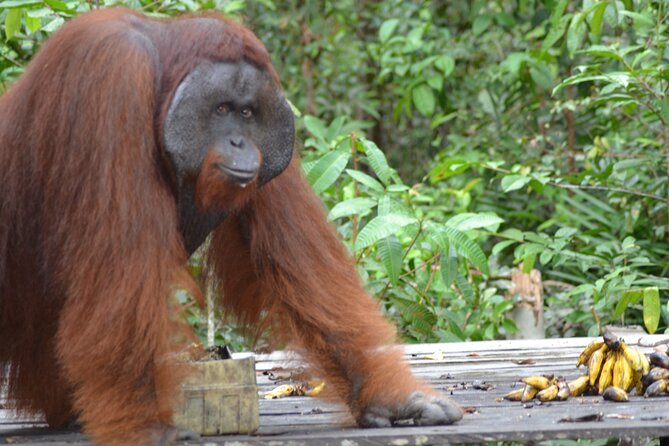
This kind of orangutan trip is not just about tickets. It’s about how you move. A kelotok houseboat lets you travel along the Sekonyer River at a slower pace, with less “check-in, check-out, rush” energy. That matters because the best parts of these rehab-and-feeding-camp visits are the waiting moments too: quiet river time, watching the bank edge, listening for bird calls, and getting into a calm rhythm.
You also get real structure. You’re picked up at the airport or hotel for overnight guests, then escorted to the port of the boat before the river part begins. That means you aren’t piecing together transfers on your own at the start—one less stress point.
And I like that this is designed as a shared experience, not a private safari-style package. Sharing the boat, guide, park fees, and meals is why the per-person cost can make sense compared with doing everything à la carte.
The tradeoff is the same tradeoff with most shared wildlife trips: you’re on the group timetable. If you hate waiting, or you’re the type who needs total control, you’ll want to think hard about whether a small-group shared format matches your travel style.
You can also read our reviews of more tours and experiences in Pangkalan Bun.
Day 1: From Kumai toward Tanjung Harapan
Your day starts with a morning pickup. If you’re staying overnight, you’ll be escorted from the airport or hotel to the port, then you begin the trip by boat along the Sekonyer River. A hot lunch is served as you leave Teluk Kumai and head deeper into the river route. That’s a practical setup: you’re not scrambling for food right after arrival.
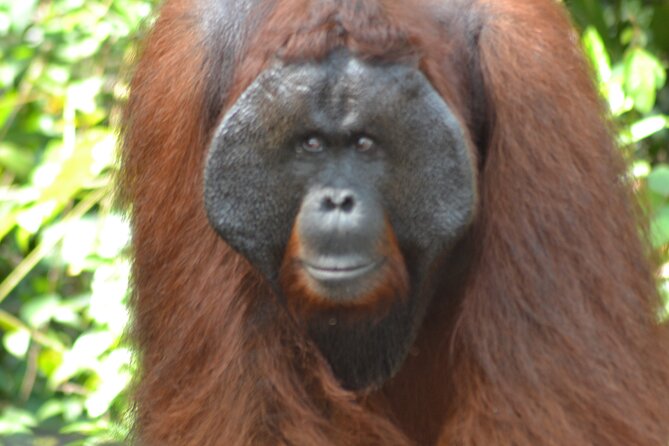
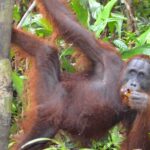
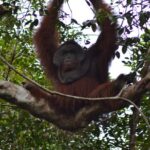
Then comes the main emotional anchor of Day 1: Tanjung Harapan Orangutan Rehabilitation Center, with admission included. Rehabilitation centers are not like zoos, and they’re not a wild-animal theme park either. What you’re getting is a setting that focuses on care, monitoring, and rehabilitation—so your time there tends to feel more educational and grounded than a “drive up, snap photos, done” stop.
What makes Tanjung Harapan special in the flow of this trip is timing. You arrive after you’ve already been on the river for a stretch, when the pace is calmer and everyone has settled into boat mode. You’re also less likely to treat it like a quick stop because the day is long—listed at about 10 hours.
A realistic consideration: with a full day, you’ll likely want comfy clothes and a plan for sitting still for periods. Even when wildlife action happens, you still spend time observing at the right moment rather than constantly moving.
Day 2: Tanggui feeding camp, then Camp Leakey research legacy
Day 2 starts with breakfast, then the boat heads toward Pondok Tanggui Feeding Camp. This is where the trip broadens from “orangutans only” into the wider Borneo animal story.
During the morning at Tanggui, you have a good chance of seeing birds, including Mandarin Horn Bill, plus other birds calling and moving around. It’s a small but important detail. A lot of people come for orangutans—fair—but the best moments in these forests often come from the full sensory mix: bird sound, movement in branches, and the sense that you’re in an ecosystem, not a single-species show.
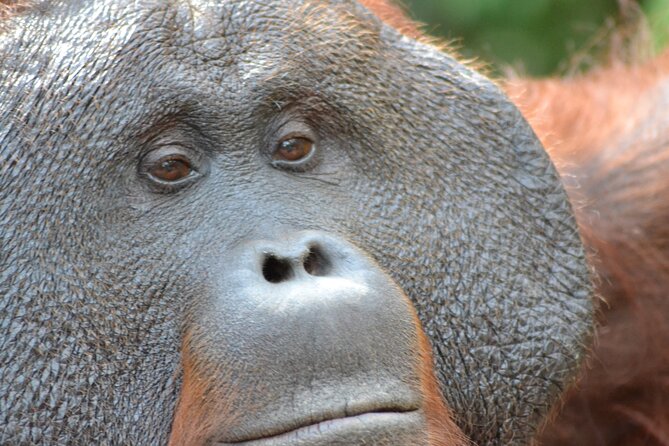
After that, you continue to Camp Leakey, described as the oldest feeding camp in this area, and it’s managed directly by Prof. Dr. Biruet G Aldikas, an orangutan expert who started research in 1970 at Tanjung Puting. That date matters. It shifts the experience from a one-day viewing event into something more like a long-running conservation effort.
Camp Leakey’s value is the combination of place + people + research time. When a facility has been managed and researched for decades, you’re more likely to get context for what you’re seeing and why it’s handled the way it is. Even if you don’t get a deep lecture, the environment around that kind of research facility tends to feel purposeful.
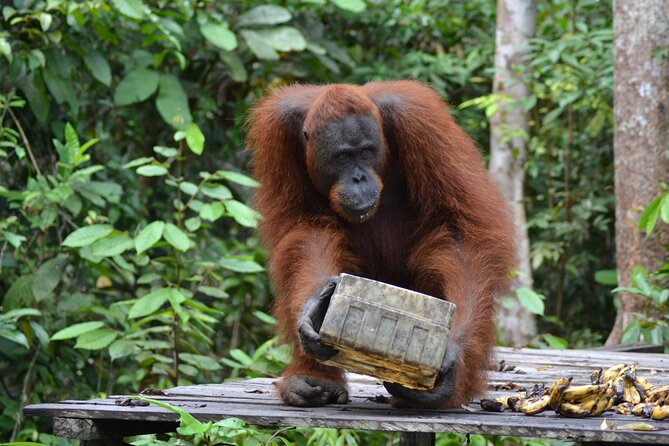
Day 2 is also long in total, with two major stops listed (about 5 hours for Pondok Tanggui and about 10 hours for Camp Leakey). The practical takeaway: plan your energy like you would for a full hiking day. You’ll be focused, watching, and walking short distances, but you won’t have much downtime.
One more useful point: because this is a shared boat trip, your guide plays an outsized role in making sense of what you’re seeing—how to look, when to pause, and what to expect at each stop. That’s where a supportive guide like Rosmin makes the day feel smoother.
Day 3: Kumai return and the Betang house photo stop
Day 3 is shorter, and that’s on purpose. After breakfast, you head back to Kumai where land transportation is waiting to take you to the Pangkalan Bun Dayak area.
Then you get a Pasir Panjang photo stop at a Betang house. This is the most cultural and “on land” moment in the package. The key point is that it’s framed as a photo stop, and the data says admission is free for this final stop. So don’t expect it to be a long museum-style visit. Think of it as a brief, meaningful way to end the trip and break up the river time.
I like that Day 3 doesn’t overload you. After two long days of boat travel and center visits, a shorter wrap-up helps the whole experience feel balanced instead of exhausting.
Price and value: what $500 buys in the real world
At $500 per person for about 3 days, this is not a budget add-on. It’s a premium wildlife-focused trip—mainly because you’re paying for the boat day structure, small-group size, and the included admissions and meals.
Here’s where the value math gets more interesting. The tour is priced as a shared-cost experience. That typically means your per-person rate benefits from splitting the costs of:
- the kelotok boat time,
- guide and crew service,
- park and admission fees at the stops,
- and meals (lunch, dinner, breakfast as listed).
So if you’re the kind of traveler who always asks, “What’s actually included?”, this one has fewer hidden surprises on the core package. Meals are included for the listed counts, and admission tickets are included for the main orangutan sites.
Still, price can feel personal. One of the most common gripes in pricing disputes for shared tours is that people see different prices for the same boat and same basic itinerary. The important practical move for you is to ask, before you book, what portion is fixed and what varies with group size, timing, or booking tier. If the operator offers group discounts, you’ll want clarity on how that’s calculated.
Also note what’s not included: guide & crew tips. That’s common on tours like this, but it’s worth planning for so the total cost doesn’t surprise you.
What the included meals mean for your day
The package includes lunch (2), dinner (2), and breakfast (2). Practically, that reduces decision fatigue. You’re not tracking meal times across multiple locations, and you’re less likely to lose observation time to hunting for food.
It also matters for the flow. On Day 1 you already get hot lunch while moving into the river route. On Day 2 and Day 3 the schedule follows a similar rhythm. Boat tours run on rhythm, not on convenience stores.
If you’re picky about food or have dietary needs, the data doesn’t specify options. That means you should confirm details with the operator when you book, rather than assuming.
Group size, your comfort level, and why it matters
This experience caps at maximum 15 travelers. For a remote wildlife trip, that’s a meaningful number. Smaller groups make it easier to:
- hear your guide’s direction,
- keep time with the boat and viewing groups,
- and feel like you’re part of the day rather than watching from behind.
Also, you’re not just sitting in traffic while waiting for animals. The “waiting” here happens while you’re already surrounded by river and forest. That can be relaxing—or it can feel like sitting still if you’re restless. Either way, having a small group helps keep that moment-to-moment experience calmer.
The experience is also set up for pickup, with overnight guests escorted to the port and a later land transfer on Day 3. That cuts down on the “where do we meet?” problem that can derail first-time Borneo trips.
When to book and how far ahead to plan
The average booking window is 29 days in advance. That’s a useful signal. It suggests this is a popular trip in the season, and spots may fill ahead of time.
If you want the best shot at the schedule you prefer, I’d book early enough that you’re not watching price changes and availability in the final weeks. If you’re trying to optimize cost, also remember that shared tours can have pricing tiers based on demand and group composition.
One more practical perk: you’ll receive confirmation at the time of booking, and you’ll likely use a mobile ticket. That keeps your paperwork simple once you’re in Indonesia.
Tips, timing, and practical considerations
You’ll see several long blocks on the schedule: Day 1 around 10 hours, Day 2 with major stops that add up to long viewing time, and Day 3 around 4 hours for the wrap-up and transfer portion.
Here’s how to plan for that in a realistic way:
- Treat Day 1 and Day 2 as full-day commitments, not “half-day sightseeing.”
- Bring patience for wildlife viewing. In these places, animals move when they want, and you’re there to observe when conditions line up.
- Remember tips are not included in the listed package.
If you’re traveling during humid weather, the boat + forest combination can be physically demanding even without “hard hiking.” I’d plan your day like you’re doing a long outdoor outing: light clothing, drink water when you can, and take breaks when your guide suggests it.
Who this tour is best for
This tour fits best if you:
- want structured, small-group orangutan time without building a plan from scratch,
- like boat travel and don’t mind a slower pace,
- want bird life included as part of the day (hornbills and others are named for Tanggui),
- value a conservation-focused research facility like Camp Leakey under Prof. Dr. Biruet G Aldikas.
It may be less ideal if you:
- have a tight budget where any premium feels wrong,
- strongly prefer a private or fully flexible schedule,
- or dislike shared experiences where pricing can vary by booking time.
Should you book Orangutan Houseboat Kelotok Tanjung Puting for 3 days?
I’d book if you’re aiming for an experience that feels “real” in the way it’s organized: boat travel, rehab centers with admission built in, and meals handled so you can stay focused on the important parts. The small-group cap (15) helps, and the mix of orangutan sites plus Tanggui bird time plus the Dayak-area photo stop gives the trip a fuller shape than a single-stop program.
But I’d pause before booking if $500 feels like a stretch and you’re the kind of person who worries you might be overpaying. Shared-cost pricing is fair in concept, yet it can feel unfair in practice when you notice different prices for similar rides. If cost is your main driver, ask the operator what drives the different rates and what’s truly identical across bookings.
If you handle the value question head-on—especially around tips and what’s included—you’ll likely find this is a strong 3-day way to see Tanjung Puting through a kelotok lens.
FAQ
How much does the tour cost?
The price is $500.00 per person.
How long is the experience?
It’s listed as 3 days (approx.).
Where does the tour take place?
The location is Pangkalan Bun, Indonesia.
Is pickup included?
Pickup is offered, including airport or hotel pickup for overnight guests and escort to the port.
How many people are in the group?
The maximum group size is 15 travelers.
What meals are included?
Lunch (2), dinner (2), and breakfast (2) are included.
Are admission tickets included?
Admission tickets are included for Tanjung Harapan, Pondok Tanggui, and Camp Leakey. The Pasir Panjang photo stop at the Betang house is listed as free.
Is the guide and crew tip included?
No. Guide & crew tips are not included.
When do I get booking confirmation?
Confirmation is received at the time of booking.
What is the cancellation policy?
You can cancel up to 6 days in advance for a full refund. For a 50% refund, cancel 2–6 days in advance. Less than 2 days before the start time has no refund.