A quiet village hike in Flores feels time-warping. This 2-day trip to Wae Rebo village trades beaches for misty mountains, traditional community life, and the kind of dark, phone-free night you can’t fake.
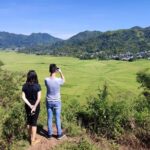
What I like most is the way the scenery and the culture show up together. You get big panoramic views of the village and surrounding mountains, and then you’re welcomed into village life with a traditional ceremony that makes it feel less like sightseeing and more like sharing a moment.
The main drawback to plan for is physical and logistical reality. You’ll trek for 2–3 hours each way, the air can feel cold (especially in the dry season), and there’s no mobile coverage and electricity only from 6 to 10 pm.
In This Review
- Key things you’ll notice
- Wae Rebo Village at 1,100 Meters: Why This Trip Feels Different
- Day 1: Labuan Bajo Pick-Up, the Drive to Denge, and Food on the Move
- The 2–3 Hour Trek from Denge to Wae Rebo: Todo Forest Reality Check
- Arrival in Wae Rebo: Traditional Welcome, Mbaru Niang Dinner, and Village Night
- Day 2: Breakfast With the Community, Small Ceremonies, and the Walk Back
- Price and Value: Is $180 Fair for a 2D/1N Wae Rebo Tour?
- What to Pack and How to Stay Comfortable (Without Overthinking It)
- Who This Tour Suits Best (And Who Might Struggle)
- Booking Days, Solo Options, and the One Detail That Changes Everything
- Should You Book This Wae Rebo 2D/1N Shared Tour?
- FAQ
- How long is the Wae Rebo 2D/1N shared tour?
- How long is the trek from Denge village to Wae Rebo village?
- Is there mobile coverage or electricity in Wae Rebo?
- What’s included in the tour price?
- What should I bring for the visit?
- Can a solo traveler join?
Key things you’ll notice
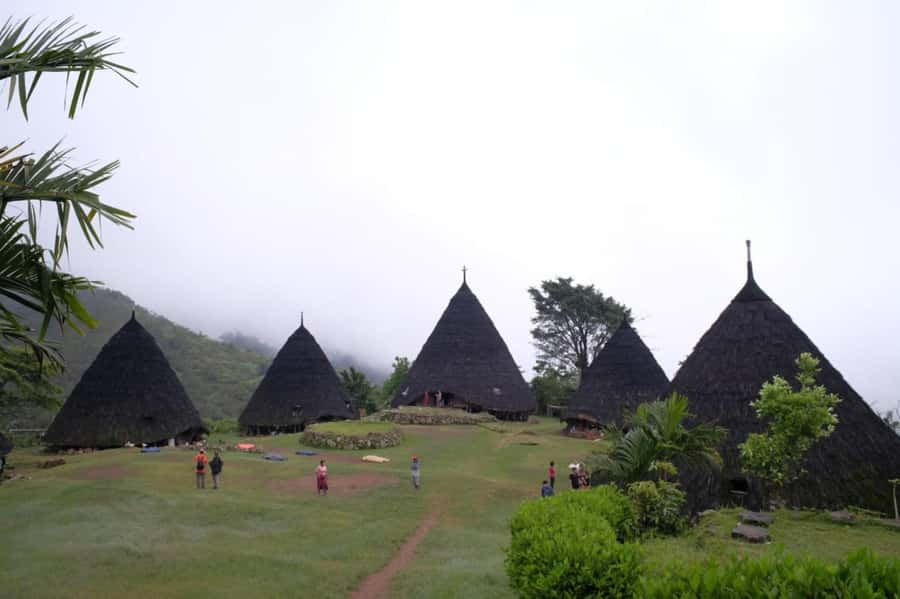
- Remote Flores isolation: Wae Rebo sits about 1,100 meters above sea level, surrounded by mountains and the Todo forest.
- Nature with real texture: you may spot orchids and different ferns, plus lots of songbirds along the way.
- Mbaru Niang overnight: 1 night in the village, with meals included and village life as the main event.
- Small-group pacing: limited to 15 participants, which helps the experience feel calm and personal.
- Limited power and connection: no mobile signal, and electricity only 6–10 pm, so evenings are slow in a good way.
Wae Rebo Village at 1,100 Meters: Why This Trip Feels Different
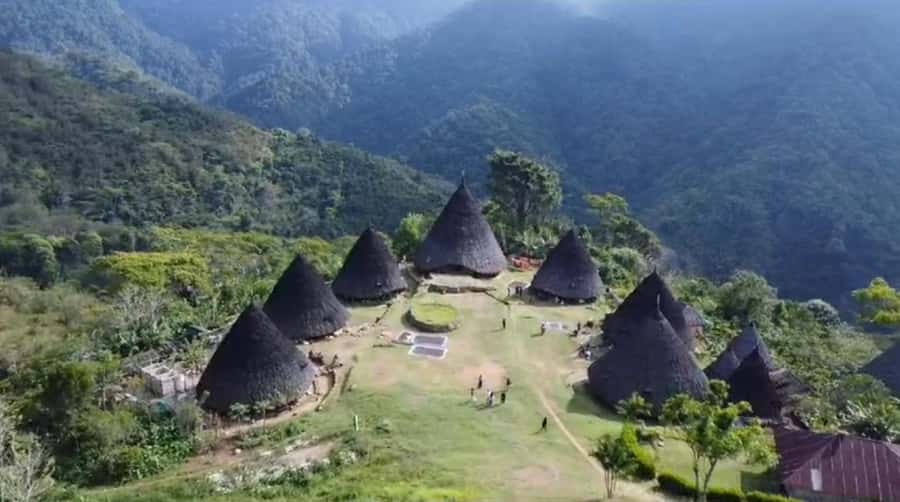
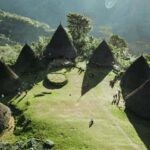
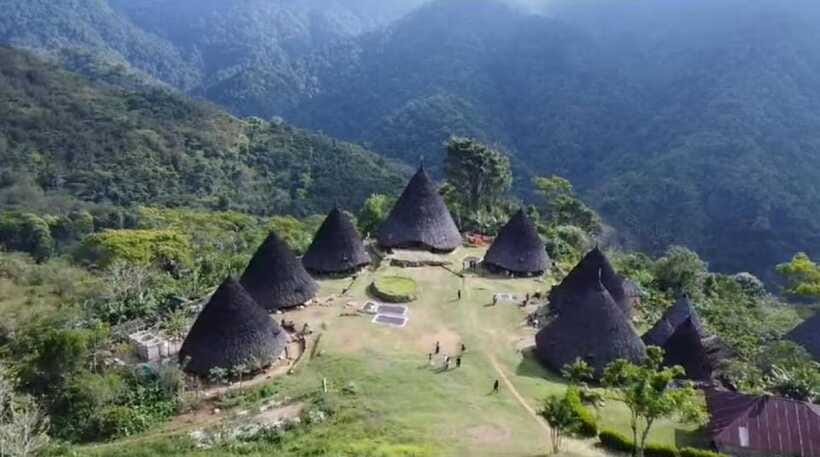
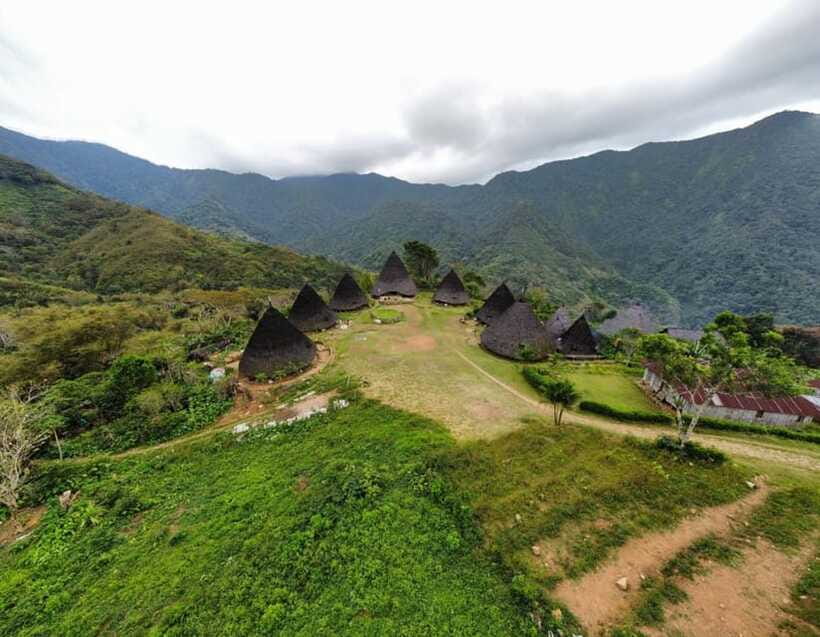
Wae Rebo is tiny and isolated. It’s known for traditional houses tied to community cooperation and sustainable traditions, while the village also works on improving prosperity. That combination matters because the visit isn’t just about buildings and photos. It’s about how people live together in a harsh, beautiful place.
You’ll be high in the mountains, about 1,100 meters up, with panoramic views all around. The village is surrounded by the Todo forest, which means your walk isn’t a straight line through bland countryside. You’re moving through a tropical forest that can feel cool, damp, and alive with bird calls.
One more thing: this isn’t a place that tries to entertain you. There’s no mobile coverage, and electricity runs only from 6 to 10 pm. If you want a phone-charged vacation, Wae Rebo is the wrong choice. If you want a slower, more grounded Flores experience, it fits perfectly.
You can also read our reviews of more tours and experiences in Labuan Bajo.

Day 1: Labuan Bajo Pick-Up, the Drive to Denge, and Food on the Move
The day starts with a 7:00 am pick-up from your Labuan Bajo hotel. From there, you drive to Denge village, which takes about 4–5 hours. It’s a long first leg, so I’d treat this as a travel day that happens to include snacks and meals, not as a day packed with activities.
Breakfast and lunch are included while you’re on the road. That’s practical because it prevents you from needing to hunt for food after a long drive. You can also use the time to settle into the trek rhythm: comfortable shoes on, long pants ready, and your jacket accessible.
Once you arrive in Denge, you’ll do trek preparation and then head out for Wae Rebo. This matters because that first chunk of time can feel like a shift from car mode to foot mode. If you’re prone to overpacking, remind yourself: you’re hiking 2–3 hours, and you’ll be glad you kept things light.
The 2–3 Hour Trek from Denge to Wae Rebo: Todo Forest Reality Check
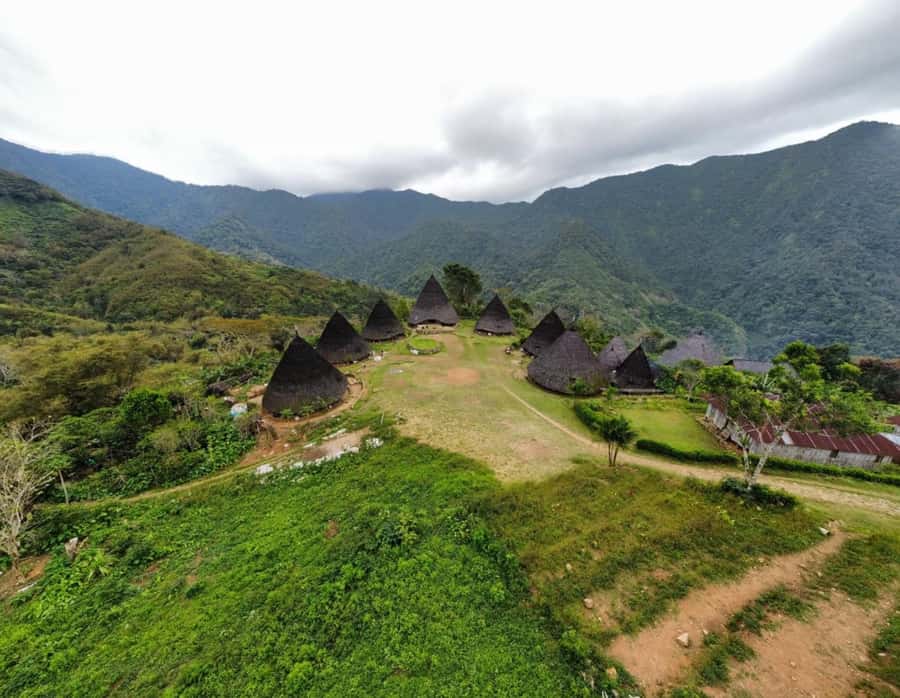
The trek from Denge to Wae Rebo takes about 2–3 hours. That range matters because weather can change how it feels, and the itinerary is flexible depending on conditions. I’d plan as if it could be a bit slower on a cool, wet day.
What you’ll like on the trek is the setting. Wae Rebo is surrounded by mountains and the dense Todo forest, which is rich in vegetation. You may see orchids and different types of ferns, and you’ll likely hear the steady chirping of songbirds. Even without spotting wildlife, the forest soundscape is its own reward.
Your biggest consideration is gear and comfort. Wear comfortable shoes, long pants, and bring trekking gear. The tour strongly suggests a first aid kit too, which is worth taking seriously on a remote hike where help isn’t instant.
Cold is another factor. The air can be relatively cold, especially in the dry season, so bring a jacket. You might feel warm at the start of the trek, but as you climb and the day moves, it can turn chilly faster than you expect.
Arrival in Wae Rebo: Traditional Welcome, Mbaru Niang Dinner, and Village Night
When you reach Wae Rebo, you’re welcomed by the local people with a traditional ceremony. This is one of the reasons the trip feels respectful, not scripted. You’re not just passing through; you’re participating in the moment the village shares with visitors.
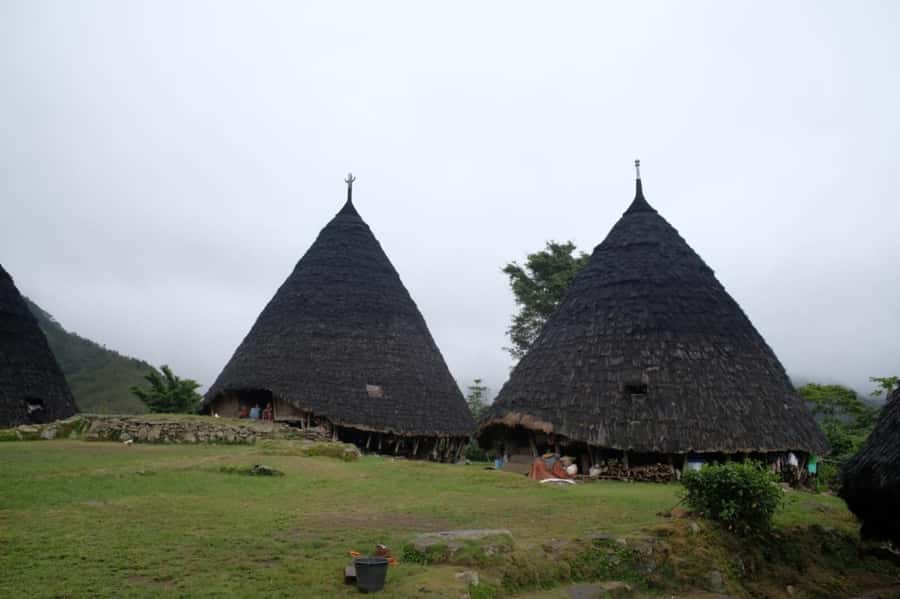
Then comes dinner and your overnight stay at Mbaru Niang in the village. Mbaru Niang is where you’ll sleep for 1 night, and meals are included as part of the experience. I like that this reduces stress: you don’t need to negotiate food or timing after arriving from a long hike.
Here’s what you should plan for at night: the village has no mobile coverage, and electricity is only available from 6 to 10 pm. That means your evening will be quieter and more old-school than you’re used to. The upside is that you get a real break from constant noise.
Also note that the village may change its tone depending on community events. One departure included a period when the village was in mourning after a loss, so the usual joyful activities were limited. Even then, the group still spent meaningful time together, ate good food produced locally, and joined blessing rites for the visitors and their nations. That’s a good reminder: you’re entering real community life, not a performance.
Day 2: Breakfast With the Community, Small Ceremonies, and the Walk Back
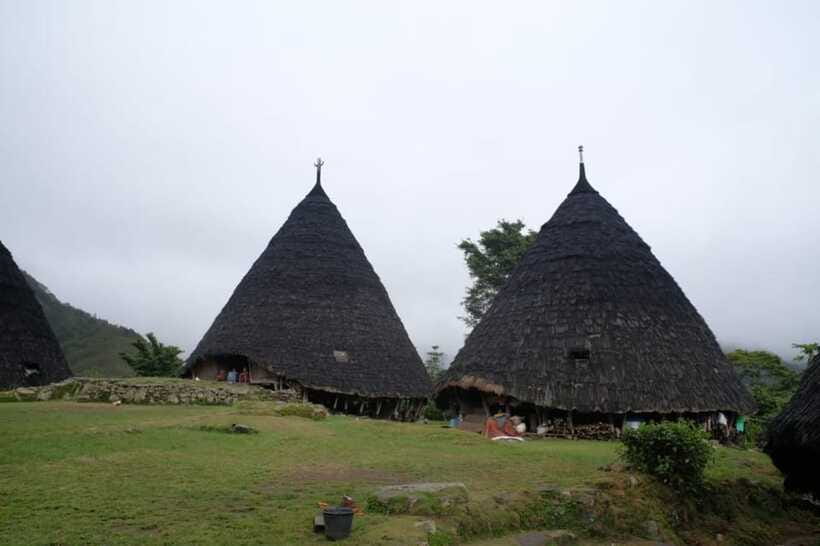
Day 2 starts with breakfast with the local people in the village. This is another strong point because it keeps the visit from turning into a one-time arrival moment. You wake up in the setting, eat, and then you have time for more interaction.
After breakfast, you’ll enjoy a little ceremony and take part in activities with locals. The exact activities aren’t listed in detail, but the theme is clear: you’re there to share a few hours of village rhythm before heading out again. This is also where a guide helps a lot, because they can smooth communication and make sure you’re doing things respectfully.
After that, you leave Wae Rebo and return to Denge village. You’ll then have lunch and go back to Labuan Bajo. It’s a full day, but the hard part is mostly behind you: you already did the main climb on day 1. Still, expect your legs to feel it, especially if you’re not used to uneven ground.

Price and Value: Is $180 Fair for a 2D/1N Wae Rebo Tour?
At $180 per person for 2 days, the price looks modest or steep depending on what you compare it to. Here’s why it can feel like good value: you’re paying for more than a guide. You’re getting round-trip car transportation from Labuan Bajo, trekking logistics, meals across the trip, and an overnight in the village.
The tour includes:
- Car transportation go and back
- Entry ticket
- 1 night stay at Mbaru Niang
- 4 meals during the trip
- Local tour guide (English and Indonesian)
- Local motorbike (Ojek)
- Donation
- Coffee and tea
- Free documentation
That “all-in” structure matters in remote places. Once you’re committed to a hike and a night in a village, costs add up fast if you have to pay separately for food, guides, and local transfers. By bundling it, the tour reduces the risk of awkward gaps in planning.
One more value point: the group size is limited to 15 participants. Smaller groups tend to mean better pacing and more attention from the guide, which can make cultural moments feel more personal and less rushed.
What to Pack and How to Stay Comfortable (Without Overthinking It)
The tour’s packing advice is simple, and you should follow it. Bring comfortable shoes with traction and plan for 2–3 hours of walking uphill and downhill. Wear long pants, and keep your trekking gear ready from Denge onward.
Bring a jacket. The air is relatively cold at around 1,100 meters above sea level, particularly in the dry season. Even if you’re sweating on the trek, nights in the mountains can cool down fast.
The tour also suggests a first aid kit. It’s not about paranoia. It’s about being practical in a place with limited access and no quick connection to services.
Also keep your expectations about connectivity realistic. There’s no mobile coverage in Wae Rebo, and electricity is limited to 6–10 pm. I treat that as part of the experience. If you pack chargers expecting constant power, you’ll end up annoyed.
Who This Tour Suits Best (And Who Might Struggle)
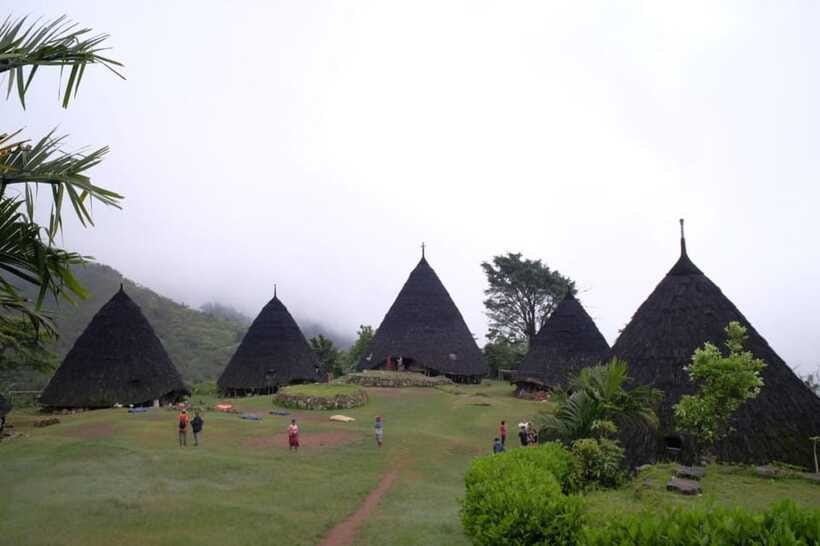
This is best for travelers who want an authentic village experience more than a comfort-first itinerary. If you’re curious about how a small community maintains tradition through cooperation and sustainable practices, you’ll likely enjoy this trip.
You should also be comfortable with a real hike. The trek is 2–3 hours from Denge to Wae Rebo, and you do it again in reverse on day 2. It’s not described as a marathon, but it is still trekking in mountainous terrain.
If you hate cold weather, limited electricity, or being disconnected from your phone, this may feel frustrating. And if you want constant guided entertainment, Wae Rebo isn’t built for that. You’ll spend the day walking, then sharing ceremonies and meals, then resting in quiet.
On the group style: it’s shared and small-group, limited to 15. That’s usually a good size for cultural visits because you can move together without feeling like a crowd tour.
Booking Days, Solo Options, and the One Detail That Changes Everything
If you’re traveling solo, pay attention to departure days. There’s no minimum quota for Monday, Tuesday, Friday, and Saturday, so 1 person can go.
For Sunday, Wednesday, and Thursday, there is a minimum of 2 people leaving. If only 1 person is booked on those days, the solo traveler pays double price. That’s the kind of detail that can turn a good deal into a surprise cost, so check your day first.
Should You Book This Wae Rebo 2D/1N Shared Tour?
Book it if you want a Flores experience that’s about people, not just sights. The strongest reasons are the traditional welcome and small ceremonies, the overnight in Mbaru Niang, and the Todo forest trek that mixes nature with real community life. The $180 price also feels reasonable when you factor in transport, meals, and the included night stay.
Skip it if you need reliable phone signal, want uninterrupted electricity, or you’re not up for a 2–3 hour hike each way in cooler mountain air. This tour doesn’t hide its rough edges, and that’s why it works for the right traveler.
If you match that profile, you’ll come away with something harder to copy than a photo: the feeling of having shared time with a remote mountain village.
FAQ
How long is the Wae Rebo 2D/1N shared tour?
It runs for 2 days, with pick-up in Labuan Bajo at 7:00 am on day 1 and a return to Labuan Bajo after lunch on day 2.
How long is the trek from Denge village to Wae Rebo village?
The trek takes about 2–3 hours from Denge to Wae Rebo.
Is there mobile coverage or electricity in Wae Rebo?
There is no mobile coverage in the village. Electricity is only available from 6 to 10 pm.
What’s included in the tour price?
Transportation (car) round trip, entry ticket, 1 night stay at Mbaru Niang, 4 meals, local tour guide, local motorbike (Ojek), donation, coffee and tea, and free documentation are included.
What should I bring for the visit?
Bring comfortable shoes, long pants, trekking gear, and a first aid kit. Also bring a jacket because the air can be relatively cold.
Can a solo traveler join?
Yes on Monday, Tuesday, Friday, and Saturday. On Sunday, Wednesday, and Thursday, there is a minimum of 2 people; if only 1 person goes, they pay double price.