First, a three-day Bali plan that actually works. This Seminyak-based tour strings together major sights without making you guess what’s worth your time. I especially like the English-speaking driver who helps you move efficiently and points out the best photo spots, and I also like that the schedule is built around big, varied Bali highlights (temples, rice terraces, waterfalls, and dance). The main drawback: it’s a packed rhythm, so if you want slow mornings and extra wandering, you may feel a bit rushed.
You’ll be doing this as a private group (only your group goes), with pickup offered and a mobile ticket to make check-in simpler. Two days run roughly 08:00–18:00, then day three starts later (13:00) and runs until about 21:00. That timing is great for hitting sunset-area sites, but it means long days in the car—bring patience, water, and a plan for snack breaks.
In This Review
- Key things I’d bookmark before you go
- Bali in 3 days from Seminyak: how the route really feels
- Day 1 in Ubud: monkeys, palaces, markets, and mountain views
- Day 2 across Bedugul: temples by the lake, hidden-feeling waterfalls, and rice terraces
- Day 3 southern Bali after lunch: GWK, Uluwatu, Kecak, and Jimbaran seafood
- The English-speaking driver: why it matters more than you think
- Admission tickets included: the quiet value of fewer surprises
- Price and logistics: is $180 per person a good deal?
- Who should book this 3-day Bali plan?
- Should you book this tour?
- FAQ
- FAQ
- What area of Bali does this tour cover?
- Where does the tour start from?
- How long is the tour?
- What time does each day run?
- Is it a private tour?
- Do I need to speak Indonesian?
- Are admission tickets included?
- Is a pickup included?
- Do they use mobile tickets?
- What is the cancellation policy?
Key things I’d bookmark before you go
- Central Bali first, then west, then south: the route keeps you from doubling back too much.
- Admission tickets are included at every listed stop, so you’re not adding surprise costs.
- Ubud day is full of variety: Sacred Monkey Forest, Ubud Palace, a traditional art market, plus volcano views and rice terraces.
- Bedugul is the cool-weather reset: lake temple views and rice terraces, then a classic sea-temple finish.
- Uluwatu + Kecak is a real night payoff: dance, temple vibes, then seafood by Jimbaran Bay.
Bali in 3 days from Seminyak: how the route really feels
This is a highlights-and-structure kind of Bali trip. You get a driver escort who handles the driving and the day flow, and you’re not stuck figuring out logistics between scattered areas of the island. For a short stay, that matters. Bali’s sights aren’t all in one neighborhood, and traffic can turn an ambitious DIY plan into a day of staring at the windshield.
The other smart part is pacing by region. Day 1 leans into central Bali around Ubud. Day 2 shifts into the cooler, greener north and west side, with lake-and-rice-terrace country around Bedugul and Jatiluwih. Day 3 concentrates on southern Bali, finishing with the sunset/dance/seafood trio that many first-timers hope to squeeze in.
One small note on expectations: you’re going to see a lot of famous places. That’s the point of the trip. But you can still make it feel personal by treating each stop like a specific “moment” instead of a checklist.
You can also read our reviews of more tours and experiences in Seminyak.



Day 1 in Ubud: monkeys, palaces, markets, and mountain views
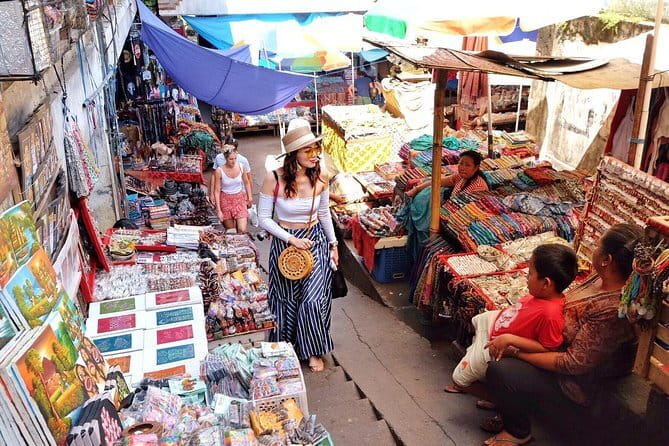
Day 1 runs roughly 08:00–18:00, and it starts with the Sacred Monkey Forest Sanctuary in Ubud. If you’ve never been close to long-tailed macaques, this is the best kind of first intro: you’re in the village-owned sanctuary area of Padangtegal, and you’ll get that iconic jungle-temple atmosphere right away. Practical tip: keep your hands/food secured and watch your belongings. Monkeys are curious, and you don’t want your day to turn into an anxiety workout.
From there, you’ll head to Ubud Palace (Puri Saren). It’s a short stop, but it gives you context for Ubud as a cultural center rather than just a hopping-off point for nature tours. Next up is the Ubud Traditional Art Market, the place where you can browse batiks, silver jewelry, precious stones, and all the souvenir odds and ends. This is one of those stops that’s fun even if you don’t buy much, because it shows you the range of what people make locally.
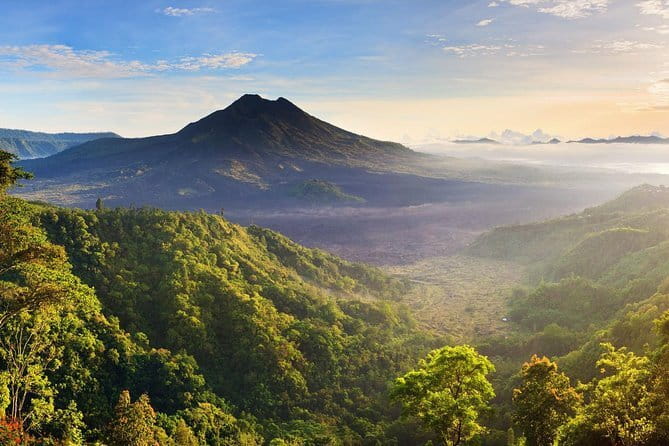
Then the day climbs into the Kintamani Highland area, with Kintamani Volcano and mountain views. This is where the trip stops feeling like “temples and shopping” and starts adding big-scale scenery. After the volcano viewing, you’ll visit the Bali Pulina Coffee Plantation, which focuses on agrotourism and farming. Coffee plantations can be a mixed bag in the world. Here, the value is that you see what’s actually grown and how the land supports different crops, not just a tasting counter.
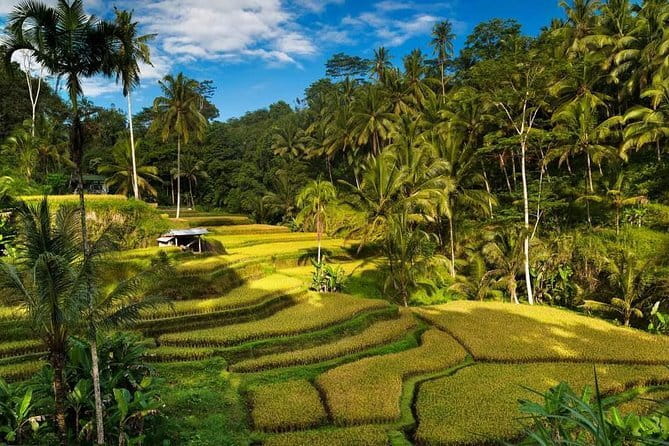
The afternoon keeps the scenery coming with Tegalalang Rice Terrace. This is one of Bali’s most photographed terrace areas for a reason: it’s visually layered and easy to find good viewpoints from the roadside and paths. You’ll get about a half-hour there—enough to take photos, walk a bit, and feel the valley layout.
Finally, you’ll end with Tegenungan Waterfall, a popular natural stop located between Ubud and the surrounding areas. It’s a classic “cool down and reset” moment after a long day. Just expect it to be busy compared with quieter waterfalls, and aim to go with the flow rather than hunting for solitude.
Day 2 across Bedugul: temples by the lake, hidden-feeling waterfalls, and rice terraces
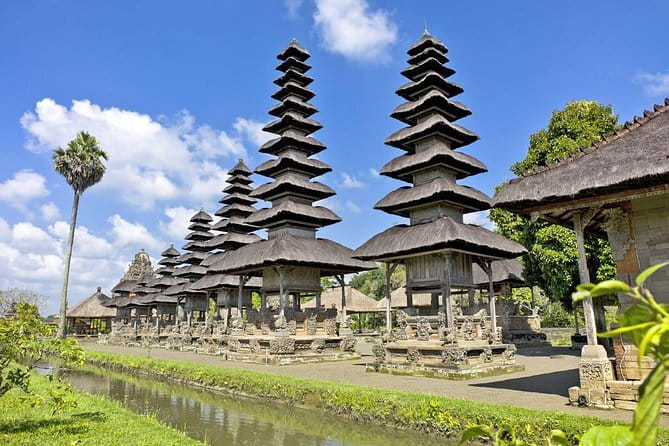
Day 2 runs roughly 08:00–18:00 and swings toward north and west Bali, with Bedugul as a key theme. First stop: Taman Ayun Temple. It’s known and well established, and even in a quick visit you can see why people rate it: it feels carefully arranged, and it gives you a more serene temple experience than the roadside crowds some other sites get.
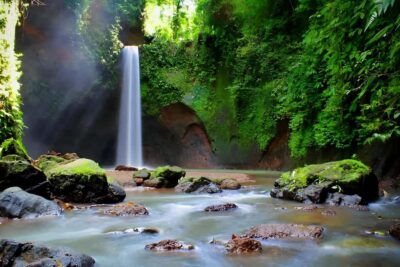
Next is Leke Leke Waterfall. The important detail here is that it’s described as a waterfall tucked into a rock crevice with jungle surroundings. That usually means fewer dramatic “wow from afar” moments and more of a walk-in, look-around payoff. Bring decent footwear mindset even if your shoes are just “tour shoes”—the ground near waterfalls can be slick.
Then you’ll head to Ulun Danu Bratan Temple, set by the lake at Beratan. This stop is all about views: cool plateau air, water, and hills as a backdrop. Even if you’re not a temple-architecture deep diver, this is a great “Bali breath” moment during an otherwise packed day.
A quick break comes with Pasar Candi Kuning (Candikuning Fruit Market). This is a traditional fruit and vegetable market, and it’s positioned in the Bedugul mountain area. It’s a practical stop if you like watching daily life in food supply chains rather than only shopping for souvenirs.
Then comes Jatiluwih Green Land (Jatiluwih Rice Terrace). This is about walking views of rice terraces at a larger scale. The name is tied to meaning—good, beautiful, “really especial”—but what you’ll actually feel is open space and a calmer rhythm than the busiest terrace spots.
The day closes with Tanah Lot Temple, a sea temple on a rocky island off Bali’s southwest coast. This is one of Bali’s most iconic compositions: ocean, rock, temple silhouette. Since your time is limited, pay attention to when you get there and how the light is behaving—sea-temple photography is very time-of-day sensitive.
Day 3 southern Bali after lunch: GWK, Uluwatu, Kecak, and Jimbaran seafood
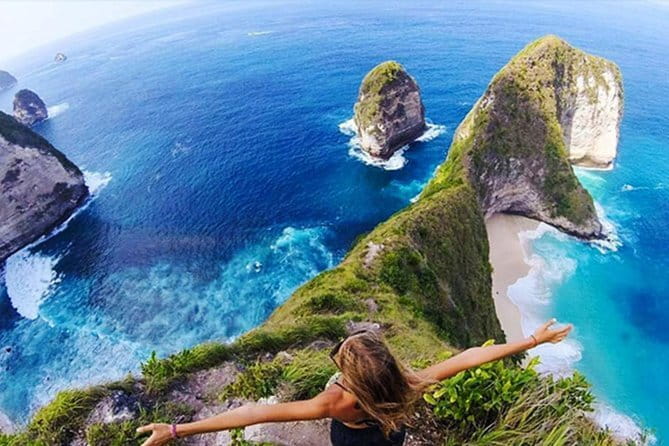
Day 3 starts later (about 13:00) and runs until roughly 21:00, which is perfect for the southern highlights that tend to peak toward evening.
First stop is Garuda Wisnu Kencana Cultural Park (GWK). It’s home to the tall Garuda Wisnu Kencana statue and other iconic cultural landmarks. This is a “big visual” stop—good for wide-angle photos and for getting your bearings about Bali’s Hindu-inspired symbolism.
Then you’ll go to Uluwatu Temple. Uluwatu is famous for its clifftop temple setting and dramatic atmosphere. A key detail is that you’re spending time at a site tied to Bali’s older cultural roots, including the holyman Mpu Kuturan. If you like understanding why a place feels the way it does, Uluwatu is worth your attention, not just your camera.
Next comes Kecak and Fire Dance. This is your set-piece cultural event: about 50 men shouting “CHAK” as part of a performance based on the Ramayana story. The group energy can be impressive, and it’s one of those performances that’s easier to appreciate when you know it’s intentionally theatrical rather than “just a show.”
Finally, the tour heads to Jimbaran Bay. Along Jimbaran to Kedonganan Beach, you’ll find many local seafood cafes that feel like a night market setup—choose seafood options and get dinner in a coastal setting. The practical win here is that your last stop matches the “end the day with food” goal, instead of making you scramble for dinner after dark.
The English-speaking driver: why it matters more than you think
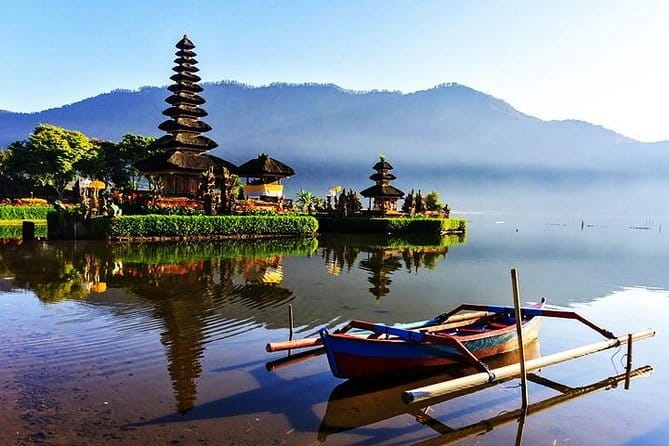
A driver who can explain what you’re looking at can change the entire trip from sightseeing to understanding. Here, your driver escorts you through the day, shares local knowledge, and helps with photography timing and spot selection. That matters most at stops like Tanah Lot, where the view is stunning but time-sensitive, and at Ulun Danu Bratan Temple, where lake light and angles can make or break your photos.
Also, private touring gives you more room to adjust. One guide highlighted in experiences with this company is Made Pade, noted for kindness and the way he accommodates wishes. Even if your driver isn’t Made Pade, look for that same attitude: ask questions, mention what you care about most (temples, nature, dance, photo stops), and don’t be shy about saying you want a little more time for a view.


Admission tickets included: the quiet value of fewer surprises

Every listed stop here includes an admission ticket. That’s not flashy, but it’s real value. It means your day is less subject to extra lineups, extra payments, and last-minute “wait, where do I buy that?” stress.
It also affects how you should travel. If you know entry is largely handled, you can pack with confidence: you’re not spending your money and time constantly checking what’s paid versus free. For a short trip, that steadiness is gold.
Price and logistics: is $180 per person a good deal?
At $180 per person for about 3 days, this can be a strong value—especially because the tour includes pickup, a private group setup, an English-speaking driver, and admission tickets for the listed sites.
The cost is most worth it if:
- you want to cover multiple regions quickly (Ubud/central, Bedugul/north-west, and the south coast),
- you’d rather pay for a guided route than spend your limited time organizing transport,
- you like a structured plan but still want to ask your driver for photography help.
The value drops a bit if you’re the kind of traveler who enjoys long unplanned breaks and wants to spend more time at fewer places. This schedule is a “see a lot” approach. If you’re craving empty beaches and long afternoons, you might prefer a slower add-on day instead of using all three days this way.
Who should book this 3-day Bali plan?
This works best for:
- first-time Bali visitors with a short stay who want a balanced taste of temples, rice terraces, waterfalls, coffee/agrotourism, and performance culture,
- couples or small groups who want privacy and an English-speaking guide without having to navigate every step,
- anyone staying in or around Seminyak who wants pickup and a sensible route.
It might be less ideal if you:
- dislike full schedules and prefer lingering,
- want only one theme (say, only beaches, or only waterfalls) instead of a mixed route,
- have very tight mobility needs (some temple/waterfall areas can involve uneven surfaces and standing time, and the day is still long).
Should you book this tour?
If you want a smart three-day Bali sampler that doesn’t require mental math about transport and entry fees, I’d say yes. The combination of region-by-region routing, admission tickets included, and an English-speaking driver who helps with photo timing is exactly what makes a short Bali trip feel worthwhile.
Book it if your priority is getting the island’s main “wow” moments on your timeline. Skip or consider adjusting if you know you’ll resent a full day schedule. A helpful compromise: keep this as your “highlights foundation,” then add one or two separate days later for slower beach time or a deeper dive into one area you liked most.
FAQ
FAQ
What area of Bali does this tour cover?
It focuses on central Bali on day 1, the western/north side on day 2, and southern Bali on day 3.
Where does the tour start from?
The tour is based in Seminyak, Indonesia, and pickup is offered.
How long is the tour?
It lasts about 3 days.
What time does each day run?
Day 1 runs from about 08:00 to around 18:00. Day 2 is also about 08:00 to 18:00. Day 3 starts around 13:00 and ends around 21:00.
Is it a private tour?
Yes. It’s private, and only your group participates.
Do I need to speak Indonesian?
No. The tour is led by an English-speaking driver.
Are admission tickets included?
Admission tickets are included for the listed attractions at each stop.
Is a pickup included?
Yes, pickup is offered.
Do they use mobile tickets?
Yes, the tour includes a mobile ticket.
What is the cancellation policy?
Free cancellation is available up to 24 hours in advance for a full refund. Changes within 24 hours of the start time aren’t accepted, and late cancellation won’t be refunded.