If you want Bali to feel like a movie, start with the Bali Swing. This tour strings together several standout waterfalls around Ubud—starting with the cave-canyon drama of Tukad Cepung and then moving on to more open, swimmable falls like Tibumana.
I especially like that the day is built for photos and real moments, not just quick stops. With your guide and driver acting as photographer support, it’s easier to get in the frame—especially if you’re going solo.
One thing to plan for: entrance fees and the swing/lunch-type costs aren’t included, so your final spend will be higher than the base price.
In This Review
- Key highlights at a glance
- Bali Swing start: get the best angles before you go chasing waterfalls
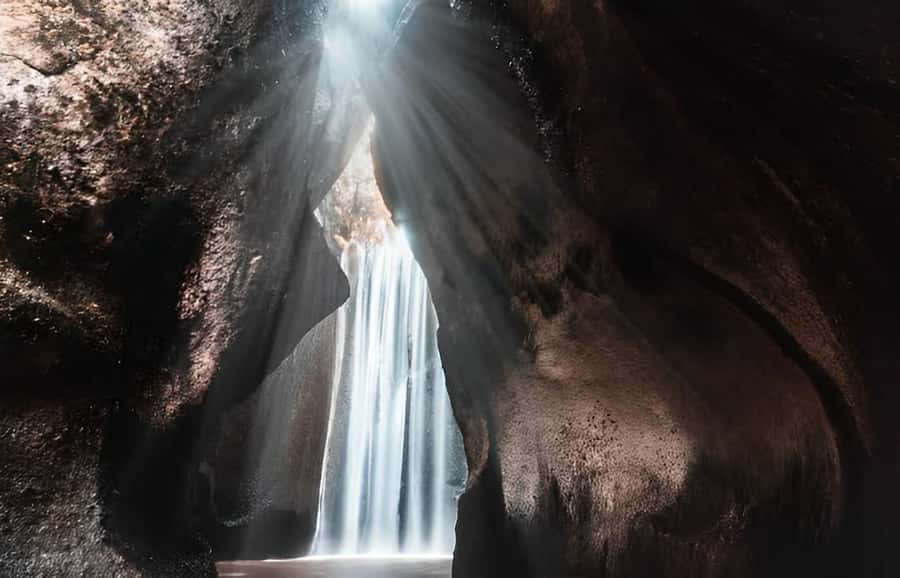
- Tukad Cepung Waterfall’s cave canyon: where the waterfall feels theatrical
- Tibumana Waterfall: clear water, a swim-friendly pool, and a calmer pace
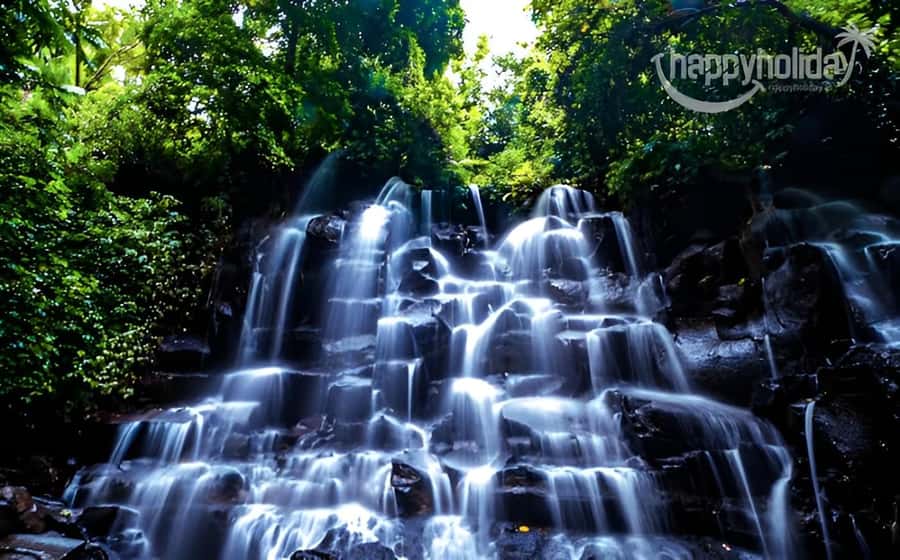
- Kanto Lampo’s rock formations: end the day with a refreshing waterfall moment
- Coffee plantation stop: Balinese coffee that’s more than a souvenir
- Price and value: what you get for $48 (and what you still pay for)
- Pickup, timing, and how to make the day feel smooth
- Who should book this Bali waterfall and Bali Swing tour?
- Should you book it? My take
- FAQ
- FAQ
- How long is the Best Waterfall Tour & Bali Swing?
- What waterfalls are included?
- Is the entrance fee included in the price?
- Does the price include Bali Swing and lunch?
- Is it good for solo travelers?
- Where do pickup and drop-off happen?
Key highlights at a glance
- Bali Swing gets the day going with a birds-eye view over Bali’s green areas before you hit the falls
- Tukad Cepung’s canyon waterfall drops from rock crevices in a cave-like setting
- Tibumana Waterfall is built for downtime with clear water and a pool where you can swim and play
- Kanto Lampo focuses on rock formations and that refreshing waterfall feel at the end of the day
- Coffee plantation time includes learning about cultivation and tasting freshly brewed Balinese coffee
- Private group + English guide help with smooth routing and easier photo stops (including solo-friendly support)
Bali Swing start: get the best angles before you go chasing waterfalls
The vibe here is simple: you begin with Bali Swing time, then spend the rest of the day working through waterfalls. That order matters. The swing is your big adrenaline hit up front, when your energy is highest and you’re not already tired from heat and walking.
Expect a free-flight sensation while you look out over Bali’s forested and green areas. Even if you don’t love thrill rides, it’s a different way to see the island—less temple-and-road, more nature-and-height. If you want photos that actually look like you were there, do it early while you’re still fresh and your camera isn’t covered in sunscreen from the morning.
A practical note: the tour also warns that you should bring change of clothes, a towel, and flip-flops, which tells you the day will get wet later. So treat the swing moment like the start of a full “water day,” not a standalone attraction.
You can also read our reviews of more tours and experiences in Indonesia.

Tukad Cepung Waterfall’s cave canyon: where the waterfall feels theatrical
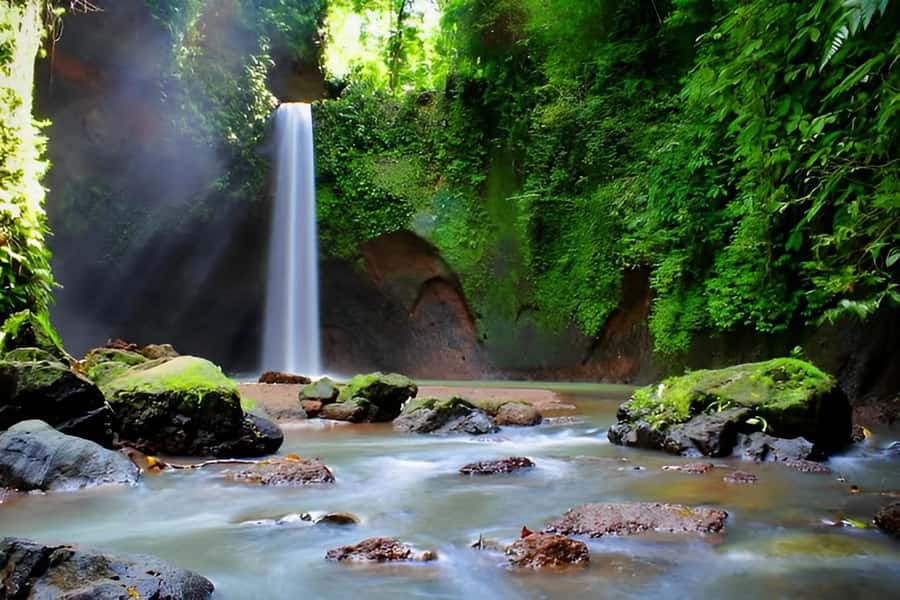
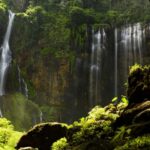
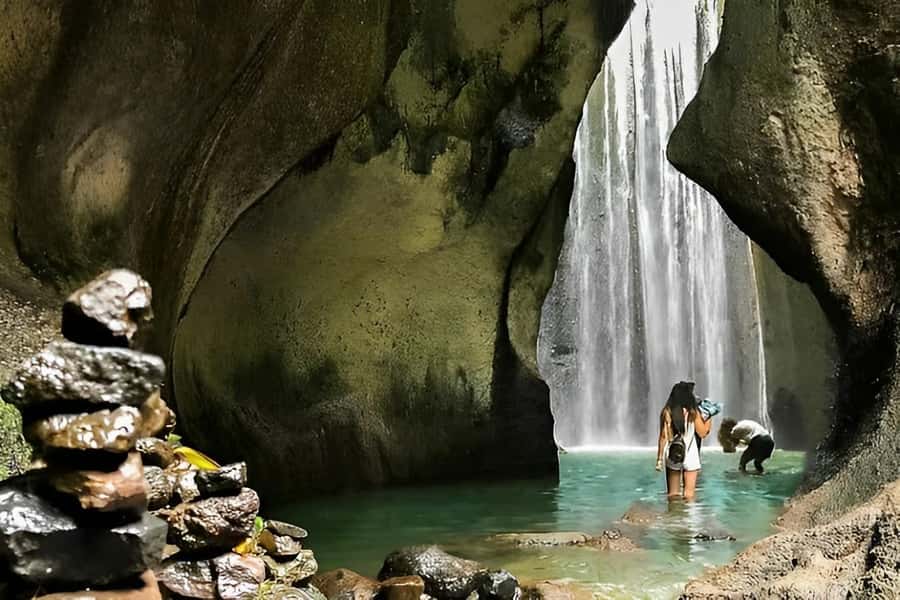
Tukad Cepung is the kind of waterfall that makes you stop talking for a second. It’s described as hidden within a cave-like canyon, with the water gushing from rock crevices. That setting changes everything: the sound echoes, the light feels different, and the falls don’t look like they’re just dropping into a valley—they look like they’re breaking out of stone.
This stop is a strong choice for value because it gives you a unique look compared to more straightforward waterfall sites. You’re not just seeing a waterfall; you’re seeing it framed by rock, almost like a natural window. For photography, that “framed by rock” effect is a big deal, and having a driver-guide who can help with photos is a real advantage.
The only downside of a canyon waterfall is that it’s less about wide-open views. If you love Instagram-style panoramas, you might find your favorite angles are closer and more “scene-like” than sweeping landscapes. Still, for most people, that cave-canyon feel is the highlight of the entire day.
Tibumana Waterfall: clear water, a swim-friendly pool, and a calmer pace
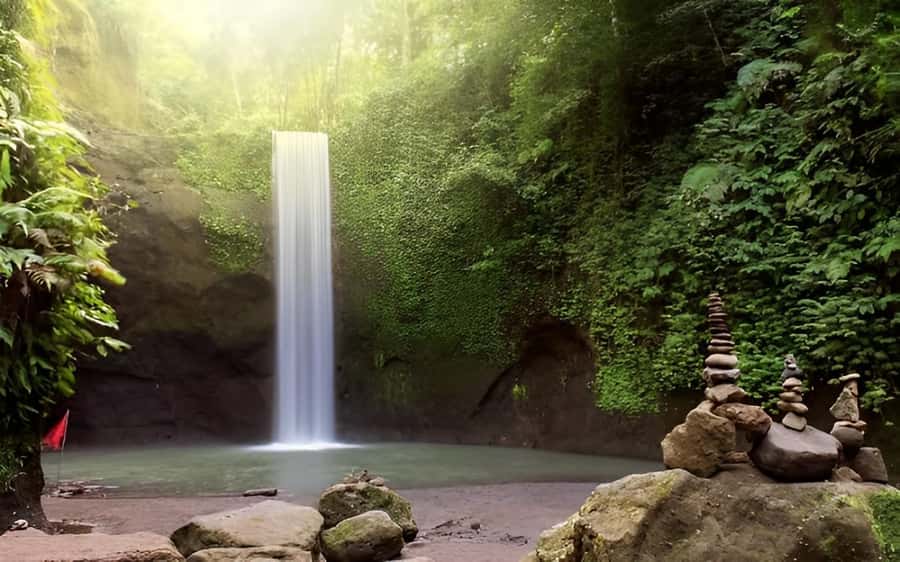
After the canyon drama, Tibumana shifts the mood. This waterfall is known for an elegant drop into a pool, with clear water that invites you to swim and play. In plain terms: it’s a place where you can linger without feeling like you’re only there for a quick picture.
I like Tibumana because it gives you a break from constant walking and moving. You can focus on being in the water—cooling off, rinsing off, and actually enjoying the sound of the falls rather than sprinting between photo spots.
There’s also a helpful mental cue here: pack like you’re going to swim. The tour’s recommended items—towel, change of clothes, and flip-flops—aren’t suggestions for show. Bring sunglasses and sunscreen too, because even a “swim” waterfall day still runs under bright Bali light.
If you’re traveling with a group, this is usually the stop where people separate naturally: some want photos, some want quiet, and some want the water. If you prefer calmer moments, Tibumana tends to fit that style better than the more rock-focused stops.
Kanto Lampo’s rock formations: end the day with a refreshing waterfall moment
Kanto Lampo is saved for the finish, and that’s smart. By late afternoon, you’ve already had your dramatic canyon moment and your swim-friendly pool. Kanto Lampo then delivers a refreshing payoff with its distinctive rock formations and waterfall action.
This is also the kind of location where rock textures help your photos. Instead of a single smooth fall into one simple basin, you get interesting shapes and angles. It’s a nice way to end the day because it gives your brain something new after the earlier stops.
One consideration: rock-based waterfall areas often mean more uneven footing. So those “comfortable shoes” aren’t just for walking between locations—they’re what you’ll want for the waterfall portion too. If you’re prone to slipping, take it slow and use flip-flops only where they make sense. The best plan is to be comfortable on mixed surfaces without rushing.
Coffee plantation stop: Balinese coffee that’s more than a souvenir
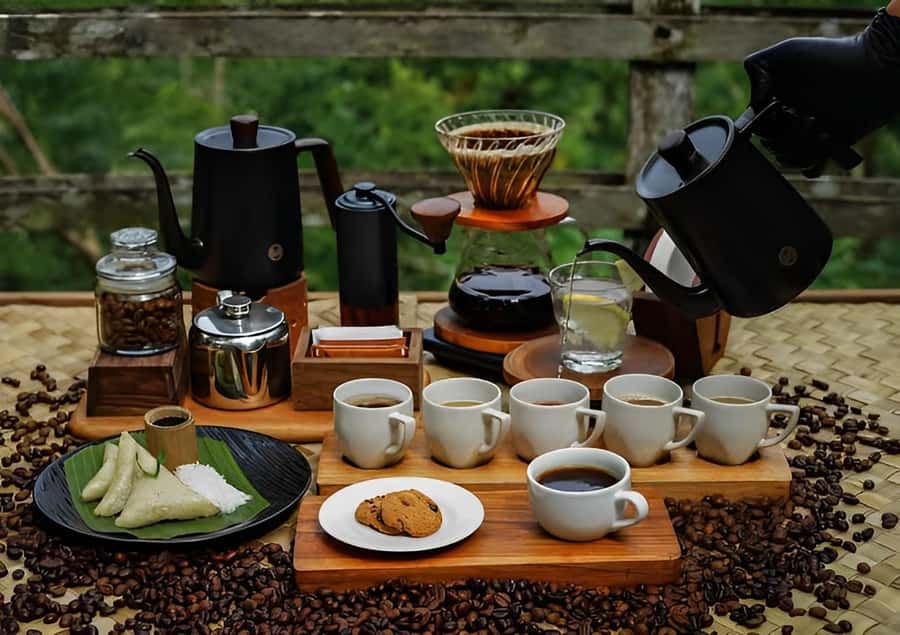
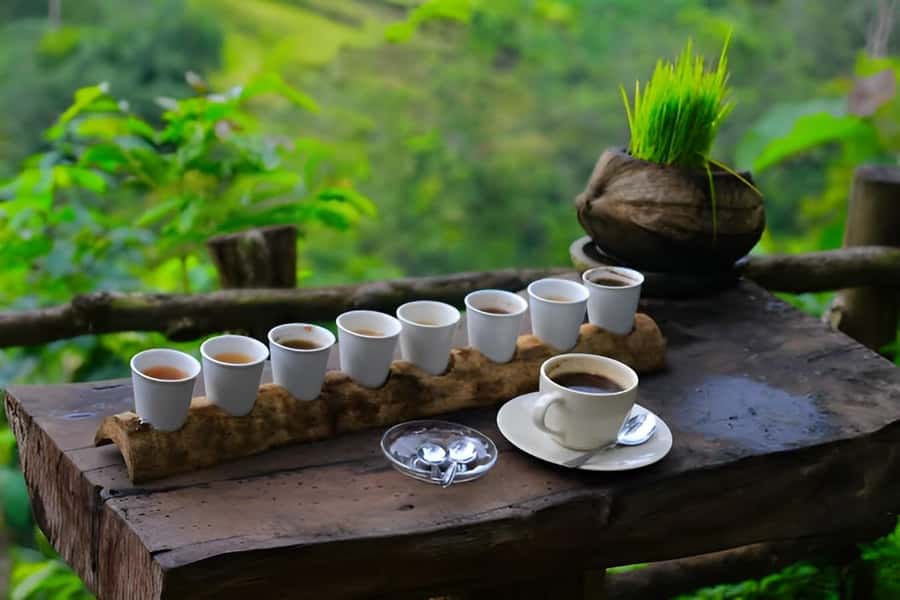
Between waterfalls, the tour brings you to a coffee plantation. You’ll learn about the process of cultivating and making coffee, then taste freshly brewed Balinese coffee. The day isn’t just “buy a drink and move on.” It’s built around an actual stop where you get the story and then the cup.
I like this because it balances the day. Waterfalls are fast, wet, and loud. Coffee time is quieter and more grounded. It’s also useful for cooling down, even if you don’t stay long.
If you’re the type who enjoys food stops with views, this portion of the day may include a warung-style break overlooking rice terraces and jungle. Not every coffee stop is like that, so if your priority is scenery plus tasting, this is worth paying attention to.
Budget-wise, remember that lunch and personal costs aren’t included. If you want more than coffee—snacks, extra drinks, or anything beyond the included tasting—bring cash and expect to pay on-site.

Price and value: what you get for $48 (and what you still pay for)
At $48 per person, this is priced like a “do a lot in one day” tour. The value comes from the parts that are actually expensive in time and hassle: transportation, an English live guide, and the fact that you’re not organizing a multi-stop route yourself.
Your price also covers pickup and drop-off, plus a driver who serves as a guide and photographer. That last bit matters. Solo travelers especially feel it, because it’s one less problem to solve when you want photos without constantly asking strangers.
What’s not included is where your final cost can creep up:
- Entrance fees
- Lunch
- Swing-related costs (the day includes Bali Swing time, but swing/lunch-type costs are listed as not included)
So think of $48 as the baseline for guidance and logistics. Then add a buffer for entrances and any activities you choose to pay for on-site.
Pickup, timing, and how to make the day feel smooth
This is an 8-hour experience, and starting times vary—check availability when you book. Your day is private-group style, which usually helps because your guide can pace the route around your speed and preferences.
Pickup is offered across several popular areas, including Sanur, Ubud, Seminyak, Canggu, Kuta, and Nusa Dua, with options like Ubud Palace and a Golden Buddha resort Bali pickup point. If you’re staying in or near Ubud, the start is likely straightforward. If you’re farther out, plan for travel time as part of the day’s rhythm.
There’s also a solo-traveler note: solo participants must pay an additional 200K for transportation costs. That’s important for the value math. If you’re traveling alone, confirm how that charge will apply before you lock in your budget.
What helps you enjoy the day is coming ready for water:
- towel + change of clothes
- sunglasses, sunscreen
- comfortable shoes + flip-flops
- camera
- drinks and cash
When you carry the right basics, the day feels like sightseeing plus fun, not frantic preparation between stops.
Who should book this Bali waterfall and Bali Swing tour?
This works best if you want a single-day sampler of Ubud-area waterfalls with different moods. You’ll get:
- a canyon waterfall experience at Tukad Cepung
- swim-and-play time at Tibumana
- rock-formation scenery at Kanto Lampo
- and the tour’s waterfall focus that includes Tegenungan alongside Tibumana
It also fits solo travelers well. One of the strongest practical advantages is that the guide/driver offers photographer help, so you’re not stuck with the constant self-timer routine. If you also like a guide who’s friendly and flexible—answering questions when you want them and letting you chill when you don’t—this style of tour is usually a good match.
Skip it (or at least think carefully) if you don’t want wet stops. The tour clearly expects you to bring towel and extra clothes, which signals that you should be comfortable with getting splashed and spending time around water.
And it’s not suitable for babies under 1 year or people over 95 years, so it’s aimed at travelers who can handle active nature time.
Should you book it? My take
Book this tour if your priorities are variety, convenience, and moments that are easy to photograph. The combination of Bali Swing plus multiple distinct waterfalls plus coffee time is a solid “full day, full feel” plan—especially if you want a private setup without doing the logistics yourself.
Don’t book it if your budget is super tight and you don’t want to deal with additional on-site costs. Entrance fees, lunch, and swing-related charges can raise the real total, so plan your spending before you decide.
FAQ
FAQ
How long is the Best Waterfall Tour & Bali Swing?
The tour lasts 8 hours. Starting times depend on availability, so check when you book.
What waterfalls are included?
The tour focuses on Ubud-area waterfalls including Tibumana Waterfall, Tukad Cepung Waterfall, and Kanto Lampo Waterfall. Tegenungan is also mentioned as part of the waterfall focus.
Is the entrance fee included in the price?
No. Entrance fees are not included, so you’ll need to budget for them separately.
Does the price include Bali Swing and lunch?
No. Swing and lunch-type costs are not included in the listed price, so plan for extra expenses if you want those add-ons.
Is it good for solo travelers?
It can be a strong choice for solo travelers because the guide/driver can help with photos, making it easier to get pictures with you in them. Solo travelers also have an additional 200K transportation cost.
Where do pickup and drop-off happen?
Pickup and drop-off are available from several Bali areas, including Sanur, Ubud, Seminyak, Canggu, Kuta, and Nusa Dua, with multiple pickup options listed (such as Ubud Palace and Golden Buddha resort Bali).