Three days, two volcano worlds. This Bromo & Kawah Ijen adventure is built around Mount Bromo sunrise and the Kawah Ijen crater descent with safety gear like gas masks and headlamps. One honest catch: the Ijen night hike and crater walk are genuinely challenging, and it’s not a good fit for people with mobility issues.
I also like how this trip turns logistics into something you don’t have to think about. You get professional English guides, private rooms for two nights (even if you’re traveling solo), and local meals that keep you moving without turning every meal into a hunt. I found the best part is the mix of big views and hands-on human reality, like meeting the sulfur porters in a world that smells and looks like it’s from another planet.
In This Review
- Key Things I’d Focus On Before You Go
- Java Volcano Logistics: How You Get to Bromo and Ijen
- Mount Bromo Sunrise: Jeep Up, Crater Rim Walk, and the Early-Light Magic
- The Transfer East: Dinner, Rest, and Getting Ready for Ijen Night
- Kawah Ijen at Night: Blue Flames, Crater Descent, and Sulfur Porters
- Sunrise Over the Acid Lake: The Big Payoff After the Hard Part
- Food, Private Rooms, and How Comfort Helps You Keep Moving
- Price and Value: What You’re Paying $286 For
- Who This Tour Fits Best (and Who Should Skip It)
- Should You Book This 3-Day Bromo & Kawah Ijen Adventure?
- FAQ
- What does the tour price include?
- Where are pickups offered and how do starting times differ?
- How do you get back on Day 3?
- Is there Wi‑Fi during the tour?
- What safety gear is provided for Kawah Ijen?
- Is the blue flames experience guaranteed?
- What is the fitness level requirement?
- What kind of accommodation do you get?
- What meals are included and are there dietary options?
- What should I bring, and what is not allowed?
Key Things I’d Focus On Before You Go
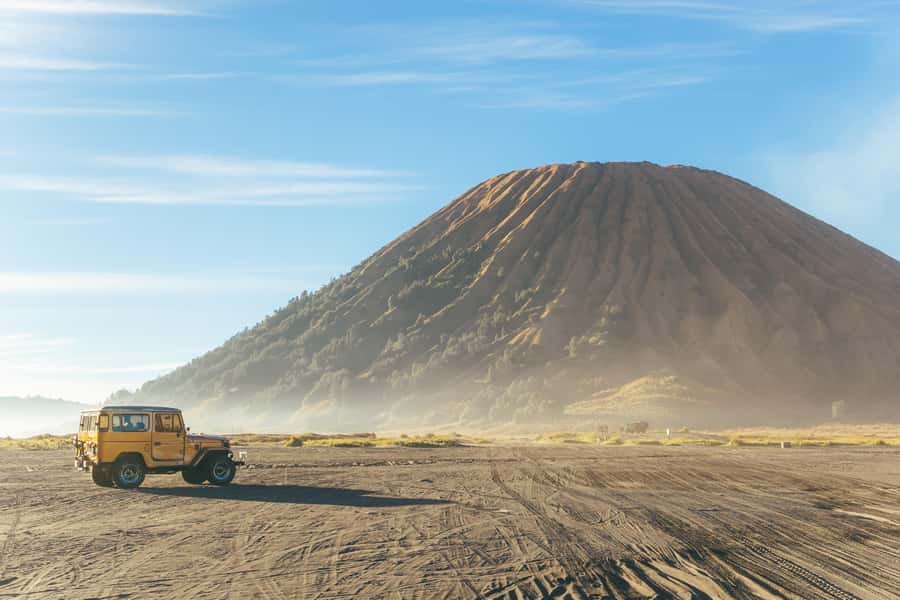
- Mount Bromo sunrise from the crater area rather than only a far-off viewpoint
- Kawah Ijen blue flames setup with gas mask, gloves, and headlamp
- The sulfur-porter day-to-day reality in a mineral-heavy working zone
- Guides who can help with pacing and safety, including people like Alex, Eppy, and Pierrick on some departures
- Meals plus simple private rooms, then a room/shower after both volcano ascents
Java Volcano Logistics: How You Get to Bromo and Ijen
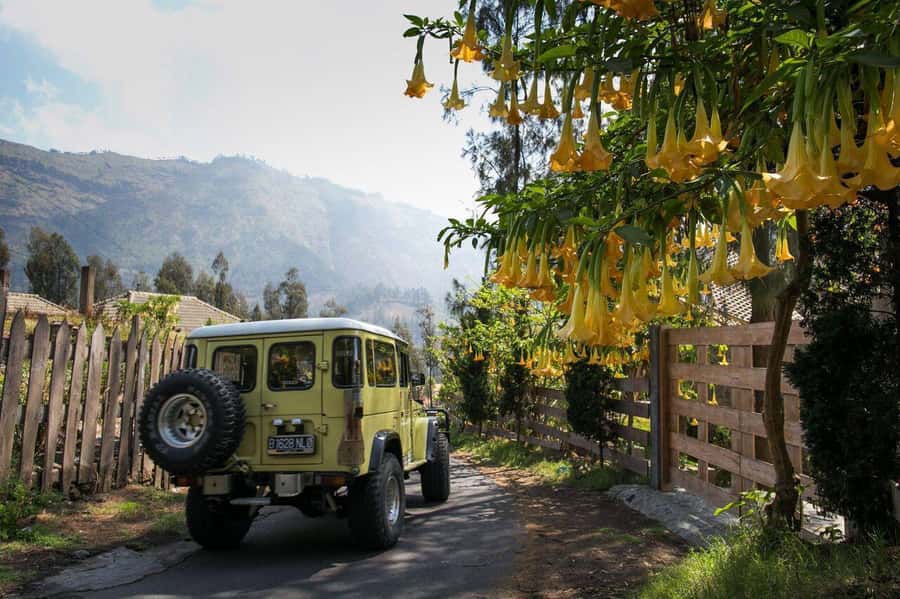
This is a Java tour that starts where you are on the island’s perimeter and then funnels you into the volcanic core. Your starting point depends on your pickup option, and that matters because it changes your first day’s rhythm.
If you’re coming from Bali, you’ll get an early pickup (5:45 AM from Seminyak or 7:00 AM from Ubud) and then a ferry crossing to reach Java. If you’re coming from Yogyakarta, you take the 7:00 AM train to Probolinggo. From Surabaya or Malang, you’re picked up before the early evening or mid-afternoon cutoff (Surabaya before 6:00 PM; Malang before 3:00 PM). Either way, you’re in a car for long stretches. That’s not a deal-breaker, but it is the reality of doing Bromo and Ijen in only three days.
One practical thing I appreciate: the itinerary is built around time windows that volcanoes demand. You don’t have the luxury of arriving whenever you feel like it. You’ll be moving when the sky is dark and when the air is cold at the crater edge, and that’s where a guided plan helps.
Also note a small comfort detail: you’re told to expect no Wi‑Fi during transfers and hikes. In plain terms, don’t plan on doom-scrolling your way through the long drives. Bring something offline if you want it.
You can also read our reviews of more tours and experiences in Mount Bromo.
Mount Bromo Sunrise: Jeep Up, Crater Rim Walk, and the Early-Light Magic
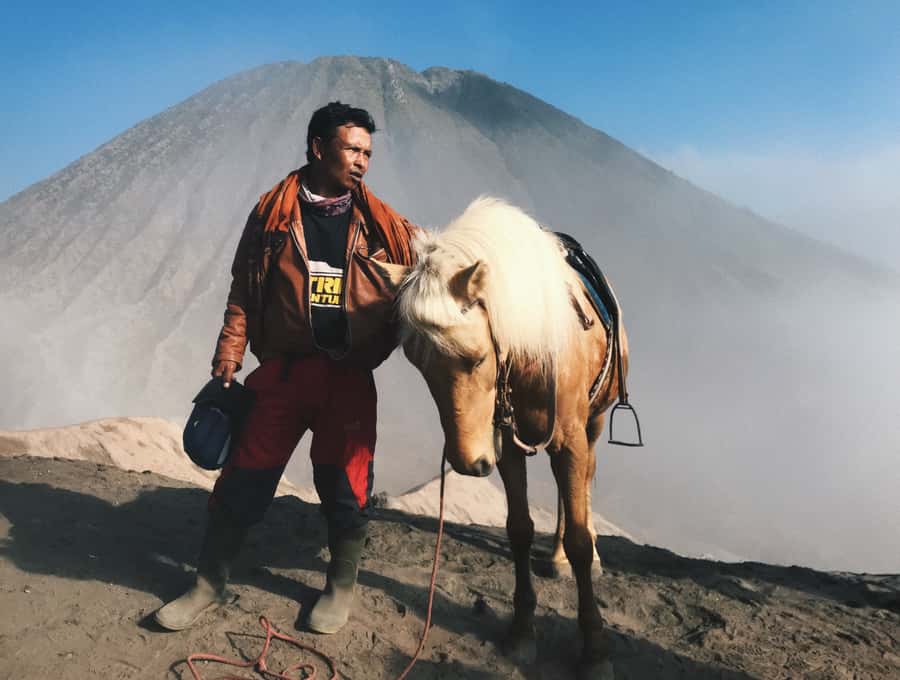
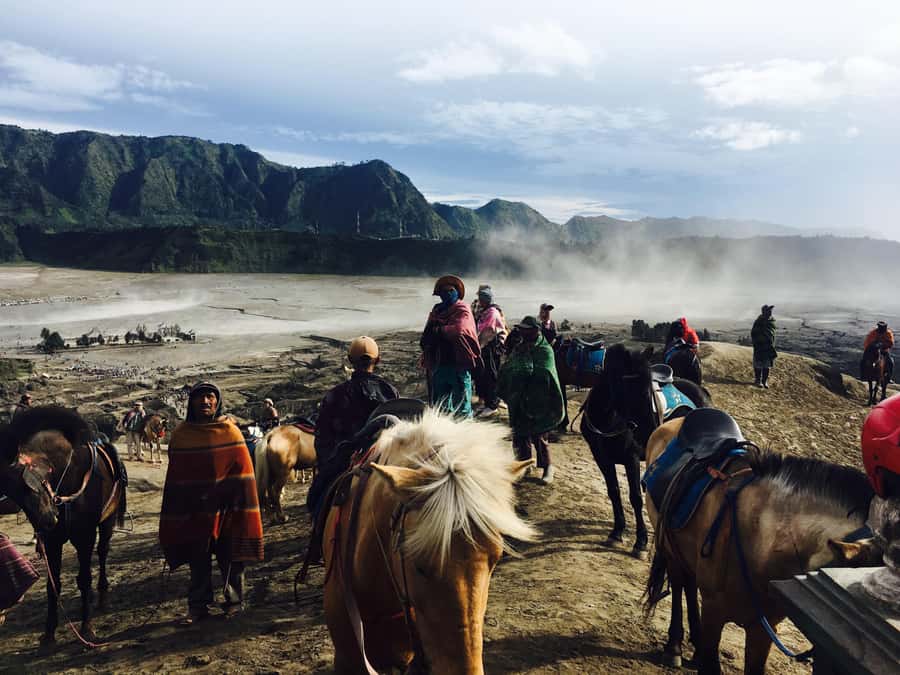
Bromo is famous for a reason, and the timing is the whole trick. You’ll be transferred to the Bromo region and then set out before dawn for the sunrise experience. The climb to your starting area is done with 4×4 Jeep transportation, which means less time grinding uphill before the main event.
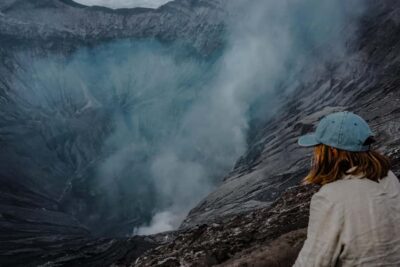
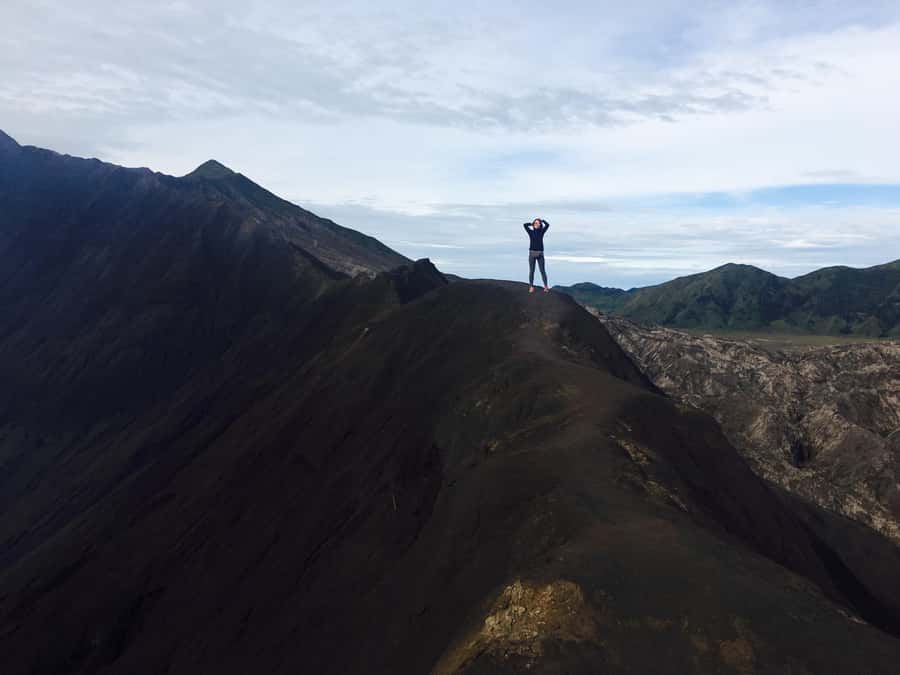
What you’re aiming for here is sunrise over the caldera—classic volcanic drama. And the way this tour is structured, you don’t just arrive, take one photo, and vanish. After the sunrise moment, you walk along the crater rim. That crater-edge time is where it starts to feel less like a checklist and more like standing in the middle of a living system.
Here’s a smart tip for your own planning: wear shoes you trust. The rim walk is not about fashion; it’s about traction. Also bring warm layers. Sunrise near Bromo can feel chilly even if Java feels warm lower down.
One more practical “value” detail: this tour is set up with guide-led pacing and equipment, so you don’t spend your morning comparing notes with strangers on what the best angle is. You just do the hike, listen to the guide, and work through your camera settings one time instead of ten.
The Transfer East: Dinner, Rest, and Getting Ready for Ijen Night
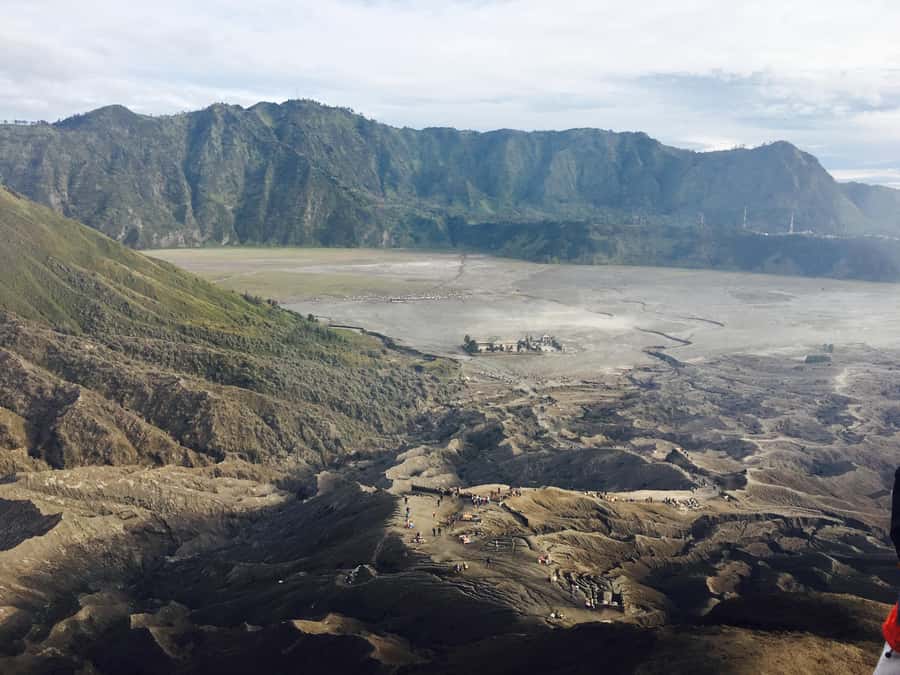
After Bromo, the trip shifts gears and heads toward Kawah Ijen. This is the in-between day rhythm that makes the tour work: you do the hard visual hit first, then you refuel, sleep, and prepare for the next physical push.
On the schedule, you’ll have a local dinner and then rest in a comfortable room before the nighttime ascent of Ijen. That downtime is not fluff—it affects how you feel during the dark descent and how steady you are with your breathing and footing. If you try to “power through” on vibes alone, you’ll pay for it on the crater walk.
Expect the driving to be long and fast. Some people love the adrenaline; others use it as “forced downtime.” Either way, plan for road breaks and for the fact that Java can be noisy. If you’re a light sleeper, earplugs are a good idea.
Kawah Ijen at Night: Blue Flames, Crater Descent, and Sulfur Porters
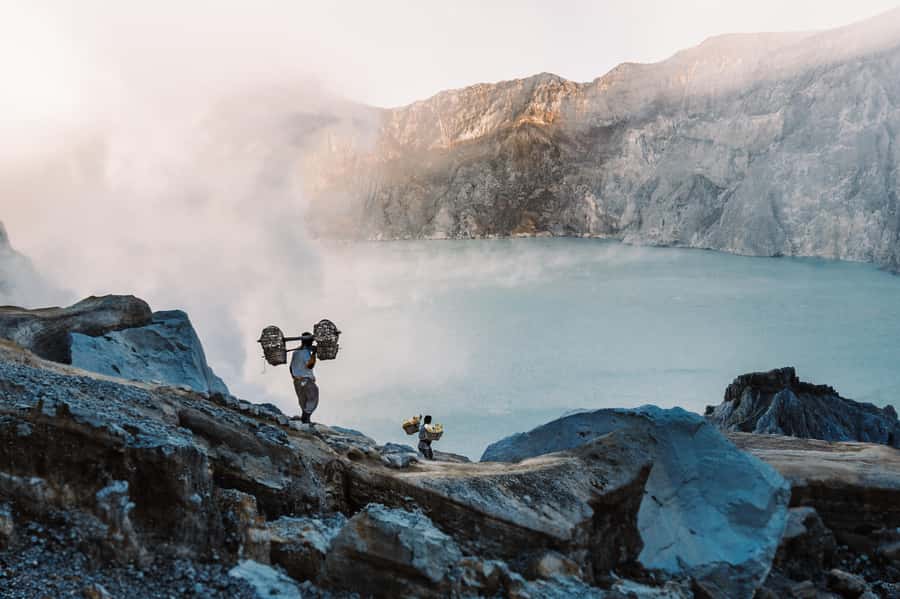
This is the centerpiece of the whole experience. The timing is the point: you start at night, you descend into the crater area in darkness, and you experience the blue flames phenomenon where it happens.
You also get safety equipment before you go in: gas mask, headlamp, and gloves. That matters, because you’re not just looking at a pretty postcard. You’re visiting a working volcanic crater environment where sulfur gases are part of the deal.
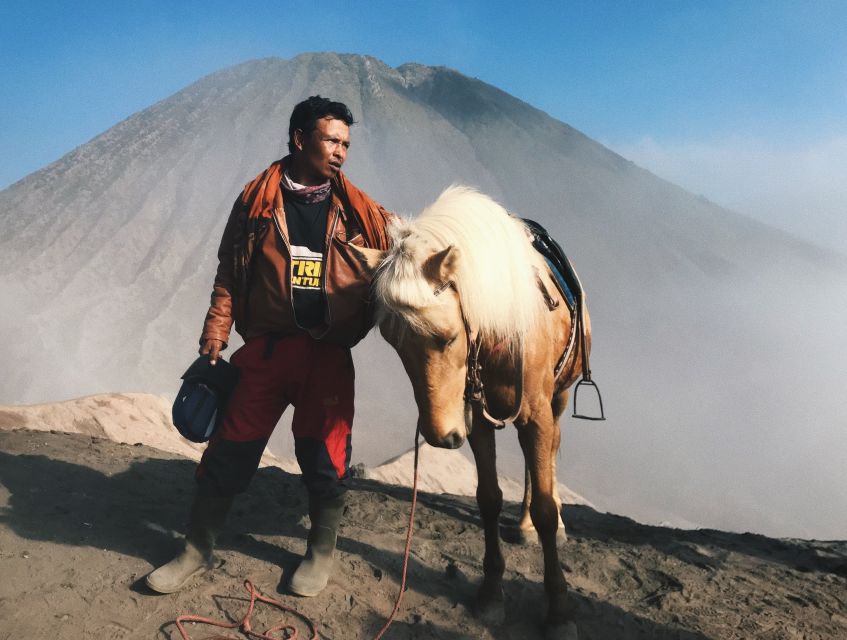
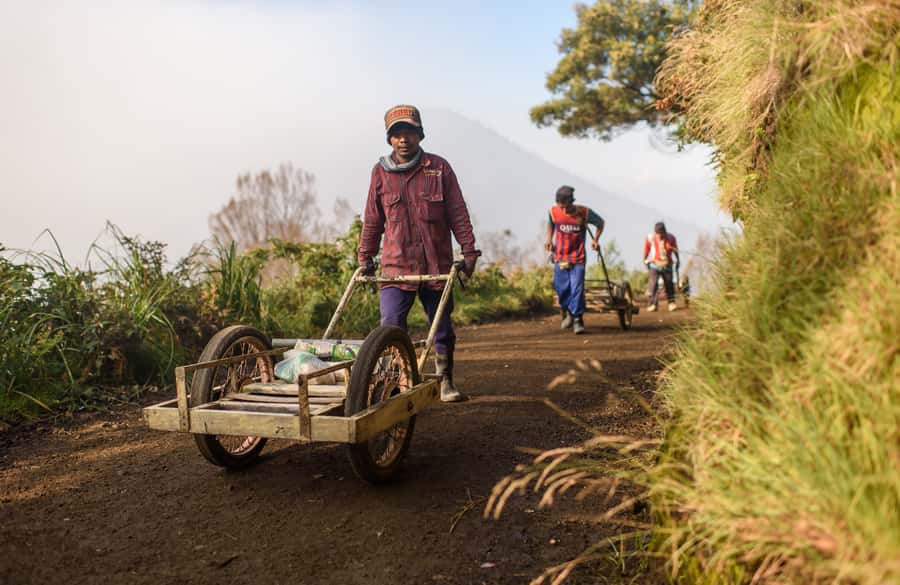
The tour also brings you into the world of the sulfur porters—people who carry heavy loads through mineral and sulfur areas every day. This is one of those “you understand the effort only when you see it” moments. It reframes the whole crater visit from spectacle to work, and it makes the safety gear feel even more serious (and even more necessary).
One important reality check: the blue flames can’t be guaranteed. Volcanic activity and weather conditions play a role. Your guide will do their best to put you in the best situation, but you should treat this as a chance to witness a natural phenomenon, not a guaranteed lighting show.
What about effort? The Ijen part is described as moderate to challenging. The crater approach in the dark, combined with the pace and footing demands, means you should be comfortable with a hike that asks for real stamina. If you’re someone who plans to walk slowly with lots of breaks, you’ll likely be okay. If you’re expecting an easy stroll, skip this.
Sunrise Over the Acid Lake: The Big Payoff After the Hard Part
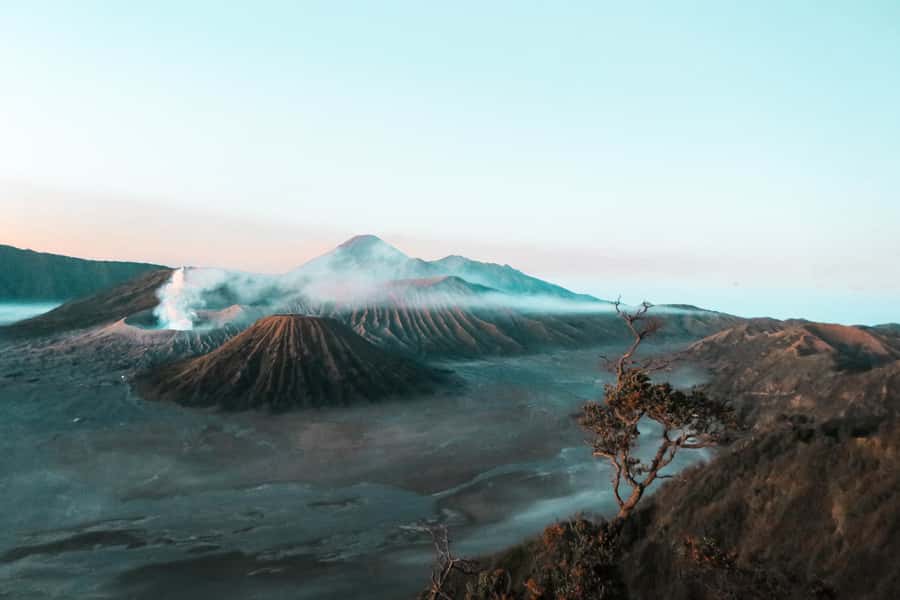
Once the night work is done, the morning brings the reward. At sunrise, you’ll see the world’s largest acidic lake. The surface is described as turquoise, set against darker volcanic walls. It’s the kind of color contrast that makes you pause even when you’re tired.
This section works because it’s paced like a payoff. You don’t start with the big view and then stop. You earn it. That’s why so many people remember Ijen most: the contrast between the tough night descent and the calm, bright morning view is intense.
Also, this tour builds in the ability to rest after the main volcano efforts. You have access to a room and shower after the ascent of both volcanoes. That’s a bigger deal than it sounds. After heat, cold, dust, and nighttime movement, a shower isn’t a luxury—it’s a reset.
Food, Private Rooms, and How Comfort Helps You Keep Moving
For a volcano tour, comfort can be surprisingly practical. You get two nights of accommodation in a private room, with hot water and Wi‑Fi. That matters because sleep quality is directly linked to your ability to enjoy a dark crater hike.
Meals are included. The food is described as local and mild, with vegetarian and halal options available. Some people don’t mind missing lunch quality if breakfast and dinner are solid, because the day is structured around early starts and late arrivals. What I like here is that you’re not constantly calculating where to eat or negotiating menus while you’re also tired.
One more detail that’s worth noting: there’s no Wi‑Fi during transfers and hikes. So treat your device as a camera tool and maybe a map backup, not as entertainment for the whole day.
Price and Value: What You’re Paying $286 For
At $286 per person for a three-day Bromo and Ijen adventure, you’re paying for more than transport. You’re paying for a structured plan that covers the expensive and time-sensitive parts:
- Ferry crossing or train connection depending on where you start
- All ground transfers and the necessary 4×4 Jeep for the Bromo sunrise approach
- Two nights of accommodation in private rooms (even for solo travelers)
- Entrance fees for Mount Bromo and Kawah Ijen national parks
- Professional English-speaking guides for Bromo and Ijen
- Safety equipment for the Ijen crater descent (gas mask, headlamp, gloves)
- Meals across the days
What you do need to plan for: food and drinks outside included meals and any personal expenses.
Here’s how I’d judge value: if you were to piece this together yourself, you’d spend a lot of time coordinating timing, guides, park access, and crater safety gear. This price bundles those needs into one system. The main “cost” is that you have less personal freedom because the schedule is fixed for volcano timing.
Who This Tour Fits Best (and Who Should Skip It)
This tour is aimed at people who want iconic volcano experiences without having to manage the details. It’s also a strong fit for solo travelers because the group setup is designed to be friendly and safe, with chances to meet other people while still having your own experience.
It’s also a good match for couples and small groups who like early starts and want guided help on pacing and safety.
But it’s not for everyone. The hike demands a moderate to challenging fitness level. It’s not recommended for people with reduced mobility, and access to the Kawah Ijen crater may be restricted for children under 10. If you’re traveling with someone who needs very gentle walking and lots of rest, this one is probably going to feel stressful.
Finally, if you’re the type who gets overwhelmed by loud environments, Java can be noisy. Earplugs can make a noticeable difference on your rest hours.
Should You Book This 3-Day Bromo & Kawah Ijen Adventure?
I’d book this tour if you want the big-name Java volcano hits—Bromo sunrise and Ijen blue flames—without turning your trip into a logistics project. The inclusion of guides, park fees, transportation, meals, and Ijen safety gear is what makes this feel like a complete experience rather than a collection of hikes you manage yourself.
I’d think twice if you know you struggle with demanding night hikes or if your mobility is limited. Also, if you need reliable guarantees for blue flames, keep expectations flexible. The phenomenon is natural and weather-dependent.
If you’re on the fence, pick this one if you can handle early mornings, long driving days, and a crater hike that asks for stamina. This is the kind of trip that leaves you tired in the best way—because the payoff is earned, not handed to you.
FAQ
What does the tour price include?
It includes pickup and drop-off based on your selected starting point, ferry or train connection where applicable, all ground transfers, 4×4 Jeep transport for the Bromo sunrise ascent, two nights of accommodation in a private room (with hot water and Wi‑Fi), a room and shower access after both volcano ascents, national park entrance fees, English-speaking guides, safety equipment (gas mask, headlamp, gloves), and meals.
Where are pickups offered and how do starting times differ?
You can choose options from Bali, Java (Surabaya or Malang), and Yogyakarta. From Bali, departure is 5:45 AM from Seminyak or 7:00 AM from Ubud. From Surabaya, it’s before 6:00 PM. From Malang, it’s before 3:00 PM. From Yogyakarta, you take the 7:00 AM train to Probolinggo.
How do you get back on Day 3?
You return to Bali on Day 3 with drop-off in Seminyak, Ubud, Munduk, or Pemuteran.
Is there Wi‑Fi during the tour?
No. You should expect no Wi‑Fi during transfers and hikes.
What safety gear is provided for Kawah Ijen?
The tour provides safety equipment including a gas mask, headlamp, and gloves.
Is the blue flames experience guaranteed?
No. Blue flames are a natural phenomenon and cannot be guaranteed. The team will try to offer the best experience depending on conditions.
What is the fitness level requirement?
The hike is described as moderate to challenging and is not recommended for people with reduced mobility. Access to the Kawah Ijen crater may be restricted for children under 10.
What kind of accommodation do you get?
You get two nights in a private room, clean, with hot water and Wi‑Fi.
What meals are included and are there dietary options?
Meals are included, and food is described as local and mild. Vegetarian and halal options are available.
What should I bring, and what is not allowed?
Bring comfortable shoes and clothes, warm gear for cold mornings, a small backpack, and a copy of your photo ID. Not allowed items include luggage or large bags, plus alcohol and drugs.