Stone temples make time feel close. This private Bali day is a guided walk through key places tied to ancient kingdoms, from Tirta Empul’s holy spring to the stone-carved landscapes around the Pakerisan River. I like how guides such as Suker, Gusde, and Komang kept the day paced and story-driven, so the sites make sense instead of feeling like checkboxes.
I love that the route mixes big-name temples with archaeology you don’t usually see on the standard circuit—Yeh Pulu’s famous long carvings and Gedong Arca’s collected relics. You’ll get plenty of time to ask questions, and the better guides will help you read what you’re looking at, not just point and move on.
One consideration: this is a stairs-and-uneven-paths day. You’ll be walking a lot at Gunung Kawi, Yeh Pulu, and Goa Gajah, and temple entry rules also mean menstruating visitors aren’t permitted.
In This Review
- Key Things That Make This Bali Archaeology Tour Worth Your Time
- Why This Private Temple-and-Myth Route Feels Different
- Tirta Empul: Holy Spring Water and the Meaning of Cleansing
- Gunung Kawi: Pre-Hindu Atmosphere, Big Steps, and the River Setting
- Yeh Pulu in Bedulu: The 25-Meter Rock Carvings You Can Actually Read
- Goa Gajah: The Demon-Mouth Entrance and the Calm Inside
- Gedong Arca Archaeological Museum: Relics, Sarcophagus Pieces, and the Bigger Picture
- Optional Add-Ons: Coffee, Massage, Swing, Rafting, and ATV
- Price, Timing, and What 7 Hours Actually Means for You
- What to Bring (and What to Avoid) So Your Day Stays Smooth
- Who This Tour Suits Best (and Who Should Rethink It)
- Should You Book This Bali Archaeology Museum, Gunung Kawi & Goa Gajah Tour?
- FAQ
- What sites are included in the Bali archaeology tour?
- How long is the tour?
- Is this a private tour or a shared group?
- What’s included in the tour price?
- What add-ons can I choose from?
- Are there guide language options besides English?
- Is food included?
- What should I wear and bring?
- Are there any restrictions for temple entry?
- Can I take photos or use a drone?
Key Things That Make This Bali Archaeology Tour Worth Your Time
- Tirta Empul’s holy spring ritual at a 10th-century Hindu temple
- Gunung Kawi’s ancient setting along the Pakerisan River, with major stair effort
- Yeh Pulu’s 25-meter carving wall showing gods and everyday village life
- Goa Gajah’s 9th-century demon-mouth entrance leading to meditation-space carvings
- Gedong Arca Archaeological Museum with heritage objects, including sarcophagus pieces
- Optional add-ons like luwak coffee tasting, massage, Jungle Swing, rafting, and ATV rides
Why This Private Temple-and-Myth Route Feels Different
If you’ve been to Bali and felt like you mainly saw photo spots, this tour gives you the other half of the island: the meaning behind the stones. Instead of one temple with a quick glance, you get a sequence of sites that connect religion, archaeology, and local storytelling.
The big win here is the guide factor. People sing the praises of guides like Suker for thoughtful explanations and a welcoming vibe, and they also highlight how guides (like Gusde) weave Balinese culture into what you’re seeing. In practical terms, it means you spend less time wondering what you’re looking at and more time understanding why it matters.
The pace is private-group friendly too. Multiple guests described it as not rushed, and that matters because these places reward slow looking—especially when you’re climbing down, then back up, then stopping again for details.
You can also read our reviews of more tours and experiences in Bali.

Tirta Empul: Holy Spring Water and the Meaning of Cleansing
You start at Tirta Empul, a sacred Hindu temple dating to the 10th century. The headline here is the holy spring water, used in purification rituals, with bathing pools where visitors can participate in the cleansing experience.
What I like about starting here is that it sets the tone for the entire day. Before you move into ancient ruins and cave entrances, you understand that these sites aren’t just historical backdrops. They’re active parts of spiritual life, and you’ll notice that when you’re standing there.
A couple of practical points you should plan for:
- Dress modestly, with shoulders and knees covered.
- Bring a camera if you want photos, but expect a serious vibe—keep it respectful and quiet near worship areas.
Also, keep the temple-entry rule in mind: menstruating individuals aren’t allowed to enter. If that applies to you, you’ll want to plan your day around it so you’re not disappointed on arrival.
Gunung Kawi: Pre-Hindu Atmosphere, Big Steps, and the River Setting
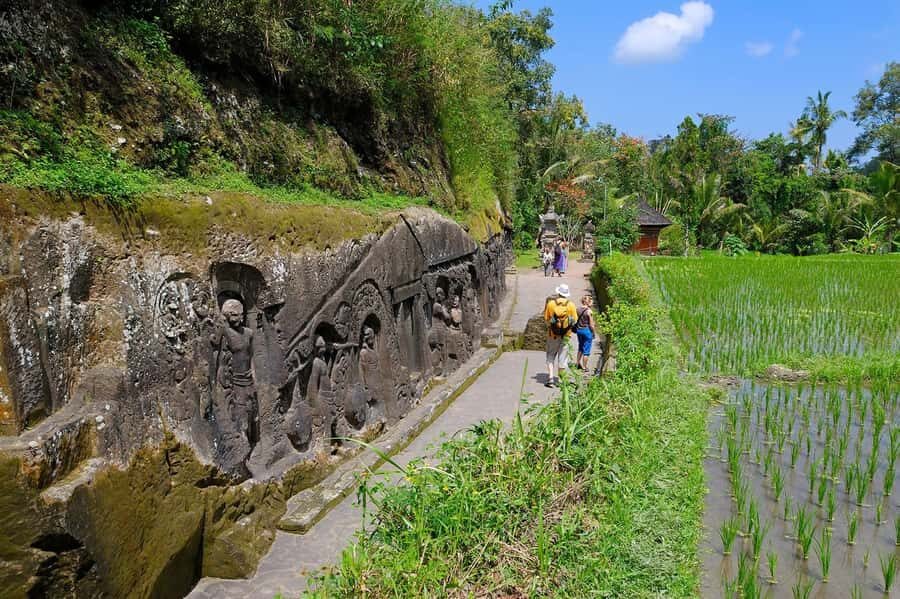
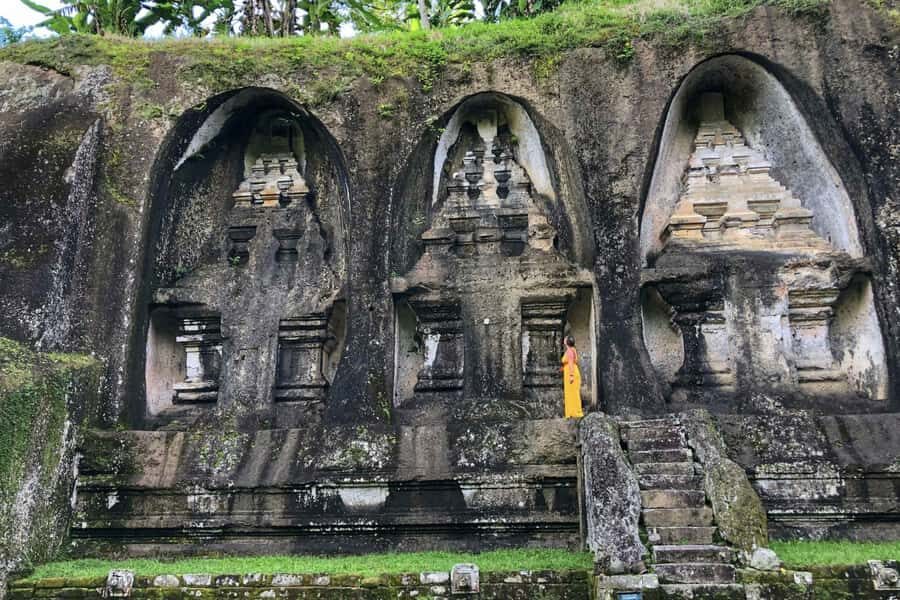
Next comes Gunung Kawi, a pre-Hindu temple complex that still carries that “ancient legend” feel. The story you’ll hear is tied to an earlier era of Balinese history, with temple structures believed to date around the 11th century.
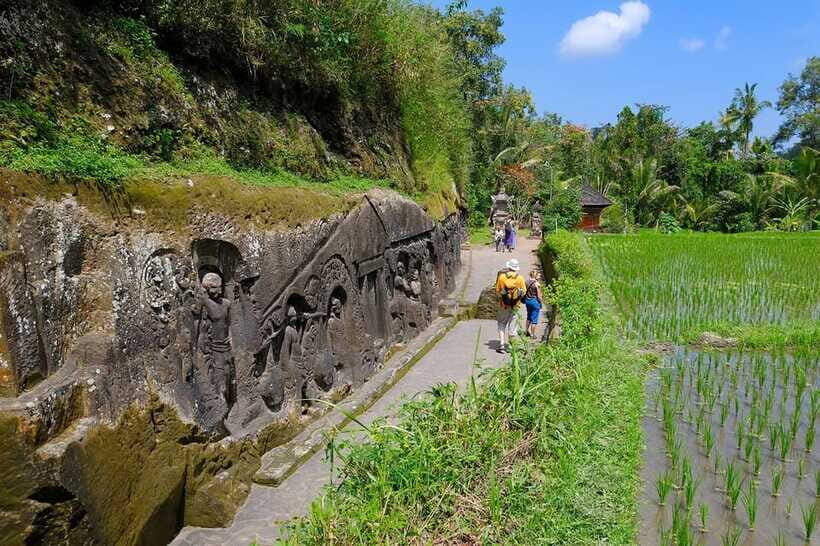
The visual you can’t miss is how the site works with the landscape. You’re moving around the Pakerisan River area, and the temple setting feels carved into a lived-in world rather than placed on a flat postcard. That matters because these ancient sites often make more sense when you see how people built them around real terrain and water.
One reality check: Gunung Kawi is the stamina test of the day. Reviews and tour info consistently warn about extensive walking, stairs, and uneven paths here. If you’re even mildly out of shape, wear comfortable shoes and plan on taking your time.
The good news is that the temple itself is worth that effort. This is where you’ll start to feel like the day is building—one era leading into the next, with the guide connecting the dots.
Yeh Pulu in Bedulu: The 25-Meter Rock Carvings You Can Actually Read
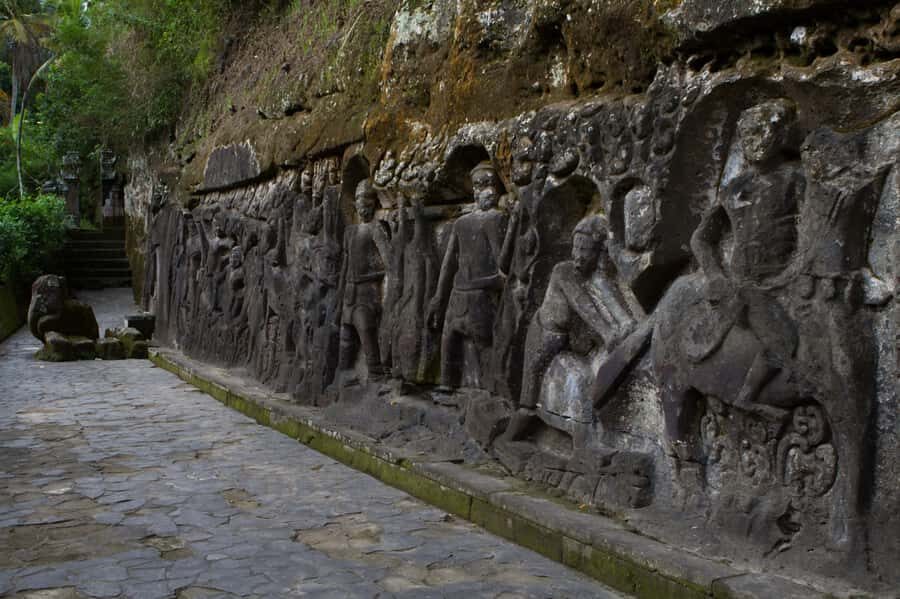
From Gunung Kawi you head toward Yeh Pulu, a central highland village site in Bedulu. This is where the tour shifts from “temple experience” to “archaeology you can study with your eyes.”
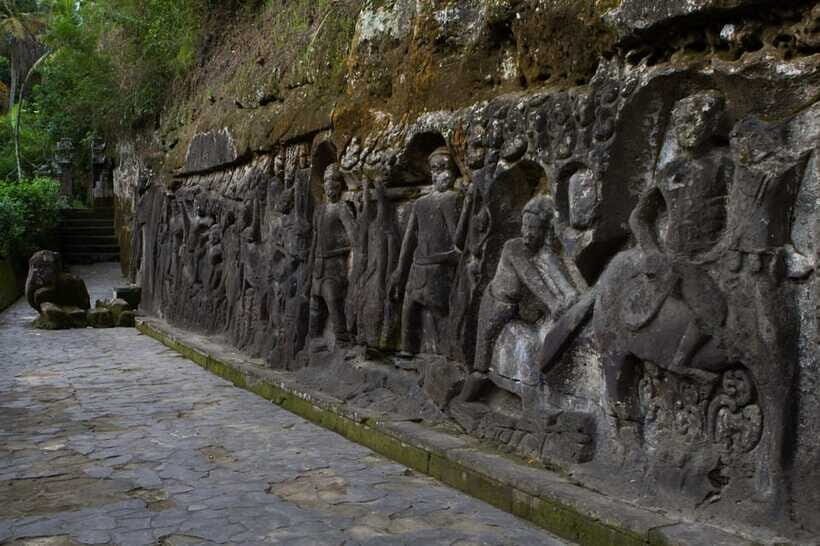
Yeh Pulu’s best-known feature is a 25-meter-long rock-face carving display. You’ll see mythological characters and Hindu gods, but you’ll also notice scenes of normal village life. That blend is a gift: it helps you understand that religion wasn’t floating in a vacuum. People’s daily routines, beliefs, and stories all shared the same walls.
A smart way to experience Yeh Pulu is to ask your guide what to look for first. Some guides go more detailed on the figures, others explain how these carvings fit into broader Balinese tradition. Either way, your time here improves if you’re not just scanning for pretty shapes.
And yes, there’s more walking. The tour information flags uneven paths and stairs again at Yeh Pulu, so make sure you still have good energy when you arrive.
Goa Gajah: The Demon-Mouth Entrance and the Calm Inside
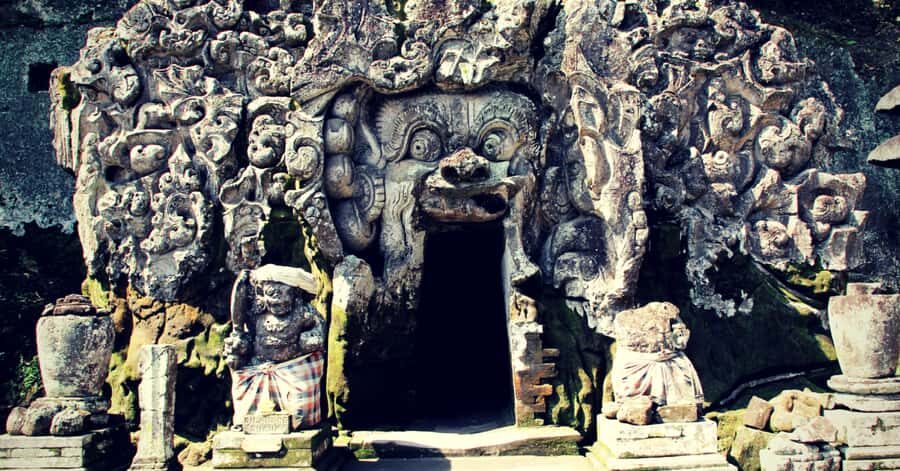
Goa Gajah Temple dates back to the 9th century and is famous for its entrance that resembles a demon’s mouth. From outside, it feels dramatic and slightly mysterious. Once you’re inside, the vibe shifts toward stone carvings and meditation-space atmosphere.
What makes Goa Gajah special is how it reads like a threshold. That entrance isn’t just decorative. It signals that you’re crossing from everyday noise into a space designed for spiritual practice.
Practically, expect:
- More time on stone paths and steps.
- A quiet, respectful environment once you’re in key areas.
Photography is generally allowed, but be mindful and follow instructions from your guide. Drone use may be restricted at some temples, so it’s safer to leave it at home unless your guide tells you otherwise.




Gedong Arca Archaeological Museum: Relics, Sarcophagus Pieces, and the Bigger Picture
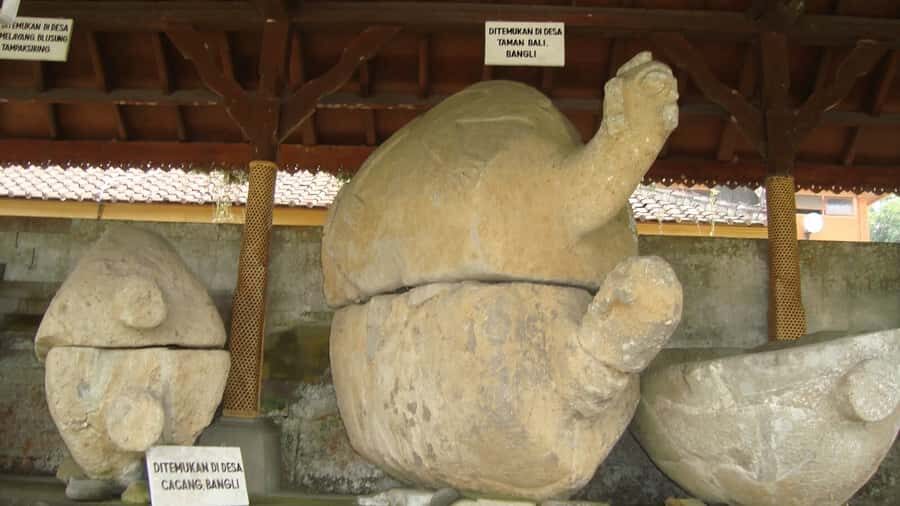
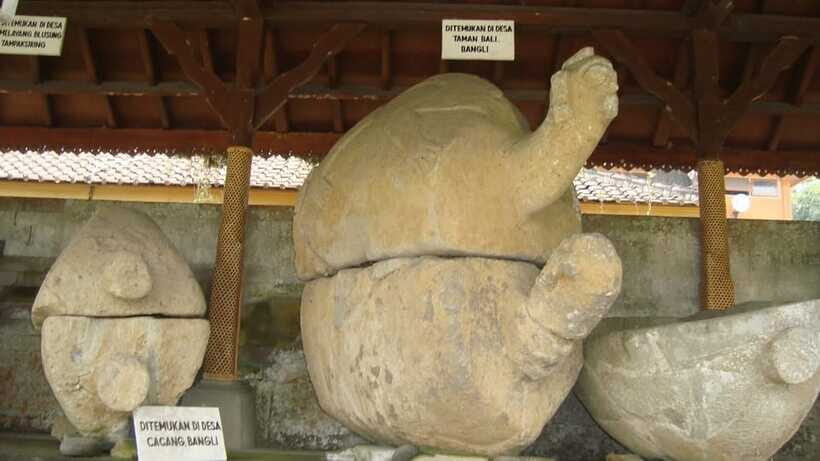
You finish with the Bali Gedong Arca Museum, also called the Bali Archaeological Museum. It’s located in Tampak Siring Village and focuses on heritage objects collected over centuries.
This stop matters because it “lands” the day. After walking temples, caves, and carving walls, you get a chance to see objects that anchor the stories in physical evidence. The museum’s collection includes items like sarcophagus-related pieces, which help you understand that Bali’s ancient world included more than temple architecture.
If you’re the type who hates ending a tour with blurry memories, the museum helps tighten everything up. It’s also a good reset if you need a little shade and sitting time before the drive back.
Optional Add-Ons: Coffee, Massage, Swing, Rafting, and ATV
One of the most useful parts of this tour is that you can customize it. The base itinerary focuses on the archaeology and temples, but add-ons can change the tone of your day from mostly spiritual to more playful and practical.
Here are the add-ons you can choose from:
- Luwak coffee tasting for a taste of what local coffee culture looks like
- Traditional massage options: 1-hour or 2-hour
- Jungle Swing + coffee for a fun photo-and-adrenaline break
- Rafting & buffet (if selected) for a full extra outdoor activity
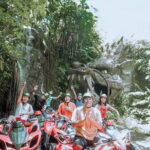
- ATV options: 1-hour Solo ATV or 1-hour Tandem ATV
- A Polaroid camera with 10 photographs (if selected), which can be handy for quick keepsakes
- Language and guide options in some cases, including a female guide or German-speaking/Korean-speaking guide
A few review-driven hints worth your attention:
- Some guides make a detour to coffee or tea spots, and those stops can be a nice contrast after temple steps.
- If you go for the Jungle Swing, you might also want to plan for photo-friendly clothing and time buffering, since the extra activity adds length and energy demands.
- Massage can be a lifesaver after long stair stretches.
Don’t try to stack too many add-ons if you’re already worried about walking. Your legs will notice.
Price, Timing, and What 7 Hours Actually Means for You
At $36 per person for a 7-hour private-group day, this tour is priced like a serious value—especially because it includes hotel pickup and drop-off and covers all entry fees. You also get mineral water, which sounds minor until you’re halfway through sun and stairs with nothing in hand.
The itinerary style is the key reason this can feel worth it: you’re not just moving between random stops. You’re following a theme through several sites tied to ancient Bali—then ending with an archaeological museum collection.
In terms of timing, many people mention starting around 8:30 AM near Ubud, which can help you avoid the heaviest crowds and heat. That’s not guaranteed in every case, but it’s a smart pattern. If you can handle early starts, you’ll usually enjoy the sites more.
Also remember what’s not included: food and drinks. You’ll want to budget for lunch or snacks. Bring cash, since small purchases along the way are often easiest that way.
What to Bring (and What to Avoid) So Your Day Stays Smooth
Bring:
- Camera (and extra battery if you use video)
- Sunscreen and a hat
- Cash
- Comfortable walking shoes (non-negotiable for this one)
Not allowed:
- Pets
- Alcohol and drugs
And keep these etiquette notes in mind:
- Dress modestly: shoulders and knees covered.
- Respect sacred sites: quiet behavior, follow guide instructions, and don’t touch carvings or restricted areas.
- Keep an eye on slippery steps after rain. Even light rain can make stone slick.
Weather-wise, the tour runs in light rain, and a light raincoat can help. If it’s wet, go slower on the stairs.
Who This Tour Suits Best (and Who Should Rethink It)
This is ideal if you:
- Want temples with real context, not just angles for photos
- Enjoy archaeology and symbolism—how carvings relate to beliefs and daily life
- Like learning from a guide who can answer follow-up questions
It’s not a match if you:
- Are pregnant
- Have mobility issues or need wheelchair access
- Are over 70 (the tour notes it’s not suitable)
If you’re on the edge physically, don’t guess. The walking and stair demands at Gunung Kawi, Yeh Pulu, and Goa Gajah are part of the experience, not a side detail.
Should You Book This Bali Archaeology Museum, Gunung Kawi & Goa Gajah Tour?
If your goal is to understand Bali through ancient sites, I think it’s a smart booking. The price feels fair for a private, guided day with pickup, entry fees, and a museum finish. Most importantly, the guides—people mention names like Suker, Gusde, Komang, and Joe—bring stories that make the carvings, entrances, and ruins feel connected instead of random.
Book it if you’re ready for a real walking day and you want your temple visit to have context. Consider skipping (or choosing a different style of tour) if stairs and uneven ground will be stressful for you, or if the temple-entry restriction affects you.
FAQ
What sites are included in the Bali archaeology tour?
You visit Tirta Empul Temple, Gunung Kawi, Yeh Pulu, Goa Gajah Temple, and the Bali Gedong Arca Archaeological Museum in Tampak Siring.
How long is the tour?
The tour runs for 7 hours.
Is this a private tour or a shared group?
It’s a private group.
What’s included in the tour price?
Hotel pickup and drop-off, all entry fees, mineral water, and an English live tour guide are included.
What add-ons can I choose from?
Options can include luwak coffee tasting, traditional massage (1-hour or 2-hour), Jungle Swing + coffee, rafting & buffet, Solo ATV (1-hour), Tandem ATV (1-hour), and a Polaroid camera with 10 photographs (if selected).
Are there guide language options besides English?
English is the listed guide language. Some add-ons may include a German-speaking guide or a Korean-speaking guide, and a female guide option.
Is food included?
Food and drinks are not included, so you’ll want to plan for lunch/snacks.
What should I wear and bring?
Wear comfortable walking shoes because there are stairs and uneven paths. Bring sunscreen, a camera, and cash.
Are there any restrictions for temple entry?
People who are menstruating are not permitted to enter the temples. Pets and alcohol/drugs are also not allowed.
Can I take photos or use a drone?
Photography is allowed, but drone use may be restricted at some temples. Ask your guide if you plan to use a drone.