Blue fire on Mt. Ijen feels like science fiction. This private tour from Ubud pairs hotel pickup with the chance to see those flickering flames at night, then catch the sunrise after the hike. I especially like that you get the gear for the crater walk and a local guide who can help you move safely in the dark.
The main thing to know is that this is a long, cold, tiring night-to-morning schedule. You’ll need moderate fitness for steep, rocky steps and a walk back down after sunrise.
In This Review
- Quick Hits Before You Go
- Why Mt. Ijen From Ubud Is Worth the Effort
- From Ubud Dusk to Java Night: The Travel Part That Most Tours Skip
- The Blue Fire Stop: What You’re Really Doing at the Crater
- The Hike Rhythm: Between Midnight Entry and Sunrise Light
- Sunrise From Mt. Ijen: The Moment the Night Feels Worth It
- Returning Down: Rocky Steps, Fresh Air, and a Guide Who Actually Helps
- What’s Included (And Why It Changes the Value)
- The Crew Matters: Drivers, Guides, and Real Support
- Who This Ijen Tour Suits Best (And Who Should Rethink It)
- Price and Logistics: Getting Your Money’s Worth
- Should You Book This Mt. Ijen Tour From Ubud?
- FAQ
- FAQ
- What is the total duration of the Mt. Ijen tour from Ubud?
- Is hotel pickup offered?
- What does the tour price include?
- Is lunch included?
- Where does the tour start and end?
- How physically demanding is the hike?
- What should I bring?
- Do I need to bring documents?
- Is this a private tour?
- What if weather is bad?
- Is confirmation guaranteed after booking?
Quick Hits Before You Go
- Blue fire viewing at night: the crater’s famous glow only shows after dark, so the timing is everything.
- Ubud-to-Java transport plan: you use private air-conditioned vehicles plus cross-water logistics, so you’re not figuring things out on your own.
- Gas mask and torch included: you don’t have to guess what to bring for sulfur air and low light.
- A real guide in the dark: guides like Zai and Safi are mentioned for being supportive and patient on tricky footing.
- Bring warm layers: jumper/jacket is on the practical list for a reason—nights up there can be chilly.
Why Mt. Ijen From Ubud Is Worth the Effort
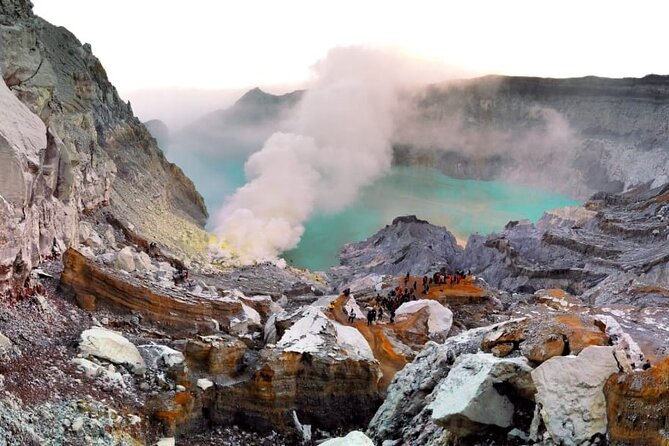
Mt. Ijen isn’t just another sunrise spot. The reason I’d do it from Ubud is simple: blue fire. Mount Ijen’s crater lake releases gases that can burn with a ghostly blue color, and it’s visible only after dark. That means the tour is built like a mini expedition—leaving in the early evening, hiking under headlamps, then watching the light shift toward dawn.
What makes this version of the trip feel practical is the private setup. You’re not driving yourself through the night, which matters when you’re tired and the road time is long. You also get round-trip transportation back to the Ubud meeting point, so your “day plan” doesn’t collapse when the hike runs late.
The other reason I like it: you’re not just dropped at a gate and sent off. You have a local guide, plus torch and protective gear. One review credited Zai for being sweet, supportive, and good with English—exactly what you want when you’re navigating slippery volcanic rock in the dark.
You can also read our reviews of more tours and experiences in Ubud.

From Ubud Dusk to Java Night: The Travel Part That Most Tours Skip
If you’re coming from Ubud, the travel is not a footnote. It’s a chunk of the experience. You depart from your hotel area in Ubud in the early evening and you’re back by mid-afternoon, but the day still feels like it stretches on because the crater section happens overnight.
The transport is set up to handle the big geography hurdle: Ubud is in Bali, while Mt. Ijen is in Java. In practice, that usually means you travel by vehicle in Bali first, then cross by boat to Java, and then continue by vehicle again. One standout review described the process as seamless: Bali driver, assistance across to Java (including boat escort support to make sure you arrived safely), then a Java driver.
Another review noted traffic was favorable around four hours for the drive, but you should still plan for a long day overall. One traveler wrote they took about seven hours to go and seven hours to come back from Ubud timing, so your “rest time” is really the vehicle time.
For you, the value of this structure is simple: you can sleep or just power down on the rides while someone else handles route, schedules, and connections. This is not a “roll the dice and improvise” trip.
The Blue Fire Stop: What You’re Really Doing at the Crater
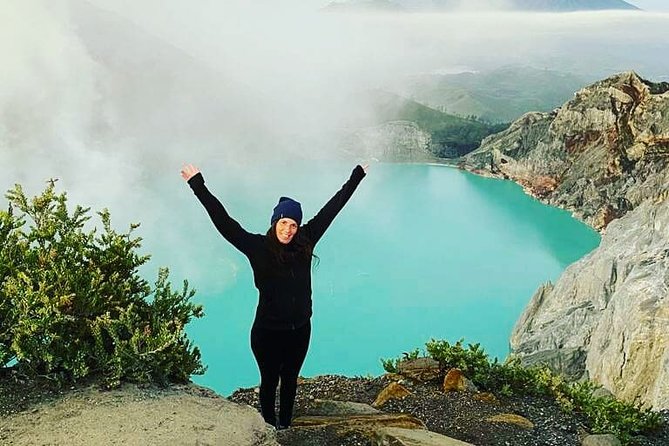
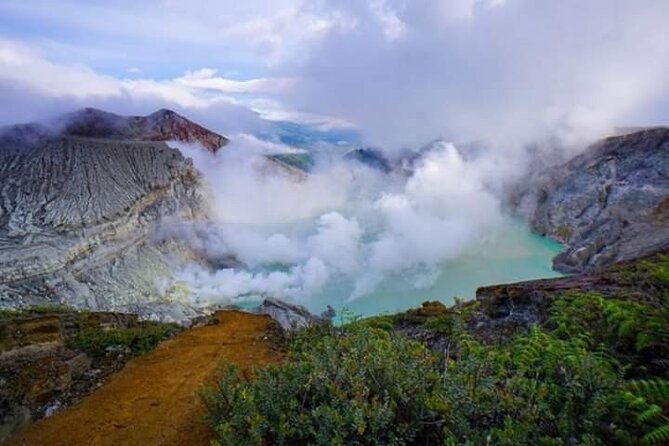
The crater visit is where the tour earns its reputation. This stop is listed as about 1 hour with an admission ticket included, but the real work happens around that window: getting into position in the dark, using the torch safely, and following your guide over uneven ground.
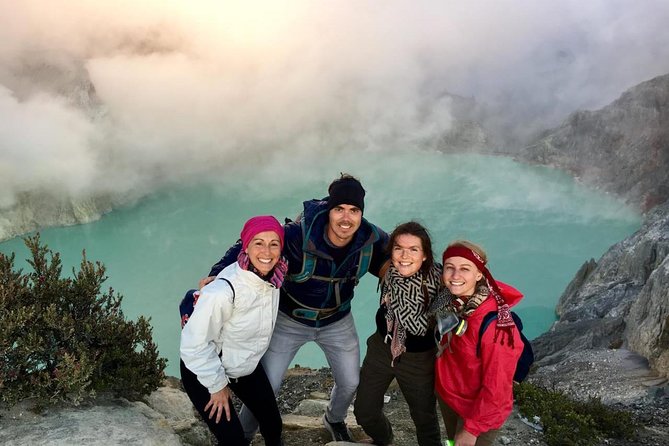
This is also where the included gear matters. You get a gas mask and a torch. That’s a big deal because sulfur fumes can irritate your eyes if you get too close, and you don’t want to gamble with your comfort or breathing. One review warned that the sulfur vapor can sting if you’re very near the fumes.
Expect a gritty climb. The crater area involves steep sections and rocky footing. One traveler described it as challenging even for non-sports folks, with rocky, slippery parts, and said their guide literally helped them step by step. Another review called it difficult but uniquely rewarding.
Also, you’ll want to understand what “blue fire photos” really means. You’re shooting in darkness, often with vapor in the air. So plan for low-light conditions, and don’t expect a clean, easy photo every time. The people who do best are the ones who accept that you’re working with torchlight, mist, and a moving glow—and still try anyway.
The Hike Rhythm: Between Midnight Entry and Sunrise Light
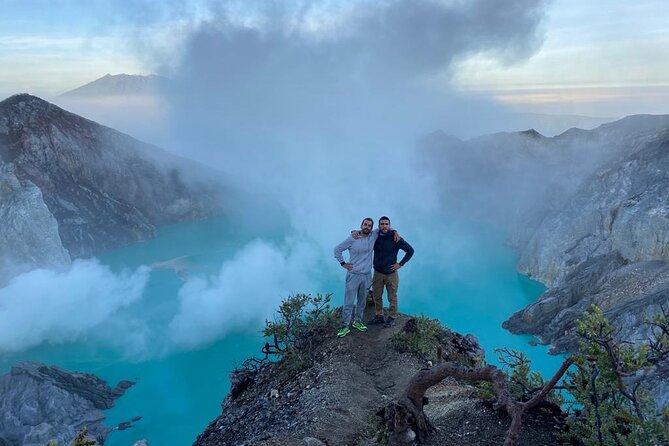
The schedule is designed around a rhythm: arrive in the dark, hike and position for the blue fire, then wait for dawn. One review mentioned reaching the entrance around 2:00 a.m. and seeing sunrise around 6:00–7:00 a.m. If your timing lines up, you’ll have that long, in-between stretch where you’re not always walking. Sometimes you’re waiting, taking photos, and keeping warm.
That’s also why bringing a warm layer makes sense. Your tour prep list includes a jumper/jacket, and I’d treat that as the minimum. Nights can feel cold when you stop moving, and you don’t want to be shivering while you’re trying to enjoy the view.
During this waiting window, your guide’s role can be more than just navigation. Guides like Zai and Safi were described as patient and supportive. If you’re not steady on your feet—or if you just want someone to keep you on track—this kind of help matters a lot in the crater zone.
Sunrise From Mt. Ijen: The Moment the Night Feels Worth It
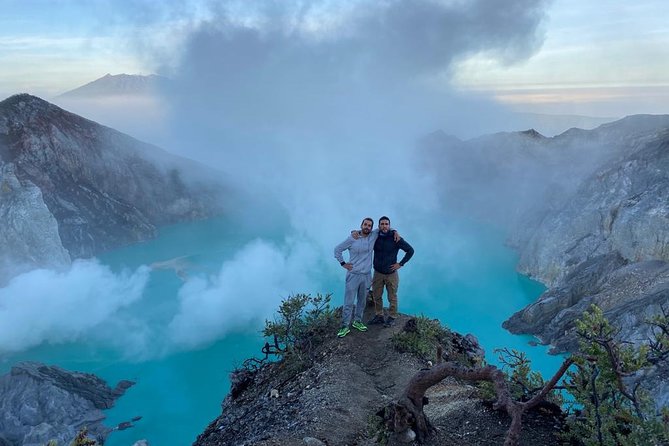
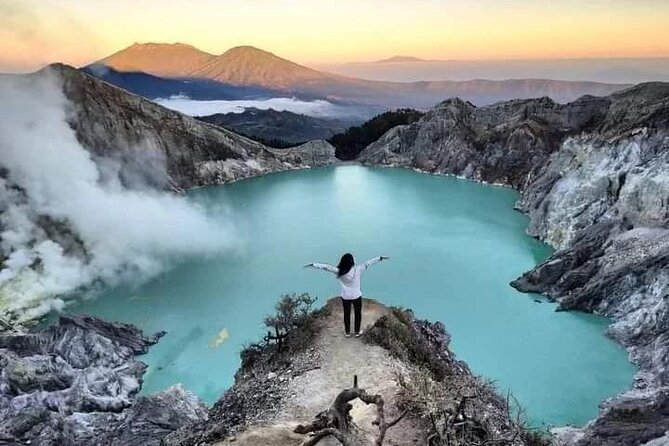
Seeing the blue fire is the headline, but sunrise is what turns the whole thing into a memory you’ll talk about for years. As dawn arrives, the volcanic terrain shifts from shadow to texture, and you get that classic Ijen “top of the world” feeling.
One review summed it up as an unforgettable trek once in a lifetime. Even when the hike is tiring, the daylight gives the scene a different read—less “mystery glow” and more “how is this even real?” When you’re coming from the dark crater walk, sunrise feels like a reward you earned with sore legs.
You’ll likely appreciate the moment even more if you stay focused on what’s in front of you rather than thinking about how cold or tired you are. Dawn has a way of making the physical grind fade—if you can stay present for it.

Returning Down: Rocky Steps, Fresh Air, and a Guide Who Actually Helps
The descent after sunrise can be rough. Volcanic rock doesn’t forgive fast movement, and the ground can be uneven. A couple of reviews emphasized that guides paid attention to safety and helped people descend carefully—one even mentioned being held literally by the guide when footing felt difficult.
This is one place where I like that the tour is private. You get the benefit of a dedicated guide and a gear setup already figured out. You’re not stuck watching your group drift apart or get handled by multiple mismatched instructions.
Also, remember you didn’t just hike up once. You’ll be moving back down after the late-night portion. So treat the day like an expedition. Take the rests when your guide calls them, and don’t rush because you want to “beat” the pace.
What’s Included (And Why It Changes the Value)
For $135 per person, the key question is: what are you paying for besides the view?
Here’s what’s clearly included:
- Air-conditioned vehicle and all fees/taxes
- Round-trip transportation from Ubud back to the meeting point
- Gas mask and torch
- Breakfast
- Experience local guide
- Admission ticket included for the blue fire crater stop
- Mobile ticket
What’s not included:
- Lunch
- Alcoholic beverages
To me, the best value points are the gear and the logistics handled for you. Gas masks and torches aren’t optional nice-to-haves out there—they’re part of being able to do the hike comfortably. And because you’re traveling from Ubud, you’re paying for the “how do we get there and back” problem to be solved, not just the hike itself.
If you’re the type who hates last-minute shopping for gear or doesn’t want to coordinate ferry timing, this price starts to make sense quickly.
One more practical detail from the instructions: bring cash (the tour list includes it). I’d also bring a small snack since you’ll be up early and the crater day runs long.
The Crew Matters: Drivers, Guides, and Real Support
The difference between a scary experience and a manageable one often comes down to the people on the ground. In the reviews, names show up again and again.
- Zai guided one group and was described as sweet, supportive, and with good English.
- Safi guided another group and was praised for helping through a steep, rocky, slippery crater entry.
- Wayan appears as a driver/organizer in responses.
- Komang was mentioned as an attentive driver who helped with the whole flow from pickup toward the ferry portion.
- Dhe was mentioned as an excellent driver in another review.
Even if you don’t get the same individuals, this tells you something important: the tour company’s strength is that it assigns real people for each leg—Bali side, ferry support, and Java side—rather than tossing you into a generic group queue.
That matters when you’re tired and it’s dark.
Who This Ijen Tour Suits Best (And Who Should Rethink It)
I’d recommend this tour if you:
- Want blue fire plus sunrise with someone else handling transport and timing
- Prefer private pickup and a dedicated guide
- Are comfortable with a steep, rocky nighttime hike and early-morning dawn viewing
- Like having clear gear (gas mask/torch) instead of winging it
I’d rethink it if you:
- Have very limited mobility or low tolerance for steep uneven terrain (the tour says moderate physical fitness is needed)
- Hate cold nights or long days with little sleep
- Want a relaxed, slow sightseeing pace
This isn’t meant to be leisurely. One review described it as tiring, and that’s honest. But the same people also called it worth it—because the payoff is unique.
Price and Logistics: Getting Your Money’s Worth
Let’s talk straight value. At $135 per person, you’re paying for:
- private-style comfort (pickup in Ubud, air-conditioned vehicle)
- the right crater-day package (admission, guide, breakfast)
- protective gear and torch
- transportation across Bali and into Java
You still need to do the hike. No tour price changes that. But a tour like this reduces the risk of “we missed something” when you’re crossing islands and hiking in darkness.
One caution from reviews: there can be occasional confusion in timing or driver changes if something affects last-minute operations. In most cases, people report good communication and good organization. But if your biggest priority is zero-change, stress-free certainty, book with a clear expectation: the day runs on tight timing and long distance, so you’ll want to be reachable and ready at pickup.
Should You Book This Mt. Ijen Tour From Ubud?
Yes, if you want the highest-impact Ijen experience without the hassle of self-driving across Bali and coordinating night logistics. I like that you get the big pieces done—pickup, gear, guide, breakfast, and round-trip transport—so you can focus on the crater walk and the sunrise.
Book it if you can handle:
- cold, dark walking
- steep rocky steps
- a long day that starts in the evening and returns after the morning
Skip it if you’re hoping for an easy stroll or you’re not comfortable with a physically demanding hike. The crater is beautiful and the blue fire is unreal, but this is still a real trek.
FAQ
FAQ
What is the total duration of the Mt. Ijen tour from Ubud?
The experience is listed as about 1 day (approx.). It departs from Ubud in the early evening and returns back to the meeting point in the mid-afternoon.
Is hotel pickup offered?
Yes. Pickup is offered, with an air-conditioned vehicle used for transportation.
What does the tour price include?
It includes air-conditioned vehicle, all fees and taxes, gas mask and torch, breakfast, a local guide, and the admission ticket for the blue fire stop.
Is lunch included?
No. Lunch and alcoholic beverages are not included.
Where does the tour start and end?
It starts in Ubud, Gianyar Regency, Bali, Indonesia, and ends back at the meeting point.
How physically demanding is the hike?
Travelers should have a moderate physical fitness level, since the experience involves a crater trek with steep and rocky sections.
What should I bring?
Bring a jumper/jacket, a little snack, and cash. You should also prepare required documents.
Do I need to bring documents?
Yes. You need to bring your passport picture and vaccine certificate. The info also says to bring a healthy letter from a doctor or clinic, or you may pay 50k in Java for a healthy check up.
Is this a private tour?
Yes. It’s private, and only your group participates. The minimum booking is 2 people.
What if weather is bad?
This experience requires good weather. If it’s canceled due to poor weather, you’ll be offered a different date or a full refund.
Is confirmation guaranteed after booking?
Confirmation is received within 48 hours of booking, subject to availability.