Rainforest days can turn into pure magic. This trek from Bukit Lawang into Mount Leuser is built around real jungle time—walking trails, swimming in streams, and sleeping where the rainforest never fully quiets down.
I especially like the focus on seeing Sumatran orangutans in their habitat, not just looking at a “nature show.” Another strong point is the small group setup (max 7 people), which helps you stay flexible when guides adjust the pace. One fair caution: wildlife can be hit-or-miss on lighter days, so go in expecting the rainforest rhythm more than a guaranteed sighting.
In This Review
- Key things that make this trek worth your time
- Bukit Lawang and Mount Leuser: where this trip actually starts
- Day by day: how the 4 days tend to feel
- Day 1: an intro, then a real start
- Day 2: later start, waterfall swim, and fewer wildlife moments
- Day 3: the trekking day that usually delivers
- Day 4: no trekking, then tubing back
- Walking in the Leuser jungle: what the physical reality is like
- Swimming, waterfalls, and the river ride back
- Orangutans and wildlife odds: what you can realistically expect
- Guides, language, and how the small group changes the experience
- Food and camp life: what you’ll eat and where
- What to bring (so you don’t suffer unnecessarily)
- Price and value: is $277 fair for four days?
- Who should book this trek, and who should skip it
- Should you book the 4-day Medan to Bukit Lawang jungle trek?
- FAQ
- Where does the tour start from?
- What’s included in the price?
- Are meals included at the Bukit Lawang hostel?
- What languages are available?
- How big is the group?
- What should I bring, and is it suitable for kids or seniors?
Key things that make this trek worth your time

- Orangutan-first planning: You’re in the right access area for the Sumatran orangutan sanctuary around Bukit Lawang.
- Overnight in the rainforest: You’re not just hiking through; you’re sleeping in the jungle setting.
- Small group feel (7 max): Easier pacing, quieter moments, and better chances to notice wildlife.
- Mix of days: Some days lean hard on trekking; others shift to swims and tubing.
- English/French live guides: Plus an audio guide option in English and Chinese.
- Meals mostly in the jungle: Breakfast, lunch, and dinner are handled during trek days, with hostel food not included.
Bukit Lawang and Mount Leuser: where this trip actually starts
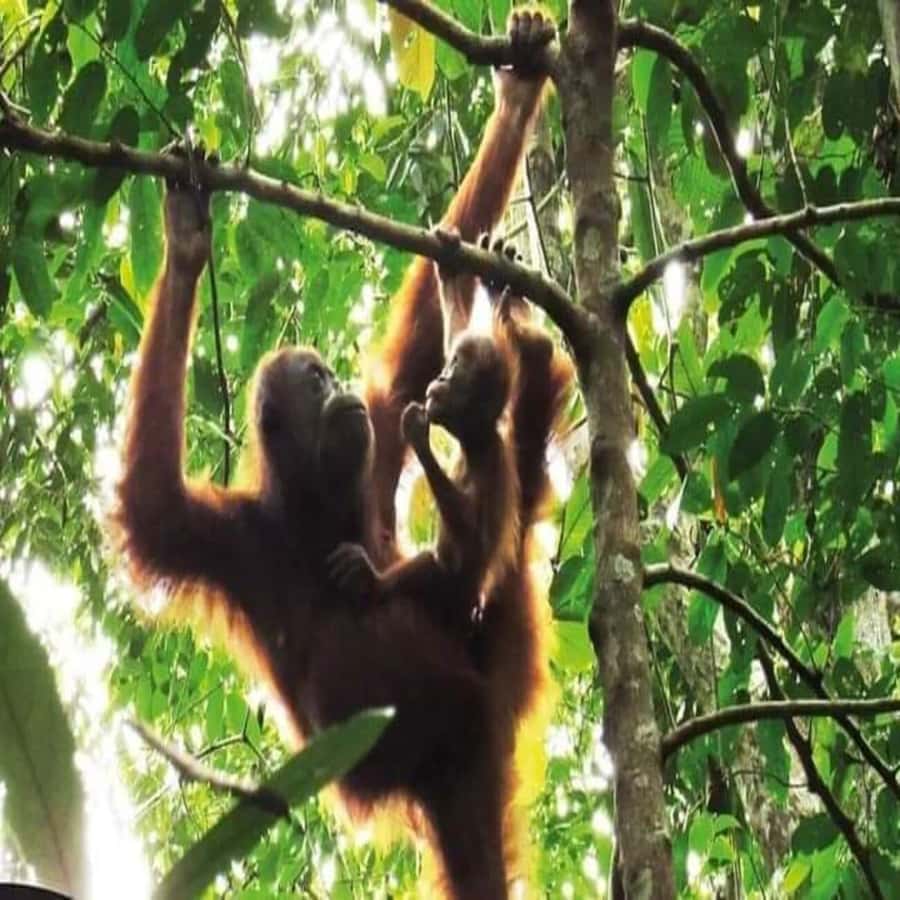
Bukit Lawang is a small jungle village in North Sumatra, about 86 km northwest of Medan. It’s known as a major entry point to Mount Leuser National Park from the east side, and it sits near one of Indonesia’s best-known orangutan areas. The site is often described as hosting roughly 5,000 orangutans in the region, which matters because your odds improve when you’re going where conservation protection and habitat overlap.
What makes this trek more interesting than a “walk-and-watch” tour is how the days are structured around time in the forest—moving on narrow trails, cooling off in mountain water, and then sleeping in the same rainforest environment. That flow changes your mindset. You stop thinking in blocks of hours and start thinking in sounds: birds, insects, distant calls, and the occasional sudden burst of movement overhead.
Also, the group size helps. With a small group (up to 7) and a live guide in English or French, you get a more human scale. In a place like this, “seeing” depends on noticing. Smaller groups tend to mean less crowd noise and more time for your guide to point things out.
You can also read our reviews of more tours and experiences in Bukit Lawang.
Day by day: how the 4 days tend to feel
This is a 4-day trek, and the big idea is that the program doesn’t treat every day the same. Some days are about distance and terrain. Other days are about getting wet, resting the body, and keeping the schedule responsive to what the jungle is doing.
Day 1: an intro, then a real start
Day 1 can include a choice between a shorter walk to ease in and a longer trek that gets you deeper faster. In one example, the group was offered that first-day short-walk option, and skipping it led to the type of longer hiking day people usually come for.
If you want maximum time on trails, you’ll likely be happier choosing the longer option. If you’re nervous about steep, muddy paths or you’re traveling with limited trekking experience, the short-walk intro can be a smart way to build confidence before the deeper days.
Day 2: later start, waterfall swim, and fewer wildlife moments
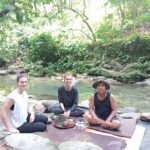
Day 2 is often lighter on trekking time. You may start later, finish not long after lunch, and then spend time cooling off with a swim in a waterfall after lunch. That’s a great reset day, especially in humid jungle weather.
The trade-off is that this is also the day some people find less wildlife action. In one case, there were no wildlife sightings on the waterfall day. It didn’t spoil the trip for everyone because the water time and jungle pace were still enjoyable. But if your main goal is orangutans and other animals, understand that day 2 can feel like more of a break than a big wildlife day.
Day 3: the trekking day that usually delivers
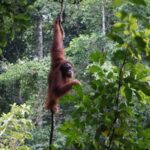
Day 3 tends to be the “proper hiking” day. Expect a decent trekking stretch through jungle trails and better momentum toward wildlife searching. This is also the day that can deliver a standout encounter: one small-group experience included an orangutan sighting up close. That’s the kind of moment that makes the whole trek feel worth it, even if earlier days were quieter.
This is also where being with a small group matters. When you’re not surrounded by a large crowd, you can observe longer and hold still longer—two things that work in your favor for animal watching.

Day 4: no trekking, then tubing back
Day 4 can be the least traditional day. Instead of more hiking and wildlife searching, the program often shifts to tubing downstream and getting back to Bukit Lawang. One example included tubing out of camp for about 45 minutes downstream to Bukit Lawang.
If you’re hoping for one last “big orangutan day,” this can feel like a mismatch. If you’re okay with ending in a fun, wet ride rather than another long trek day, tubing is a memorable send-off—and it still connects you to the jungle waterways that shape daily life here.
Walking in the Leuser jungle: what the physical reality is like
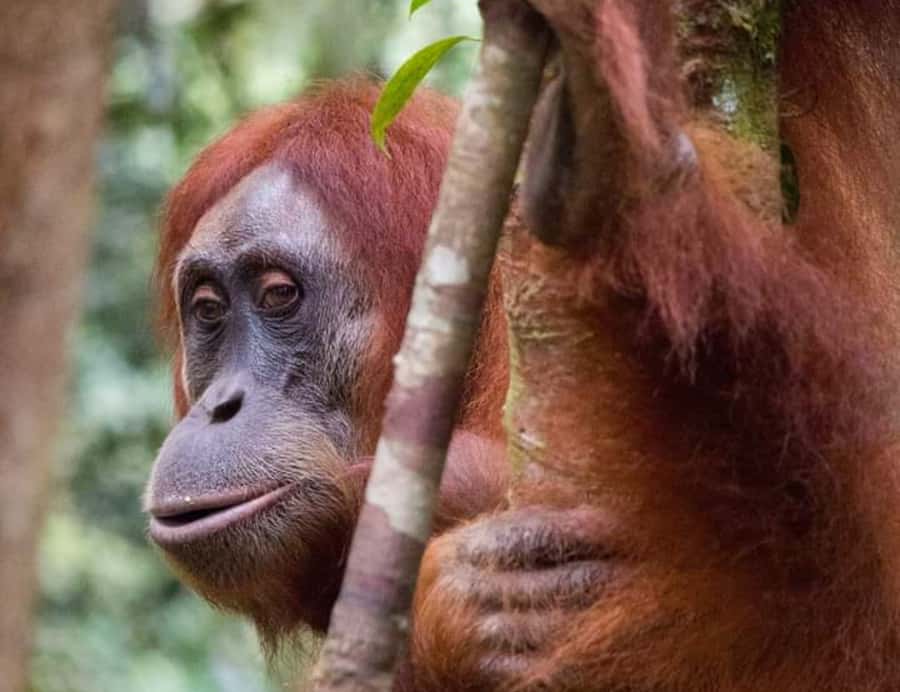
This trek is “back to nature” in the practical sense: you’re walking narrow trails, moving up and down, and spending multiple days in a hot, humid environment. Comfort depends on your footwear and your willingness to accept that your legs may feel it.
On top of that, the rainforest adds its own unpredictability. Trails can be slippery, and the air can feel heavy. That’s why comfortable shoes and long pants matter. You’ll also want a change of clothes because you’ll likely get wet—rain, river swims, or tubing.
One useful mindset: treat this trek like time outdoors first, and wildlife watching second. Wildlife sightings happen when the forest lets them happen. Your job is to keep moving, stay alert, and take the time your guides give you at sighting points.
Swimming, waterfalls, and the river ride back
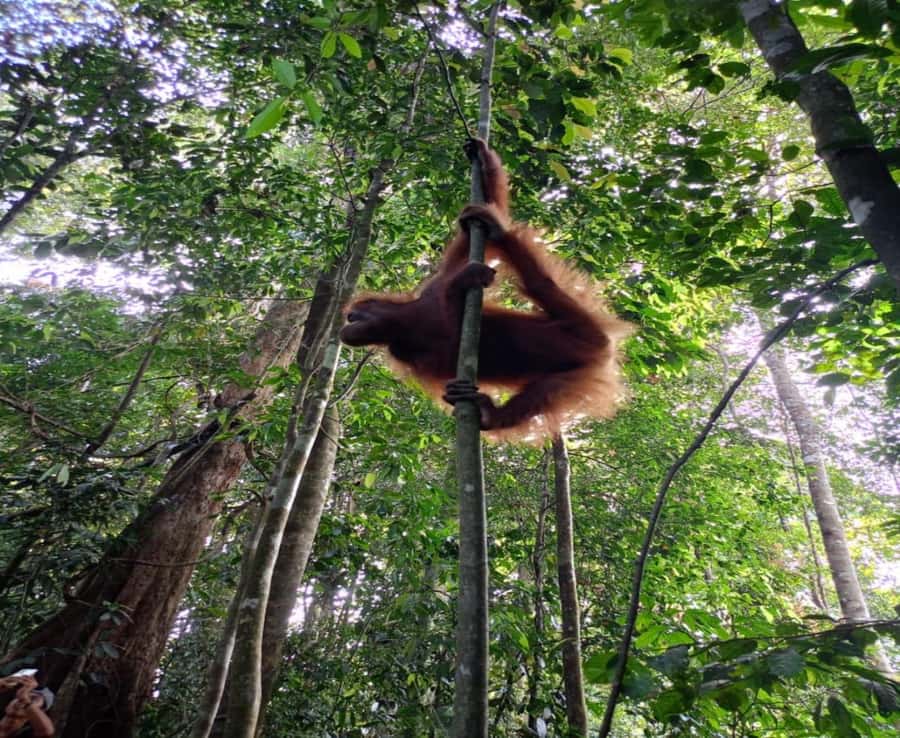
Water time is a real feature of this tour, not just a bonus. Between the waterfall swim and the river tubing, you’ll likely spend multiple moments cooling off in natural water.
Why this matters: jungle heat is intense. Those water breaks aren’t only fun; they help you recover. Also, switching from trekking to swimming breaks the monotony and keeps energy up for the next day’s walking.
Just don’t assume water days automatically mean more wildlife. A waterfall can be stunning, and you might still see fewer animals. In one described experience, the waterfall afternoon brought swimming but no wildlife. Still, the moment of cool water in the forest is part of what makes this trek feel different from a standard hiking tour.
Orangutans and wildlife odds: what you can realistically expect
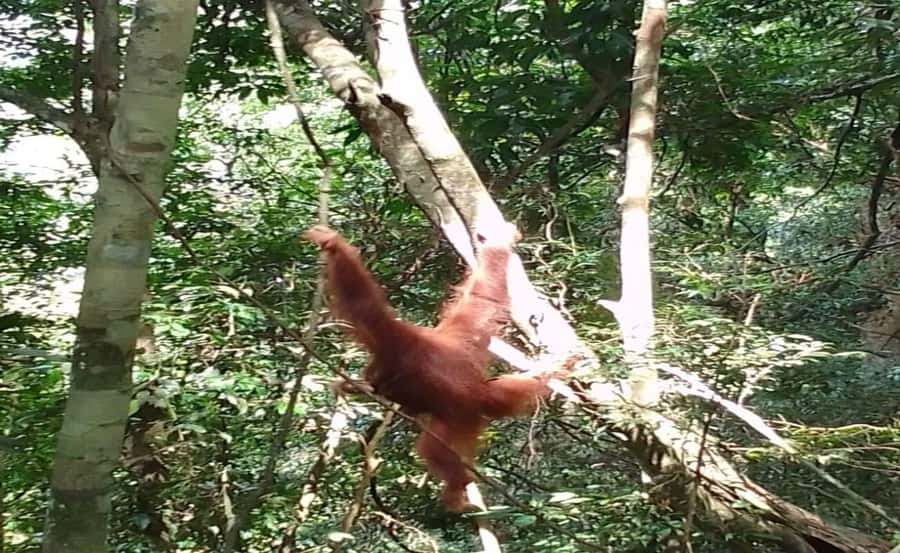
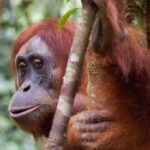
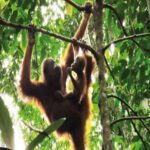
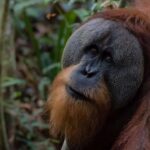
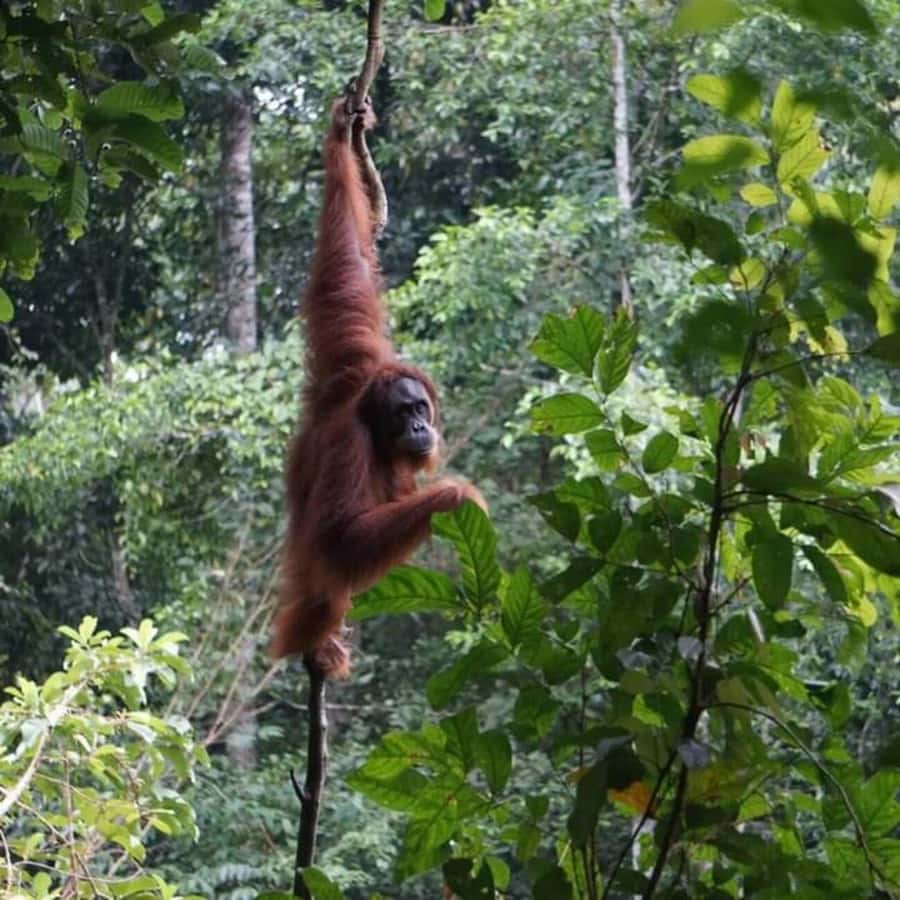
This experience is very clearly aimed at the Sumatran orangutan. Bukit Lawang is associated with a major orangutan sanctuary, and the whole trek is built around the chance to observe orangutans in their habitat.
Orangutan behavior is part of the excitement. They can move quickly and climb high; the information provided describes them as capable of reaching impressive heights (often cited around 50 feet) to escape predators. So when you see movement above, don’t panic. Look up, then widen your field of view.
That said, wildlife viewing is not something you can schedule. Even when your guide does everything right, animals may stay hidden, move between trees, or simply be elsewhere.
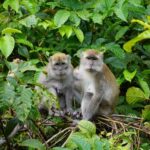
This is why I recommend going for the full rainforest experience, not only the single animal. You may spot monkeys and birds, and the jungle is also presented as habitat for other large creatures like tigers, bears, and snakes. You’re not guaranteed to see those, but it helps you understand why guides may keep the pace cautious when conditions change.
Guides, language, and how the small group changes the experience
You’ll travel with a live guide in English or French, and there’s also an audio guide option in English and Chinese. That setup is useful if some people in your group learn better by listening, or if you want backup explanations while out on trails.
With a max of 7 participants, you get less crowd pressure at sighting points. When an orangutan appears (or even when the guide thinks one is nearby), the ability to pause and focus matters. A smaller group is easier to manage quietly. It also gives the guide better room to adjust when weather or trail conditions shift.
One more practical point: guides who manage the group well change how the day feels. In one positive experience, the operator and guides were praised for taking real care of guests and making sure people were happy. That’s not fluff. Jungle trekking is a long day in real conditions, so comfort and pacing help you enjoy what you came for.
Food and camp life: what you’ll eat and where

You get breakfast, lunch, and dinner in the jungle, plus a hostel in Bukit Lawang. What’s not included is food at the hostel itself, so you should plan to find your own meals when you’re not in the jungle portion.
In practice, this matters because trek days can feel like a rhythm: eat, walk, rest, drink, swim, and then eat again. Having jungle meals included is part of the value because it reduces how much you need to carry and think about during the days when you’re moving nonstop.
Also, since you’re sleeping in the rainforest environment, nights can come with damp air and insects. Bringing the right gear helps you sleep better and reduces misery.
What to bring (so you don’t suffer unnecessarily)

The essentials are simple, but they matter:
- Comfortable shoes for uneven jungle trails
- Long pants (for trail protection)
- Change of clothes
- Towel
- Flip-flops (for after swims and around camp)
- Biodegradable insect repellent
- A basic sense of patience for wet conditions
If you’ve ever packed for a beach trip and then realized the beach trip included mud and rain, you’ll understand why this matters. Jungle trekking is not gentle. You’ll thank yourself for packing like someone who expects to get wet.
Price and value: is $277 fair for four days?
At $277 per person for 4 days, this trek isn’t a bargain, but it also isn’t pricing like a luxury safari. It lands in the mid-range because you’re paying for real access: national park entry, guided trek activity, small group size, and a full set of jungle meals (breakfast, lunch, dinner) plus a hostel stay in Bukit Lawang.
Transfers are another part of the value: you’re picked up from Kualanamu and transferred to Bukit Lawang hostel. You also get skip the ticket line. Those small operational wins matter when you’re arriving from Medan and you just want the jungle to start.
One more value note: there’s a stated intention that remaining portions of the bill support charity efforts for orphans and widows. You should treat that as the operator’s claim about impact, but it does add a moral layer to the purchase beyond sightseeing.
So is it “worth it”? If your priority is a rainforest overnight experience plus guided orangutan-focused trekking, the price makes sense. If your priority is guaranteed wildlife on every day, no price can promise that. This is nature. It follows its own schedule.
Who should book this trek, and who should skip it
This one fits best if you want:
- A guided walk into Mount Leuser with a strong focus on orangutans
- Multi-day rainforest time, including sleeping overnight in the jungle
- A small group experience with English/French guide support
- The kind of trip where swimming breaks are part of the adventure, not an unexpected detour
Skip it (or consider a different format) if:
- You’re extremely mobility-limited or you hate longer days on uneven trails
- You need a strict “trek every day” wildlife schedule
- You fall outside the suitability guidelines: it’s listed as not suitable for babies under 1 year and people over 95 years
Also, if wildlife is your one and only goal, be prepared for variability. Some days may feel quieter on animal sightings, while other moments can be genuinely close and memorable.
Should you book the 4-day Medan to Bukit Lawang jungle trek?
If you’re choosing between a short, beginner-friendly nature tour and a bigger multi-day rainforest commitment, I’d lean toward booking this style of trek if you want the full package: jungle trekking, rainforest sleep, swimming, and orangutan-focused searching.
The decision comes down to your expectations:
- If you’re okay with wildlife as chance-based and you enjoy the rainforest rhythm, this is a strong fit.
- If you need guaranteed wildlife every single day, you’ll likely feel restless, especially on lighter days that include swims or tubing instead of trekking.
If you want to maximize satisfaction, plan for the whole experience: pack for wet conditions, bring insect repellent, and set your heart on rainforest time, not only on a checklist.
FAQ
Where does the tour start from?
The tour includes transfer from Kualanamu airport to Bukit Lawang and includes pickup from Kualanamu.
What’s included in the price?
Included are national park entry, jungle trekking activities, breakfast, lunch, and dinner in the jungle, a hostel in Bukit Lawang, and the airport/transfer support. There is also skip the ticket line.
Are meals included at the Bukit Lawang hostel?
No. The information states that no food will be served at the hostel, so you should plan to buy meals on your own when you’re not in the jungle-meal portion.
What languages are available?
You’ll have a live tour guide in English and French. An audio guide is included in English and Chinese.
How big is the group?
It’s a small group limited to 7 participants.
What should I bring, and is it suitable for kids or seniors?
Bring comfortable shoes, a change of clothes, a towel, flip-flops, long pants, and biodegradable insect repellent. It’s listed as not suitable for babies under 1 year and people over 95 years.