Orangutans in the wild, up close. This trip from Medan pairs a visit to the Orangutan Care Center with a guided rainforest walk in Mount Leuser National Park, and it’s the kind of outing where you can end up watching orangutans feed, swing, and sometimes approach the edge of the viewing area. I love the chance to see rehabilitated orangutans and even have moments of playful, close interaction, and I also like the way guides manage timing and paths so you’re not rushing through the jungle. The main drawback to plan for is that the walk happens rain or shine, and conditions can get muddy and a bit physical.
You’ll go by car along the Sumatra Highway, passing places like Binjai and plantation areas before reaching Bukit Lawang. Then you’ll get a certified English-speaking guide, entrance and park fees, a local ranger in Bukit Lawang, lunch, and mineral water, all wrapped into a small-group set up (max 5 people). If you’re hoping for a super-sit-down, easy day, this one may feel more active than you expect.
In This Review
- Key things that make this trip special
- Why Bukit Lawang feels different in Mount Leuser National Park
- The value of the Medan-to-Bukit Lawang transport plan
- Orangutan Care Center: where the day gets real
- The jungle walk through Mount Leuser: pace, mud, and wildlife odds
- Tip that can change your sightings
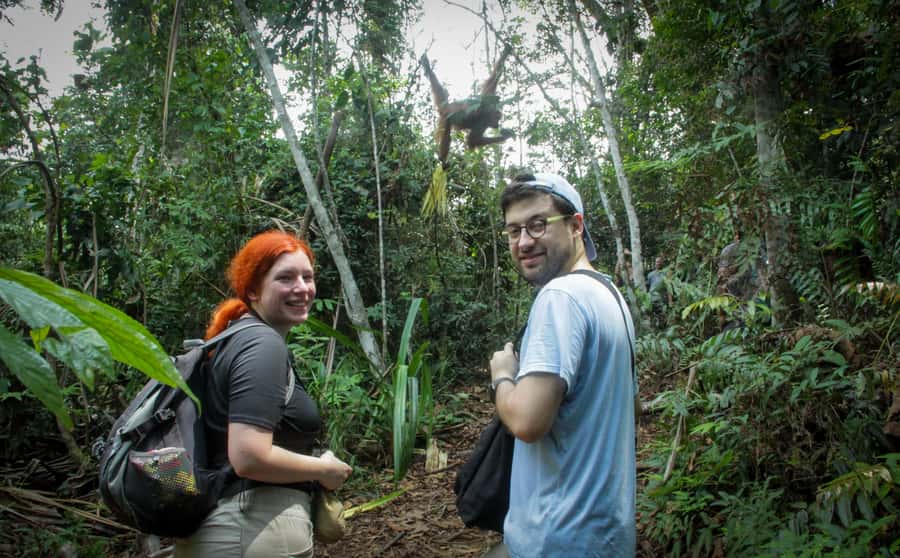
- What you’ll actually see: orangutans, other primates, and that close-moment feeling
- Guides and small group size: why max 5 matters
- Lunch at Bukit Lawang: more than a break
- Price and value: what $76 covers (and why it’s not just a bargain)
- What to bring and what to avoid (so the day stays enjoyable)
- Who should book this Mount Leuser orangutan trip
- Should you book it?
- FAQ
- How long is the Mount Leuser orangutan trip from Medan?
- Is the tour in English?
- What’s included in the price?
- Does it run in rain or shine?
- Are orangutans fed during the visit?
- What should I bring for the hike?
Key things that make this trip special
- Rehabilitated orangutans at the Orangutan Care Center, with time to watch natural behavior
- A guided trek through Mount Leuser National Park, not just a quick look from a platform
- Small group size (up to 5), which helps you keep a good pace and get attention from the guide
- English live guiding and permit/park access handled for you, including entrance and fees
- Possible extra wildlife sightings, like other primates and birds along the way
- Real-world guide skills, including finding good viewing spots and handling muddy trails
Why Bukit Lawang feels different in Mount Leuser National Park
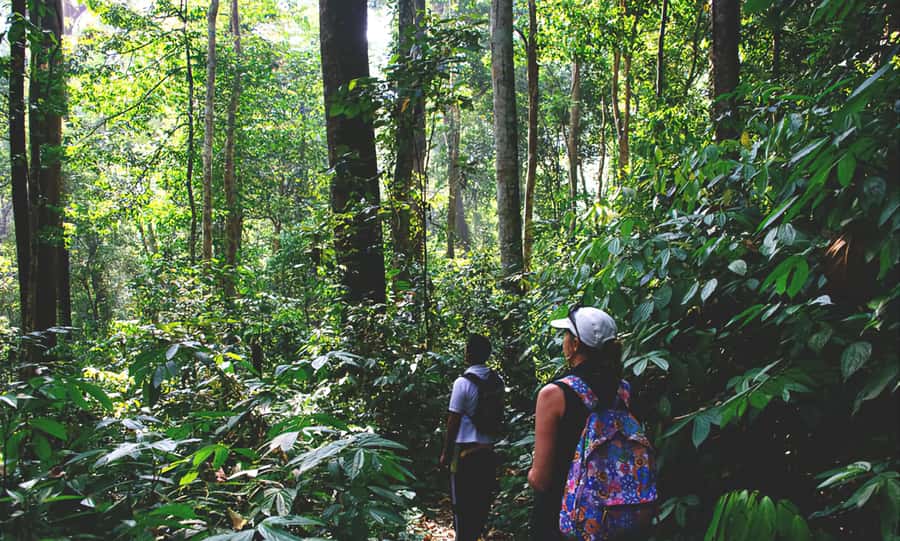
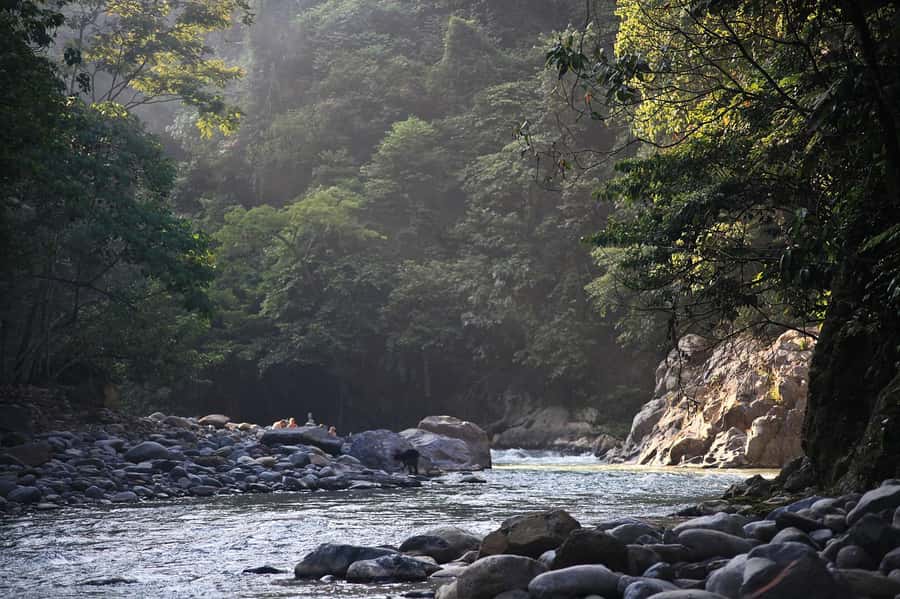
Bukit Lawang is the go-to base for Mount Leuser National Park visits, and it earns that reputation for one simple reason: you spend time in the same kind of rainforest habitat orangutans use. This isn’t a theme-park-style experience. You’re walking and watching as the forest does its thing—leaf shadows, calls overhead, sudden motion in the trees—while your guide helps you notice what matters.
I also like the balance this trip offers. You get an orangutan-focused start at the Orangutan Care Center, then you shift into a guided jungle walk where you’re not locked into one viewing point. That mix makes the day feel like a real excursion rather than a single stop.
You can also read our reviews of more tours and experiences in Bukit Lawang.
The value of the Medan-to-Bukit Lawang transport plan
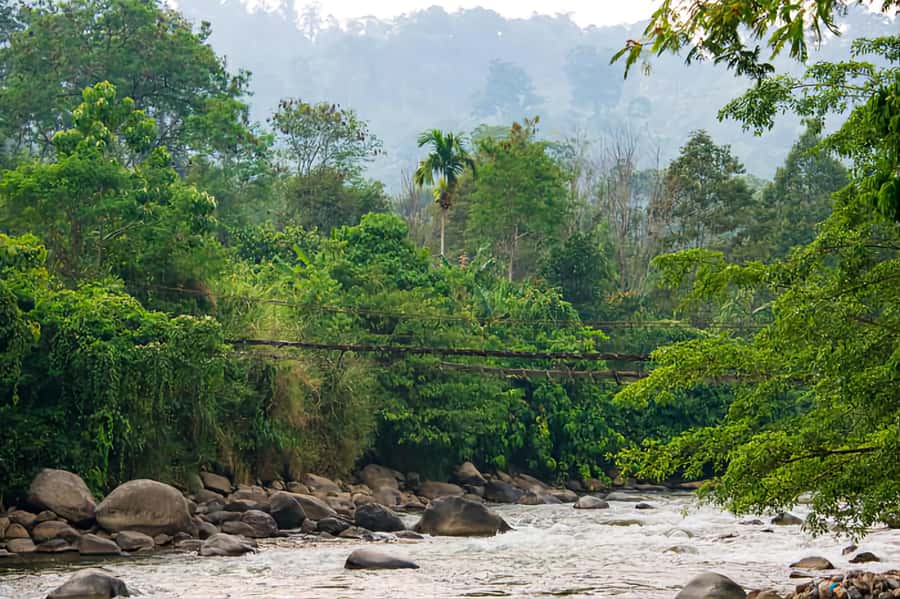
The trip is built around getting you from Medan to Bukit Lawang and back without stress. You’re picked up from your hotel, then travel by car along the Sumatra Highway. On the way, you’ll pass through Binjai and see plantation areas before arriving at Bukit Lawang.
Why this matters: in places like this, transport can make or break your day. When pickup and drop-off are included, you avoid the common headache of finding rides, waiting too long, or guessing the route. Here, you also start in a reasonable morning window, and the return puts you back at your hotel around 9:00 PM (for the standard day format).
Practical note: depending on the option you choose, the trip can run from about 3 hours up to 2 days. The longer versions give you more time in the park area, while the short format concentrates on a single Bukit Lawang walk and lunch.
Orangutan Care Center: where the day gets real
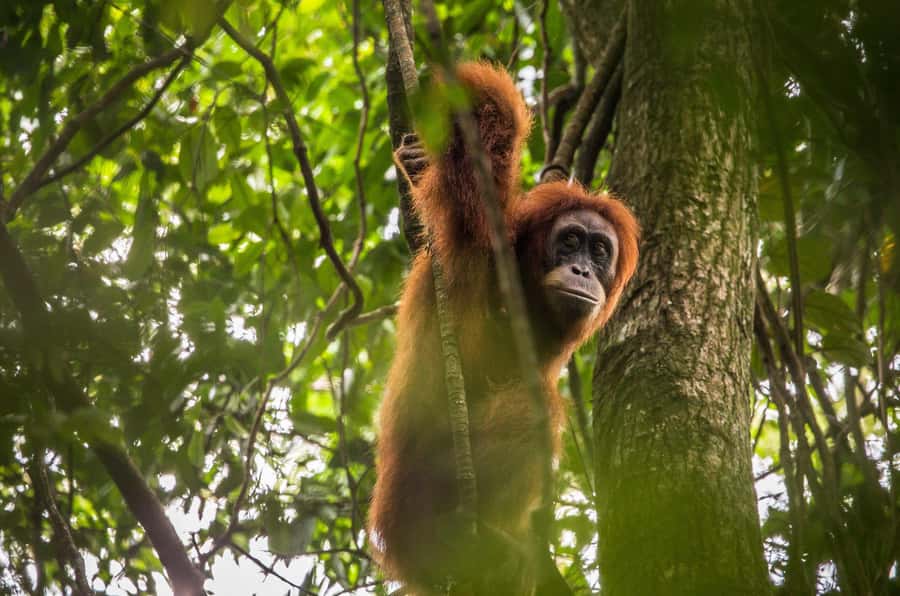
The Orangutan Care Center visit is the heart of the experience, and it’s where the “wow” moments tend to happen first. This is where you can observe rehabilitated orangutans—watching them move through trees and interact with their surroundings in a controlled, human-visible setting.
You’re not just there to point and look. Lunch is included at the center, so the visit isn’t just a quick stop before you move on. The food and timing make the trek feel doable later. Several guides in this program are known for serving a filling meal (like nasi-style dishes) plus fresh fruit, so you’re fueled for the walking portion.
One big ethical detail matters too: feeding animals is not allowed, and guides keep that line clear. That’s a good sign. It helps protect the animals and keeps the experience safer and more respectful.
The jungle walk through Mount Leuser: pace, mud, and wildlife odds
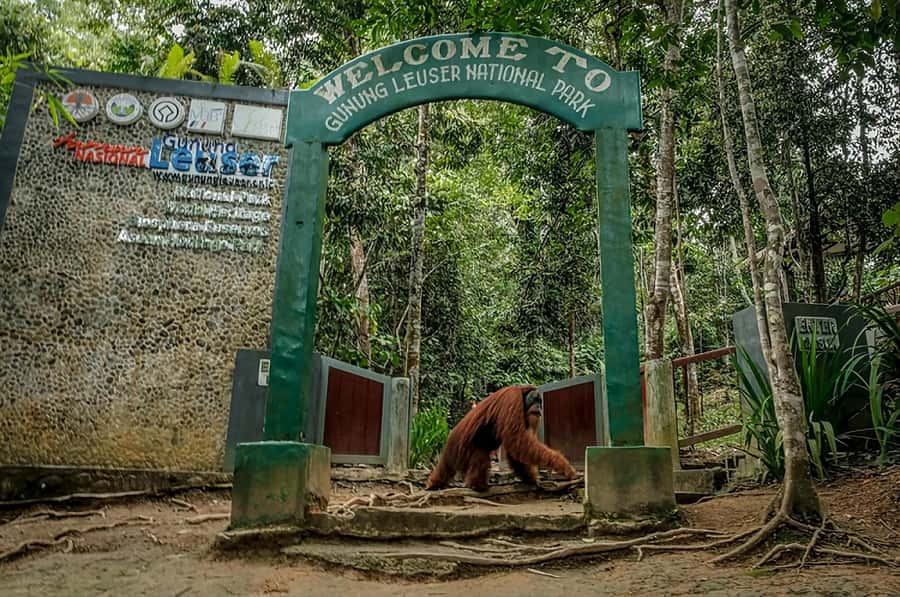
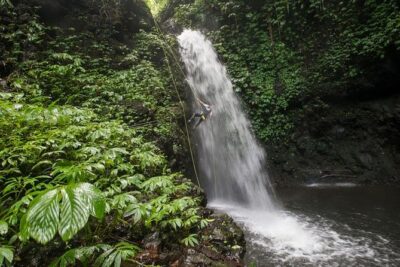
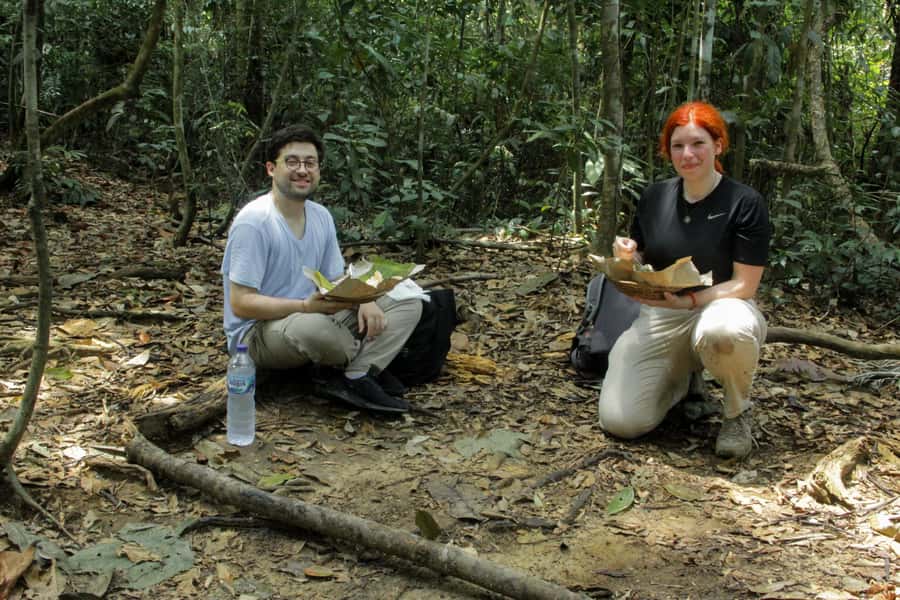
After lunch, you shift from center viewing to a guided walk in the park area. This part is where the trip becomes a true nature outing. Expect dense rainforest paths, changing footing, and plenty of time to look up as much as you look ahead.
This is also where your guide’s job really shows. In the best cases, you get:
- careful pacing that fits your group,
- help choosing the better routes when trails get slick,
- patience when animals pop into view and then vanish again.
From the experience notes, guides like Bele, Tondi, and Risky are mentioned for strong English and thoughtful handling of the route, including managing muddy patches. Another guide named Toldi is praised for matching walk speed and giving you time at each viewing spot without feeling rushed.
Wildlife spotting is never guaranteed, but the odds are often good in this habitat. In addition to orangutans, you might see other primates, and you may spot birds and different plants if you’re paying attention to what your guide calls out.
Tip that can change your sightings
If the option gives you an early start, take it. One of the clearest pieces of advice here is that early morning (around 7:00 AM) can mean more active orangutans. Even if you can’t pick 7:00, going as early as your option allows generally improves your chances of seeing more movement in the trees.
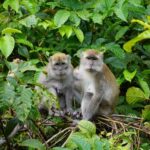

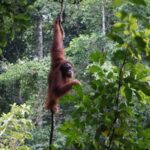
What you’ll actually see: orangutans, other primates, and that close-moment feeling
Let’s talk about the orangutans first, because that’s what most people are planning for. The program is designed around rehabilitated orangutans at the center and then sightings in the park area. People also note the possibility of close viewing—at times, even a large male can be very near—depending on where the animals are that day.
Beyond orangutans, you can reasonably expect other wildlife moments. Several guides are credited with spotting multiple primates on the walk, and even specific bird and wildlife sightings show up in the experience record. The key is your guide’s ability to read the forest and position you for views, not just send you forward with no plan.
What I like: you’re not told to run around to chase sightings. The better guides keep you at a respectful distance, help you get good sightlines, and let animals do their own thing.
Guides and small group size: why max 5 matters
This is a small-group trip, limited to 5 participants, and that’s not just a nice-to-have. In a jungle environment, small numbers mean:
- easier movement when paths narrow,
- more listening time for the guide’s explanations,
- less crowding around a viewing spot,
- more flexibility to adjust the pace.
This program also offers English live guiding, which makes a difference when you want to understand what you’re seeing—tree types, animal behavior, and how the rehabilitation story connects to the ecosystem.
Guide names like Bele, Tondi, Risky, and Toldi come up in the experience record, and they’re repeatedly connected to good English and careful handling. One guide/helper combo is also mentioned for keeping energy up (singing and laughter during the walk), which can turn a damp, physical trek into a day that feels lighter.
Lunch at Bukit Lawang: more than a break
Lunch is included at the Orangutan Care Center, and it’s not just a checkbox. This meal sets you up for the jungle walking part afterward, so you don’t end up hungry or low on energy once the hike starts.
Expect a typical nasi-style meal and fresh fruit in the experience notes. If you’re the kind of person who forgets to eat early, this inclusion helps you stay on schedule. And since the center visit and lunch are part of the same flow, it prevents the common problem of scrambling for food before a hike.
Price and value: what $76 covers (and why it’s not just a bargain)
At $76 per person, this trip looks straightforward—but the real value is in what’s bundled.
You’re getting:
- hotel pickup and drop-off,
- a certified guide and local ranger support in Bukit Lawang,
- entrance and park fees,
- lunch,
- mineral water,
- permits and entry handling,
- and the option to skip the ticket line.
When you add up the cost of transport, guiding, and access fees in Indonesia (especially in protected areas), this kind of package starts to make more sense. You’re paying for time saved and reduced hassle, plus you’re paying for safety and logistics inside the park zone.
In plain terms: if you want a day that feels organized from Medan to Bukit Lawang and back, this price can be fair.
What to bring and what to avoid (so the day stays enjoyable)
You’ll need a few basics. Bring:
- passport or ID card,
- comfortable clothes,
- a change of clothes (smart for rainy or sweaty conditions).
Don’t bring:
- alcohol and drugs,
- anything that encourages feeding animals (feeding is not allowed).
Also, since the trek is rain or shine, plan for wet conditions even if the weather looks friendly. Mud is part of the bargain in this kind of rainforest walking. Good shoes help, and having dry backup clothes makes the return drive back to Medan much more comfortable.
Who should book this Mount Leuser orangutan trip
This works best if you:
- want orangutans with a serious focus on rehabilitation and responsible viewing,
- enjoy guided walking and can handle uneven, possibly muddy paths,
- like wildlife spotting that’s guided by someone who knows where to look.
It’s not suitable for:
- people over 70,
- people with mobility impairments,
- pregnant women.
If you fall outside those limits, you can still have a good time—but be honest with yourself about the hike portion and the rain possibility. This is not a sit-on-a-boat kind of day.
Should you book it?
Book it if you want a structured, small-group day built around rehabilitated orangutans and a real chance to see wildlife in Mount Leuser National Park, with transport from Medan and lunch handled for you. The best part is the combination: center viewing plus a guided jungle walk, with English support and practical help on the trails.
Skip it (or choose a different format) if you need a very easy pace, have mobility limits, or don’t do well with damp conditions. The day is designed to move, and the forest does not care about schedules.
If you’re flexible on timing, aim for the earliest start you can. It’s one of the few tweaks that can meaningfully improve your odds of seeing more active orangutans.
FAQ
How long is the Mount Leuser orangutan trip from Medan?
The activity is listed with options ranging from about 3 hours up to 2 days, depending on what you book. The standard day flow includes a guided session in Bukit Lawang and a hotel drop-off in Medan around 9:00 PM.
Is the tour in English?
Yes. The tour includes a live English-speaking guide.
What’s included in the price?
The price includes hotel pickup and drop-off, a certified guide, entrance and park fees, lunch, mineral water, and permits with a local ranger in Bukit Lawang. It also notes you can skip the ticket line.
Does it run in rain or shine?
Yes. The tour happens rain or shine.
Are orangutans fed during the visit?
No. Feeding animals is not allowed.
What should I bring for the hike?
Bring your passport or ID card, comfortable clothes, and a change of clothes. The trip notes it takes place in rain or shine, so extra clothes help.