North Bali is the island’s quieter side. I like this tour because it links Sangeh monkey forest with the drama of Ulun Danu Bratan Temple in one long, well-paced day. You get big views, real Hindu temple atmosphere, and the kind of photo timing that actually matters.
The main thing to watch is cost creep: entry fees (and sometimes parking) can add up at each stop, and a tight schedule can make some moments feel rushed if you want to linger.
In This Review
- Key things to know before you go
- Your Full-Day North Bali Loop: What 12 Hours Really Means
- Hotel Pickup, Private Transport, and the English-Driver Reality
- Sangeh Monkey Forest: Sacred Monkeys and the Story Behind the Name
- Handara Gate: A Hindu Gateway Photo Stop Before the Light Changes
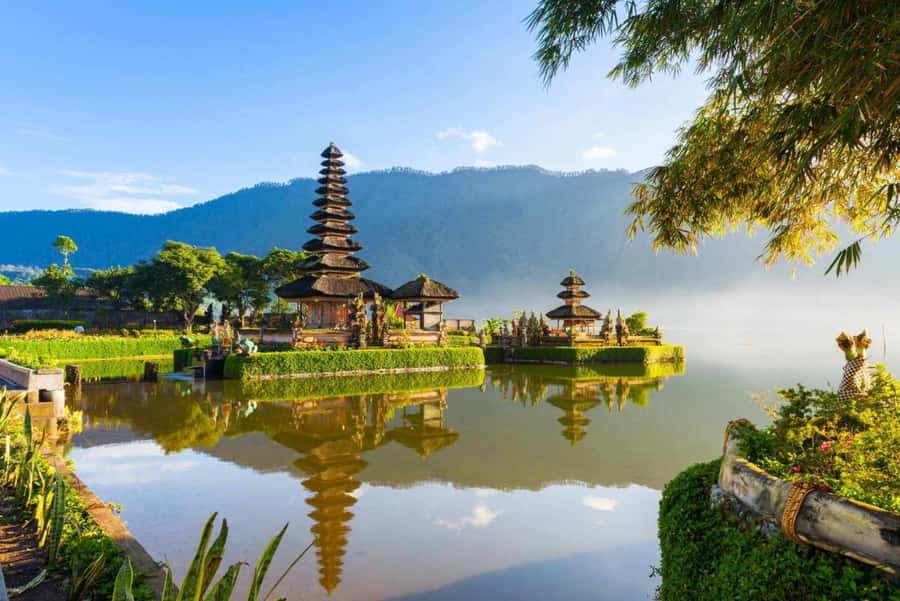
- Ulun Danu Bratan Temple on the Water
- Jatiluwih Rice Terraces: Where the Green Feels Personal
- Tanah Lot Sunset: Land, Sea, and the Best Photo Timing
- Price, Extras, and How to Budget Without Surprises
- Who This Tour Fits Best (and Who Might Feel It)
- Should You Book This North Bali Day Tour?
- FAQ
- How long is the tour?
- What’s the price per person?
- Are meals included?
- What’s included in the tour price?
- Do I pay entry fees at the attractions?
- Does the tour include skip-the-line access?
- Is pickup from my hotel included?
- Is it wheelchair accessible, and are pets allowed?
Key things to know before you go
- Private, driver-led day: You’re not herded with a huge bus crew, and you’ll have an English-speaking driver.
- Jatiluwih for rice-terrace calm: This is where the day slows down into green views and daily farm life.
- Ulun Danu Bratan is the centerpiece: 17th-century temple setting with colorful offerings by the water.
- Handara Gate is a photo stop: A famous Hindu-style gateway tied to a golf resort entrance vibe.
- Tanah Lot is all about sunset timing: Land-and-sea symbolism, with the temple perched where the light turns golden.
- Budget for extras: Food isn’t included, and you may pay admission per location.
Your Full-Day North Bali Loop: What 12 Hours Really Means
This is a 12-hour north Bali day built around five standout stops: Sangeh, Ulun Danu Bratan, Handara Gate, Jatiluwih rice terraces, and Tanah Lot at sunset. In other words, it’s not a “stay in one area and wander” day. It’s a “hit the highlights with smart timing” day.
You’ll spend time in the car. That’s normal in Bali for cross-island sightseeing, and it can be worth it if you care more about seeing multiple icons than maximizing barefoot wandering. If you want slow travel, you’ll probably want to communicate early that you like a slower pace at each photo stop.
You can also read our reviews of more tours and experiences in Tabanan.


Hotel Pickup, Private Transport, and the English-Driver Reality
One of the practical perks here is the hotel pickup and drop-off, with a reminder to meet about 10 minutes before the start time. You also get mineral water and all parking fees included, which helps keep the day smooth.
This is listed as a private tour with an English-speaking driver. In real life, English skill can vary by driver, but the good news is that the key stops are straightforward. You’ll mainly need English for simple navigation, timing, and explaining what you’re looking at. If you’re picky about pacing or photos, it helps to say that clearly at the start.
If you’re paired with a driver known for friendly Bali cultural chat (names like Wija come up for this kind of vibe), you’ll likely get more context than just a checklist.
Sangeh Monkey Forest: Sacred Monkeys and the Story Behind the Name
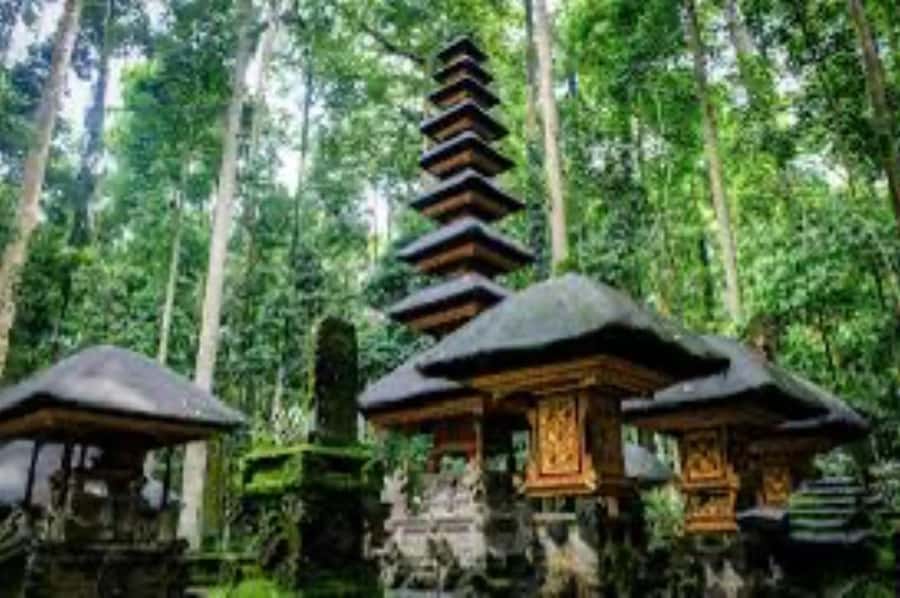
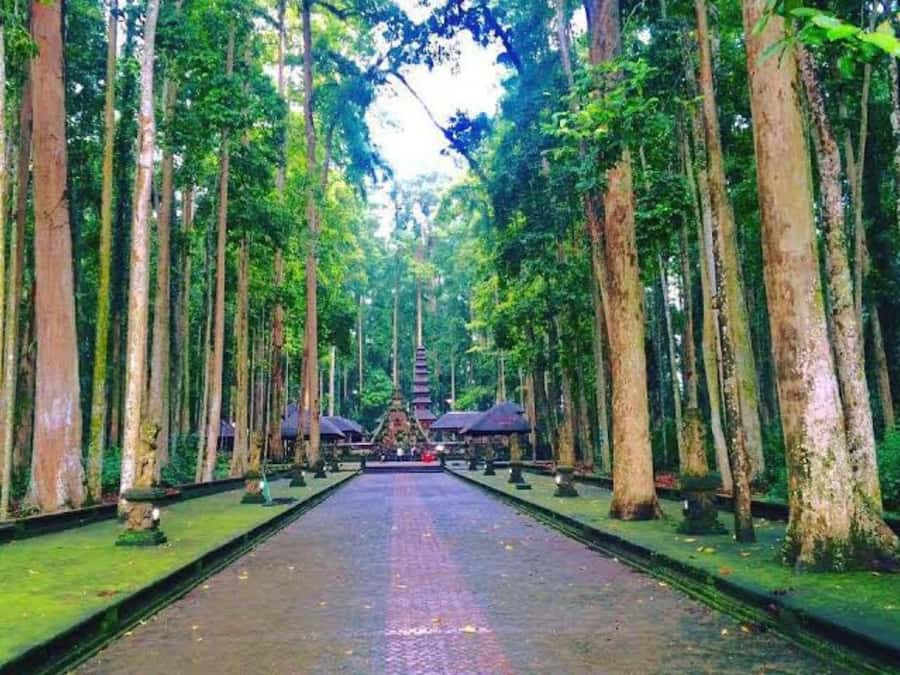
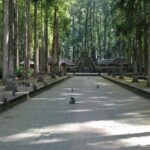
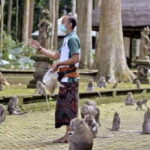
Sangeh is one of those places where Bali’s everyday life and spiritual world overlap in a way you can feel fast. The forest is famous for monkeys roaming freely, and it’s not just a tourist gimmick. Locals treat them as sacred, so the tone is more respectful than chaotic.
Even the name has a built-in story: Sang means human, and Ngeh means to see. Together, the name ties to the idea of people watching. The local connection also links Sangeh to the nutmeg forest, which helps explain why the area is treated like more than just a zoo.
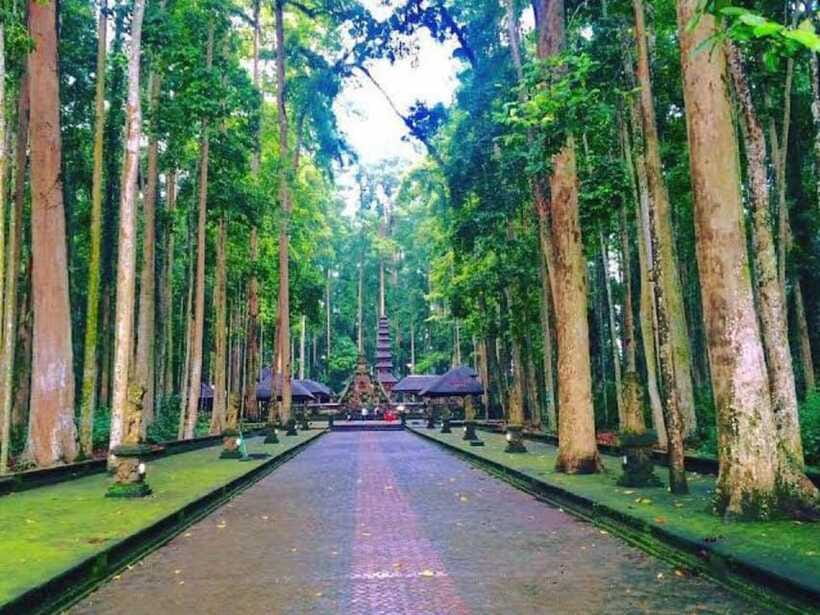
What I like about arriving here in the morning is that it can feel calmer than the big-name monkey scene in Ubud. You still get the fun chaos, but you’re less likely to feel swallowed by crowds.
Practical tip: keep valuables zipped and secure. Even if the animals are sacred, they’re still monkeys. Treat this stop like you’re visiting wild animals, not trained pets.
Handara Gate: A Hindu Gateway Photo Stop Before the Light Changes
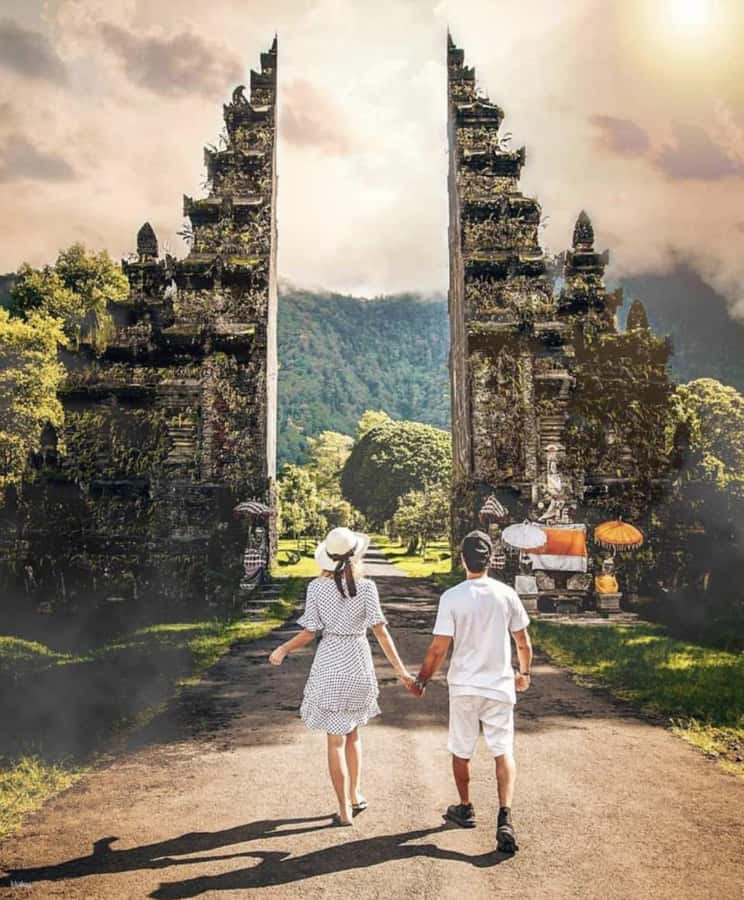
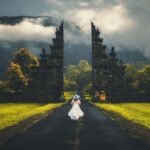
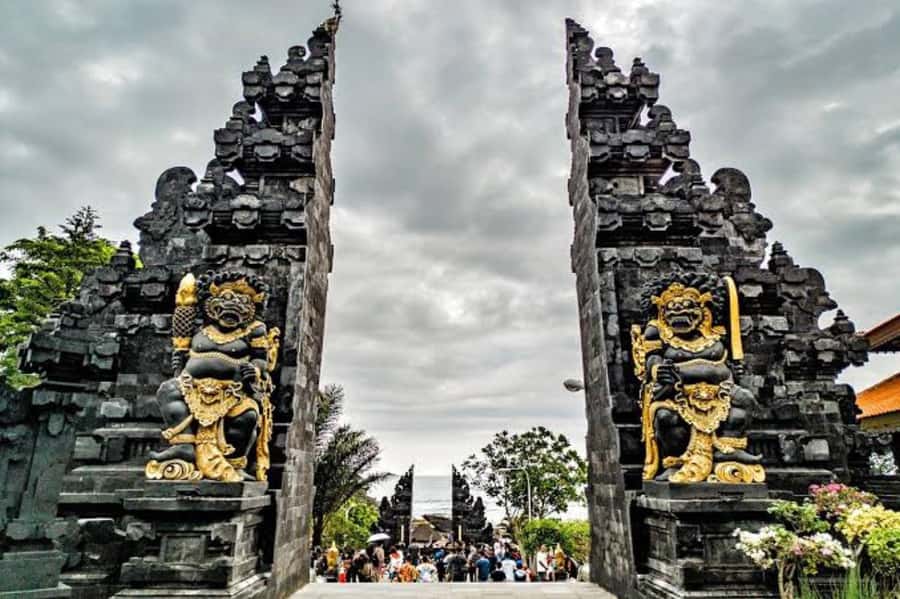
Handara Gate is famous for a reason: it’s one of Bali’s most photographed gateways. It’s a traditional Hindu gate that symbolizes an entrance from the outside world into a sacred space. In this case, it’s also connected to a golf resort entrance, so you’ll notice that blend of sacred symbolism and resort surroundings.
Expect a quick-but-important photo window. The structure frames the background really well, so if you like pictures, you’ll want to take a few rounds rather than one rushed shot and move on. Try different angles—often the best view is just a step to the side.
One caution: if your group is moving fast, this can become a “stop, shoot, go” moment. If that’s your style, great. If you like breathing room, ask for extra minutes early.
Ulun Danu Bratan Temple on the Water
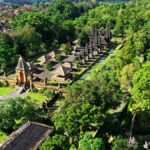
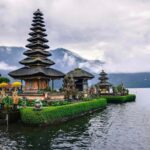
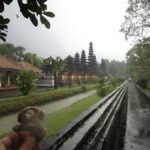
Ulun Danu Bratan is the spiritual centerpiece of the day. This temple dates back to the 17th century, and it was built for worship of the Hindu trinity of Brahma, Vishnu, and Shiva. You don’t just see a temple—you see how it sits in the landscape and how people interact with it.
The setting by the water changes the mood. When conditions are good, the temple looks like it belongs to the misty side of Bali. Even when it’s clear, you still get that “temple on the lake” feeling, which makes the photos more than just architecture shots.
A standout part is watching locals bring and place colorful offerings. It’s a real-world ritual moment, not a staged photo prop. If you want to understand what you’re seeing, keep an eye on the offerings and the flow of people moving respectfully around the sacred areas.
Drawback to plan for: religious sites can sometimes involve waiting—waiting for access, waiting for crowds to thin, waiting for the moment that makes your picture work. That’s not a problem, but it is something to budget into your pacing.
Jatiluwih Rice Terraces: Where the Green Feels Personal
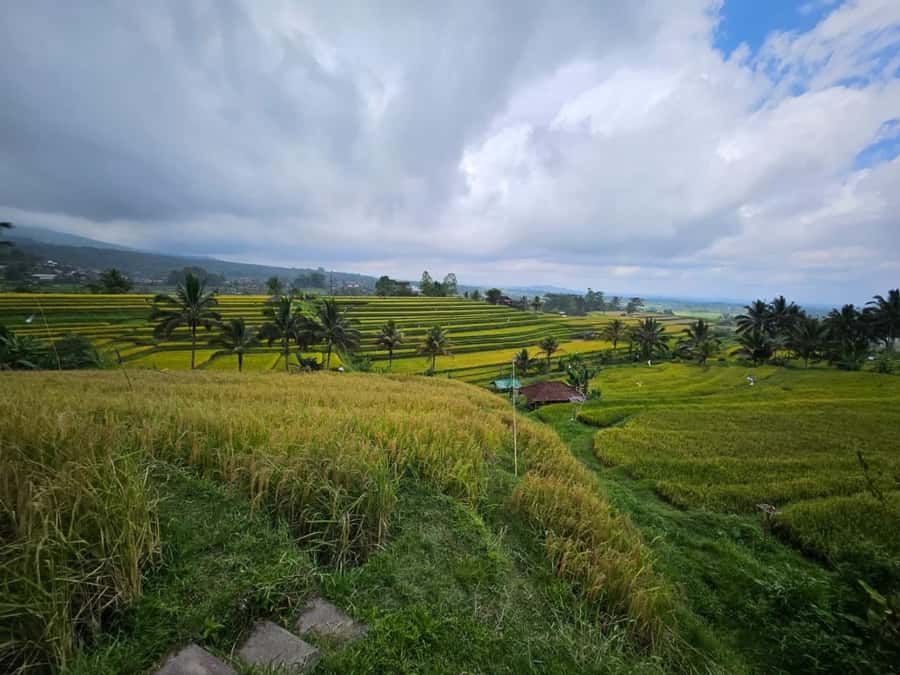
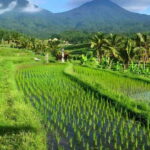
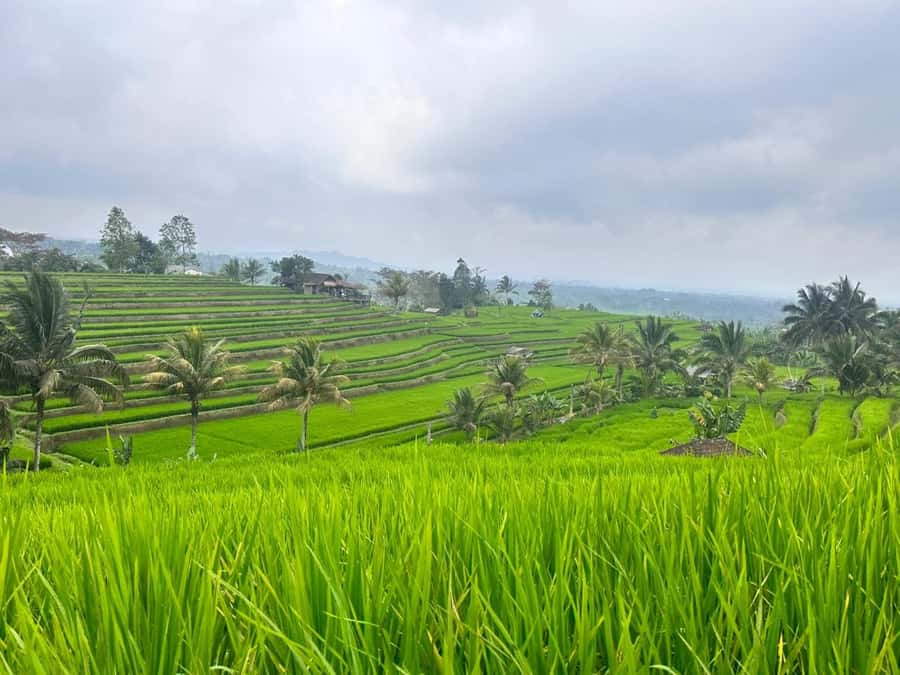
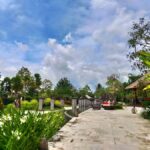
Jatiluwih is one of Bali’s best places to slow down and enjoy the everyday work behind those “Bali postcard” images. The rice terraces are the star, and what makes them memorable is the living detail: you’re not just looking at a view, you’re seeing farmers at work.
This is also where you get a break from the loudest crowd energy. The vibe here tends to feel more peaceful, and the visuals are soothing in a simple way—rolling green bands, paths in the fields, and light that spreads nicely across the terraces.
One thing to watch: at the Jatiluwih stop, you may be brought to a restaurant option. If you’re trying to keep your day budget-friendly or you simply don’t want to eat there, you can decline and use the time for the terraces themselves. Just communicate your preference.
Practical tip: wear shoes with grip if the ground looks wet. Rice terrace paths can be slippery, and you’ll want stable footing more than you want perfect sandals-for-Instagram.
Tanah Lot Sunset: Land, Sea, and the Best Photo Timing
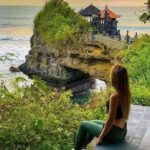
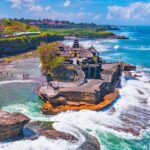
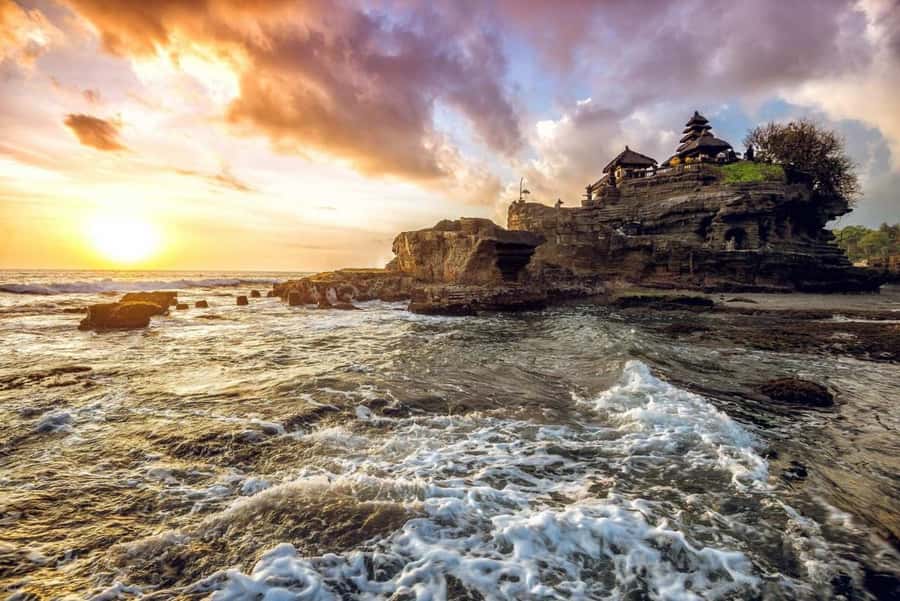
Tanah Lot is Bali’s sunset showpiece for good reason. The name Tanah Lot means “Land” and “Sea” in Balinese. It’s a site where worship connects to the shoreline and to the sea’s power, because locals here worship the sea god / sea power.
Before the sunset light even hits, you’ll appreciate the way the temple sits in a dramatic natural position. There’s also an important historical note: Tanah Lot was once home to an ancient Hindu pilgrimage temple called Pura Tanah Lot, so you’re seeing a living religious landmark as much as a scenic spot.
Sunset is the payoff. Plan for this part of the day to be the most photo-focused, so try to arrive with time to walk around, not just show up at golden hour. The best pictures usually come from a little exploration before the exact moment the light turns.
If you’re easily rushed, speak up early in the day—this stop is where it’s most worth asking for a slower pace.
Price, Extras, and How to Budget Without Surprises
At $33 per person for a 12-hour private circuit, the core value is the transport, pickup/drop-off, and the fact you’re covering multiple major sights. It’s not just one attraction—it’s several, plus you get mineral water and parking fees included.
But here’s the real budget reality: food isn’t included, and you may have to pay entry fees at each location. One location may also involve parking fees, so if you’re budgeting with cash or card ready, you’ll avoid unpleasant surprises.
Also note this tour includes skip the ticket line. That helps at busy entrances, but it doesn’t mean everything is free. Think of it as saving time, not eliminating all on-site costs.
If you want to keep costs under control, do two things:
- Bring some spending money specifically for admission and any extra onsite fees.
- Eat strategically. If food options at a stop look pricey, you can pass and use time for the views instead.
Who This Tour Fits Best (and Who Might Feel It)
This day works best for you if you:
- Want a single-day north Bali highlights hit
- Prefer a private driver over mass-group chaos
- Care about temples plus rice terraces rather than only beaches
- Like photography timing, especially for Tanah Lot sunset and Handara Gate
You might reconsider if you:
- Hate car-heavy days and want long slow wandering
- Expect every stop to feel relaxed without any time pressure
- Have a low tolerance for extra spending on admissions
One more note: the tour is not suitable for people over 95 and pets aren’t allowed. If either of those applies, it’s a no-go.
Should You Book This North Bali Day Tour?
I’d book it if your goal is a high-impact north Bali day where you see the temple icons and the rice-terrace calm, with convenient pickup and your own private driver. The standout value is the combination: Ulun Danu Bratan’s temple mood, Jatiluwih’s green calm, and Tanah Lot sunset’s dramatic payoff.
Before you go, do yourself a favor: message or confirm what the driver expects for entrance fees at each stop, and tell them your pace preference right away. If you get a driver who communicates well and doesn’t speed past the good moments (a name like Wija shows up for this kind of experience), this day can feel like it was built for you.
If you want, tell me your travel month and whether you care more about photos or temples. I can suggest the best way to plan timing for sunset and terrace time on the same day.
FAQ
How long is the tour?
It’s listed as 12 hours.
What’s the price per person?
The price is $33 per person.
Are meals included?
No. Food is not included.
What’s included in the tour price?
Included items are pickup and drop-off, a private tour with an English-speaking driver, mineral water, and all parking fees as per the itinerary.
Do I pay entry fees at the attractions?
The tour data does not say admission is included. You should expect you may need to pay entry fees at each location.
Does the tour include skip-the-line access?
Yes, it includes skip the ticket line.
Is pickup from my hotel included?
Yes. Pickup is included, and you meet in the lobby about 10 minutes before the activity start.
Is it wheelchair accessible, and are pets allowed?
It is listed as wheelchair accessible. Pets are not allowed.