Bali, minus the tourist script. This full-day Pure Bali Village Experience pairs real village routines—rice fields, herb gardens, farm animals—with hands-on cooking in an open-air kitchen and a proper jamu class. You’ll also get to play with Balinese music, wander through Balikaru’s spice plants, and finish with a hot-spring stop if you want.
I love two things most: first, the morning walk through the rice terraces and working-life details around Mt. Batukaru; second, the fact that your meal isn’t just something you watch. You actively chop, grind, stir, and grill at the gerobak station, then sit down to a lunch you helped make. One consideration: family contact may feel lighter or deeper depending on the moment—so if seeing children and the whole household is your main goal, go in expecting a village setting more than a long, staged family visit.
In This Review
- Key points before you go
- Why this day feels more like village life than a cooking show
- Transfers and where you need to be picked up
- The rice-terrace walk and Balikaru village introduction
- Rindik bamboo music: short, fun, and more than a novelty
- Balikaru herb and spice garden: where cooking flavor starts
- Jamu production: Beras Kencur and turmeric-ginger-tamarind tasting
- Paon Bali open-air kitchen: your dishes, step by step
- BBQ at the gerobak and how that changes the meal
- Rice planting, cow Manis, and stingless Trigona bees
- Soft trekking downhill and Belulang Hot Spring (optional)
- Price of $61: what you’re paying for (and what you get)
- Who this is best for (and who should think twice)
- Should you book Pure Bali Village Experience Cooking & Jamu Class, Transfer?
- Quick FAQ
- FAQ
- Where in Bali does pickup happen?
- What if I don’t tell you my pickup location?
- How long is the experience?
- What languages is the guide available in?
- What do I learn and taste in the jamu class?
- What do we cook at Paon Bali?
- Is the cooking class suitable if I’m not an experienced cook?
- Is lunch included?
- Can I visit the hot spring?
- Are there dietary options?
Key points before you go
- Paon Bali cooking that actually stays hands-on: you’ll work through spice paste, sambals, banana-leaf chicken, satay, tempeh, and vegetable dishes.
- Jamu class with two tastings: Beras Kencur and Jamu Kunyit Jahe Asam (turmeric, ginger, tamarind) taught with traditional recipes.
- Balikaru herb and spice garden walk near Mt. Batukaru: you’ll learn which plants shape Balinese aromas and everyday herbal medicine.
- Beginner-friendly cooking format: you can participate at your pace, with support for tasks like cutting and cooking.
- Farm time, not just photos: rice planting help, a meeting with cow Manis, and a look at stingless Trigona bees.
Why this day feels more like village life than a cooking show
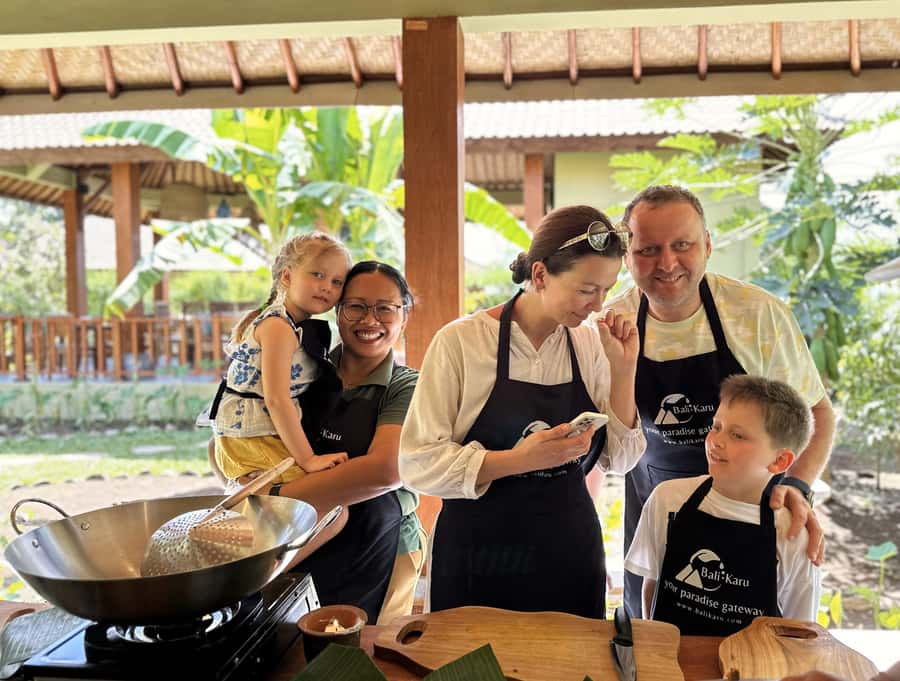
This isn’t a cooking class where you stand back, watch a chef, and leave. The structure is built around village rhythm: walk first, learn the plants and drinks next, cook with tools in an open-air kitchen, then end back outside with rice-field work and a nature walk. That flow matters, because you taste and cook with context. You don’t just learn what something is; you learn where the flavor comes from.
I also like how the experience mixes skills—music, herbs, cooking, and herbal drink making—so the day never feels one-note. You start with the Balinese bamboo instrument called the Rindik, then shift into the spice garden, then into jamu production, and finally into grilling and lunch. It keeps your attention, especially if you’re traveling with someone who gets bored with long food demos.
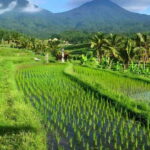
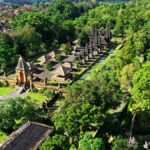
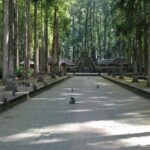
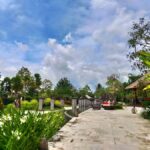
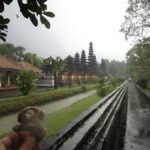
The setting helps too. Balikaru sits around lush rice terraces and tropical greenery in the area near Mt. Batukaru. You feel like you’re moving through real farmland, not teleporting between attractions.
You can also read our reviews of more tours and experiences in Tabanan.

Transfers and where you need to be picked up
This tour includes transfer to and from your hotel in an air-conditioned vehicle. Pickup covers a wide area: roughly 50 km east and south of Belulang village, including places like Ubud, Canggu, Denpasar, Uluwatu, Jimbaran, Kuta, Sanur, and more.
Here’s the practical part: you must specify your pickup location. If you don’t, you might be asked to make your own way to the starting point. So before you hit book, double-check that exact hotel name and address are in your confirmation.
Also note the tour is listed as 1 day, with starting times depending on availability. If you’re on a tight schedule with other tours, this is the one detail you’ll want to coordinate early.
The rice-terrace walk and Balikaru village introduction
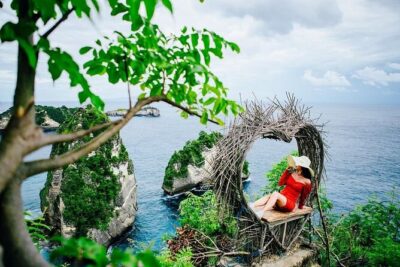
Your day begins with a scenic drive, plus a photo stop along the route when you feel like it. There’s also a stop at a flower market area, though timing can change what you see. In at least one case, the flower market was closed because it was too early, and the group instead visited a smaller local market focused on everyday fruit and food. That’s a good sign: you’re not stuck waiting in a parking lot.
When you arrive in the mountain village, you start with a leisurely walk along the rice terraces. Your guide points out exotic plants, herbs, and fruits—things you’d normally miss if you only look at fields as scenery. There’s also the possibility of seeing a farmer ploughing with water buffalo, if timing lines up.
Then you move into Balikaru proper: an introduction to Balinese music, hands-on garden learning, and the story behind how herbs show up in both cooking and traditional medicine. This isn’t trivia; it changes how you cook later, because you’ll recognize plants again when you’re grinding spices at the kitchen.
Rindik bamboo music: short, fun, and more than a novelty
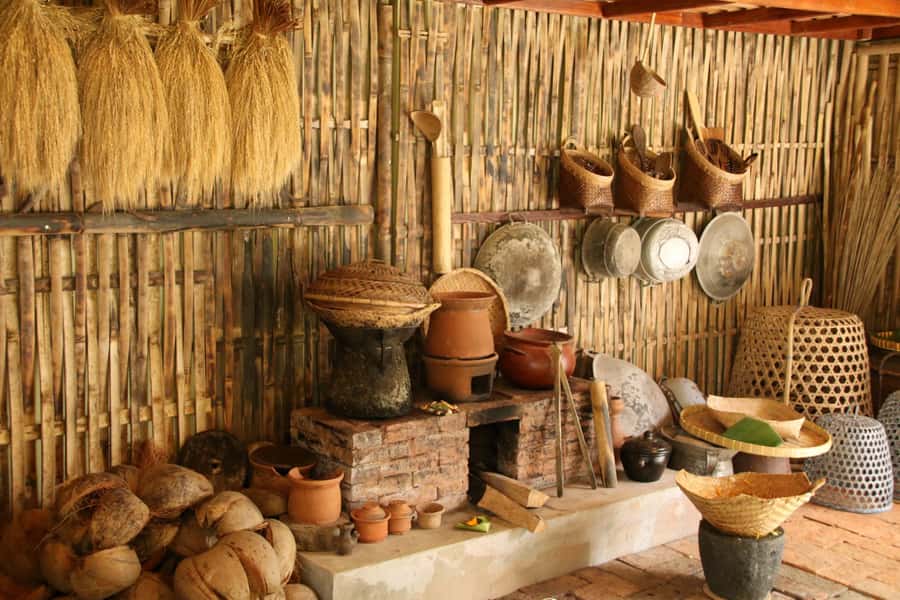
Before you go into herbs and jamu, you’ll learn to play the Rindik, a traditional Balinese bamboo instrument. It’s one of those activities that works for almost everyone because it’s participatory but not technical in the way “music class” can be.
More importantly, it’s a nice way to shift you from tourist mode into local rhythm. You’re not just eating; you’re learning how daily culture feels. And after the music, you’ll be in a mindset to notice details when you walk the herb garden.
If you’re the kind of person who worries you won’t be good at hands-on activities, don’t. The day is designed so you can participate at your pace.
Balikaru herb and spice garden: where cooking flavor starts
The herb and spice garden stop is one of the best parts of the whole day because it explains the logic behind Balinese tastes. You’ll follow your guide through the plants that give Balinese dishes their distinctive aromas, and you’ll also hear how the same plants are used in traditional medicine.
This is the stage where you start connecting dots:
- you see plants before you taste them
- you learn why certain ingredients are treated like everyday essentials
- you understand that cooking here is tied to local knowledge, not restaurant trends
You’ll also get guided context for how those herbs and spices connect to daily life. That makes the jamu portion easier to understand too, because jamu isn’t random. It’s part of a local herbal tradition.
Jamu production: Beras Kencur and turmeric-ginger-tamarind tasting
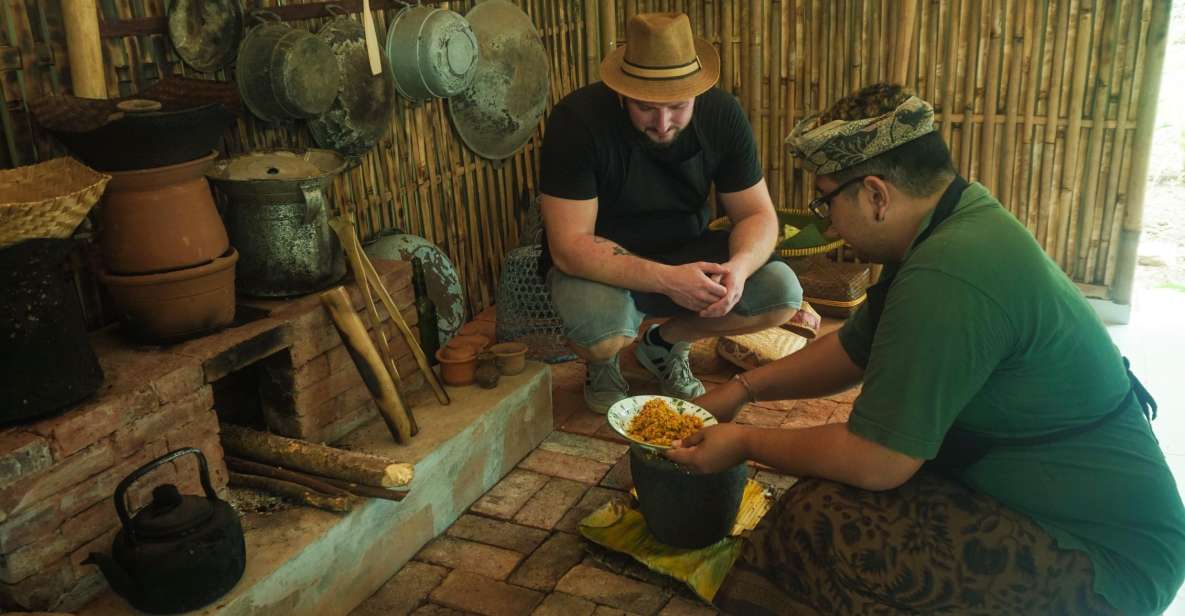
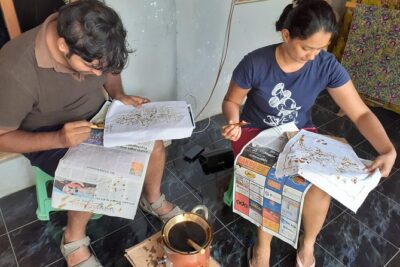
Next comes jamu, Indonesia’s ancient herbal elixir. You’ll prepare two different types of jamu using age-old family recipes and traditional utensils. The two examples listed are:
- Beras Kencur
- Jamu Kunyit Jahe Asam (turmeric–ginger–tamarind juice)
You don’t just watch this part. You make it, then you taste what you prepared. That combination—hands-on prep plus tasting—helps you judge the flavors instead of guessing based on name alone.
Practical note: jamu can be strong and a little “earthy,” and it’s not meant to taste like a soda. If you usually like sweet drinks only, start slowly and treat the tasting as learning what Balinese herbal flavor feels like.
Paon Bali open-air kitchen: your dishes, step by step
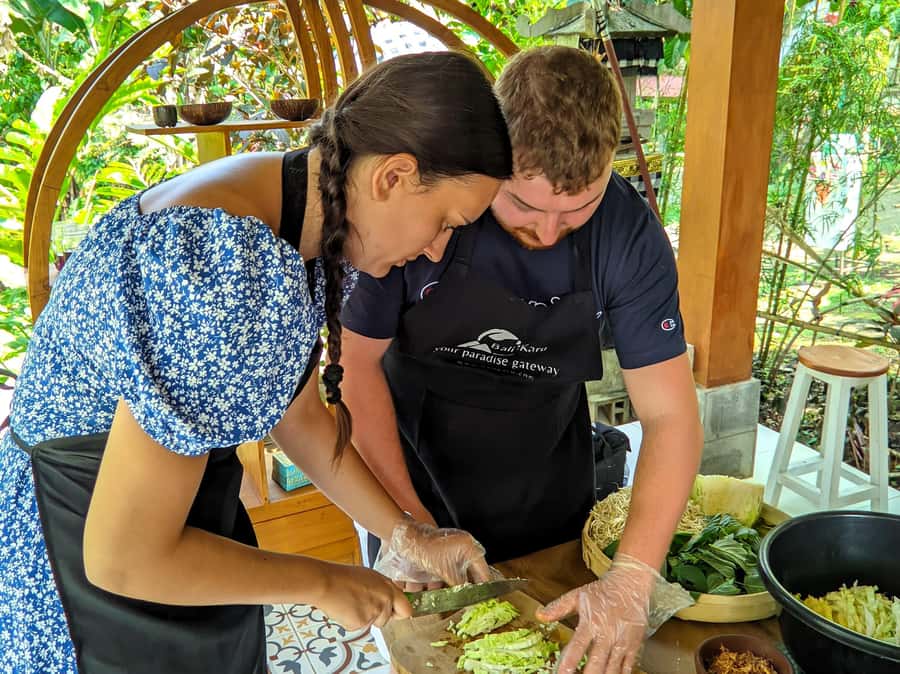
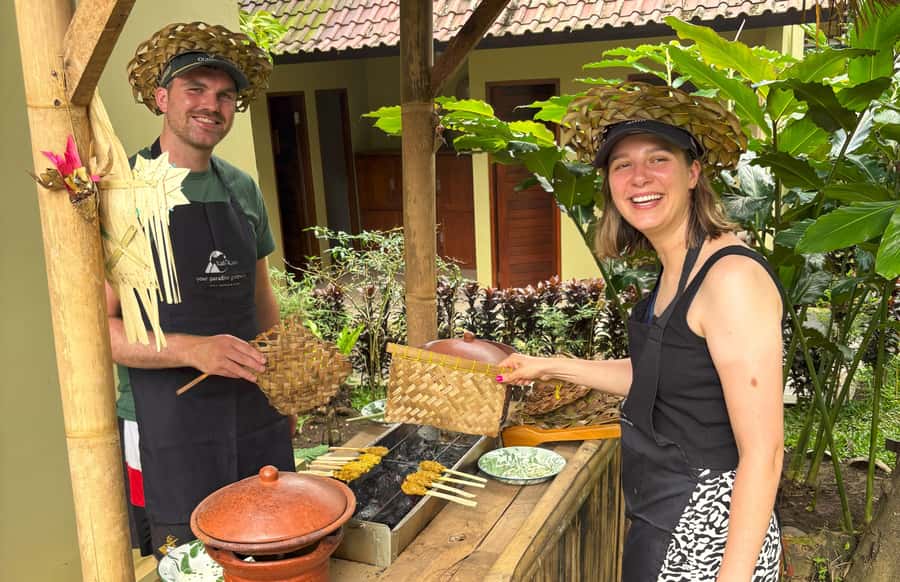
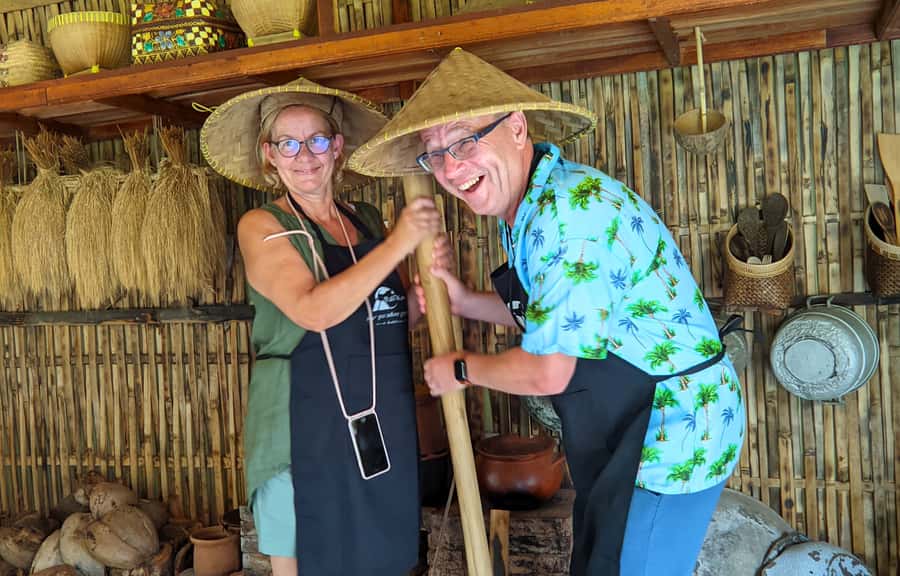
This is the heart of the day: cooking at Paon Bali, an open-air kitchen. You’ll follow the Balikaru chef’s direction while you chop, grind, and stir your way through classic Balinese dishes.
The menu includes these dishes and components:
- Base Genap, a Balinese spice paste
- Sambal Mbe and Sambal Matah, traditional chili condiments
- Tum Ayam, chicken with herbs steamed in banana leaves
- Sate Lilit Chicken, minced chicken satay grilled at the gerobak grill station
- Tempeh Kecang, crispy tempeh with sweet soy sauce
- Sayur Urap, mixed vegetables with coconut and herb paste
- Sayur Paku, a Balinese fern dish
- Traditional Balinese desserts like Lak Lak or other surprises
This is also where the pacing helps. The cooking class is structured so you can participate even if you’re not used to cooking. Support is available for tasks like cutting and cooking if you need it. In one of the small-group sessions, the class size was about 11 people, which makes it feel manageable rather than crowded.
Then comes the best part: lunch isn’t something you wait for like a restaurant order. You’ll enjoy a home-cooked Balinese meal in the peaceful Warung Balikaru setting, including Nasi Campur Tumping plus dessert cooked by you.
BBQ at the gerobak and how that changes the meal
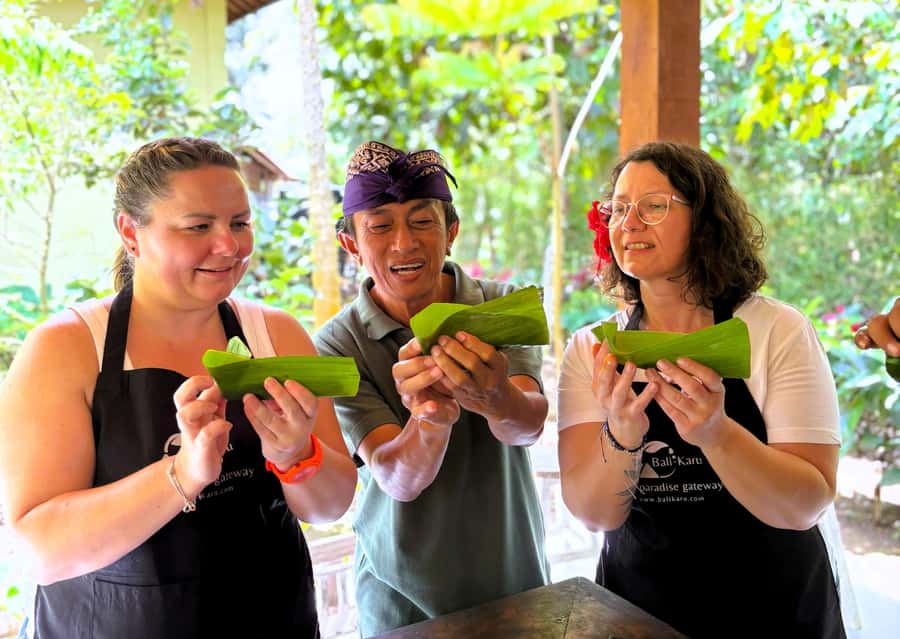
A standout ingredient in this experience is the grilled element at the traditional gerobak grill station. Even if you’re not a “BBQ person,” you’ll taste the difference because it’s grilled in the course of class, not reheated later.
This matters for two reasons:
1) flavor is fresher when it’s grilled as part of the process
2) you get to link what you learned in the spice garden to what ends up on your plate
You’ll also get desserts at the end. The dessert can be Lak Lak or other surprises, so plan to treat dessert as part of the class flow rather than a fixed menu item.
Rice planting, cow Manis, and stingless Trigona bees
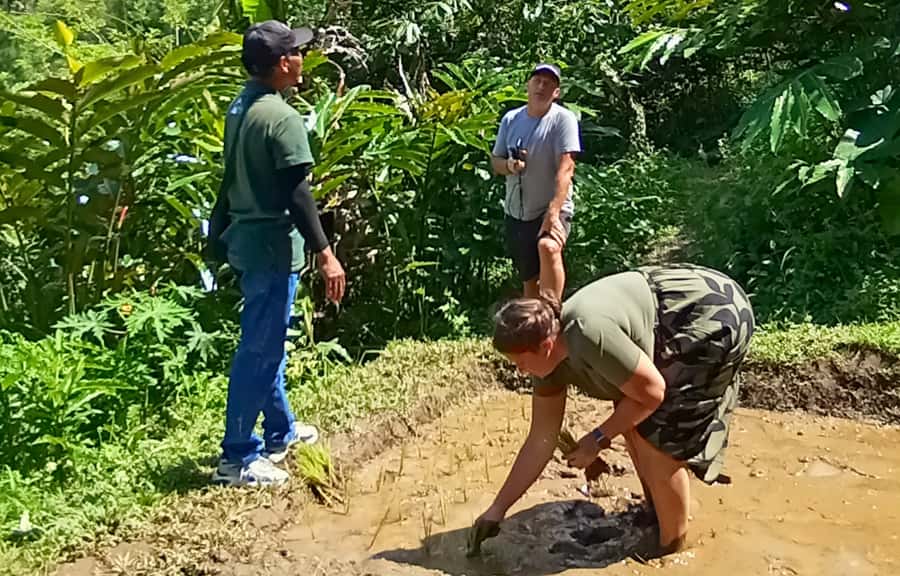
After lunch, the tour slows down again and becomes more physical. You’ll join the farmer in planting rice—the kind of activity that gives you a real feel for why rice is central to Balinese culture. It’s not a strenuous workout, but it does put you in the rhythm of farm work.
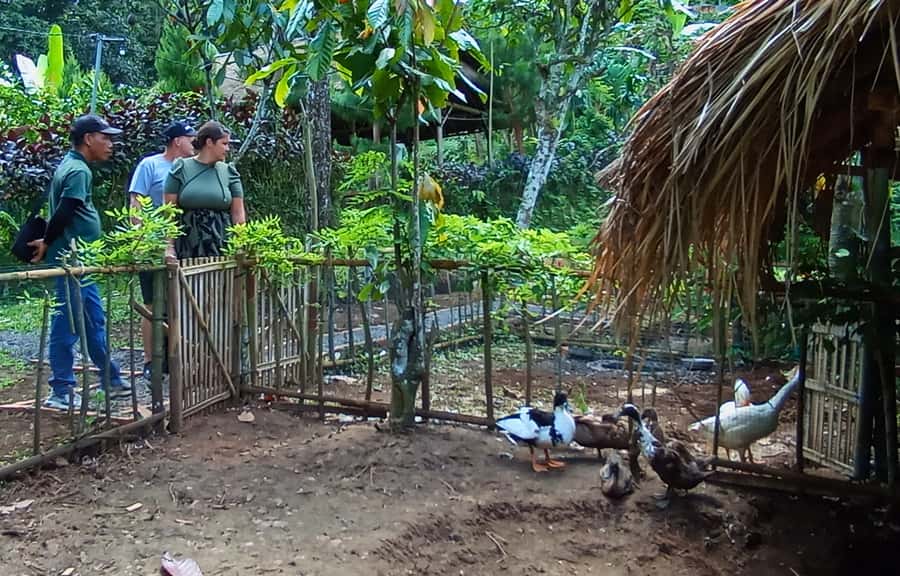
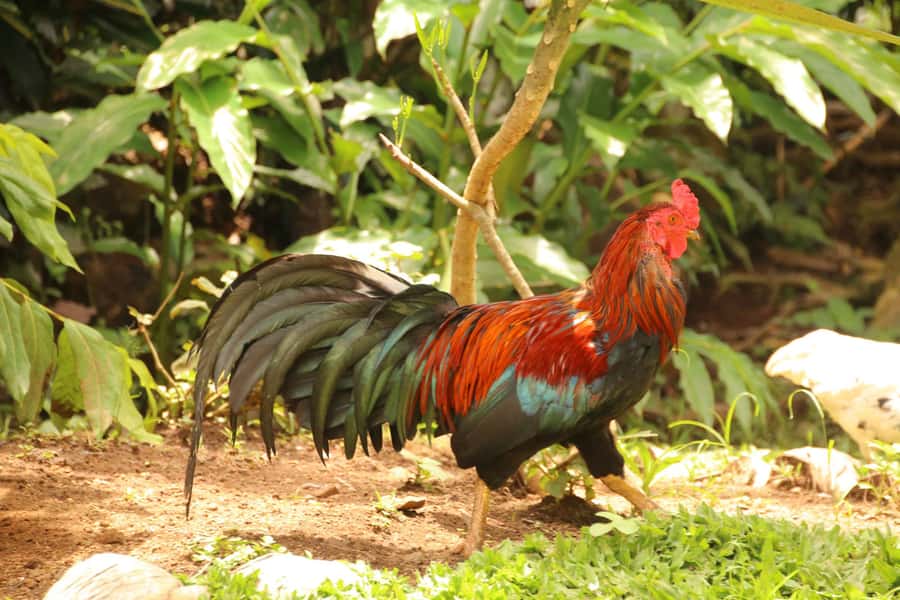
Then you visit the small Balikaru farm to meet animals, including ducks and geese, plus a friendly cow named Manis. You’re welcome to feed her, which is a sweet moment that’s actually useful. It grounds the experience: you’re not just visiting a themed farm; you’re interacting with animals that live there.
Next is the stingless Trigona bees portion. You’ll learn about their honey and that it’s prized for health benefits. This is one of those “small topic, big payoff” moments because it’s unusual to hear about stingless bees on a typical cooking tour. Even if you don’t change your diet, you’ll still leave with a story worth sharing.
Soft trekking downhill and Belulang Hot Spring (optional)
To wrap up, you’ll do a soft trekking walk—about 30 minutes downhill—with mountain views. This isn’t described as intense hiking, so it’s a good way to reset after cooking and farm time. Still, you should treat it as real walking on uneven paths.
You’ll also visit an authentic Balinese compound in the mountain village. The focus here is on Balinese architecture and traditional feng shui, which gives you a different kind of learning—less food, more how people shape space based on cultural beliefs.
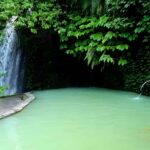
Finally, you can stop at the Belulang Hot Spring, described as holy. Bathing is listed as optional, so you can skip it if you’re not feeling like changing clothes and getting in the water.
One more practical note: this experience is not suitable for wheelchair users or people with mobility impairments. If walking on a downhill track and moving between areas is tricky for you, this is a tough fit.
Price of $61: what you’re paying for (and what you get)
At $61 per person for a full day, the value comes from how much is included—not just the cooking.
You get:
- transfers in an air-conditioned vehicle
- an English-speaking guide
- photo stop at a market area
- welcome drink
- Rindik instrument time
- guided herb and spice garden tour
- jamu production and fruit tasting
- cooking class in Paon Bali plus BBQ grilling at the gerobak
- lunch with dessert (including what you cook)
- Balikaru farm time with animals, rice planting help, and Trigona bee learning
- soft trekking with mountain views
- visit to a Balinese compound (architecture and feng shui)
- optional Belulang Hot Spring
- a Balikaru gift
- a cooking class certificate and recipe book sent by email afterward
Tips are extra, and drinks beyond the welcome drink are not included. But considering you’re paying for a full, guided, transport-connected day with multiple learning segments, it’s priced more like an all-in-one experience than a single activity.
In other words: if you only wanted a cooking class, you’d probably pay similar money and miss the herb garden, jamu workshop, farm time, and hot spring stop. This is designed to be a full arc.
Who this is best for (and who should think twice)
This tour is ideal if you want a Bali day that mixes food with real rural routines. It’s great for:
- food lovers who like hands-on cooking
- curious travelers who want context behind spices, herbs, and jamu
- couples or small groups who prefer learning over shopping
- travelers who are okay being active for a short trek and farm walk
It’s less ideal if:
- you use a wheelchair or have mobility limits
- you have food allergies (the experience is not suitable for people with food allergies)
- you want only restaurant-style cooking with no herbal drink tasting
Dietary requirements like vegetarian are accommodated when you indicate them under special requirements when booking. If you have any other dietary restrictions, it’s smart to confirm them directly since the dishes include many traditional ingredients.
Also, if you’re the type who hates spicy food, pay attention during the sambal parts. You’ll learn what they are and how they’re made, but you should plan to adjust how much you add when tasting and eating.
Should you book Pure Bali Village Experience Cooking & Jamu Class, Transfer?
If you want a practical, hands-on Bali experience that goes beyond eating, I’d say yes. You’ll get more than recipes: you’ll learn the herb logic behind Balinese flavors, make jamu yourself, cook a full set of dishes, and spend real time in the rice-field and farm setting near Mt. Batukaru.
Book it if you:
- like small, guided learning days
- want a class that works even if you’re not a confident cook
- enjoy jamu or at least want to try it with guidance
Think twice if you:
- need wheelchair access or have trouble walking downhill for about 30 minutes
- rely on strict allergy-safe cooking (this experience isn’t suitable for food allergies)
- expect a long, staged family visit with lots of children interaction every time
Quick FAQ
FAQ
Where in Bali does pickup happen?
Pickup is included from hotels within a 50 km radius east and south of Belulang village, including areas such as Ubud, Canggu, Denpasar, Uluwatu, Jimbaran, Kuta, Legian, Seminyak, Sanur, Tanjung Benoa, Tuban, and more.
What if I don’t tell you my pickup location?
If your pickup location isn’t provided, you may have to come to the starting point yourself.
How long is the experience?
It runs for 1 day. Starting times depend on availability.
What languages is the guide available in?
The guide is available in English, German, Italian, and French (other languages may be available with a surcharge).
What do I learn and taste in the jamu class?
You’ll produce and taste jamu using traditional recipes, including Beras Kencur and Jamu Kunyit Jahe Asam (turmeric, ginger, tamarind).
What do we cook at Paon Bali?
You’ll prepare several Balinese dishes, including Base Genap spice paste, sambals (Sambal Mbe and Sambal Matah), Tum Ayam, Sate Lilit Chicken grilled on a gerobak station, Tempeh Kecang, Sayur Urap, Sayur Paku, and traditional desserts such as Lak Lak or other surprises.
Is the cooking class suitable if I’m not an experienced cook?
Yes. You can participate at your own pace, and staff guidance is available for tasks like cutting and cooking.
Is lunch included?
Yes. Lunch is included and includes Nasi Campur Tumping plus dessert, cooked by you during the cooking class.
Can I visit the hot spring?
Yes, Belulang Hot Spring is included as an optional stop, depending on your preference.
Are there dietary options?
Vegetarian is mentioned as possible. You’ll need to indicate dietary requirements under special requirements when booking. People with food allergies are not suitable for this experience.