Dieng starts at midnight, in the best way. I like how this trip strings together Sikunir Hill sunrise with crater steam, and I also like the practical pace: you’re not just sightseeing, you’re moving from viewpoint to viewpoint with a guide who knows where to stand. The main drawback is the obvious one—bad weather can hide the sunrise and even if it’s still beautiful, you may not get the full volcano view promised on clear mornings.
This is one of those days where the early start actually pays off. I also like that the group stays small (max 8), so you get real attention during the hike and stops, not a herd shuffle. One more thing to consider: the ground around the crater can be dusty and uneven, and the descent can be slippery after rain, so your footwear matters more than usual.
In This Review
- Key Highlights You’ll Remember
- From Yogyakarta at Midnight: what the 12-hour rhythm is really like
- Sikunir Hill Sunrise: chasing up to 8 volcanoes
- Batu Pandang Hill and the Colorful Lake: the view stop that breaks the hype
- Sikidang Crater: sulfur steam, bubbling mud, and dusty paths
- Arjuna Temple Complex: seventh-century temples before Borobudur
- Small group max 8, live English guide: why this tour works as a day plan
- Price and value: what $53 buys you on this early start
- Timing and comfort tips that matter in Dieng (based on what happens)
- Who should book this Dieng sunrise trip from Yogyakarta
- Should you book this 12-Hour Guided Dieng Plateau Sunrise Trip?
- FAQ
- How long is the Dieng Plateau sunrise trip from Yogyakarta?
- When do you get picked up in Yogyakarta?
- Is the tour a small group?
- Is there an English-speaking guide?
- What’s included in the price?
- Is the sunrise hike on Sikunir Hill part of the trip?
- Is airport pickup available?
- What is the cancellation and reservation policy?
Key Highlights You’ll Remember
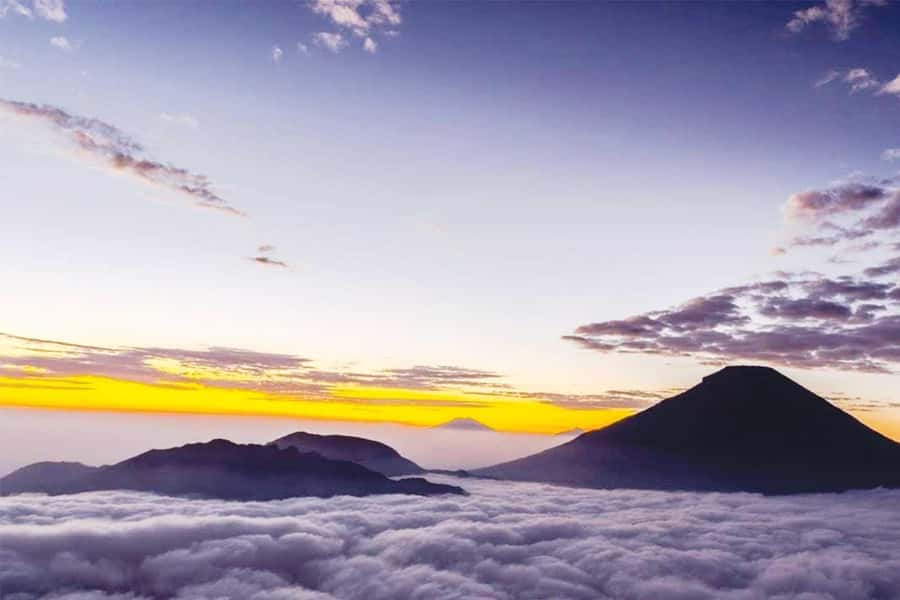
- Sikunir Hill sunrise viewpoint with a clear-day chance to see up to 8 volcanoes
- Batu Pandang Hill for the Colorful Lake view from above
- Sikidang Crater for sulfur lakes with bubbling mud and steam
- Arjuna Temple Complex with eight small Hindu temples dating to the 7th century
- Small group max 8 plus English live guiding and entry fees included
From Yogyakarta at Midnight: what the 12-hour rhythm is really like
This tour runs a full 12 hours, and it starts early—pickup at midnight from your hotel in Yogyakarta. Then you’ll ride out to the Dieng Plateau, which is far enough that the timing matters: you need to leave in the dark so you’re in position before sunrise.
What makes this schedule work is that it respects Dieng’s reality. Those first hours are the difference between arriving when the crowd is already moving and arriving when your guide can help you get settled. One review mentions the guide letting them rest during the drive, which is a big deal because you’re basically trading an evening out in Yogyakarta for a front-row dawn.
The day is then built like a sequence: viewpoint first, then another viewpoint, then activity, then history. The route also tries to keep you from spending too long in transit between stops, which is why the stop order feels efficient rather than random.
You can also read our reviews of more tours and experiences in Yogyakarta.
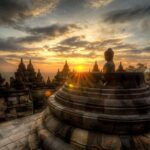

Sikunir Hill Sunrise: chasing up to 8 volcanoes
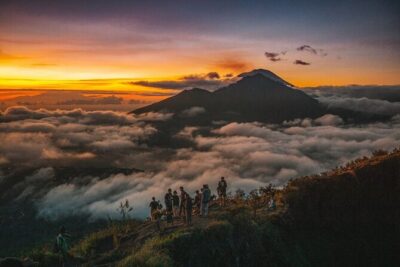
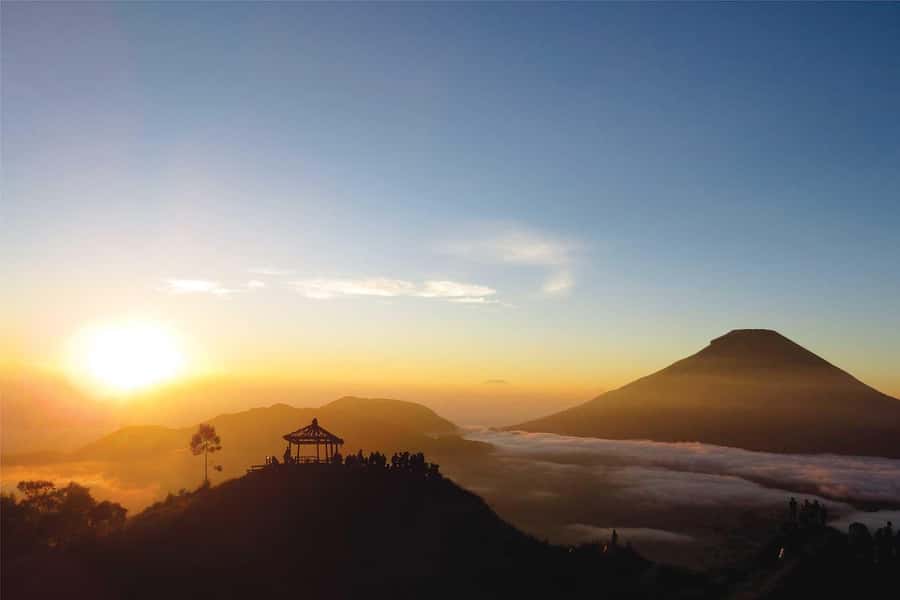
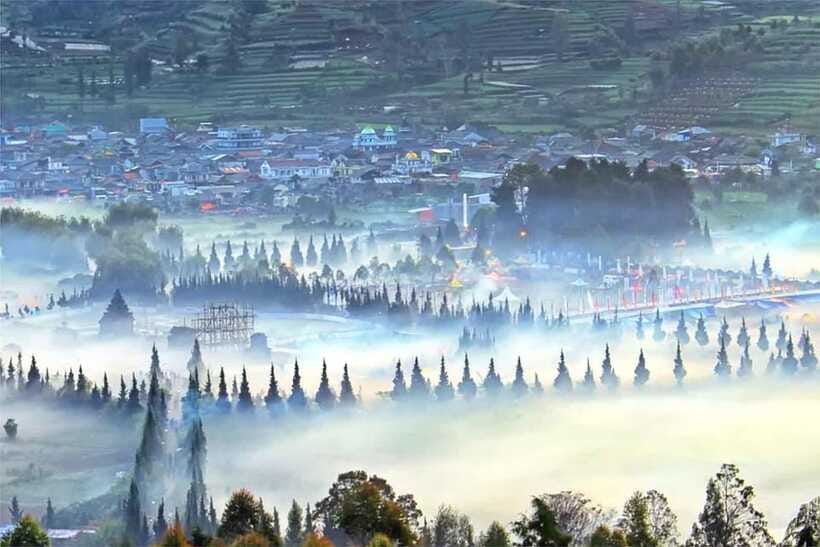
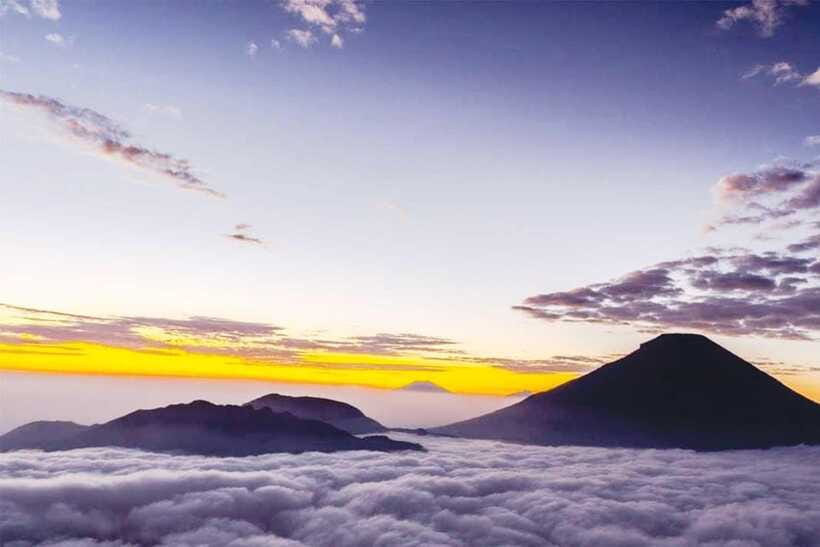
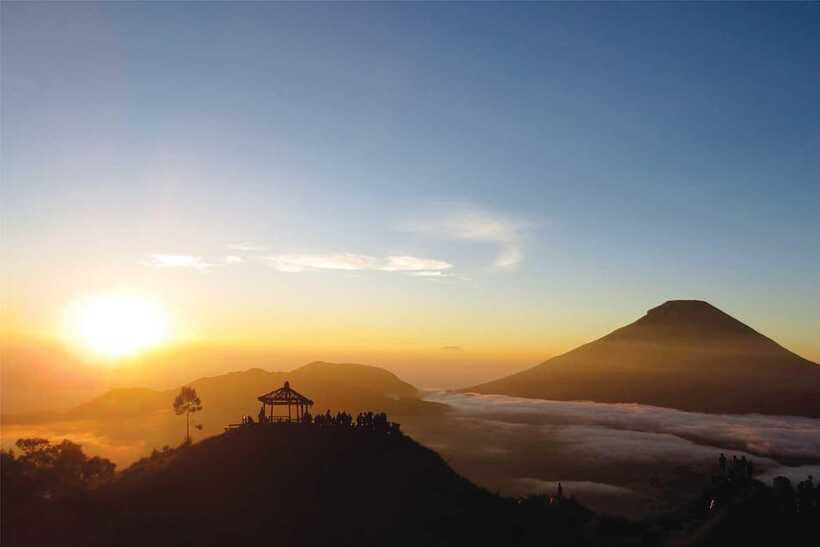
Sikunir Hill is the headline. You hike up to a sunrise observation point, and on a clear day you can see sunrise over as many as eight volcanoes. That’s the kind of number that sounds like marketing, but it also matches what the place does best: Dieng sits high enough that the skyline can open wide when visibility is good.
Even when visibility isn’t perfect, I think the sunrise stop still earns its spot. In one case, it rained all night and the team still made a plan to wait for sunrise, turning the wet, foggy conditions into a different kind of spectacle. Another day was cloudy, so the sunrise didn’t show as expected—but Dieng’s foggy atmosphere still felt like its own experience.
Here’s the practical part: the hike and especially the descent can be tricky if the ground is slick. One traveler specifically noted safely descending despite slippery terrain, which tells you the guide takes care of foot placement and route choice. For you, that means: don’t wear soft slip-ons. Choose shoes you trust on uneven, damp ground.
Batu Pandang Hill and the Colorful Lake: the view stop that breaks the hype
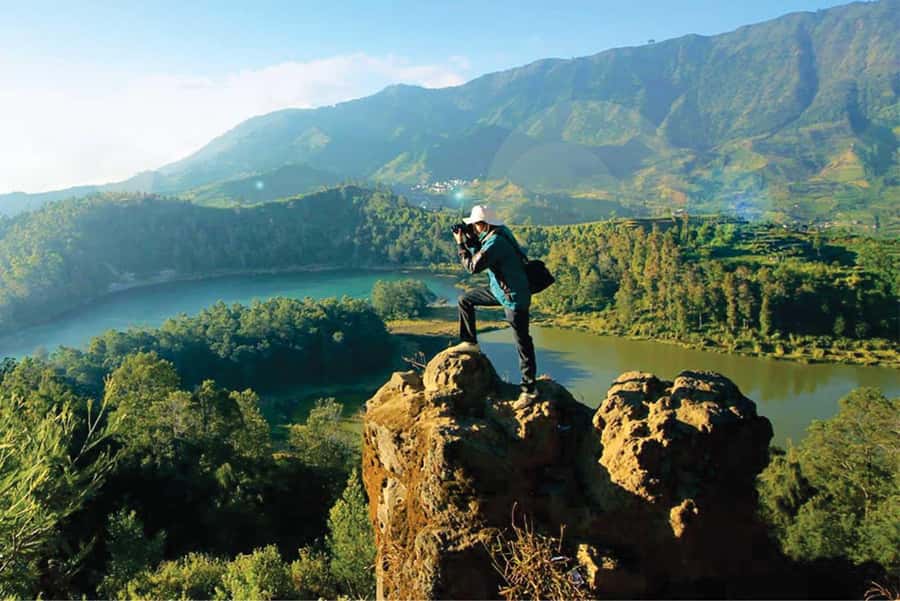
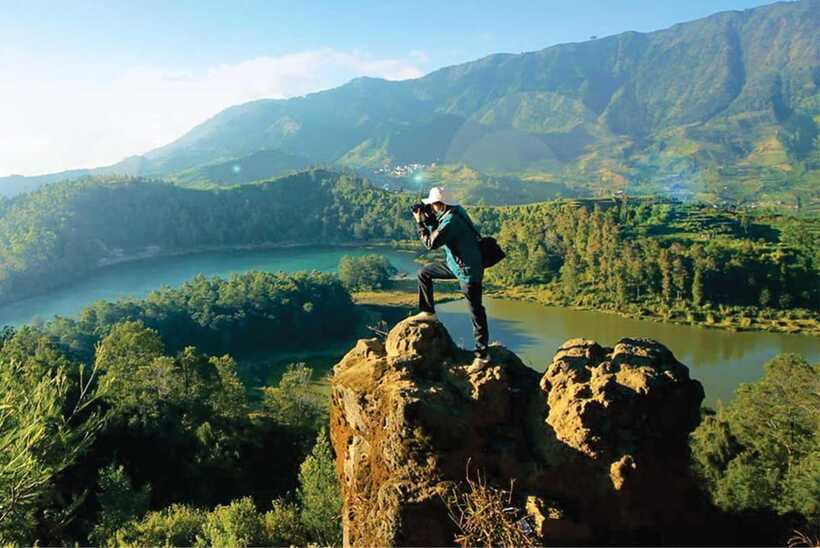
After sunrise, the tour heads to Batu Pandang Hill to look down over the Colorful Lake area. It’s a quick shift from the cold-dark focus of sunrise to a daytime viewpoint. That matters because it changes how you experience Dieng: instead of chasing light, you start reading the valley.
A nice detail here is how the tour frames it. You’re not walking far around the lake itself. You’re getting an elevated perspective first, which is exactly what you want when visibility and weather can shift fast. Even if the lake colors don’t look the same as you expected, the view still lands because you’re seeing the whole setting—valley, slopes, and lake basins in one glance.
One review highlights that even without spectacular color variation that day, the greens still looked vividly alive from above. So if you’re the type who worries about chasing the exact shade, don’t. Treat this as a geography stop: you’re learning what Dieng looks like from the air.
Sikidang Crater: sulfur steam, bubbling mud, and dusty paths
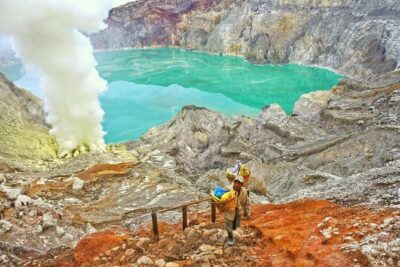
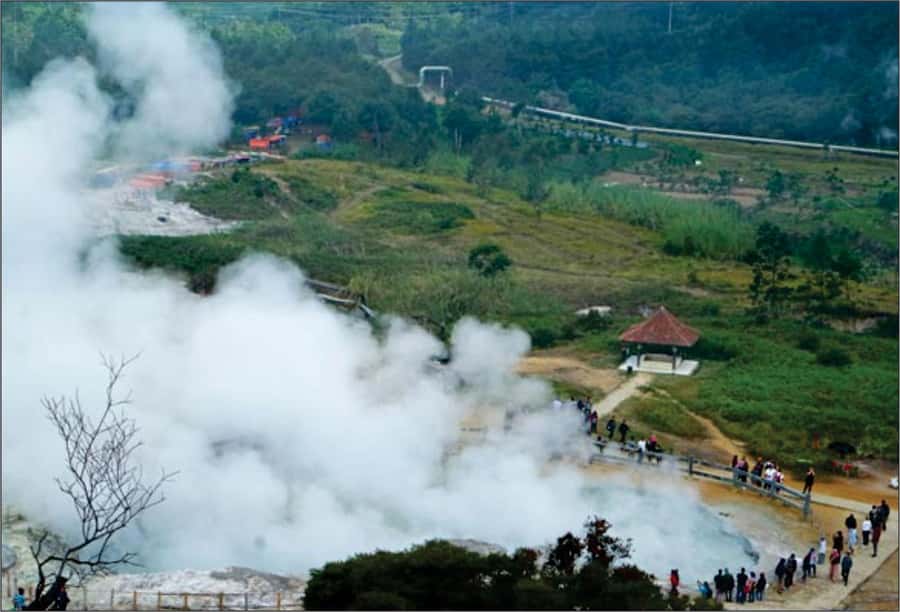
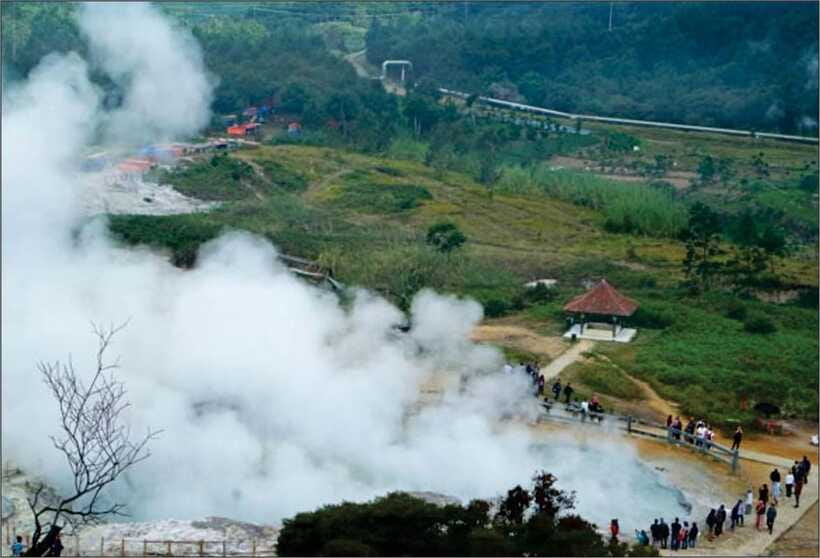
Then comes the stop that feels like a science experiment. You’ll visit Sikidang Crater, described as an open sulfur crater with bubbling mud and bellowing steam. The ground around it can be bumpy and dusty, and that texture is part of the point. Dieng isn’t only pretty here—it feels active, harsh, and a little otherworldly.
Two things make this stop special in a practical way:
- It’s visual in a way that doesn’t require perfect weather. Even if sunrise was muted, you still get the crater’s movement.
- You’ll follow the guide’s route through the area, which matters because open craters can be navigationally confusing when the path is uneven.
One traveler mentioned the guide knowing the right path and shortcuts around the sulfur spots. That’s valuable for you because it reduces wasted time and keeps you moving without turning the stop into a random walk. Another traveler described missing sunrise due to thick fog but still loving the mysterious foggy scenery—then enjoying the crater stop afterward—so the day can still feel complete even when the sky doesn’t cooperate.
If you’re sensitive to smell, keep this in mind. Sulfur activity often comes with a strong odor. The tour doesn’t list odor management, so your best bet is mental preparation: you’re going to a real geothermal zone, not a photo set.
Arjuna Temple Complex: seventh-century temples before Borobudur
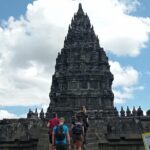
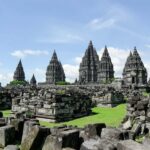
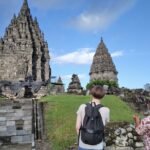
After the crater, you’ll visit the Arjuna Temple Complex, which houses eight small Hindu temples dating back to the 7th century. This part adds a totally different tempo. The crater is about heat and motion; the temples are about stillness and craftsmanship.
I like this stop because it gives you perspective on Indonesia’s temple timeline. One review points out that Arjuna is older than Borobudur and that it’s considered a kind of prototype for later larger temples. Even if you don’t go in with temple theory, that context changes how you look at what you’re seeing.
The temples themselves aren’t described as massive compared with the best-known sites. But that’s not a downside. It means the complex works well for a short visit: you can focus on details like layout and proportions without needing hours of wandering.

Small group max 8, live English guide: why this tour works as a day plan
This trip runs as a small group, limited to 8 participants, with a live English guide. That small number isn’t just comfort—it changes the experience. You spend a lot of time moving between stops, and when the group is small, it’s easier to keep pace with footing needs at sunrise and avoid long bunching on narrow paths.
The guide quality shows up in the details from different days. Ardhan, for example, is mentioned for being attentive and knowing the best sunrise spot, plus making the drive feel safe. Himawan is mentioned for friendly help and for dealing with a cloudy day. Yuni shows up in a fun, practical way—bringing two chairs and a gas burner for coffee at sunrise. That’s not mandatory, but it tells you the guides try to solve comfort problems, not just recite facts.
Also note: transport is rated highly, with 93% of reviewers giving it a perfect score. For a long, early day, that matters. You’re not only paying for sights—you’re paying for getting there and back safely and without wasting hours negotiating logistics.
Price and value: what $53 buys you on this early start
At $53 per person for a 12-hour guided outing, this isn’t a bargain “half-day bus ride,” and it’s also not priced like a private charter. The value comes from the mix of included items:
- Hotel pickup & drop-off
- Live guide (English)
- Entry fees to all sites visited
The part many people forget is that Dieng isn’t close, and the midnight start is real. You’re essentially buying time. That time is spent on the drive out, the sunrise hike, and the follow-up stops that keep the day full.
There is one cost note: pickup/drop-off from the airport area requires an extra IDR 300,000. If you’re staying in central Yogyakarta, that likely won’t apply. If you are staying far from pickup zones, ask ahead so you’re not surprised later.
Finally, consider weather. This tour’s design gives you multiple moments that can still work even when sunrise is less dramatic. A crater stop and temple complex still have meaning on cloudy or rainy days. That structure protects your day from being all-or-nothing.
Timing and comfort tips that matter in Dieng (based on what happens)
Dieng days can shift quickly, and the trip doesn’t pretend otherwise. One day was rainy all night; another was cloudy; another had a clear window where someone saw stars before sunrise.
So plan around variability:
- If it rains, you might still get sunrise, but expect slippery ground on the hike portions.
- If it’s foggy or cloudy, you may not get the clean volcano silhouettes you hoped for, but you can still enjoy the crater and temples.
- Bring a mindset that this is a geothermal, high-altitude experience where you’re watching conditions, not controlling them.
One more comfort angle: you’ll likely want a warm, dry plan for the sunrise waiting period. The tour experience includes waiting for sunrise, and at least one guide brings coffee gear to help people warm up. Even if you don’t get that exact setup, you can still use the guide’s coffee/food recommendations as your practical add-on for the next morning calm in Jogja.
Who should book this Dieng sunrise trip from Yogyakarta
This is a strong choice if you want:
- A guided sunrise attempt with proper sequencing, not DIY guessing
- A day that mixes natural phenomena (crater, sulfur lakes) with a temple history stop (Arjuna)
- A small group experience with English guidance and included entry fees
You’ll like it especially if you’re comfortable with early starts and uneven walking. If you hate waking up in the dark, or if slippery ground is a dealbreaker for you, you might want to consider a different Dieng option that avoids sunrise hiking. But for most visitors with decent shoes and a patient attitude, this is a very workable day.
It’s also a good match for solo travelers. One traveler did the tour alone due to no other sign-ups and still had a complete experience, including friendly help with driving and route decisions.
Should you book this 12-Hour Guided Dieng Plateau Sunrise Trip?
I’d book it if you want one trip to cover the big three Dieng themes: sunrise viewpoint, Sikidang geothermal activity, and Arjuna Temple. The included guide plus entry fees plus pickup/drop-off makes the day feel organized, and the small group size helps the experience stay human-sized.
I’d think twice only if you’re expecting the sunrise and volcano panorama to be guaranteed in any weather. It’s not. The itinerary is built so the day stays interesting even when sunrise is muted, but the clearest volcano view still depends on conditions.
If you book, go in ready for early-night wakeup energy, uneven steps, and a real crater atmosphere. And do yourself a favor: ask your guide where you should stand for sunrise and whether there’s a good coffee break nearby after. That kind of local timing is where the tour becomes more than a checklist.
FAQ
How long is the Dieng Plateau sunrise trip from Yogyakarta?
The tour lasts 12 hours.
When do you get picked up in Yogyakarta?
Pickup is from your hotel in Yogyakarta at midnight.
Is the tour a small group?
Yes. It’s limited to 8 participants.
Is there an English-speaking guide?
Yes, the tour includes a live English guide.
What’s included in the price?
The package includes hotel pickup & drop-off, a guide, and entry fees to all sites visited.
Is the sunrise hike on Sikunir Hill part of the trip?
Yes. You hike up to the top of Sikunir Hill to watch the sunrise.
Is airport pickup available?
Airport-area pickup or drop-off costs an extra IDR 300,000.
What is the cancellation and reservation policy?
You can cancel up to 24 hours in advance for a full refund, and you can reserve now & pay later.