A market trip can be the best part. This Yogyakarta cooking class starts with you picking fresh vegetables and local food ingredients before you cook, so the meal actually tastes like the place. I especially like the way you get focused on Javanese local food, not just a generic cooking demo.
What I like most is the payoff: you cook real dishes as a group, then you leave with practical details you can use later. One thing to consider: the class runs 3–4 hours, so if you want a super short activity, this may feel like a commitment.
In This Review
- Quick Take: What Makes This Class Worth Your Time
- Enter a Yogyakarta Kitchen the Market Started
- Pickup Options and the 3–4 Hour Sweet Spot
- Welcome Black Tea: The Simple Comfort You Don’t Expect
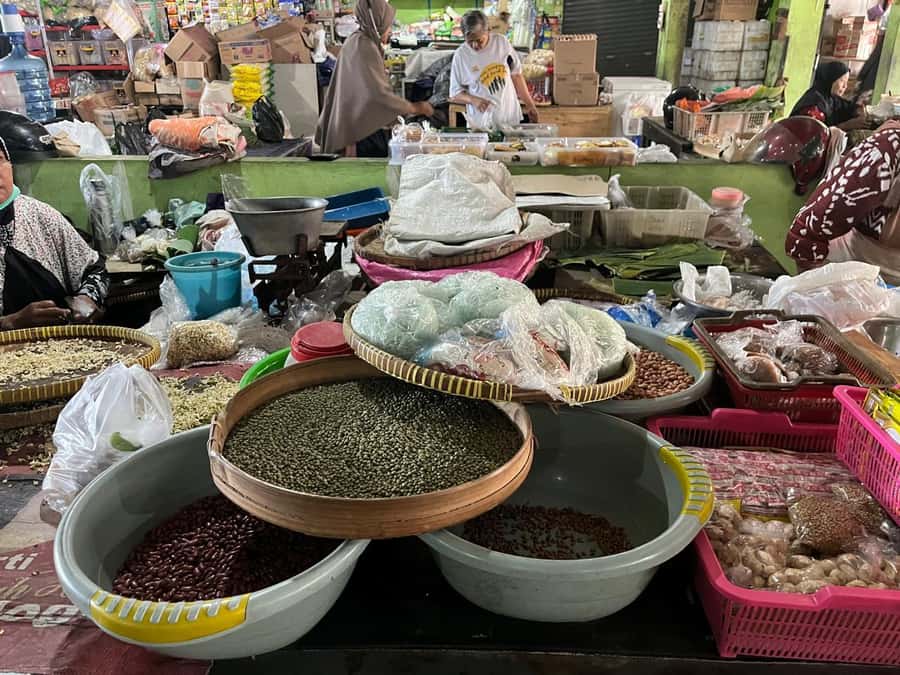
- The Traditional Market Tour: 30 Minutes of Real Ingredient Education
- What to Pay Attention To
- Cooking Class: Learn Javanese Food by Doing It
- Why This Teaching Style Works
- Recipes After the Class
- Instructor Support in English and Malay
- Group Size Matters: Private vs Small Group
- Price and Value: Is $38 Fair for Yogyakarta Cooking?
- Where This Fits Best in Your Yogyakarta Plan
- Should You Book This Market-to-Cooking Class?
- FAQ
- How long does the Yogyakarta market and cooking class take?
- Where does the class take place?
- How does pickup work?
- What will we do during the market stop?
- Do I need to bring vegetables?
- What’s included in the price?
- What language will the instructor use?
- Is this activity private?
- What age limit should I know about?
- Can I get recipes after the class?
- What cancellation options are available?
- Is reserve and pay later available?
Quick Take: What Makes This Class Worth Your Time
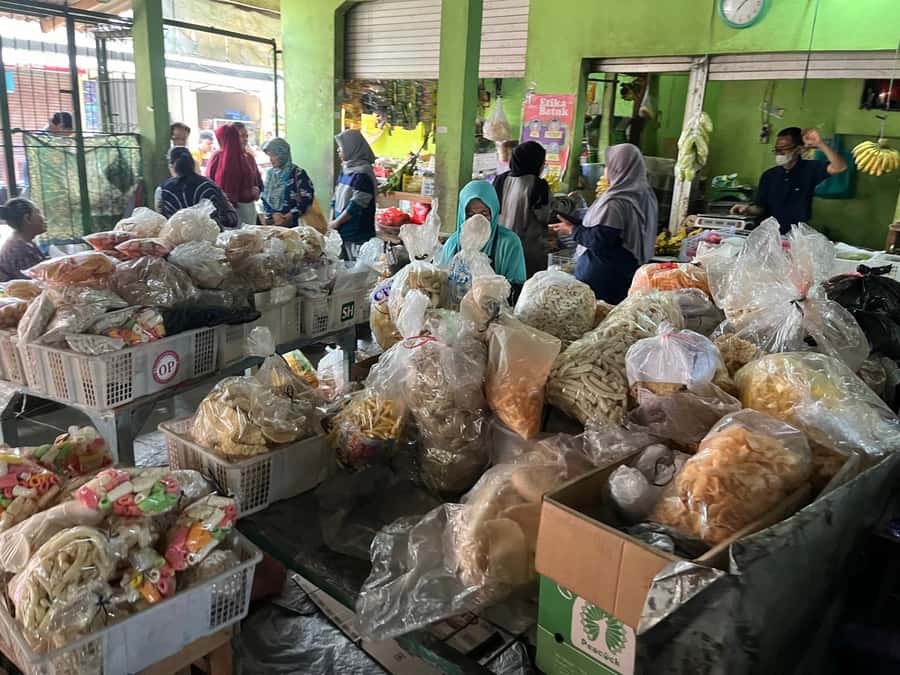
- Traditional market shopping first means ingredients are chosen on the spot
- Vegetable-focused learning helps you understand what locals actually buy and cook
- Hands-on cooking geared to local Yogyakarta-style food
- Welcome black tea at the host home sets a warm, local tone
- Small group or private options so you get more direct help
Enter a Yogyakarta Kitchen the Market Started
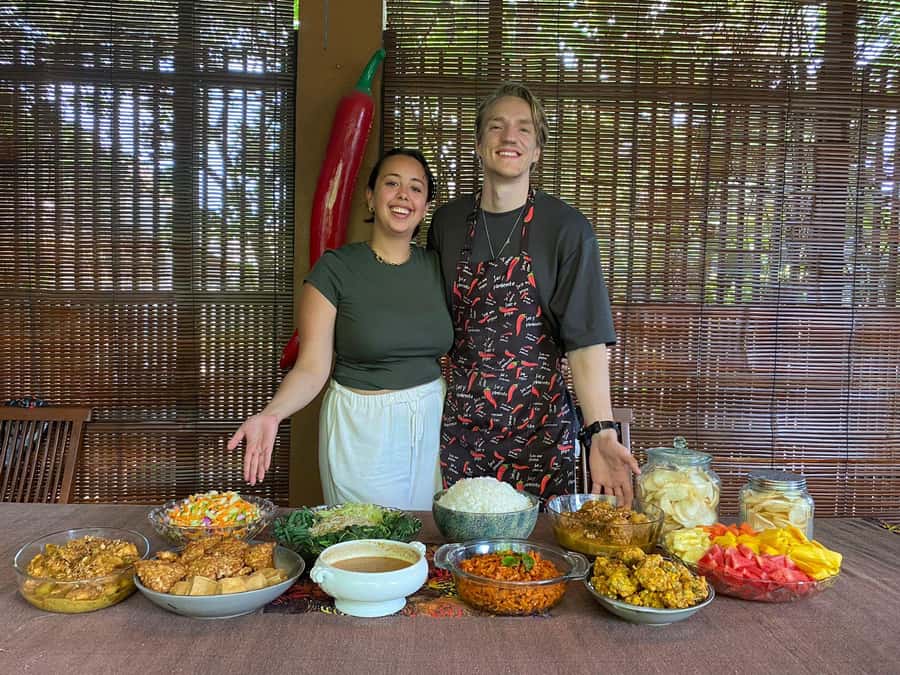
Yogyakarta has a reputation for food that tastes clear and direct. This experience leans into that idea the smart way: you start in the market, then you cook with what you chose. That’s not just a nice story. It changes the whole meal. When ingredients are selected fresh, flavors feel cleaner, and you can actually learn what makes the dishes work.
I also like how the structure keeps you moving. You’re not stuck watching for hours. There’s a short shopping window, then you’re back at the home base to cook. At the end, the goal isn’t just eating. It’s taking home knowledge.
A small but important detail: you don’t bring vegetables. The plan is that you’ll buy together in the market, and the class handles the rest.
You can also read our reviews of more tours and experiences in Yogyakarta.



Pickup Options and the 3–4 Hour Sweet Spot
The experience offers two pickup approaches. You can meet at a selected point, or you can arrange hotel pickup and drop-off. Either way, the idea is to minimize your stress in Yogyakarta, especially if you’re not yet used to local transit timing.
The total time is 3–4 hours. That’s long enough to shop, learn, cook, and eat, but not so long that it steals your entire afternoon. If your schedule is tight, this window is a good match for fitting in between sightseeing blocks.
One thing to plan for: the class depends on its start time, so always check availability for the specific slot you want. This isn’t a “turn up anytime” event.
Welcome Black Tea: The Simple Comfort You Don’t Expect
Before you cook, you get a welcome black tea at the host home. It’s a small step, but it matters. You slow down. You meet your instructor and group. You get oriented without a formal lesson first.
Tea or coffee is a familiar drink in the city, so you’re basically being eased into local rhythm right away. If you’re coming straight from a hot day of walking, that first sip can feel like permission to settle in.
The Traditional Market Tour: 30 Minutes of Real Ingredient Education
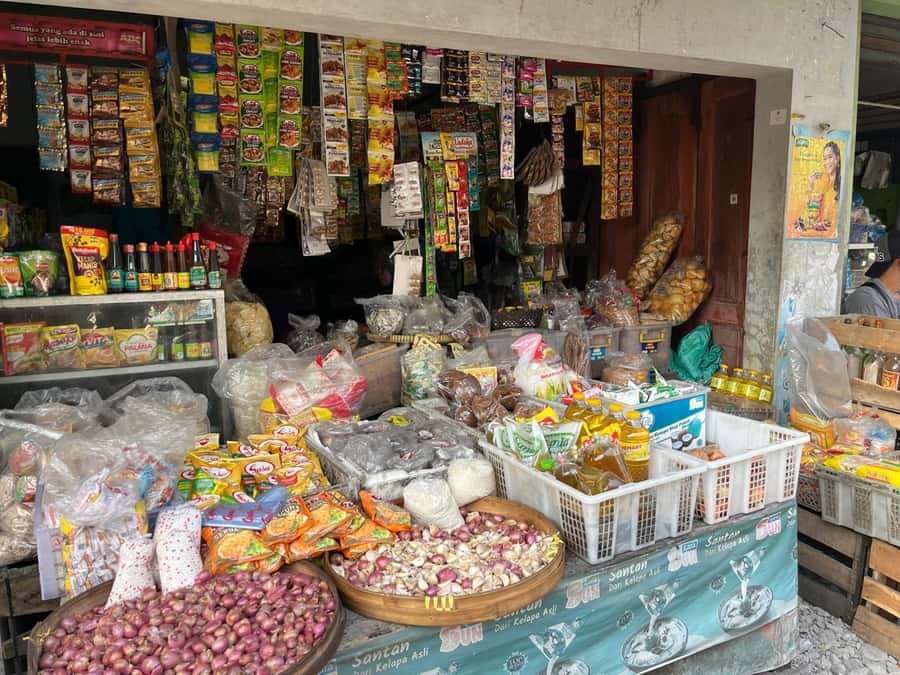
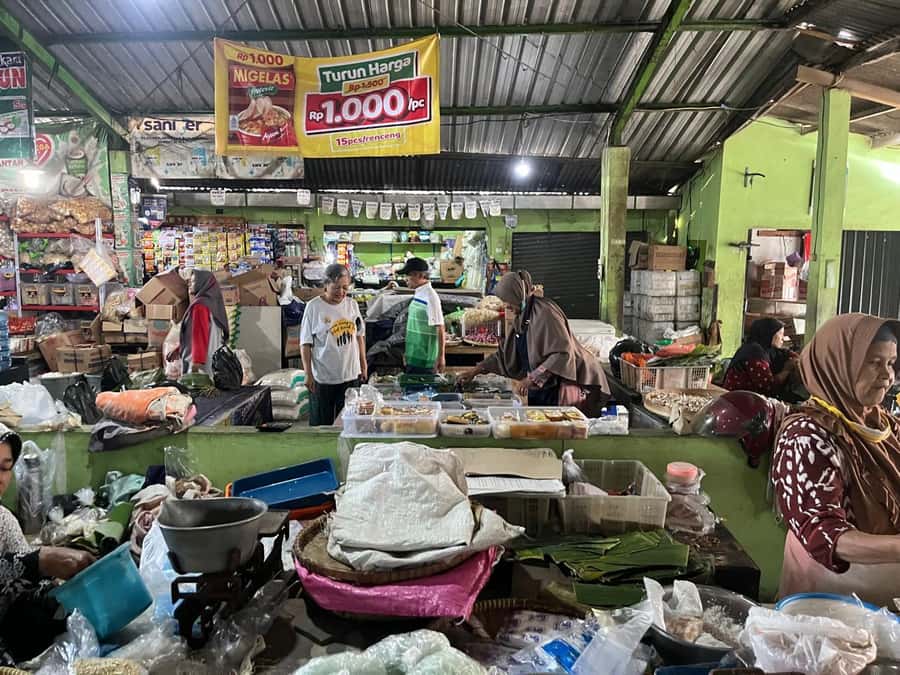
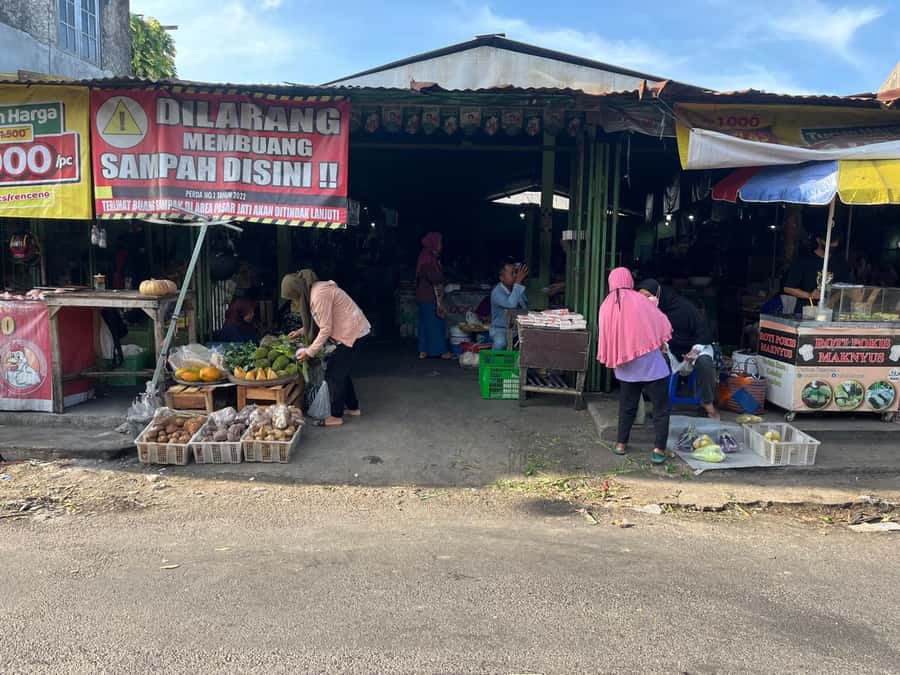
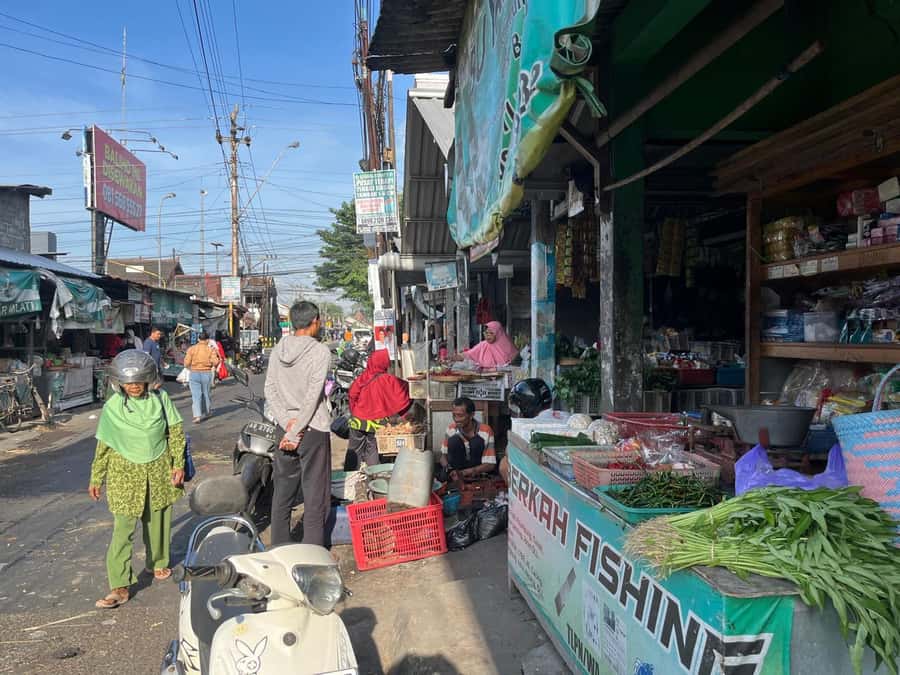
Shopping takes about 30 minutes. This is where the experience does its best job at teaching you how Yogyakarta people think about food.
Here’s what you should expect during this time:
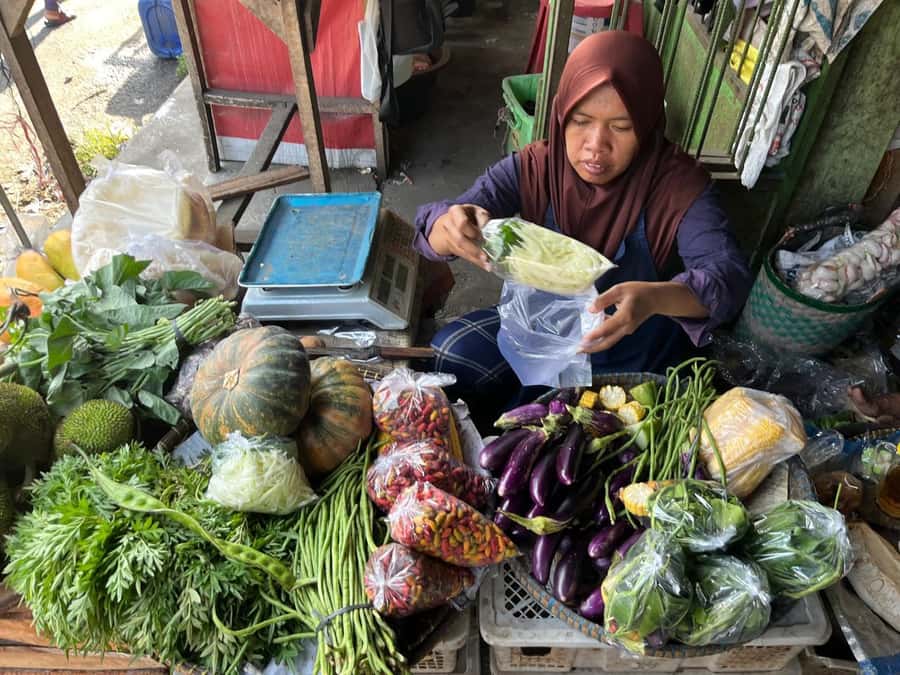
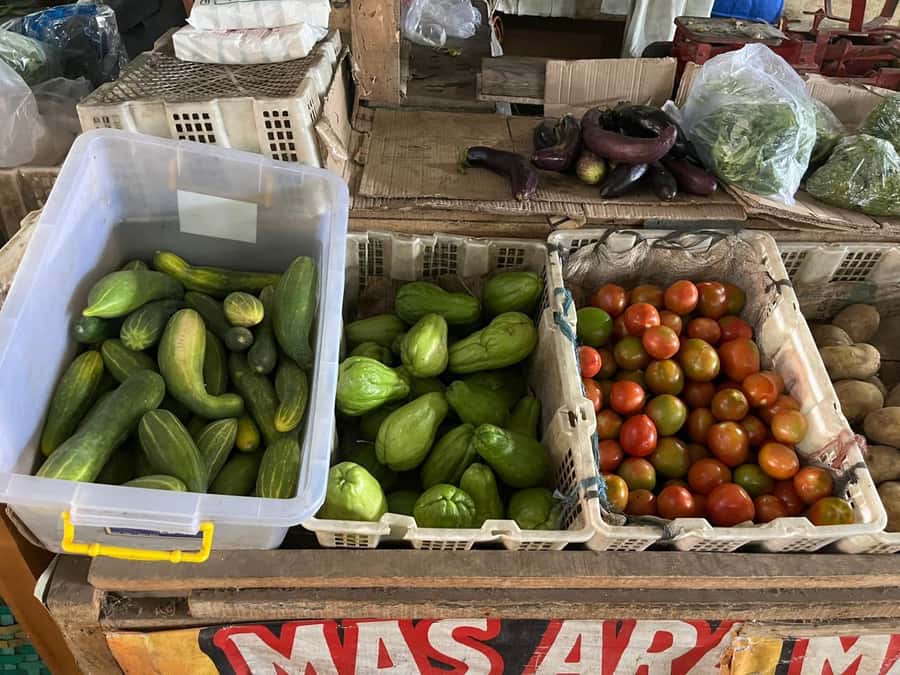
- You’ll explore vegetables and ingredients commonly used in local cooking
- You’ll choose items together with the instructor
- You’ll learn what’s important before anything gets chopped
The market part is short on purpose. If you try to do “market tourism” and “cooking prep education” for too many hours, the cooking portion tends to feel rushed. Here, the time is controlled so you actually cook what you buy.
What to Pay Attention To
Even with only 30 minutes, you can get a lot out of the market stop if you watch for these:
- Ingredient texture and freshness (you’ll taste the difference later)
- How people mix foods that look similar but cook differently
- What the vendor emphasizes (often that’s the clue for what locals care about)
Since all ingredients you cook with are fresh, your final dishes are more than “good enough.” They’re built from what you saw and chose.




Cooking Class: Learn Javanese Food by Doing It
This is a hands-on cooking class focused on Javanese local food from Yogyakarta. You cook together, guided by an instructor. The experience is designed so you’re not just eating food while someone else works.
In a private setup, the cooking portion included 2 dishes plus a side dish. Your exact menu can vary with timing and group size, but the key idea stays the same: you leave with a sense of how a meal is built, not just a single dish.
Why This Teaching Style Works
Cooking classes fail when they become vague. You remember the taste but not the method. This one fixes that by connecting the market choices to the cooking steps. When you pick the vegetables yourself, you understand why the dish turns out the way it does.
You’ll also appreciate that the experience includes the vegetables. That means less planning for you and fewer “did I pack the wrong thing?” moments.
Recipes After the Class
One of the strongest practical perks: you can get recipes after the class, which helps you recreate the meal at home. That turns the experience from a fun day out into something useful. You’ll still be figuring out your kitchen reality (different stoves, different spice brands), but having the recipe keeps you from guessing.
Instructor Support in English and Malay
The instructor speaks English and Malay, and the class can run as private or small groups. That’s a big deal if you’re traveling solo or you prefer learning at your own pace.
In a small group, you’re less likely to get stuck waiting for someone’s attention. You can ask questions about ingredients and cooking steps while they’re still fresh in your mind.
Also, if you’re not fluent in Indonesian cooking terms, the English support makes the whole experience feel more workable. Food is universal, but directions matter.
Group Size Matters: Private vs Small Group
This activity is offered as private or small groups. In practical terms, smaller group means:
- more chances for questions
- less bottlenecking at prep stations
- a smoother flow from market choices to cooking steps
If you’re the type who likes to slow down and understand what you’re doing, a private or small group setup is usually the best fit.
Price and Value: Is $38 Fair for Yogyakarta Cooking?
At $38 per person for 3–4 hours, this is priced like a serious cultural food experience, not a quick tasting.
Here’s what’s included that supports that value:
- Welcome drink (black tea)
- All vegetables/ingredients used in the cooking
- Instructor guidance
- A structured market shopping stop before cooking
You also get something that’s hard to price: the connection between the ingredients you select and the dishes you cook. That’s the difference between watching a cooking video and learning a process you can repeat.
Compared with classes where you bring your own ingredients, this one does the prep work for you. And compared with tours that only feed you, this one gives you a path to recreate at home via recipes.
Where This Fits Best in Your Yogyakarta Plan
This activity makes the most sense when you want food learning, not just food sampling. It’s a great match if:
- you like markets and want to see what people actually buy
- you want Javanese cooking you can replicate
- you prefer guided, hands-on instruction
- you want a morning or afternoon activity that feels like culture, not a checklist
It’s less ideal if you:
- hate markets or ingredient shopping
- need very fast activities
- aren’t interested in cooking beyond tasting
Also note the age guidance: it isn’t suitable for people over 95 years. If you’re near that limit, ask the provider about comfort and pace before booking.
Should You Book This Market-to-Cooking Class?
Yes—if you want your Yogyakarta day to feel grounded in local food, this is a smart booking. The setup is practical: market first, cooking second, and you get recipes afterward. That combination is what makes it more than a meal.
Book it if you enjoy learning through doing, and especially if you’re traveling with limited time and want one experience that covers ingredients, technique, and food culture in one block.
Skip it if you only want a low-effort tasting. This is a cooking class, so you’ll be active.
If you’re considering the choice between meeting point and hotel pickup, pick the one that reduces your stress the most. The food portion is the star, and you’ll enjoy it more when the logistics feel simple.
FAQ
How long does the Yogyakarta market and cooking class take?
The experience runs about 3–4 hours. The exact starting time depends on availability.
Where does the class take place?
It takes place in Yogyakarta, within the Special Region of Yogyakarta.
How does pickup work?
You can choose between a meeting point option or hotel pickup and drop-off.
What will we do during the market stop?
You’ll go shopping for ingredients, with a focus on vegetables, for about 30 minutes before cooking.
Do I need to bring vegetables?
No. You won’t bring vegetables. The class buys the vegetables together in the local market.
What’s included in the price?
The included items are a welcome drink, all vegetables/ingredients, and an instructor.
What language will the instructor use?
The instructor speaks English and Malay.
Is this activity private?
It can be booked as a private experience or for small groups.
What age limit should I know about?
The activity is not suitable for people over 95 years.
Can I get recipes after the class?
Yes. One verified booking specifically mentioned receiving recipes after the class, so you can cook at home later.
What cancellation options are available?
You can cancel up to 24 hours in advance for a full refund.
Is reserve and pay later available?
Yes. You can reserve your spot and pay later to keep your plans flexible.