Cold air, bright skies, big volcano dreams.
This is one of those Java day trips that starts at night and pays you back with Sikunir sunrise and the color tricks of Telaga Warna Lake. I really like the full loop of sights on the Dieng Plateau—temples, sulfur-steaming craters, and the kind of lookout that makes you briefly forget your phone battery. One thing to plan for: it’s early and chilly, and if the weather turns foggy you may not get a dramatic horizon.
If you’re lucky with your guide, the whole day feels smoother and smarter. People have been especially happy with English-speaking guides such as Himawan, Bayo, Eko, and Uje, and the better ones keep the drive from feeling endless.
In This Review
- Key Things I’d Watch for on This Dieng Sunrise Day
- From Yogyakarta at Night: Why the 11-Hour Start Works
- Sikunir Hill Sunrise: The Short Climb With a Real Horizon
- Telaga Warna Lake: Why the Colors Feel Like a Trick
- Sikidang Crater and Ratapan Angin Stone: Steam, Smell, and Wind
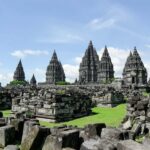
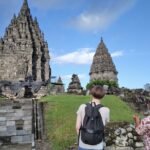
- Arjuna Temple Complex: When the Day Slows Down
- The Guides and Small Group Size That Actually Matter
- Transport, Comfort, and the Pace of an Early-Morning Adventure
- Included Extras That Help You Travel Lighter
- Price and Value: Is $67 Fair for This Dieng Day Trip?
- Who Should Book This Tour (and Who Might Want a Different Plan)
- Should You Book This Dieng Sunrise From Yogyakarta?
- FAQ
- How long is the Dieng sunrise day trip?
- What’s included in the ticket price?
- Is the tour guide available in English?
- What should I bring for Dieng?
- How big is the group?
- What about the pickup and drop-off?
- Can I cancel or change my plans?
Key Things I’d Watch for on This Dieng Sunrise Day
- Sikunir Hill is short but not easy: expect a quick climb in cold air for a real sunrise payoff.
- Telaga Warna Lake changes with the light: sunlight hitting sulfur-rich waters gives you a real color show.
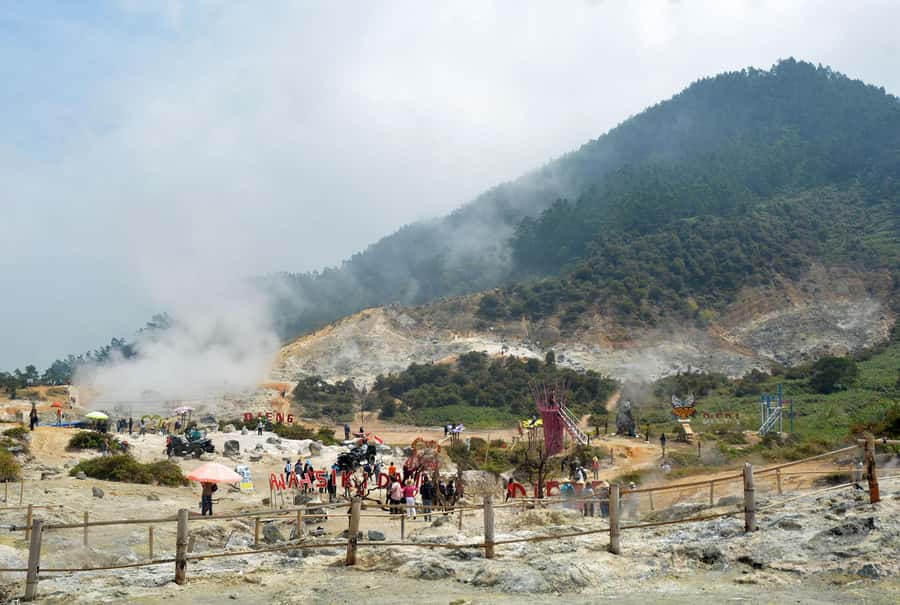
- Sikidang Crater is hands-on nature: bubbling mud and rising steam come with a strong sulfur smell.
- Ratapan Angin stone + wind vibes: you get a classic Dieng viewpoint that feels seriously exposed.
- Arjuna Temple Complex is the culture reset: century-old Hindu stone shrines keep the trip from feeling like just another volcano tour.
- Small group (max 5) makes photo stops easier: less waiting around, more time to actually see.
From Yogyakarta at Night: Why the 11-Hour Start Works
You leave Yogyakarta at night and drive up to the Dieng Plateau before sunrise. That timing is the whole point: Dieng is high and cool, and sunrise is the main event here, not late-morning sightseeing.
The ride can feel long, but it’s the kind of long that’s easier to handle when you’re with a small group and you’re not fighting a crowded bus. A few people even mention sleeping in the car on the way up, which is a nice reminder to bring warm layers that work for sitting still.
You can also read our reviews of more tours and experiences in Yogyakarta.
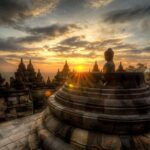

Sikunir Hill Sunrise: The Short Climb With a Real Horizon
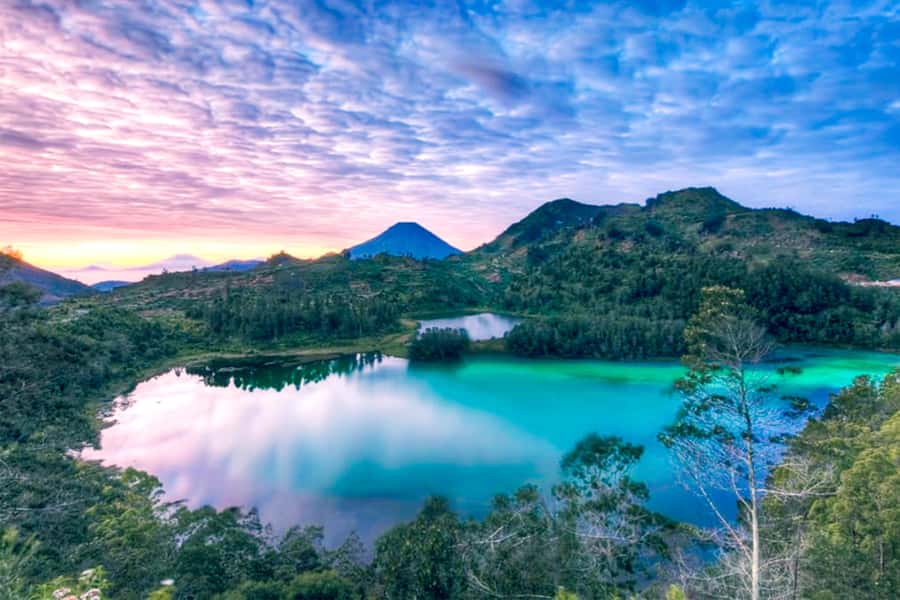
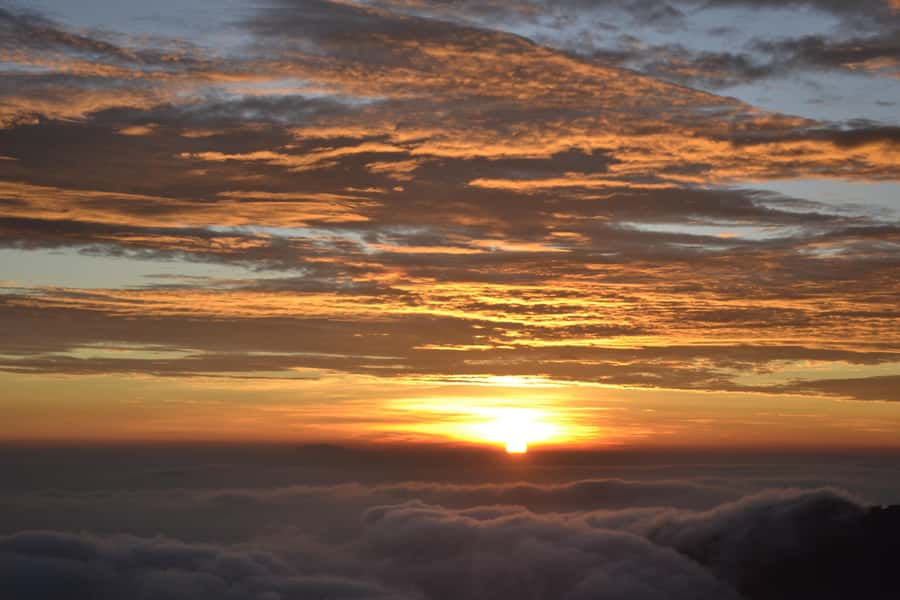
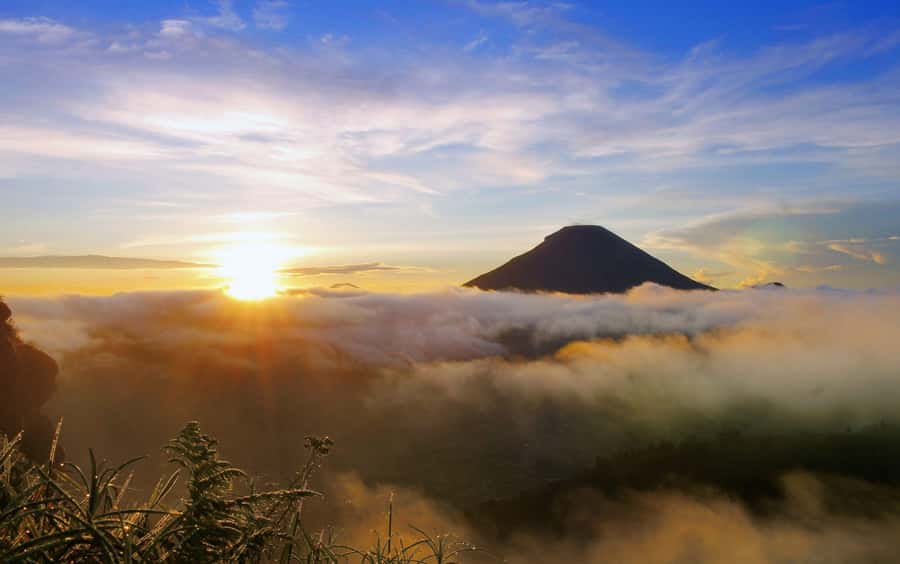
Sikunir Hill is one of those places where the effort feels small compared to the reward. You climb briefly, then you stand still and wait for the sky to do its thing.
On clear mornings, you can get views of up to eight volcanoes. If it’s foggy, you still get the moment—just in a softer, more muted way. Either way, the sunrise is the anchor of the day, and it’s why this tour is structured around an early departure.
Practical note: wear warm clothing and warm shoes. People talk about layering because Dieng mornings can bite, even if the rest of Java feels warm.
Telaga Warna Lake: Why the Colors Feel Like a Trick
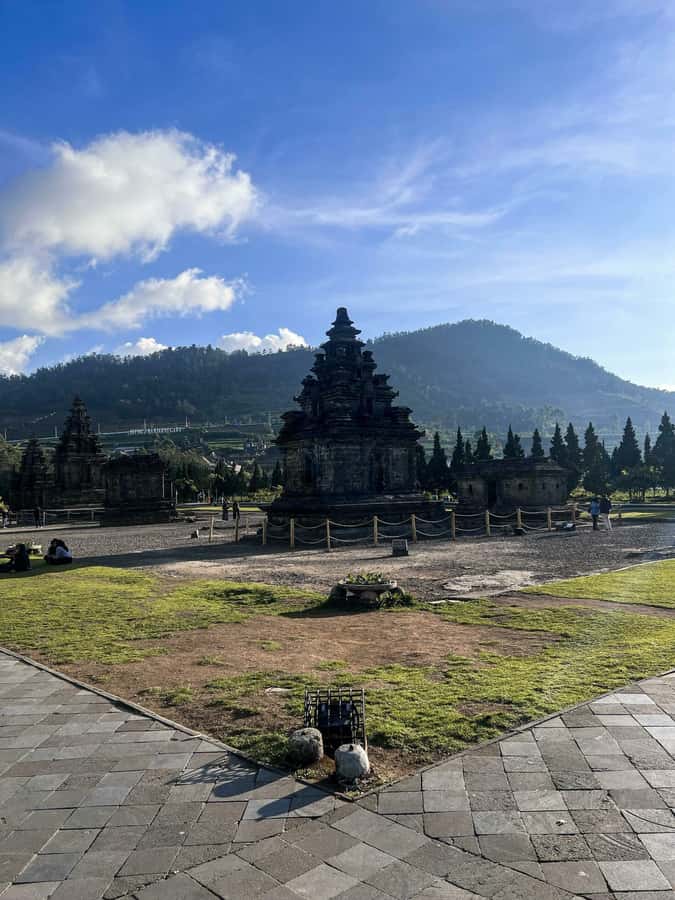
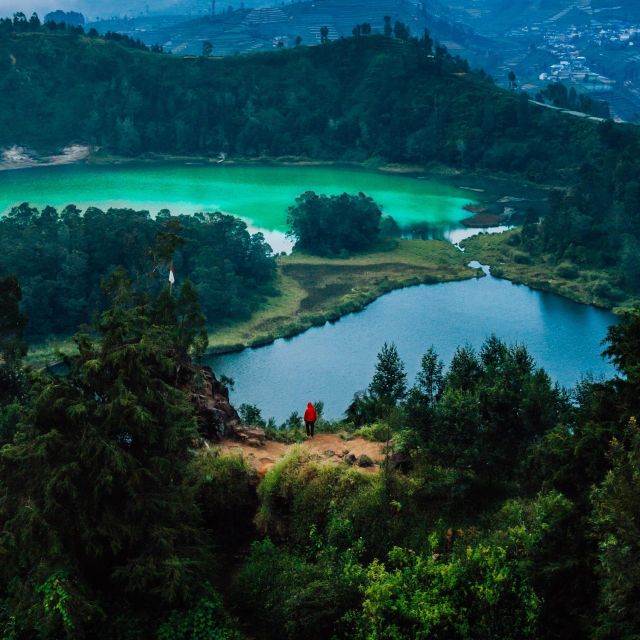
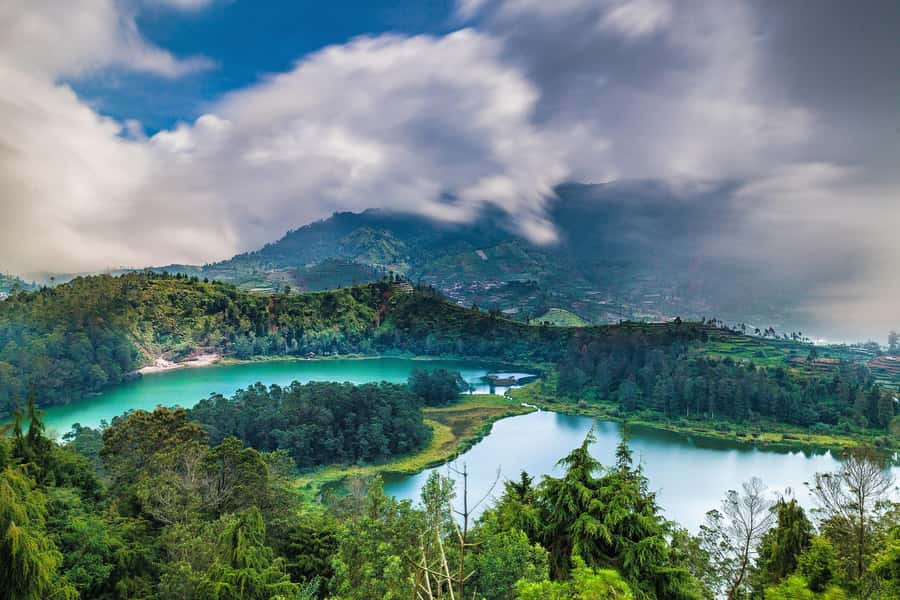
Telaga Warna is famous for changing colors, and it’s not just marketing. The lake’s surface shifts shades as sunlight hits the water, and the sulfur-rich conditions are part of what makes the look so unusual.
What I like about this stop is that it turns “standing somewhere scenic” into “watching something alive.” You can take photos, but you also want a few minutes just to watch the color drift as the light changes.
The only drawback is that this part of the day is dependent on weather. If clouds roll in, you’ll still see the lake, but the dramatic color shifts can be less intense.
Sikidang Crater and Ratapan Angin Stone: Steam, Smell, and Wind
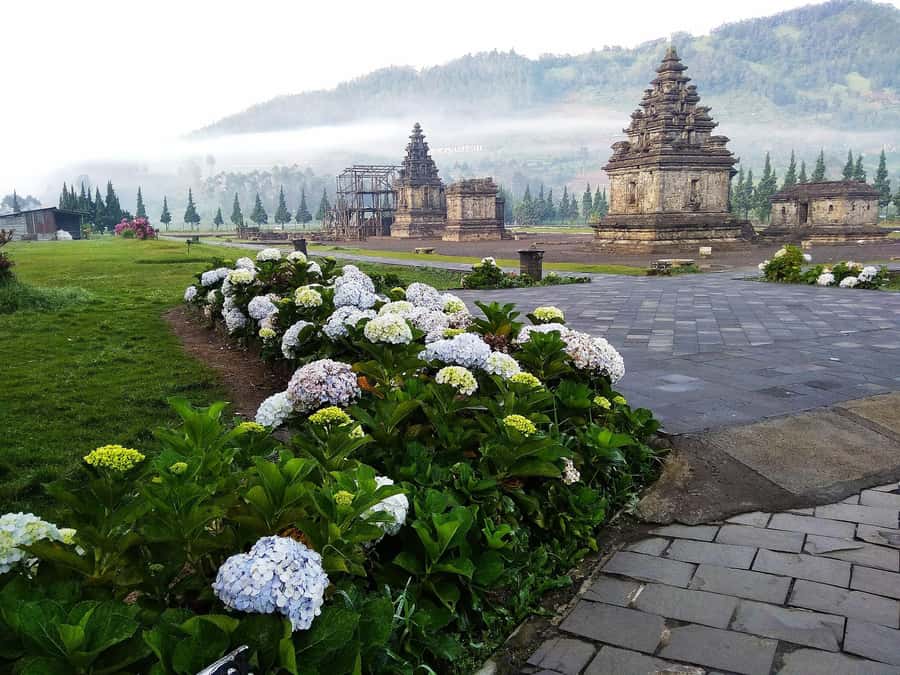
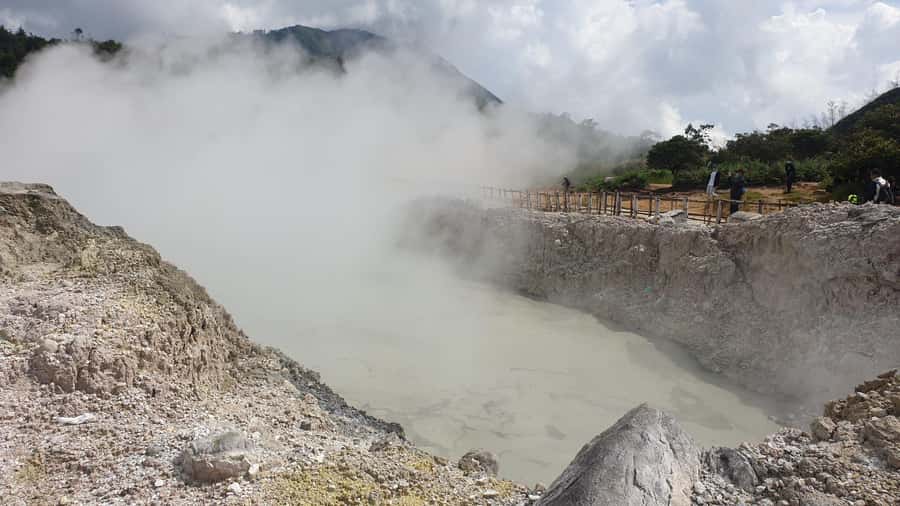
Dieng’s volcanic side is most obvious at Sikidang Crater. Expect a rugged area with bubbling mud and rising mists, the kind of place that feels elemental and a bit unreal—like the ground is quietly working.
There’s a catch: sulfur comes with the scenery. One review notes it’s very interesting but very smelly, so don’t treat this as a casual walk-through. If you’re sensitive to strong odors, keep it short, breathe through it, and focus on the visuals.
Nearby, Ratapan Angin stone adds a wind-and-view angle. This is the moment when Dieng’s exposed highland feeling hits you—cold air, open skies, and a viewpoint that helps connect all the volcanic features you’ve been seeing.
Arjuna Temple Complex: When the Day Slows Down
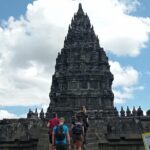
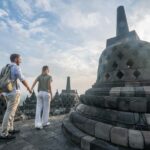
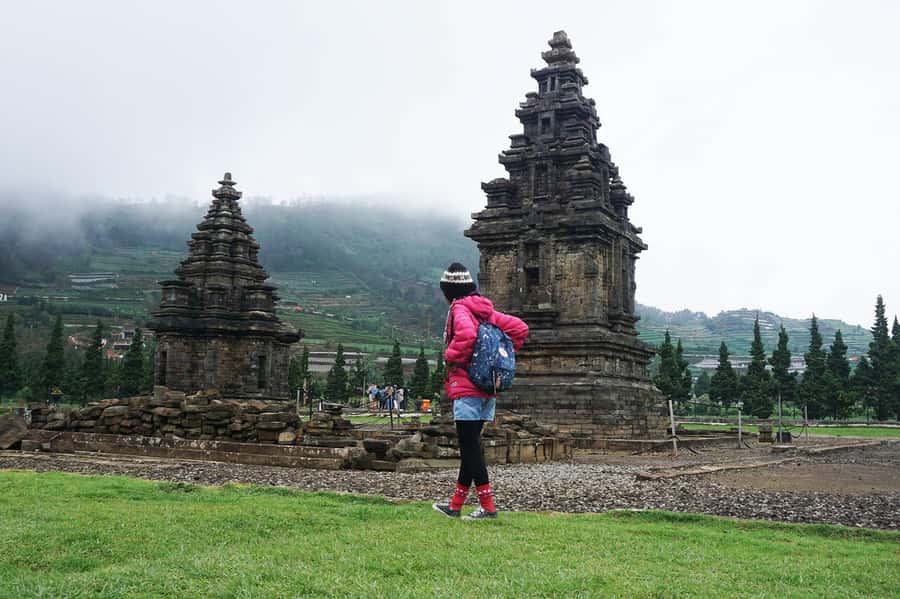
After steam and mud, the Arjuna Temple Complex feels like a breath of calmer energy. These are century-old Hindu temples, and they’re close enough to fit the day without dragging it out.
What makes this stop valuable is the contrast. You’ll go from active volcanic terrain to carefully built stone shrines that outlast weather, smoke, and time. Even if you’re not deep into architecture, you can feel the human scale here: small details in stone carvings, and a setting that makes you look slowly.
If the morning has you buzzing, this is where your brain starts to process what you just saw.

The Guides and Small Group Size That Actually Matter
This trip runs with a small group limited to 5 participants, and that makes a noticeable difference. Fewer people means fewer delays for photo stops and less time waiting around while someone checks their bearings.
The tour also includes a live English-speaking guide, and the names that come up a lot include Eko, Himawan, Bayo, Don Juan, Dedhy, Dwi Purnomo, and Uje. The pattern is consistent: guides explain what you’re looking at and keep the day from turning into a checklist.
If you care about learning while you travel, this kind of guidance is worth real money. You’ll get context for why the scenery looks the way it does and what to pay attention to as conditions change.
Transport, Comfort, and the Pace of an Early-Morning Adventure
Transportation quality is part of the package, and it’s rated highly, with 85% of reviewers giving perfect scores. That matters on a trip like this because the roads up to the plateau are only fun when the driver is steady and the timing is tight.
The day is also built for efficiency: you’ll hit the big sunrise hill, then move through lakes and volcanic sites, then finish with temples before heading back to Yogyakarta. You should expect a fast pace. If you want a slow, sit-down, eat-like-a-local day, this probably isn’t it.
Your best comfort hack is simple: bring warm layers, warm shoes, and something to block wind. One person specifically mentions it being cold enough to layer even if they’re from a colder part of the world. That’s your hint.
Included Extras That Help You Travel Lighter
This tour is structured so you don’t have to guess what’s covered. Tickets for Dieng, Arjuna Temple, Ratapan Angin stone, Sikidang Crater, and Sikunir Hill are included, plus parking and donations.
You also get water and a soft drink, which is practical on a chilly morning when you don’t feel thirsty yet. And you get pickup and drop-off at your accommodation in the Special Region of Yogyakarta, so you’re not navigating the departure point while tired.
One more nice touch: the tour includes skip-the-ticket-line, so you lose less time at entrances and more time at viewpoints.
Price and Value: Is $67 Fair for This Dieng Day Trip?
At $67 per person for an 11-hour experience, the value comes from how much is packed in and how much is taken care of. You’re paying for early logistics, guide time, small-group transport, and included entrance tickets across multiple sites.
This is not a “just go to one viewpoint” trip. You’re covering the sunrise hill, the color-changing lake, the crater terrain, the wind viewpoint, and the temple complex—all in one day. Given that the tour also limits group size to 5, the price looks more reasonable than it does for big-bus tours.
The true value question for you is weather tolerance. If you’re okay with the possibility of fog and cold, you’ll still get a great experience even when the horizon isn’t perfect.
Who Should Book This Tour (and Who Might Want a Different Plan)
Book this if you want:
- a sunrise-focused Dieng visit starting from Yogyakarta
- a small group with an English guide
- a day mixing volcanic scenery and temples, not just one type of attraction
- a tour that handles tickets and timing so you don’t have to micromanage
Skip it or consider another option if:
- you hate early departures and cold mornings
- you’re very sensitive to strong sulfur smells (Sikidang can be intense)
- you want a relaxed, unhurried schedule with lots of free time
If you love photos, bring patience. The sunrise is the moment, but the other stops need your attention too—especially Telaga Warna as light shifts.
Should You Book This Dieng Sunrise From Yogyakarta?
I think this is a smart booking if you’re chasing the real Dieng experience: sunrise views, volcanic weirdness, and Hindu temples in the highlands. The small-group size, English guide, included tickets, and reliable transport rating all point to a low-stress day—if you’re prepared for the cold and the early wake-up.
If your goal is only one Instagram shot, you might feel rushed. But if you want a day that feels like a complete Dieng story, this one checks the boxes.
FAQ
How long is the Dieng sunrise day trip?
It runs for 11 hours.
What’s included in the ticket price?
The tour includes tickets for Dieng, Arjuna Temple, Ratapan Angin stone, Sikidang Crater, and Sikunir Hill, plus parking and donations, water and a soft drink, and pickup/drop-off in the Yogyakarta area.
Is the tour guide available in English?
Yes, there is a live tour guide in English.
What should I bring for Dieng?
Bring warm clothing and warm shoes.
How big is the group?
The group is small, limited to 5 participants.
What about the pickup and drop-off?
The tour offers pickup and drop-off at your accommodation in the Special Region of Yogyakarta.
Can I cancel or change my plans?
You get free cancellation up to 24 hours in advance for a full refund, and there’s a reserve now & pay later option.