Blue fire at Kawah Ijen is not a casual plan. This private overnight from Bali is built around the big moment—plus it handles the hard logistics with door-to-door pickup and included trekking essentials like a flashlight, poles, mask, and gloves. One thing to consider: the included room is simple, and at least one guest noted no fan, so plan for basic comfort.
I also like how the schedule feels straightforward: you leave Bali in the afternoon, cross by ferry, spend time getting ready at Paltuding, then tackle the crater trek with a guide who takes care of the Ijen registration steps. In the end, you’re back at your Bali hotel the next day, which matters on a trip this long.
This is for people with moderate fitness, not for anyone who wants a gentle stroll. The full day runs about 20 to 23 hours, starting at 2:00 pm, so you’ll want to treat it like a mission day, not a quick side trip.
In This Review
- Key things that stand out
- Why the Blue Fire at Kawah Ijen Needs Private Planning
- What You Get for $129: Gear, Ferry, Meals, and Real Support
- Door-to-Door Timing From Bali: 2:00 pm Start and an Overnight Return
- Pelabuhan Gilimanuk to Ketapang Ferry Crossing: Quick Sea Transit
- Paltuding Base Camp: Dinner, Setup, and Shifting Gears
- The Ijen Trek and Blue Fire Moment: Registration, Pace, and Patience
- Food, Rest, and Comfort: Simple Means Simple
- Why Private Works Better Here Than “Figure It Out”
- Guide Quality: What Good Looks Like on a Volcano Day
- Price and Logistics: When $129 Feels Like a Deal
- Who This Tour Suits Best (and Who Should Rethink It)
- Weather and Safety: The One Variable You Can’t Control
- Should You Book This Ijen Overnight From Bali?
- FAQ
- What time does the tour start?
- How long is the Ijen private guided trek from Bali?
- Is this a private tour or a shared group?
- What trekking essentials are included?
- How do you travel from Bali to Java during the tour?
- What happens if weather conditions are not good?
Key things that stand out
- Private, door-to-door Bali logistics so you’re not wrestling with transport timing
- Ferry plus guided crossing setup from Gilimanuk to Ketapang
- All trekking gear provided (flashlight, poles, mask, gloves) to lighten your packing
- Blue-fire crater trek with a guide who handles on-site registration steps
- Two meals + a simple rest room before the return
Why the Blue Fire at Kawah Ijen Needs Private Planning
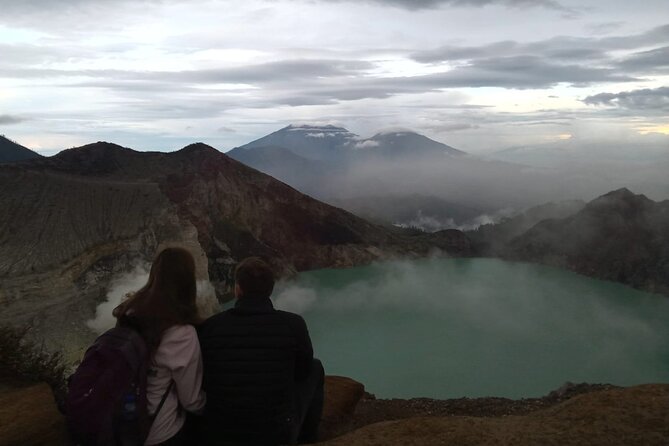
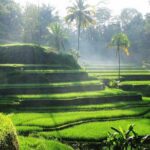
Kawah Ijen is famous for one specific reason: the blue fire. That glow comes from volcanic gases burning above the crater floor, and it’s the kind of sight that turns a long day into a story you’ll still be telling months later.
The practical problem is that Ijen is remote. Getting there on your own usually means timing multiple legs of transport and hoping everything lines up. This private tour is designed to remove that stress. You’re picked up from your Bali-area hotel, taken to the port, and scheduled for the ferry crossing, then guided through the rest of the day’s steps so you can focus on the trek itself.
I’m also glad this tour is structured around the overnight component. Doing Ijen this way means you’re not trying to solve crater timing at the last second. Instead, the plan builds in the prep time at Paltuding and gets you to the crater start when you need to be there.
The big drawback is comfort. The tour gives you a simple place to rest between the meals and the next leg of the plan. It’s functional, not hotel-luxury. If you’re heat sensitive, you’ll want to know that the room may not include things like a fan.
You can also read our reviews of more tours and experiences in Seminyak.



What You Get for $129: Gear, Ferry, Meals, and Real Support
At $129 per person, the price is easiest to understand when you look at what’s bundled. You’re not just buying a guide for a hike. You’re paying for a full end-to-end plan that includes:
- Hotel pickup and drop-off in a wide range of Bali tourist areas
- Ferry tickets for the crossing from Bali to Java
- An overnight rest room (simple, but provided)
- Two meals included
- A private guide through the day
- Trekking essentials: flashlight, poles, mask, and gloves
- Ijen crater registration support and on-site validation steps
This is the heart of the value. If you try to assemble these pieces yourself, the cost often creeps upward once you add transport, last-minute equipment, and the time cost of planning. Here, you’re paying to make the whole thing run.
You’ll also notice how the tour treats your hike like a safety-and-procedure activity, not just sightseeing. At Kawah Ijen, the guide helps with the on-site ticketing and registration steps, including local guide verification and an insurance stamp of validation. Those parts might sound like paperwork, but in a place like this they matter for how smoothly your time at the crater goes.
One more value point: private means your group stays together. That matters when you’re moving over steep ground in the dark and want consistency in pace and timing.
Door-to-Door Timing From Bali: 2:00 pm Start and an Overnight Return
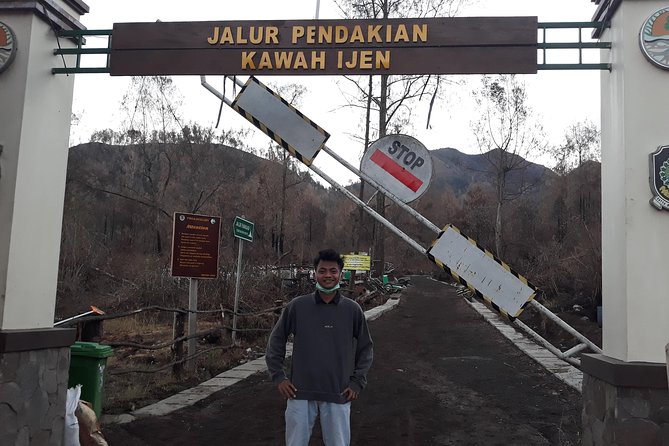
The experience kicks off at 2:00 pm, with you meeting your pickup. From there, the day follows a long-but-clear rhythm: travel, ferry crossing, rest setup, dinner, the crater trek, then a ferry back to Bali and drop-off the next day.
Expect the total experience time to land around 20 to 23 hours. That’s long. But it’s also exactly what you need if you want the Ijen moment without improvising.
This timing is helpful in a few ways:
- You don’t waste daylight trying to solve transport connections.
- You get a proper setup window at Paltuding.
- The overnight rest helps you tackle the crater trek with less chaos than a one-day sprint.
If you’re choosing between this and a self-arranged day trip, think about what you really want. If you want the blue fire and a guided process that takes pressure off your schedule, the overnight format is the right trade.
Pelabuhan Gilimanuk to Ketapang Ferry Crossing: Quick Sea Transit
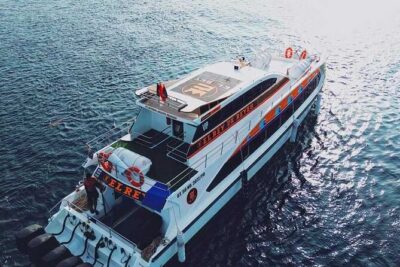
The itinerary starts with the ferry leg: you go from Pelabuhan Gilimanuk to Ketapang Port on the Selat Bali line. The stated travel time for this crossing is about 30 minutes.
That might sound short, but it’s a big deal because it changes the whole tone of the trip. Instead of treating Bali-to-Java as a complicated transport headache, you get a quick, scheduled sea transfer that keeps you moving toward Ijen.
There’s also an added comfort detail: the itinerary notes you can seat and relax at an air-conditioned room at the port. That’s the kind of small thing that helps on a late-day departure when you’ll later be hiking in very different conditions.
When you arrive in Ketapang, you continue onward to a rest stop area hotel in East Java. This keeps the next phase from feeling like you’re arriving and immediately starting something physical.
Paltuding Base Camp: Dinner, Setup, and Shifting Gears
After the ferry, you reach the Bumi Perkemahan Paltuding area, which is where the day turns from travel mode to trek preparation mode.
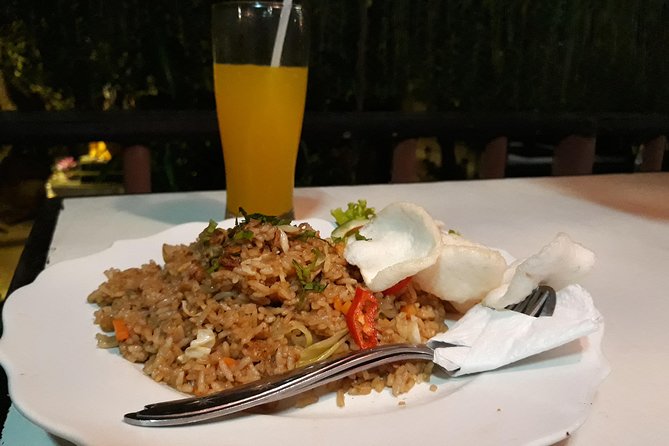
The itinerary gives you about 1 hour here. During that time, you’re preparing for departure toward the Ijen trekking start point at Paltuding. You’ll also share a dinner experience with Indonesian food plus fresh tropical fruit.
This part matters more than it sounds. When you’re headed for a nighttime-to-early-morning crater trek, you need fuel and you need a buffer period. That dinner stop helps you avoid the worst-case scenario of being hungry, cold, and trying to coordinate the last details while others are rushing.
It’s also where you’ll feel the difference between a private, guided tour and a DIY plan. You’re not worrying about finding where to check in or who to ask about the next step. Your guide is already there to keep everything on track.


The Ijen Trek and Blue Fire Moment: Registration, Pace, and Patience
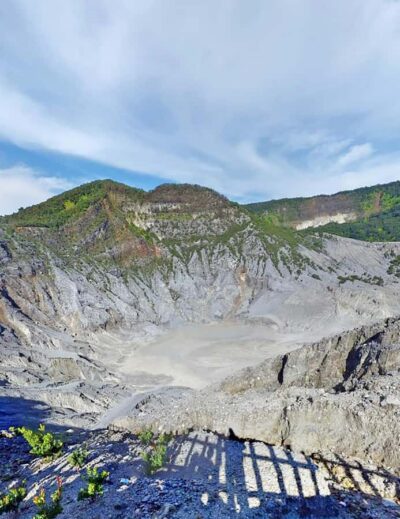
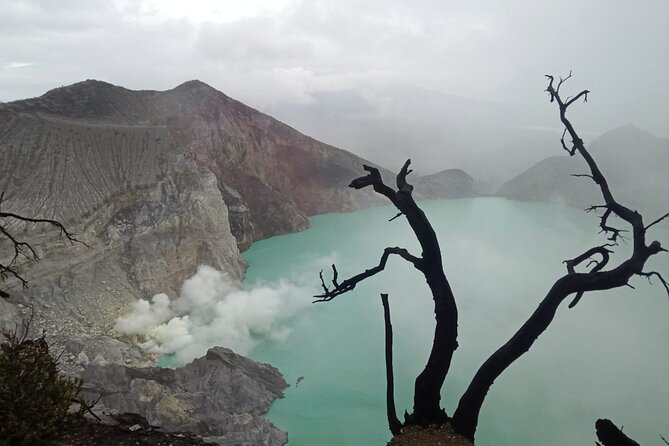
The main event is the Kawah Ijen section, scheduled for about 6 hours on the crater side of the day. That includes trekking time plus the necessary procedures to enter and spend time where the blue fire is visible.
The guide-led part is important. Your guide arranges registration needs such as:
- ticketing and passenger registration
- local guide verification
- an insurance stamp of validation
That’s not just bureaucracy. In a volcano area, it helps ensure you’re following the local process and that your time on-site stays organized.
Here’s what you should know about the trek itself: it’s a real workout. Even when the tour provides poles and a flashlight, you’re still moving over volcanic terrain in challenging conditions. One guest described it as a pretty good workout, and that tracks with what I’d expect from an Ijen crater route.
The payoff is the reason this tour exists. The blue fire experience is often described as eye-opening, and it’s also moving in a different way than typical sightseeing. On Ijen, you see sulfur mining conditions up close, and that adds weight to the moment. You’re not just chasing visuals—you’re witnessing a working reality around the volcano.
Practical consideration: if you’re not comfortable with moderate physical effort, this may be too demanding for you. The tour explicitly notes moderate fitness, which you should take seriously for your own enjoyment.
Food, Rest, and Comfort: Simple Means Simple
You get two meals during the tour. Dinner is provided at the Paltuding stop, and breakfast is included later as part of the overall overnight flow.
Between the crater time and the return, you also get a simple room to rest. This is meant to help you recover enough to handle the next travel leg back to Bali. It’s not designed like a resort stay.
One specific comfort issue came up in feedback: a room with no fan. That doesn’t ruin the tour, but it can affect how restorative your rest feels. If you know you sleep poorly in warm conditions, treat that as a factor in your decision.
Also consider that a volcano trek is not the same as a beach day. Even with rest included, you’ll be tired. Your best strategy is to go in expecting basic comfort and let the schedule do the work of keeping everything else smooth.
Why Private Works Better Here Than “Figure It Out”
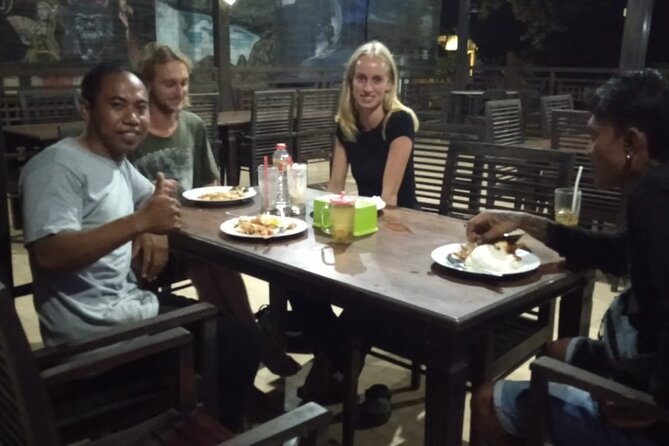
I love the private format for Ijen because it removes the most frustrating parts of remote travel: timing, ticket steps, and equipment prep.
In a DIY scenario, you might spend time solving logistics right when you’re least mentally fresh—after a long afternoon departure, after a ferry, and right before a crater trek in low light. Private takes that pressure away.
It’s also better for pacing. When someone in the group needs a slow-down or extra time, your schedule can absorb it without turning your day into a stressful scramble. This is especially useful for people who aren’t sure how their bodies will handle the incline and uneven ground.
The private approach also tends to mean more direct guide attention. In feedback, people singled out guides by name and credited them with making sure everything stayed under control the whole time. Names mentioned include Kadek Moyo, Sudi, and Eka. There’s also a mention of Wayan in one experience, which suggests this tour may use a team approach depending on the day.
That guide factor is real value here. You want someone who can keep the process moving while also explaining what you’re seeing—both the spectacle of the blue fire and the human side of the sulfur miners’ work.
Guide Quality: What Good Looks Like on a Volcano Day
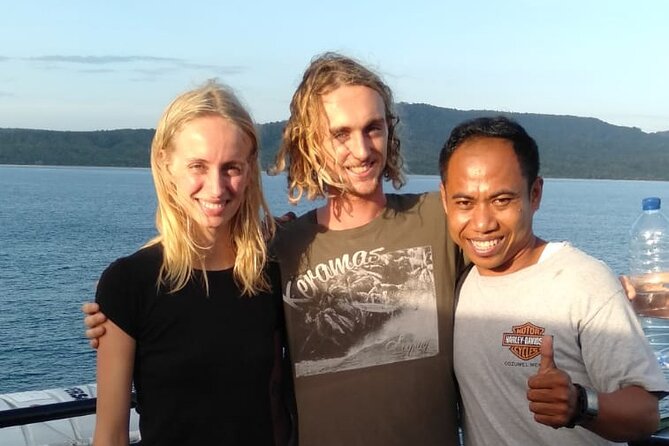
On a tour like this, a good guide isn’t just someone who points and walks. They’re the person who keeps your day from turning into chaos.
Based on the feedback, the guides focused on:
- setting expectations early
- answering questions
- keeping people looked after throughout
- supporting the registration and validation steps at Ijen
- handling coordination from pickup all the way through drop-off
One guest even credited guide Kadek Moyo for answering questions and managing expectations from the start, especially after being picked up farther away in Bali than expected. That’s a useful reminder: you may be picked up from a specific area in Bali, but the tour claims it serves a wide range of hotel locations.
Another guest described Sudi as a key part of the best experience they’d had in Bali, and thanked the guide for the day. Meanwhile, Eka received credit for sharing cultural learning around Balinese Hinduism during the journey. That’s the kind of added value that makes the long travel time feel less like waiting.
Price and Logistics: When $129 Feels Like a Deal
Let’s talk value honestly. $129 per person can feel like a lot until you itemize what’s included: private guide, ferry tickets, pickup and drop-off, trekking gear, meals, a rest room, and on-site registration assistance.
If you’ve ever tried to build a similar remote itinerary yourself, you know how quickly costs multiply. Even if you find budget transport, you still need to solve equipment and check-in steps. The time cost is also real. A poorly planned Ijen day can mean wasted effort, delays, and stress right at the point where you need calm focus.
So for the kind of trip this is—remote, time-sensitive, physically demanding, and procedural—the price makes sense. The biggest question isn’t whether it’s “cheap,” but whether you value having someone handle the hard parts for you.
Who This Tour Suits Best (and Who Should Rethink It)
This private overnight trekking tour fits best if you:
- want the blue fire experience at Kawah Ijen
- prefer door-to-door pickup over figuring out buses and timing
- want the trek essentials supplied, including flashlight and protective gear
- are okay with a long day and an overnight format
- are comfortable with moderate fitness requirements
You might want to think twice if:
- basic rest accommodations could ruin your comfort level
- you’re not confident with a workout-level hike
- you dislike the idea of being out for 20 to 23 hours
It’s not a deal-breaker for most people. It’s just a reminder to match the trip to your expectations.
Weather and Safety: The One Variable You Can’t Control
This experience requires good weather. If conditions aren’t right, the tour can be canceled and you’ll be offered a different date or a full refund.
That’s a reasonable approach for a crater hike. The tour’s value is built on timing and conditions—so the operator needs the weather to cooperate.
Should You Book This Ijen Overnight From Bali?
If your goal is the blue fire at Kawah Ijen and you don’t want to wrestle with remote transport and on-site steps, I think this is a smart booking. You’re paying for a plan: pickup, ferry, a guided crater process, trekking gear, meals, and a simple place to rest.
I’d book it if you like structure, you’re comfortable with moderate fitness, and you want a guided experience where someone handles the tricky parts. I’d pause if you’re very sensitive to basic room comfort (like the no-fan note) or if you want a lighter, more casual outing.
Bottom line: this tour is built for people who want the real Ijen experience, not just the idea of it.
FAQ
What time does the tour start?
The start time is 2:00 pm.
How long is the Ijen private guided trek from Bali?
The duration is approximately 20 to 23 hours.
Is this a private tour or a shared group?
It’s private. Only your group will participate.
What trekking essentials are included?
The tour includes a flashlight, poles, mask, and gloves.
How do you travel from Bali to Java during the tour?
You take a ferry from Pelabuhan Gilimanuk to Ketapang Port, with about 30 minutes of travel time.
What happens if weather conditions are not good?
The experience requires good weather. If it’s canceled due to poor weather, you’ll be offered a different date or a full refund.