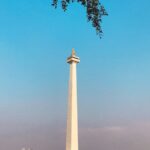
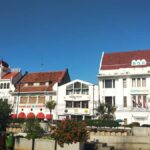
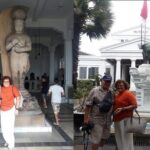
Dutch canals, minus the crowds. The Jakarta Little Amsterdam Tour strings together Old Town sights that feel surprisingly European—canals, squares, and colonial-era streets—while keeping it practical with door-to-door style pickup and a very small group.
I especially like the way this tour is paced for real people, not speed-walkers: a maximum of four travelers means you actually get time to ask questions. I also love the photo-and-story combo, especially around Sunda Kelapa where you can see traditional wooden sailing ships and learn how the spice trade and Dutch occupation shaped the city.
One consideration: the first stop can change. The National Museum is tied to the Elephant Museum name, but it’s noted as under renovation, and your visit may shift to the biggest mosque in Southeast Asia plus Catedral Church.
In This Review
- Key Things I’d Mark on Your Map
- Jakarta’s Little Amsterdam Feel, Without the Planning Headache
- Price and What $150 Really Buys You
- How Pickup and Transfers Save Your Day in Jakarta
- Stop 1: The Museum Switch—Elephant Museum Area to Mosque and Catedral Church
- Stop 2: Kota Intan Bridge for Dutch-Era Photo Moments
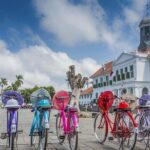
- Stop 3: Fatahillah Square and the Dutch Government Footprint
- Stop 4: Pelabuhan Sunda Kelapa and Real Phinisi Sailing Ships
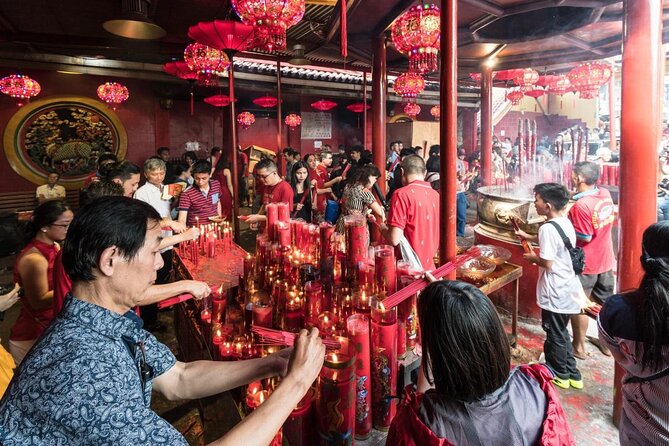
- Stop 5: Glodok Chinatown Temple and Market-Life Details
- The Guide Factor: Dwi Sulistyo Montero’s Storytelling Style
- Timing, Walking, and What to Wear
- Who This Tour Fits Best
- Should You Book the Jakarta Little Amsterdam Tour?
- FAQ
- How long is the Jakarta Little Amsterdam Tour?
- How big is the group?
- Is pickup included?
- Is lunch included?
- Are tickets and admission included?
- What’s included in the first stop if the Elephant Museum is under renovation?
- What is the tour’s schedule?
- Do I need to bring a printed ticket?
- What happens if weather is poor?
Key Things I’d Mark on Your Map
- A tiny group size (max 4): easier conversations and less waiting around.
- Door-to-door pickup: you skip the “what bus do I take?” stress.
- Dutch-to-Indonesian contrasts: Old Town architecture, bridge heritage, and harbor trade stories.
- Sunda Kelapa phinisi moments: traditional ships + labor details you won’t guess from photos.
- Glodok Chinatown visit: an older Chinese temple plus market-life in the area.
- Guide-led history: the tour centers on how trade, empire, and locals interacted.
Jakarta’s Little Amsterdam Feel, Without the Planning Headache
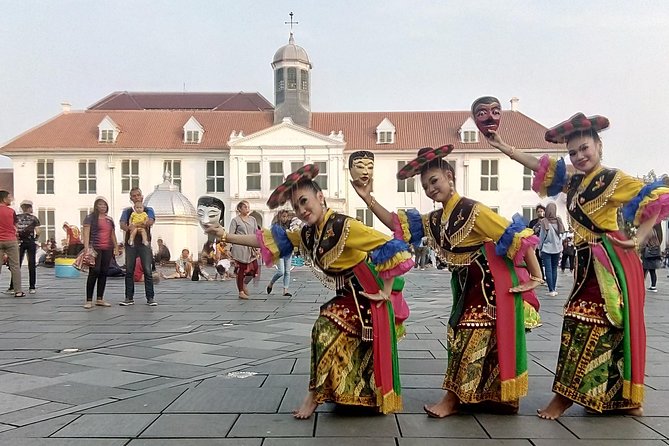
Jakarta Old Town can look like a jumble from the outside—big roads, intense traffic, and not-so-straightforward navigation. This tour is built to reduce that friction. You get a focused loop through the parts of the city where Dutch colonial design left visible fingerprints: plazas, canal-adjacent streets, and harbor-adjacent trade spaces.
What makes it work is the blend of “stand here and look” spots with “understand what you’re seeing” storytelling. You’ll spend time in places like Fatahillah Square and Pelabuhan Sunda Kelapa, where history is literally in the architecture and the daily working rhythm of the port.
And yes, the small group matters. When you only have up to four travelers, the guide can slow down when something catches your eye—like a building detail on the square side or the ship activity at the harbor.
You can also read our reviews of more tours and experiences in Jakarta.

Price and What $150 Really Buys You
The tour costs $150 per group (up to 2 people). That structure is important, because your real cost per person depends on how you pair up.
- If you’re going as two people, it can work out to about $75 each.
- If you’re going solo, you’ll likely pay the full group price.
Is it worth it? For me, the value comes from what’s bundled: pickup is offered, and multiple stops have admissions included (National Museum block, Fatahillah Square, and Sunda Kelapa). Add in the fact that the alternative is figuring out local transport across several neighborhoods, and the price starts to feel less random and more like “buy your time back.”
Also, this isn’t a giant bus tour. The group stays intimate, which means you’re not just collecting photos—you’re getting context.
How Pickup and Transfers Save Your Day in Jakarta
You’ll have less friction than you’d expect for a Old Town day. Hotel transfers are included, and you’ll have a mobile ticket.
That matters because Jakarta’s public transport is not the easiest thing to wing. You don’t just avoid getting lost—you avoid the mental tax of transit decisions. Instead, you can focus on what the guide is pointing out and what you want to photograph.
Practical tip: start the day ready to walk some uneven surfaces. The tour calls for a moderate physical fitness level, so bring comfortable shoes and keep your pace steady.
Stop 1: The Museum Switch—Elephant Museum Area to Mosque and Catedral Church
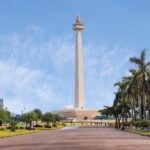
Your first stop is labeled as the National Museum, also known as the Elephant Museum, but it’s marked as under renovation. The plan accounts for that by replacing it with the biggest mosque in Southeast Asia and Catedral Church.
Expect about one hour here, with admission ticket included. Because this is a replacement scenario, be flexible in your expectations. What you’re really buying at this moment is the structure of the tour: you start with a landmark-type cultural stop, then move into the colonial-era layout of Old Town.
Why this first stop is smart: it sets the tone for the day’s theme—Jakarta as a layered city. You go from a major institutional/civic space to neighborhood-scale heritage moments next.
Stop 2: Kota Intan Bridge for Dutch-Era Photo Moments
After the landmark start, you get a quick stop at Kota Intan Bridge, about 15 minutes. This bridge is noted as one of the remaining pieces of Dutch bridge heritage in the area.
Admission isn’t included here, but that’s okay because the goal is visual. This is a “pause, look, and shoot” kind of stop—short enough that you don’t burn daylight, long enough for the guide to explain what you’re seeing.
If you’re the type who likes architectural details, this is a nice palate cleanser between longer stops. Keep your camera ready, because the bridge and surrounding lines tend to photograph well in the right light.


Stop 3: Fatahillah Square and the Dutch Government Footprint

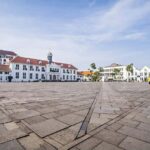
Then you settle into one of the day’s main anchors: Fatahillah Square. Plan around two hours here, and admission is included.
This square is described as the huge central space tied to the first Dutch government presence. In practical terms, it’s where you’ll feel the Dutch-style civic layout most clearly. You’re not just looking at buildings—you’re standing in the kind of open space where a colonial administration would have made its presence felt.
Why you’ll like this stop: it’s long enough to absorb details. You can rotate slowly, spot building elements, and ask questions when something doesn’t match your mental map.
A small drawback to keep in mind: because it’s a big public square, it can get busy depending on the time of day. Going earlier in the window can help your photos.
Stop 4: Pelabuhan Sunda Kelapa and Real Phinisi Sailing Ships
Now for the star-block for many people: Pelabuhan Sunda Kelapa, the old harbor area. You get about 30 minutes here, with admission included.
This is where you look for the phinisi sailing ship—traditional wooden boats that work across Indonesia’s archipelago. The tour also calls out how loading and unloading are done by manual labor, which adds a grounded, human layer to the scenery.
What’s special here is that it’s not just a “look at ships” moment. The guide’s focus ties the harbor to older waves of trade and invasion pressures, and it connects that to the broader spice trade story.
Photo tip: take wide shots first to frame the harbor, then take closer shots of the boat shapes and activity. At ports, the best images often come from mixing both.
Stop 5: Glodok Chinatown Temple and Market-Life Details
Your final neighborhood stop is Glodok Chinatown, around 30 minutes. Admission isn’t included here.
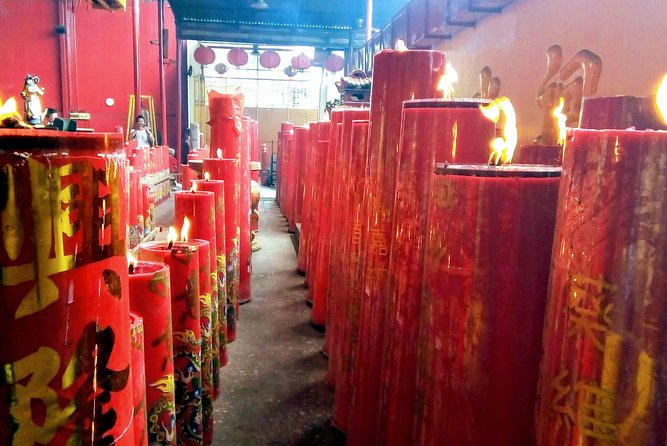
The tour includes a visit to the eldest Chinese temple in the area and time to see the farm market and local life nearby. This is a contrast stop: after ports and colonial squares, you end in a place where community routines feel close-up.
Keep expectations realistic. This isn’t positioned as a museum-style “closed-door” experience; it’s more about seeing the texture of everyday commerce and religious space.
Also, since admission isn’t included, you’ll want to be ready for any small on-site fees that may apply. The good news is the stop is short, so it won’t swallow your whole final hour.
The Guide Factor: Dwi Sulistyo Montero’s Storytelling Style
A big part of the appeal is the guide. The experience provider is Dwi Sulistyo Montero, and the feedback you’ll hear around this tour is consistent: Dwi is friendly and takes time to explain how Jakarta’s layers connect.
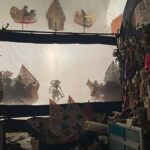
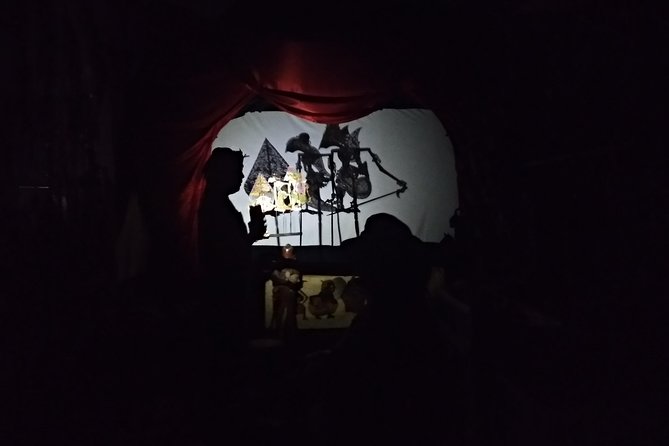
One highlight that pops up from the day is a memorable puppet master moment. Even if you don’t plan your mental schedule around it, it’s a good reminder that this tour isn’t only architecture. It’s also about cultural expressions you might not expect in a Dutch-leaning Old Town route.
If you like learning while walking—rather than reading an audio guide in silence—this guide-led approach is one of the best reasons to book.
Timing, Walking, and What to Wear
The tour runs about 6 hours and operates during daytime hours (Monday through Saturday, starting in the late morning window and running through the afternoon).
Because you’re moving between Old Town sights, you should plan on:
- Comfortable shoes for uneven sidewalks
- Light layers (indoors/outdoors can vary)
- A camera strap or secure bag for quick transitions
Hydration helps too. Even with a small group and pickups, you’ll still be outside for enough time that heat and sun can add up.
Who This Tour Fits Best
This tour is a great match if you:
- Want a focused Jakarta Old Town day without transit stress
- Like colonial architecture but also want the trade-and-empire story behind it
- Appreciate small groups (max four) where questions actually land
- Enjoy photo stops that come with context, like the phinisi at Sunda Kelapa
It may be less ideal if you dislike switching plans. The first museum block can change due to renovation, and the exact experience at that start point can vary.
Should You Book the Jakarta Little Amsterdam Tour?
I’d book it if your priority is a structured, small-group tour through Jakarta Old Town’s most meaningful spots, with pickup and multiple admission-included stops. The $150 group price works best when you share it with one travel partner, but even solo, it can still be a time-saver compared with stitching together transit and tickets yourself.
Skip it only if you want a long, museum-heavy day with zero surprises. This tour is fast-moving by design—six hours with several distinct zones—so you’ll get breadth more than deep isolation in one building.
If your goal is to understand why Jakarta’s Old Town can feel like a Dutch postcard while staying firmly Indonesian in daily life, this is a strong pick.
FAQ
How long is the Jakarta Little Amsterdam Tour?
It runs about 6 hours.
How big is the group?
The maximum group size is 4 travelers.
Is pickup included?
Yes, pickup is offered, and hotel transfers are included.
Is lunch included?
No, lunch is not included.
Are tickets and admission included?
Some admissions are included: the National Museum block (Stop 1), Fatahillah Square (Stop 3), and Pelabuhan Sunda Kelapa (Stop 4). Admission is not included for Kota Intan Bridge (Stop 2) and Glodok Chinatown (Stop 5).
What’s included in the first stop if the Elephant Museum is under renovation?
The plan notes that the Elephant Museum is under renovation, and it will be replaced with the biggest mosque in Southeast Asia plus Catedral Church.
What is the tour’s schedule?
It operates Monday to Saturday, roughly between 9:00 AM and 3:30 PM.
Do I need to bring a printed ticket?
No. You’ll use a mobile ticket.
What happens if weather is poor?
The tour requires good weather. If it’s canceled due to poor weather, you’ll be offered a different date or a full refund.