One of Bali’s loudest landmarks is in Kuta. Garuda Wisnu Kencana gives you an enormous 120.9-meter statue, and you get hourly cultural performances as a real bonus once you’re there. I also like how the park is set up for different ways of touring, from walking to Segway rides. The only catch: if you only want a quick look at the photos, some parts of the experience can feel pricey compared with what you expected.
If you time it right, the evening ritual—ending with KECAK at 18.00 WITA—turns the whole visit from sightseeing into something more memorable. You’ll spend about 2 to 3 hours on-site (based on typical visit length), and the park is large enough that transportation inside can matter when you’re tired or if weather turns. Plan with the park’s rhythm in mind, not just with your flight or lunch schedule, and you’ll get more out of the ticket.
In This Review
- Key highlights to clock before you go
- Where Garuda Wisnu Kencana (GWK) Park fits in your Bali plan
- The Garuda Wisnu Kencana statue: the 120.9m centerpiece you came for
- Walking the park vs using Segway (and why you should plan for time)
- The performance schedule: how to build your perfect GWK afternoon
- 11.00 WITA block (amphitheater)
- 12.00 WITA block (amphitheater)
- 13.00 WITA block (amphitheater)
- 14.00 WITA block (amphitheater)
- 15.00 WITA block (amphitheater)
- Plaza Wisnu, Lotus Pond, and the parade moment at 16.00 WITA
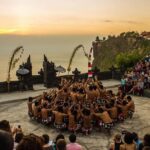
- KECAK at 18.00 WITA: why this finale is worth structuring your time
- Heritage cuisine inside the experience: what it adds (and what to watch for)
- Price and value: why people disagree about GWK
- When it feels like a great deal
- When it can feel expensive
- Tickets, timing, and practical logistics that affect your day
- Who should book Garuda Wisnu Kencana (and who should consider skipping)
- Should you book this experience?
- FAQ
- How long does the Garuda Wisnu Kencana experience take?
- Where is Garuda Wisnu Kencana Cultural Park located?
- Does this experience use a mobile ticket?
- What time does KECAK take place?
- Are children charged for entry?
- When will the official ticket be delivered?
Key highlights to clock before you go
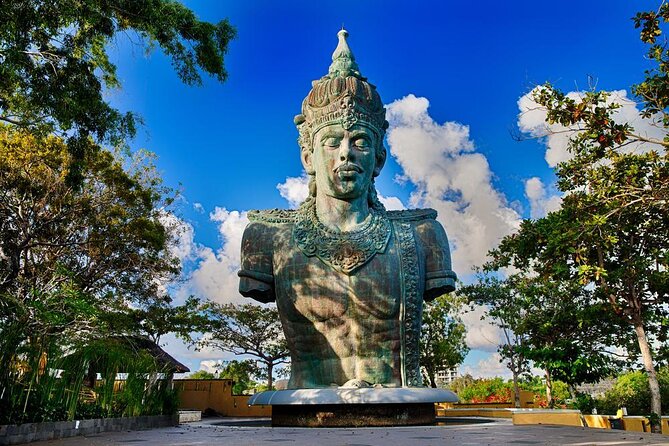
- The Garuda Wisnu Kencana statue: 120.9 meters tall, with a 64-meter wingspan and gold mosaic crowns
- A full day of performances: multiple Bali dances and masks throughout the afternoon and early evening
- Cultural spaces beyond the main statue: Plaza Wisnu, Lotus Pond, and an amphitheater schedule
- Multiple ways to explore the park: walking or Segway, plus a buggy option if you need it
- A big finale at 18.00 WITA: KECAK tied directly to Garuda Wisnu Kencana
Where Garuda Wisnu Kencana (GWK) Park fits in your Bali plan
GWK Cultural Park is in the Kuta area, but it doesn’t feel like typical city tourism once you’re inside. The park is about 60 hectares, built around one main idea: a monumental religious-cultural centerpiece plus staged heritage performances.
The practical payoff for you is simple. Even if you arrive from a beach morning, you can switch gears fast. The statue gives you a strong visual anchor, and the performances give you a reason to stay instead of rushing through. The experience is designed to run on a schedule, with shows happening across the day.
Most visits are around 2 to 3 hours, which is long enough to see the statue grounds and catch at least one or two performance blocks. If you want the full arc—including the later items like Joged Bumbung and KECAK—budget closer to the upper end of that range, and be ready for the park to feel busy when big showtimes hit.
You can also read our reviews of more tours and experiences in Kuta.



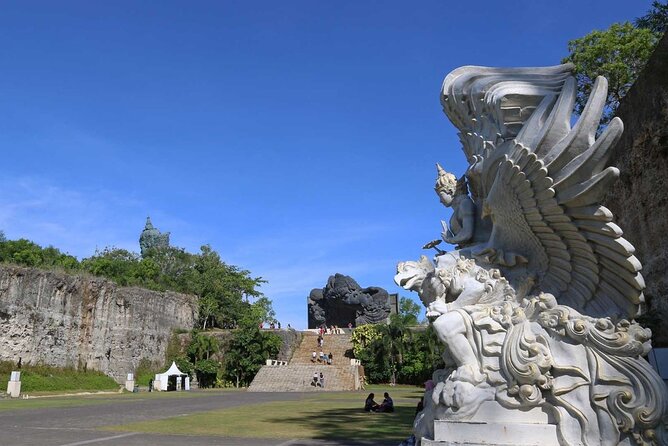
The Garuda Wisnu Kencana statue: the 120.9m centerpiece you came for
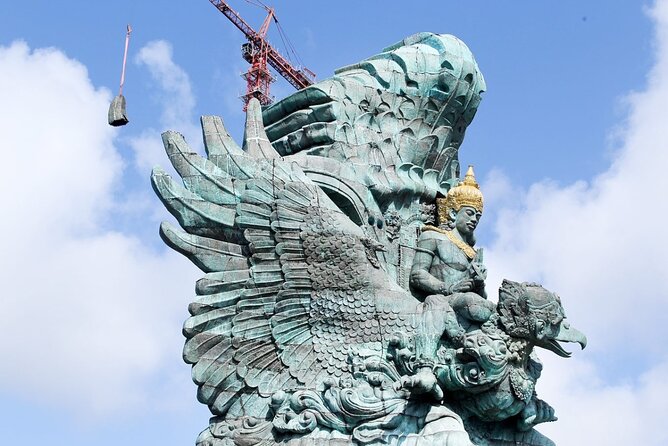
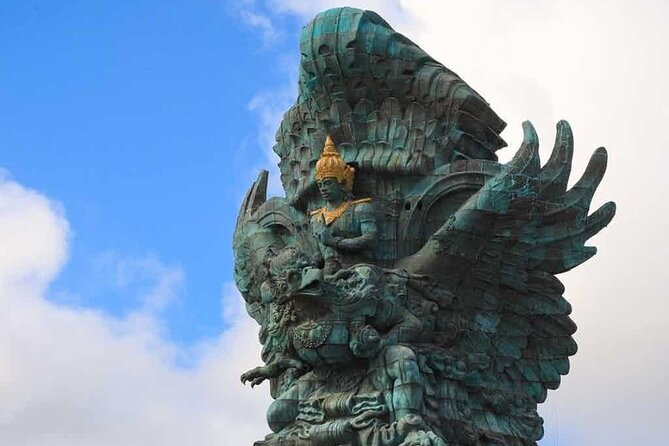
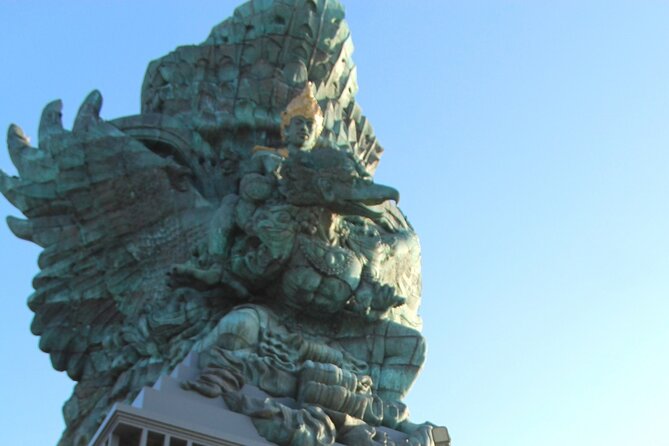
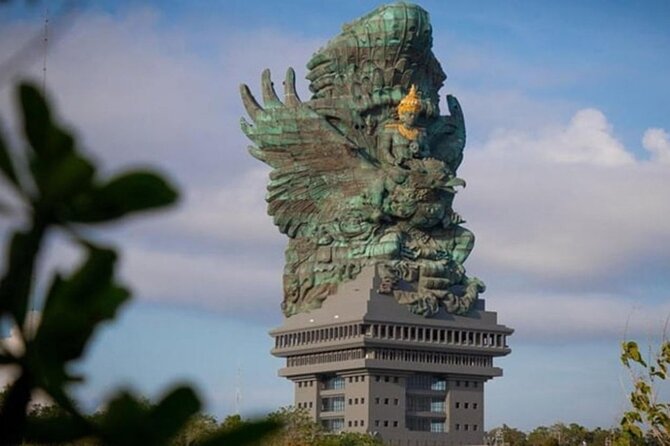
The reason people talk about GWK is the statue itself. It depicts Lord Wisnu riding Garuda, the mythical eagle. In the park’s symbolism, Garuda is tied to the Indonesian national emblem, representing freedom from oppression, while the broader Wisnu-Garuda theme connects to protection, loyalty, and freedom.
Here are the concrete details that help you appreciate it once you’re there:
- It’s 120.9 meters tall, which places it among the tallest monumental statues worldwide
- The wingspan is 64 meters
- It’s crafted from copper, brass, and steel
- The crown work uses gold mosaic styling
- It was designed by Balinese artist Nyoman Nuarta
This matters for your visit because you’ll notice the statue wasn’t built just to be looked at from one angle. The proportions are huge, so even short walks around the grounds help. Think of it like a “viewing platform” even when you’re not climbing anywhere: your perspective shifts as you move.
One more tip: if you have the option in your ticket to join a guided tour component up near the statue’s upper area, that can change the value of your entry. In one experience, the included admission bundled a guided tour at the top, and it made the visit feel less like a quick photo stop.
Walking the park vs using Segway (and why you should plan for time)
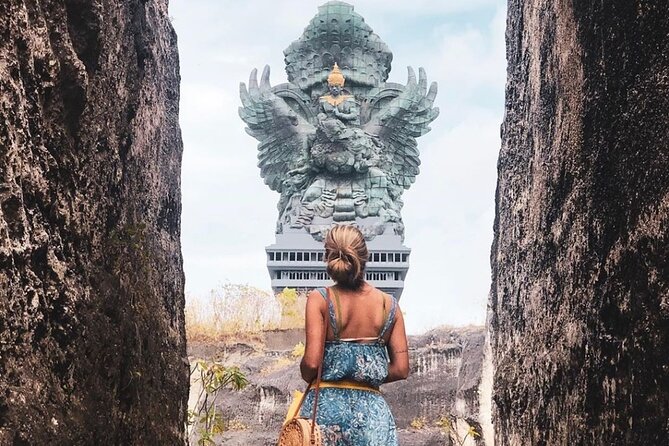
GWK isn’t a tiny garden you can cover in 20 minutes. Even with a timed show schedule, you’re moving through different zones: the statue focus area, the amphitheater, and several named performance spots.
That’s why the park offers different ways to tour:
- You can go on foot
- You can explore by Segway
- You may also find buggy service available, and it can be a lifesaver
Here’s the real advice: choose based on your energy and your show timing. If you’re catching dances on an hourly cadence, you don’t want to waste showtime marching long distances. Segway can shorten your internal travel, and buggy service can help when the park’s walking routes start to feel like “why did I wear these shoes.”
Also keep weather in mind. In one case, a thunder shower made it harder to explore fine details. If rain hits, you’ll spend more time moving between covered or sheltered areas, so having a transport plan inside the park pays off.
The performance schedule: how to build your perfect GWK afternoon
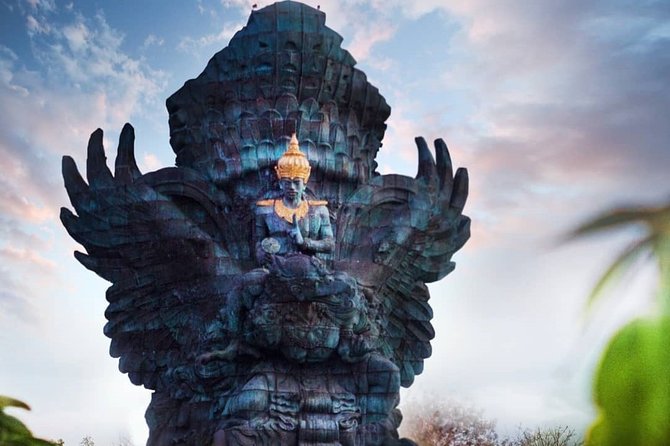
GWK’s performances are the main “engine” of the experience. Instead of one fixed show, you can catch multiple sets. The amphitheater schedule is clearly laid out in WITA time, and that lets you plan like a grown-up.
Here’s the structure you can build around:
11.00 WITA block (amphitheater)
- Tari Sekar Jepun
- Tari Kebyar Duduk
- Topeng Kenyum Manis
This is a good time if you want dances with a lighter, earlier rhythm. It also helps you avoid the most intense “rush wave” later in the afternoon.



12.00 WITA block (amphitheater)
- Tari Jauk Keras
- Tari Oleg Tamulilingan
- Tari Kebyar Duduk
If you’re comparing styles, this block is useful because it repeats Kebyar Duduk while adding other dance forms. You can see what changes and what stays consistent across performances.
13.00 WITA block (amphitheater)
- Tari Sekar Jepun
- Tari Jauk Manis
- Tari Topeng Monyer
This is a solid mid-day anchor. It’s also practical: if you ate lunch nearby or in the broader Kuta area, this slot gives you a predictable “what next” moment.
14.00 WITA block (amphitheater)
- Tari Topeng Monyer
- Tari Jauk Manis
If you want fewer name changes and a calmer sequence, this can work well. It’s also a good block for people who prefer to settle in again without changing locations too much.
15.00 WITA block (amphitheater)
- Tari Oleg Tamulilingan
- Tari Barong-Bojog
This later set keeps the energy moving as the day stretches. If you’re thinking about evening performances, it also acts like a bridge.
Plaza Wisnu, Lotus Pond, and the parade moment at 16.00 WITA
Not every performance is in the same place. That variety is part of why GWK feels more like an event day than a museum visit.
At 16.00 WITA, you’ll have Parade Budaya Bali at Plaza Wisnu. This is the time to stop treating the park like just a statue tour. Parades change how you experience a place: you notice movement, costuming, and spacing, and it gives your visit a “Bali day” feel instead of a static one.
Then at 17.00 WITA, the focus shifts to the Lotus Pond with Joged Bumbung.
If you like variety, this is where the day starts to click. You’re not just watching the amphitheater stage. You’re seeing how different heritage elements get staged in different parts of the grounds, each with their own atmosphere.
KECAK at 18.00 WITA: why this finale is worth structuring your time
The last listed highlight is 18.00 WITA: KECAK – Garuda Wisnu Kencana. KECAK is the one show block you should treat like a “bookend.”
Why? It’s tied directly to the Garuda Wisnu Kencana theme, so it feels like the story coming back to the statue. Even if you haven’t memorized the mythology, you’ll understand what you’re seeing because the performance and the main monument are conceptually linked.
So here’s how I’d structure your visit:
- Arrive with enough slack to catch an earlier amphitheater block
- Use the parade and Lotus Pond item to move through the grounds naturally
- Save your energy for the 18.00 finale, so you don’t spend the best time of day looking for seats
Even if you only catch one performance, catching KECAK at the end tends to give you the sense of completing something, not just stopping by.
Heritage cuisine inside the experience: what it adds (and what to watch for)
One of GWK’s promises is Indonesian heritage cuisine alongside the cultural program. That’s a practical and a cultural win.
Practical, because food keeps you from leaving mid-day just to eat. Cultural, because it supports the theme: this isn’t just the monument and dances separated from your daily needs.
What you should watch for is expectations. A meal can be a comfort, but it won’t automatically make the ticket feel cheaper. If you’re sensitive to value, plan to eat strategically and focus your time on the scheduled performances. If you’re planning around the 11.00 to 18.00 run, your best move is to avoid long detours that pull you away from showtimes.
Price and value: why people disagree about GWK
The price listed is $6.22 per person, and you can get a mobile ticket. It’s also common for people to book it about 8 days in advance.
Now for the part you should actually care about: value depends on your priorities.
When it feels like a great deal
- If your ticket includes more than just entrance—like a guided tour component near the top area—your sense of value jumps fast.
- If you plan your day around multiple performances, the ticket becomes a “scheduled event package,” not just a statue entry.
- If you enjoy cultural choreography and you like watching multiple dance forms across the day, GWK’s hourly format lets you use the time you pay for.
When it can feel expensive
- If you expected the visit to be mostly about seeing the statue once, snapping a few photos, and leaving, GWK may feel like more than you needed.
- If some elements you want aren’t included in your specific package, you might feel nickel-and-dimed, especially since the park has a lot going on and it can be unclear what’s included until you’re on-site.
So my advice is simple: don’t buy based on the statue alone. Buy based on the schedule. If you’ll attend at least one amphitheater block and ideally the 18.00 KECAK, the ticket has a clear job to do.
Tickets, timing, and practical logistics that affect your day
This experience uses a mobile ticket, which helps because you can store everything on your phone. Also, it’s designed for people to join easily once you’re there, with confirmation received at booking time and the official ticket sent within 24 hours.
Two timing details matter:
- You can treat it as a 2 to 3 hour visit window for an effective, not-too-rushed experience.
- Shows run across the day, so arriving too late can shrink the number of performances you catch.
You’ll also want to know basic ticket rules:
- 1 ticket is valid for 1 person and 1 time of arrival
- Children under 100 cm are free of charge
- The experience is non-refundable and can’t be changed
None of this is flashy, but it affects the day-to-day reality of your plan. In a place with set showtimes, being late can cost you more than you expect.
Who should book Garuda Wisnu Kencana (and who should consider skipping)
GWK is a strong fit if:
- You like structured cultural shows and you want more than one performance in a single visit
- You want a major Bali monument with story and symbolism, not just a viewpoint
- You can manage your time around the 11.00 to 18.00 schedule
- You’re open to park exploration by foot or by Segway and you don’t mind planning a bit
It might not be the best fit if:
- You only want a quick statue photo and you’re not interested in cultural performances
- You’re sensitive to value if your expectations are limited to a short “look and leave” stop
If your trip to Bali is packed, this can still work because it’s only 2 to 3 hours. But you’ll get the best payoff if you arrive with a plan for at least one amphitheater block and ideally the KECAK finale.
Should you book this experience?
Yes, I’d book it if you want a classic Bali mix of monument plus performance, and you’re willing to time your visit to catch the show blocks—especially KECAK at 18.00 WITA. The statue’s scale is the kind of thing you remember, and the park’s hourly schedule gives you a reason to stay long enough to get your money’s worth.
I’d hesitate if you’re unsure you’ll stay for performances or if your goal is purely “see it once, take pictures, leave.” In that case, you’ll likely feel the value mismatch.
FAQ
How long does the Garuda Wisnu Kencana experience take?
The experience is listed as about 2 to 3 hours.
Where is Garuda Wisnu Kencana Cultural Park located?
It’s in the Kuta area of Indonesia.
Does this experience use a mobile ticket?
Yes, it offers a mobile ticket.
What time does KECAK take place?
KECAK – Garuda Wisnu Kencana is scheduled for 18.00 WITA.
Are children charged for entry?
Children under 100 cm are free of charge.
When will the official ticket be delivered?
You’ll receive confirmation at booking time, and the official ticket is sent within 24 hours. The mobile ticket is valid for 1 person and 1 time of arrival.