Kotagede feels like time travel on foot. What makes this tour work is its community-led feel and the way a local guide connects the architecture to daily life, not just facts on a sign. You’ll move through royal sites and living neighborhoods at a pace that lets you ask questions.
I especially like the royal cemetery stop, including the chance to wear special Javanese dress while you learn about the Mataram Kings area. I also love that you’re not stuck watching from the sidewalk; you can see crafts and herbal knowledge up close, including jamu herbal medicine being made and a silversmith working.
One thing to plan for: the route is outdoors, and Yogyakarta weather can be intense. Bring shade and protection, because you’ll be walking in the open for a few short stretches between sites.
In This Review
- Key highlights worth caring about
- Why Kotagede’s heritage walk hits differently
- Meeting points and timing: how to make the morning work
- Stop 1: The Mataram Kings Cemetery and the mosque you’ll notice first
- Stop 2: Between Two Gates, traditional homes, and the meaning of rukunan
- Stop 3: Pasar Legi Kota Gede—market life and jamu in motion
- Crafts you can actually see: jamu and silversmithing
- Value and price: is $35 actually fair?
- Who this is best for (and who should skip it)
- Before you go: simple tips that make the day easier
- Should you book this Kotagede heritage walk?
- FAQ
- How long is the Kotagede Yogyakarta Heritage Walk Tour?
- What’s the group size limit?
- What does the tour include?
- Where does the tour start and end?
- What are the tour hours?
- Is a mobile ticket used?
- If I need to cancel, how much time do I have?
Key highlights worth caring about
- Max 10 travelers means you’ll get real conversation, not a rush-through herd
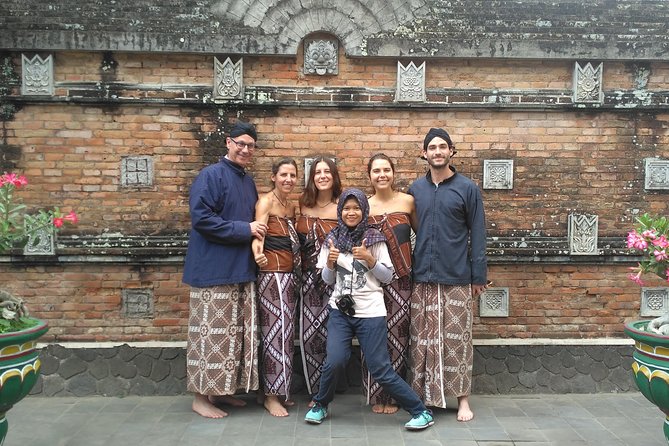
- Royal cemetery visit with special Javanese dress adds context and respect
- Between Two Gates houses + rukunan shows how Javanese homes are shaped by agreement and harmony
- Pasar Legi Kota Gede market time gives you herbs, snacks, and everyday local life
- Jamu making and a silversmith in action lets you watch living tradition, not just architecture
- 2 to 3 hours in the morning window is a manageable length for your Yogyakarta days
Why Kotagede’s heritage walk hits differently
Kota Gede isn’t just another historic district with a few pretty buildings. A few centuries ago, it was the power center of the Mataram Kingdom—and that legacy still shapes how people move through the neighborhood today. On this walk, you don’t just learn history; you connect it to place: tombs, mosques, homes, and the market that feeds daily life.
The biggest “why this matters” detail for me is the tour’s community-run setup. Guides are there to share, but also to protect local heritage by channeling visitors in a respectful way. With groups capped at 10 people, it stays intimate and the focus stays on your questions, not crowd control.
There’s also a practical benefit: with a short, structured route, you can fit it into your morning schedule without feeling like you’re committing to half a day. That’s rare for experiences that are both cultural and hands-on.
You can also read our reviews of more tours and experiences in Yogyakarta.



Meeting points and timing: how to make the morning work
The tour runs in the morning, with opening hours listed as 8:00 AM to 11:30 AM. That timing is ideal in Yogyakarta if you want to beat heat, crowds, and the late-morning buildup of day plans.
You start at Jl. Masjid Besar No.905, Sayangan, Jagalan, Kec. Banguntapan, Kabupaten Bantul, Daerah Istimewa Yogyakarta 55192, Indonesia. The walk ends at Lawang Pethuk Kotagede, on Jl. Alun-Alun Utara in Kotagede (RT.37/RW.09, Purbayan, Kec. Kotagede). The end location is useful because it’s near the Kotagede heart area, so you can continue exploring after the tour ends rather than needing a full repositioning.
It’s also a good sign that it’s near public transportation. Even if you’re using rideshare some days, having a transit-friendly start makes this easier to plan.
Finally, you’ll have a mobile ticket, which is one less thing to juggle—especially when you’re doing outdoor walking in warm weather.
Stop 1: The Mataram Kings Cemetery and the mosque you’ll notice first
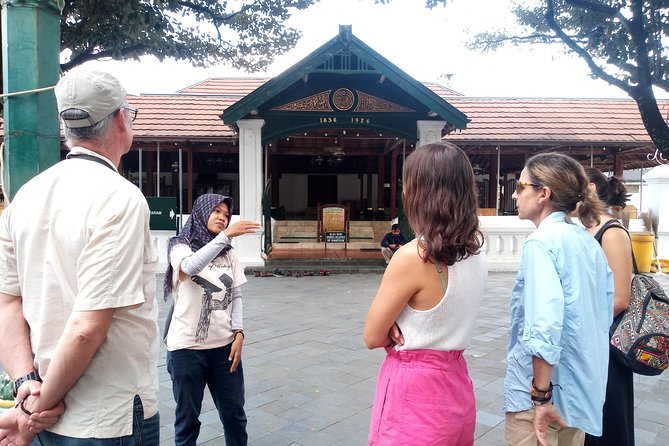
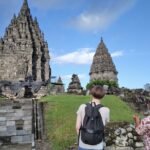
The first stop is the Mataram Kings Cemetery Kotagede, and this is where the tour’s “royal past” becomes physical. You’ll meet your local guide and start moving through the cemetery area with the kind of context you only get from someone who knows what to point out.
One standout detail: you’ll visit the kings tomb with special dress. That’s not just a photo moment. It signals that you’re stepping into a site where tradition and respect matter. It also helps you understand what you’re looking at, because your guide can talk through the meaning instead of rushing you through viewpoints.
In the cemetery area, you’ll also be able to see Masjid Gedhe Mataram, described in the tour info as the oldest mosque in Yogyakarta. Even if you’re not religious, it’s a powerful pairing: the cemetery and mosque sit in the same cultural landscape, showing how spiritual life and royal legacy overlap in Kota Gede.
Practical note: cemeteries are quieter, but they’re also often open to sun. Bring water and plan to move steadily. If it rains, you’ll want a light rain layer—most of the value here comes from listening, and getting drenched makes that harder.
Stop 2: Between Two Gates, traditional homes, and the meaning of rukunan
Next comes a section focused on everyday housing and neighborhood balance. The tour takes you to Between Two Gates, described as exploring traditional houses lived by local people. This is where the experience stops being only about “monuments” and starts showing you how culture lives in daily space.
You’ll also enjoy a traditional snack here. It’s a small touch, but it supports the bigger point: a heritage walk works best when it includes normal life, not just landmarks.
The guide will explain rukunan, a Javanese term related to the condition where residence owners have an agreement. The most useful way to think about this is harmony as a lived system—neighbors working out coexistence so the neighborhood functions. You can feel the idea when you look at how homes sit close, how paths connect, and how people maintain shared norms.
What I like about this stop is that it teaches you a framework. Once you understand rukunan as “agreement for living together,” you start noticing details in the neighborhood that you’d otherwise pass by—like which areas are shared, how entrances relate to the street, and how houses fit into the rhythm of the kampong.
Stop 3: Pasar Legi Kota Gede—market life and jamu in motion
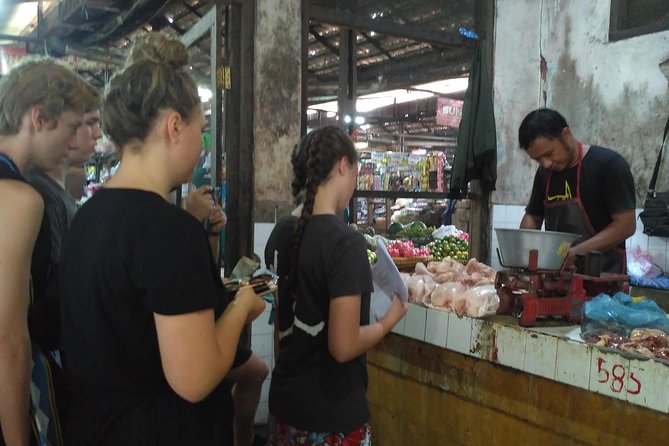
The final core stop is Pasar Legi Kota Gede. The info calls it a local and oldest market in the southern of Java, which gives it immediate weight. But more than “oldest,” it’s useful because it’s still a working market.
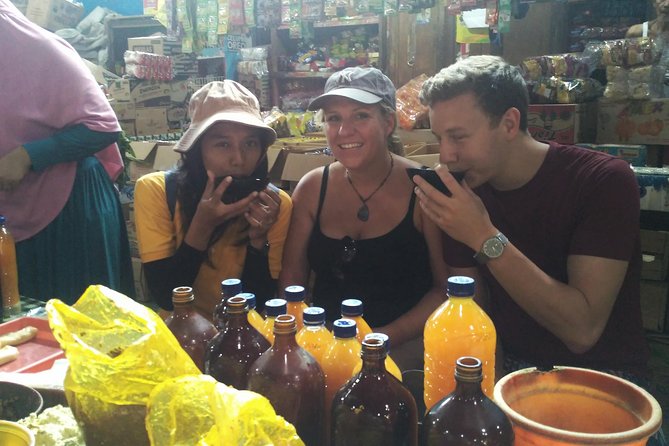
Here you’ll see a mix of local food, snacks, fruit, vegetables, herbs, and kitchen stuff. This is the kind of place where you can learn what locals buy for daily use, and that helps you connect the tour’s other themes. The market isn’t separate from heritage—it’s part of how tradition keeps going.
A key feature at this stop is the making process of jamu, traditional herbal medicine. The experience emphasizes jamu as something made and understood locally, not something imported as a novelty.
Even if you don’t end up purchasing anything, this stop changes how you think about herbs. You’ll see the process and hear the logic behind it, and that makes jamu feel practical rather than mysterious.
Quick tip: markets can be hot and busy. Keep your time here focused—look, listen, and ask your guide what’s common and what’s special. If you want to buy snacks, decide early so you’re not rushing once the walk schedule moves on.




Crafts you can actually see: jamu and silversmithing
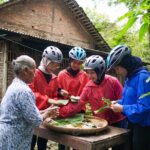
The tour’s highlight list includes watching jamu herbal medicine being made and seeing a silversmith in action. That combination is smart because it shows two different forms of heritage craft:
- Jamu represents knowledge that’s carried through families and practice—how ingredients work, how remedies are prepared, and why people trust these methods.
- Silversmithing represents skill in metalwork—hands-on craft shaped by tools, design, and local demand.
What makes this valuable for you is that it turns heritage into something observable. You can watch technique, notice workflow, and ask basic questions like how long it takes or what materials matter. The tour format makes room for those questions because groups are small.
Also, crafts are often where you’ll hear the most personal stories from guides. In the reviews, the energy of guides really comes through—one guide named Upik stood out for being enthusiastic and genuinely invested in explaining Kotagede’s culture and beliefs. When the guide cares, the crafts feel less like a performance and more like a living workshop.
Value and price: is $35 actually fair?
The price is $35.00 per person, and for a 2 to 3 hour walking tour with a maximum of 10 travelers, it’s positioned as mid-range—especially in a destination where cheaper tours can sometimes feel generic.
Here’s what you’re paying for in plain terms:
- Community-run guidance, which you can feel in the tone and the pacing
- Entry/admission tickets included at the stops listed
- Cultural access like the cemetery visit, plus Javanese dress provided
- A route that includes market life, herbal medicine making, and craft work rather than only architecture photos
If you’ve done big-group cultural tours in other countries, you know the drill: lots of walking, little time to ask questions, and a “see it, leave it” feel. This one is short and intentionally capped, so the cost is easier to justify because your attention doesn’t get swallowed by a crowd.
It’s also booked about 13 days in advance on average, which is a subtle clue: people who want something small and specific tend to plan ahead.
Who this is best for (and who should skip it)
This is ideal if you:
- want a real local context (houses, market, crafts), not just textbook history
- like tours where you can talk back to the guide during the walk
- enjoy small-group experiences and can handle a bit of outdoor sun
It may be less ideal if you:
- hate walking outdoors for a couple hours in warm conditions
- want a strictly museum-style itinerary with mostly indoor stops
If you’re the type who likes learning how culture works—through everyday places—this tour fits neatly into a Yogyakarta trip.
Before you go: simple tips that make the day easier
Based on what you’ll actually experience on this kind of walk, come prepared for the basics:
- Bring water and something for sun (hat or light umbrella).
- Wear shoes that handle uneven sidewalks and market areas.
- Pack a light rain layer just in case. Even one unexpected shower can slow a walking tour.
- Be ready to follow guidance respectfully, especially at the cemetery where special dress is part of the experience.
If you’re the “ask lots of questions” type, this is the moment to do it. With a small group, your guide can explain concepts like rukunan in a way that sticks—because you’re not repeating the same questions for five different time slots.
Should you book this Kotagede heritage walk?
Yes—if you want a short, meaningful morning that connects royal heritage, living neighborhoods, jamu knowledge, and craft work in one flow. The small group size and community-led feel are the deciding factors for me, and the guides’ enthusiasm really matters here. Seeing and hearing from guides like Upik is the kind of ingredient that turns an ordinary walk into a story you can remember.
Book it if:
- you care about authenticity over speed
- you like learning from local people who explain what daily tradition looks like
- you want a manageable 2–3 hour plan in Yogyakarta
Skip it if:
- outdoor heat or walking makes you miserable
- you only want large-scale sites and big-city-style landmarks
If you’re on the fence, think of this as a “hang with locals in Kota Gede” kind of cultural experience—organized enough to be easy, personal enough to feel real.
FAQ
How long is the Kotagede Yogyakarta Heritage Walk Tour?
It lasts about 2 to 3 hours.
What’s the group size limit?
The tour caps the group at a maximum of 10 travelers.
What does the tour include?
You’ll get local guided visits to the main stops, with admission ticket coverage noted for the stops listed, plus special Javanese dress provided for the cemetery area.
Where does the tour start and end?
It starts at Jl. Masjid Besar No.905, Sayangan, Jagalan, Kec. Banguntapan, Kabupaten Bantul, and ends at Lawang Pethuk Kotagede on Jl. Alun-Alun Utara.
What are the tour hours?
The opening hours listed are Monday through Sunday from 8:00 AM to 11:30 AM.
Is a mobile ticket used?
Yes, the tour uses a mobile ticket.
If I need to cancel, how much time do I have?
Free cancellation is available, and you can cancel up to 24 hours in advance for a full refund. If you cancel less than 24 hours before the start time, the payment isn’t refunded.