Garden-to-plate cooking here feels personal. I really like the garden harvest start with native herbs, and I also like how the class stays practical and hands-on while learning Javanese flavors. One thing to consider: there’s no hotel shuttle, so you’ll want to get yourself to Endah Pawon’s home area with confidence.
The best part for me is the flow: you touch the ingredients first, then cook with what you already learned. You’ll also get a warm, at-home vibe, including cute cats and a calm setting that makes it easier to focus. If you hate any kind of mess from chopping and mixing, this might not be your style.
In This Review
- Key things I’d plan around
- Harvesting Native Herbs in Yogyakarta, Before the Pan Heats Up
- Meet Endah Pawon, and Learn Indonesian Cooking Culture at Home Speed
- The Six Dishes You’ll Make: Rujak, Tempeh, and Curry-Leaf Chicken
- Vegetable rujak + peanut sauce
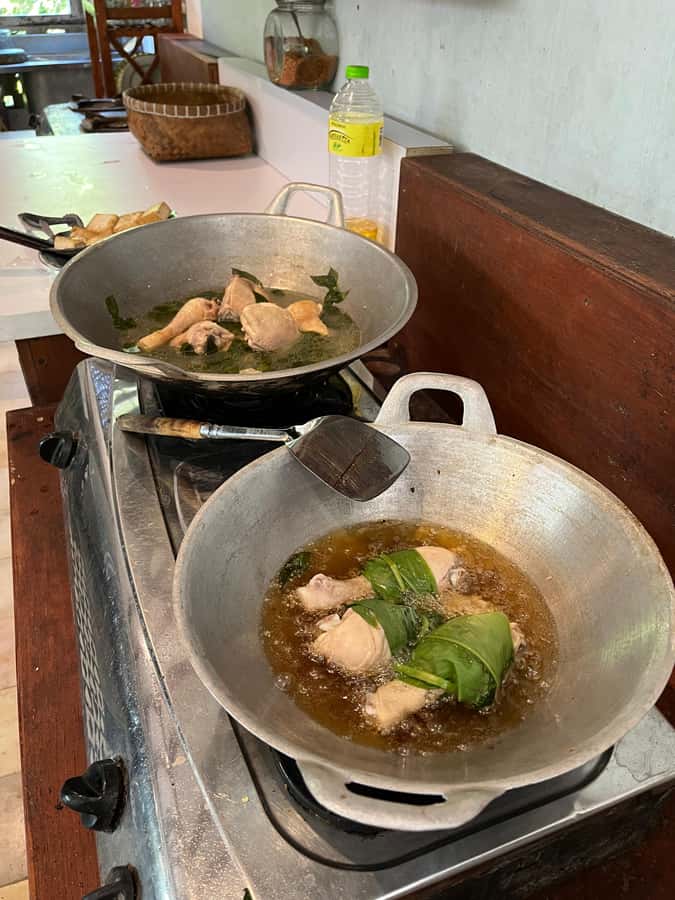
- Fried chicken with curry leaves
- Tofu and tempeh
- Balinese lemongrass chili sauce
- Fruit rujak
- From Welcome Drink to Lunch: How the Meal Fits Together
- What Happens During the 5 Hours (And Why the Timing Works)
- Nature, Cats, and That Home-Kitchen Calm
- Price and Value: Is $38 Worth a 5-Hour Class?
- Who This Javanese Cooking Class Is Best For
- Should You Book This Indonesian Cooking Class in Yogyakarta?
- FAQ
- How long is the Indonesian cooking class in Yogyakarta?
- What dishes will I cook during the class?
- What welcome drink choices are offered?
- Is lunch included?
- What language is the instruction in?
- Is the class wheelchair accessible?
- Is transportation from hotels included?
- Is this a private group experience?
- What is the price per person?
- Who should not book?
Key things I’d plan around
- Harvest first, cook second: you start with herbs and fresh ingredients from the garden
- English instruction: the instructor guides you in straightforward terms
- Six dishes in one session: plan to eat well, not just snack and watch
- Rujak and peanut sauce: you’ll make both vegetable and fruit versions
- Cat-friendly atmosphere: they’ll wander in the background, not take over your kitchen
- Private group experience: it’s hosted as a smaller, more personal cooking day
Harvesting Native Herbs in Yogyakarta, Before the Pan Heats Up
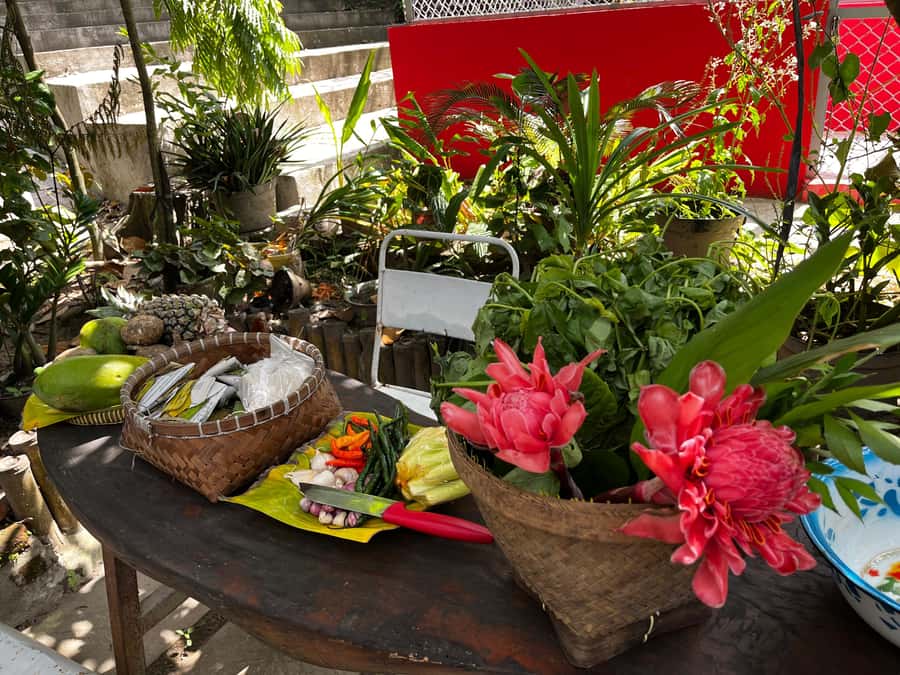
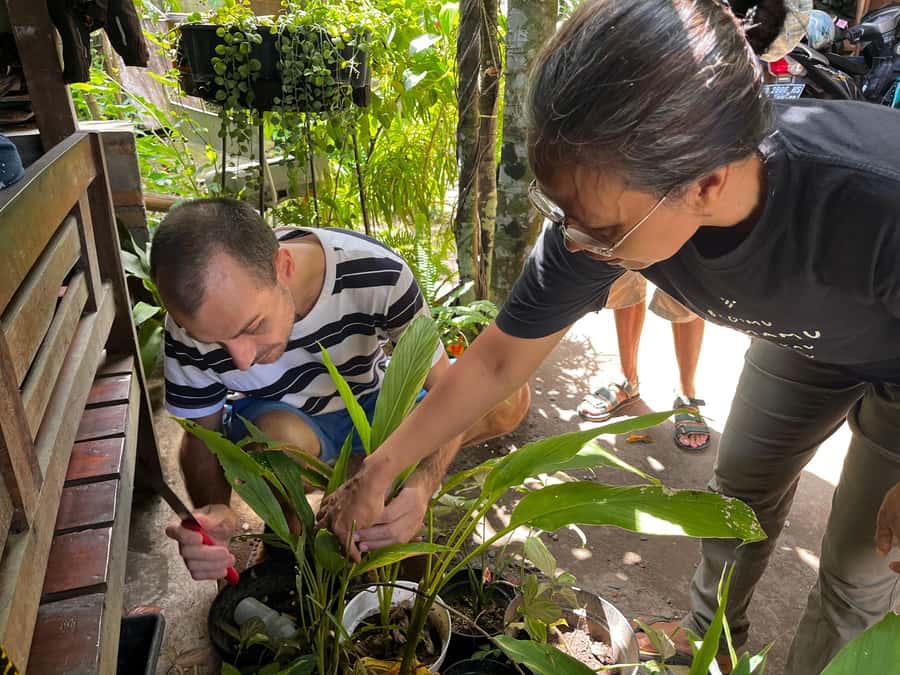
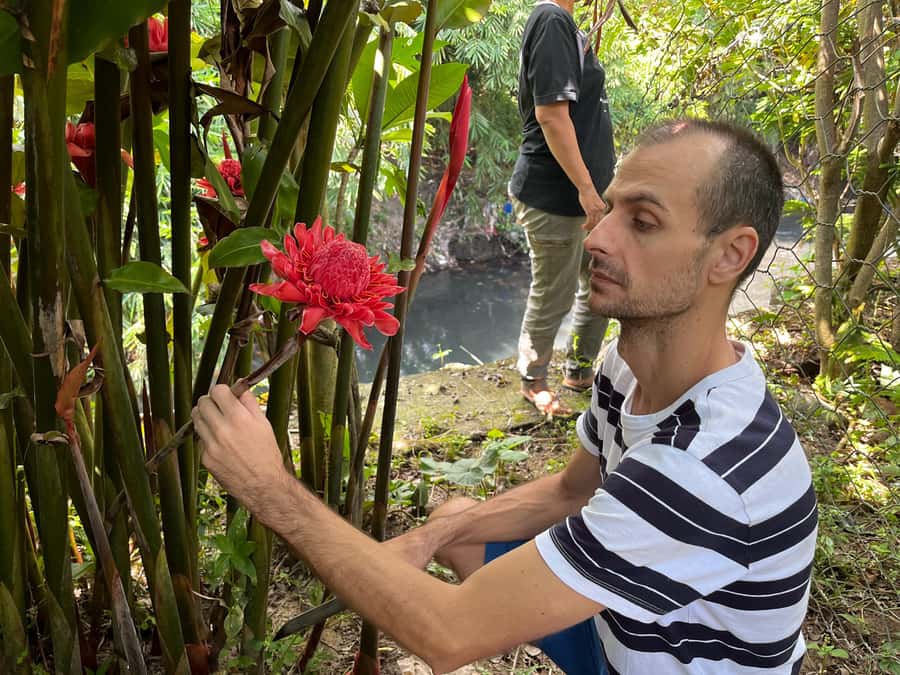
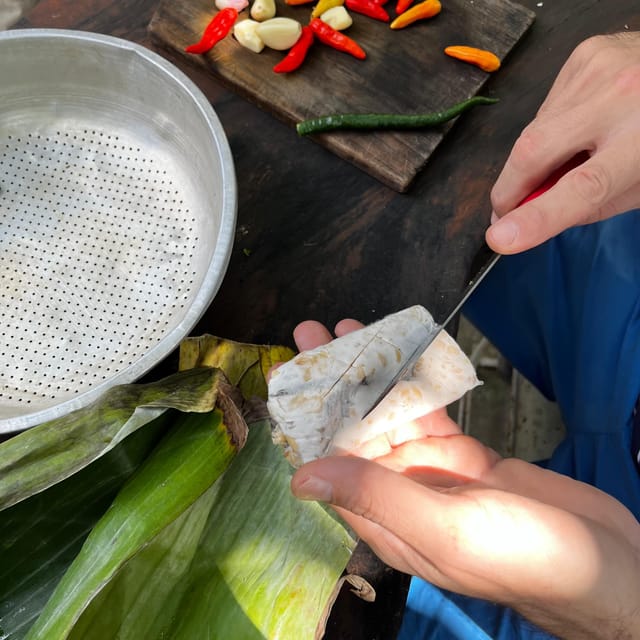
The class starts with a walk through a garden where you’re not just looking at plants—you’re picking them and learning what each one is used for. That matters more than it sounds. In Javanese cooking, a lot of flavor comes from what’s fresh and what’s aromatic, and this approach gives you a direct link between the plant and the final taste.
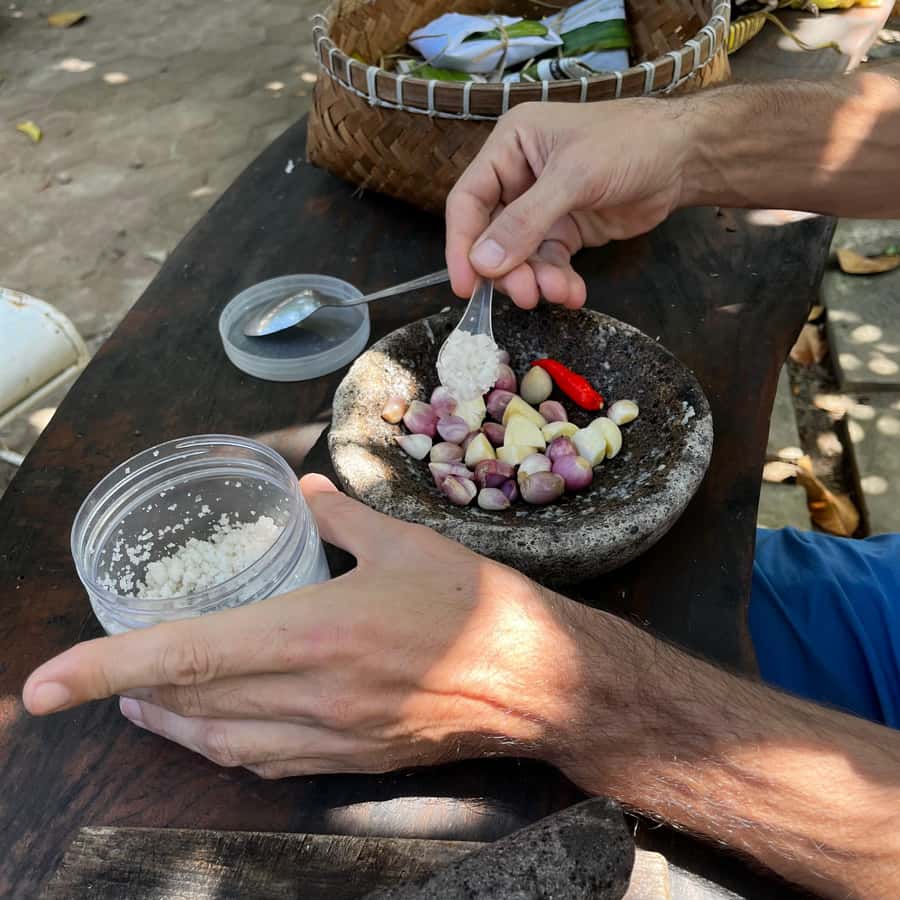
You’ll be guided through native herbs and ingredients, with time to touch, smell, and process items like rhizomes, spices, and fresh raw components. That hands-on element is the whole point. Instead of learning recipes as a list, you learn ingredients as characters in the dish.
I like that this section sets the tone for the rest of the afternoon. You walk out of the garden already knowing what you’ll be chopping later, so cooking feels less like guesswork and more like following a plan you helped build.
One more practical detail: garden picking can mean natural textures and smells are strong. Wear something you don’t mind getting a little aromatic from herbs and spices. Also, bring the mindset of slow cooking. This is not a rush-through show; it’s a 5-hour experience where the order of steps is part of the learning.
You can also read our reviews of more tours and experiences in Yogyakarta.



Meet Endah Pawon, and Learn Indonesian Cooking Culture at Home Speed
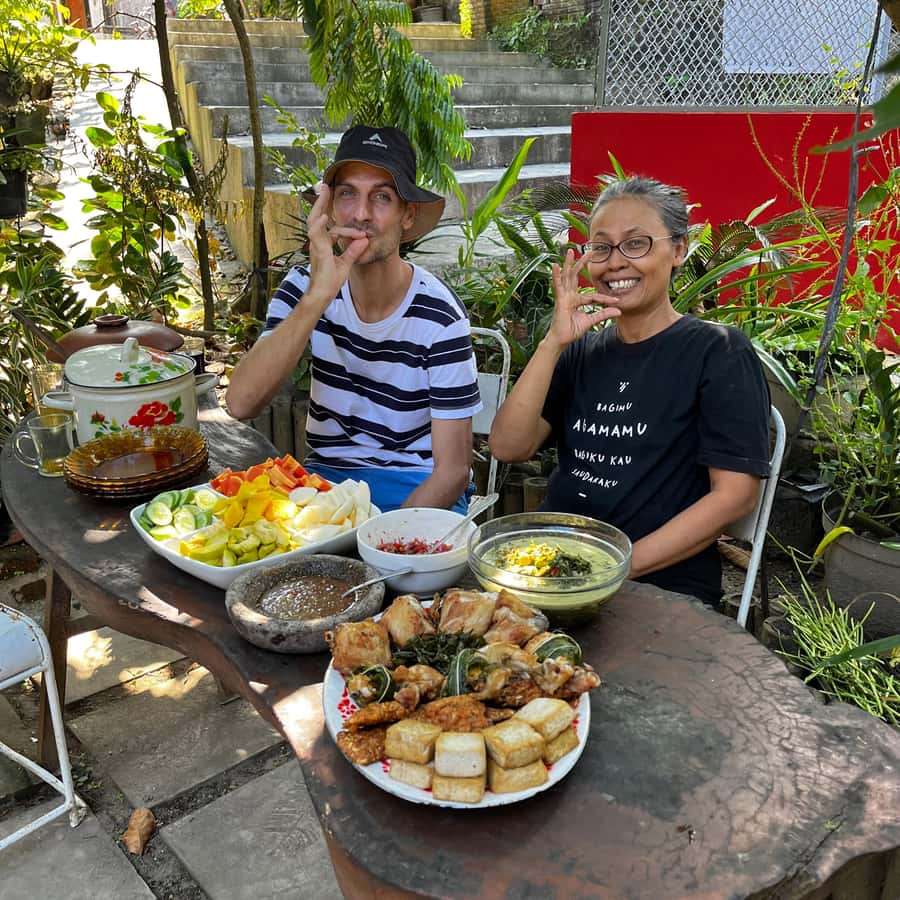
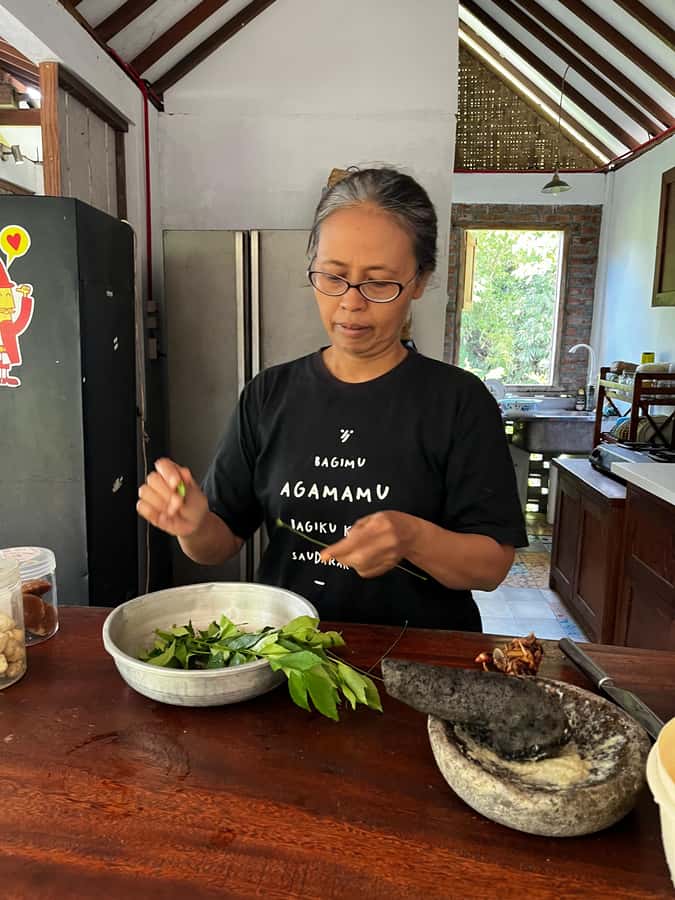
The cooking host for this experience is Endah Pawon, an English-speaking instructor who brings enthusiasm without turning it into a lecture. You’re not sitting on the sidelines. You’re cooking alongside her, and she’ll talk about Indonesian culture while your meal is in motion.
That cultural talk isn’t random trivia. It connects food choices to everyday life—why certain flavors are familiar in Java, and why ingredients are treated with respect rather than treated like shelf-stable shortcuts. You also see the kitchen as a living space, not a staged classroom. The home setting helps you relax, ask questions, and move at a pace that works.
The reviews I’ve read on this experience consistently mention Endah and her family as welcoming. That matches what you want from a cooking class: a real sense that you belong at the table by the time you sit down.
If you’re someone who learns best by doing—chopping, mixing, tasting—you’ll get a lot out of it. If you prefer highly structured instruction with exact measurements for everything, you might still enjoy it, but you’ll probably notice the class is more about technique and ingredient understanding than strict recipe math.
The Six Dishes You’ll Make: Rujak, Tempeh, and Curry-Leaf Chicken
This is a full meal class. You prepare 6 local dishes, and then lunch is included so you can actually eat what you made.
Here’s what’s on the menu for the standard set:
- Vegetable rujak with peanut sauce
- Fried chicken with curry leaves
- Fried or boiled tofu
- Tempeh
- Balinese lemongrass chili sauce
- Local fruit rujak
Let’s translate that into what you’ll learn.
Vegetable rujak + peanut sauce
Rujak is one of those Indonesian flavors that can sound unfamiliar until you smell it in action. In this class, you’ll work with vegetables for rujak and pair them with peanut sauce. This is a great dish to practice balance: sweet, savory, and tangy elements need to move together, not fight.
What I like about including rujak in a class like this is that it teaches you how Indonesian food can be both grounded and playful. You’ll likely build confidence faster because you can taste your way to a better outcome.
Fried chicken with curry leaves
Curry leaves are a small ingredient with a big personality. Cooking chicken with curry leaves teaches you how aromatic greens change the mood of a dish. You’ll get a feel for how heat brings out fragrance and how sauce and seasoning affect the final bite.
If you’re curious about how Indonesian-style spice layering works, this is the kind of dish that shows it without overcomplicating it.




Tofu and tempeh
Tofu and tempeh are central to Indonesian meals, and this class doesn’t treat them as filler sides. You’ll cook tofu (fried or boiled) and tempeh, which means you can compare how texture changes depending on method.
Tempeh also gives you a practical lesson: it absorbs flavor, but you still have to treat it with technique so it doesn’t end up bland or oddly chewy.
Balinese lemongrass chili sauce
Even though the class focuses on Javanese cooking, this sauce gives you an island flavor contrast. Lemongrass and chili together create a punchy profile that’s not only about heat. It’s about aroma first, then spice.
This is the dish that helps you understand why Southeast Asian cooking often feels fragrant before it feels spicy.
Fruit rujak
Making a fruit version of rujak right after the vegetable version is smart teaching. You can see how the same flavor logic adapts to different ingredients. It also turns dessert-like into something savory and street-food inspired rather than sugary and heavy.
From Welcome Drink to Lunch: How the Meal Fits Together
Before cooking gets serious, you get a welcome drink with choices of tamarind turmeric, tamarind sugar, or lemongrass tea. This is small, but it matters. Tamarind-based drinks often help reset your palate because they’re tangy and slightly sweet, while lemongrass tea feels calming and aromatic. You’ll appreciate that when you start tasting and adjusting sauces.
Lunch is included, and it’s the payoff. You’re not preparing a meal that goes straight into somebody else’s plate. You eat what you made, so the class works like a complete loop: ingredient learning → cooking practice → taste.
One consideration: because it’s a shared home-kitchen experience, it can feel casual and busy in a good way. You’ll likely move between tasks—chopping here, frying there, stirring sauces—while listening for instructions. If you’re someone who wants quiet, rigid timing, you might find the atmosphere a little more lively than a restaurant cooking demo.
What Happens During the 5 Hours (And Why the Timing Works)
The class runs about 5 hours, with starting times based on availability. That length is ideal for people who want more than a snack-and-send-you-away lesson.
A useful way to think about the schedule is in three phases:
1) Garden and ingredient orientation
You harvest herbs and get familiar with raw ingredients, including rhizomes and spices. This is where you build your mental map of what will go into each dish.
2) Cooking practice across multiple dishes
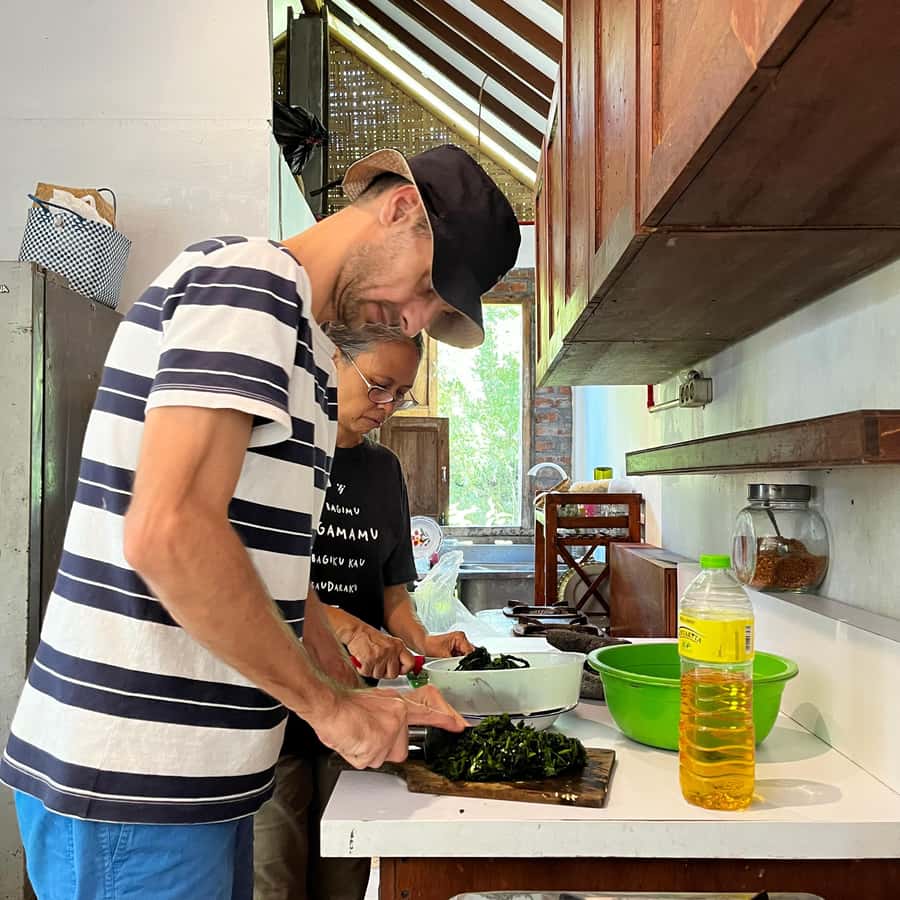
You’ll handle different techniques—saucing, frying, prepping tofu and tempeh, and making rujak components—so you don’t just repeat the same motion for hours. The variety makes the time fly, and it makes your skills more transferable to what you cook later.
3) Cultural conversation and then eating
As you work, Indonesian culture topics come up. Then you sit down for lunch and actually taste everything together.
This is the difference between a “watch and eat” class and a real skill-building session. You’ll likely leave knowing how flavors behave, not just how to memorize steps.
Nature, Cats, and That Home-Kitchen Calm
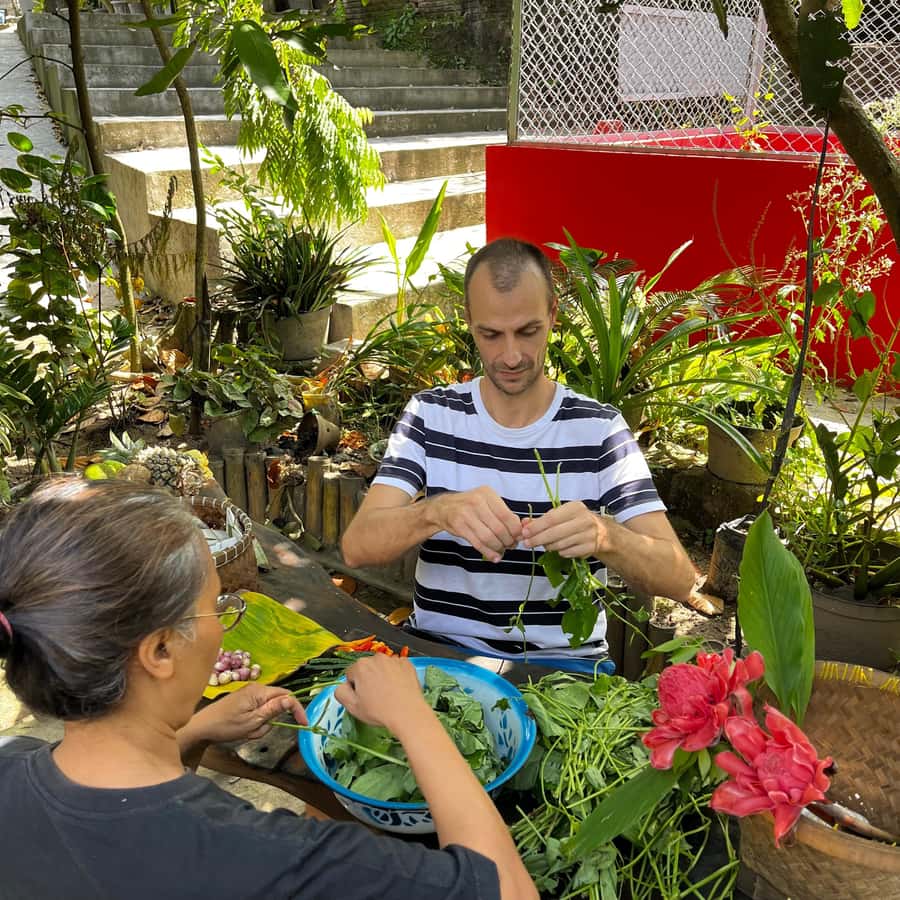
There’s a relaxed quality to this class that comes from where it happens. It’s hosted at Endah Pawon’s home, surrounded by plants, and you may share the space with friendly cats. You don’t need to manage them like a separate attraction. They’re part of the background charm.
I find that having a serene setting helps you focus. Cooking is sensory work—smell, texture, sound of frying, and the moment sauce thickens. When the environment is calm, you notice more. And when you notice more, you learn faster.
It also feels authentic. You’re not in a sterile studio kitchen. You’re in an actual household food space, which is exactly the kind of context you want for Indonesian cooking lessons.
Price and Value: Is $38 Worth a 5-Hour Class?
At $38 per person, this isn’t a budget pittance, but it also isn’t trying to be luxury-priced. The value comes from what’s included and what you actually do.
You’re paying for:
- a full 5-hour, hands-on cooking session
- English instruction
- all ingredients and cooking equipment
- lunch built from the dishes you make
- welcome drinks
- preparation of 6 dishes
If you’ve ever booked a cooking class and felt like the price was mostly about the lunch, this one is different. The big cost is time and guidance, and you get that time in both the garden and the kitchen.
Private group can also affect value. It may not be the cheapest way to do Indonesian cooking, but it usually means you get more attention and a smoother pace. That’s a big deal when you’re learning techniques like frying, sauce thickening, and balancing rujak.
One more practical check: there’s no hotel shuttle. If you’re staying far from the class area, your transportation cost and hassle could be part of your real total. Plan your way there early so the day stays enjoyable.
Who This Javanese Cooking Class Is Best For
This is a great fit if you:
- want hands-on Indonesian cooking, not just watching
- like food learning that includes ingredient recognition
- enjoy rujak flavors, tempeh, tofu, and curry-leaf chicken
- want an English-led experience with a friendly host like Endah Pawon
- prefer a smaller, private-group pace
It may not be ideal if you:
- need a class that fits for very young children (not suitable for children under 5)
- need options for seniors above 70 years (not suitable for people over 70)
- rely on a hotel shuttle to get around (it’s not included)
Also, because you’ll be cooking and tasting for hours, bring an appetite. This is a lunch-centered experience, and it’s built to be eaten.
Should You Book This Indonesian Cooking Class in Yogyakarta?
If you want an Indonesian cooking class that feels grounded in real ingredients and real teaching, I’d say yes—especially if you care about learning why a dish tastes the way it does. The garden harvest start is the standout. It makes the rest of the class click, because you already know what you’re working with.
Book it if you’re the type who enjoys touching, smelling, and learning flavors while you cook. It’s also a strong pick for couples or small groups who want a warm home-kitchen experience, plus a meal that’s fully included.
I’d hold off only if you hate the idea of getting slightly messy, or if getting to the meeting location without a shuttle would be a headache. Otherwise, this is a very solid value for a 5-hour, English-led, six-dish cooking day in Yogyakarta.
FAQ
How long is the Indonesian cooking class in Yogyakarta?
The class duration is 5 hours.
What dishes will I cook during the class?
You’ll prepare 6 local dishes: vegetable rujak with peanut sauce, fried chicken with curry leaves, fried or boiled tofu, tempeh, Balinese lemongrass chili sauce, and local fruit rujak.
What welcome drink choices are offered?
You can choose from tamarind turmeric, tamarind sugar, or lemongrass tea.
Is lunch included?
Yes. Lunch is included, and it features the dishes you prepare.
What language is the instruction in?
The instructor speaks English.
Is the class wheelchair accessible?
Yes, it is listed as wheelchair accessible.
Is transportation from hotels included?
No. Hotel shuttle is not included.
Is this a private group experience?
Yes. The class is described as a private group.
What is the price per person?
The price is $38 per person.
Who should not book?
It’s listed as not suitable for children under 5 years and people over 70 years.