Trade your map for a bicycle. This Yogyakarta bike tour turns Kalicode riverside life and sultanate-era storytelling into a fast, satisfying way to see the city beyond the main lanes.
I like how the tour is led by passionate university students who can tailor the route and explanations to what you care about. Guides such as Alfat and Alpha often use real-life kampung details—daily habits, local customs, and how people read and write Javanese culture—so it feels personal, not like a lecture.
One consideration: it’s still cycling end-to-end for 11 km, so it’s not a good fit if you have back problems, and it’s not recommended for pregnant riders.
In This Review
- Key highlights at a glance
- Why this 11 km Yogya ride feels more real than a checklist
- Meeting Moana’s road captain and settling into the route
- Kalicode riverside cycling: the “how people live” part of Jogja
- Temples, Kraton connections, and sultanate-era corners
- Snack stops that actually teach culture
- Local industry visit and the mangrove planting charity
- Guides who adjust on the fly (and keep it from feeling boring)
- Price and value: what $44 buys you in real terms
- Physical fit: flat route, but not a stroll
- Who should book this bike tour (and who should look elsewhere)
- Should you book Moana’s Jogja cycling tour?
- FAQ
- How long is the cycling tour in Yogyakarta?
- How far will I cycle?
- Is the route flat or hilly?
- What’s included in the $44 price?
- What languages are spoken during the tour?
- Where do I meet the tour, and what if I need to cancel?
Key highlights at a glance
- Kalicode riverside route with a mostly flat profile for an easy 3-hour plan
- Student-led guiding in English and Indonesian, with stories that can shift to your interests
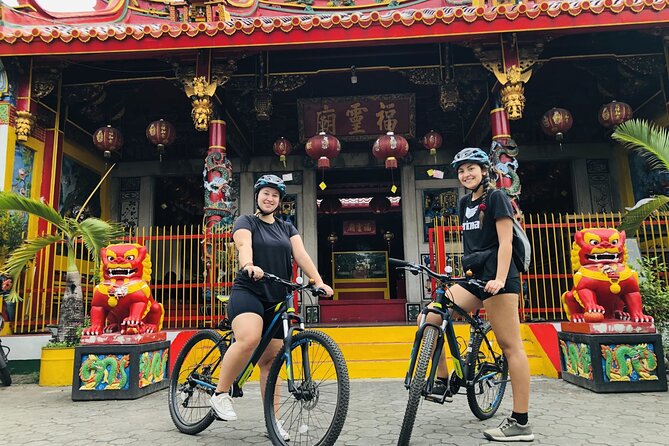
- Heritage stops that go beyond the postcard, including temple areas, Kraton-style royal history, and a Chinese temple moment
- Signature snack-and-drink pauses, timed so you can taste and learn without rushing
- Local industry visit plus a mangrove planting charity, so your ticket supports more than sightseeing
- A road captain who manages the route and gives cultural notes, including Javanese writing and culture
Why this 11 km Yogya ride feels more real than a checklist
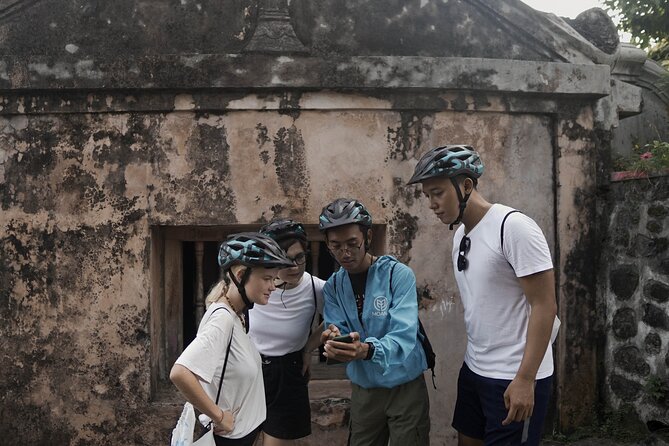
Yogyakarta can be overwhelming if you only chase big names and photos. This is the opposite. You’re on a bike for about 3 hours, covering 11 km along streets that lead you into quieter pockets of town where everyday life is the main event.
The route focuses on what people do, not just what buildings look like. You cycle by the Kalicode riverside area and then shift into unusual heritage zones tied to older kingdoms—temples, palace connections, and sultanate-related places that don’t always show up in simple walking itineraries.
The practical bonus is how concentrated it is. In a short window, you still get a sense of how the city works: the neighborhoods, the rhythms, and the small cultural details you normally only notice after you’ve been there a few days.
You can also read our reviews of more tours and experiences in Yogyakarta.


Meeting Moana’s road captain and settling into the route
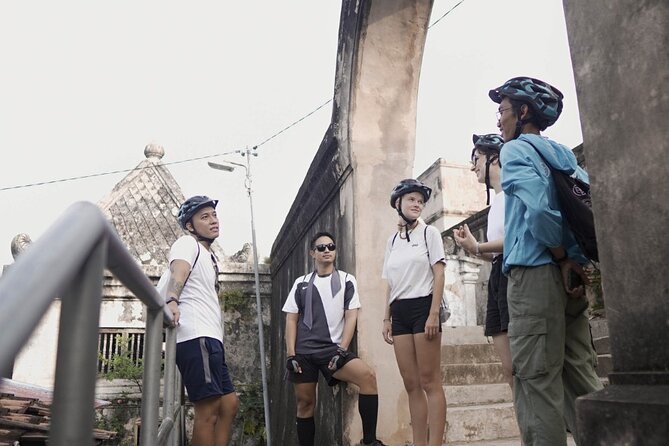
You’ll meet outside the fence near the Moana Bike Tour sign. The road captain wears a blue jacket, so you can spot your group quickly and get rolling.
The tour is designed around an easy pace. Even if you’re not a hardcore cyclist, the distance is straightforward—11 km with a flat route profile. Expect stops that break up the ride, so you’re not just pedaling through traffic-free boredom.
Timing is also flexible in the sense that the tour runs from specific start times, and the total experience stays at about 3 hours. That matters in Yogya, where one late hour can wipe out your plan for the rest of the day.
Kalicode riverside cycling: the “how people live” part of Jogja
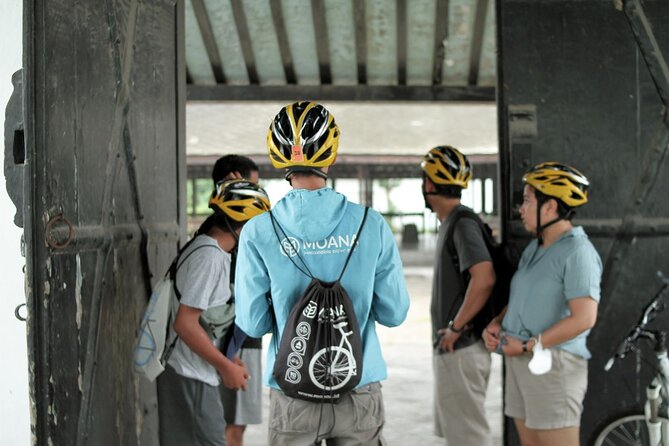
The core of this experience is the bike route into off-the-map areas. The most consistent theme is that you’re riding through a rural-leaning neighborhood rhythm along the Kalicode riverside corridor, not just moving between major sights.
What you’ll notice first is how the street life changes. You’re past the typical tourist spine, and you start seeing the city in smaller scales: street corners, lanes, homes, and community spaces where people are busy with ordinary tasks.
You also get a built-in reason to slow down. The tour captain and guides use the ride time as a classroom—sharing Javanese cultural notes, including references to Javanese writing and culture—so the route feels guided rather than random.
And yes, there can be a few stretches that connect to busier roads. One reason the tour gets high marks is that the guides pay attention to group spacing and make sure the ride stays manageable, even if the route isn’t 100% traffic-free.
Temples, Kraton connections, and sultanate-era corners
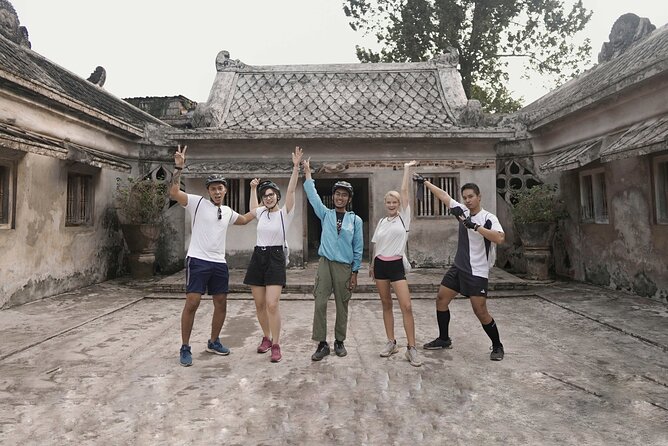
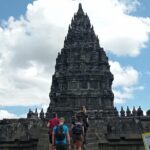
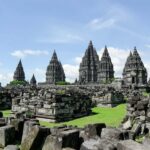
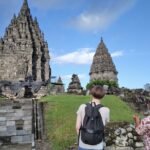
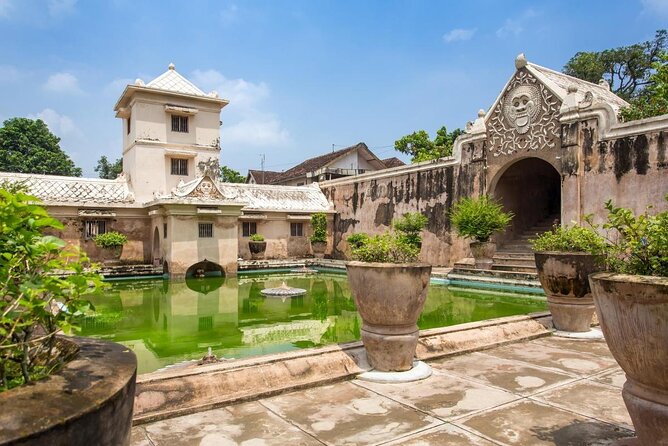
The heritage portion is where this tour separates itself from a simple “bike around town” outing. You’re not only seeing temples in the broad sense—you’re also getting the context that explains why these places matter to Yogya’s royal and religious storylines.
In practice, that means stops that can include temple areas, a Chinese temple moment, and royal history links connected to the Kraton and the palace of the sultan. The details can vary depending on the flow of the day, but the emphasis stays the same: unusual heritage corners you’re less likely to find solo.
A big advantage here is the pacing. Instead of trying to cram monuments into a tight walking schedule, you travel between cultural points by bike. That keeps the experience active, but it also preserves time to listen.
The “why it’s valuable” part is simple: without context, many sites blur together. With a guide explaining the cultural logic—how royal history, religion, and community life intersect—you come away with a stronger mental map of Yogya, not just a list of names.
Snack stops that actually teach culture
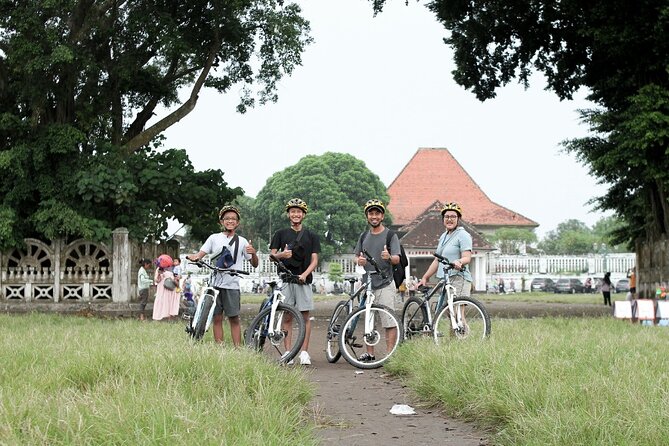
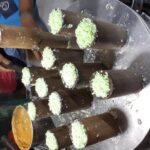
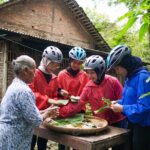
A bike tour can become just exercise and photos. This one tries to do better by building in local signature refreshments stops.
These breaks aren’t random. They’re tied to the cultural story the guide is telling, so you’re tasting what locals recognize while you learn how everyday habits and local preferences connect to broader Javanese culture.
If you’re the kind of traveler who learns best with all senses—taste plus conversation—you’ll likely appreciate this. It’s also a smart way to keep energy up during a 3-hour ride without turning the tour into a cafe crawl.
Expect the snack and drink included to be part of the experience flow, not an optional add-on. That included refreshment also makes it easier to commit to the 3-hour format, even if you don’t want to plan food around it.

Local industry visit and the mangrove planting charity
This isn’t only about heritage. You’ll also visit local industry, which gives you a look at work and production that sits behind the city’s daily life.
For me, this part is a quiet value-add. It nudges the tour away from being only scenic and into being practical—how things get made, handled, and supported locally. Even a short stop can change the way you read a city once you’ve seen there’s a working system behind the scenes.
Then there’s the environmental side: your ticket includes a mangrove planting charity component. It’s not a long project day, but it’s a meaningful way to link your tour to something that goes beyond your own experience.
If you care about travel that leaves a lighter footprint, this is one more reason the price starts to make sense. You’re paying for a guided day out, but you’re also contributing to a local action.
Guides who adjust on the fly (and keep it from feeling boring)
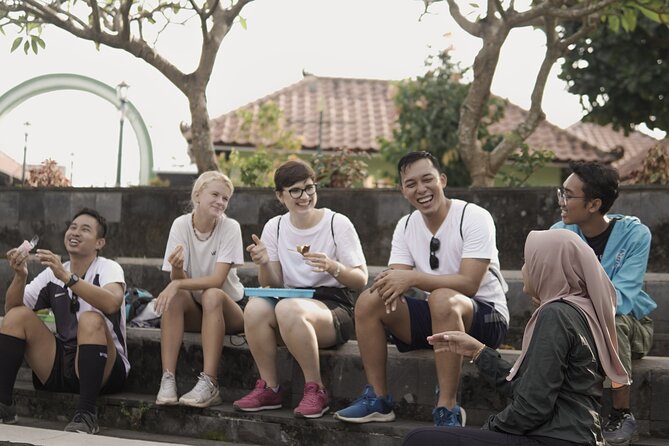
One of the strongest themes in the guiding style is flexibility. The guides listen to interests and can adjust the route and stories accordingly, so the experience doesn’t lock into a single script.
That flexibility can matter a lot if you’re traveling as a mixed group: teens who want stories that feel current, adults who want history without overloading details, or families who just want something engaging that still feels safe and organized.
You’ll also notice how the guides balance facts with daily-life context. Instead of only talking about old structures, they connect them back to kampung life—customs, routines, and why people act the way they do.
Names that come up often include Alfat and Alpha, and some groups are led by Amiro. Different guides bring different delivery styles, but the common thread is warmth and clear explanations.
Price and value: what $44 buys you in real terms
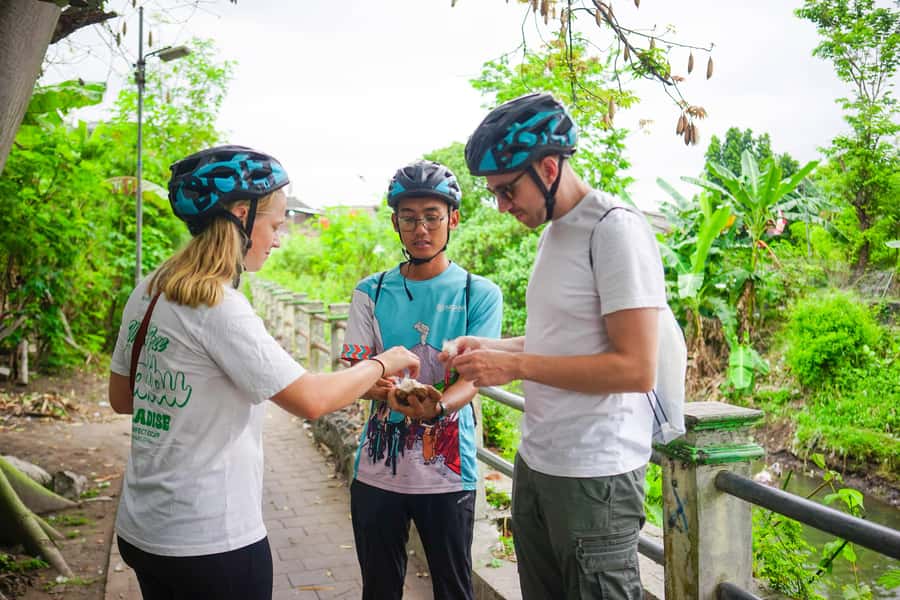
At $44 per person for about 3 hours, you’re not just paying for bike rental. The package includes a bike, refreshments (snacks and drinks), an eco string bag, a local experience, a visit to local industry, and the mangrove planting charity component.
So the value math is less about “cheap vs expensive” and more about “how much you get for a short time.” If you’re in Yogya with limited hours, this kind of structured route can replace the need for multiple standalone activities.
It’s also a good fit for travelers who want active sightseeing. You get movement, cultural stops, and food breaks all tied together by a road captain and a local guide team.
The tour’s also priced in a way that makes sense if you’re comparing to hiring a driver for only a few hours. Here, you’re mobile on your own bike while still getting the guidance that helps you understand what you’re seeing.
Physical fit: flat route, but not a stroll
The ride is flat and the route is designed to be friendly for most people who can handle casual cycling. Still, it’s not a zero-effort walk. You’ll cover 11 km, and that means you should plan your energy and comfort accordingly.
This matters most for travelers with physical concerns. The tour specifically states it’s not suitable for pregnant women and for people with back problems. If that’s you, skip it and choose a gentler format.
For everyone else, the practical takeaway is this: the tour is easy compared to many longer cycling days, but it’s still cycling. Wear something you can pedal comfortably in, and choose footwear that feels stable.
Also keep expectations realistic about traffic. The route is designed to be manageable, and guides help you stay together, but you should still assume you’ll be sharing roads at times.
Who should book this bike tour (and who should look elsewhere)
This is best for you if you want Yogyakarta in a short time and you prefer learning through experience, not only through museums. If you like neighborhoods, daily-life details, and cultural stories tied to real places, you’ll likely enjoy it.
It’s also a strong choice if you want to avoid the tourist track without planning your own route. The tour takes you to heritage and community areas you can’t easily stitch together on the fly—especially if you’re short on daylight or don’t want the hassle of navigating.
You might want to skip it if you’re looking for a completely effortless sightseeing day. It’s active, and it’s not built for mobility limitations related to cycling.
And if you’re the type who wants only the biggest, most famous monuments, this may feel more like a balanced mix of culture and everyday life than a straight “must-see” hit list.
Should you book Moana’s Jogja cycling tour?
If your goal is a 3-hour Yogyakarta experience that blends Kalicode riverside cycling, cultural context, heritage stops (including Kraton ties and a Chinese temple moment), snack breaks, and a local-industry + mangrove charity component, this tour makes a lot of sense.
Book it when you want movement plus meaning, and when you value a guide who can shape the stories to your interests. Skip it if cycling distance would be an issue for your body, or if you fall into the listed non-suitable categories.
Bottom line: for $44, you’re buying a short guided day that connects the city’s royal past to the neighborhood reality you’d otherwise miss.
FAQ
How long is the cycling tour in Yogyakarta?
The tour runs for 3 hours.
How far will I cycle?
You’ll cycle about 11 km.
Is the route flat or hilly?
The route is flat.
What’s included in the $44 price?
The included items are the bike, refreshment snacks and drinks, an eco string bag, local experience, a visit to local industry, and a mangrove planting charity.
What languages are spoken during the tour?
The tour guide provides interpretation in English and Indonesian.
Where do I meet the tour, and what if I need to cancel?
Meet outside the fence at the Moana Bike Tour sign, and look for the road captain wearing a blue jacket. You can cancel up to 24 hours in advance for a full refund.